

Oman
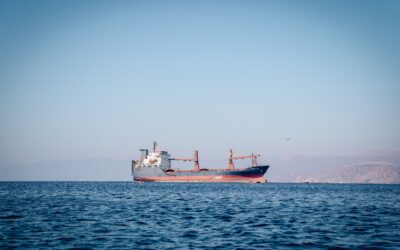
Iran and Oman Agree on Hormuz Shipping Coordinates, But Tehran Makes Clear the Strait Isn’t Reopening Yet
Iran and Oman announced Wednesday that they’ve agreed on the geographic coordinates for a new commercial shipping route through the Strait of Hormuz, a step toward de-escalation that comes even as Tehran insists it has no intention of fully reopening the critical waterway anytime soon — a reminder that the diplomatic progress touted by U.S. officials in recent days remains far more fragile than the headlines might suggest. What Was Actually Agreed Iranian Foreign Ministry spokesperson Esmaeil Baghaei told reporters that after roughly two months of negotiations, the two countries have settled on coordinates for a proposed shipping route, and that a joint statement covering the technical, legal, security, and environmental details of the arrangement is now in its final stages of drafting. “The geographical coordinates of the route proposed by the two sides have been agreed upon,” Baghaei said, adding the caveat that the joint statement would only move forward “provided that certain third parties do not obstruct the process” — a clear reference to the United States. Iran’s deputy foreign minister for legal and international affairs, Kazem Gharibabadi, told state news agency IRNA that the two countries have reached understanding on “almost all” outstanding issues in the negotiation. The Catch: Iran Still Wants the US Blockade Lifted First Despite the apparent breakthrough on coordinates, Baghaei was explicit that an agreement with Oman alone won’t be enough to make the strait safe for shipping. “An understanding with Oman cannot, in itself, mean that the strait has become safe for passing vessels, because the factors creating insecurity in the Strait of Hormuz — particularly the U.S. naval blockade and other actions against Iran and its interests — remain in place,” he said. That’s a significant condition. Reuters reported that the proposed arrangement would give Tehran control over ships entering the Gulf through the strait — described by sources as one of the biggest concessions to Iran since the war began — while regional officials cautioned that important details still needed to be finalized despite President Trump’s recent public optimism that a deal reopening the strait was close at hand. How We Got Here Iran effectively closed the Strait of Hormuz in March in response to the U.S. and Israeli strikes that launched the war in late February, and its forces have repeatedly threatened commercial vessels attempting to transit the waterway with drones, missiles, small boats, and mines ever since. An earlier ceasefire framework, the Islamabad Memorandum of Understanding, collapsed in July, triggering a fresh wave of strikes and reigniting the standoff over the strait that has disrupted roughly 20% of the world’s oil and liquefied natural gas exports and pushed global energy prices higher for months. At its narrowest point, the strait is just 21 miles wide, meaning any agreement over shipping lanes and territorial control carries outsized strategic weight — there’s essentially no room for a truly neutral international shipping lane if both countries insist on standard 12-mile territorial waters. Reading the Administration’s Position Trump administration officials have been eager to characterize the negotiations as evidence that sustained American pressure is finally working. Treasury Secretary Scott Bessent said earlier this week that a deal could come within days, and noted that vessel traffic has already picked back up despite the continued uncertainty. Whether that optimism proves justified will depend heavily on what happens next: Iran’s insistence on tying any final resolution to an end of the U.S. naval presence in the region suggests Tehran still believes it holds real leverage, even after months of American and Israeli strikes on its military and nuclear infrastructure. Supporters of the administration’s approach argue that extracting even partial concessions from Iran — a country that had effectively shut down a fifth of the world’s oil shipping for months — represents real progress from a position of strength, and that Tehran’s public hedging is standard negotiating posture rather than a sign the pressure campaign has stalled. Skeptics counter that a deal requiring the U.S. to lift its naval blockade in exchange for Iranian control over Gulf-bound shipping lanes would hand Tehran a durable strategic win, not a defeat, regardless of how the administration chooses to frame it. What Comes Next Officials on both sides say the joint statement between Iran and Oman is nearly finished, but its release — and any broader resolution to the shipping standoff — still hinges on decisions well above either country’s negotiating teams. Reports suggest the broader framework may also require sign-off from Iran’s Supreme Leader before anything becomes final. In the meantime, the war itself continues, with American and Israeli strikes ongoing and no comprehensive ceasefire yet in place covering anything beyond the narrow question of Gulf shipping routes. This story is developing.