

Outbreak
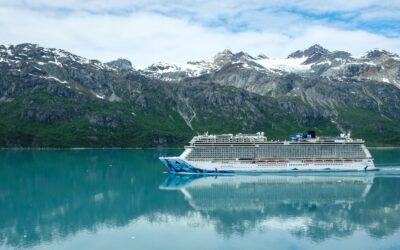
Outbreak On Board: Alaska Cruise Ship Hit with Third Stomach Illness Sweep in Two Months as CDC Review Underway
What was intended to be an intimate, bucket-list voyage through the pristine wilderness of Alaska has turned into a recurring medical nightmare for passengers aboard an expedition cruise vessel. Federal public health authorities have confirmed that the National Geographic Sea Bird—a specialized 62-passenger vessel operated by Lindblad Expeditions—has been struck by its third major gastrointestinal outbreak in less than two months. The latest outbreak, occurring during a five-day voyage between Sitka and Juneau, sickened nearly a third of all guests on board. The repeating pattern of severe illness has triggered a comprehensive review by the U.S. Centers for Disease Control and Prevention (CDC), raising sharp questions from maritime health watchdogs over whether the ship’s sanitation and quarantine protocols are sufficient to stop the virus. At The Modern Memo, we break down the operational profile of the three consecutive outbreaks, the physical environment making small ships uniquely vulnerable, and the regulatory pressure mounting on federal health inspectors to intervene. The Outbreak Timeline: A Summer of Recurring Sickness The primary concern for public health inspectors is not merely a single isolated event, but a persistent, multi-week cycle of infection that has plagued the vessel throughout its summer 2026 deployment. Voyage 1 (Late May): The initial outbreak was logged during a May 26–May 31 itinerary, sickening 9 of 66 passengers and 3 crew members. Stool sample testing conducted by the CDC confirmed the causative agent as norovirus. Voyage 2 (Late June): Less than four weeks later, during a June 25–June 30 trip between Juneau and Ketchikan, the ship was hit again. A second wave sickened 20 out of 95 total passengers and crew, with norovirus once again verified as the culprit. Voyage 3 (Mid-July): The most recent crisis struck the July 10–July 15 sailing. According to official CDC Vessel Sanitation Program (VSP) logs, 18 of the 62 passengers (29%) fell violently ill with severe abdominal cramps and projectile vomiting. While the specific pathogen for the third wave remains under laboratory evaluation, the clinical symptoms match the prior norovirus sweeps. The Transmission Trap: Why Expedition Ships Face Unique Risks While large mega-ships make headlines when hundreds fall ill, small expedition vessels face a different, highly acute set of operational challenges when dealing with contagious stomach bugs. The Math of Small Numbers: Because the Sea Bird carries only 62 passengers, it takes just two or three sick individuals to hit the CDC’s 3% mandatory outbreak threshold. When 18 passengers fall ill at once, it represents nearly one out of every three guests on board, severely straining the ship’s limited medical resources. The Disinfection Gap: Norovirus is a non-enveloped virus, meaning it possesses an extraordinarily tough outer shell. It is largely immune to standard alcohol-based hand sanitizers and can survive on hard surfaces—such as cabinet handles, buffet utensils, and Zodiac boat railings—for weeks unless non-stop, industrial-grade chlorine deep cleaning is applied between voyages. Regulatory Pressure: Will the CDC Issue a No-Sail Order? The frequency of the outbreaks on a single vessel has sparked intense debate among maritime legal experts and public health advocates regarding the limits of voluntary cruise line sanitation plans. Regulatory Step Standard Outbreak Protocol Escalated Multi-Outbreak Action Cleaning Procedures Increase crew wiping of high-touch surfaces with EPA-approved disinfectants. Terminal deep-cleansing using electrostatic fogging and total crew isolation. Passenger Protocols In-cabin isolation for symptomatic guests until 48 hours symptom-free. Mandatory pre-boarding health screenings and stool sample tracking. CDC Intervention Remote tracking via the Vessel Sanitation Program (VSP). Field Response / No-Sail Order: Sending inspectors on board or grounding the ship. Under VSP guidelines, Lindblad Expeditions reported that crews responded by isolating sick passengers, collecting clinical specimens, and executing enhanced cleaning protocols. However, maritime law experts point out that when a single ship suffers three documented outbreaks across a span of seven weeks, standard cleaning during rapid port turnarounds is clearly failing to break the chain of infection. Calls are growing from consumer advocacy groups for the CDC to deploy a full field team to inspect the ship’s water, ventilation, and food-handling networks—or temporarily pull the vessel out of service until a total, uninterrupted sanitization cycle can be verified. Final Word The recurring wave of gastrointestinal illness aboard the National Geographic Sea Bird is the definitive proof that once a virulent stomach bug gets a foothold inside a ship’s tight quarters, standard surface wiping is simply not enough. When you look past the standard corporate press statements about “enhanced sanitation protocols” and analyze the hard data—three separate CDC-tracked outbreaks on a single small vessel in seven weeks, nearly 30% of passengers on the latest voyage struck with severe vomiting, and norovirus repeatedly defying turnaround cleanings—you gain an unvarnished view of an active public health risk. Quality information replaces travel marketing promises with the cold, unvarnished reality of maritime hygiene challenges. Lindblad Expeditions and federal health regulators face an immediate responsibility: either fully halt operations to execute an uncompromised, ground-zero decontamination of the ship, or risk sending yet another wave of paying passengers straight into a floating infirmary.