Pezeshkian
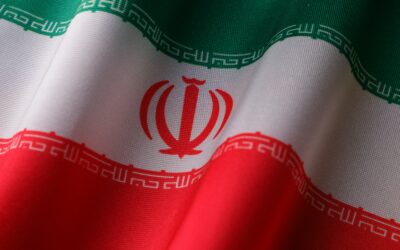
Tehran Defiant: Pezeshkian Blames “Foreign Plot” for Economic Unrest
In a move that has become a hallmark of the Islamic Republic’s response to domestic dissent, Iranian President Masoud Pezeshkian has formally accused the United States and Israel of orchestrating the massive wave of protests currently sweeping across Iran. Speaking in a televised address on January 31, 2026, Pezeshkian characterized the unrest—which began over economic grievances—as a “foreign-backed plot” designed to sow division and destabilize the nation. At Modern Memo, we analyze the administration’s claims of outside interference, the underlying economic crisis, and the escalating “war of words” between Tehran and the West. The Narrative of “Foreign Instigation” President Pezeshkian’s comments follow weeks of the largest anti-government demonstrations Iran has seen in decades. While the protests initially focused on the collapse of the national currency (the rial), the government’s narrative has shifted toward a framework of national defense against external enemies. The Accusation: Pezeshkian alleged that the U.S. and Israel have “exploited” Iran’s economic hardships to incite “violent rioters.” He claimed that foreign intelligence agencies have trained “terrorist elements” inside and outside the country to attack mosques, banks, and government buildings. The “12-Day War” Context: Tehran is increasingly framing the protests as a continuation of the June 2025 conflict between Iran and Israel. The administration argues that after failing to topple the regime through military strikes last summer, Western powers have pivoted to “hybrid warfare” and domestic subversion. The “National Resistance” Label: Official state statements have begun to frame security personnel killed in the crackdown as “martyrs of the resistance,” suggesting they are fighting a foreign invasion rather than domestic protestors. Economic Realities vs. Regime Rhetoric While the President points to foreign interference, independent observers and economists highlight a domestic system under immense pressure. The “economic blackout” in Iran is driven by several factors that the administration has struggled to manage: Currency Collapse: In late December 2025, the rial hit a record low of approximately 1.4 million rials to the U.S. dollar. This hyper-devaluation triggered the initial strikes among shopkeepers in Tehran’s Grand Bazaar. Subsidy Reforms: In an attempt to stabilize the market, Pezeshkian has pushed through major subsidy cuts on essential goods like wheat and oil. While intended to boost purchasing power in the long term, the immediate result has been a 60% spike in food prices, fueling public anger. Sanctions Pressure: The U.S. has intensified “maximum pressure” sanctions following the June 2025 hostilities, effectively cutting off Iran’s ability to access global financial markets and deteriorating the standard of living for the average citizen. The Crackdown: Security Forces and Information Control The government’s response to the protests has been described by international monitors as “unprecedented.” To regain control, the regime has deployed a strategy of total isolation: The Internet Shutdown: Since January 8, 2026, a near-total telecommunications blackout has blanketed the country. This “digital curtain” is designed to prevent protestors from coordinating and to stop images of the crackdown from reaching the global press. Arrest and Casualty Figures: While Iran’s Foreign Ministry claims roughly 3,100 deaths, international rights groups like HRANA and Amnesty International have reported significantly higher numbers, with some estimates suggesting over 6,000 confirmed deaths and more than 40,000 arrests. Judiciary Action: The Iranian judiciary has vowed to fast-track trials for those arrested, with officials suggesting that charges of “terrorism” and “enmity against God”—which carry the death penalty—will be applied to “rioters” deemed to be working for foreign powers. Final Word Understanding the rhetoric of the Iranian presidency isn’t just about foreign policy—it plays a powerful role in your understanding of how authoritarian regimes maintain control during a crisis. When you look at the raw data of currency devaluation alongside claims of “foreign plots,” you gain a clearer picture of the survival tactics being used in Tehran. Quality information improves your mental health by replacing the noise of propaganda with the clarity of economic and political analysis. It reduces “civic cynicism” by helping you realize that even the most aggressive narratives are often a response to deep-seated internal vulnerabilities. By choosing to analyze both the regime’s stance and the documented economic data, you protect your perspective and support a more informed, resilient global community. Where Facts, Context, and Perspective Matter At The Modern Memo, our goal is simple: to provide clear, well-researched reporting in a media landscape that often feels overwhelming. We focus on substance over sensationalism, and context over commentary. If you value thoughtful analysis, transparent sourcing, and stories that go beyond the headline, we invite you to share our work. Informed conversations start with reliable information, and sharing helps ensure important stories reach a wider audience. Journalism works best when readers engage, question, and participate. By reading and sharing, you’re supporting a more informed public and a healthier media ecosystem. The Modern Memo may be compensated and/or receive an affiliate commission if you click or buy through our links. Featured pricing is subject to change. 📩 Love what you’re reading? Don’t miss a headline! Subscribe to The Modern Memo here!