

SAVE America Act
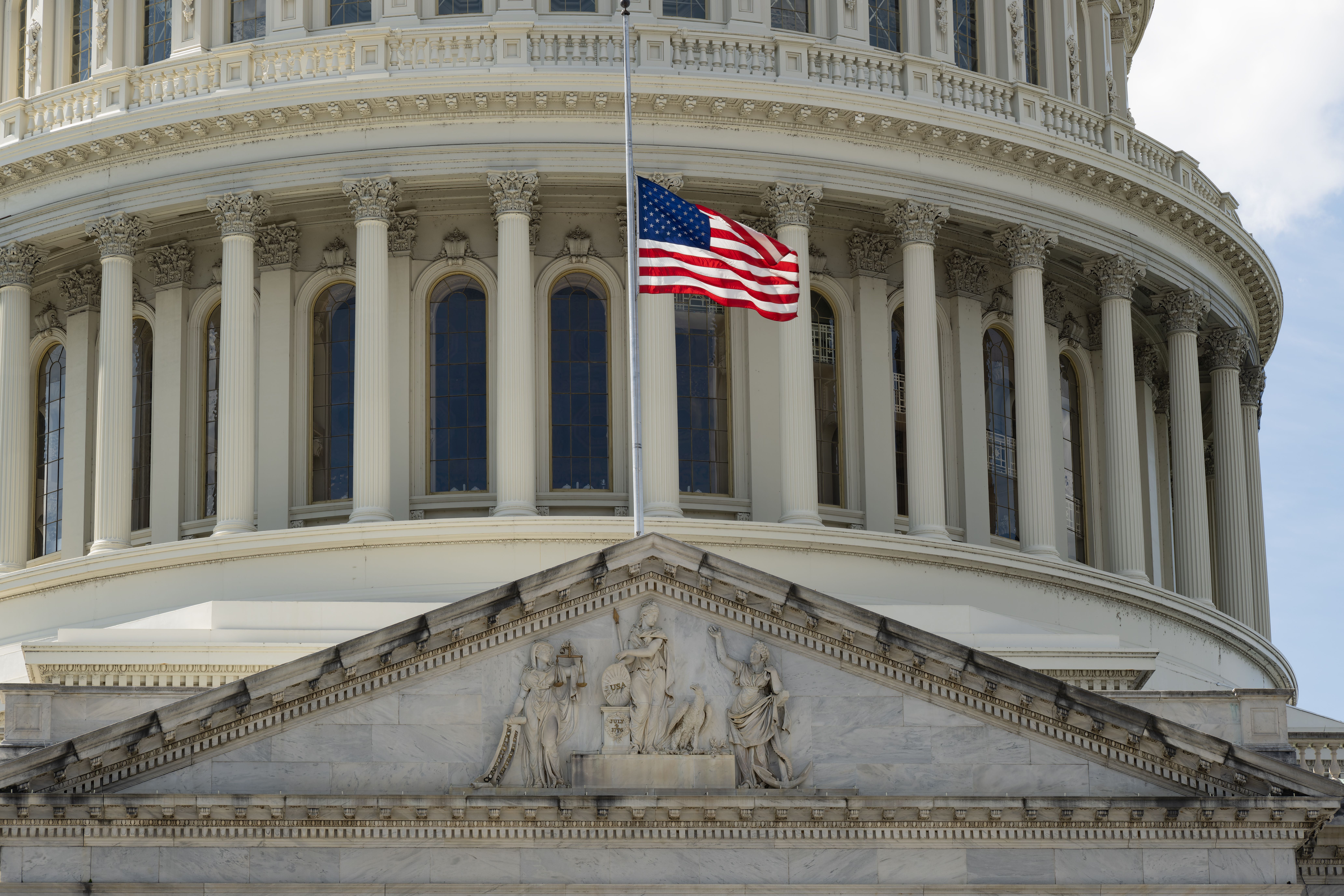
Johnson Scores Commanding Victory in Fight to Advance SAVE America Act Through Democrat Opposition
The $95B budget reconciliation framework includes $10B for states to implement election integrity measures from the SAVE America Act House Speaker Mike Johnson notched a major procedural win this week, steering his plan to advance the SAVE America Act through unified Democrat opposition and a bruising internal battle with fiscal hawks in his own conference. The House Rules Committee cleared Johnson’s budget reconciliation framework Monday, setting up a chamber-wide vote that would tee up passage of one of President Trump’s top legislative priorities — without a single Democrat vote required. Bypassing the Blockade Democrats have refused to support the SAVE America Act, which would require states to verify voter citizenship and mandate photo ID at the polls — commonsense election integrity measures that polling shows are backed by the overwhelming majority of Americans. Rather than let that obstruction stand in the way, Johnson moved to fold key elements of the SAVE America Act into a sweeping budget reconciliation package, a maneuver that lowers the Senate’s threshold for passage from 60 votes to a simple majority, cutting Democrats out of the equation entirely. “Safeguarding American elections and strengthening our national defense are the most basic responsibilities of Congress and are supported by an overwhelming majority of Americans,” Johnson said. The strategy is not without hurdles. Reconciliation rules require legislation to be tied directly to federal spending and revenue, meaning the full text of the SAVE America Act cannot simply be inserted wholesale — the Senate parliamentarian will ultimately decide which election-related provisions can survive under the chamber’s Byrd Rule. To clear that bar, House Republicans structured the package to direct $10 billion to the House Administration Committee specifically to help states implement SAVE America Act-style requirements, such as citizenship verification and voter ID. What’s in the Package The broader $95 billion framework goes well beyond election integrity. It also directs: $60 billion to the Armed Services Committee for military funding, including support amid the ongoing conflict with Iran $13 billion to the Intelligence Committee for defense and Iran-related spending $12 billion to the Agriculture Committee for farm aid, providing relief to American farmers $10 billion to the House Administration Committee for state election integrity grants tied to the SAVE America Act Republicans are framing the package as a three-pronged America First priority: secure the border and the ballot box, rebuild military readiness, and support the farmers who keep the country fed. Overcoming a GOP Revolt Johnson’s win came only after he beat back a revolt from fiscal hawks within his own conference, who balked at nearly $100 billion in new spending with no offsets elsewhere in the budget. President Trump personally intervened to press wavering House Republicans to fall in line, and Johnson has continued working closely with Vice President JD Vance to shore up support. Following a meeting with Vance and House Republicans, Johnson made clear there would be no retreat: “We’re going to pass the SAVE America Act into law, as much of that as possible.” The House Budget Committee advanced the framework Thursday on a 20-14 vote, and Monday’s Rules Committee action clears the way for a full House floor vote before lawmakers depart for their August recess. What Comes Next Passage of the budget framework is only the first step. It directs the relevant House committees to draft the detailed reconciliation text and submit it by September 11, after which the full package must still pass both chambers before reaching the president’s desk. Senate Republicans, including Sen. Mike Lee of Utah — the SAVE America Act’s lead Senate sponsor — have cautioned that the final scope of what survives reconciliation will depend heavily on how the legislative text is drafted and what the parliamentarian allows. Still, Johnson’s ability to unify his conference around a path forward, after Democrats made clear they would offer zero cooperation, marks a significant early win in Republicans’ third use of reconciliation this Congress — and keeps alive Trump’s push to get citizenship verification and voter ID protections written into federal law before the midterms. This story is developing.
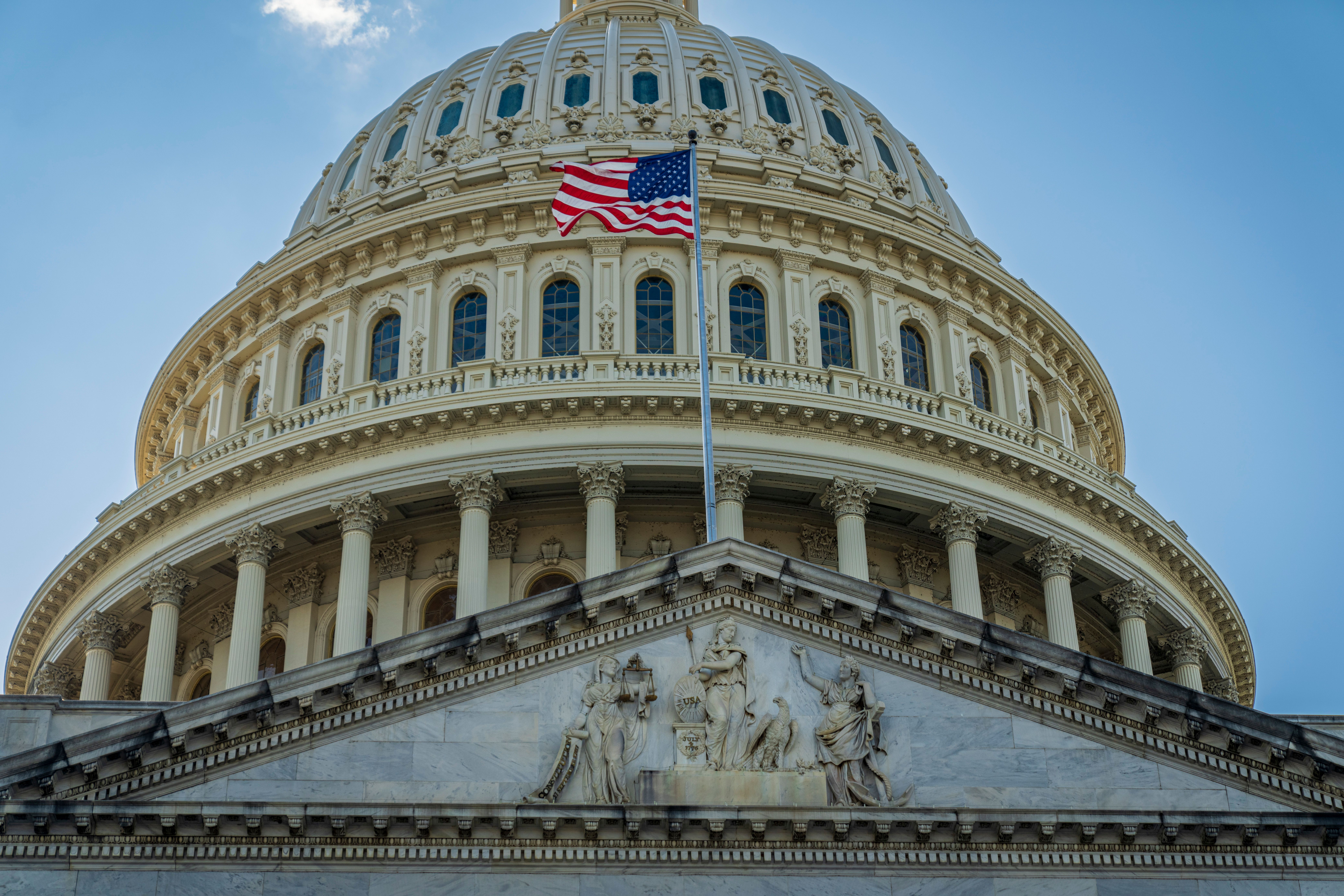
The Legislative Ultimatum: Trump Allies Freeze House Floor to Force Senate Vote on Voter ID Mandate
A high-stakes, scorched-earth legislative war has ground the United States Capitol to a complete standstill. In a coordinated, aggressive maneuver designed to break a monthslong Senate deadlock, a powerful coalition of staunch congressional allies of President Donald Trump successfully froze the House floor, vowing to hold the entire federal legislative process hostage until the Senate passes sweeping election integrity reforms. Leading the charge on the house floor, Representative Anna Paulina Luna (R-FL) delivered a blunt ultimatum to both Democratic leadership and establishment Republicans. Luna announced that the populist faction will systematically block, delay, or attach the Safeguard American Voter Eligibility (SAVE) America Act to every single piece of upcoming legislation, regardless of its bipartisan support. The structural blockade has thrown the capital into absolute chaos, coming mere hours after President Trump blindsided lawmakers by abruptly weaponizing a landmark, bipartisan housing affordability bill as his own leverage tool to force a national voter ID showdown. At The Modern Memo, we break down the tactical legislative freeze executed by House populists, the mechanics of the SAVE America Act, and the sudden sacrifice of a rare, bipartisan housing package that has left both parties reeling. The Floor Freeze: “As Long as It Takes” The tactical paralysis on the House floor represents a massive escalation in the ongoing power struggle between the populist-led House and the more moderate, filibuster-constrained Senate. The Luna Declaration: Appearing on high-profile national broadcasts and addressing colleagues from the chamber floor, Rep. Anna Paulina Luna made it explicitly clear that the days of business-as-usual governance are over. “The SAVE America Act is no different than banning insider trading,” Luna argued, framing election integrity as a foundational crisis. “We will hold up every piece of legislation until it passes. We are prepared to do this as long as it takes.” The Procedural Hostage Tactics: Working alongside a disciplined bloc of hardline conservatives, the coalition is utilizing a series of procedural maneuvers—including voting down standard rules for debate and threatening to deny quorums—to effectively kill the legislative pipeline. The Democratic Backlash: Democratic lawmakers immediately blasted the floor freeze as a dangerous, anti-democratic stunt. Critics accuse the populist faction of paralyzing vital government functions and holding the American taxpayer hostage to satisfy a singular, highly partisan narrative regarding the 2024 and upcoming election cycles. The SAVE America Act: Dismantling the Current Voting Grid The piece of legislation causing the monumental gridlock is a sweeping, comprehensive overhaul of the American voter registration system that election experts call one of the most restrictive packages ever introduced in Congress. Current National Voting Framework The Proposed SAVE America Act Mandate Honor System Registration: Under the 1993 National Voter Registration Act, applicants can check a box swearing under penalty of perjury that they are U.S. citizens. Documentary Proof Required: Applicants must physically present hardcopy proof of citizenship—such as a U.S. passport, birth certificate, or naturalization certificate—to register. State-Managed Voter Rolls: Individual states independently maintain their voter registries with variable cleanup schedules. Federal DHS Purges: States are legally mandated to hand over all registration data to the Department of Homeland Security for mandatory monthly purges of non-citizens. Widespread Mail-In Options: Many states maintain universal mail-in ballot distributions and lenient drop-box laws. Structural Restraints: The act institutes strict bans on universal mail-in voting and heavily curtails unmonitored ballot drop boxes. While civil rights groups like the Brennan Center for Justice warn that the strict documentary requirements could disenfranchise up to 21 million eligible American citizens who do not have immediate, easy access to birth certificates or passports, Luna and her allies counter that the measures are bulletproof protections necessary to restore absolute public faith in the electoral process. The Housing Bill Sacrifice: Trump’s “National Emergency” Leverage The legislative fires on Capitol Hill were aggressively fanned by a stunning executive intervention from the White House, where President Trump abruptly sacrificed a major bipartisan victory to tighten the screws on the Senate. The Road to Housing Act: Just 24 hours prior, the White House was actively preparing to take a massive victory lap. Both chambers of Congress had passed the 21st Century ROAD to Housing Act with historic, veto-proof majorities (358–32 in the House; 85–5 in the Senate). The landmark bill cut red tape, streamlined environmental reviews, and limited institutional investors from buying single-family homes to lower housing costs for everyday families. The Abrupt Cancellation: Hours before a scheduled high-profile bill-signing ceremony, Trump took to Truth Social to completely blow up the deal. “Today’s Housing News Conference and Signing is hereby cancelled until such time as we pass the desperately needed SAVE AMERICA ACT, which I consider to be a National Emergency,” Trump announced. The Strategic Diminishment: Dismissing the very bill his own press secretary had hailed as a “historic promise kept” a day earlier, Trump added that the sweeping housing package was of “minor importance” compared to passing the voter ID mandate, putting him in lockstep with the House floor freeze. Final Word The total paralysis of the House floor by Trump’s congressional allies is the definitive proof that the populist movement views election structure as an existential, zero-sum conflict that supersedes all standard governance. When you look past the theatrical partisan screaming matches and focus entirely on the hard data—the absolute freezing of a historically productive, veto-proof bipartisan housing bill, a hardline faction systematically shutting down the House floor, and a proposed mandate forcing 21 million Americans to adapt to strict citizenship tracking—you gain an unvarnished view of raw leverage politics. Quality information replaces the corporate media’s narrative of “republican chaos” with the reality of a highly calculated, top-down legislative squeeze. By willing to burn down popular, consensus economic policies like housing reform to force a vote on the SAVE Act, Luna and the White House have laid down a permanent, unyielding marker for the Senate: either bring the voter ID bill to a vote, or watch the gears of the United States government completely grind to dust.
Restoring the Ballot: Everything You Need to Know About the SAVE America Act
As the 2026 midterm elections approach, the fight over who has a say in the future of our country has reached a fever pitch. In February 2026, the House of Representatives took a decisive step by passing the Safeguard American Voter Eligibility (SAVE) America Act. The bill, a top priority for the Trump administration, is currently the center of a high-stakes debate in the Senate. At The Modern Memo, we break down the core pillars of this legislation, why its supporters call it “common-sense security,” and why the opposition is fighting so hard to keep the status quo. The Core Mandate: Proof of Citizenship The central goal of the SAVE America Act is simple: ensuring that only American citizens decide American elections. While federal law already prohibits non-citizens from voting, the SAVE America Act introduces a rigorous enforcement mechanism that currently doesn’t exist at the federal level. Documentary Proof (DPOC): For the first time, individuals would be required to provide documentary proof of U.S. citizenship when registering to vote in federal elections. Accepted Documents: Valid proof includes a U.S. passport, a birth certificate (accompanied by a photo ID), or a naturalization certificate. Closing the Loophole: Currently, many states rely on a “self-attestation” box—essentially an honor system. Supporters argue this is insufficient in an era of unprecedented illegal border crossings and want a physical paper trail to verify eligibility. National Voter ID: A Standard for Security Beyond registration, the Act mandates a strict photo identification requirement at the polling place. The ID Requirement: Voters would be required to present a valid photo ID to cast their ballot, whether in person or by mail. State Preemption: While 36 states already have some form of voter ID, the SAVE America Act would set a federal “floor,” ensuring that states with loose requirements (like those allowing student IDs or utility bills) must move to more secure, government-issued photo identification. Cleaning the Rolls: The bill directs states to cross-reference their voter registration lists with the Department of Homeland Security’s (DHS) databases to identify and remove any non-citizens currently on the rolls. Accountability: Real Consequences for Fraud The SAVE America Act isn’t just a set of guidelines; it carries heavy penalties for those who undermine the system. Criminal Penalties: The bill establishes criminal penalties for election officials who knowingly register non-citizens or fail to collect the required proof of citizenship. Private Right of Action: Perhaps most significantly, the Act allows private citizens to sue election officials if they believe the law is not being properly enforced. This “watchdog” provision is designed to ensure that local bureaucracies cannot ignore federal security standards. Final Word The SAVE America Act represents a fundamental shift in how we view the “sanctity of the ballot.” When you look past the noise of “voter suppression” rhetoric and focus on the data—the millions of new arrivals in the country and the documented inconsistencies in state voter rolls—you gain a clearer picture of why this legislation is necessary. Quality information replaces the fear of “barriers” with the clarity of a standardized, secure process that mirrors what is required to open a bank account or board an airplane. It allows you to see the SAVE America Act not as a hurdle, but as a safeguard that ensures every legal vote isn’t diluted by an illegal one. By choosing to back a system rooted in verified citizenship, you align your perspective with the reality that a sovereign nation must, above all, protect the integrity of its own voice. Where Facts, Context, and Perspective Matter At The Modern Memo, our goal is simple: to provide clear, well-researched reporting in a media landscape that often feels overwhelming. We focus on substance over sensationalism, and context over commentary. If you value thoughtful analysis, transparent sourcing, and stories that go beyond the headline, we invite you to share our work. Informed conversations start with reliable information, and sharing helps ensure important stories reach a wider audience. Journalism works best when readers engage, question, and participate. By reading and sharing, you’re supporting a more informed public and a healthier media ecosystem. The Modern Memo may be compensated and/or receive an affiliate commission if you click or buy through our links. Featured pricing is subject to change. 📩 Love what you’re reading? Don’t miss a headline! Subscribe to The Modern Memo here!