

Travel

The Common Sense Surge: Viral Interviews Reveal Travelers’ Relief at ICE Airport Deployment
While the mainstream media and “sanctuary” advocates scramble to frame the President’s latest security move as “dystopian,” a wave of viral bystander interviews is telling a very different story. As Immigration and Customs Enforcement (ICE) agents began arriving at 14 major U.S. hubs this week to backstop a thinning TSA frontline, the “fear and chaos” predicted by critics has been replaced by something far more practical: gratitude from travelers who are tired of being held hostage by a budget stalemate. At The Modern Memo, we analyze the viral “Vegas Interview” that sparked the conversation, the operational reality of ICE’s supporting role, and why the public is prioritizing moving lines over partisan optics. The Clip Seen ‘Round the Web: “They’re Actually Helping” The conversation shifted over the weekend when a viral TikTok from Harry Reid International (LAS) captured a group of travelers in a four-hour security queue reacting to the arrival of five uniformed ICE agents. The Traveler Consensus: In the video, which has amassed over 8 million views, a traveler named Linda from Arizona points to an agent assisting with stanchion management. “Look, I don’t care what their patch says,” she tells the interviewer. “I’ve been here since 4:00 AM. If they can help move this line and keep us safe while the TSA is out, I’m all for it. They’re actually helping.” Dispelling the “Fear” Narrative: Despite claims from the ACLU that armed agents would “inspire fear,” the footage shows travelers high-fiving agents and asking for selfies. For the average American family trying to make a Spring Break flight, the presence of a federal officer—any federal officer—is a welcome sign of order. Operational Reality: “Force Multipliers,” Not Screeners A key point of contention has been whether ICE agents are “trained” for aviation security. Border Czar Tom Homan cleared the air this Sunday, clarifying that the deployment is a strategic “backfill” rather than a replacement of technical skill. Crowd Control & Perimeter: ICE agents are not operating X-ray machines or magnetometers—tasks that remain with the certified TSA personnel still on duty. Instead, they are serving as “force multipliers” for crowd control, line monitoring, and terminal patrols. The “Water Bottle” Diplomacy: White House-promoted videos—and subsequent viral bystander clips—have shown ICE agents handing out water to those in long lines and even holding spots for parents who need to take children to the restroom. It is a level of “service-oriented” security that critics didn’t anticipate. Relieving the Pressure: By taking over the “low-skill, high-labor” tasks of line management, the remaining TSA staff can focus entirely on the technical screening process, which has already led to a measurable decrease in wait times at JFK and O’Hare. The Political Backfire: Why the “Hostage” Strategy Failed The deployment of ICE was a direct response to a “call-out” rate that topped 11% nationwide as TSA officers faced their second month without pay. By utilizing a “currently funded” force like ICE, the President effectively neutralized the leverage of the shutdown. Bypassing the Gridlock: Democrats like Sen. Cory Booker have called the move “bizarre,” but for the administration, it is a simple matter of resource management. If the TSA is short-staffed, you move the available professionals to where they are needed most. The “90%” Posture: With the administration also claiming massive success in neutralizing external threats abroad, the focus has shifted to internal stability. Keeping airports open is seen as a “victory for the traveler” that prevents the DHS shutdown from becoming a national economic paralysis. Final Word The viral reaction to ICE at our airports proves that the American public has a much higher threshold for “common sense” than the political class gives them credit for. When you look past the noise of “militarization” labels and focus on the data—the decreasing wait times and the positive traveler feedback—you gain a clearer picture of a successful emergency measure. Quality information replaces the rhetoric of “police states” with the reality of an administration that refuses to let a budget fight stop the country from moving. It allows you to see this deployment not as a threat, but as a necessary bridge to stability. By choosing to support the “boots on the ground,” you align your perspective with the thousands of travelers who just want to get home safely and on time. Where Facts, Context, and Perspective Matter At The Modern Memo, our goal is simple: to provide clear, well-researched reporting in a media landscape that often feels overwhelming. We focus on substance over sensationalism, and context over commentary. If you value thoughtful analysis, transparent sourcing, and stories that go beyond the headline, we invite you to share our work. Informed conversations start with reliable information, and sharing helps ensure important stories reach a wider audience. Journalism works best when readers engage, question, and participate. By reading and sharing, you’re supporting a more informed public and a healthier media ecosystem. The Modern Memo may be compensated and/or receive an affiliate commission if you click or buy through our links. Featured pricing is subject to change. 📩 Love what you’re reading? Don’t miss a headline! Subscribe to The Modern Memo here!

Build Your Dream Getaway & We’ll Reveal Your True Traveler Type
Build Your Dream Getaway & We’ll Reveal Your True Traveler Type Your bags are packed and your out-of-office is on—let’s design your perfect escape! Question 1 of 8 The journey begins! You’ve just landed. What’s the very first thing you do? Drop my bags and find the most extreme activity available. Head straight to the pool or beach with a drink in hand. Visit a famous landmark or museum to get my bearings. Ditch the map and wander down an interesting-looking street. It’s time for lunch. What’s on the menu? Something quick and portable I can eat on the go. A long, leisurely meal at a restaurant with a gorgeous view. A guided food tour to sample all the most authentic local dishes. Whatever looks good from a street food stall I just passed. An unexpected free afternoon opens up. How do you fill it? Rent a scooter or ATV to explore the rugged coastline. Book a last-minute massage or find a quiet spot for a nap. Check out that small, niche museum I read about in a guidebook. Ask a local for their favorite hidden spot and go there, no questions asked. What kind of accommodation did you book? A tent in the wilderness or a rustic cabin near the action. An all-inclusive luxury resort with a spa and room service. A charming boutique hotel in the heart of the historic district. No booking! I’ll find a hostel or guesthouse when I arrive. You’re picking a souvenir. What do you bring home? A GoPro video of my craziest stunt. A locally made scented candle or bath oils. A piece of art from a local gallery or a history book. A strange trinket from a flea market with a story behind it. How would you describe your ideal travel companion? Someone who pushes me to try scarier, more exciting things. Someone who is happy to do absolutely nothing with me for hours. A knowledgeable guide (or a friend who acts like one!). A fellow adventurer who’s up for anything and doesn’t need a plan. What’s your biggest vacation nightmare? A week of “scheduled relaxation” with no option for adventure. A packed itinerary with early mornings and no downtime. Being stuck in a resort with no access to the local culture. Having every single minute of the trip planned out in advance. As the trip ends, what’s your dominant feeling? Exhilarated and already planning my next high-octane trip. Totally recharged, refreshed, and serene. Enriched and inspired, with a new understanding of the world. A little sad it’s over, but excited by the unexpected memories I made. See My Result → Your Result Take Quiz Again

The “Set-Jetting” Surge: 2026’s Rise of the Pop-Culture Pilgrimage
In the travel world of 2026, the traditional guidebook is being replaced by the streaming queue. A new phenomenon known as “Set-Jetting” has evolved from a niche hobby into an $8 billion industry, as travelers increasingly bypass classic landmarks in favor of the specific landscapes featured in their favorite digital franchises. At Modern Memo, we explore the shift toward these “pop-culture pilgrimages” and how travel agencies are pivoting to meet the demand for immersive, screen-inspired itineraries. The Data: Fandom as the New GPS According to the 2026 Set-Jetting Forecast released by Expedia Group, the influence of film and television on travel decisions has reached a tipping point. The Stat: A staggering 81% of Gen Z and Millennial travelers now report that they plan their vacations based on locations they’ve seen on screen. The Desire: Over 53% of global travelers say their interest in visiting a filming location has increased year-over-year, leading agencies to rebrand these trips as “Fan Voyages.” The Economic Impact: What began as a curiosity fueled by shows like The White Lotus and Emily in Paris is now a primary driver of tourism revenue for regions that once sat off the beaten path. 2026’s Top “Pilgrimage” Destinations As new seasons and films debut, the map of “must-visit” locations shifts. Industry experts highlight several regions seeing a massive surge in bookings this year: Yorkshire, U.K.: Driven by the romantic moors of the new Wuthering Heights adaptation and the “Grand Finale” of Downton Abbey, the region is seeing record-breaking demand for estate tours and period-themed stays. The Dalmatian Coast, Croatia: Long a Game of Thrones staple, this region is experiencing a secondary boom due to the Netflix hit People We Meet on Vacation, with travelers seeking out the specific turquoise waters and seaside villas featured in the film. Samoa, Polynesia: Following the release of the live-action Moana, travel interest in the South Pacific has skyrocketed, with agencies offering “Wayfinder” packages that focus on Polynesian culture and oceanic exploration. Tuscany, Italy: The upcoming film Jay Kelly, starring George Clooney, has turned the quiet towns of Pitigliano and San Quirico d’Orcia into “supporting characters” that fans are eager to visit. Beyond the Photo Op: Immersive Fan Itineraries Travel agencies are moving beyond simple “bus tours” to offer what they call Immersive Fan Experiences. These specialized itineraries are designed to let fans “step into” the world of the show: Themed Workshops: From learn-to-code sessions inspired by tech thrillers to period-accurate etiquette classes for Bridgerton fans. “Gami-Vacations”: Leveraging the “Pop Culting” trend, some agencies now include augmented reality (AR) “missions” or quests at filming sites, allowing travelers to earn digital rewards through specialized apps. Screen-Accurate Stays: A rise in “Salvaged Stays”—historic buildings like former courthouses or warehouses that served as sets—allows fans to literally sleep where the action happened. The Utah Film Trail Closer to home, the Utah Film Trail has become a premier example of state-led pop-culture tourism. Launched officially in 2026, the self-driving itinerary guides visitors through the iconic backdrops of Forrest Gump, Thelma & Louise, and Yellowstone. The trail combines cinematic history with the state’s burgeoning Michelin-star culinary scene, proving that even “old” movies can continue to drive modern luxury travel. Final Word Staying informed on the evolution of “Set-Jetting” isn’t just about picking a vacation spot—it plays a powerful role in your understanding of how digital media reshapes our physical world. When you look past the trend and see the data of an $8 billion industry, you gain a clearer picture of how deeply storytelling influences our global economy. Quality information replaces the noise of viral travel clips with the clarity of industry forecasts and cultural data. It allows you to see these “pilgrimages” as more than just a search for a photo, but as a genuine search for connection with the stories that define our era. By choosing to follow the facts of the trend rather than just the hashtags, you align your perspective with the realities of modern tourism and support a more informed, adventurous future. Where Facts, Context, and Perspective Matter At The Modern Memo, our goal is simple: to provide clear, well-researched reporting in a media landscape that often feels overwhelming. We focus on substance over sensationalism, and context over commentary. If you value thoughtful analysis, transparent sourcing, and stories that go beyond the headline, we invite you to share our work. Informed conversations start with reliable information, and sharing helps ensure important stories reach a wider audience. Journalism works best when readers engage, question, and participate. By reading and sharing, you’re supporting a more informed public and a healthier media ecosystem. The Modern Memo may be compensated and/or receive an affiliate commission if you click or buy through our links. Featured pricing is subject to change. 📩 Love what you’re reading? Don’t miss a headline! Subscribe to The Modern Memo here!

Pajamas On Planes Are Under Fire — Here’s Why
The Modern Memo may be compensated and/or receive an affiliate commission if you click or buy through our links. Featured pricing is subject to change. U.S. Transportation Secretary Sean P. Duffy is urging airline passengers to rethink what they wear when they fly. He recently launched a new campaign encouraging travelers to “dress with respect” and leave pajamas, slippers, and loungewear at home. Duffy explained that even small choices, like changing into presentable clothes before travel, can help bring back courtesy and civility in the air. He said, “Let’s try not to wear slippers and pajamas as we come to the airport. I think that’s positive.” It’s common sense! https://t.co/P5iT3UDhQk — Secretary Sean Duffy (@SecDuffy) November 25, 2025 The Stats Behind the Push for Better Etiquette The Department of Transportation and the Federal Aviation Administration did not introduce this civility campaign without reason. According to recent federal data, unruly passenger incidents have risen nearly four hundred percent since 2019. Airlines and unions also report that many flight attendants have experienced verbal or even physical confrontations during flights. Although the worst spikes happened in 2021, incidents remain significantly higher than before the pandemic. Because of those numbers, supporters of the campaign see it as more than a dress-code suggestion. They view it as a call to restore basic respect in an environment where tensions often run high. Air travel has become stressful for both passengers and crew, and officials believe that even small improvements in personal behavior can help. More Stories Drowning in Bills? These Debt Solutions Could Be the Break You Need Out-of-Town Renters Are Driving Up Demand in These Five Cities Under Siege: My Family’s Fight to Save Our Nation – Book Review & Analysis Christian Music Goes Mainstream With Brandon Lake & Forrest Frank What “Dressing With Respect” Really Means When Duffy encourages passengers to dress better, he is not asking anyone to wear a suit and tie. Instead, he is promoting simple, clean, everyday clothing that reflects a basic level of self-respect and consideration for others. He suggested that even a pair of jeans and a neat shirt can elevate the overall mood of travel. He believes that when people dress better, they tend to behave better. Etiquette experts agree. One explained that pajamas should stay in private spaces like homes or hotel rooms. Airports and airplanes are shared, public environments filled with strangers. Presentable attire signals respect for oneself and everyone else. At the same time, the recommendation does not forbid comfort. Travelers can still be relaxed, but without showing up in sleepwear that signals detachment or disregard. Critics Question Whether Clothing Solves the Real Problems Not everyone is convinced that clothes influence civility. Some frequent travelers argue that comfort should remain the priority, especially with cramped seats, long delays, and the general exhaustion that comes with modern air travel. They feel that the real issues are systemic: overcrowded flights, staffing shortages, long security lines, and passenger stress. In their view, clothing is not the root of the problem. Some critics also warn that promoting a dress standard may come off as tone policing or unnecessary judgment. They argue that asking passengers to dress differently sidesteps the real frustrations that lead to poor behavior in the first place. Still, the campaign aims to remind the public that every person contributes to the atmosphere of shared spaces, and attire is one piece of that puzzle. Can Clothes Really Change Behavior? Attire strongly influences mindset. Psychologists often refer to this as “enclothed cognition,” the idea that what we wear affects how we think, feel, and behave. When people take time to dress neatly, they often stand straighter, act more courteously, and interact with more confidence. Etiquette professionals also say that choosing intentional clothing can create a chain reaction of positive behavior. It encourages people to be more polite to crew members, help fellow passengers store luggage, and manage personal space more responsibly. The Department of Transportation is impressing upon travelers the importance of civility in a time of heightened anxiety and frustration by encouraging them to ask simple questions: Did you help someone who needed assistance? Did you say please and thank you? Did you show patience in crowded spaces? What This Means for Holiday Travel and Everyday Flights With millions of Americans traveling during peak seasons, the campaign arrives at a strategic moment. The goal is not to enforce strict rules but rather to nudge travelers toward more considerate habits. For many passengers, the shift could be as easy as swapping pajama pants for jeans and putting on shoes instead of slippers. These small actions can help set a more respectful tone throughout airports and on flights. For others, comfort may still outweigh appearance, especially on long journeys. However, the campaign encourages a broader discussion about how individual behavior affects shared environments. Even small gestures, when multiplied across thousands of travelers, can lead to a noticeable improvement in travel culture. Final Thoughts Flying is rarely glamorous anymore, but it does not need to feel chaotic or unpleasant. If more travelers choose to show a little respect—to themselves, to the crew, and to one another—air travel can become more enjoyable. Wearing presentable clothing is a simple place to start. But this raises a deeper question: Why do Americans need to be reminded of how to behave decently? Much of this comes from the work-from-home era, when millions blend professional life with home comfort. The trend of “business on top and lounge on the bottom” encourages people to look polished in video calls while staying in sweatpants, slippers, or pajamas from the waist down. Over time, that casual mindset spilled into public places. Many people gradually forgot the social cues and habits that come with dressing for public life. This shift matters because clothing affects behavior. Dressing for success does increase confidence, mood, and self-discipline. When people take the time to present themselves well, they typically interact with others more respectfully. It sets the tone for how we…

United CEO Scott Kirby Says Spirit Airlines Will Collapse
United Airlines CEO Scott Kirby didn’t hold back when asked about the future of Spirit Airlines at the APEX Global Expo. Speaking to moderator Brian Sumers, he declared, “That is a fundamentally broken business model, and the consumer has voted. They are going out of business because customers do not like their product.” When pressed on how he could be so sure, Kirby kept it short and confident. He replied with five words: “Because I’m good at math.” Earlier in the week, at the U.S. Chamber of Commerce’s Global Aerospace Summit in Washington, D.C., Kirby used almost the same tone. He described the ULCC model as “an interesting experiment” that ultimately “failed,” Reuters reported. Why Kirby Thinks the Model Doesn’t Work Kirby’s criticism of Spirit comes down to two points: customer satisfaction and financial reality. Spirit relies on ultra-cheap fares to get passengers on board, then adds fees for nearly everything else. For travelers, that often means frustration over paying for bags, seat assignments, or basic comforts. (RELATED NEWS: Noctourism: The Rise of Travel After Dark and How to Do It) According to Kirby, passengers are voting with their wallets. They try Spirit once but don’t always return. That lack of loyalty forces the airline to constantly chase new customers, which is expensive and unstable. In his view, the numbers behind costs, churn, and revenue growth make the business impossible to sustain. Spirit’s Response on Social Media Spirit fired back quickly. In a post on X, the airline wrote: “Scott is finally right about something – it is all about customers. Our Guests love low fares, especially our new Spirit First and Premium Economy options. Maybe that’s why United executives can’t stop yapping about us.” Scott is finally right about something – it is all about customers. Our Guests love low fares, especially our new Spirit First and Premium Economy options. Maybe that’s why United executives can’t stop yapping about us. https://t.co/OXsXQmukDI — Spirit Airlines (@SpiritAirlines) September 9, 2025 With that reply, Spirit defended its place in the market and reminded travelers that affordability is still its core appeal. The airline pointed to its recent upgrades as proof it is not stuck in the past. Signs of Trouble at Spirit Despite Spirit’s defense, the numbers show turbulence. The airline has filed for bankruptcy protection twice in less than a year. Bankruptcy gives a company time to restructure, but repeating the process so quickly signals deeper problems. On top of that, Spirit has pulled back from several cities, including Boise, Albuquerque, and Portland. Route cuts like these shrink its footprint and raise questions about long-term stability. Analysts warn these changes are more than short-term adjustments; they may be symptoms of a business model under serious stress. United’s Opportunity United, meanwhile, is preparing to fill any gaps. Starting in January 2026, the airline will add more flights to Orlando, Las Vegas, and Fort Lauderdale—cities where Spirit has been a dominant player. Kirby’s strategy is clear: if Spirit retreats, United will be there to scoop up the demand. This approach not only helps United grow but also positions it as the reliable choice for travelers who may be tired of the ultra-low-cost experience. What It Means for Travelers For passengers, Spirit’s struggles carry both risks and opportunities. The biggest risk is fewer rock-bottom fare options. Without their pressure on the market, prices could creep higher across the board. Families looking for the cheapest flights may have fewer choices. On the flip side, passengers may benefit from more consistent service. Larger carriers like United can offer smoother travel with fewer surprise charges. While tickets may cost more, the tradeoff could be worth it for travelers who value predictability and comfort. (RELATED NEWS: Take a Family Gap Year: Ditch the Routine and Travel) The Bigger Picture Kirby’s comments also highlight a bigger debate in the airline industry. Can the ultra-low-cost model survive in the United States? Rising labor costs, expensive fuel, and changing consumer expectations make it harder to deliver bare-bones service at scale. Other budget carriers like Frontier and Allegiant will be watching Spirit’s next moves closely. To avoid the same fate, they may need to rethink their fee-heavy approach and find ways to build loyalty without losing their low-fare advantage. Looking Ahead Kirby’s math-based prediction has sparked a conversation about more than just Spirit Airlines. It’s about whether an entire business model can still work in today’s travel market. They insist their customers love low fares, but repeated bankruptcies and shrinking routes suggest the pressure is real. United is betting on that pressure leading to opportunity. By moving into Spirit’s strongest markets, it hopes to capture both passengers and loyalty. Whether Kirby’s prediction comes true remains to be seen, but his warning has forced the industry—and travelers—to take a hard look at what really works in air travel today. Unmask the Narrative. Rip Through the Lies. Spread the Truth. At The Modern Memo, we don’t polish propaganda — we tear it to shreds. The corporate press censors, spins, and sugarcoats. We don’t. If you’re tired of being misled, silenced, and spoon-fed fiction, help us expose what they try to hide. Truth matters — but only if it’s heard. So share this. Shake the silence. And remind the powerful they don’t own the story.
Take a Family Gap Year: Ditch the Routine and Travel
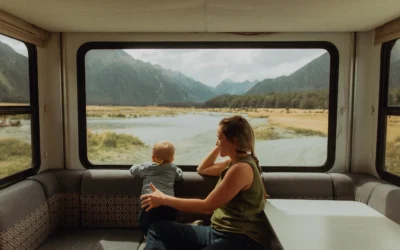
Hayley and Lewis Trow, a couple from the U.K., decided to trade their regular jobs and home life for a gap year adventure with their six-year-old daughter, Nyla. They left their jobs, moved out of their permanent home, and embraced a life of travel and discovery. To their surprise, the costs of being on the road dropped significantly—by nearly 50%. What used to cost them around $5,000–$6,300 (£4,000-£5,000) per month at home now comes closer to $2,500–$3,800 (£2,000–£3,000) while traveling, Fox News Reports. They manage this by strict budgeting, cutting unnecessary expenses, choosing less expensive accommodations, and adjusting their lifestyle to the demands of travel. Education for Nyla continues via online tutoring aligned with the U.K. curriculum, and when in Bali she attends a temporary multicultural school. While the choice wasn’t easy—they gave up stability, faced questions from friends and family, and navigated unknowns—they value the time together and the experiences. They say that witnessing the world through their daughter’s eyes has made the change more than worth it. (RELATED NEWS: Noctourism: The Rise of Travel After Dark and How to Do It) Affordable Family Travel Tips That Work Many families dream of taking time away from routine to travel together. The good news is that family gap year or long-term travel doesn’t have to be out of reach. With planning, discipline, and flexibility, exploring the world with kids can cost less than staying home. Here are strategies that help families save money, simplify their lifestyle, and turn extended travel into something achievable: Clarify Your “Why” Before making any big changes, define your purpose. Some families want more quality time together, others want their kids to learn from new cultures, and some simply want a gap year to slow down and break free from routine. Your “why” shapes your plan. If it’s cultural learning, you may choose to stay longer in one place. If it’s bonding, you might focus on shared experiences. Having a clear reason keeps you motivated when budgets get tight or travel feels overwhelming. Build a Realistic Budget List your current expenses: housing, food, transportation, schooling, recreation, insurance. Estimate travel costs: lodging, flights, visas, food, schooling or tutoring, gear. Compare the two. For many families, travel can actually cost less once big fixed costs are reduced. Save With Intention Automate savings by moving a set amount each month into a travel account. Cut unnecessary spending like subscriptions, impulse purchases, or luxury extras. Pay down high-interest debt early to free up more money for travel. Stay Flexible and Look for Deals Be open about where and when you travel. Off-peak seasons often mean lower prices. Use price alerts, rewards programs, and comparison tools to find cheaper flights and lodging. Choose smaller accommodations and keep baggage to a minimum to avoid extra costs. Plan for Education and Daily Needs If you have school-age children, research options such as remote schooling, online tutoring, or temporary local schools abroad. Also, plan ahead for healthcare and travel insurance to avoid unexpected expenses. (MORE NEWS: Insurance Drones: Hidden Home Inspections Spark Backlash) Embrace Simpler Living Pack light and keep wardrobes minimal. Stay in guesthouses or short-term rentals instead of hotels. Cook meals at home or eat local food rather than dining out every day. Reduce costs at home by downsizing, renting out your house, or selling a car. Test With Shorter Trips You don’t have to commit to a full year of travel immediately. Try smaller steps: A month-long trip instead of twelve. A sabbatical or extended summer break. Remote work or job sharing if possible. These trial runs help you see what works for your family’s routine, finances, and schooling before you make a bigger leap. From Dream to Lifestyle Family gap years or extended travel with children is not just for the wealthy. Families can afford it by planning carefully, budgeting wisely, and living with intention. The key is to trade unnecessary expenses for meaningful experiences and to choose flexibility over routine. This kind of lifestyle doesn’t happen overnight. It grows from small, consistent steps: building savings, practicing minimalism, and learning how to stretch every dollar. Each adjustment brings you closer to a family rhythm that prioritizes experiences over possessions. The rewards go far beyond saving money. Gap year travel offers kids new cultures, languages, and friendships they may never experience in a classroom. It gives parents more time with their children, away from packed schedules and constant distractions. The memories created often outweigh anything a new car or gadget could provide. With clear priorities and a willingness to simplify, you can transform family travel from a distant dream into a sustainable way of life. Whether it’s a summer abroad, a semester on the road, or a full year of exploration, the choice to step out of routine can change not just where you live—but how you live as a family. The Modern Memo — where lifestyle news isn’t shallow, soft, or sold out. From what you eat to what you buy, we cover the choices that shape your freedom, health, and future — without the influencer fluff or corporate agenda. Real life deserves real reporting. And we’re here to give it to you straight.

Noctourism: The Rise of Travel After Dark and How to Do It
Noctourism offers a fresh way to travel. It invites people to explore the world after night falls. It shifts tourism from daylight into moonlight. This growing trend delivers unique experiences. It sparks curiosity. And it offers a new edge in a crowded travel market. What Is Noctourism? Noctourism means sightseeing after dark. It includes stargazing, night safaris, evening city tours, and guided walks. Travelers trade daytime crowds for quiet nights. They seek a new perspective. Landmarks and landscapes look different when the sun goes down. Shadows and light create drama. This trend reshapes how we experience destinations. Why It’s Rising Interest is growing quickly. A Booking.com survey showed that over 60% of travelers are now considering planning trips built around nighttime activities. Tour operators also report sharp increases in demand. Millennials play a key role in driving this change. Many want meaningful experiences at night that don’t center on alcohol. For them, noctourism blends adventure, culture, and wellness in one. A Solution to Overtourism Tourist hotspots often feel overwhelmed during the day. Noctourism offers relief. Visiting landmarks after hours means fewer crowds. It also transforms familiar sights into something fresh. A cathedral lit by moonlight feels different than in the glare of noon. A canyon under the stars reveals a beauty missed by day. Night gives destinations a second life. Night Safaris and Wildlife Encounters Wildlife tours illustrate the power of noctourism. Many mammals are nocturnal. A daytime safari may miss most of them. At night, the landscape changes. Safari operators highlight rare creatures that only appear in the dark. Travelers can see aardvarks, porcupines, or big cats in their natural rhythm. (MORE NEWS: Back-to-School 2025: How Parents Are Spending) Beyond Africa, other regions embrace night wildlife tours. In Madagascar and Costa Rica, lodges lead guided walks after sunset. In the Amazon, canoe trips reveal glowing eyes of caimans on the riverbank. Night travel makes the invisible visible. It allows travelers to connect with nature in a deeper way. Chasing the Aurora and Starry Skies The Northern Lights are a leading force behind noctourism. The aurora industry has grown into a multimillion-dollar sector. Strong solar activity in 2024 and 2025 has made conditions even better. Travel groups in northern regions report higher bookings for aurora hunts. People travel for thousands of miles to see them. Stargazing also draws interest. With light pollution clouding the night sky for much of the world, travelers search for dark-sky reserves and national parks. These places offer the Milky Way in its full glory. The night sky becomes both destination and attraction. Tips for Safe and Rewarding Noctourism Travel experts stress preparation. First, choose destinations known for safe and organized night experiences. National parks, wildlife lodges, and guided tours add structure and security. Second, match your trip with lunar cycles. New-moon periods bring the darkest skies for stargazing. Full moons, on the other hand, light up landscapes and create unique effects such as lunar rainbows at waterfalls. Gear matters. A headlamp with red and white light preserves night vision and prevents glare. Layered clothing protects against cool evening air. Guides add the final touch. Local experts ensure safety and share stories that bring depth to the experience. In Canada’s Yellowknife, for example, Indigenous guides mix aurora viewing with cultural insights, giving visitors both wonder and wisdom. Cultural and Urban Experiences After Dark Noctourism isn’t limited to nature. Cities also come alive at night. Some destinations open museums, temples, or historic landmarks after hours. Others host night markets where food, art, and music collide. Lantern festivals and moonlit ceremonies add cultural flavor. Travelers who join these events discover traditions and atmospheres hidden from the daytime schedule. Urban night tours now include architecture walks, cycling routes, and rooftop explorations. Seeing a skyline from a lit bridge or ancient ruins glowing under spotlights changes perception. Night transforms the ordinary into the extraordinary. (MORE NEWS: Phone Scrolling: The Top 10 States and Hidden Costs) How to Plan Your Noctourism Journey Start by asking what excites you most. If stars call to you, find a certified dark-sky reserve or a remote national park. If wildlife draws you in, look for night safaris in Africa, South America, or Asia. If culture interests you, check for cities that host after-dark museum access or seasonal festivals. Research timing. Aim for clear skies, new moons, or special celestial events. For aurora seekers, 2025 will provide more peak opportunities. For cultural travelers, align trips with festivals tied to lunar calendars. Planning around natural cycles makes every night more meaningful. Finally, pack smart. Bring comfortable shoes, flashlights, and clothes for cooler temperatures. Book guided tours when safety is a concern. Noctourism rewards the prepared traveler with unforgettable memories. Final Thoughts Noctourism redefines how we see the world. It turns familiar attractions into thrilling new experiences. It caters to curiosity and imagination. It allows travelers to witness stars, wildlife, and cultures in their natural rhythm. As tourism evolves, the night becomes the new frontier. Noctourism invites us to step out after dark. To leave behind the ordinary. To discover the extraordinary. And to see the world in a new light. The Modern Memo — where lifestyle news isn’t shallow, soft, or sold out. From what you eat to what you buy, we cover the choices that shape your freedom, health, and future — without the influencer fluff or corporate agenda. Real life deserves real reporting. And we’re here to give it to you straight.