

U.S.

August Payrolls Blow Past Estimates With 162,000 Jobs Added, Reviving Fed Rate-Hike Bets
The U.S. economy added 162,000 jobs in August, according to Labor Department data released Friday, nearly tripling economist forecasts of 56,000 and delivering the clearest signal yet that July’s shocking job losses were more of an aberration than the start of a genuine downturn. The unemployment rate held steady at 4.1%, matching expectations. The blowout report stood in sharp contrast to the private-sector ADP data released earlier in the week, which had shown private payrolls growing by just 38,000 — underscoring how differently the two closely watched measures can read the same labor market in the same month. Friday’s official government count showed private payrolls alone climbing by 127,000, nearly triple the 45,000 economists had penciled in, while government employment added a further 35,000 positions, including 50,000 new local government jobs that helped offset a modest decline in federal employment. The sector breakdown showed hiring concentrated in a handful of areas rather than spread evenly across the economy. Food services led non-farm categories with a gain of 59,000 jobs, reflecting continued strength in consumer spending on dining and hospitality even as other parts of the economy have shown signs of strain. Manufacturing added 16,000 positions and healthcare contributed 13,000 more, both solid if unspectacular gains. The information sector was the notable outlier, shedding 23,000 jobs in a continuation of the restructuring that has hit media, telecommunications and parts of the tech industry particularly hard over the past year as companies have restructured operations and, in some cases, replaced roles with AI-driven tools. Wage growth came in essentially in line with expectations, with average hourly earnings rising 3.1% year-over-year, just above the 3% economists had forecast. While that pace of wage growth remains historically solid, it continues to run behind the cumulative inflation increases many households have experienced over the past several years, meaning many workers’ paychecks are still not fully keeping pace with the cost of living even as nominal wage gains remain positive. The report’s real significance lies less in its individual numbers than in what it means for the Federal Reserve’s rate decision later this month. Just one month after a shockingly weak July jobs report had many economists penciling in rate cuts to shore up a softening labor market, Friday’s number flipped that calculus dramatically. Markets responded immediately: the probability traders assigned to a 25 basis point rate hike at the Fed’s September 15-16 meeting jumped to 60.4%, up sharply from 49.4% just the day before, according to futures pricing. Stock markets slipped in response, with the Dow, S&P 500 and Nasdaq all pulling back Friday as investors recalibrated their expectations for the path of monetary policy. Ellen Zentner, an economist at Morgan Stanley, captured the shift in sentiment succinctly, saying the “upside surprise in payrolls will likely ramp up concerns about a rate hike,” while cautioning that the following week’s inflation data would ultimately prove decisive for the Fed’s actual decision. Tim Urbanowicz at Goldman Sachs offered a somewhat more measured read, characterizing the strong report as reflecting ongoing “labor market rebalancing” rather than a fundamental shift in the economy’s trajectory. Adam Schickling of Vanguard struck a similar note, arguing that “the labor market remains resilient enough to keep the focus on inflation,” and suggesting that a single strong month, however dramatic relative to expectations, is unlikely on its own to materially change the Fed’s broader policy stance. The whipsaw between July’s contraction and August’s blowout leaves Fed Chair Kevin Warsh and his colleagues on the Federal Open Market Committee with a genuinely difficult call to make at their upcoming meeting. Warsh has been outspoken about prioritizing the fight against inflation, which has remained stubbornly above the Fed’s 2% target for much of the year, and Friday’s strong jobs data gives him and like-minded committee members ammunition to argue that the labor market can withstand tighter policy without tipping into serious weakness. At the same time, the sheer volatility in the data — a 23,000-job loss one month followed by a 162,000-job gain the next — makes it harder for the committee to have full confidence in any single data point as a guide to where the economy is actually headed. For everyday workers and businesses, the practical upshot of Friday’s report is further uncertainty about the direction of borrowing costs heading into the fall. A rate hike would mean continued elevated costs for mortgages, auto loans and business credit, potentially cooling some of the very hiring momentum the August report just demonstrated. A hold, or eventual cut, would ease those pressures but risks reinforcing inflation dynamics the Fed has spent years trying to bring under control. With the Consumer Price Index report due out before the Fed’s meeting, markets and policymakers alike are likely to treat that release as the true tiebreaker in a decision that, after Friday’s numbers, has become considerably harder to call than it looked just a few weeks ago. The swing between July and August also reignited a broader debate among economists about how much weight any individual monthly jobs report deserves in shaping expectations, given how frequently the data has been revised in recent years and how sharply the two most recent readings have diverged. Some labor economists have pointed to changes in survey response rates and methodology adjustments at the Bureau of Labor Statistics as partial explanations for the increased month-to-month volatility, while others argue the swings simply reflect genuine turbulence in an economy still working through the effects of tariffs, AI-driven restructuring in white-collar industries, and shifting immigration patterns that have all affected labor supply and demand in ways that are difficult to disentangle in real time. Political reaction to the report broke down along predictable lines. Administration officials pointed to the strong headline number as validation of the White House’s broader economic approach, while critics countered that a single month’s rebound does little to address the underlying wage stagnation relative to inflation that has weighed on household budgets for years. Both camps agreed on one point:…
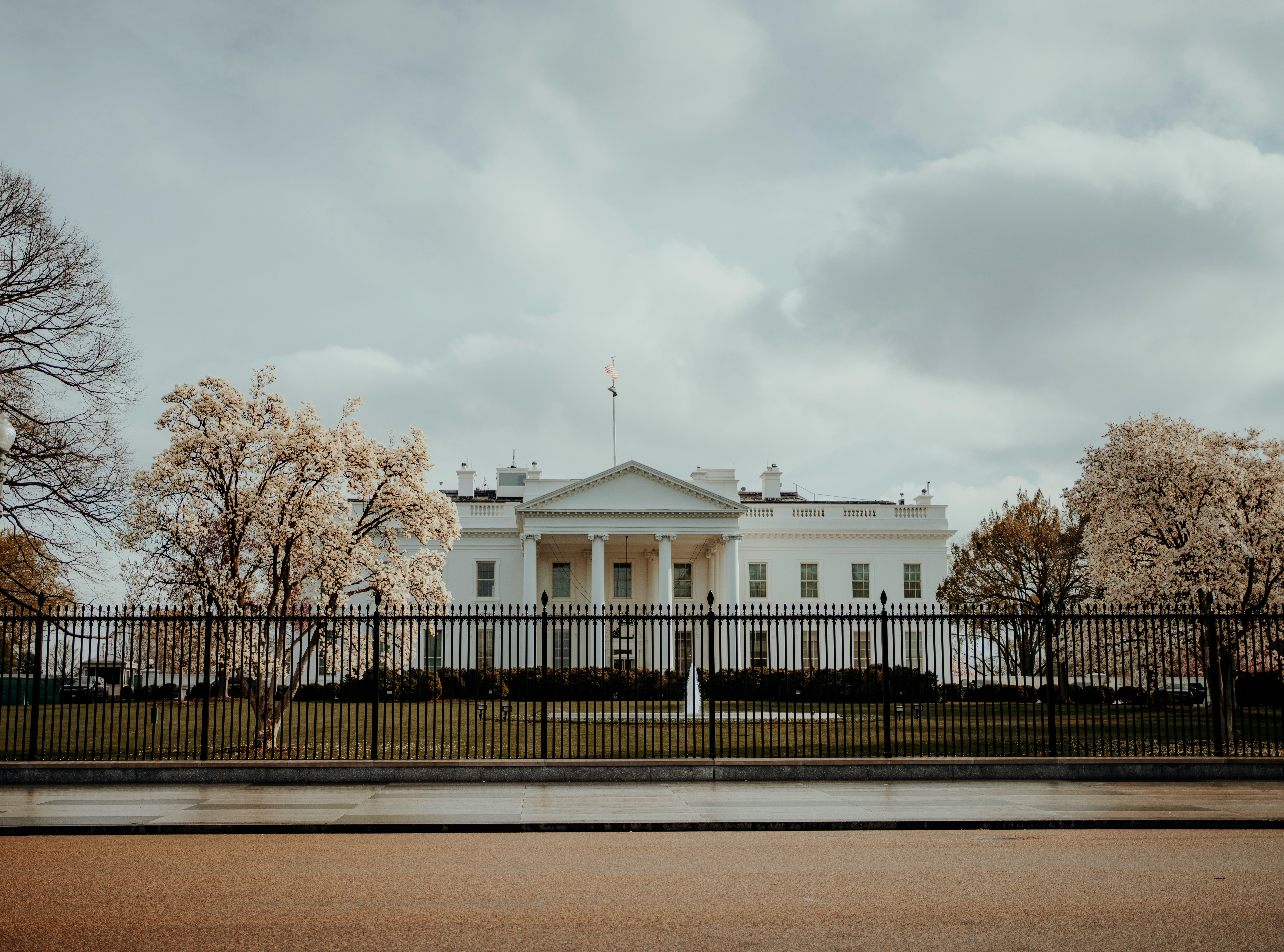
A Tale of Two Georges: King Charles III Urges Unity in Historic Address to Congress Following Oval Office Meeting
In a moment steeped in both royal pageantry and high-stakes diplomacy, King Charles III made history on Tuesday, April 28, 2026, becoming the first British monarch in 35 years to address a joint meeting of the U.S. Congress. The visit, marking the 250th anniversary of American independence, served as a powerful—if subtle—diplomatic charm offensive amid growing transatlantic tensions over the conflict in Iran and trade policy. At The Modern Memo, we analyze the King’s “unshakeable” message to a divided Washington, the freewheeling Oval Office meeting with President Trump, and why this state visit is being framed as a vital repair mission for the “Special Relationship.” The Oval Office: Handshakes and “Fantastic” Reviews The day began at the White House, where President Trump and First Lady Melania Trump welcomed the King and Queen Camilla with a military parade and jet flyover on the South Lawn. The Meeting: Following the ceremony, the King and the President held a private meeting in the Oval Office. Trump, who has frequently touted his admiration for the British monarchy, described the session as “really good,” calling the King a “fantastic person.” Bridging the Rift: Behind the scenes, the meeting was tasked with smoothing over public disagreements between Trump and British Prime Minister Keir Starmer. While Trump has criticized London’s refusal to join the U.S. blockade on Iran, the King’s presence acted as a stabilizing force, shifting the focus from policy disputes to historic kinship. The Historic Address: “A Tale of Two Georges” Standing before a packed House chamber, King Charles delivered a nearly 30-minute speech that balanced wit with solemnity. He notably referenced his ancestor, King George III, and America’s first president, George Washington. The Reconciliation: “King George never set foot in America and, please rest assured, I am not here as part of some cunning rearguard action!” the King joked, drawing laughter from both sides of the aisle. Standing Against Violence: In a poignant moment that earned a standing ovation, the King addressed the shooting at the White House Correspondents’ Dinner just days prior. “Such acts of violence will never succeed,” he declared. “Whatever our differences… we stand united in our commitment to uphold democracy.” Global Priorities: The King urged “unyielding resolve” in the defense of Ukraine and emphasized the “collapse of critical natural systems,” a subtle nod to his lifelong advocacy for environmental preservation as a matter of national security. The “indispensable” Alliance The King’s address was not just about the past; it was a firm call for a shared future in an increasingly volatile world. NATO and Security: Addressing the Republican-controlled Congress, Charles highlighted the “indispensable partnership” of NATO, describing the commitment of the U.S. Armed Forces as the “heart” of Western defense. Economic Foundations: At a time when the administration has threatened new tariffs, the King reminded lawmakers that the U.S.-U.K. commercial ties are the “strong foundations on which to continue to build for generations yet unborn.” Final Word The state visit of King Charles III is a masterclass in “soft power” during a “hard power” era. When you look past the noise of the “Iran rift” and focus on the data—the bipartisan standing ovations and the reaffirmation of the NATO alliance—you gain a clearer picture of a relationship that remains too big to fail. Quality information replaces the headlines of “transatlantic tension” with the reality of an alliance that has survived 250 years of revolution, world wars, and political shifts. It allows you to see that while presidents and prime ministers may disagree, the “Special Relationship” is anchored in something deeper than a single policy. By choosing to stand in the “citadel of democracy,” the King has ensured that even in a time of conflict, the bridge between London and Washington remains open. Where Facts, Context, and Perspective Matter At The Modern Memo, our goal is simple: to provide clear, well-researched reporting in a media landscape that often feels overwhelming. We focus on substance over sensationalism, and context over commentary. If you value thoughtful analysis, transparent sourcing, and stories that go beyond the headline, we invite you to share our work. Informed conversations start with reliable information, and sharing helps ensure important stories reach a wider audience. Journalism works best when readers engage, question, and participate. By reading and sharing, you’re supporting a more informed public and a healthier media ecosystem. The Modern Memo may be compensated and/or receive an affiliate commission if you click or buy through our links. Featured pricing is subject to change. 📩 Love what you’re reading? Don’t miss a headline! Subscribe to The Modern Memo here!
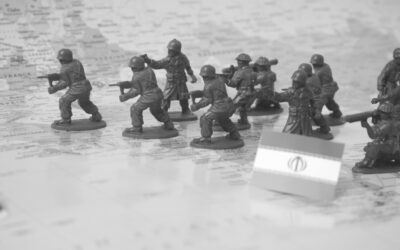
Ceasefire Met with Fire: Iran Attacks Two Ships in the Strait After Trump’s Diplomatic Extension
In a chilling display of bad faith, the Islamic Republic has responded to American restraint with renewed aggression. Today, April 22, 2026, just hours after President Trump extended the U.S. ceasefire to allow for a “unified proposal” from Tehran, Iranian forces opened fire on two commercial vessels transiting the Strait of Hormuz. The attack has effectively torpedoed the diplomatic track, leading to the immediate cancellation of high-stakes peace talks previously scheduled for this morning in Islamabad, Pakistan. At The Modern Memo, we analyze the failure of the Iranian regime to choose peace, the tactical details of the morning’s maritime assault, and why the President’s patience with the “Islamabad stalling tactic” has officially reached its limit. The Extension and the Betrayal Late Tuesday evening, the White House announced that the President would extend the current pause on offensive kinetic operations. The goal was simple: give the fractured Iranian leadership a final window to present a serious, unified proposal for the negotiations in Pakistan. The Trump Olive Branch: “I’m giving them one last chance to show they are a real country and not just a collection of terror cells,” the President stated. The Iranian Response: Instead of a proposal, Tehran delivered a provocation. At approximately 8:15 AM local time, Iranian fast-attack craft engaged two tankers—one flying a Liberian flag and the other a Panamanian flag—with heavy machine-gun fire and rocket-propelled grenades. The “Islamabad” Cancellation: As a direct result of the violence, the Pakistani government confirmed that the Wednesday morning sessions have been scrubbed. U.S. negotiators reportedly left the hotel for the airport shortly after the reports of the firing reached Islamabad. On the Water: “Absolute Anchor” Moves to Intercept The U.S. Navy’s 5th Fleet, which has maintained the “Absolute Anchor” blockade throughout the ceasefire, responded immediately to the distress calls. Engagement Details: U.S. destroyers moved to intercept the Iranian craft, which fled back toward the Iranian coastline as soon as American air cover appeared on the horizon. Neither commercial vessel was sunk, but both reported structural damage and minor injuries among the crew. The Ceasefire Paradox: Critics of the extension argue that the “pause” merely allowed the IRGC to reposition its small-boat swarms for this exact type of “hit-and-run” harassment. Force Protection: The Pentagon has issued a notice that the “Ceasefire Extension” does not apply to active defense. “If they fire, we finish it,” a CENTCOM spokesperson noted, signaling that the rules of engagement are shifting back to “Maximum Lethality.” The End of the “Unified Proposal” Myth For weeks, diplomatic circles have held out hope that “moderates” within the Iranian government could rein in the hardline IRGC. Today’s attack proves that theory is a dangerous fantasy. A Regime Divided: The fact that the military fired during a presidential extension suggests that either the Iranian government has no control over its forces, or the “peace talks” were a coordinated ruse from the start. No More Games: Washington insiders suggest the President is “livid” over the betrayal. The narrative of a “unified proposal” is dead; the administration is now pivoting back to the reality that only total maritime and economic asphyxiation will bring Tehran to its knees. Final Word The firing in the Strait of Hormuz is the final nail in the coffin of Iranian “diplomacy.” When you look past the noise of the “cancelled talks” and focus on the data—the unprovoked attack during a ceasefire extension and the cowardly retreat of the IRGC boats—you gain a clearer picture of a regime that is terrified of peace. Quality information replaces the hope of a “negotiated settlement” with the reality of a strategic necessity: the blockade must be tightened until the regime is incapable of even lifting a finger. It allows you to see that the President’s extension wasn’t a sign of weakness, but a final test that Iran failed in spectacular fashion. By choosing to fire today, the mullahs have ensured that the only “unified proposal” they’ll be receiving from Washington is a demand for total surrender. Where Facts, Context, and Perspective Matter At The Modern Memo, our goal is simple: to provide clear, well-researched reporting in a media landscape that often feels overwhelming. We focus on substance over sensationalism, and context over commentary. If you value thoughtful analysis, transparent sourcing, and stories that go beyond the headline, we invite you to share our work. Informed conversations start with reliable information, and sharing helps ensure important stories reach a wider audience. Journalism works best when readers engage, question, and participate. By reading and sharing, you’re supporting a more informed public and a healthier media ecosystem. The Modern Memo may be compensated and/or receive an affiliate commission if you click or buy through our links. Featured pricing is subject to change. 📩 Love what you’re reading? Don’t miss a headline! Subscribe to The Modern Memo here!

Shadow Alliance: U.S. Intel on “High Alert” as China and Russia Eye Resupply of Embattled Iranian Regime
The high-stakes chess match in the Persian Gulf has entered a dangerous new phase. As of April 21, 2026, U.S. intelligence agencies have moved to a state of “high alert” following credible reports that China and Russia are actively exploring ways to bypass the “Absolute Anchor” blockade to resupply the Islamic Republic with advanced military equipment. At The Modern Memo, we analyze the emerging “Axis of Evasion,” the specific hardware Tehran is desperate to acquire, and why the Trump administration is signaling that a secondary blockade of “third-party” suppliers is no longer off the table. The “High Alert” Trigger: Signal Intelligence and Satellite Data The shift in intelligence posture follows a series of “anomalous” maritime and aerial movements detected by U.S. Cyber Command and the National Reconnaissance Office (NRO) over the last 72 hours. The Russian Cargo Surge: U.S. intel has tracked an uptick in Russian heavy-lift transport aircraft moving toward regional hubs in Central Asia, potentially carrying S-400 missile components or electronic warfare suites designed to jam U.S. naval assets. The “Dual-Use” Chinese Pipeline: Despite President Xi’s recent “letter of assurance” to the White House, analysts warn that Chinese state-linked firms are preparing shipments of “civilian” drone components and high-end semiconductors that can be rapidly repurposed for Iranian “suicide” drone swarms. The Intelligence Consensus: “We are seeing the early stages of a coordinated resupply effort,” a senior intelligence official remarked. “Moscow and Beijing realize that if Iran collapses under this blockade, their primary ‘spoiler’ in the Middle East is gone.” Desperation in Tehran: The Hardware Shopping List After nearly a month of surgical U.S. strikes and a crushing naval blockade, the Iranian military’s “offensive teeth” are nearing a breaking point. To survive, the regime is reportedly begging its northern and eastern “partners” for specific gear. Anti-Ship Missiles: Tehran is desperate for Russian Yakhont or Chinese YJ-series supersonic missiles to counter the U.S. destroyers currently “policing” the Strait of Hormuz. Air Defense Reconstitution: With their domestic air defenses largely neutralized during the initial “kinetic” phase of the conflict, the mullahs are seeking immediate replacements to protect what remains of their nuclear infrastructure. The “Shadow” Resupply: Intelligence suggests the regime is attempting to use “third-party” shell companies in Southeast Asia to mask the origin of these shipments—a tactic the Trump administration has vowed to meet with immediate sanctions. The Washington Response: Secondary Blockades and 50% Tariffs The President has been clear: any nation that fuels the Iranian fire will get burned by American economic and military might. Expanding the Blockade: The Pentagon is reportedly drafting contingency plans to intercept any vessel—regardless of flag—suspected of carrying contraband military cargo to Iran. This would represent a significant expansion of the “Absolute Anchor” mission. The Tariff Hammer: The White House has reiterated that the 50% “Conflict Tariff” remains a “loaded gun” on the desk. If China is caught red-handed supplying the IRGC, the economic fallout for Beijing would dwarf anything seen in the 2018 trade wars. Final Word The “High Alert” status of our intelligence community is a necessary response to a world where our adversaries only respect strength. When you look past the noise of “diplomatic cooperation” and focus on the data—the satellite tracking of Russian transports and the desperate Iranian shopping list—you gain a clearer picture of a regime that is only still breathing because it hopes for a foreign lifeline. Quality information replaces the hope of a “peaceful resolution” with the reality of a strategic struggle that requires total American vigilance. It allows you to see that the blockade isn’t just about ships in the water; it’s about holding the line against a global alliance of radicals. By choosing to stay on “High Alert,” the U.S. is ensuring that if China or Russia try to break the anchor, they’ll be the ones who end up sinking. Where Facts, Context, and Perspective Matter At The Modern Memo, our goal is simple: to provide clear, well-researched reporting in a media landscape that often feels overwhelming. We focus on substance over sensationalism, and context over commentary. If you value thoughtful analysis, transparent sourcing, and stories that go beyond the headline, we invite you to share our work. Informed conversations start with reliable information, and sharing helps ensure important stories reach a wider audience. Journalism works best when readers engage, question, and participate. By reading and sharing, you’re supporting a more informed public and a healthier media ecosystem. The Modern Memo may be compensated and/or receive an affiliate commission if you click or buy through our links. Featured pricing is subject to change. 📩 Love what you’re reading? Don’t miss a headline! Subscribe to The Modern Memo here!

The Loyalty Test: Trump Challenges NATO to Step Up or Face a “Very Bad Future”
As the U.S.-led operation in the Middle East enters a critical phase, President Trump has delivered a blunt “loyalty test” to America’s NATO allies. In a series of high-stakes statements this week, the President warned that the future of the North Atlantic Treaty Organization depends on whether its members are willing to support the United States in reopening the Strait of Hormuz—or if they will continue to be “one-way street” partners. At The Modern Memo, we analyze the President’s transactional approach to Article 5, the historic 5% spending pledge he secured in The Hague, and why Washington is losing patience with “free-riding” allies. The Strait of Hormuz: A Litmus Test for Allies With global energy prices spiking due to the Iranian blockade, President Trump has recast the military effort to clear the Strait as a definitive test of alliance value. The Demand: Trump stated that it is “only appropriate” that nations benefiting from the waterway help police it. “If there’s no response, or if it’s a negative response, I think it will be very bad for the future of NATO,” he told reporters. The “Loyalty Test” Framing: On Monday, the President admitted he issued the call for warships not necessarily because the U.S. needs the help—boasting that “we’re the strongest nation in the world”—but to see how allies would react. “I want to find out,” he said, adding that he’s long suspected allies “won’t be there” when the U.S. truly needs them. The Rebuff: While some “numerous countries” are reportedly on the way, heavyweights like Germany have already declined, with Chancellor Friedrich Merz stating that the Gulf conflict “is not a matter for NATO.” The Hague Breakthrough: From 2% to 5% While the current standoff is tense, the administration is pointing to a massive structural victory: the 5% Spending Pledge. Following the 2025 Hague Summit, the President successfully pressured the alliance to more than double its previous defense spending floor. Ending the “Free Ride”: Under Trump’s persistent pressure, 23 of the 32 NATO members now meet the original 2% target, up from just three a decade ago. The New Era: The alliance has now committed to reaching 5% of GDP on defense by 2035. White House officials argue this shift represents the most decisive move in the alliance’s history, finally forcing Europe to take responsibility for its own backyard. Deterrence First: Supporters argue that by “strongarming” allies into funding their own militaries, Trump is actually saving NATO from its own obsolescence. “We Don’t Need Anyone”: A Shift in Article 5 Sentiment The President’s rhetoric has recently taken a more isolationist turn, specifically regarding the “sacred” nature of Article 5 (collective defense). The Afghanistan Comments: Trump sparked backlash earlier this year by suggesting NATO troops in Afghanistan “stayed a little off the front lines,” claiming the U.S. “never needed them.” Transactional Security: The administration’s message is clear: the U.S. commitment to defend Europe is not unconditional. If allies refuse to assist in American-led security priorities like the Strait of Hormuz or the protection of Greenland, the “mutual” part of “mutual defense” is effectively dead. Final Word President Trump has moved the NATO conversation from diplomatic pleasantries to the cold reality of a balance sheet. When you look past the “petulant” headlines and focus on the data—the 5% spending agreement and the unrelenting focus on burden-sharing—you gain a clearer picture of an alliance being modernized through friction. Quality information replaces the noise of “isolationism” with the clarity of a leader demanding a return on investment. It allows you to see this “loyalty test” not as a threat to leave, but as a demand for a partnership that actually works in both directions. By staying informed on these strategic shifts, you align your perspective with the reality that American protection is a privilege, not a permanent entitlement. Where Facts, Context, and Perspective Matter At The Modern Memo, our goal is simple: to provide clear, well-researched reporting in a media landscape that often feels overwhelming. We focus on substance over sensationalism, and context over commentary. If you value thoughtful analysis, transparent sourcing, and stories that go beyond the headline, we invite you to share our work. Informed conversations start with reliable information, and sharing helps ensure important stories reach a wider audience. Journalism works best when readers engage, question, and participate. By reading and sharing, you’re supporting a more informed public and a healthier media ecosystem. The Modern Memo may be compensated and/or receive an affiliate commission if you click or buy through our links. Featured pricing is subject to change. 📩 Love what you’re reading? Don’t miss a headline! Subscribe to The Modern Memo here!