
UK
Andrew and Tristan Tate Face Federal Detention as UK Seeks Extradition on Dozens of New Charges
Andrew and Tristan Tate, the influencer brothers long known for their controversial online personas, are sitting in federal detention in Miami after U.S. Marshals arrested them on a sealed warrant tied to a sweeping new set of charges out of the United Kingdom. British prosecutors have added dozens of new charges against the pair, bringing the total to 59 combined — including rape, sex trafficking, assault, and, in Andrew Tate’s case, additional charges relating to indecent images of children. Andrew Tate faces 42 charges, including rape, human trafficking, indecent images of a child and assault, while Tristan Tate faces 17 charges, including sexual assault, rape and trafficking. The allegations were brought forward by seven women and are said to have occurred in England between 2010 and 2017. From Romania to Florida to Federal Court The brothers, dual U.S.-U.K. citizens, were first arrested in Romania in December 2022 on separate human trafficking charges, which they have denied and continue to fight. After Romanian authorities lifted a travel ban last year, the Tates flew to Florida on a private jet — a move that drew criticism from advocates who said it allowed them to evade accountability. Following their arrest in Miami, the brothers appeared before a U.S. magistrate, where their attorney, Joseph McBride, said they intend to fight extradition. McBride has also publicly appealed to the Trump administration to intervene on their behalf, calling the newest charges “filth and slander.” The Justice Department has pushed back on suggestions the arrest was improperly authorized, telling reporters it was approved at the leadership level of its Criminal Division. Advocates Welcome the Arrest Groups that work with trafficking victims say the arrests are a long-overdue step toward accountability. Dani Pinter, chief legal officer at the National Center on Sexual Exploitation, said her organization was thankful U.S. and U.K. authorities pursued the arrest and extradition of the brothers, adding that her client and the client’s family, who she says were harassed and intimidated by the Tates, are now safer. A U.S. district judge will determine in the coming weeks whether the brothers meet the legal conditions for extradition to the United Kingdom. This story is developing.
The Peacemaker Retires: Princess Kate Refuses to Pull Prince William Back Into the Sussex ‘Circus’
The long-standing hope for a historic royal reconciliation in London has officially dissolved into absolute silence. As Prince Harry prepares for a highly anticipated trip to the United Kingdom, royal commentators and palace insiders have confirmed a profound shift within the Wales camp: Catherine, the Princess of Wales, has permanently stepped down from her self-appointed role as family peacemaker. Despite initial, conflicting tabloid reports suggesting that Kate was quietly pushing Prince William to orchestrate a meeting with his estranged brother, top royal experts have firmly corrected the narrative. Insiders reveal that the Princess is adamantly protecting her family’s emotional boundaries, completely refusing to allow her husband to be dragged back into what courtiers describe as a tiresome, media-driven “Sussex circus.” The absolute freeze comes at an already turbulent moment for the royal household, arriving just as Buckingham Palace abruptly withdrew an invitation for Harry to stay at a royal residence during his high-profile visit. At The Modern Memo, we break down the expert data revealing why Kate reached her final breaking point, the complete communications blackout between the brothers, and the ongoing security and palace residency warfare consuming the Duke of Sussex. Retracting the Olive Branch: Kate Draws a Hard Line For years, Princess Kate was widely recognized as the single stabilizing force capable of bridging the emotional chasm between Prince William and Prince Harry. However, experts confirm that the era of the Princess extending olive branches has officially come to an end. The Stalled Peacemaker: Speaking to international news networks, royal expert Helena Chard dismantled recent rumors of a last-ditch plea from the Princess. “Unfortunately, my sources do not believe Princess Catherine is pushing for Prince William to meet Prince Harry,” Chard confirmed, noting that the feeling within the Wales camp is unyielding. “Catherine will not allow her family, and especially William, to be sucked back [into the drama].” The “Tiresome” Spectacle: The decision to disengage is rooted entirely in protecting the psychological well-being of the immediate family. Commentators point out that the endless loop of briefings, counter-briefings, and public spectacles surrounding the Sussexes is now viewed in London as a destructive distraction. The Final Straw: Highly placed royal biographers reveal that Kate’s definitive break occurred after Harry’s highly publicized public comments regarding King Charles’ mortality following his cancer diagnosis. While Kate had previously shown immense grace following the release of Harry’s memoir Spare, the exploitation of the King’s health for a public reconciliation narrative crossed an unforgivable line for both the Princess and an “apoplectic” Prince William. The Communications Grid: Virtual Nonexistence With the Princess of Wales permanently stepping away from the negotiating table, the logistical pipeline connecting the two brothers has fundamentally collapsed. The operational reality of the upcoming visit is entirely isolated. Multiple palace sources have verified that communication between the Prince of Wales and the Duke of Sussex is currently at an all-time low—virtually nonexistent. While Prince Harry maintains a sporadic, highly strained line of dialogue with King Charles, there are absolutely no diary alignments, structural plans, or behind-the-scenes efforts to facilitate a brotherly reunion while Harry is on British soil. The 15-Minute Illusion: The Buckingham Palace Residency Standoff Compounding the isolation of the Sussex camp is a fresh, extraordinary bureaucratic row playing out behind the gates of Buckingham Palace regarding Harry’s physical accommodations in London. The Short-Lived Rapprochement: A massive media frenzy erupted earlier this week following a leak from the Sussex camp indicating that Prince Harry had accepted a formal invitation to stay at a secure royal residence inside Buckingham Palace during his stay. The news was initially hailed as a breakthrough in father-son relations. The Sudden Withdrawal: The illusion of peace lasted less than fifteen minutes. In a swift and humiliating correction, Buckingham Palace officials confirmed that the offer had been completely rescinded. The decision, reportedly finalized in direct consultation with King Charles, left Harry’s team entirely blindsided. The Courtroom Shadow: Palace insiders whisper that the invitation was abruptly yanked due to severe logistical anxieties surrounding Harry’s high-profile, ongoing legal battles against the UK Home Office and British media conglomerates. With a critical High Court ruling Looming, senior royals reportedly feared that housing Harry inside the active administrative hub of the monarchy would create an untenable conflict of interest and an absolute public relations disaster. Final Word The Princess of Wales’ absolute refusal to pull Prince William back into Prince Harry’s orbit is the definitive proof that the House of Windsor has permanently transitioned from a policy of active reconciliation to one of strict containment. When you look past the endless tabloid speculation and analyze the hard data—the complete cessation of Kate’s historic role as royal peacemaker, the total collapse of direct communication between the two brothers, and the rapid 15-minute withdrawal of a Buckingham Palace housing offer—you gain an unvarnished view of institutional self-preservation. Quality information replaces the romanticized narrative of a “family reunion” with the cold reality of a permanent strategic estrangement. Prince Harry may continue to look for media-friendly entry points into the royal perimeter, but by drawing an unyielding boundary around her husband and children, Catherine has sent a permanent message across the Atlantic: the Wales family is officially done playing a part in the circus.
The 51st State: New Data Shows UK Economy Now Poorer Than Mississippi
A sobering new economic reality has taken hold in the United Kingdom, as fresh data from May 2026 confirms a long-feared trend: if the UK were admitted to the United States today, it would rank as the 51st poorest state in terms of GDP per capita. While British voters have historically viewed their nation as a peer to the “super-rich” states like New York or California, recent figures from the International Energy Agency (IEA) and the IMF show that Britain has now slipped below even the most economically disadvantaged U.S. states. At The Modern Memo, we analyze the “Shock of the 51st,” the divergence in American and British growth, and why the “security” of the UK’s welfare state is coming at a devastating cost to individual prosperity. The Reality Gap: British Belief vs. Data A comprehensive poll of 3,000 UK voters conducted in early 2026 by Freshwater Strategy revealed a massive delusion regarding Britain’s standing in the world. The Perception: When asked where the UK would rank in a list of U.S. states by GDP per capita, the average Briton placed the UK 7th—suggesting they believe the average Brit is wealthier than people in 43 other U.S. states. The Reality: The data shows the UK is last. On a per-person basis, the UK now ranks behind Mississippi, Arkansas, and West Virginia. The Reaction: Over 27% of respondents described themselves as “shocked” by the truth, with many expressing embarrassment that the “poorest state in the union” now enjoys a higher standard of economic output than the former seat of the British Empire. A Tale of Two Decades: The Growth Divergence The gap between the U.S. and UK is not just a statistical quirk; it is the result of a decades-long divergence in economic philosophy and productivity. Stagnation vs. Boom: Since 1990, U.S. GDP per capita has skyrocketed, while the UK has largely stagnated. As of mid-2026, the average gross monthly salary in the U.S. stands at $6,228, compared to just £3,000 ($4,052) in the UK. The Purchasing Power Paradox: While the UK boasts a much higher minimum wage in USD terms ($16.49 vs $7.25), the Median Household Income in the U.S. remains 73% higher at approximately $80,610 per year. Investment and Energy: Analysts point to Mississippi’s lower energy costs—driven by a lack of restrictive green energy mandates—and a lack of occupational licensing as key factors that have allowed even the “poorest” American state to outpace Britain’s heavily regulated economy. Living Standards: High Floor, Low Ceiling Defenders of the UK model point out that while Americans are richer on average, the UK offers a “safety net” that the U.S. lacks. However, even this defense is beginning to crumble under the weight of stagnating wages. The Wealth Illusion: While median individual wealth remains higher in the UK (largely due to a housing crisis inflating home values), disposable income in the UK now ranks well below that of the U.S., Italy, and even Slovenia. Security vs. Risk: The U.S. economy is often described as “high risk, high reward.” While the bottom 10% in America struggle more than those in the UK, the other 90% of Americans are significantly wealthier than their British counterparts at every equivalent decile. Final Word The “51st State” revelation is a wake-up call that the UK can no longer afford to ignore. When you look past the noise of “social safety nets” and focus on the data—the 73% gap in median income and the UK’s rank at the absolute bottom of the U.S. state list—you gain a clearer picture of a nation that has traded growth for managed decline. Quality information replaces the myth of “Great” Britain with the reality of a country that is slowly losing its ability to compete on the global stage. It allows you to see that while Mississippi might be the punchline for American jokes, for the people of the UK, it has become an aspirational target. By choosing to prioritize stability over dynamism, Britain has ensured that its only path forward is to finally acknowledge how far it has fallen. Where Facts, Context, and Perspective Matter At The Modern Memo, our goal is simple: to provide clear, well-researched reporting in a media landscape that often feels overwhelming. We focus on substance over sensationalism, and context over commentary. If you value thoughtful analysis, transparent sourcing, and stories that go beyond the headline, we invite you to share our work. Informed conversations start with reliable information, and sharing helps ensure important stories reach a wider audience. Journalism works best when readers engage, question, and participate. By reading and sharing, you’re supporting a more informed public and a healthier media ecosystem. The Modern Memo may be compensated and/or receive an affiliate commission if you click or buy through our links. Featured pricing is subject to change. 📩 Love what you’re reading? Don’t miss a headline! Subscribe to The Modern Memo here!
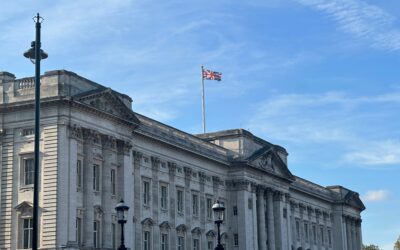
A Royal Oversight? King Charles Faces Backlash for Skipping Easter Message After High-Profile Ramadan Tributes
The British monarchy is navigating a fresh wave of public discontent this week as King Charles III faces intense criticism from Christian leaders and royal observers for failing to deliver a formal televised Easter message. The decision has sparked a heated debate over the King’s role as “Defender of the Faith,” especially after the Palace released high-profile video contributions from the King earlier this year to mark the beginning of Ramadan and the celebration of Eid. At The Modern Memo, we analyze the strategic silence from Buckingham Palace, the growing “parity” argument from the British public, and why this communications choice is being labeled a “grave mistake” by royal experts. The Silence Heard ‘Round the UK Easter Sunday, the most significant date on the Christian calendar, passed without the traditional personal address many expected from the Supreme Governor of the Church of England. While the King attended a service at St. George’s Chapel in Windsor, the lack of a broadcasted message left a void that was quickly filled by public frustration. The Palace Defense: Buckingham Palace officials clarified that an Easter broadcast is not a “set annual tradition” in the same way as the Christmas Message. They noted that the late Queen Elizabeth II only delivered one such message during her 70-year reign (during the 2020 lockdown). The Experts’ Rebuttal: Royal commentator Neil Sean told Fox News Digital that the decision “came as a shock to most U.K. Christians.” He noted that because Charles delivered a special Easter message in 2025, his sudden silence this year felt like a withdrawal from his religious duties. The Coronation Oath: Critics, including royals expert Ian Pelham Turner, pointed out that the King swore a sacred oath at his coronation to uphold the Protestant faith. “Simply do not follow decades of tradition… it just leaves people angry,” Turner remarked. The Comparison: Ramadan vs. Easter The core of the backlash stems from what many perceive as an imbalance in royal acknowledgment. Earlier this season, the King recorded warm, personal video messages for the UK’s Muslim community, celebrating the spirit of Ramadan and wishing a joyous Eid. Demanding Parity: “People sense his favor towards Islam and are asking for parity at least,” argued Gavin Ashenden, a former chaplain to the late Queen. He suggested the King missed a vital moment to speak the Gospel into a nation increasingly unsure of its religious identity. The “Secret Muslim” Narrative: On social media, the frustration has taken a darker turn, with some critics baselessly labeling the monarch as a “secret Muslim.” While these claims are dismissed by historians, experts warn that the Palace’s failure to “read the room” has provided unnecessary ammunition for these fringe narratives. A Missed Opportunity for the Church of England The controversy comes at a delicate time for the Church of England, which is currently navigating its own internal transitions, including the recent appointment of the first female Archbishop of Canterbury in centuries. Strategic Error: Royal biographer Richard Fitzwilliams noted that while the King’s inter-religious work is commendable, skipping the Easter message was a “mistake” that could have easily been avoided. The “Belated” Statement: Following the initial wave of anger, the Palace eventually issued a short written social media post wishing a “joyous Easter Sunday” to Christians. However, many Britons dismissed the post as “second-hand” and “simply not good enough” compared to the personal video tributes seen for other faiths. Final Word The King’s decision to remain silent on Easter is a textbook example of a “preventable crisis.” When you look past the noise of “tradition” and focus on the data—the high-production video messages for Ramadan contrasted with the belated social media text for Easter—you gain a clearer picture of why the British public feels sidelined. Quality information replaces the excuse of “no tradition” with the reality of optics in a digital age. It allows you to see this not as an attack on other faiths, but as a demand for the “Defender of the Faith” to actually defend it. By choosing to prioritize inclusivity at the expense of his own core constituency, the King has inadvertently signaled that the crown’s foundational pillars are no longer the priority. Where Facts, Context, and Perspective Matter At The Modern Memo, our goal is simple: to provide clear, well-researched reporting in a media landscape that often feels overwhelming. We focus on substance over sensationalism, and context over commentary. If you value thoughtful analysis, transparent sourcing, and stories that go beyond the headline, we invite you to share our work. Informed conversations start with reliable information, and sharing helps ensure important stories reach a wider audience. Journalism works best when readers engage, question, and participate. By reading and sharing, you’re supporting a more informed public and a healthier media ecosystem. The Modern Memo may be compensated and/or receive an affiliate commission if you click or buy through our links. Featured pricing is subject to change. 📩 Love what you’re reading? Don’t miss a headline! Subscribe to The Modern Memo here!
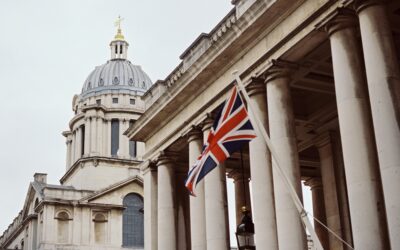
Misconduct in Public Office: Andrew Mountbatten-Windsor Arrest Sends Ripples
In a historic and unprecedented fall from grace, the man formerly known as Prince Andrew—now Andrew Mountbatten-Windsor—was arrested by Thames Valley Police early this morning, Thursday, February 19, 2026. The arrest, which took place on the former royal’s 66th birthday, follows a months-long investigation into allegations of misconduct in public office stemming from newly unredacted “Epstein Files.” At The Modern Memo, we analyze the specific trade envoy allegations, the stunning lack of royal privilege in custody, and King Charles’s “law must take its course” response. The Allegations: Selling Out the Crown? The arrest centers on Andrew’s tenure as the U.K.’s Special Representative for International Trade and Investment (2001–2011). While previous scandals focused on personal misconduct, this criminal probe targets the alleged abuse of his official government position. Confidential Briefings: Newly released U.S. Department of Justice documents reportedly show that Andrew shared “confidential government reports” with the late sex offender Jeffrey Epstein. Targeted Intelligence: The shared documents allegedly included sensitive investment briefs on Asian markets—specifically Singapore, Hong Kong, and Vietnam—as well as potential opportunities in southern Afghanistan during the height of the British military presence there. The “Stern” Connection: Investigators are also looking into Andrew’s relationship with David Stern, an Epstein associate who allegedly facilitated communications between the two men as late as 2018, long after Andrew claimed to have cut ties. The Arrest: Wood Farm and Sandringham The operation began shortly after 8:00 AM local time. Six unmarked police vehicles and roughly eight plain-clothed officers arrived at Wood Farm, the modest residence on the King’s Sandringham Estate where Andrew was forced to move after being evicted from Royal Lodge earlier this month. Simultaneous Raids: While Andrew was being taken into custody in Norfolk, officers were also seen conducting searches at Royal Lodge in Berkshire, his former longtime home near Windsor Castle. Birthday in a Cell: Despite it being his 66th birthday, the former prince was processed like any other suspect. He is expected to be interviewed under criminal caution by detectives throughout the day. No Special Treatment: “A Bed and a Toilet” In a statement that underscored the end of royal immunity, policing experts confirmed that the former prince would receive no special privileges while in custody. Standard Custody: Andrew is being held in a standard “custody suite.” According to policing commentators, his cell consists of a “bed and a toilet,” with the same basic meals provided to all detainees. 96-Hour Limit: Under U.K. law, he can be held for an initial 24 hours, which can be extended to a maximum of 96 hours with a magistrate’s approval if the investigation into misconduct—a charge that carries a maximum sentence of life imprisonment—requires further questioning. The Crown’s Response: “Deepest Concern” King Charles III issued a brief but firm statement shortly after the news broke. While expressing “deepest concern” for his brother, the King effectively removed the final layer of royal protection. Support for Police: The King stated that the law “must take its course” and pledged the royal family’s “full and wholehearted support and cooperation” with the investigation. The Prime Minister’s Stance: Prime Minister Keir Starmer echoed these sentiments, telling the BBC that “nobody is above the law” and that it is the duty of anyone with information to come forward, regardless of their status. Final Word The arrest of Andrew Mountbatten-Windsor is more than a tabloid headline; it is a seismic shift in the British constitutional landscape. When you look past the drama of the 66th-birthday raid and focus on the data of the misconduct in public office charge—specifically the alleged sharing of confidential trade documents—you gain a clearer picture of an accountability movement that is no longer deterred by titles. Quality information replaces the noise of royal gossip with the clarity of criminal procedure. It allows you to see this arrest as a pivotal moment for the rule of law in the United Kingdom. By choosing to follow the facts of the Thames Valley Police investigation rather than the spin of royal apologists, you align your perspective with the realities of modern justice and support a more informed, resilient public consciousness. Where Facts, Context, and Perspective Matter At The Modern Memo, our goal is simple: to provide clear, well-researched reporting in a media landscape that often feels overwhelming. We focus on substance over sensationalism, and context over commentary. If you value thoughtful analysis, transparent sourcing, and stories that go beyond the headline, we invite you to share our work. Informed conversations start with reliable information, and sharing helps ensure important stories reach a wider audience. Journalism works best when readers engage, question, and participate. By reading and sharing, you’re supporting a more informed public and a healthier media ecosystem. The Modern Memo may be compensated and/or receive an affiliate commission if you click or buy through our links. Featured pricing is subject to change. 📩 Love what you’re reading? Don’t miss a headline! Subscribe to The Modern Memo here!

British Baronet Seeks Young “Breeder” to Produce Male Heir
Sir Benjamin Slade, a 79-year-old British baronet, has stepped into the spotlight again after publicly announcing a detailed search for a much younger wife. His goal, he says, is to find a partner who can help manage his estate and ideally produce a male heir. Because of the specificity of his requirements, his announcement quickly spread across news outlets and social media. A Public Search for a Very Specific Partner Slade explains that he is looking for a woman who is at least twenty years younger than he is. He prefers someone physically strong, taller than 5’6″ and capable of participating in an active and hands-on lifestyle. He has described the ideal candidate as confident, organized, and comfortable overseeing a historic property with extensive grounds, buildings, and staff. To make the opportunity appealing, the baronet offers a salary of roughly £50,000 ($60,000) per year, along with room, board, and additional estate benefits. According to him, the role includes access to transportation, varied activities, and training opportunities. Even with these incentives, many observers note that the description resembles a comprehensive job listing rather than a traditional search for companionship. An Extensive List of Requirements Slade’s expectations include a surprisingly long list of skills and qualifications. He indicates that he would prefer a woman who holds a British standard driver’s license and potentially even a helicopter license. He also favors someone who can ride horses, use a shotgun safely, and assist with practical responsibilities such as managing accounts or reviewing legal documents. Because these duties span many fields, the woman he seeks would need to be multi-talented and highly adaptable. In addition to skills, Slade also lists several personal preferences and exclusions. Reports say the baronet has expressed preferences regarding nationalities, reading habits, and even zodiac signs. These details drew strong public curiosity due to how specific and unusual the criteria seemed. More Stories Drowning in Bills? These Debt Solutions Could Be the Break You Need Out-of-Town Renters Are Driving Up Demand in These Five Cities Under Siege: My Family’s Fight to Save Our Nation – Book Review & Analysis A Focus on Legacy and Inheritance Traditions Slade has spoken openly about his desire to secure the future of his estate. He owns a large historic property in Somerset, and like many hereditary titles in the UK, his baronetcy follows traditional primogeniture. This means the title typically passes to a male heir. Because of those long-standing rules, Slade has said he wants a son — or ideally two sons — to ensure continuity. Although the baronet already has a daughter, the title cannot pass through the female line under the current hereditary structure. His daughter, Violet, was born through IVF with poet and composer Sahara Sunday Spain. Slade and Spain do not remain in contact, and he has not met Violet. In a previous interview, Violet’s mother commented on the circumstances, saying: “I know Ben wanted a boy … But he has no interest in meeting Violet.” Public Reaction to His Announcement Once Slade’s list circulated, public response grew quickly. Some people viewed the announcement as humorous due to its unusual level of detail, while others found it surprising or curious. Many noted that few modern dating requests include references to helicopter training or estate management. Others commented on how rare it is for a hereditary estate to seek a partner through such a direct and open call. Despite differing opinions, one consistent theme emerged: people were fascinated. Social media filled with discussions about traditional inheritance systems, unusual matchmaking strategies, and the unique expectations that sometimes accompany aristocratic life. The Intersection of Old Traditions and Modern Life Slade’s story highlights an interesting tension between long-established British customs and the realities of modern society. For centuries, estates and hereditary titles often followed rigid rules based on lineage and succession. Today, however, people approach relationships differently, and many no longer encounter environments where lineage plays a central role. Because of these contrasting contexts, Slade’s announcement struck many as something from another era. Yet at the same time, his circumstances illustrate the practical challenges individuals may face when navigating old systems that still exist today. While many hereditary rules remain unchanged, the world around them continues to evolve. An Uncertain Path Forward At this time, no publicly verified candidates have stepped forward to express interest. The baronet has said he will continue his search and is willing to explore international options. He also mentioned the possibility of using matchmakers or structured agencies to widen the pool of applicants. The future of his estate, his personal life, and his ongoing search all remain open questions. Whether he successfully finds someone who meets his criteria or whether circumstances change in other ways is unknown. What is clear, however, is that his story has generated widespread conversation. A Story That Continues to Capture Attention Slade’s announcement contains elements that naturally draw interest: aristocratic tradition, unusual expectations, public declarations, and a broad mix of practical, personal, and historical factors. Combined, these details create a story that feels both distinctive and deeply rooted in long-established customs. As long as his search continues, the public will likely remain curious. His call reflects a very specific lifestyle, a unique set of priorities, and the ongoing presence of inheritance traditions in the United Kingdom. These elements ensure that his efforts to find a partner remain a subject of discussion — not only as a personal matter, but also as a reflection of how old systems and modern life intersect. Forget the narrative. Reject the script. Share what matters. At The Modern Memo, we call it like it is — no filter, no apology, no corporate leash. If you’re tired of being lied to, manipulated, or ignored, amplify the truth. One share at a time, we dismantle the media machine — with facts, boldness, and zero fear. Stand with us. Speak louder. Because silence helps them win. 📩 Love what you’re reading? Don’t miss a headline! Subscribe to The Modern Memo here! Explore…

Britons Warn of Rising Tension Between Migrants and Locals
A new study shows most Britons believe their country is changing too fast and want firm action to protect national identity and security. The research, conducted by the Policy Institute at King’s College London, found a sharp rise in public concern about migrants, cultural shifts, and divisions between those born in the UK and those who have immigrated. Public Frustration Reaches New Highs According to the findings reported by Breitbart News, 86 percent of respondents believe there is tension between migrants and UK-born residents—up from 74 percent just two years ago. Across all political lines, the concern is widespread. Supporters of Reform UK and the Conservative Party expressed the strongest levels of concern, but even voters for Labour, the Liberal Democrats, and the Greens said the country feels more divided than before. Majority Feel Britain Is Changing Too Quickly Half of those surveyed said British culture is “changing too fast.” Only one in five disagreed. Nearly half also said they “would like my country to be the way it used to be.” Many citizens believe the government has failed to protect traditional values and community stability. In recent years, record migration numbers have changed local populations, schools, and housing demand. For many, those changes have happened faster than the government can manage. More Stories AI Job Cuts Surge: How Automation Is Reshaping the U.S. Workforce in 2025 Holiday Travelers May Face Flight Delays as Shutdown Deepens Daylight Saving Time Debate Heats Up Across States Identity and Security Concerns The report also found that 81 percent of right-leaning voters said Britain risks losing its identity if it remains too open. A large share of respondents linked that loss of identity to weak border enforcement and lenient immigration policies. Many voters said the UK must tighten immigration rules to restore order and security. Concerns include pressure on housing, public services, and the job market. Political Implications The strength of these opinions could shape upcoming elections. Immigration, border security, and cultural identity are dominant issues. With the public increasingly united in frustration, political leaders are under pressure to respond with clear action. Parties that downplay the problem risk losing voters who feel unheard. Calls for reduced immigration, stricter visa policies, and faster deportations of those who break the law are becoming central to debate. Calls for Stronger Borders and Enforcement Many Britons say the government must strengthen borders, enforce immigration law, and remove those who entered illegally. Illegal crossings across the English Channel remain high despite promises to stop them. Critics warn that every failure erodes public confidence and encourages more unlawful entry. Border control advocates argue that enforcement is about protecting resources for citizens and upholding national law. No nation, they say, can function effectively without control over who enters or stays within its borders. A Nation at a Crossroads The findings show a nation divided but determined. Many Britons feel their way of life is being transformed without consent and that the pace of change is unsustainable. For them, strong borders and strict immigration limits are not optional—they are essential. Political leaders now face growing pressure to prove that their policies can deliver results. The government’s credibility may depend on showing real control over migration and reassuring citizens that their concerns matter. Final Word Recent research from King’s College London reveals profound unease across Britain over the rapid pace of societal change. A decisive majority of respondents believe the nation has lost control of its borders and that its core national identity is now under genuine threat. The public’s verdict is unequivocal: they demand bold, immediate action to reclaim security, restore stability, and reassert a coherent national purpose. Britons must rally behind candidates aligned with the Britain First movement—those committed to confronting these challenges head-on, rather than ignoring or concealing them. United action is essential now, before the erosion becomes irreversible. Cut Through the Noise. Slice Through the Lies. Share the Truth. At The Modern Memo, we don’t tiptoe around the narrative—we swing a machete through it. The mainstream won’t say it, so we will. If you’re tired of spin, censorship, and sugar-coated headlines, help us rip the cover off stories that matter. Share this article. Wake people up. Give a voice to the truth the powerful want buried. This fight isn’t just ours—it’s yours. Join us in exposing what they won’t tell you. America needs bold truth-tellers, and that means you. 📩 Love what you’re reading? Don’t miss a headline! Subscribe to The Modern Memo here! Explore More News President of Nigeria Responds to Trump Criticism Election 2025 Analysis: Democrats Sweep as Shutdown Continues General Motors Cuts Over 1,700 Jobs as EV Demand Slows ACA Premiums Are Rising — But Not Because of Expiring Subsidies

Free Speech Alarm: Farage’s Wake-Up Call to Congress
Nigel Farage brought a blunt message to Washington. Speaking before the U.S. Congress, he warned that Britain is slipping into a culture of suppression, abandoning free speech. His comparison cut sharp: the nation, he said, looks more like North Korea than a free democracy. 📺MUST WATCH: @Nigel_Farage outlines the importance of free speech around the world. If we lose free speech, we lose everything. pic.twitter.com/c83XW4OFID — House Judiciary GOP 🇺🇸🇺🇸🇺🇸 (@JudiciaryGOP) September 3, 2025 The Reform UK leader appeared before the House Judiciary Committee on September 3, 2025. From the start, he accused Britain’s political class of betraying core democratic values. Laws written to fight “hate speech,” he argued, now crush open debate. Police enforce speech violations instead of protecting expression. Farage urged lawmakers to pay attention. What happens in Britain, he said, will not stay in Britain. Once censorship takes hold in one Western democracy, it spreads. America must recognize the danger and refuse to stand by silently. (RELATED: Court Nixes California AI Deepfake Law, Free Speech Wins) To drive home the point, he drew on history. Free nations, he explained, have always defended speech, even offensive or unpopular speech. Citing the spirit of Voltaire, he said, “We’ve forgotten the Voltarian principles that we’ll fight and defend to the death your right to say something that we fundamentally disagree with. That is the absolute foundation, if you think about it, of free speech, of democracy, of living in freedom. It’s kind of why we fought two world wars, at massive, massive cost. To defend that very principle for ourslves and for many, many others around the country.” His testimony framed censorship as a creeping threat. It rarely arrives with blunt force. Instead, it advances quietly, disguised as protection or safety. That, he said, makes it more dangerous. For Farage, the solution is clear: hold Britain accountable and defend free voices before they are silenced altogether. Linehan Arrest: A Comedy Writer in Handcuffs While Farage spoke in Washington, a separate story unfolded in London. Graham Linehan, the comedy writer behind hit shows like Father Ted, was arrested at Heathrow Airport. His alleged crime was not violence or fraud but a series of social media posts criticizing trans activism. One post claimed that if a “trans-identified male” entered a female-only space, the act should be treated as violent and abusive. He suggested that bystanders should make a scene, call the police, or even respond physically. The message drew swift attention from authorities. Police questioned Linehan over the post and banned him from using X, formerly Twitter, while on bail. For him, the arrest was absurd. He described it as a “dystopian clown show” and vowed to challenge it in court. In his view, the state had criminalized satire. This is how Graham Linehan shows up for trial in the UK just days after being arrested in the London airport for posting “offensive tweets” This is how you deal with the trans mob. Double down. We’re cheering you on, @Glinner 👏🏼🔥pic.twitter.com/vWVItcwUGK — Riley Gaines (@Riley_Gaines_) September 4, 2025 Linehan’s case exposes the tension between comedy and censorship. Once a staple of British humor, satire is now being dragged into police stations. To his supporters, this proves Farage’s point. What begins as regulation of speech can quickly become prosecution of thought. A Growing Storm Around Free Expression Farage’s testimony and Linehan’s arrest tell the same story from different angles. One shows political leaders tightening laws. The other shows police enforcing those laws on individuals. Together, they highlight a dangerous shift in how Britain treats free expression. (MORE NEWS: U.S. Strike on Venezuelan Drug Cartel Boat Signals New Era) Critics of these policies argue that governments are overstepping. They ask who decides where satire ends and offense begins. They warn that the power to punish speech can easily be abused. Defining “harm” too broadly, they say, allows almost any opinion to be silenced. Supporters of strict laws counter that hateful rhetoric poses real risks. They argue that social cohesion requires limits. Yet opponents point out that once the state defines harmful speech, political dissent often becomes the first casualty. In Washington, Farage urged Congress not to ignore the trend. He pressed lawmakers to use America’s influence to keep free speech alive in allied nations. Across the Atlantic, British citizens watched Linehan’s case unfold and asked whether their own freedoms were next. Why This Matters for the West Free speech shapes more than Britain. It defines the Western world. When one democracy clamps down, others copy the move. Farage warns that Britain could set the model — for censorship instead of liberty. Linehan’s arrest exhibits danger in real time. Police charged a comedian for satire. That action chills journalists, writers, and citizens who use humor to push back against authority. These events prove a hard truth: free speech survives only when people defend it. Laws must shield it, not crush it. Leaders must honor it, not bargain it away for peace. The debate cannot wait. Citizens, not governments, define acceptable thought. They must choose whether satire stays part of culture or becomes a crime by voting out of office those who threaten freedom. Conclusion: A Call to Defend Free Speech The message is clear. Societies that value freedom must defend speech in all its forms—serious or satirical, popular or unpopular. If they fail, censorship will not remain confined to Britain. It will spread across the democratic world. America once broke free from British control to secure liberty. Today, Britain drifts toward censorship, using “safety” and “tolerance” as excuses. Farage’s warning should not be ignored. If the U.K. can arrest comedians and silence debate, America must make sure it never follows down that path. Linehan’s arrest proves how quickly jokes and opinions can be turned into criminal offenses. Free nations survive only when debate is open and free speech is protected. America doesn’t need to repeat Britain’s mistakes. It needs to stand firm, defend its Constitution, and remind the world that freedom of speech is not…