

World News

Javier Milei Declares “A Turning Point” After Midterm Victory
“Today we passed a turning point,” President Javier Milei told cheering supporters on Sunday night after his coalition won a decisive victory in Argentina’s midterm elections. Stepping onto the stage with his trademark energy, he sang a campaign anthem before declaring, “Today begins the building of a great Argentina.” The win gives Milei’s La Libertad Avanza party enough seats in Congress to block any attempt to override his vetoes. That power dramatically strengthens his hand as he pursues a sweeping reform plan designed to remake Argentina’s struggling economy. With this vote, Argentines effectively endorsed the libertarian president’s first two years in office — a period marked by bold economic moves, strict fiscal discipline, and a sharp break from the populist policies that defined past administrations. (MORE NEWS: Trump Ends Canada Trade Talks Over Reagan Ad) Backed by Trump and a U.S. Bailout The victory also carried international weight. It was seen as a political win for U.S. President Donald Trump, who had publicly endorsed Milei. Trump’s administration tied a $20 billion U.S. currency-swap bailout to Milei’s success in the midterms. The deal was intended to stabilize Argentina’s finances and reinforce the U.S. role in Latin America. Javier Milei, a self-described “anarcho-capitalist” and outspoken supporter of the MAGA movement, has often praised Trump and mirrored his populist communication style. For Washington, Milei’s continued success represents a chance to counter China’s growing influence in South America and strengthen economic ties with a government openly aligned with American interests. “We want to be a country that grows,” Milei said during his victory speech. “To make Argentina great again.” The phrase echoed Trump’s famous campaign slogan — and underscored their ideological bond. Economic Rebound and Fiscal Discipline When Milei took office, Argentina was battling runaway inflation of 160 percent and surging poverty. His administration’s shock therapy — including spending cuts, subsidy reductions, and tighter monetary controls — sparked controversy but began to show results. Inflation has now fallen to about 30 percent, the lowest rate in years. The improvement has eased the cost-of-living crisis, reducing poverty levels and restoring confidence among foreign investors. For the first time in over a decade, Argentina recorded a budget surplus, a key achievement that has appeased international lenders such as the IMF. Despite the economic pain that austerity often brings, Milei has maintained a steady approval rating near 50 percent. His supporters view the sacrifices as necessary to lay the foundation for long-term growth. Milei’s Agenda for a “Great Argentina” With renewed political strength, Milei has promised to accelerate his reforms. His economic program centers on reducing state intervention and empowering private enterprise. Overhaul labor laws to make employment contracts more flexible. Deepen federal spending cuts to maintain budget discipline. Ease business regulations and cut taxes to attract investment. Streamline bureaucratic procedures that slow business creation. Simplify company registration to boost entrepreneurship. These steps, Javier Milei argues, will increase productivity, create jobs, and raise wages. His goal is to build “a country where effort is rewarded, and success is not punished by the state.” Supporters believe these reforms will finally unleash Argentina’s economic potential, long stifled by red tape, corruption, and inflation. Critics, however, warn that austerity could hurt vulnerable communities if not paired with social safety nets. New Political Reality Politically, Milei’s victory reshapes the balance of power in Buenos Aires. While he still lacks a full majority, his party’s strengthened position gives him leverage over the opposition. More importantly, it prevents rivals from overriding presidential vetoes, ensuring his reform agenda faces fewer roadblocks. This new dynamic allows Javier Milei to govern with greater confidence — though he must still negotiate with provincial leaders and moderate allies. Analysts predict his next challenge will be turning legislative power into policy success without triggering social unrest. International observers are watching closely. Financial markets have already surged, with the Argentine peso gaining value and bond prices rising after the results. Investors see Milei’s success as a signal of stability and reform continuity. (MORE NEWS: Kamala Teases 2028 Run — Democrats Scramble for Strategy) A Turning Point for Latin America Milei’s resurgence also reverberates beyond Argentina. His blend of economic liberalism and populist rhetoric is influencing political debates across Latin America. Leaders in Brazil, Chile, and Colombia are monitoring how his experiment plays out — especially as he strengthens ties with the United States and distances Argentina from China and Russia. In Washington, officials view Milei as a potential anchor for a new pro-market, pro-U.S. coalition in the region. His success contrasts with the leftward trend seen elsewhere in Latin America, suggesting that Argentina may be leading a free-market revival. 🇺🇸🇦🇷 | Donald Trump y Scott Bessent hablaron sobre la compra de bonos argentinos: “Creo que hemos ganado mucho dinero gracias a esa elección porque los bonos han subido… Esa elección generó mucho dinero para EEUU”. – “¿Considerarías más apoyo?”. + “Sí, lo consideraremos”. pic.twitter.com/yRcZtC371w — La Derecha Diario (@laderechadiario) October 27, 2025 The Road Ahead Despite the optimism, challenges remain. Argentina’s economy is still fragile, and deeper cuts could provoke resistance from unions and social movements. Meanwhile, global economic uncertainty could test Javier Milei’s fiscal discipline. Nonetheless, the president projects confidence. His message on election night captured his ambition and defiance: “Today we passed a turning point. Today begins the building of a great Argentina.” Whether he can deliver on that promise will depend on how quickly reforms translate into prosperity for ordinary Argentines. For now, Milei’s victory stands as a mandate for transformation — and a bold experiment watched closely by the world. Forget the Headlines. Challenge the Script. Deliver the Truth. At The Modern Memo, we don’t tiptoe through talking points — we swing a machete through the media’s favorite lies. They protect power. We confront it. If you’re sick of censorship, narrative control, and being told what to think — stand with us. Share the story. Wake the people. Because truth dies in silence — and you weren’t made to stay quiet.

Trump Ends Canada Trade Talks Over Reagan Ad
President Donald Trump has abruptly ended trade talks with Canada after condemning a controversial Ontario government ad that featured a fake version of Ronald Reagan’s voice. The ad used edited audio from a 1987 Reagan speech, which Trump called “egregious” and “misleading.” He accused Canada of using deception to influence U.S. policy and said the country has long taken advantage of American farmers through unfair tariffs. As a result, he announced that all trade discussions with Canada were officially over. 🚨 WOW! Canada used a fake Ronald Reagan quote to run advertisements against President Trump’s tariffs — so 47 just terminated ALL trade negotiations. Massive FAFO. “The ad was for $75,000,000. They only did this to interfere with the decision of the U.S. Supreme Court, and… pic.twitter.com/kyBiXcMKNq — Eric Daugherty (@EricLDaugh) October 24, 2025 Why It Matters This decision affects more than political posturing—it has real trade, economic and diplomatic implications. Because Canada is one of the U.S.’s largest trading partners, ending talks could ripple through supply chains, sector relationships, and broader North American trade dynamics. Moreover, the use of a historical presidential audio clip in a modern ad campaign raises serious questions about how political messaging, trade policy, and media tactics intersect. Finally, the move signals Trump’s outlook: He views tariffs not just as economic tools but as matters of national security. That suggests a more aggressive posture toward Canada and possibly other trade partners. The Ad Itself: What Was the Issue? The Reagan Foundation said that the Ontario government did not request permission to use and edit Reagan’s remarks. They also described the use of “selective audio” as misrepresenting what he originally said. The dispute is not only about trade policy—it’s about authenticity, intellectual property, and the boundaries of political advertising. Since the foundation is reviewing its legal options, the case may proceed into courts or at least become part of future regulatory scrutiny. Listen to President Reagan’s unedited remarks here: https://t.co/1gQUcbR4eZ pic.twitter.com/iqmjSuypp0 — Ronald Reagan Presidential Foundation & Institute (@RonaldReagan) October 24, 2025 What This Means for U.S.–Canada Trade With talks now terminated, uncertainty looms over several fronts: U.S. exporters may face less favorable conditions if Canada responds by tightening its own policies or renegotiations stall. Canadian imports into the U.S. could see additional scrutiny or higher tariffs, especially if Trump follows through on his broader tariff rhetoric. The broader North American trade posture may shift: allies might rethink how they approach trade talks with the U.S., knowing that domestic messaging can trigger abrupt policy changes. In short, this isn’t just a PR skirmish—it could set off a chain of trade policy shifts. The Bigger Picture: Messaging, Trust, and Trade This situation illustrates how trade policy can hinge on trust and messaging just as much as economics. (MORE NEWS: Thieves Steal Napoleon’s Jewels in Daring Daylight Heist) When a powerful trade partner believes it has been misrepresented or disrespected—whether via an ad or otherwise—it may pull back or explode into full-scale policy retaliation. For the U.S., it highlights a willingness to link cultural or communication issues directly to trade decisions. For Canada (and other partners), the message is clear: even long-standing alliances are vulnerable if perceived misconduct occurs. Next Steps and What to Watch Going forward, keep an eye on several developments: Legal outcomes: Will the Reagan Foundation file suit or reach settlement regarding the ad? Canadian reaction: Will Canada counter-respond with trade measures, or seek diplomatic channels to de-escalate? U.S. policy shifts: Does Trump’s move signal a broader pivot away from cooperation with Canada in favor of unilateral action? Market effects: How do businesses that rely on U.S.–Canada trade respond? Supply chains may adjust, costing time and money. Precedent setting: Will this episode change how trade partners view honoring past figures’ legacies or using historical material in modern trade-campaign contexts? Final Word This decision marks a serious setback for North American trade relations. By ending talks, Trump signaled that the U.S. will not tolerate actions it views as deceptive or disrespectful. The controversy over the Reagan ad has cast doubt on Canada’s credibility, making it appear less committed to good-faith negotiations. It would be in Canada’s best interest to issue an immediate apology and demonstrate a genuine desire to move forward after this misstep. For now, trade cooperation between the two nations remains uncertain — and rebuilding trust may prove far more difficult than restarting talks. Cut Through the Noise. Slice Through the Lies. Share the Truth. At The Modern Memo, we don’t tiptoe around the narrative—we swing a machete through it. The mainstream won’t say it, so we will. If you’re tired of spin, censorship, and sugar-coated headlines, help us rip the cover off stories that matter. Share this article. Wake people up. Give a voice to the truth the powerful want buried. This fight isn’t just ours—it’s yours. Join us in exposing what they won’t tell you. America needs bold truth-tellers, and that means you.

Thieves Steal Napoleon’s Jewels in Daring Daylight Heist
In a stunning daylight robbery, a commando-style team of thieves broke into the Louvre Museum in Paris and stole crown jewels tied to Emperor Napoleon Bonaparte and Empress Eugénie. The theft shocked France and the wider world. It also raised urgent questions about security at the planet’s most visited museum. The Heist Unfolds On Sunday morning, around 9:30 a.m., four masked men targeted the Apollo Gallery, home to France’s imperial jewels. They reached a second-floor balcony with a furniture hoist known as a monte-meuble. Then they breached a window and moved fast. Video shows one thief cutting into a display with a handheld saw. Others smashed a second case. Within minutes, the crew grabbed several pieces, including a tiara, a necklace, a brooch, and emerald earrings linked to Empress Eugénie. They fled to waiting scooters and vanished into city streets. Later, investigators found a damaged crown near the gallery, suggesting a dropped or abandoned item during the rush to escape. (MORE NEWS: FBI Probes Hunting Stand Near Trump’s Air Force One Area) A Commando Team of Four Police now describe the suspects as a coordinated unit. They wore construction gear to blend in with renovation activity. Two entered the gallery. Two stayed outside as lookouts and drivers. Their timing looked deliberate and precise. They struck as the museum transitioned to opening hours, a moment when attention divides between staff duties and incoming visitors. Moreover, the thieves brought the right tools: a lift, cutting equipment, and likely glass-rated blades. Their plan hinted at advance scouting and knowledge of the floor plan. Consequently, investigators are examining prior access, contractor movements, and any unusual activity near the Apollo Gallery in the days before the heist. Why This Theft Matters The Louvre draws millions each year. Yet these jewels carry weight beyond tourism. They are national symbols. They link modern France to the Second Empire and the legacy of Napoleon III and Empress Eugénie. Because the pieces are highly recognizable, experts fear the thieves could melt settings or re-cut stones. If that happens, the trail grows cold. The historic objects become raw materials. Heritage turns into anonymous bullion. Therefore, the race to recover the jewels is on. Security Questions for a Global Icon Security at the Louvre has faced scrutiny before. Staff have warned about crowding and staffing pressures. Now, this daylight breach magnifies those concerns. Did the thieves exploit maintenance routines? Did equipment left on-site ease access? And did alarm responses meet the challenge of power tools and determined intruders? In response, museum leaders and cultural officials are reviewing protocols. Expect tighter controls around construction zones, more checks on contractor gear, and faster response playbooks for tool-based attacks. In addition, other major museums will reassess their own vulnerabilities, especially for small, portable, high-value objects. Political and Public Reactions National leaders condemned the crime as a humiliation and a shock to cultural identity. Opposition figures pointed to a broader decline in public order. Meanwhile, the Louvre closed for forensic work and an immediate inventory. Technicians collected prints, fiber, and tool marks. They also pulled footage from museum cameras and nearby streets, hoping to map every step of the crew’s approach and escape. The Historical Stakes The missing pieces are not merely luxury. They are artifacts of statecraft, ceremony, and image-making under the Second Empire. Empress Eugénie’s jewels embodied power and elegance. They told a story of ambition—artfully cut in diamonds, emeralds, and gold. Their loss is a cultural wound. It weakens the public’s direct connection to a pivotal chapter of French history. The Investigation So Far Authorities launched a nationwide manhunt and alerted Interpol. Customs posts and borders received warnings about distinctive gemstones and imperial designs. Detectives are reviewing bike, traffic, and street cameras across likely routes. They also monitor resale channels, both physical and online. Above all, they know time matters. Experts say the first 48 hours often determine whether intact jewels can be found before stones are removed or metal is melted. (MORE NEWS: George Santos a Free Man After Trump Commutes His Sentence) How Museums Can Respond Globally, museums face a tough balance: access and awe versus armor and alarms. This heist tips the scale. Expect more human patrols, smarter sensors, and rapid-lockdown procedures. Expect, too, fresh attention to insider risk, contractor vetting, and after-hours equipment control. Because thieves innovate, defenders must adapt—fast and continuously. What Happens Next The Louvre is expected to reopen soon, but rebuilding trust will take time. Visitors will want proof that its treasures are secure. Donors will question whether protections truly match the value of what’s inside. And the public will be watching for arrests, confessions, and, hopefully, the return of the stolen jewels. In the meantime, vigilance matters. Jewelers, auction houses, and collectors should keep an eye out for anything suspicious. Investigators will follow leads and monitor trade networks. Recovering the pieces would mean more than solving a crime — it would show that France can still defend its history. Final Thoughts The Louvre robbery is a reminder of how fragile history can be, even in the world’s most secure museums. The thieves relied on speed and precision; investigators now counter with patience and determination. With some luck — and relentless pressure — the jewels might find their way home. Whatever the outcome, this heist shows that protecting the past takes more than alarms and glass cases — it takes constant vigilance. Cut through the noise. Drown out the spin. Deliver the truth. At The Modern Memo, we’re not here to soften the blow — we’re here to land it. The media plays defense for the powerful. We don’t. If you’re done with censorship, half-truths, and gaslighting headlines, pass this on. Expose the stories they bury. This isn’t just news — it’s a fight for reality. And it doesn’t work without you.
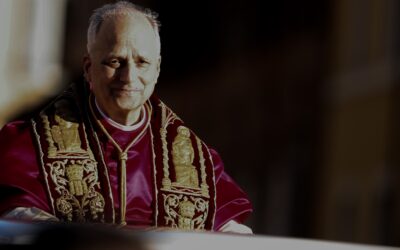
Shock at the Vatican: Muslim Prayer Room Approved Inside Historic Library
The Vatican made the decision to offer a prayer room for Muslim scholars marking a historic moment in interfaith relations. While many see it as a gesture of hospitality and respect, others raise serious theological objections. This article explores the background, responses, and deeper implications of this unprecedented accommodation. Historical Roots and the Vatican Library The Vatican Apostolic Library has stood as a center of Christian scholarship since its founding under Pope Nicholas V in 1451. Over centuries, it has collected manuscripts not only from Christian traditions but from across religions and civilizations. The library holds incredibly old Qurans alongside works in Hebrew, Arabic, Ethiopian, and Chinese, testifying to its universal scope. According to The Catholic Herald, “Today, the Vatican Library is estimated to contain some 80,000 manuscripts, 50,000 archival items, nearly two million printed books, and more than 100,000 engravings, prints, coins, and medals. New discoveries continue to emerge, including a rare manuscript of Spinoza’s Ethics unearthed in recent years.” Recently, Muslim scholars visiting the library requested a small space in which to pray. The library granted their request, offering a carpeted area for those moments of worship. According to Fr Giacomo Cardinali, Vice Prefect of the library, this was done simply in response to scholars’ needs. (MORE NEWS: Melania Trump Helps Reunite Ukrainian Children Amid War) Reactions: Respect, Concern, and Controversy Unsurprisingly, the announcement sparked immediate reactions across Christian and religious communities. Some welcomed it as a sign of openness, dialogue, and respect toward Islam. They argue that allowing fellow scholars a space to pray fosters goodwill, mutual understanding, and academic freedom. However, others voiced deep concern and even alarm. Critics see the move as compromising the sacredness of Christian spaces. As one commentary put it, “a place dedicated to preserving Christian truth” should not facilitate worship to beliefs that deny Christ’s divinity. Some warn that such gestures may lead toward religious compromise or syncretism—blending of religions. They fear that the boundary between hospitality and endorsement becomes dangerously thin when worship is permitted within Christian precincts. Theologically, the criticism draws on passages like Exodus 20:3, “You shall have no other gods before Me,” and 2 Corinthians 6:14, “What fellowship has righteousness with lawlessness?” For critics, welcoming prayers to a different god within Vatican walls inches into problematic territory. Supporters counter that the Vatican Library is not a sanctuary in the liturgical sense, but a research institution; its purpose is not worship but scholarship. They argue that accommodating Muslim scholars does not equate to endorsing their theology. Rather, it affirms respect for academic inquiry and human dignity. The Deeper Implications Beyond the surface-level dispute, this decision touches on issues of identity, theology, and the mission of the Church in a pluralistic world. Sacred vs. Secular Spaces This case forces a rethinking of what is “sacred” and who defines that. While the Vatican Library is a deeply Christian institution, its role is largely intellectual and archival rather than sacramental. That ambiguity opens a space for debate: Does a prayer room transform the library into a shared worship space? Or does it remain what it has always been—a scholarly site that simply accommodates scholars’ needs? Boundary of Hospitality Christian tradition emphasizes hospitality, yet always with limits. The question here is whether creating a worship space goes beyond mere hospitality into compromise. Where do we draw the line between welcoming and enabling? How can the Church affirm its own convictions while extending respect to others? Precedent Setting This act may set a precedent. If other Christian institutions follow suit, what standards will govern such accommodations? Who will decide when, where, and how worship by non-Christians is permitted within Christian spaces? Over time, small concessions can accumulate into significant shifts in institutional culture. Looking Forward: Questions and Paths Ahead As this decision unfolds publicly, several key questions deserve attention: Clarity of purpose: Will Vatican leadership issue a formal theological statement clarifying that hosting a Muslim prayer room does not imply doctrinal endorsement? Scope and boundaries: Will Muslims be allowed to pray only within limited times, areas, or under certain restrictions, or will more expansive worship follow? Response from local Christian communities: How will dioceses, parishes, and laity interpret and respond to this development? Future accommodations: Might other faiths request similar access? How will the Church respond to requests from, say, Hindu, Buddhist, or Sikh scholars? Dialogue outcomes: Could this gesture lead to formal conversations about shared values, theological disagreements, and joint social action? Final Word The Vatican Library’s granting of a prayer room for Muslim scholars is a bold and risky move—a dangerous crossing of sacred boundaries. In reality, this decision raises an uncomfortable question: would the same courtesy ever be extended in reverse? In most Muslim countries, Christian worship is forbidden in mosques and often even restricted in public. The Vatican’s choice highlights a striking contrast—one faith showing extraordinary accommodation, while the other would not allow similar access. For many believers, that imbalance is precisely why discernment and conviction are so essential when faith and diplomacy meet. Forget the narrative. Reject the script. Share what matters. At The Modern Memo, we call it like it is — no filter, no apology, no corporate leash. If you’re tired of being lied to, manipulated, or ignored, amplify the truth. One share at a time, we dismantle the media machine — with facts, boldness, and zero fear. Stand with us. Speak louder. Because silence helps them win.
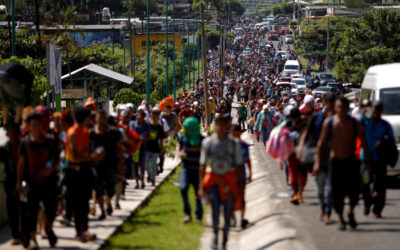
Cuban Migrant Caravan Shifts Destination to Mexico City
A new caravan led mainly by Cuban migrants is making its way through southern Mexico. But unlike past movements, this group is not trying to reach the United States. Instead, they are heading for Mexico City, hoping to build a new life there. This shift marks a dramatic change in migration patterns. For years, the U.S. was the ultimate goal for most migrants traveling through Mexico. Now, stricter border controls and changing political realities have pushed many to look for safety and opportunity elsewhere. A Journey with a New Goal The caravan began in Tapachula, near the border with Guatemala. It includes more than a thousand people from Cuba and other Latin American countries. They are traveling north on foot and by bus, aiming to reach the Mexican capital. Their message is simple: they want permission to live and work in Mexico legally. Many of them have waited months in overcrowded shelters in Tapachula. Some were stuck there for nearly a year, unable to move north or find jobs. Frustration and hunger pushed them to organize and take to the road. They believe reaching Mexico City will give them a better chance to speak directly to government officials and demand legal documents. Trump’s Policies Shift the Migration Map Since Donald Trump returned to the White House in early 2025, the U.S. has seen a sharp decline in illegal border crossings. The administration has expanded deportations, increased patrols, and enforced new agreements with Mexico and Central American nations. (MORE NEWS: Apple Pulls ICE-Tracking Apps from App Store) The New York Post is reporting that ICE is on track to deport 600,000 illegal immigrants in 2025 and 2 million have left voluntarily. “This is just the beginning.” As a result, the number of migrants attempting to cross into the U.S. has dropped to historic lows. This has forced many to rethink their plans. For the first time in years, a large number of migrants now say they intend to stay in Mexico rather than risk the journey north. Some say they no longer see the U.S. as a welcoming place. Others fear being detained or deported if they try to cross. For them, Mexico represents a chance to work, earn money, and live without constant fear of arrest. Seeking Opportunity Inside Mexico Mexico, specifically Mexico City, is becoming a new destination for migrants across the region. Many believe they can find jobs in construction, agriculture, or tourism. Some also hope to start small businesses or join family members already living in the country. The Mexican government has been trying to manage this new wave of settlement. Officials have offered temporary humanitarian permits that allow migrants to travel and seek work. However, these permits often expire after 30 days, leaving many in legal limbo once again. Many immigrants have been outright denied or have received pushback on their requests, leaving them frustrated. A migrant caravan leaves southern Mexico and heads for the capital Mexico City in search of better opportunities. The Cuban and Haitian migrants cite red tape and high costs as barriers to making life in Mexico work pic.twitter.com/G35cg1NBc9 — Reuters (@Reuters) October 2, 2025 Despite the uncertainty, migrants remain hopeful. They see Mexico City as a symbol of progress — a place where their voices can be heard and their paperwork processed faster. Hardships on the Road The journey north is dangerous and exhausting. Migrants face long days of walking under intense heat with little food or water. Some travel with small children or elderly relatives. Along the way, they risk robbery, extortion, and abuse from criminal groups that target vulnerable travelers. Local residents sometimes offer food and shelter, but others are less welcoming. Some communities fear that large groups of migrants will strain local resources or increase insecurity. Despite these challenges, the caravan continues to move forward. (RELATED NEWS: Cartel “La Diabla” Busted for Baby, Organ Ring in Mexico) Mexico’s Complex Role Mexico now faces a difficult balancing act. On one hand, it must show compassion and manage the humanitarian crisis. On the other, it must maintain cooperation with the United States, which continues to pressure Mexico to control migration flows. The Mexican National Migration Institute has been documenting participants and reviewing cases to determine who may qualify for residency. In past caravans, authorities have used a strategy of dispersing migrants to other regions to prevent large concentrations near the capital or the U.S. border. A Turning Point in Migration The Cuban-led caravan may mark the beginning of a new migration era. Instead of using Mexico as a bridge to the United States, many migrants now view it as a final destination. Economic opportunity, cultural familiarity, and proximity to home make Mexico an appealing choice. While challenges remain — from bureaucracy to discrimination — migrants say they prefer the uncertainty of Mexico over the hostility they expect at the U.S. border. This shift could reshape regional migration policies for years to come. The U.S. may see reduced border pressure, while Mexico will need stronger systems for asylum, employment, and integration. How both governments respond will define the next chapter in North American migration. The Road Ahead: A Hard Truth As the caravan moves closer to Mexico City, the country faces mounting pressure. Streets and shelters are already crowded with people waiting for government help. Local resources are stretched thin, and frustration is growing among residents who feel their communities are being overrun. Many Mexicans argue it’s time to draw a firm line. They believe the government must stop encouraging massive caravans that drain public funds and disrupt local life. What began as a humanitarian issue has become a matter of national security and social stability. The reality is that Mexico cannot absorb endless waves of migrants. Jobs are limited, infrastructure is weak, and public services are already under strain. While compassion matters, so does responsibility. Allowing thousands of undocumented migrants to remain without control invites long-term problems that will hurt ordinary citizens first. The hard truth for some is that the…
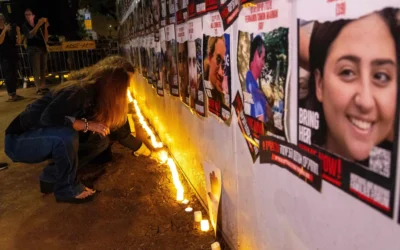
Hamas Agrees to Release Hostages After Trump Ultimatum
Al Jazeera reported that Hamas delivered its response to President Donald Trump’s peace proposal, just hours after Trump had set a 6:00 p.m. ET Sunday deadline. According to the report, Hamas said it is ready to release all Israeli hostages — both living and deceased — under the terms of Trump’s exchange plan. pic.twitter.com/3dGpkSu0kW — Karoline Leavitt (@PressSec) October 3, 2025 Hamas has submitted its response to Trump’s Gaza plan, saying it is ready to release all Israeli captives – both living and dead – in exchange for an end to Israel’s war and the complete withdrawal of Israeli forces from the enclave, as outlined in Trump’s proposal. pic.twitter.com/9sCwJUbbpO — Al Jazeera English (@AJEnglish) October 3, 2025 However, the statement did not fully concede to other critical demands. For example, Hamas did not expressly agree to disarm, a central requirement of both Israel and the United States. Still, the prospect of a full hostage release could dramatically change the negotiation landscape. (RELATED NEWS: Trump Issues a Grim Ultimatum to Hamas) What Hamas Agreed To Hamas’s statement outlined several key concessions. It expressed readiness to enter negotiations immediately, through mediators, to finalize the details of the deal. They agreed to transfer the administration of Gaza to an independent Palestinian technocratic body, based on national consensus and backed by Arab and Islamic countries. It also insisted that its demands include Israel’s complete withdrawal from Gaza and an end to military operations there. While Hamas accepted some elements, it reserved the right to negotiate others. The omission of disarmament remains a major sticking point. What Trump’s Ultimatum Entailed President Trump’s ultimatum didn’t specify whether Hamas had to accept every point of the 20-point plan immediately. Instead, it seems to have focused on critical demands — including total withdrawal, disarmament, and ending hostilities. By setting a deadline, Trump aimed to force Hamas’s hand. The ultimatum raised the stakes: agree or face “total destruction,” as the proposal stated. The strategy sought to create diplomatic pressure and shift control back to the negotiating parties. (RELATED NEWS: Trump’s Leaked Gaza Peace Plan: A Bold 21-Point Vision for Lasting Stability) President Trump is optimistic about the outlook: pic.twitter.com/JzeyA0pH3e — Rapid Response 47 (@RapidResponse47) October 3, 2025 Why the Hostage Release Matters Releasing all hostages would mark a major turning point. For one, it could ease domestic and international pressure on Israel to negotiate. It would also shift public sentiment, especially in Israel, where these individuals’ families have been demanding action for months or years. Moreover, if Hamas follows through, Israel and its backers might feel compelled to soften some demands or extend the talks. The hostage issue has long been among the most emotionally charged elements of any agreement. Remaining Hurdles and Risks Even with goodwill over hostages, significant hurdles remain. Disarmament is at the top of the list. Israel and the U.S. insist Hamas must lay down its weapons. Hamas has not agreed to that. Verification and enforcement present another issue. Who will certify Hamas’s compliance? Which party will monitor disarmament and ensure the deal sticks? The question of power sharing in Gaza also adds complexity. Transitioning governance to technocrats will not be easy. Local political factions may resist. Israel will also demand assurances against renewed attacks. Without strong security guarantees, leaders in Jerusalem may be reluctant to move forward. Some analysts also note that the timing could be significant. A deal may be tied to the October 7 anniversary of the 2023 Hamas attack, which triggered the current conflict. Possible Scenarios Ahead Full Deal and Ceasefire In the best case, Hamas follows through. Hostages are released, Israeli forces withdraw, Gaza’s governance shifts, and disarmament begins. A long-term ceasefire could follow, stabilizing the region. Partial Implementation Hamas might only partially comply — releasing hostages while resisting disarmament or full withdrawal. Negotiations would resume, but distrust would loom. Breakdown and Escalation If any party backpedals or imposes unacceptable terms, the agreement could collapse. Israel might resume military action or impose harsher constraints. Delayed Timeline Even if an agreement is possible, execution could stretch over weeks or months. Transitional arrangements and security logistics take time. Why This Moment Is Critical The hostage issue has been central to public opinion, both in Israel and globally. If Hamas displays willingness to free hostages, it alters moral and political dynamics. The expiration of Trump’s ultimatum forces clarity. Hamas’s response, partial though it may be, establishes a baseline from which diplomats can negotiate. This moment coincides with the second anniversary of the October 7, 2023 Hamas terror attack, which ignited this war. Negotiators may use the symbolism to drive momentum. For the United States and Israel, proving that diplomacy can yield results offers political cover. For Hamas and its allies, agreeing to hostage release without disarming offers a way to claim moral high ground. Final Word Hamas’s response to Trump’s ultimatum represents a cautious but notable shift. Although it did not accept all demands, the group’s willingness to free hostages opens a door to diplomacy. The future remains uncertain. The next steps will test whether confidence, verification, and willingness to compromise can overcome longstanding divides. At the same time, the stakes could not be higher. Both Israel and Hamas face immense pressure from their own populations, international mediators, and regional powers. Any sign of weakness or retreat may carry political costs. This means negotiators must balance humanitarian urgency with political survival. Whether this moment produces a lasting breakthrough or simply another temporary pause in hostilities will depend on how quickly trust can be built and whether all sides are willing to compromise beyond initial gestures. Cut Through the Noise. Slice Through the Lies. Share the Truth. At The Modern Memo, we don’t tiptoe around the narrative—we swing a machete through it. The mainstream won’t say it, so we will. If you’re tired of spin, censorship, and sugar-coated headlines, help us rip the cover off stories that matter. Share this article. Wake people up. Give a voice to the truth the powerful want buried. This fight…
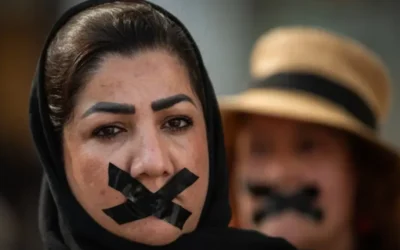
Taliban Nixes Internet in Afghanistan, Citing Morality
Much of Afghanistan has plunged into a nationwide internet blackout. The move came after the Taliban regime ordered a shutdown of web and mobile services. The regime cited moral reasons, claiming the shutdown was meant to “prevent immoral activities.” This drastic step has triggered alarm across Afghanistan and the international community. Critics warn it will worsen economic collapse, cripple basic services, and strip citizens of their rights. What Happened: Shutdown in Practice In the days before the blackout, Taliban officials reportedly began severing fiber-optic cables in several provinces. The regime spokesman in Balkh province claimed these cuts were ordered by the supreme leader, Haibatullah Akhundzada. (MORE NEWS: Trump’s Leaked Gaza Peace Plan: A Bold 21-Point Vision for Lasting Stability) Most of Afghanistan lost internet access. Mobile phone networks also suffered severe disruptions. Internet monitoring group NetBlocks confirmed that the country was in the midst of a total internet blackout as of the following Tuesday afternoon. ⚠️ Update: It has now been 24 hours since #Afghanistan imposed a national internet blackout, cutting off residents from the rest of the world; the ongoing measure marks the Taliban’s return to conservative values it espoused a quarter of a century ago limiting basic freedoms pic.twitter.com/8g04yEi4Ht — NetBlocks (@netblocks) September 30, 2025 A local shopkeeper in Kabul described the impact bluntly: “We are blind without phones and internet. All our business relies on mobiles… The market is totally frozen,” The National reported. Adding to this, a bank employee said clients could no longer complete online banking, cash withdrawals, or money authorizations. An unnamed Afghan government source told reporters that the blackout would last “until further notice.” The shutdown would affect not only banking, but customs, trade, and all sectors nationwide. In addition, international and local media operations were disrupted. Tolo News and Radio Free Europe reported difficulties in maintaining communications. Taliban Justification: Morality Over Connectivity The Taliban framed the shutdown as a morality measure. According to their spokesman, internet applications had “badly affected the ongoing economic, cultural and religious foundations of society.” (MORE NEWS: Cartel “La Diabla” Busted for Baby, Organ Ring in Mexico) He argued that such digital tools allowed immoral content to spread, undermining Afghan values. Thus, they insisted the blackout was necessary to uphold social decency. However, Taliban advisors reportedly cautioned that the economic fallout would be catastrophic. Still, the supreme leader reportedly overruled them. International and Domestic Reactions The United Nations swiftly condemned the shutdown. It called on the Taliban to restore internet and telecom services immediately. The U.N. Assistance Mission in Afghanistan (UNAMA) warned that the blackout: Leaves Afghanistan “almost completely cut off from the outside world” Threatens economic stability Exacerbates one of the world’s worst humanitarian crises Imposes further restrictions on freedom of information and expression The U.N. also noted its own operations were severely hampered, forcing staff to rely on radio communications and limited satellite links. Meanwhile, adding to the concern, Human Rights Watch researcher Fereshta Abbasi criticized the Taliban’s moral rationale and emphasized the tangible harms of the blackout. In Kabul, the airport was reported to be nearly deserted. All flights were canceled, and Airport officials said they did not expect operations to resume until at least Thursday. The Human Cost: Economy, Rights, and Daily Life The internet is more than entertainment—it is central to modern life. It enables commerce, education, communication, health services, and banking. By cutting these links, the Taliban have disrupted everything. Business and trade: Vendors, delivery services, payment processors, and supply chains all rely on digital connectivity. The blackout freezes markets. Banking and finance: Without online systems, citizens cannot access funds, transfer money, or pay bills. Information access: Citizens lose means to access news, make informed decisions, and voice dissent. Health and aid services: NGOs, hospitals, and relief groups rely on internet links to coordinate and share vital data. Freedom of expression: The shutdown is a further restriction on speech and press. Afghanistan is already navigating severe economic and humanitarian challenges. This blackout compounds the suffering by choking the country’s information lifeline and paralyzing public services. The Plight of Afghan Women: More Than Just Disconnection The Taliban’s internet shutdown deepens an already desperate crisis for Afghan women. Under the regime, women face sweeping bans on education, work, and public movement. The blackout compounds these restrictions by cutting off what little access they still had to communication, solidarity, and outside aid. Even before the shutdown, many women were forced out of schools or universities, barred from most professions, and subjected to strict dress codes and male guardianship rules. In this landscape, the internet offered a fragile lifeline: a way to read, learn quietly, seek virtual help, or connect with women’s rights groups beyond the country. Now, with connectivity severed, women lose access to critical resources: Remote education—already one of few remaining options—vanishes. Online counseling, advocacy, and support networks become inaccessible. Digital activism and reporting—tools used to amplify women’s voices under tyranny—are silenced. Information about health, legal aid, and safety disappears from reach. Without these channels, women are increasingly isolated and vulnerable. They face greater risk of abuse, disappearances, and unaccountability. The blackout strips them not only of connection to the world, but also of the hope and tools they had to resist suppression. In short, while the internet blackout hurts all Afghans, for women it is not just a disruption—it is another wall erected to lock them further into silence. Why It Matters: Lessons and Warnings The blackout shows how authoritarian regimes can weaponize infrastructure—turning the internet off as a tool of control. Once you control connectivity, you control discourse. Moreover, it underscores digital access as a human right. Access to information and communication is essential to participation in society. Cutting it off isolates citizens and shields power from scrutiny. The global community must pay attention. Such shutdowns have regional consequences — for migration, security, media, and regional stability. Above all, the Afghan people suffer most. They bear the consequences of censorship decisions made far above their control. Looking Ahead: What Comes Next? At present,…
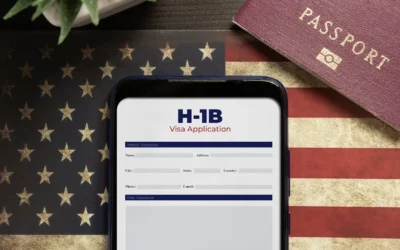
Trump’s New H-1B Visa Rule: What You Need to Know
President Donald Trump just rolled out a major shake-up to the H-1B visa program. On September 19, 2025, he signed a proclamation called “Restriction on Entry of Certain Nonimmigrant Workers.” Here’s the big headline: anyone applying for a new H-1B visa after September 21, 2025, will have to pay a $100,000 fee before stepping foot in the United States. That’s not a typo. One hundred thousand dollars. Who Has to Pay, and Who Doesn’t The fee applies only to new petitions filed after the deadline. If you’re an H-1B worker who already has a visa, you’re safe. Renewals also don’t trigger the new charge. In other words, the people who need to worry are the ones filing fresh petitions to come to the U.S. under the H-1B specialty-occupation visa. Everyone else—current holders and those who already filed before September 21—gets a pass. (MORE NEWS: London: 100K Rally-Goers Unite Against Mass Immigration) How Long Will This Last? Right now, the proclamation is set to run for 12 months, ending on September 20, 2026. But like most things in Washington, that could change. Extensions are on the table, depending on how agencies like USCIS, the Department of State, and Homeland Security review the results. Why the Big Change? The White House says the move is about protecting American workers. Officials argue the H-1B system has been misused—bringing in people for lower-wage jobs instead of filling truly specialized roles. By tacking on a $100,000 fee, the administration hopes to discourage companies from using the program unless they’re hiring for top-tier positions. Alongside the fee, the Department of Labor is expected to raise wage requirements, while Homeland Security plans to favor higher-paid, higher-skilled applicants in the H-1B lottery. The idea is simple: if you’re going to bring in foreign workers, they should be the best of the best. (MORE NEWS: Al-Qaida Threat Prompts Federal Warning to Law Enforcement) The days of employers abusing H-1B Visas are over. Introducing PROJECT FIREWALL—our plan to ensure high-skilled jobs go to AMERICANS FIRST 🇺🇸 pic.twitter.com/XPwBJSZfto — U.S. Department of Labor (@USDOL) September 19, 2025 What This Means for Employers and Workers This shift points to more opportunities and better pay for American workers. For employers, though, the cost is steep. Hiring an H-1B worker was already expensive, and adding an extra $100,000 means companies will think twice about bringing in cheaper foreign labor. The days of tech companies laying off American workers while turning around to hire foreign replacements are coming to an end. For applicants abroad, the road ahead is tougher. They’ll need to find employers not only willing but financially able to shoulder the added cost, which could make sponsorship far less common. Congressman Brandon Gill quotes an example of H-1B Visa abuse from the proclamation in his recent X post: America is a nation, not a jobs program for foreign workers. Our H-1B visa program has been abused for far too long. pic.twitter.com/OXi4duqvcQ — Congressman Brandon Gill (@RepBrandonGill) September 20, 2025 Will There Be Exceptions? Here’s where things get a little less clear. The proclamation leaves room for “national interest” exceptions. Early signs suggest doctors and other critical workers may end up on that list. As this gets hammered out, there’s hope the administration will carve out exceptions for people whose skills the U.S. can’t afford to lose. We’ll just have to wait and see how broad—or narrow—those exceptions end up being. What You Should Do if You’re Affected Check your filing date. If your petition was filed before September 21, the new rule doesn’t touch you. Plan for the cost. If you’re filing now, factor in the fee. It’s not optional. Watch for updates. Agencies will issue more guidance in the coming weeks. Get advice. Immigration lawyers and experts can help you figure out whether you qualify for an exemption. The Bigger Picture This move is about more than paperwork. It’s part of a larger push to reshape how America handles skilled immigration. For years, the U.S. has been a magnet for global talent. Now the message is clear: if you want to come, it’s going to cost a lot more—and the bar for entry will be higher. It is long overdue and will help open doors for American graduates who’ve struggled to compete with H-1B applicants. Final Thoughts Love it or hate it, the $100,000 fee changes the game. Companies must weigh the costs against their need for specialized skills. Workers will need to plan carefully and keep an eye on how the rules evolve. One thing is certain: America’s approach to skilled immigration is shifting fast. And with exceptions still being debated—possibly for doctors and other critical workers—the final shape of this policy is far from set in stone. For now, both employers and workers should prepare. Because in this new landscape, hiring global talent just got a lot more complicated.
- 1
- 2