

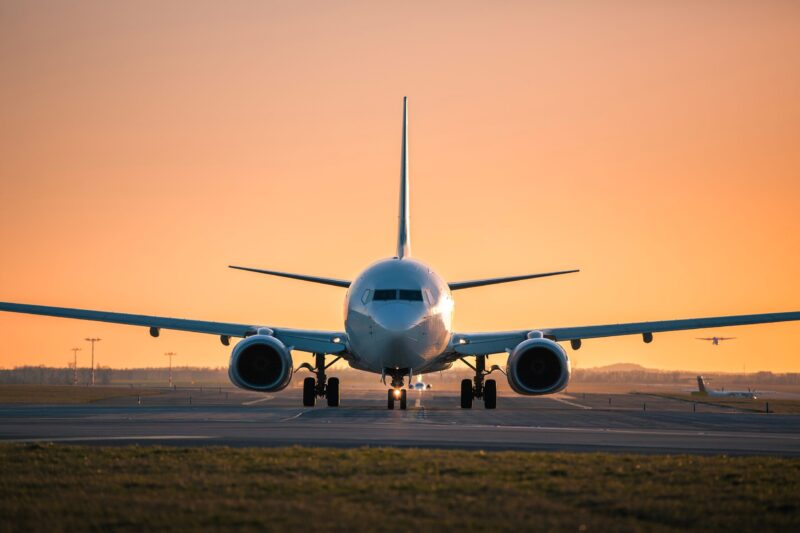
As the federal government shutdown continues, the Federal Aviation Administration (FAA) has announced a plan to reduce flight operations and air traffic by 10% across 40 of the busiest U.S. airports. Because air traffic controllers and Transportation Security Administration (TSA) agents continue to work without pay, the FAA says the move is necessary to maintain flight safety in the national airspace system.
Starting Friday, Nov. 7, the cutbacks begin. Initially, flights will be reduced by about 4%, ramping up to 6% by Nov. 11, 8% by Nov. 13, and finally 10% by Nov. 14 if the shutdown persists. These reductions come just a few weeks before the holiday travel season ramps up, raising concerns about how airports and airlines will manage the upcoming surge in passengers. If the government shutdown continues into late November, millions of travelers could face longer wait times, fewer available flights, and widespread delays during one of the busiest travel periods of the year.
🚨 BREAKING: @SecDuffy announces a 10% reduction in scheduled flight capacity at the nation’s top 40 high-traffic markets due to the Democrat Shutdown’s strain on air traffic controllers. pic.twitter.com/g6yJygA96W
— Rapid Response 47 (@RapidResponse47) November 5, 2025
Widespread Delays and Cancellations Already Underway
Furthermore, the disruption is already affecting air travel. As of Thursday afternoon, more than 5,100 flights had been delayed in the U.S., and nearly 150 cancellations were reported. Some major airports seeing the worst impact include Newark Liberty International Airport, Boston Logan International Airport, Ronald Reagan Washington National Airport, and Chicago O’Hare International Airport. (MORE NEWS: SNAP Benefits Partially Restored as USDA Uses Emergency Funds)
In addition, more than 620 flights were canceled on Friday alone and over 350 were already set to be canceled for Saturday — indicating the scale of the disruption is growing.
Safety Concerns Amid Controller Staffing Issues
Moreover, the staffing picture for air traffic control is increasingly dire. The National Air Traffic Controllers Association reports that training facilities are threatened with closure because new controllers aren’t being brought on amid the shutdown. In an interview with Fox News, association President Nick Daniels, certified controllers number about 10,800 when full staffing should be closer to 14,633.
He warned that controllers are facing severe financial stress — unpaid for weeks, struggling with bills, childcare, and even eviction notices. As fatigue rises among controllers, aviation safety professionals are sounding alarms that the safety margin in the skies is narrowing. (MORE NEWS: Government Shutdown Stalls Real Estate in 5 States)
What Airlines and the DOT Are Saying
Turning to the airlines, several carriers have announced proactive steps. For example, United Airlines said it will offer refunds to any customers who choose not to fly during the disruption period. This is even if their flight isn’t directly canceled. The airline emphasized that international and hub-to-hub flights will mostly continue, while domestic regional flights may see more cuts.
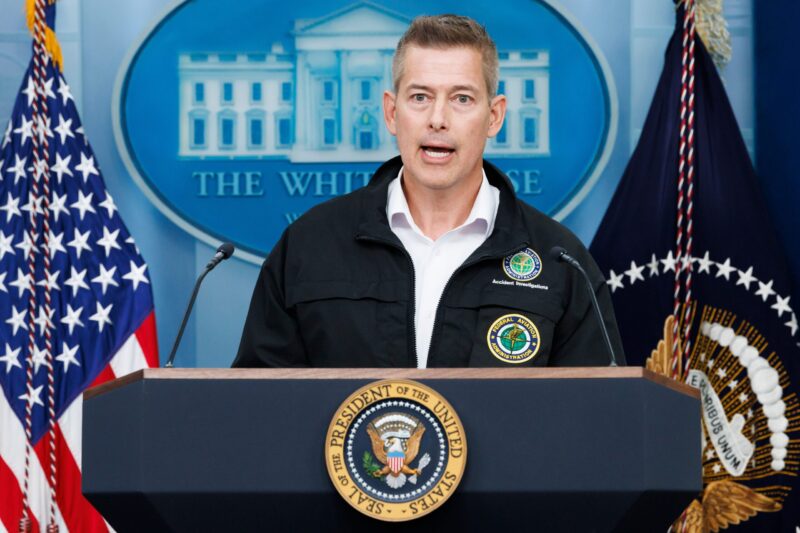
In a related move, the U.S. Department of Transportation (DOT) via Secretary Sean Duffy described the decision to reduce flights as “data-driven.” He affirmed the reduction targets were set because these 40 markets showed significant operational pressure due to the staffing shortfall.
Despite the cuts, some airlines like Delta Air Lines and American Airlines say they expect the “vast majority” of their customers will not be affected.
What This Means for Travelers
For travelers, this means you should plan for disruptions — and act early. Expect longer lines at TSA checkpoints as officers call out and staffing remains strained. Acting TSA Administrator Adam Stahl told Fox News Digital that he recommends arriving two to three hours before your flight, and in some airports even earlier.
Because airlines will have to cut flights to meet FAA directives, some flights may be canceled or delayed with little notice. Bookings in the next 10 days are particularly vulnerable. Customers should monitor airline apps and notifications for schedule changes, and consider backup plans — as suggested by some airline CEOs.
Even if your flight remains on schedule, the risk of inbound or outbound delays increases. Connecting flights, especially at busy hubs, may be disrupted by ripple effects from reduced capacity and staffing limits.
Political Fallout and Next Steps
On the political front, Vice President JD Vance declared the shutdown risks reaching “an aviation emergency” as the nation braces for travel disruptions. Meanwhile, lawmakers are pointing fingers over who bears responsibility for the staffing shortages and the shutdown’s impact on air travel.
What the Democrats are doing on the government shutdown is genuinely unprecedented, and while the administration has shielded the American people from the worst of the consequences, all of this is coming, and soon:
An aviation emergency that will lead to significant travel…
— JD Vance (@JDVance) November 6, 2025
Secretary Duffy stressed that the solution is in Congress reopening and funding the government. He stated that he cannot pay controllers because Congress says there is no money.
Senator Ted Cruz weighed in, saying, “The FAA doesn’t want to do this, but they’re doing it to protect passenger safety. Enough is enough. The political stunt the Democrats are pulling is hurting real people.
Starting Friday, you’re going to see a 10% cut in flights at the nation’s 40 largest airports.
The FAA doesn’t want to do this, but they’re doing it to protect passenger safety.
Enough is enough. The political stunt the Democrats are pulling is hurting real people. pic.twitter.com/NsSxpOtKK0
— Senator Ted Cruz (@SenTedCruz) November 6, 2025
Bottom Line
In summary, as the government shutdown drags on, air travel in the U.S. is entering a phase of reduced capacity and higher risk of delays and cancellations. The FAA’s decision to cut flights at major airports is an attempt to protect safety amid mounting staffing shortages. Meanwhile, travelers should prepare accordingly: arrive early, check flight status frequently, and consider flexible plans.
However, the timing could not be worse. With the busy holiday travel season approaching, the risk of widespread flight disruptions continues to grow. Families planning Thanksgiving or Christmas trips may face packed airports, longer lines, and limited rebooking options if the shutdown isn’t resolved soon. The combination of reduced staffing, flight cuts, and rising passenger demand could turn a routine holiday trip into a major challenge.
For millions of travelers, the message is clear — plan ahead, stay informed, and brace for possible turbulence in the weeks leading up to the holidays.
Expose the Spin. Shatter the Narrative. Speak the Truth.
At The Modern Memo, we don’t cover politics to play referee — we swing a machete through the spin, the double-speak, and the partisan theater.
While the media protects the powerful and buries the backlash, we dig it up and drag it into the light.
If you’re tired of rigged narratives, selective outrage, and leaders who serve themselves, not you — then share this.
Expose the corruption. Challenge the agenda.
Because if we don’t fight for the truth, no one will. And that fight starts with you.
