

Shutdown
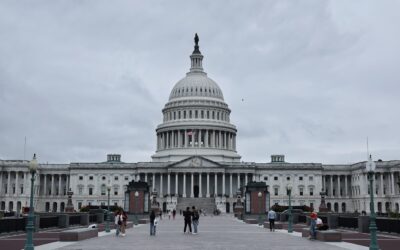
House Passes Stopgap Funding Bill, Averting Shutdown Before Midterm Elections
The House of Representatives passed a short-term government funding bill Tuesday by a lopsided 370-48 vote, sending the measure to President Trump’s desk and averting a government shutdown just weeks before voters head to the polls in the November midterms. The stopgap measure, known as a continuing resolution, keeps federal agencies funded generally at current spending levels through December 11, buying Congress additional time to negotiate full-year appropriations bills without the immediate pressure of an October 1 funding cliff. The Senate had already approved the measure by an overwhelming margin before it reached the House floor, and with Trump’s signature considered a formality, the bill is expected to become law well before the current funding deadline expires. The lopsided vote margin reflects a rare moment of bipartisan alignment on a piece of must-pass legislation, particularly notable given how badly the last two funding fights went. Lawmakers in both parties have been eager to avoid a repeat of 2025’s shutdown chaos, when the federal government endured a 43-day lapse in funding followed by a separate, even longer 76-day shutdown limited to the Department of Homeland Security — the longest shutdown of any single federal department in U.S. history. With midterm elections just two months away, neither party wanted to be blamed for a third disruptive funding lapse in as many years, a dynamic that appears to have driven Tuesday’s smooth passage far more than any newfound spirit of bipartisan cooperation on the underlying spending questions that remain unresolved. House Appropriations Committee Chairman Tom Cole framed the bill as straightforward good governance, telling reporters it provides “certainty that the government will remain open, certainty that our service members will be paid.” House Speaker Mike Johnson struck a similar tone, crediting Republicans for delivering the result and saying the House GOP is “continuing to do the grown-up thing, get the job done” — remarks aimed as much at midterm voters weighing which party can be trusted to keep basic government functions running as at colleagues on the floor. Democrats offered a more qualified endorsement. Rep. Rosa DeLauro, the top Democrat on the Appropriations Committee, pointed to a provision delaying a proposed rule that would have given Trump-appointed officials new authority to halt federal grants for programs they deem misaligned with the administration’s policy agenda, calling the delay “an important first step.” But DeLauro made clear Democrats see the underlying policy fight as far from settled, warning that “whether a community receives disaster relief should not depend on who they voted for in the last election” — a pointed reference to Democratic concerns that the administration could eventually use grant-approval authority to reward friendly states and jurisdictions while punishing others. The bill includes at least one other notable policy provision beyond the topline spending extension: language preventing the Department of Homeland Security from transferring funds internally to boost Border Patrol’s budget beyond what Congress has already appropriated, a restriction that reflects ongoing congressional efforts to maintain oversight over how immigration enforcement dollars are actually spent even as the administration has pushed to expand enforcement operations through other channels, including the National Guard deployments and ICE surges already underway in several major cities. The relatively narrow scope of the bill — a straightforward extension of current funding levels rather than a comprehensive rewrite of federal spending priorities — reflects a deliberate strategy by leadership in both chambers to keep the legislation simple enough to avoid the kind of ideological riders that have sunk previous funding bills. Appropriators on both sides have signaled they intend to use the roughly three-month runway before the December 11 deadline to try to negotiate full-year spending bills covering the various federal agencies individually, rather than relying on another continuing resolution when the current one expires. Whether that effort succeeds is an open question; previous attempts at regular-order appropriations have repeatedly broken down over disputes on individual agency budgets, immigration enforcement funding, and policy riders attached by both parties, which is part of why the government has now operated under a series of short-term patches for much of the past several years rather than the full-year budgets that were once the norm. The bill’s passage removes one significant source of uncertainty from the political landscape heading into the fall campaign season, allowing both parties to turn their full attention to the redistricting fights, the state of the economy, and other issues expected to dominate midterm messaging without the added complication of a government shutdown playing out in the final stretch before Election Day. Still, the December 11 deadline means the underlying funding fight has only been postponed, not resolved, and lawmakers on both sides say they expect a more contentious round of negotiations once Congress returns from the elections to face a lame-duck session that will need to produce either full-year spending bills or yet another short-term extension before the holidays. For federal workers and contractors who lived through last year’s back-to-back shutdowns, Tuesday’s vote offers at least a few months of certainty. Whether that certainty extends much beyond December remains very much in the hands of a Congress that has struggled repeatedly in recent years to complete its most basic constitutional task of funding the government it oversees. The timing of the new deadline is itself politically significant. By pushing the next funding cliff to December 11, congressional leaders in both parties effectively guaranteed that the fight over full-year spending bills will unfold in a lame-duck session immediately following the midterms, when the incentives facing individual lawmakers shift considerably. Members who lost reelection bids in November will have less political exposure to worry about when casting votes on politically difficult spending bills, while members who won will be looking ahead to a new two-year term rather than an immediate election. Congressional aides in both parties have said privately that lame-duck sessions, for all their reputation as chaotic and rushed, have historically proven more capable of producing genuine compromise on appropriations than sessions held in the shadow of an looming…
The Final Deletion: DOGE Shuts Down Operations as Trump’s Government Efficiency Agency Hits Its Self-Termination Sunset
The temporary, chainsaw-wielding federal cost-cutting apparatus that aggressively reshaped Washington’s bureaucratic landscape has officially closed its doors. In strict accordance with the original executive mandate that established the temporary body, the Department of Government Efficiency (DOGE) reached its self-termination deadline and permanently deactivated its central operations. The deactivation of the central DOGE website and its final public metrics dashboard marked a quiet, highly calculated conclusion to the agency’s tenure. Taking to social media on the evening of the shutdown, the temporary agency issued a definitive final sign-off, signaling that while the centralized entity was dissolving itself, its operational philosophy would remain embedded across the federal government. “While the formal mission of DOGE has come to an end, the mission to eliminate waste, fraud, and abuse will continue,” the agency stated in its concluding public message. “Good stewardship of taxpayer dollars and accountable government are not temporary initiatives.” At The Modern Memo, we break down the final $215 billion savings sheet claimed by the agency, the mechanics of the executive “sunset” timeline, and the massive federal hiring pivot unfolding as agencies move to stabilize the civil service grid. The July 4th Blueprint: Fulfilling the Execution Mandate The dissolution of DOGE represents the exact fulfillment of the timeline laid down by President Donald Trump when he formalized the temporary body on the first day of his second term. The 250th Anniversary Sunset: When the administration established the U.S. DOGE Service Temporary Organization, it explicitly anchored its operational lifespan to a firm sunset date: July 4, 2026. The White House positioned the initiative as a historic structural “gift” to the American taxpayer on the nation’s 250th anniversary of the Declaration of Independence. The Self-Deletion Promise: The closure honors a long-standing pledge from technology billionaire Elon Musk, who spearheaded the agency’s initial workforce-slashing and regulatory rollbacks before stepping away from day-to-day operations. Musk had famously asserted that the ultimate triumph of a true efficiency agency is its willingness to eventually “delete itself.” No Final Report: Demonstrating the administration’s pivot toward permanent implementation rather than bureaucratic navel-gazing, Office of Management and Budget (OMB) Director Russ Vought confirmed that the executive branch has no plans to draft or publish a comprehensive “closing DOGE report,” choosing instead to let individual agency adjustments speak for themselves. The Final Metrics: Red Ink vs. $215 Billion in Savings Right up until the tracking matrix went dark, the DOGE data dashboard displayed an estimated cumulative taxpayer savings total of $215 billion—a metric that has ignited a fierce, ongoing debate between populist reformers and congressional watchdogs. While independent think tanks and House Oversight Democrats have disputed the headline total, arguing that the public documentation does not fully substantiate the multi-billion-dollar figure, White House spokesperson Davis Ingle fiercely defended the performance. Ingle told reporters that President Trump received a clear, unyielding mandate to modernize operations, and that DOGE had achieved historic, unprecedented strides in dismantling redundant spending walls. The Civil Service Pendulum: Staffing Back Up With the centralized authority of DOGE officially dissolved, the federal government is witnessing an immediate, massive operational pivot as individual agencies move to fix capacity shortages triggered by last year’s aggressive workforce contractions. The OPM Course Correction: Office of Personnel Management (OPM) Director Scott Kupor confirmed that the administration is overseeing a deliberate “reshaping” phase. Rather than maintaining blanket hiring freezes, the White House is directing agency heads to identify critical gaps and backfill mission-critical positions. The Hiring Resurgence: The scale of the turnaround is vividly illustrated by hiring metrics tracked via USAJobs. During the final five months of 2025—the height of the initial workforce purge—the government listed just 68,900 open positions. In the first five months of 2026, that number surged past 104,000 active job postings. Targeted Authorities: The Internal Revenue Service (IRS) has recently been granted emergency fast-track authority to hire up to 8,000 personnel to recover from steep clerical drops, while the State Department has quietly reopened its training loops for Foreign Service Officers to reinforce diplomatic outposts. Final Word The self-termination and deactivation of the Department of Government Efficiency is the definitive proof that the administration has successfully concluded the shock-therapy phase of its second-term domestic agenda. When you look past the intense political posturing of both sides and analyze the cold, hard data—a strict 18-month sunset deadline fulfilled precisely on schedule, a claimed $215 billion dent in redundant federal spending chains, and a post-closure transition that has seen job listings surge back past 104,000 to stabilize core infrastructure—you gain an unvarnished view of structural governance. Quality information replaces the progressive media’s narrative of a “failed experiment” with the reality of a permanent, systemic re-alignment. DOGE has successfully completed its centralized mission to disrupt the bureaucracy; by dissolving itself and scattering its operatives directly into high-level agency positions, the populist movement has ensured that the fight against waste is no longer an external threat, but a permanent feature of the deep machinery of the American state.

The Funding Standoff: Partial Shutdown Enters Day Three
As of Monday morning, February 2, 2026, the United States government remains in a partial shutdown following the expiration of several federal funding authorities at midnight on Saturday. The lapse has left portions of the federal government without appropriations as lawmakers continue negotiations centered on funding for the Department of Homeland Security (DHS). Several major agencies remain affected while Congress considers a short-term legislative solution that could reopen parts of the government as early as Tuesday. Background: Events Driving the Debate The current funding dispute intensified following a January 24 federal immigration enforcement operation in Minneapolis that resulted in the death of Alex Pretti, a 37-year-old U.S. citizen and ICU nurse. The incident is under investigation. Video footage circulated online in the days following the event, prompting renewed scrutiny of Immigration and Customs Enforcement (ICE) practices. The shooting followed a separate enforcement-related fatality earlier in January involving another U.S. citizen, Renee Good. In response, several Democratic lawmakers have called for changes to federal enforcement policies, linking DHS funding to proposed operational standards for ICE agents. Legislative Strategy and Senate Action To prevent a full government shutdown, Senate leadership and the White House advanced a two-part funding approach late last week. Under the plan, the Senate approved a package funding several federal departments—including Defense, Labor, Health and Human Services, and Transportation—through the end of the fiscal year in September. The measure passed by a 71–29 vote. DHS funding was separated from the broader package and extended for an additional two weeks. Supporters of the approach described the temporary extension as a mechanism to allow further negotiations on enforcement policies, including proposals related to agent identification and warrant requirements. The House did not vote on the Senate-approved package before the funding deadline. Lawmakers were in recess over the weekend, and travel disruptions caused by severe winter weather across parts of the Southeast contributed to the delay. Agencies Affected by the Shutdown The funding lapse has resulted in a partial shutdown, as several agencies had already received appropriations earlier in the fiscal year. Agencies currently affected include: Homeland Security Treasury Transportation Health and Human Services Labor Portions of Defense involving civilian operations Hundreds of thousands of federal employees classified as non-essential have been placed on unpaid furlough. Employees designated as essential, including active-duty military personnel and Transportation Security Administration officers, continue to work without pay. Agencies that remain funded and operational include: Justice Agriculture Interior Veterans Affairs Next Steps and Timeline House Speaker Mike Johnson said Sunday that the House is expected to consider the Senate’s funding package by Tuesday. Johnson described the vote as necessary to restore government operations while discussions over DHS funding continue. Democratic leaders, including House Minority Leader Hakeem Jeffries, have expressed reservations about passing a short-term DHS extension without additional commitments regarding enforcement oversight. Some Democrats argue that funding negotiations present an opportunity to establish permanent operational standards for ICE. Negotiations are ongoing, and it remains unclear whether further amendments or assurances will be required to secure passage in the House. Final Word With funding expired for several federal agencies, congressional leaders are working within a compressed timeline to pass a short-term solution while negotiations over DHS appropriations continue. Whether lawmakers reach an agreement in the coming days will determine if affected government operations resume this week or if the partial shutdown continues as talks extend into February. Where Facts, Context, and Perspective Matter At The Modern Memo, our goal is simple: to provide clear, well-researched reporting in a media landscape that often feels overwhelming. We focus on substance over sensationalism, and context over commentary. If you value thoughtful analysis, transparent sourcing, and stories that go beyond the headline, we invite you to share our work. Informed conversations start with reliable information, and sharing helps ensure important stories reach a wider audience. Journalism works best when readers engage, question, and participate. By reading and sharing, you’re supporting a more informed public and a healthier media ecosystem. The Modern Memo may be compensated and/or receive an affiliate commission if you click or buy through our links. Featured pricing is subject to change. 📩 Love what you’re reading? Don’t miss a headline! Subscribe to The Modern Memo here!

FAA Lifts Flight-Cut Mandate as Controller Staffing Rebounds
The Modern Memo may be compensated and/or receive an affiliate commission if you click or buy through our links. Featured pricing is subject to change. The Federal Aviation Administration (FAA) is officially ending its mandate that forced airlines to reduce flights at about 40 major U.S. airports. Beginning at 6 a.m. ET on Monday, the rule goes away—something many travelers and airlines have been waiting for. The move signals that things are looking up after a long period of staffing shortages, delays, and unpredictable schedules. For over a month, the FAA tried to manage an overwhelmed system that simply didn’t have enough air-traffic controllers to handle normal flight levels. Now, the agency says staffing has improved enough to step back. Airlines can plan without the looming threat of forced reductions. Why the Mandate Was Created This whole situation started during a messy period marked by a prolonged federal government shutdown. Hiring stalled, training slowed down, and many controllers ended up working exhausting amounts of overtime. With the FAA short about 3,500 controllers, flights were backing up everywhere. To keep things safe and somewhat stable, the FAA told airlines to cut flights by up to 10 percent at key airports. Eventually, those cuts were lowered to 6 percent and then 3 percent. Even then, carriers struggled to meet these numbers because flight schedules are planned months in advance. Trying to adjust them on the fly caused confusion and frustration for passengers and airlines alike. And let’s be honest—part of the problem was safety. Overworked controllers, fewer people in the tower, and constant pressure created a real risk. So, reducing flights was meant to protect both the workforce and the public. Ongoing Staffing Issues Still Matter The agency made it clear that it’s still reviewing cases of airlines not complying with the mandate when it was in effect. In other words, just because the rule is ending doesn’t mean the FAA won’t hold carriers accountable for past actions. This transition period is a bit of a balancing act. The FAA wants to give airlines more flexibility but also needs to ensure safety and oversight remain strong. Secretary Sean Duffy had a few positive words to say: 🚨The @FAANews has determined that normal flight operations can resume after multiple days of positive staffing with air traffic controllers in our towers. Now we can refocus our efforts on hiring and building the state-of-the-art air traffic control system the American people… https://t.co/28wQpOfKHD — Secretary Sean Duffy (@SecDuffy) November 17, 2025 Related Stories Kamala Teases 2028 Run as Democrats Scramble for Strategy FBI Probes Hunting Stand Near Trump’s Air Force One Area Trump Scores Legal Victory: $500M Fraud Penalty Overturned Impact on the Aviation System Lifting the mandate will affect more than just airlines and travelers. Airports themselves may see increased traffic, which means busier terminals and more demand on ground crews. Baggage teams, fuel providers, maintenance workers—they’ll all feel the ripple effects. This shift could be a good thing for regional airports too. If big hubs can operate without strict limits, it may open up more connecting options for smaller cities. That’s often a boost for local economies and regional travel. What Comes Next for Passengers and Airlines Travelers should still temper expectations. Just because the mandate is gone doesn’t mean the system will instantly return to pre-shortage performance. Staffing is still tight, and weather disruptions will still happen. But the overall picture looks much brighter now that airlines aren’t forced to cut flights at the last minute. Airlines may take a phased approach as they rebuild their schedules. They’ll look at which routes make the most sense to bring back and how best to balance operations with available staffing and aircraft. Some airports may feel the impact immediately, while others might see changes gradually. Final Word The FAA’s decision to lift the flight-cut mandate marks an important step toward a more stable aviation system. For airlines, it brings back flexibility and reduces operational risk. For travelers, it offers hope for more reliable schedules and fewer cancellations tied to staffing issues. Still, the job isn’t done. The U.S. aviation system must continue to build its controller workforce, improve training programs, and plan for long-term stability. But ending the mandate is a strong sign of progress—one that many people in the industry have been waiting to see—especially before the big holiday rush. If these improvements continue, air travel could feel smoother and more predictable in the future. Cut through the noise. Drown out the spin. Deliver the truth. At The Modern Memo, we’re not here to soften the blow — we’re here to land it. The media plays defense for the powerful. We don’t. If you’re done with censorship, half-truths, and gaslighting headlines, pass this on. Expose the stories they bury. This isn’t just news — it’s a fight for reality. And it doesn’t work without you. 📩 Love what you’re reading? Don’t miss a headline! Subscribe to The Modern Memo here! Explore More News AI Job Cuts Surge: How Automation Is Reshaping the U.S. Workforce in 2025 ACA Premiums Are Rising — But Not Because of Expiring Subsidies Daylight Saving Time Debate Heats Up Across States Retirement 2025: America’s Safest and Wealthiest Towns to Call Home

Holiday Travelers May Face Flight Delays as Shutdown Deepens
As the federal government shutdown continues, the Federal Aviation Administration (FAA) has announced a plan to reduce flight operations and air traffic by 10% across 40 of the busiest U.S. airports. Because air traffic controllers and Transportation Security Administration (TSA) agents continue to work without pay, the FAA says the move is necessary to maintain flight safety in the national airspace system. Starting Friday, Nov. 7, the cutbacks begin. Initially, flights will be reduced by about 4%, ramping up to 6% by Nov. 11, 8% by Nov. 13, and finally 10% by Nov. 14 if the shutdown persists. These reductions come just a few weeks before the holiday travel season ramps up, raising concerns about how airports and airlines will manage the upcoming surge in passengers. If the government shutdown continues into late November, millions of travelers could face longer wait times, fewer available flights, and widespread delays during one of the busiest travel periods of the year. 🚨 BREAKING: @SecDuffy announces a 10% reduction in scheduled flight capacity at the nation’s top 40 high-traffic markets due to the Democrat Shutdown’s strain on air traffic controllers. pic.twitter.com/g6yJygA96W — Rapid Response 47 (@RapidResponse47) November 5, 2025 Widespread Delays and Cancellations Already Underway Furthermore, the disruption is already affecting air travel. As of Thursday afternoon, more than 5,100 flights had been delayed in the U.S., and nearly 150 cancellations were reported. Some major airports seeing the worst impact include Newark Liberty International Airport, Boston Logan International Airport, Ronald Reagan Washington National Airport, and Chicago O’Hare International Airport. (MORE NEWS: SNAP Benefits Partially Restored as USDA Uses Emergency Funds) In addition, more than 620 flights were canceled on Friday alone and over 350 were already set to be canceled for Saturday — indicating the scale of the disruption is growing. Safety Concerns Amid Controller Staffing Issues Moreover, the staffing picture for air traffic control is increasingly dire. The National Air Traffic Controllers Association reports that training facilities are threatened with closure because new controllers aren’t being brought on amid the shutdown. In an interview with Fox News, association President Nick Daniels, certified controllers number about 10,800 when full staffing should be closer to 14,633. He warned that controllers are facing severe financial stress — unpaid for weeks, struggling with bills, childcare, and even eviction notices. As fatigue rises among controllers, aviation safety professionals are sounding alarms that the safety margin in the skies is narrowing. (MORE NEWS: Government Shutdown Stalls Real Estate in 5 States) What Airlines and the DOT Are Saying Turning to the airlines, several carriers have announced proactive steps. For example, United Airlines said it will offer refunds to any customers who choose not to fly during the disruption period. This is even if their flight isn’t directly canceled. The airline emphasized that international and hub-to-hub flights will mostly continue, while domestic regional flights may see more cuts. In a related move, the U.S. Department of Transportation (DOT) via Secretary Sean Duffy described the decision to reduce flights as “data-driven.” He affirmed the reduction targets were set because these 40 markets showed significant operational pressure due to the staffing shortfall. Despite the cuts, some airlines like Delta Air Lines and American Airlines say they expect the “vast majority” of their customers will not be affected. What This Means for Travelers For travelers, this means you should plan for disruptions — and act early. Expect longer lines at TSA checkpoints as officers call out and staffing remains strained. Acting TSA Administrator Adam Stahl told Fox News Digital that he recommends arriving two to three hours before your flight, and in some airports even earlier. Because airlines will have to cut flights to meet FAA directives, some flights may be canceled or delayed with little notice. Bookings in the next 10 days are particularly vulnerable. Customers should monitor airline apps and notifications for schedule changes, and consider backup plans — as suggested by some airline CEOs. Even if your flight remains on schedule, the risk of inbound or outbound delays increases. Connecting flights, especially at busy hubs, may be disrupted by ripple effects from reduced capacity and staffing limits. Political Fallout and Next Steps On the political front, Vice President JD Vance declared the shutdown risks reaching “an aviation emergency” as the nation braces for travel disruptions. Meanwhile, lawmakers are pointing fingers over who bears responsibility for the staffing shortages and the shutdown’s impact on air travel. What the Democrats are doing on the government shutdown is genuinely unprecedented, and while the administration has shielded the American people from the worst of the consequences, all of this is coming, and soon: An aviation emergency that will lead to significant travel… — JD Vance (@JDVance) November 6, 2025 Secretary Duffy stressed that the solution is in Congress reopening and funding the government. He stated that he cannot pay controllers because Congress says there is no money. Senator Ted Cruz weighed in, saying, “The FAA doesn’t want to do this, but they’re doing it to protect passenger safety. Enough is enough. The political stunt the Democrats are pulling is hurting real people. Starting Friday, you’re going to see a 10% cut in flights at the nation’s 40 largest airports. The FAA doesn’t want to do this, but they’re doing it to protect passenger safety. Enough is enough. The political stunt the Democrats are pulling is hurting real people. pic.twitter.com/NsSxpOtKK0 — Senator Ted Cruz (@SenTedCruz) November 6, 2025 Bottom Line In summary, as the government shutdown drags on, air travel in the U.S. is entering a phase of reduced capacity and higher risk of delays and cancellations. The FAA’s decision to cut flights at major airports is an attempt to protect safety amid mounting staffing shortages. Meanwhile, travelers should prepare accordingly: arrive early, check flight status frequently, and consider flexible plans. However, the timing could not be worse. With the busy holiday travel season approaching, the risk of widespread flight disruptions continues to grow. Families planning Thanksgiving or Christmas trips may face packed airports,…

SNAP Benefits Partially Restored as USDA Uses Emergency Funds
The federal government’s partial shutdown has now run into a critical phase, and the effects are spreading into key assistance programs. As the shutdown drags on, the Supplemental Nutrition Assistance Program (SNAP) is under strain. The United States Department of Agriculture (USDA) told a federal judge that it will partially resume SNAP benefits for November, according to Fox Business. Until this decision, recipients of SNAP — more than 40 million Americans — faced a sudden uncertainty about whether their food-aid would arrive. The government’s shutdown stems from a standoff over budget appropriations. This has left many federal programs functioning on limited or emergency funding. Background of the Shutdown and Food-Aid Impact The USDA announced that it will allocate $4.65 billion of its $5 billion contingency fund to keep SNAP running in November. That move covers only part of the expected cost, which USDA officials say is closer to $9 billion for full monthly coverage. (MORE NEWS: ACA Premiums Are Rising — But Not Because of Expiring Subsidies) As a result, the benefit level will be reduced. Secretary of Agriculture Brooke Rollins said: “We submitted to the courts our plan to get partial allotments to SNAP households. Both are STOPGAP measures that create unnecessary chaos in State systems and distribution of benefits.https://www.mlh9trk.com/cmp/2Z3GP8/2PKSM4/ It will take several weeks to execute partial payments. THIS MUST END. Senate Democrats need to quit the games, quit holding American families hostage to ridiculous demands like health care for illegals, and REOPEN THE GOVERNMENT. Once they do, FULL benefits can get to families without delay.” .@POTUS is doing everything he can to help our most vulnerable mothers and babies while Radical Left Democrats continue to obstruct. Today, full November WIC benefits will be disbursed to States. Additionally, we submitted to the courts our plan to get partial allotments to… — Secretary Brooke Rollins (@SecRollins) November 3, 2025 Rollins went on to say she expects the process to take weeks: 🚨This morning, @USDA sent SNAP guidance to States. My team stands by to offer immediate technical assistance. This will be a cumbersome process, including revised eligibility systems, State notification procedures, and ultimately, delayed benefits for weeks, but we will help… — Secretary Brooke Rollins (@SecRollins) November 4, 2025 Legal Pressure and Role of the Courts Twenty-five Democratic state attorneys general and governors sued the USDA. They argued that ceasing SNAP benefits would be harmful to the public health and well-being of millions of Americans. Two federal judges ruled that the USDA must use its contingency fund to keep SNAP benefits paid beyond November 1. In court filings, the Justice Department acknowledged the tight timeline and the burden posed by the shutdown in meeting the court’s order. “Defendants have worked diligently to comply … during a government shutdown,” the filing stated. What This Means for SNAP Recipients For the millions of people who rely on SNAP, this announcement brings some relief — but also new uncertainty. Many recipients may need to stretch existing food supplies longer than usual or reduce purchases as they wait for partial benefits to arrive. Moreover, because the contingency funds are being used now, there will be no remaining cushion for new applicants in November, for disaster assistance. There also won’t be a buffer against a full shutdown of SNAP. That means those who apply later in November or enter the program for the first time may face gaps or be excluded until full funding returns. States administering SNAP may face added administrative burdens. They must adjust allotments, handle delayed payments, and manage communication with beneficiaries about reduced benefits. This creates further risk of confusion, missed payments, or mis-processing. Broader Implications and Risks This scenario illustrates how federal shutdowns ripple out into social-safety-net programs. A funding gap does not just halt new enrollment; it cuts into lifelines for low-income families. The partial-resumption plan reflects triage — the government is choosing which obligations to meet partially while skipping or limiting others. Because the full funding shortfall of $9 billion is larger than the contingency plan, the USDA’s move is a short-term solution. If the shutdown continues, SNAP and other programs may face deeper cuts or longer delays. The mention that no funds remain for new applicants or disaster-related aid heightens the risk of erosion in the program’s reach. (RELATED NEWS: Trump Ally Donates $130M to Cover Military Pay Amid Shutdown) What to Watch Next Going forward, there are several key developments to monitor. How states handle the adjustment of benefit amounts: Are households correctly receiving about 50% of the usual allotment? Are there delays or administrative errors? What happens with new applicants in November: will they be excluded or delayed indefinitely? Additionally, one should look at how other federal programs respond. SNAP is a visible case, but other aid programs may face similar bottlenecks, meaning this could be part of a broader pattern of stress on the system. Final Word In short, while the USDA’s partial resumption of SNAP benefits offers a vital buffer for millions of Americans facing food uncertainty, it does not address the deeper issue — the political tug-of-war that often turns struggling families into pawns. Democrats are using the situation to score political points rather than solve the problem. Whether this strategy will backfire in 2026 remains to be seen. At the same time, the situation highlights the fragility of social safety-net funding during government gridlock. With only half of eligible households receiving their full benefit this month and new applicants excluded, the program continues to operate in crisis mode. The system also needs stronger accountability. Recipients should regularly requalify for benefits and demonstrate that they are either working or actively seeking employment. Assistance is meant to provide temporary relief — not become a permanent lifestyle. As the shutdown continues, the risk grows that benefit gaps will widen, assistance will weaken, and vulnerable populations will feel the impact even more deeply. It remains essential to watch how states manage the rollout and whether full funding — and lasting reform — can…

Trump Ally Donates $130M to Cover Military Pay Amid Shutdown
An anonymous ally of Donald Trump quietly stepped in to donate $130 million to the Department of War with the intention of covering U.S. troops’ paychecks during the current government shutdown. The gift came as military service members faced potential delays or interruptions in their paycheck issuance. The donation raises important legal and constitutional questions — and also highlights how the shutdown is affecting critical federal operations. (RELATED NEWS: Trump Orders Military Pay Amid Government Shutdown) What We Know So Far Pentagon spokesman Sean Parnell said in a statement to Fox News Digital: “On October 23, 2025, the Department of War accepted an anonymous donation of $130 million under its general gift acceptance authority. The donation was made on the condition that it be used to offset the cost of Service members’ salaries and benefits. We are grateful for this donor’s assistance after Democrats opted to withhold pay from troops.” Trump himself said the individual had contacted him, saying: “I’d like to contribute personally, because I love the military and I love the country.” He added that he believed the donor did not want recognition and that he would not identify the person unless given permission. Trump says a donor friend wrote him a check today for $130 MILLION to help pay the military during the Schumer shutdown. “He doesn’t want the recognition. THAT is what I call a patriot!” Amazing 🇺🇸 pic.twitter.com/Bs8yeUR3e7 — Sara Rose 🇺🇸🌹 (@saras76) October 23, 2025 The Legal and Constitutional Snag Despite the generous contribution, significant legal barriers remain. According to experts, only Congress holds the power under Article I of the U.S. Constitution to appropriate funds for federal employee salaries — including those in the military. In other words, while the funds were accepted, their actual use to cover troops’ pay may require further congressional action. The Department of War can accept donations for certain purposes, such as scholarships, museums, memorials, or assistance for wounded service members, but it may not unilaterally redirect donated funds toward covering salaries under current law. The only way around this restriction would be for Congress to reclassify troops’ pay as mandatory spending, which doesn’t require annual appropriations, or otherwise change the law. Why This Matters This situation signals how deeply the shutdown is impacting critical functions. The fact that a private individual felt compelled to intervene for troops’ pay underscores how close to the edge some military financial operations are. It raises broader questions about the role of private donations in funding government operations. If an individual can donate hundreds of millions to cover military pay, what precedent does that set? Moreover, how will oversight, transparency, and accountability work in such cases? It reminds us that even generous acts may hit institutional and legal walls. Without congressional authorization, the donor’s intent may not translate into actual disbursement. That gap creates uncertainty for service members who are counting on timely pay and benefits. (MORE NEWS: Trump’s East Wing Demolition and Ballroom Plan Explained) What Comes Next Congress must act if the funds are to be used for their intended purpose. If lawmakers do not move quickly, service members risk continued delays even with the donation in hand. Meanwhile, the Department of War must track the donation, confirm legal eligibility, and coordinate with the Treasury and other federal entities to ensure compliance. Additionally, this episode may prompt calls for reform around how the military and other federal agencies handle shutdowns, pay disruptions, and private funding. Some in Congress may see this as a push to ensure troop pay remains protected regardless of political stalemate. Final Word The anonymous $130 million donation to pay U.S. troops in the face of a government shutdown is a remarkable gesture. At the same time, it highlights the limitations of executive and private-sector actions when legal authority resides with Congress. Without legislative approval, the funds cannot guarantee the intended paycheck coverage. Nevertheless, this act shines a light on the deep sense of patriotism many Americans still hold. Even in times of political division and financial uncertainty, individuals are willing to step up and sacrifice for the men and women who defend the nation. The mystery donor’s generosity shows that support for the military transcends politics — it is rooted in gratitude and national pride. Ultimately, this episode may serve as both a warning and an inspiration: a warning about how political stalemates can threaten those who serve, and an inspiration reminding us that patriotic Americans will always find ways to honor and protect their troops. Expose the Spin. Shatter the Narrative. Speak the Truth. At The Modern Memo, we don’t cover politics to play referee — we swing a machete through the spin, the double-speak, and the partisan theater. While the media protects the powerful and buries the backlash, we dig it up and drag it into the light. If you’re tired of rigged narratives, selective outrage, and leaders who serve themselves, not you — then share this. Expose the corruption. Challenge the agenda. Because if we don’t fight for the truth, no one will. And that fight starts with you.

Government Shutdown Stalls Real Estate in 5 States
The federal government shutdown is stretching into its third week, and its effects are already rippling through the U.S. real estate industry. As key agencies scale back or furlough employees, critical housing services are slowing down. This situation is causing delays, financial stress, and growing uncertainty for buyers, sellers, and developers. Five states are expected to feel the greatest strain, according to WalletHub are: Florida, Delaware, Arizona, Hawaii, and Nevada. These states rely heavily on real estate as a major driver of their economies, so any slowdown in the housing market hits them harder. In Florida, for example, real estate made up roughly a quarter of the state’s economic activity last year. With mortgage processing and insurance programs affected, these states could see a sharp decline in real estate transactions if the shutdown continues. Source: WalletHub Federal Services That Are Slowing Down Several government agencies that support housing transactions are now working with limited staff or no funding. This means routine processes that buyers and lenders depend on are being delayed or paused altogether. (MORE NEWS: Silver Prices Hit Record High as Demand Surges and Supplies Tighten) Key areas affected include: Mortgage processing delays. Many loan approvals depend on income and tax verification from the IRS, but with fewer employees available, these checks are taking longer. This affects both federally backed and conventional loans. Flood insurance on hold. The National Flood Insurance Program has been suspended, leaving thousands of homebuyers unable to close deals in flood-prone areas. Lenders typically require flood coverage before finalizing a mortgage, so even short interruptions can derail pending sales. Permitting and development reviews. Federal offices responsible for environmental reviews, zoning approvals, and building inspections are operating at reduced capacity. This creates bottlenecks for developers and construction projects already under tight timelines. Compass Chief Evangelist Leonard Steinberg told HousingWire: “The big fear will always be the impact of mortgages. That’s because 90% of mortgages do run through Fannie Mae and Freddie Mac. While they aren’t directly impacted by government funding, they are indirectly impacted by IRS approvals and clearances. Each of these disruptions adds friction to an already complex housing market. When approvals or inspections stop, deals can stall, costs increase, and confidence drops. How the Market Is Reacting Beyond the immediate logistical delays, the shutdown is hurting consumer confidence. Buyers and sellers are growing cautious as they watch interest rates, government negotiations, and market trends with uncertainty. When consumers hesitate, transactions slow, and that cooling effect spreads quickly through the economy. The housing sector fuels about one-fifth of U.S. economic output, so any slowdown matters. In regions with heavy federal employment, such as Washington, D.C., the impact is even deeper. Unpaid federal workers may need to sell homes, delay purchases, or fall behind on mortgages. The longer the shutdown lasts, the more those local markets will weaken. Even in areas less dependent on federal programs, the loss of momentum has psychological effects. Buyers postpone plans, sellers hold off listing properties, and developers delay projects until the government reopens. Consequences for Buyers, Sellers, and Builders The effects of the shutdown can be seen across multiple parts of the real estate ecosystem. Stalled closings. Thousands of home purchases are on hold each day due to missing paperwork or halted insurance. In flood-exposed regions, many buyers cannot finalize sales at all until federal programs restart. Buyer frustration. Delays are causing some buyers to walk away entirely, especially when sellers refuse to extend deadlines. This can lead to lost deposits or failed contracts. Builder setbacks. Developers who rely on timely approvals or inspections now face mounting costs. Financing windows can close, and construction schedules can unravel. Smaller builders with tighter budgets are especially vulnerable. Regional differences. Some markets may fare better if they depend less on federal services or if local lenders step in with alternative financing. However, high-risk and high-cost areas like Florida and Hawaii face more disruption because they depend heavily on federal flood insurance and housing programs. What Real Estate Professionals Can Do Even in a crisis, proactive steps can limit the damage. Real estate agents, lenders, and developers are adapting to keep deals alive while government systems remain frozen. Here are practical strategies professionals are using to manage the uncertainty: Communicate early and often. Agents and lenders are keeping clients informed about possible delays so buyers know what to expect. Honest, timely updates prevent panic and preserve trust. Add flexibility to contracts. Extending closing dates, allowing for contingencies, or including clauses that account for shutdown-related delays can protect both parties from unexpected fallout. Seek alternative options. When federal loans or insurance are unavailable, buyers may explore private lenders or alternative flood insurance providers. These options can keep deals moving until programs resume. Focus on less affected transactions. Real estate professionals may temporarily shift attention to commercial properties or cash-based deals that don’t rely on government approvals. Stay informed. Because the situation changes daily, agents and developers are tracking legislative updates closely. The faster Congress reaches a funding deal, the quicker markets can recover. The Broader Economic Picture While most attention is on homebuyers and sellers, the broader economy also feels the shock. Fewer home sales mean less spending on furniture, appliances, renovations, and related services. These secondary effects can weigh on local businesses, contractors, and even state tax revenues. (MORE NEWS: China’s Rare Earth Clampdown Threatens U.S. Tech, Defense) In some markets, the slowdown could lead to temporary dips in home prices. That might sound like good news for buyers, but reduced lending availability offsets any savings. For most Americans, the housing slowdown simply adds more uncertainty to an already challenging market. Still, history offers a measure of comfort. Past shutdowns have caused short-term disruptions but not lasting damage. Once the government reopens and agencies resume operations, transactions typically rebound quickly as backlogged approvals clear. Confidence tends to return once people see progress. A Path Toward Recovery Although the current government shutdown has disrupted critical housing processes, it doesn’t spell long-term disaster for real estate….

Trump Orders Military Pay Amid Government Shutdown
President Donald Trump has directed his administration to ensure that U.S. military personnel receive their paychecks on October 15 despite an ongoing government shutdown. In a post on Truth Social, Trump said he had ordered Secretary of War Pete Hegseth to “use all available funds to get our Troops PAID on October 15th.” He added: “We have identified funds to do this, and Secretary Hegseth will use them to PAY OUR TROOPS. I will not allow the Democrats to hold our Military, and the entire Security of our Nation, HOSTAGE, with their dangerous Government Shutdown.” Trump cast this move as a direct pushback against what he called Senate Minority Leader Chuck Schumer’s “radical left” wing, accusing Democrats of threatening the security and stability of the nation by failing to fund essential government operations. (MORE NEWS: Letitia James Indicted: Virginia Grand Jury Charges NY AG) Shutdown Threatens Military Pay The government shutdown began October 1, after Senate Democrats repeatedly blocked clean continuing resolutions that would preserve funding at current levels. Because of this impasse, the Treasury and Department of Defense face constraints on processing regular payroll. Traditionally, Congress must act before October 13 to allow payroll mechanisms to run smoothly. Without such action, many active-duty personnel and National Guard members risk missing their standard mid-month pay. Trump, however, insists that military pay is nonnegotiable. He framed the issue as a moral and security imperative, vowing not to let politics jeopardize the livelihoods of those who serve. Republicans Criticize Democrats’ Position At the same time, House leadership has escalated criticism of Senate Democrats, particularly Schumer, according to Breitbart. Speaker Mike Johnson accused Democrats of shutting down the government to appease the “Marxist wing” of their party. He added that federal workers — including military families — are already feeling the effects of delayed pay. House Majority Whip Tom Emmer also blamed Schumer for leveraging federal employees and service members “as hostages.” He argued that Democrats are responding to pressure from more extreme factions within their caucus. Notably, some Republicans have claimed that Democrats plan to attend a political retreat in Napa Valley October 13–14, even while funding remains unresolved — a decision Republicans decry as tone-deaf during a shutdown. (MORE NEWS: Melania Trump Helps Reunite Ukrainian Children Amid War) Financial Strain on Military Families The shutdown has generated serious financial stress across military and civilian ranks. To ease the burden, institutions like Navy Federal Credit Union have already activated bridge loan and paycheck protection programs. During the last shutdown in 2019, Navy Federal processed more than $50 million in loans for about 19,000 recipients. Meanwhile, advocacy groups such as the National Military Family Association report a surge in letters to Congress. Nearly 100,000 messages have been submitted in support of the so-called “Pay Our Troops Act,” introduced by Representative Jennifer Kiggans (R-VA). Over 100,000 letters sent and counting. Military families have spoken: #PayOurTroops We’re waiting on Congress to act, but we’re not done yet. Every voice matters. Keep the pressure on until this becomes law. #MilitaryFamiliesServeToo #TogetherWereStronger #NMFA pic.twitter.com/ClXvuUcP03 — National Military Family Association (@military_family) October 11, 2025 Yet despite mounting pressure, Senate Democrats have repeatedly defeated short-term funding proposals purportedly designed to reopen agencies and restore pay. Trump’s Strategy: Bypass the Impasse In issuing his executive direction, Trump seeks to circumvent legislative gridlock altogether. By tapping into available or reserve funds, he aims to prevent service members from suffering due to congressional dysfunction. He reaffirmed that reopening the government should come first: “The Radical Left Democrats should OPEN THE GOVERNMENT,” he wrote, after which other priorities — including healthcare reform — could be addressed. Trump contrasts his approach with what he describes as Schumer’s willingness to gamble with national security and troop morale. He warns that unless Democrats act, they will be responsible for destabilizing the military’s financial footing. Political Stakes and Public Perception This move carries significant political implications. Ensuring troop pay during a shutdown allows Trump and Republican leaders to spotlight Democratic inaction. It also positions the GOP as defenders of military welfare, regardless of broader legislative standoffs. On the other hand, critics may challenge the legal or constitutional authority for deploying funds outside of congressional appropriation. The question of whether the executive branch can unilaterally direct pay during a lapse in appropriations is likely to spur debate. The Takeaway As the October 13 deadline looms, Congress will face intense pressure. If lawmakers refuse to act, Trump’s executive order may become a test case for how far a president can go to shield essential services during shutdowns. Still, without broad legislative cooperation, many government operations remain suspended. Even if troops get paid, other agencies will remain nonfunctional until Congress and the White House reach an agreement. In sum, Trump’s directive to pay U.S. service members amid a shutdown marks a bold attempt to sidestep gridlock, shore up military morale, and cast blame on Democratic leaders. Whether that gambit holds — legally, politically, and practically — depends on how both sides respond in the days ahead. Cut through the noise. Drown out the spin. Deliver the truth. At The Modern Memo, we’re not here to soften the blow — we’re here to land it. The media plays defense for the powerful. We don’t. If you’re done with censorship, half-truths, and gaslighting headlines, pass this on. Expose the stories they bury. This isn’t just news — it’s a fight for reality. And it doesn’t work without you.

Democrats Lose Media Cover as CNN Blames Them for Shutdown
OPINION CNN’s Jake Tapper made headlines when he said, “Based on the way we have always covered shutdowns, Democrats are to blame for this shutdown.” That moment wasn’t a casual comment — it was a revelation. When a mainstream media figure like Tapper admits Democrats are responsible, it means the truth is too clear to spin. The government shutdown didn’t happen because Republicans refused to govern. It happened because Democrats refuse to prioritize American citizens. Democrats’ Shutdown Gamble Just Collapsed Every time Washington hits a budget wall, Democrats try to frame it as Republican obstruction. But this time, the facts tell a different story. Republicans control both chambers of Congress and the White House. They put forward bills to fund the government responsibly and prioritize the needs of everyday Americans. Republicans in the House pushed to keep spending under control and to prioritize essential services. They passed funding bills. Democrats, instead of working with them, stonewalled and delayed. Their goal was simple: force another crisis they could exploit politically. But this time, the tactic backfired. Even journalists who usually carry water for the Democratic Party couldn’t ignore reality. CNN’s Tapper said plainly that, based on the way shutdowns have always been covered, this one rests on the Democrats’ shoulders. That admission undercuts years of media spin. (RELATED NEWS: Leavitt: $37 Trillion Debt Forces Layoffs, Shutdown Cuts) The Media Can’t Ignore the Obvious For decades, Democrats have relied on friendly coverage to cushion political failures. Most major networks frame Republican actions as cruel or extreme, while portraying Democrats as responsible and compassionate. That script fell apart this week. When even CNN — the network conservatives love to criticize for bias — admits Democrats are at fault, it exposes how undeniable the situation has become. The shutdown is not a “shared blame” issue. It’s a direct result of Democratic refusal to compromise. Tapper’s comment matters because it represents a crack in the media wall. When that wall starts to crumble, ordinary Americans get to see what’s been true all along. Democrats Overplayed Their Hand The White House thought it could spin another shutdown to its advantage. The strategy was simple — blame Republicans, count on media allies to amplify the message, and let the pressure force the GOP to cave. But that playbook failed. Americans are tired of political theater. They know inflation is still high, debt is out of control, and Washington keeps wasting taxpayer money. Democrats, instead of offering solutions, pushed for even more spending and refused to cut anything. When Republicans stood their ground, Democrats decided to shut it all down rather than make tough choices. Voters can see through the act. And now, even mainstream media hosts are admitting the truth. A Turning Point in Media Credibility Jake Tapper’s acknowledgment might seem small, but it represents a shift. When a high-profile CNN anchor says Democrats are to blame, it cuts through years of one-sided coverage. It suggests that even the media’s loyalty has limits. When reality is this obvious, spin no longer works. This could be a turning point for American journalism. If reporters begin holding both parties to the same standard, the public wins. The truth becomes clearer, accountability increases, and voters can make informed decisions. Whether the rest of the media follows Tapper’s lead remains to be seen, but his statement has already sparked a necessary conversation. Democrats’ Divide Grows Deeper Also this week, Joe Scarborough, host of Morning Joe, called out Democrat Jay Jones, who fantasized about murdering a Republican official and his children. Scarborough didn’t hedge his words. He said Jones “should probably be forced to withdraw from the race.” That statement was stunning not just for its bluntness but for where it came from — one of the most reliably liberal morning shows on television. Even more troubling, Representative Abigail Spanberger still endorses Jones despite the vile comments. That kind of moral blindness shows just how far some Democrats are willing to go to protect their own, no matter how extreme the behavior. When leading voices in their own party start publicly demanding accountability, it signals a deeper problem: the left has drifted too far left for even its own allies to defend. (RELATED NEWS: Democrats Rally Behind Jay Jones Despite Disturbing Texts) MORNING JOE: Jay Jones, who fantasized about murdering a Republican official and his kids, “should probably be forced to withdraw from the race.” Abigail Spanberger still endorses Jones.pic.twitter.com/rvPwNc0Hko — RNC Research (@RNCResearch) October 6, 2025 And it’s not just Scarborough breaking ranks. Senator John Fetterman of Pennsylvania, once celebrated as a progressive icon, has begun to distance himself from the far-left agenda. He even praised President Donald Trump for his work in the Israel-Gaza peace deal, posting, “I congratulate @POTUS on this historic peace plan that releases all the hostages. Now, enduring peace in the region is possible. Our parties are different but we have a shared ironclad commitment to Israel and its people.” Fetterman’s words highlight a rare moment of bipartisan respect — and a quiet admission that strength and leadership matter more than ideology. When prominent Democrats and media figures start acknowledging that the left has gone too far, it confirms what Americans have sensed for years: the Democratic Party has lost touch with reality. I congratulate @POTUS on this historic peace plan that releases all the hostages. Now, enduring peace in the region is possible. Our parties are different but we have a shared ironclad commitment to Israel and its people. pic.twitter.com/iGb1PE93VH — U.S. Senator John Fetterman (@SenFettermanPA) October 8, 2025 Conclusion: The Truth Always Breaks Through Democrats tried to turn the shutdown into a political weapon, counting on the usual protection from sympathetic reporters and friendly headlines. But this time, even their media allies couldn’t carry the narrative. The facts were too obvious to hide. When CNN itself calls out Democratic failure, that’s not partisan spin — that’s reality breaking through. The American people see it. They’re tired of excuses and empty rhetoric. They want honesty, accountability,…
- 1
- 2