

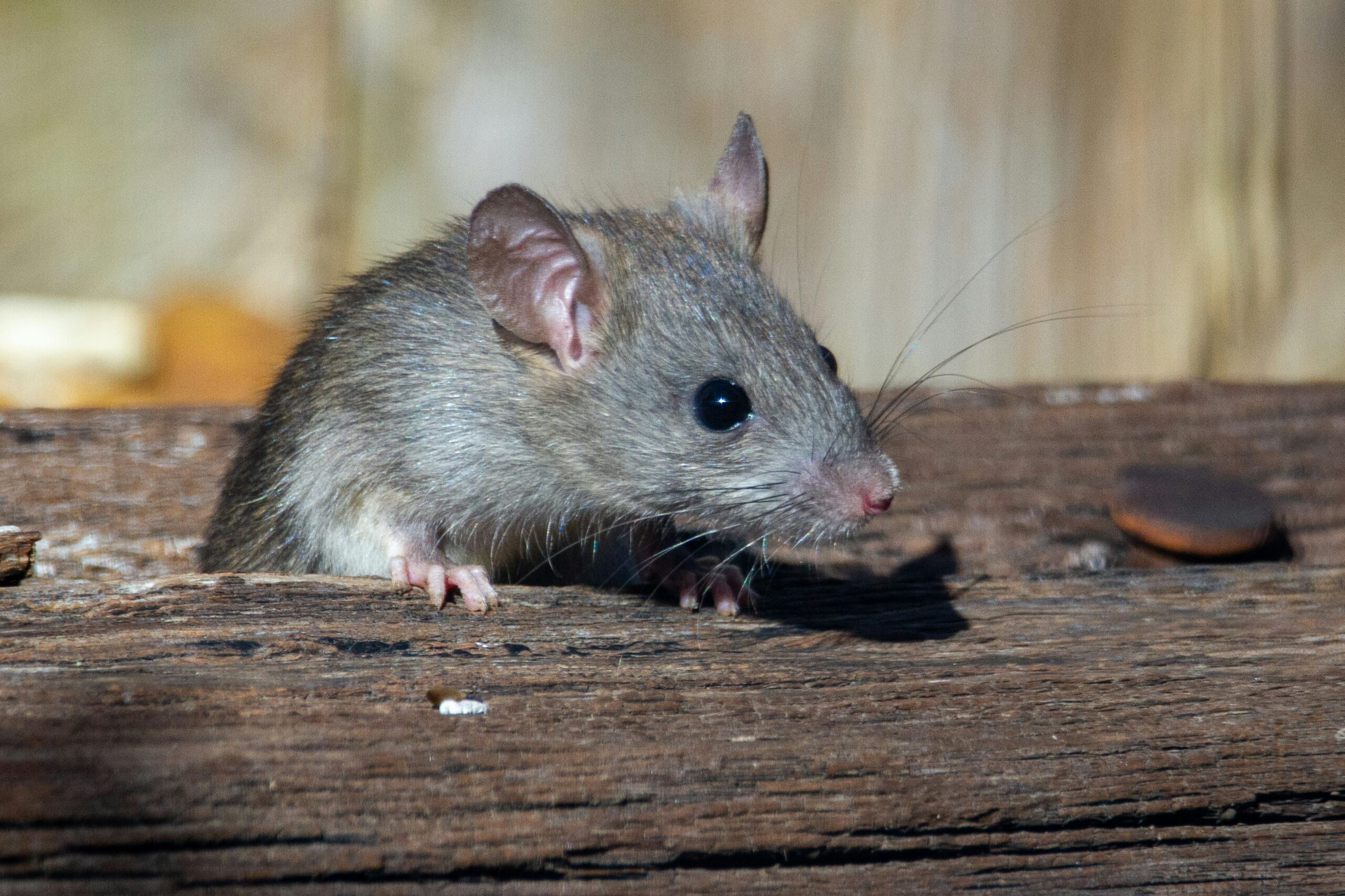
A groundbreaking study published, Thursday, May 21, 2026, has sent a wake-up call through the public health community, revealing that the deadly Sin Nombre hantavirus is far more pervasive in the Pacific Northwest than anyone realized. Spearheaded by researchers at Washington State University’s College of Veterinary Medicine, the study warns that the threat is no longer confined to a single rodent species, dropping a scientific bombshell on previous exposure assumptions.
At The Modern Memo, we look past the bureaucratic jargon to analyze the raw data of this localized biological threat, the multi-species jump occurring in our backyards, and the hazardous spring-cleaning habits putting rural Americans directly in harm’s way.
The Data: A 30% Infection Rate in the Palouse
The study, published in the Centers for Disease Control and Prevention’s journal Emerging Infectious Diseases, focused on wild rodent communities trapped across the Palouse region—encompassing Whitman County in eastern Washington, alongside Latah and Benewah counties in western Idaho. What researchers uncovered in the lab was nothing short of alarming.
-
High Exposure Rates: Out of the small mammal populations tested, nearly 30% showed definitive evidence of past infection with the Sin Nombre virus (SNV).
-
Actively Shedding: Approximately 10% of the captured rodents were found to be actively infected, meaning they were actively carrying and capable of shedding the live virus into the environment.
-
The Genomic Trail: WSU scientists used the samples to map the very first full genome sequences of Sin Nombre virus strains native to the Northwest. The sequencing exposed a high level of genetic diversity and evidence of viral reassortment—meaning different strains are mixing and diversifying in the wild.
The Multi-Species Jump: Beyond the Deer Mouse
For decades, public health consensus dictated that the western deer mouse was the lone primary reservoir for the Sin Nombre virus in North America. This study shatters that comfort zone.
-
Voles in the Spotlight: Unexpectedly, the research team identified active infections and antibodies in both deer mice and montane voles.
-
Farmland Prevalence: Montane voles captured specifically on agricultural farmlands showed the highest prevalence of all, with a staggering 50% seroprevalence and over 22% testing positive for active viral RNA in their lung tissue.
-
Complex Maintenance: Dr. Stephanie Seifert, the principal investigator of the study, noted that the virus is moving fluidly between sympatric species. “We’re really just beginning to understand how widespread and complex this virus is in rodent populations here,” Seifert warned.
The Reality of Risk: Aerosols and Spring Cleaning
While Sin Nombre virus infections in humans remain statistically rare—with just under 900 cases documented nationwide since its discovery in 1993—it carries a terrifying 36% case-fatality rate. The virus triggers Hantavirus Pulmonary Syndrome (HPS), a severe, rapid respiratory failure that can kill healthy adults within days.
-
The Inhalation Hazard: Humans do not typically catch hantavirus from bites. Instead, exposure occurs when people inhale airborne particles of dried rodent urine, saliva, or feces.
-
The Leaf-Blower Trap: Public health officials are issuing urgent warnings against traditional cleaning methods in barns, sheds, outbuildings, and cabins. Using a dry broom or a leaf-blower in an enclosed space aerosolizes the virus, sending deadly particles straight into the lungs.
-
The Undetected Exposure: Because human cases remain rare despite a 30% rodent infection rate, disease ecologists believe mild cases of hantavirus may be going completely unnoticed. “People may be exposed more often than we realize,” said study co-author Dr. Pilar Fernandez, noting that only the most severe, life-threatening cases typically trigger hantavirus testing in hospitals.
Final Word
The WSU hantavirus study is the definitive proof that nature doesn’t adhere to rigid regulatory categories. When you look past the noise of “rare disease” reassurances and focus on the data—the 30% localized rodent infection rate and the establishment of the virus in voles—you gain a clearer picture of an escalating rural health risk.
Quality information replaces the narrative of a confined, predictable virus with the reality of an evolving pathogen thriving in America’s agricultural heartland. It allows you to see that a simple chore like sweeping out a tool shed can turn fatal if basic precautions are ignored. By choosing to map these hidden genetic strains, Northwest scientists have given public health officials the tools to monitor this threat before the next aerosolized particle finds a host.
