
Operation Epic Fury: Trump Issues “Shoot and Kill” Order as Naval Conflict Reaches Boiling Point
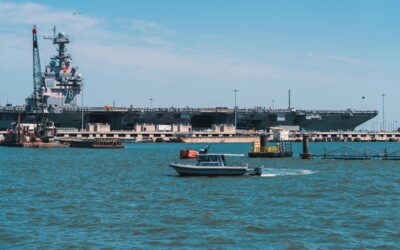
The diplomatic gloves have officially come off. At 10:04 AM ET today, April 23, 2026, President Trump issued a definitive and chillingly clear directive to the U.S. Navy: “Shoot and kill” any small Iranian vessels caught attempting to deploy mines in the Strait of Hormuz. The order marks a massive escalation in Operation Epic Fury, signaling that the era of “procedural” warnings is over and the era of terminal consequences has begun. At The Modern Memo, we analyze the seizure of the Majestic X, the unprecedented supply shock hitting global markets, and why the “Islamabad Standoff” has turned the Persian Gulf into a graveyard for diplomacy. The “Shoot and Kill” Directive: No More Warnings The Presidential order represents a shift from “maximum pressure” to “lethal enforcement.” After weeks of Iranian “fast-attack” craft playing cat-and-mouse with U.S. destroyers, the rules of engagement have been simplified to their most brutal form. Targeting the Mine-Layers: The order specifically targets the small, maneuverable Iranian boats used by the IRGC to seed the Strait with “stealth” mines. By issuing a “shoot and kill” mandate, the administration is treating these vessels not as legitimate military actors, but as maritime terrorists. Force Protection: “We are not going to let our sailors be blown up by cowardly mine-layers,” a senior Pentagon official remarked. The Navy has already tripled its mine-sweeping operations in the Strait to clear the “choke point” for global commerce. The Seizure of the Majestic X The lethal order followed a major victory for the U.S. Navy’s interdiction teams. In a daring operation in the open waters of the Indian Ocean, U.S. forces successfully boarded and seized the Majestic X, a Guinea-flagged tanker. The Smoking Gun: Intelligence reports confirmed the Majestic X was acting as a “ghost ship,” smuggling Iranian crude oil in direct violation of the Absolute Anchor blockade. Cutting the Cash Flow: The seizure is a significant blow to Tehran’s dwindling treasury. By intercepting these vessels in the Indian Ocean—far from the Iranian coast—the U.S. is proving that there is no “safe harbor” for those attempting to fund the IRGC’s regional chaos. The “Largest Supply Shock” in History While the U.S. Navy works to clear the lanes, the economic toll of the conflict is reaching historic proportions. Energy experts are no longer using the word “crisis”—they are calling it a “supply shock.” Market Paralysis: With Iran continuing to disrupt commercial traffic despite the blockade, the global energy flow has slowed to a trickle. The Price of War: Unlike previous shocks, this is a “deliberate decoupling” of Iranian energy from the world stage. Experts warn that the sustained disruption in the Strait could lead to structural shifts in global manufacturing and transportation costs that will be felt for a decade. The Islamabad Standoff: Diplomacy in the Dark Despite the “technical” extension of the ceasefire on Tuesday, the reality on the ground—and on the water—is one of total war. Dueling Attacks: Both sides are currently engaged in what analysts call “dueling attacks” at sea. While the U.S. seizes tankers and clears mines, Iran continues to launch asymmetric strikes, making the prospect of face-to-face peace talks in Pakistan look like a pipe dream. The Failure of the Pause: Critics argue that the ceasefire extension was a mistake that allowed Iran to reposition its mine-laying assets. The “Shoot and Kill” order is seen as the President’s admission that diplomacy cannot happen while the enemy is still actively trying to sink the table. Final Word Operation Epic Fury has moved past the point of no return. When you look past the noise of “international concern” and focus on the data—the seizure of the Majestic X and the triple-down on mine-clearing—you gain a clearer picture of a superpower that has decided to end the threat once and for all. Quality information replaces the fear of “escalation” with the reality of “resolution.” It allows you to see that the 10:04 AM order isn’t an act of aggression; it’s an act of sanitation. By choosing to “shoot and kill” the mine-layers, the President is ensuring that the only thing “shocked” by this conflict is the regime that thought it could hold the world hostage. Where Facts, Context, and Perspective Matter At The Modern Memo, our goal is simple: to provide clear, well-researched reporting in a media landscape that often feels overwhelming. We focus on substance over sensationalism, and context over commentary. If you value thoughtful analysis, transparent sourcing, and stories that go beyond the headline, we invite you to share our work. Informed conversations start with reliable information, and sharing helps ensure important stories reach a wider audience. Journalism works best when readers engage, question, and participate. By reading and sharing, you’re supporting a more informed public and a healthier media ecosystem. The Modern Memo may be compensated and/or receive an affiliate commission if you click or buy through our links. Featured pricing is subject to change. 📩 Love what you’re reading? Don’t miss a headline! Subscribe to The Modern Memo here!

The Renter’s Safety Net: Simple, Fast, Affordable.
Renter’s insurance isn’t legally required in most places, but skipping it can be a costly gamble. It covers risks that your landlord’s insurance does not—and that distinction is where people get caught off guard. Your Landlord’s Policy Doesn’t Cover Your Stuff If there’s a fire, burst pipe, or theft, the landlord’s insurance typically only covers the building itself. Your furniture, electronics, clothes—everything inside—is your responsibility. Without renters’ insurance, replacing it all comes out of your pocket. Protection Against Common Disasters Policies usually cover damage from events like fire, smoke, certain types of water damage, theft, and vandalism. Even something small, like a kitchen fire or a stolen laptop, can add up fast. Liability Coverage Can Save You Financially If someone gets injured in your apartment or you accidentally cause damage (like a leak that ruins the unit below), renter’s insurance can cover legal fees and damages. Without it, you could be paying thousands out of pocket. Temporary Living Expenses are Covered If your rental becomes unlivable due to a covered event, many policies help pay for a hotel, meals, or temporary housing. That cushion can make a stressful situation much more manageable. It’s Usually Very Affordable Compared to the potential losses, renters’ insurance is relatively cheap—often the cost of a few coffees per month. That makes it one of the higher-value protections you can get. Peace of Mind Matters You don’t have to constantly worry about “what if” scenarios. Whether it’s a break-in or an accident, you’ve got a safety net.

The “Holy Grail” of Wearables: Apple Watch Series 12 Leaks Point to Non-Invasive Glucose Monitoring
The tech world is buzzing today, April 22, 2026, as new reports from the Cupertino supply chain suggest that Apple is finally ready to cross the “Rubicon” of wearable healthcare. According to multiple high-fidelity leaks, the upcoming Apple Watch Series 12—slated for a traditional fall release—will debut a functional, non-invasive glucose monitoring system. At The Modern Memo, we analyze the breakthrough silicon photonics behind the sensor, the impact on the $15 billion glucose monitoring market, and why this represents the most significant leap in biometric tech since the original heart rate sensor. Silicon Photonics: The Tech Behind the “Holy Grail” For over a decade, the idea of checking blood sugar without a needle—a “non-invasive” solution—has been the tech industry’s white whale. Recent leaks suggest Apple has finally miniaturized the necessary hardware to fit within the Series 12 chassis. Optical Absorption Spectroscopy: Unlike traditional monitors that require a blood sample, the Series 12 is rumored to use silicon photonics and “optical absorption spectroscopy.” By shining specific wavelengths of laser light through the skin into the interstitial fluid, the watch can measure glucose concentration without a single prick. The “Exploratory Design” Phase is Over: While Apple has been testing this tech under its secretive “E5” project since 2010, supply chain movements in Taiwan and South Korea indicate that mass production of these specialized photonic chips has officially begun. A “Life-Saving” Disruption for Millions If these rumors hold true, the Series 12 will transition from a “fitness accessory” to an essential medical device for the nearly 38 million Americans living with diabetes and the 98 million with pre-diabetes. Continuous, Passive Monitoring: The “holy grail” aspect isn’t just the lack of needles; it’s the passive nature of the data. Users could receive “Low Glucose” alerts or “Spike Warnings” in real-time throughout the day, allowing for preventative lifestyle adjustments before a crisis occurs. The Pre-Diabetic Market: By making glucose tracking as easy as checking the weather, Apple is positioned to capture a massive market of health-conscious users looking to optimize their metabolic health and prevent the onset of Type 2 diabetes. Market Fallout: Med-Tech Under Fire The news has already sent minor tremors through the medical device sector. Legacy players in the Continuous Glucose Monitor (CGM) space are watching closely to see if Apple’s sensor can meet the rigorous FDA “gold standard” for accuracy. FDA Hurdles: While a “wellness” version of the sensor might ship first, insiders suggest Apple is pushing for a formal medical-grade clearance. If successful, it would pose a direct threat to traditional pharmaceutical “razor-and-blade” models that rely on the constant sale of lancets and test strips. The Battery Challenge: Skeptics point out that such powerful lasers require significant energy. The Series 12 will likely need a more efficient S12 SiP (System in Package) or a larger battery to handle the power draw of 24/7 glucose scanning. Final Word The Apple Watch Series 12 is shaping up to be the most consequential “Series” update in the device’s history. When you look past the noise of “incremental updates” and focus on the data—the photonics production surge and the decades of R&D finally hitting the assembly line—you gain a clearer picture of a company that is turning the wrist into a 24/7 laboratory. Quality information replaces the hype of “cool gadgets” with the reality of a fundamental shift in preventative medicine. It allows you to see that the future of healthcare isn’t in the doctor’s office; it’s on your arm. By choosing to lead with non-invasive biometrics, Apple is ensuring that the “Series 12” isn’t just a watch—it’s a lifeline. Where Facts, Context, and Perspective Matter At The Modern Memo, our goal is simple: to provide clear, well-researched reporting in a media landscape that often feels overwhelming. We focus on substance over sensationalism, and context over commentary. If you value thoughtful analysis, transparent sourcing, and stories that go beyond the headline, we invite you to share our work. Informed conversations start with reliable information, and sharing helps ensure important stories reach a wider audience. Journalism works best when readers engage, question, and participate. By reading and sharing, you’re supporting a more informed public and a healthier media ecosystem. The Modern Memo may be compensated and/or receive an affiliate commission if you click or buy through our links. Featured pricing is subject to change. 📩 Love what you’re reading? Don’t miss a headline! Subscribe to The Modern Memo here!
Ceasefire Met with Fire: Iran Attacks Two Ships in the Strait After Trump’s Diplomatic Extension
In a chilling display of bad faith, the Islamic Republic has responded to American restraint with renewed aggression. Today, April 22, 2026, just hours after President Trump extended the U.S. ceasefire to allow for a “unified proposal” from Tehran, Iranian forces opened fire on two commercial vessels transiting the Strait of Hormuz. The attack has effectively torpedoed the diplomatic track, leading to the immediate cancellation of high-stakes peace talks previously scheduled for this morning in Islamabad, Pakistan. At The Modern Memo, we analyze the failure of the Iranian regime to choose peace, the tactical details of the morning’s maritime assault, and why the President’s patience with the “Islamabad stalling tactic” has officially reached its limit. The Extension and the Betrayal Late Tuesday evening, the White House announced that the President would extend the current pause on offensive kinetic operations. The goal was simple: give the fractured Iranian leadership a final window to present a serious, unified proposal for the negotiations in Pakistan. The Trump Olive Branch: “I’m giving them one last chance to show they are a real country and not just a collection of terror cells,” the President stated. The Iranian Response: Instead of a proposal, Tehran delivered a provocation. At approximately 8:15 AM local time, Iranian fast-attack craft engaged two tankers—one flying a Liberian flag and the other a Panamanian flag—with heavy machine-gun fire and rocket-propelled grenades. The “Islamabad” Cancellation: As a direct result of the violence, the Pakistani government confirmed that the Wednesday morning sessions have been scrubbed. U.S. negotiators reportedly left the hotel for the airport shortly after the reports of the firing reached Islamabad. On the Water: “Absolute Anchor” Moves to Intercept The U.S. Navy’s 5th Fleet, which has maintained the “Absolute Anchor” blockade throughout the ceasefire, responded immediately to the distress calls. Engagement Details: U.S. destroyers moved to intercept the Iranian craft, which fled back toward the Iranian coastline as soon as American air cover appeared on the horizon. Neither commercial vessel was sunk, but both reported structural damage and minor injuries among the crew. The Ceasefire Paradox: Critics of the extension argue that the “pause” merely allowed the IRGC to reposition its small-boat swarms for this exact type of “hit-and-run” harassment. Force Protection: The Pentagon has issued a notice that the “Ceasefire Extension” does not apply to active defense. “If they fire, we finish it,” a CENTCOM spokesperson noted, signaling that the rules of engagement are shifting back to “Maximum Lethality.” The End of the “Unified Proposal” Myth For weeks, diplomatic circles have held out hope that “moderates” within the Iranian government could rein in the hardline IRGC. Today’s attack proves that theory is a dangerous fantasy. A Regime Divided: The fact that the military fired during a presidential extension suggests that either the Iranian government has no control over its forces, or the “peace talks” were a coordinated ruse from the start. No More Games: Washington insiders suggest the President is “livid” over the betrayal. The narrative of a “unified proposal” is dead; the administration is now pivoting back to the reality that only total maritime and economic asphyxiation will bring Tehran to its knees. Final Word The firing in the Strait of Hormuz is the final nail in the coffin of Iranian “diplomacy.” When you look past the noise of the “cancelled talks” and focus on the data—the unprovoked attack during a ceasefire extension and the cowardly retreat of the IRGC boats—you gain a clearer picture of a regime that is terrified of peace. Quality information replaces the hope of a “negotiated settlement” with the reality of a strategic necessity: the blockade must be tightened until the regime is incapable of even lifting a finger. It allows you to see that the President’s extension wasn’t a sign of weakness, but a final test that Iran failed in spectacular fashion. By choosing to fire today, the mullahs have ensured that the only “unified proposal” they’ll be receiving from Washington is a demand for total surrender. Where Facts, Context, and Perspective Matter At The Modern Memo, our goal is simple: to provide clear, well-researched reporting in a media landscape that often feels overwhelming. We focus on substance over sensationalism, and context over commentary. If you value thoughtful analysis, transparent sourcing, and stories that go beyond the headline, we invite you to share our work. Informed conversations start with reliable information, and sharing helps ensure important stories reach a wider audience. Journalism works best when readers engage, question, and participate. By reading and sharing, you’re supporting a more informed public and a healthier media ecosystem. The Modern Memo may be compensated and/or receive an affiliate commission if you click or buy through our links. Featured pricing is subject to change. 📩 Love what you’re reading? Don’t miss a headline! Subscribe to The Modern Memo here!

Shadow Alliance: U.S. Intel on “High Alert” as China and Russia Eye Resupply of Embattled Iranian Regime
The high-stakes chess match in the Persian Gulf has entered a dangerous new phase. As of April 21, 2026, U.S. intelligence agencies have moved to a state of “high alert” following credible reports that China and Russia are actively exploring ways to bypass the “Absolute Anchor” blockade to resupply the Islamic Republic with advanced military equipment. At The Modern Memo, we analyze the emerging “Axis of Evasion,” the specific hardware Tehran is desperate to acquire, and why the Trump administration is signaling that a secondary blockade of “third-party” suppliers is no longer off the table. The “High Alert” Trigger: Signal Intelligence and Satellite Data The shift in intelligence posture follows a series of “anomalous” maritime and aerial movements detected by U.S. Cyber Command and the National Reconnaissance Office (NRO) over the last 72 hours. The Russian Cargo Surge: U.S. intel has tracked an uptick in Russian heavy-lift transport aircraft moving toward regional hubs in Central Asia, potentially carrying S-400 missile components or electronic warfare suites designed to jam U.S. naval assets. The “Dual-Use” Chinese Pipeline: Despite President Xi’s recent “letter of assurance” to the White House, analysts warn that Chinese state-linked firms are preparing shipments of “civilian” drone components and high-end semiconductors that can be rapidly repurposed for Iranian “suicide” drone swarms. The Intelligence Consensus: “We are seeing the early stages of a coordinated resupply effort,” a senior intelligence official remarked. “Moscow and Beijing realize that if Iran collapses under this blockade, their primary ‘spoiler’ in the Middle East is gone.” Desperation in Tehran: The Hardware Shopping List After nearly a month of surgical U.S. strikes and a crushing naval blockade, the Iranian military’s “offensive teeth” are nearing a breaking point. To survive, the regime is reportedly begging its northern and eastern “partners” for specific gear. Anti-Ship Missiles: Tehran is desperate for Russian Yakhont or Chinese YJ-series supersonic missiles to counter the U.S. destroyers currently “policing” the Strait of Hormuz. Air Defense Reconstitution: With their domestic air defenses largely neutralized during the initial “kinetic” phase of the conflict, the mullahs are seeking immediate replacements to protect what remains of their nuclear infrastructure. The “Shadow” Resupply: Intelligence suggests the regime is attempting to use “third-party” shell companies in Southeast Asia to mask the origin of these shipments—a tactic the Trump administration has vowed to meet with immediate sanctions. The Washington Response: Secondary Blockades and 50% Tariffs The President has been clear: any nation that fuels the Iranian fire will get burned by American economic and military might. Expanding the Blockade: The Pentagon is reportedly drafting contingency plans to intercept any vessel—regardless of flag—suspected of carrying contraband military cargo to Iran. This would represent a significant expansion of the “Absolute Anchor” mission. The Tariff Hammer: The White House has reiterated that the 50% “Conflict Tariff” remains a “loaded gun” on the desk. If China is caught red-handed supplying the IRGC, the economic fallout for Beijing would dwarf anything seen in the 2018 trade wars. Final Word The “High Alert” status of our intelligence community is a necessary response to a world where our adversaries only respect strength. When you look past the noise of “diplomatic cooperation” and focus on the data—the satellite tracking of Russian transports and the desperate Iranian shopping list—you gain a clearer picture of a regime that is only still breathing because it hopes for a foreign lifeline. Quality information replaces the hope of a “peaceful resolution” with the reality of a strategic struggle that requires total American vigilance. It allows you to see that the blockade isn’t just about ships in the water; it’s about holding the line against a global alliance of radicals. By choosing to stay on “High Alert,” the U.S. is ensuring that if China or Russia try to break the anchor, they’ll be the ones who end up sinking. Where Facts, Context, and Perspective Matter At The Modern Memo, our goal is simple: to provide clear, well-researched reporting in a media landscape that often feels overwhelming. We focus on substance over sensationalism, and context over commentary. If you value thoughtful analysis, transparent sourcing, and stories that go beyond the headline, we invite you to share our work. Informed conversations start with reliable information, and sharing helps ensure important stories reach a wider audience. Journalism works best when readers engage, question, and participate. By reading and sharing, you’re supporting a more informed public and a healthier media ecosystem. The Modern Memo may be compensated and/or receive an affiliate commission if you click or buy through our links. Featured pricing is subject to change. 📩 Love what you’re reading? Don’t miss a headline! Subscribe to The Modern Memo here!

‘Cheering for the Enemy’: Calls for Censure Mount After Senator Chris Murphy’s One-Word Reaction to Iranian Threats
The political firestorm in Washington reached a fever pitch today, April 21, 2026, as legal experts and GOP lawmakers leveled accusations of “betrayal” against Senator Chris Murphy (D-CT). The controversy stems from a social media reaction in which Murphy appeared to offer a one-word endorsement of a post detailing the Iranian regime’s latest threats against the U.S. Navy. At The Modern Memo, we analyze the fallout from the “Murphy Post,” the mounting calls for a formal Senate censure led by Mike Davis, and why critics say the Democratic Party is struggling to decide which side they are on during a time of war. The Post Heard ‘Round the Beltway The controversy ignited late yesterday after an account detailed the Iranian Revolutionary Guard’s (IRGC) claims that they could “sink the American fleet” enforcing the current naval blockade. Senator Murphy’s one-word response—widely interpreted as a “cheer” for the sentiment—sent shockwaves through a capital already on edge. The Reaction: While Murphy’s office later claimed the post was “taken out of context” or a “misinterpretation” of his diplomatic stance, the optics of a sitting U.S. Senator appearing to validate the threats of a rogue regime have proven disastrous. The “Traitor” Label: Social media exploded with the hashtag #TraitorMurphy, as veterans and military families expressed outrage that a member of the Senate Foreign Relations Committee would offer even a hint of solidarity with the mullahs in Tehran. awesome https://t.co/nRj1trI3rF — Chris Murphy 🟧 (@ChrisMurphyCT) April 20, 2026 Mike Davis Leads the Charge for Censure Renowned legal analyst and Article III Project founder Mike Davis did not mince words this morning, calling for the Senate to immediately take up a vote of censure against the Connecticut Democrat. “Cheering for the Enemy”: Davis characterized Murphy’s actions as “unforgivable” during an active military blockade. “Chris Murphy is openly cheering for America’s enemy during a time of war,” Davis stated. “This isn’t ‘dissent’; it’s a dereliction of duty that endangers our sailors in the Persian Gulf.” The Constitutional Question: Legal experts aligned with the administration are citing the 14th Amendment’s provisions regarding “aid and comfort” to enemies, arguing that Murphy’s public posturing provides a propaganda victory for the IRGC at a moment when the U.S. Navy is facing kinetic threats. A Divided Senate: The Democratic Dilemma The Murphy controversy has placed Senate Majority Leader Chuck Schumer in an impossible position, as the “progressive” wing of the party continues to criticize the President’s “Absolute Anchor” blockade. The Soft-on-Tehran Legacy: Critics argue that Murphy’s reaction is merely the “mask slipping” from a Democratic establishment that has spent years advocating for the appeasement of Iran through failed nuclear deals and unfrozen assets. The Censure Vote: Republicans are expected to introduce a formal resolution of censure by the end of the week. While it requires a simple majority to pass, it forces vulnerable Democrats in swing states to go on the record: do they stand with their colleague, or do they stand with the American servicemen currently being threatened by Iranian missiles? Final Word The Chris Murphy scandal is a sobering reminder that the most dangerous threats to American resolve often come from within our own halls of power. When you look past the noise of “social media misunderstandings” and focus on the data—the timing of the post during an active blockade and the immediate condemnation from constitutional experts like Mike Davis—you gain a clearer picture of a political class that has forgotten who the enemy is. Quality information replaces the excuse of “diplomatic nuance” with the reality of a Senator who seems more comfortable with the rhetoric of Tehran than the resolve of Washington. It allows you to see that a censure isn’t just about punishment; it’s about restoring the standard that in a time of conflict, there is no room for “one-word” betrayals. By choosing to hold Murphy accountable, the Senate has the chance to prove that America’s sovereignty is not up for debate—online or otherwise. Where Facts, Context, and Perspective Matter At The Modern Memo, our goal is simple: to provide clear, well-researched reporting in a media landscape that often feels overwhelming. We focus on substance over sensationalism, and context over commentary. If you value thoughtful analysis, transparent sourcing, and stories that go beyond the headline, we invite you to share our work. Informed conversations start with reliable information, and sharing helps ensure important stories reach a wider audience. Journalism works best when readers engage, question, and participate. By reading and sharing, you’re supporting a more informed public and a healthier media ecosystem. The Modern Memo may be compensated and/or receive an affiliate commission if you click or buy through our links. Featured pricing is subject to change. 📩 Love what you’re reading? Don’t miss a headline! Subscribe to The Modern Memo here!

Tragedy in Shreveport: Community Reels After Father Kills 7 Children, 1 Adult in Horrific Domestic Attack
The city of Shreveport, Louisiana, is in a state of profound mourning today, April 20, 2026, following one of the most devastating domestic massacres in state history. Authorities are expected to hold a press conference this afternoon to provide a formal timeline and details surrounding the Sunday night rampage of Shamar Elkins, who killed eight people—including seven of his own children—before dying in a final confrontation with law enforcement. At The Modern Memo, we analyze the details of the domestic crisis, the brave response of the Shreveport Police Department (SPD), and the urgent conversation regarding domestic violence intervention and family safety. A Scene of Unimaginable Loss The horror began on Sunday evening at a residence in a quiet Shreveport neighborhood. According to preliminary police reports, Elkins opened fire inside the home during a domestic dispute that turned catastrophically violent. The Victims: First responders discovered the bodies of seven children, all confirmed to be Elkins’ offspring, along with one additional adult at the scene. The ages of the children have not yet been officially released, but neighbors described the family as having several young children frequently seen playing in the area. The Carjacking: Following the shootings, Elkins fled the scene and reportedly carjacked a vehicle at gunpoint, triggering a massive regional manhunt that involved multiple agencies and K-9 units. The Final Standoff: Accountability at the End of a Gun The pursuit ended late Sunday night when Shreveport officers and state troopers located the stolen vehicle. Rather than surrendering, Elkins reportedly engaged officers in a final, desperate confrontation. Officer-Involved Shooting: Authorities confirmed that Elkins was killed during the exchange of gunfire with police. No officers were reported injured in the shootout. The Investigation: Because the suspect was killed by law enforcement, the Louisiana State Police (LSP) will likely lead the investigation into the shooting aspect of the case, while the Shreveport Police Department continues to untangle the motives behind the initial domestic murders. The Afternoon Press Conference: What to Expect City officials, including the Shreveport Chief of Police and Mayor, are expected to address the media later today. A Timeline of Terror: Investigators are expected to release a more precise chronological order of events, including the 911 calls that first alerted authorities to the domestic disturbance. The Support Network: The press conference is also expected to focus on community resources. In the wake of such an overwhelming tragedy, city leaders are calling for an increase in mental health and domestic violence support services to prevent “silent” crises from erupting into public tragedies. Final Word The massacre in Shreveport is a sobering reminder that the greatest threats to our safety are often hidden behind closed doors. When you look past the shock of the “breaking news” and focus on the data—the loss of eight innocent lives and the swift, decisive response of law enforcement—you gain a clearer picture of a community that must now find a way to heal. Quality information replaces the sensationalism of the “carjack pursuit” with the reality of a broken family and a failed safety net. It allows you to see that while the suspect can no longer harm the public, the scars left on this neighborhood will require years of attention. By choosing to face this tragedy with clarity, Shreveport is proving that even in its darkest hour, the rule of law and the sanctity of life remain its guiding lights. Where Facts, Context, and Perspective Matter At The Modern Memo, our goal is simple: to provide clear, well-researched reporting in a media landscape that often feels overwhelming. We focus on substance over sensationalism, and context over commentary. If you value thoughtful analysis, transparent sourcing, and stories that go beyond the headline, we invite you to share our work. Informed conversations start with reliable information, and sharing helps ensure important stories reach a wider audience. Journalism works best when readers engage, question, and participate. By reading and sharing, you’re supporting a more informed public and a healthier media ecosystem. The Modern Memo may be compensated and/or receive an affiliate commission if you click or buy through our links. Featured pricing is subject to change. 📩 Love what you’re reading? Don’t miss a headline! Subscribe to The Modern Memo here!

The Anchor Holds: U.S. Navy Opens Fire and Seizes Iranian Tanker as Blockade Defiance Met with Force
The “Absolute Anchor” policy shifted from a strategic standoff to a kinetic engagement today, April 20, 2026. In a decisive show of force, a U.S. Navy destroyer opened fire on and subsequently seized an Iranian-flagged tanker attempting to run the blockade in the Strait of Hormuz. The engagement has sent shockwaves through the region, casting a dark shadow over the fragile peace negotiations previously scheduled to resume in Pakistan. At The Modern Memo, we analyze the tactical necessity of the engagement, the “Zero-Tolerance” enforcement of the blockade, and why the “Islamabad Track” is now on life support. The Engagement: Warning Shots Ignored The incident occurred in the early hours of Monday morning when an Iranian VLCC (Very Large Crude Carrier), the Sahand-4, ignored multiple orders to divert course. The Escalation: After the tanker accelerated toward the exclusion zone and turned its transponders off, a U.S. Navy destroyer—acting under the President’s standing orders to “neutralize blockade runners”—fired a series of warning shots. The Seizure: When the vessel refused to heave to, the Navy transitioned to “disabling fire,” targeting the ship’s steering gear before an elite SEAL team fast-roped onto the deck. The vessel is currently being towed to a neutral port for inspection and cargo impoundment. No Apologies: “We told them the door was closed. They tried to kick it open. Now they’ve lost their ship,” a senior Pentagon official remarked, emphasizing that the Navy will not hesitate to protect the integrity of the blockade. The Pakistan Collapse: Peace Talks in Peril The smoke from the engagement has clouded the diplomatic horizon. Just as officials were preparing to return to Islamabad for a second round of ceasefire negotiations, the Iranian delegation has signaled a potential withdrawal. The Islamabad Uncertainty: Sources in the Pakistani government report that the Iranian side is now calling the naval seizure an “act of piracy” and a violation of the “spirit” of the previous talks. The Trump Ultimatum: The White House remains unmoved by the diplomatic posturing. The President has made it clear that the blockade is a separate reality from the talks—diplomacy is for the table, but the blockade is for the water. “You don’t negotiate your way out of a blockade; you surrender your way out of it,” a Trump advisor noted. Strategic Clarity: Why the Seizure Matters For critics who argued the blockade was “merely symbolic,” Monday’s engagement provides a stark reality check. Ending the “Ghost” Trade: By seizing the Sahand-4, the U.S. has sent a message to the “Dark Fleet” of tankers that have been propping up the mullahs for years. The risks of running the blockade now include the total loss of the asset. Energy Stability: Despite the fire, global oil markets remained relatively stable, as the President’s “Completely Open” policy for allied tankers continues to ensure that legitimate energy supplies reach their destinations without interruption. Final Word The seizure of the Iranian tanker is the inevitable result of a regime that mistakes American patience for a lack of resolve. When you look past the noise of “diplomatic tension” and focus on the data—the successful neutralization of a blockade runner and the U.S. Navy’s uncontested control of the Strait—you gain a clearer picture of an administration that values action over empty rhetoric. Quality information replaces the anxiety of a “wider war” with the reality of a surgical, effective enforcement of national security. It allows you to see that the road to Islamabad was always going to be paved with the wreckage of those who defied the “Absolute Anchor.” By choosing to fire today, the U.S. has ensured that the talks tomorrow—if they happen—will be on American terms. Where Facts, Context, and Perspective Matter At The Modern Memo, our goal is simple: to provide clear, well-researched reporting in a media landscape that often feels overwhelming. We focus on substance over sensationalism, and context over commentary. If you value thoughtful analysis, transparent sourcing, and stories that go beyond the headline, we invite you to share our work. Informed conversations start with reliable information, and sharing helps ensure important stories reach a wider audience. Journalism works best when readers engage, question, and participate. By reading and sharing, you’re supporting a more informed public and a healthier media ecosystem. The Modern Memo may be compensated and/or receive an affiliate commission if you click or buy through our links. Featured pricing is subject to change. 📩 Love what you’re reading? Don’t miss a headline! Subscribe to The Modern Memo here!

“Completely Open”: Trump Declares Freedom of Navigation for Allies While Iranian Ports Remain Under Lockdown
In a display of strategic dominance that has redefined maritime security, President Trump declared today, April 17, 2026, that the Strait of Hormuz is “completely open” for global commerce. The announcement serves as a victory lap for the administration’s “Absolute Anchor” policy—a surgical naval operation that has successfully bifurcated the region’s waters: keeping the world’s energy lanes flowing while keeping the Iranian regime’s war machine in a total chokehold. At The Modern Memo, we analyze the “dual-track” success of the U.S. Navy, the failure of Tehran’s “closure” threats, and why the President is calling this the “greatest stabilization of the Gulf in fifty years.” Freedom for Commerce, Lockdown for Rogue Trade The President’s morning briefing from the Oval Office clarified what many international observers were struggling to grasp: the blockade is not a “blanket” closure of the region, but a high-tech filter designed to punish the aggressor while rewarding global partners. The Open Gate: Tankers bound for Europe, Japan, and the UAE are moving through the Strait of Hormuz with U.S. Navy escorts, ensuring that oil prices—which spiked earlier this month—continue their steady decline toward pre-war levels. The Iranian Lockdown: Conversely, the blockade of Iranian-specific ports remains “ironclad.” Every vessel entering or exiting Iranian waters is being intercepted, boarded, or turned back. “The world gets its energy, but the mullahs don’t get their cash,” the President noted. Technological Superiority: The U.S. 5th Fleet is utilizing advanced drone swarms and satellite “dark-ship” tracking to ensure that no “ghost tankers” can slip through the cracks to fund the IRGC. Calling Tehran’s Bluff Just days ago, the Iranian leadership vowed to turn the Persian Gulf into a “graveyard” for American ships. Today, those threats appear increasingly hollow as the U.S. Navy continues its uncontested “policing” of the Strait. Hollow Retaliation: Despite the rhetoric of “sinking ships,” the Iranian Navy has largely remained in port, unwilling to face the Aegis-equipped destroyers that now sit at the mouth of the Strait. The “Police” of the Gulf: President Trump leaned into the “Police” label that Iranian officials meant as an insult. “They call me the policeman of the Strait. I like that. It’s a good title. We’re keeping the neighborhood safe from the neighborhood bully,” he told reporters. The Economic Pivot: Oil Prices Stabilize The “Completely Open” status of the Strait has sent a powerful signal to global markets, effectively neutralizing the “energy blackmail” that Iran has used as leverage for decades. Market Confidence: Brent crude futures dropped another $4.00 per barrel following the President’s statement, as insurance underwriters began lowering “War Risk” premiums for non-Iranian vessels. The Beijing Factor: By keeping the Strait open for Chinese-bound tankers (provided they aren’t carrying Iranian oil), Trump has successfully de-escalated tensions with Beijing ahead of the May summit. China, the world’s largest energy importer, now has a vested interest in the success of the U.S. maritime security plan. Final Word The “Completely Open” Strait of Hormuz is the ultimate manifestation of “Peace Through Strength.” When you look past the noise of “regional escalation” and focus on the data—the unimpeded flow of allied tankers and the total paralysis of Iranian exports—you gain a clearer picture of a superpower that has mastered the art of calibrated force. Quality information replaces the fear of a “global energy crisis” with the reality of a disciplined naval blockade that targets the regime without punishing the world. It allows you to see that the Strait isn’t just a waterway; it’s a testament to American resolve. By choosing to hold the Iranian ports while freeing the Strait, the President has ensured that the only thing “closed” in the Middle East is the door to state-sponsored terror. Where Facts, Context, and Perspective Matter At The Modern Memo, our goal is simple: to provide clear, well-researched reporting in a media landscape that often feels overwhelming. We focus on substance over sensationalism, and context over commentary. If you value thoughtful analysis, transparent sourcing, and stories that go beyond the headline, we invite you to share our work. Informed conversations start with reliable information, and sharing helps ensure important stories reach a wider audience. Journalism works best when readers engage, question, and participate. By reading and sharing, you’re supporting a more informed public and a healthier media ecosystem. The Modern Memo may be compensated and/or receive an affiliate commission if you click or buy through our links. Featured pricing is subject to change. 📩 Love what you’re reading? Don’t miss a headline! Subscribe to The Modern Memo here!

“Zone of Secrecy”: School District’s Gender Policy Slammed for ‘Deception’ After Landark SCOTUS Ruling
A local school district is facing a fierce backlash and formal complaints this week as parents and advocates demand the immediate repeal of policies that allow—and in some cases require—staff to withhold information about a student’s “social transition” from their families. The controversy has reached a fever pitch following a pivotal Supreme Court (SCOTUS) decision in March that effectively dismantled the legal shield used by districts to justify these “non-disclosure” mandates. At The Modern Memo, we analyze the “pipeline of secrecy” being exposed by religious parents, the fallout from the Mirabelli v. Bonta ruling, and why the era of government-mandated deception in the classroom is coming to an end. The Complaint: Fostering a “Culture of Deception” The latest legal challenge, filed on behalf of a group of concerned families, argues that the district’s policy—which allows students to change names and pronouns at school without parental notification—is not a matter of “privacy,” but a systematic effort to deceive parents. The “Secret Transition” Protocol: Under current guidelines, teachers are instructed to use a student’s preferred identity during school hours but revert to their legal name and biological pronouns when communicating with parents. The “Lying” Mandate: “This isn’t just about privacy; it’s about forcing public employees to lie to the people who pay their salaries and raise these children,” a representative for the parents stated. Institutional Distrust: Critics argue that these policies create a “zone of secrecy” that severs the essential bond between the school and the home, casting parents as a threat to be managed rather than the primary stakeholders in their children’s lives. The SCOTUS Shadow: Mirabelli v. Bonta The legal ground shifted dramatically on March 2, 2026, when the Supreme Court issued a 6-3 ruling in Mirabelli v. Bonta. The Court reinstated an injunction against California’s state-wide policy that barred schools from informing parents about gender identity changes. Free Exercise Victory: The high court found that such “secrecy” policies likely violate the First Amendment’s Free Exercise Clause, as they interfere with the religious rights of parents to raise their children in accordance with their beliefs about sex and gender. Due Process and Mental Health: The majority opinion also invoked the 14th Amendment, stating that parents cannot be “shut out” of decisions regarding their children’s mental health. The Court noted that because gender dysphoria is a significant health condition, schools have no right to facilitate a “social transition” while keeping the “primary protectors of children”—the parents—in the dark. Strict Scrutiny: Following the precedent set in Mahmoud v. Taylor (2025), the Court signaled that any state policy that “substantially interferes” with parental rights must meet the highest level of legal scrutiny—a bar California and other liberal districts have so far failed to clear. The “Medical Pipeline” Concern For many parents, the issue goes beyond names and pronouns. The complaint highlights a growing concern that school-led “affirmation” is the first step in a medicalized pipeline. Social to Medical: Advocates argue that when schools “socially transition” a child without parental involvement, they are performing a psychological intervention that often leads directly to referrals for puberty blockers and cross-sex hormones at external clinics. The “Varian” Warning: The complaint points to recent $2 million jury verdicts against medical providers for “fast-tracking” transitions, suggesting that schools that facilitate secret transitions are exposing themselves to massive constitutional and civil liability. Final Word The “deception” policies currently under fire are a relic of an era when school boards believed they could replace the family unit. When you look past the noise of “student privacy” and focus on the data—the SCOTUS ruling in March and the growing mountain of lawsuits from parents who were lied to—you gain a clearer picture of a legal system finally returning to its roots. Quality information replaces the “expert-only” narrative with the reality of fundamental parental rights. It allows you to see that a school’s job is to educate, not to serve as a secret laboratory for social engineering. By choosing to stand with the Supreme Court, parents are ensuring that the door to their children’s lives is no longer locked from the inside by bureaucrats. Where Facts, Context, and Perspective Matter At The Modern Memo, our goal is simple: to provide clear, well-researched reporting in a media landscape that often feels overwhelming. We focus on substance over sensationalism, and context over commentary. If you value thoughtful analysis, transparent sourcing, and stories that go beyond the headline, we invite you to share our work. Informed conversations start with reliable information, and sharing helps ensure important stories reach a wider audience. Journalism works best when readers engage, question, and participate. By reading and sharing, you’re supporting a more informed public and a healthier media ecosystem. The Modern Memo may be compensated and/or receive an affiliate commission if you click or buy through our links. Featured pricing is subject to change. 📩 Love what you’re reading? Don’t miss a headline! Subscribe to The Modern Memo here!