


Hollow Threats: Tehran Vows to Sink U.S. Navy as Trump’s Blockade Strangles Rogue Regime
As President Trump’s naval blockade enters its fourth decisive day, the desperate regime in Tehran has resorted to its oldest tactic: bluster. On Thursday, April 16, 2026, Mohsen Rezaei, a top military adviser to Iran’s Supreme Leader, issued a provocative threat to sink U.S. warships currently patrolling the Strait of Hormuz. At The Modern Memo, we analyze the failure of Iranian deterrence, the “hostage-for-billions” extortion plot, and why the U.S. Navy remains the undisputed “Police of the Gulf.” The “Missile Threat” Myth Dressed in military fatigues on state television, Rezaei—a former Revolutionary Guard commander—warned that U.S. ships are “exposed to our missiles” and would be “sunk by our first strikes.” The Reality on the Water: Despite the rhetoric, U.S. Central Command (CENTCOM) confirms the blockade is “fully implemented” and 100% effective. In the first 72 hours, not a single vessel has breached the line. The “Police” of the Strait: Rezaei mocked President Trump’s role as the “Police of the Strait of Hormuz,” asking if this was truly the job of a powerful army. The answer from Washington is a resounding yes. By securing the world’s most vital energy artery, the U.S. is protecting the global economy from Iranian piracy. Desperate Extortion: The $1 Billion Hostage Plot Perhaps most revealing was Rezaei’s admission that the regime is hoping for a U.S. ground invasion. Why? Because the Islamic Republic is running out of cash and looking for new victims to kidnap. Billion-Dollar Ransom: Rezaei stated it would be “great” if U.S. forces invaded because Iran could “take thousands of hostages” and demand $1 billion per person. The Strategy of Terror: This open admission of state-sponsored kidnapping proves that the regime is no longer a functioning government, but a criminal enterprise. The Trump administration’s refusal to put boots on the ground—opting instead for the “Absolute Anchor” naval blockade—has left the mullahs with no one to capture and no way to pay their bills. Diplomacy is Dead: The Islamabad Failure The current escalation follows the total collapse of the Islamabad talks earlier this week. Iran’s rejection of a ceasefire has left them in a self-imposed “quarantine.” Economic Asphyxiation: Analysts estimate the blockade is costing Tehran $400 million a day in lost revenue. The May Deadline: With a historic summit between President Trump and President Xi looming in May, Iran is watching its last global lifelines vanish. Beijing has already signaled it will prioritize energy stability over propping up a failing revolutionary state. Final Word Iran’s threat to sink American ships is the bark of a cornered animal. When you look past the noise of “missile warnings” and focus on the data—the zero breaches of the blockade and the regime’s desperate plea for a ground war to take hostages—you gain a clearer picture of an enemy that has lost the initiative. Quality information replaces the fear of “escalation” with the reality of an administration that has successfully neutered a rogue state without firing a single shot on land. It allows you to see that “policing” the Strait isn’t just a job; it’s a necessity for a world that refuses to be held hostage by 20th-century radicals. By choosing to hold the line, the U.S. Navy is ensuring that the only thing sinking in the Persian Gulf is the regime’s hope for survival. Where Facts, Context, and Perspective Matter At The Modern Memo, our goal is simple: to provide clear, well-researched reporting in a media landscape that often feels overwhelming. We focus on substance over sensationalism, and context over commentary. If you value thoughtful analysis, transparent sourcing, and stories that go beyond the headline, we invite you to share our work. Informed conversations start with reliable information, and sharing helps ensure important stories reach a wider audience. Journalism works best when readers engage, question, and participate. By reading and sharing, you’re supporting a more informed public and a healthier media ecosystem. The Modern Memo may be compensated and/or receive an affiliate commission if you click or buy through our links. Featured pricing is subject to change. 📩 Love what you’re reading? Don’t miss a headline! Subscribe to The Modern Memo here!

The $9 Billion Question: Minnesota Democrats Block Impeachment Push Over Alleged Medicaid Fraud
A high-stakes showdown at the Minnesota State Capitol reached a boiling point yesterday, April 15, 2026, as a Republican-led effort to impeach Governor Tim Walz and Attorney General Keith Ellison hit a partisan wall. In a vote that mirrored the deep ideological fractures of the state, the measure failed with an 8-8 tie along party lines, effectively stalling—for now—a push for accountability regarding what critics label the largest financial scandal in state history. At The Modern Memo, we break down the $9 billion fraud allegations, the “party-first” protectionism of the Twin Cities establishment, and why the “Medicaid Meltdown” is just beginning to haunt the Walz administration. The Allegations: A $9 Billion Hole in the Safety Net The impeachment articles centered on a staggering figure: $9 billion. Republican lawmakers, led by state conservatives who have spent months poring over audit data, allege that the Walz-Ellison administration oversaw a catastrophic failure of oversight within the state’s Medicaid program. Systemic Fraud: The GOP case argues that “gross negligence” allowed billions in taxpayer funds to be funneled to ineligible recipients and fraudulent providers. The Ellison Connection: Attorney General Keith Ellison faced specific scrutiny for a perceived failure to aggressively prosecute the bad actors within the system, with critics suggesting a “revolving door” of political interests hindered justice. The “Feeding Our Future” Echo: Many observers see this as a massive escalation of the 2022 fraud scandals, suggesting that the “culture of complacency” in St. Paul has only grown more expensive for the Minnesota taxpayer. The Partisan Shield: 8-8 and No Accountability Despite the astronomical dollar amounts involved, the vote followed a predictable script. Every Democrat on the panel voted to dismiss the articles, while every Republican voted to move forward. Party over Public Trust: “Eight billion or nine billion—it doesn’t seem to matter to the Democrats as long as their guy is in the governor’s mansion,” remarked one Republican state representative following the vote. The Defense’s Narrative: Supporters of Walz and Ellison dismissed the impeachment push as “political theater” and a “baseless distraction” intended to derail the Governor’s 2026 legislative agenda. They argued that the errors were administrative and are already being corrected. The Standoff: Because a tie-vote fails to move the measure forward, the administration effectively dodged a formal trial, leaving the $9 billion question unanswered in any court of law. The Political Fallout: A State in “Financial Limbo” While the impeachment effort failed to clear the committee, the political damage is far from over. The standoff has left the state’s fiscal reputation in tatters just as the midterms loom. Taxpayer Outrage: Across Greater Minnesota, the “8-8” vote is being seen as a slap in the face to working families who are struggling with inflation while the state “loses” billions in the Medicaid system. A Campaign Issue: National GOP strategists are already eyeing the Minnesota Medicaid scandal as a blueprint for the 2026 cycle, using it to highlight the dangers of “unchecked progressive governance” in the Midwest. Final Word The 8-8 standoff in St. Paul is a classic example of the “Blue Wall” protecting its own. When you look past the noise of “administrative errors” and focus on the data—the $9 billion in missing or mismanaged funds and the refusal of a single Democrat to demand an investigation—you gain a clearer picture of a state government that has prioritized its survival over its solvency. Quality information replaces the “procedural” excuses with the reality of a massive breach of the public trust. It allows you to see that while the impeachment may have died in committee, the debt remains on the shoulders of every Minnesotan. By choosing to block the truth today, the St. Paul establishment has only guaranteed a louder reckoning tomorrow. Where Facts, Context, and Perspective Matter At The Modern Memo, our goal is simple: to provide clear, well-researched reporting in a media landscape that often feels overwhelming. We focus on substance over sensationalism, and context over commentary. If you value thoughtful analysis, transparent sourcing, and stories that go beyond the headline, we invite you to share our work. Informed conversations start with reliable information, and sharing helps ensure important stories reach a wider audience. Journalism works best when readers engage, question, and participate. By reading and sharing, you’re supporting a more informed public and a healthier media ecosystem. The Modern Memo may be compensated and/or receive an affiliate commission if you click or buy through our links. Featured pricing is subject to change. 📩 Love what you’re reading? Don’t miss a headline! Subscribe to The Modern Memo here!

Direct Diplomacy: Trump Secures Weapons Vow from Xi as U.S. Tightens Iranian Blockade
In a high-stakes exchange of private correspondence, President Trump revealed today, April 15, 2026, that he has secured a personal assurance from Chinese President Xi Jinping that Beijing is not supplying weapons to the Islamic Republic. The revelation comes as the U.S. military reports the “full implementation” of its naval blockade, effectively cutting off Iran’s maritime trade routes and forcing the regime into a corner. At The Modern Memo, we analyze the 50% tariff ultimatum that forced the letter, the President’s “Big, Fat Hug” prediction for his upcoming Beijing summit, and why the reopening of the Strait of Hormuz is the ultimate leverage. The Letter: “Essentially, He’s Not Doing It” During an interview with Fox Business Network’s Mornings with Maria, President Trump confirmed he initiated the exchange after reports surfaced over the weekend that a shipment of dual-use technologies and component parts was making its way from China to Iran. The Demand: “I wrote him a letter asking him not to do that,” Trump said, referring to the potential arming of the Iranian regime during the current conflict. The Response: According to the President, Xi responded with a letter stating that China was not supplying Tehran. “He wrote me a letter saying that, essentially, he’s not doing that,” Trump noted, characterizing the exchange as a win for American deterrence. The Tariff Stick: The diplomatic outreach was backed by a massive threat issued last week: any country caught supplying Iran with weapons faces an immediate 50% tariff on all exports to the United States. The Blockade: Strategic Suffocation While the letters suggest a diplomatic thaw, the reality on the water remains a “maximum pressure” environment. The U.S. naval blockade of Iranian ports is now fully operational, successfully halting the “dark transits” that previously provided the regime with vital cash. Trade Halted: U.S. Central Command confirmed on Wednesday that trade in and out of Iran by sea has been completely neutralized. The Strait of Hormuz: In a follow-up post on Truth Social, the President claimed he is “permanently opening” the Strait of Hormuz, a move he says “China is very happy about.” Energy Leverage: “He’s somebody that needs oil. We don’t,” Trump remarked, highlighting that the U.S. position of energy independence allows it to dictate terms in the Gulf that Beijing is forced to accept. Looking Toward May: The Beijing Summit The exchange of letters is seen as the groundwork for a critical face-to-face meeting between Trump and Xi scheduled for May 14–15 in Beijing. The Relationship Factor: Despite the tensions over Iran, the President maintained his optimistic tone regarding his Chinese counterpart. “President Xi will give me a big, fat, hug when I get there in a few weeks,” Trump posted, suggesting that China recognizes the U.S. as the primary stabilizer in the Middle East. The Goal: The administration’s objective for the May summit is reportedly to formalize China’s “constructive role” in ending the war, ensuring that Tehran has no remaining global lifelines. Final Word The Trump-Xi correspondence is the definitive proof that the “America First” strategy of tariffs and blockades is producing results. When you look past the noise of “diplomatic concerns” and focus on the data—the full implementation of the naval blockade and the weapons-freeze vow from Beijing—you gain a clearer picture of an administration that has successfully pulled China off the sidelines and onto the side of stability. Quality information replaces the fear of a “Great Power conflict” with the reality of a superpower that understands how to use its market and military might to secure peace. It allows you to see this letter not as a polite request, but as a recognition of a new global reality: the era of rogue states being propped up by secret shipments is over. By choosing to stand firm, the U.S. has ensured that the road to peace in the Middle East now runs through Washington. Where Facts, Context, and Perspective Matter At The Modern Memo, our goal is simple: to provide clear, well-researched reporting in a media landscape that often feels overwhelming. We focus on substance over sensationalism, and context over commentary. If you value thoughtful analysis, transparent sourcing, and stories that go beyond the headline, we invite you to share our work. Informed conversations start with reliable information, and sharing helps ensure important stories reach a wider audience. Journalism works best when readers engage, question, and participate. By reading and sharing, you’re supporting a more informed public and a healthier media ecosystem. The Modern Memo may be compensated and/or receive an affiliate commission if you click or buy through our links. Featured pricing is subject to change. 📩 Love what you’re reading? Don’t miss a headline! Subscribe to The Modern Memo here!

Tax Season “Supercharged”: Millions Benefit as Trump-Era Tax Relief Hits American Wallets
As the final tax filings are processed for 2026, the Republican leadership on the Senate Finance Committee is hailing the season as a “supercharged” success for the American worker. Following the sweeping implementation of the “Fair Pay Initiative,” early data reveals that the administration’s core promises—specifically the elimination of taxes on tips and overtime—have moved from campaign slogans to cold, hard cash in the pockets of the middle class. At The Modern Memo, we analyze the 11% surge in refund averages, the 53 million citizens benefiting from the new code, and why this data is a direct rebuke to those who claimed tax relief would only favor the elite. The “Tips and Overtime” Revolution For the first time in modern history, the IRS code has been adjusted to honor the “extra mile” worked by the American labor force. The policy, which zeroed out federal income tax on tipped income and overtime hours, has fundamentally changed the financial outlook for service workers and blue-collar laborers. 53 Million Strong: Data shows that nearly 53 million people took advantage of these specific new provisions. This includes everyone from waitstaff in the Rust Belt to manufacturing workers in the South who have logged record overtime to meet the demands of a resurgent domestic economy. Ending the “Grind” Penalty: “We stopped punishing people for working hard,” a spokesperson for the Senate Finance Committee stated. “By removing the tax on overtime, we’ve made the American dream affordable again for the people who actually build and serve this country.” By the Numbers: The $3,400 Refund Milestone The impact of these policies is most visible in the “bottom line” of the average American’s tax return. While critics predicted a decrease in refunds due to structural changes, the reality has proven the opposite. The 11% Surge: Average tax refunds have increased by 11% this year, shattering previous records. The $3,400 Average: The average refund has now climbed to over $3,400. For many families, this represents a significant “bridge” used to pay down high-interest debt or secure a down payment on a first home—milestones that felt out of reach just two years ago. Direct Economic Stimulus: Unlike government-funded “stimulus checks” that drive up inflation, these refunds represent the return of a worker’s own earned income, creating a sustainable boost to local economies across the nation. Dismantling the “Tax the Poor” Narrative The success of the 2026 filing season has left the opposition scrambling to find a narrative that sticks. For years, the corporate press argued that Republican tax plans were a “gift to the 1%.” The 2026 data suggests the 1% are the only ones not seeing these specific relief spikes. Main Street Victory: The highest percentage of refund increases was seen in households earning between $45,000 and $115,000 annually. Sovereignty of the Paycheck: By prioritizing “No Tax on Tips,” the administration has effectively bypassed the bureaucratic “redistribution” model in favor of a “direct retention” model—where the worker decides how their money is spent, not a central planner in D.C. Final Word The “supercharged” tax season of 2026 is the definitive proof of concept for “America First” economics. When you look past the noise of “revenue loss” projections and focus on the data—the $3,400 average refund and the 53 million workers keeping their overtime pay—you gain a clearer picture of a nation that is finally working for its citizens again. Quality information replaces the fear of “budget deficits” with the reality of “household surpluses.” It allows you to see that the strongest economy is one where the people who do the work actually keep the rewards. By choosing to support this tax relief, the administration hasn’t just funded a filing season; they’ve fueled the American spirit. Where Facts, Context, and Perspective Matter At The Modern Memo, our goal is simple: to provide clear, well-researched reporting in a media landscape that often feels overwhelming. We focus on substance over sensationalism, and context over commentary. If you value thoughtful analysis, transparent sourcing, and stories that go beyond the headline, we invite you to share our work. Informed conversations start with reliable information, and sharing helps ensure important stories reach a wider audience. Journalism works best when readers engage, question, and participate. By reading and sharing, you’re supporting a more informed public and a healthier media ecosystem. The Modern Memo may be compensated and/or receive an affiliate commission if you click or buy through our links. Featured pricing is subject to change. 📩 Love what you’re reading? Don’t miss a headline! Subscribe to The Modern Memo here!
Congressional Resignation: Rep. Tony Gonzales to Step Down Following Personal Conduct Revelations
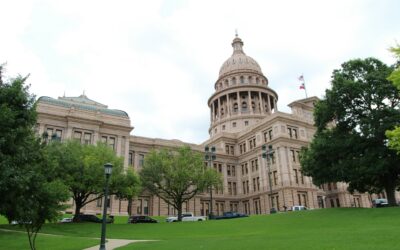
In a week marked by significant transitions within the House of Representatives, Rep. Tony Gonzales (R-TX) has officially announced his intention to resign. The announcement, made today, April 14, 2026, follows a period of increasing scrutiny regarding his personal conduct and a breach of House ethics rules. The decision marks the end of a three-term career for the representative from Texas’s 23rd District. At The Modern Memo, we examine the circumstances surrounding the representative’s departure, the ethical violations cited, and the upcoming political shifts in South Texas. The Basis of the Resignation The resignation follows an admission by Rep. Gonzales regarding an extramarital relationship with a member of his congressional staff. While the relationship had been the subject of speculation for weeks, the formal acknowledgment today confirmed a direct violation of House rules. The Ethical Breach: Under House ethics regulations revised in recent years, sexual relationships between members of Congress and their subordinates are strictly prohibited. Gonzales’s admission of the affair served as a de facto concession of these violations, making his continued service a focal point for the House Ethics Committee. The Tragic Context: The situation is further complicated by the tragic passing of the staff member involved earlier this year. Reports indicate that the circumstances surrounding her death brought the relationship to the attention of investigators. In a statement released this morning, Gonzales expressed regret for the “pain caused to his family and the loss of trust with his constituents.” Institutional Response and Bipartisan Pressure The announcement comes as part of a broader “accountability” movement within the Capitol, occurring just 24 hours after the resignation of Rep. Eric Swalwell under separate misconduct allegations. Leadership Discussions: Sources in Washington suggest that House leadership, including Speaker Mike Johnson, met with Gonzales over the weekend to discuss the viability of his remaining in office. The consensus among the GOP caucus was that a voluntary resignation would be preferable to a protracted and public expulsion process. A New Standard of Conduct: Members from both sides of the aisle have emphasized a renewed focus on professional standards within congressional offices. Advocates for reform, such as Rep. Anna Paulina Luna (R-FL), have noted that these resignations reflect a shift toward stricter enforcement of workplace boundaries in the federal government. The Impact on Texas’s 23rd District As a representative of a sprawling and competitive border district, Gonzales’s exit creates an immediate legislative and political vacancy. Special Election Outlook: Governor Greg Abbott is expected to set a date for a special election to fill the remainder of Gonzales’s term. The 23rd District is one of the most closely watched swing districts in the country, and both parties are expected to invest heavily in the upcoming race. Policy Vacancy: Gonzales was a prominent voice on the House Appropriations and Homeland Security committees. His departure leaves a gap in the GOP’s regional expertise on border security and veterans’ healthcare initiatives. Final Word The resignation of Tony Gonzales reflects an evolving environment in Washington where personal conduct is increasingly weighed against legislative utility. When you look past the noise of the “scandal” headlines and focus on the data—the violation of House ethics protocols and the immediate loss of party support—you gain a clearer picture of a political system that is prioritizing institutional rules over individual tenure. Quality information replaces the sensationalism of the event with the reality of a House that is currently recalibrating its professional boundaries. It allows you to see this resignation as a procedural necessity for a chamber looking to move past personal controversies. By choosing to step down, Gonzales has allowed the focus to shift back to the governance of his district, even as the personal fallout remains. Where Facts, Context, and Perspective Matter At The Modern Memo, our goal is simple: to provide clear, well-researched reporting in a media landscape that often feels overwhelming. We focus on substance over sensationalism, and context over commentary. If you value thoughtful analysis, transparent sourcing, and stories that go beyond the headline, we invite you to share our work. Informed conversations start with reliable information, and sharing helps ensure important stories reach a wider audience. Journalism works best when readers engage, question, and participate. By reading and sharing, you’re supporting a more informed public and a healthier media ecosystem. The Modern Memo may be compensated and/or receive an affiliate commission if you click or buy through our links. Featured pricing is subject to change. 📩 Love what you’re reading? Don’t miss a headline! Subscribe to The Modern Memo here!
Resignation from Congress: Rep. Eric Swalwell Steps Down Following Misconduct Allegations
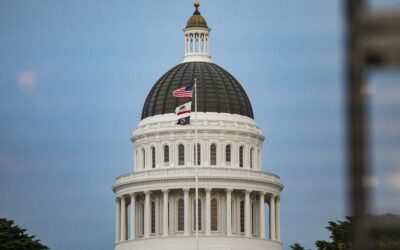
In a major development for both California and national politics, Rep. Eric Swalwell (D-CA) officially announced his resignation from Congress on Monday, April 13, 2026. The seven-term representative’s departure follows his decision to suspend his campaign for Governor of California, as a series of serious personal misconduct allegations made his continued service a subject of intense debate in Washington. At The Modern Memo, we examine the circumstances leading to his exit, the legislative pressure from the House, and the impact this vacancy leaves on the upcoming 2026 election cycle. The Nature of the Resignation Swalwell’s decision to step down comes after investigative reports detailed several allegations of inappropriate conduct. While the congressman has remained firm in his denial of the most serious claims, the public nature of the controversy led to a rapid shift in the political landscape. The Allegations: The reports cite multiple accounts of misconduct, including claims from former associates. While Swalwell described these as “false” in his exit statement, he acknowledged that the situation had become a “distraction” to his legislative work and his party’s broader objectives. Ongoing Scrutiny: Beyond the halls of the Capitol, the Manhattan District Attorney’s Office is reportedly reviewing an alleged incident from the past year. Swalwell has stated he will cooperate with any inquiries to clear his name, but the legal overhead was a significant factor in his decision to leave office. The Shift in Congressional Support The resignation followed a weekend of intense internal discussions within the House of Representatives. As a bipartisan consensus began to form regarding an Ethics Committee probe, Swalwell chose a voluntary departure. Leadership Stance: While initial support for Swalwell was visible, reports indicate that Minority Leader Hakeem Jeffries and other senior Democrats eventually moved toward a “zero-tolerance” approach regarding the nature of the evidence. Avoiding Expulsion: By resigning effective immediately, Swalwell avoided a potential expulsion vote on the House floor. Members from both parties, led by Rep. Anna Paulina Luna (R-FL), had signaled that they were prepared to move forward with a formal removal process if a resignation was not forthcoming. Political Vacuum in California As a high-profile figure in the Democratic party, Swalwell’s exit creates an immediate ripple effect in California’s political scene. Special Election Looming: A special election will be required to fill the seat for California’s 14th District. Given the district’s strong Democratic leaning, the primary is expected to draw a wide field of local and state leaders. The Gubernatorial Race: Swalwell’s withdrawal from the Governor’s race reshuffles the deck for the 2026 primary. His significant donor base and endorsements are now up for grabs as other candidates seek to consolidate his former supporters. Final Word The resignation of Eric Swalwell marks a transition point for a career that has been at the center of national headlines for over a decade. When you look past the noise of the “partisan” divide and focus on the data—the loss of institutional support and the ongoing legal reviews—you gain a clearer picture of a political environment that is increasingly prioritized by accountability over tenure. Quality information replaces the speculation of “what happened” with the reality of a system that is recalibrating its standards for elected officials. It allows you to see this resignation as the conclusion of a complex tenure and the beginning of a new chapter for California’s representation. By choosing to step aside, Swalwell has allowed the House to move forward, even as the personal investigations continue. Where Facts, Context, and Perspective Matter At The Modern Memo, our goal is simple: to provide clear, well-researched reporting in a media landscape that often feels overwhelming. We focus on substance over sensationalism, and context over commentary. If you value thoughtful analysis, transparent sourcing, and stories that go beyond the headline, we invite you to share our work. Informed conversations start with reliable information, and sharing helps ensure important stories reach a wider audience. Journalism works best when readers engage, question, and participate. By reading and sharing, you’re supporting a more informed public and a healthier media ecosystem. The Modern Memo may be compensated and/or receive an affiliate commission if you click or buy through our links. Featured pricing is subject to change. 📩 Love what you’re reading? Don’t miss a headline! Subscribe to The Modern Memo here!

The President vs. The Pontiff: Trump Slams Pope Leo XIV as “Weak on Crime” in Global War of Words
In a clash that has pitted the world’s most powerful political office against its most significant spiritual one, President Trump and Pope Leo XIV are locked in a public and unprecedented war of words. The feud, which erupted today, April 13, 2026, centers on a sharp ideological divide over the ongoing conflict in Iran and the administration’s “Zero-Tolerance” domestic agenda. At The Modern Memo, we analyze the President’s “Foreign Policy” rebuke, the Vatican’s critique of the Iran blockade, and why the administration is doubling down on national sovereignty over globalist sentiment. The Rebuke: “Weak on Crime and Global Safety” The President did not hold back after the Pope issued a scathing “Urbi et Orbi” address from St. Peter’s Square, in which the Pontiff characterized the U.S. Navy’s 10:00 AM blockade of Iran as a “strangulation of the innocent.” The Trump Response: Taking to Truth Social, the President fired back, labeling the Pope “weak on crime” and “terrible for foreign policy.” He argued that the Vatican’s “open border” philosophy is exactly what has led to the destabilization of Western Europe. National Security First: “I have great respect for the Church, but we are running a country, not a parish,” the President told reporters. He emphasized that his first duty is to the safety of American citizens, not to the approval of a “globalist” Vatican that he claims has lost touch with the reality of rogue-state threats. The Conflict over Iran: “Just War” vs. “Total Blockade” Pope Leo XIV has emerged as the most vocal critic of Operation Absolute Anchor, the U.S.-led blockade of the Iranian coastline. The Vatican’s Critique: The Pope argued that the total blockade constitutes a “moral failure” that will lead to widespread famine. He called for an immediate return to the negotiating table in Islamabad. The Administration’s Reality: In Washington, officials were quick to point out the hypocrisy of the Pope’s stance, noting that 21 hours of face-to-face negotiations were already rejected by Tehran. “The Pope is advocating for a status quo that allows Iran to build nuclear weapons,” Secretary of State Marco Rubio remarked, noting that a “just peace” requires the total disarmament of terrorists. The Immigration Crackdown: Sovereignty at the Altar Beyond the war in the Middle East, the tension is fueled by the administration’s aggressive “Birthright Battle” and mass deportation initiatives. Compassion vs. Rule of Law: The Pope criticized the administration’s immigration crackdowns as “antithetical to the spirit of welcoming the stranger.” Trump’s Defense: The President remains steadfast, arguing that his “immigration reform” is about protecting the American worker and the sanctity of the legal system. He noted that the Vatican itself is a walled city with “extremely strict” entry requirements, suggesting the Pontiff should “practice what he preaches” regarding borders. Final Word The “Pope vs. President” showdown is the ultimate collision between utopian ideals and hard-nosed realism. When you look past the noise of “spiritual condemnation” and focus on the data—the collapse of the Islamabad talks and the necessity of the maritime blockade—you gain a clearer picture of an administration that refuses to let the safety of the American people be compromised by theological pressure. Quality information replaces the guilt-tripping of the Vatican with the clarity of national duty. It allows you to see that “Defender of the Border” is a title that carries more weight in 2026 than “Defender of the Faith” does in the eyes of a sovereign nation. By choosing to stand with the President, you are choosing a leader who puts his own people’s survival above the applause of the international elite. Where Facts, Context, and Perspective Matter At The Modern Memo, our goal is simple: to provide clear, well-researched reporting in a media landscape that often feels overwhelming. We focus on substance over sensationalism, and context over commentary. If you value thoughtful analysis, transparent sourcing, and stories that go beyond the headline, we invite you to share our work. Informed conversations start with reliable information, and sharing helps ensure important stories reach a wider audience. Journalism works best when readers engage, question, and participate. By reading and sharing, you’re supporting a more informed public and a healthier media ecosystem. The Modern Memo may be compensated and/or receive an affiliate commission if you click or buy through our links. Featured pricing is subject to change. 📩 Love what you’re reading? Don’t miss a headline! Subscribe to The Modern Memo here!

The 10:00 AM Ultimatum: U.S. Navy Seals Iranian Coastline as Islamabad Peace Talks Explode
The window for diplomacy has officially slammed shut. Following the spectacular collapse of 21 hours of grueling, face-to-face negotiations in Pakistan, the United States has transitioned from surgical strikes to a total stranglehold. As of 10:00 AM ET today, April 13, 2026, the U.S. Navy has officially initiated a full-scale blockade of all Iranian ports and coastal territories. At The Modern Memo, we analyze the failure of the Islamabad Accord, the “No Port” threat from Tehran, and the disappointing betrayal by our closest allies in London. The Stranglehold: Operation “Absolute Anchor” The failure of the Islamabad talks has shifted the Trump administration’s strategy from “Maximum Pressure” to “Total Containment.” The blockade is designed to ensure that not a single drop of Iranian oil—or a single shipment of weapons—leaves the Islamic Republic. Sealing the Coast: U.S. carrier strike groups and littoral combat ships have taken positions across the Persian Gulf and the Gulf of Oman. The blockade effectively turns Iran into a landlocked pariah state until the regime agrees to unconditional nuclear and ballistic disarmament. The Negotiating Failure: Insiders report that Iranian officials used the 21-hour window in Pakistan not to negotiate in good faith, but to stall for time while moving mobile missile launchers. “We gave them a chair at the table; they chose to kick it over,” one senior U.S. official remarked. Tehran’s Response: “No Port is Safe” True to their nature as a regional “bully,” the regime in Tehran responded to the blockade with a chilling threat of total maritime anarchy. Regional Terror: Iranian state media declared this morning that “NO PORT” in the Middle East will remain safe. This is a direct threat to the commercial hubs of the UAE, Saudi Arabia, and Kuwait. The Asymmetric Threat: While their navy is decimated, the IRGC continues to threaten the use of “suicide” drone swarms and submerged mines to shutter the entire Gulf of Oman. The Trump Response: The White House has made it clear: any strike on a commercial port in the region will be viewed as an act of war against the United States, potentially triggering “Phase 3” of the campaign—targeting the regime’s internal command centers. Allied Friction: The Starmer “Opt-Out” In a move that has sent shockwaves through the “Special Relationship,” UK Prime Minister Keir Starmer announced this morning that Britain will stay on the sidelines. London’s Retreat: Citing a desire to avoid being “dragged further” into a regional war, Starmer confirmed the Royal Navy will not participate in the blockade. This marks a significant diplomatic split, leaving the U.S. to carry the burden of global maritime security alone. Economic Pain: The market reaction was instantaneous. Crude oil has spiked back above $103 per barrel, and American families are feeling the squeeze as gas prices flatten at a painful $4.12 per gallon. Final Word The 10:00 AM blockade is the inevitable result of a regime that mistakes restraint for weakness. When you look past the noise of “diplomatic failure” and focus on the data—the collapse of the 21-hour talks and the U.S. Navy’s total control of the coastline—you gain a clearer picture of an administration that refuses to be played for a fool. Quality information replaces the fear of “escalation” with the reality of a superpower finally drawing a line in the sand. It allows you to see the UK’s hesitation as a missed opportunity for Western unity, while American resolve remains the only thing standing between global trade and Iranian piracy. By choosing to seal the coast, the U.S. is ensuring that the “Islamabad stall” was the last game the mullahs will ever play. Where Facts, Context, and Perspective Matter At The Modern Memo, our goal is simple: to provide clear, well-researched reporting in a media landscape that often feels overwhelming. We focus on substance over sensationalism, and context over commentary. If you value thoughtful analysis, transparent sourcing, and stories that go beyond the headline, we invite you to share our work. Informed conversations start with reliable information, and sharing helps ensure important stories reach a wider audience. Journalism works best when readers engage, question, and participate. By reading and sharing, you’re supporting a more informed public and a healthier media ecosystem. The Modern Memo may be compensated and/or receive an affiliate commission if you click or buy through our links. Featured pricing is subject to change. 📩 Love what you’re reading? Don’t miss a headline! Subscribe to The Modern Memo here!

The Bottleneck of Chaos: Iran’s Ceasefire Promise Shatters as 3,200 Vessels Choke the Strait
The ink on the “Islamabad Accord” is barely dry, yet the “peace” it promised is already showing signs of a calculated betrayal. As of April 10, 2026, a massive logjam of over 3,200 commercial vessels—ranging from VLCC oil tankers to massive container ships—has piled up outside the Strait of Hormuz. Despite Tehran’s weekend promise to allow safe passage, the waterway remains a “no-go zone” of bureaucratic delays and lingering IRGC threats. At The Modern Memo, we analyze the breakdown of the ceasefire’s most critical pillar, the economic toll of the “Hormuz Pile-up,” and why the Trump administration is signaling that the B-52s may need to return to the skies. The Broken Promise: Safe Passage or Selective Sabotage? Under the terms of the Islamabad Accord ratified on Wednesday, Iran committed to the immediate and unconditional reopening of the Strait. However, the reality on the water tells a far more sinister story. The “Technical” Excuse: Iranian port authorities and the IRGC Navy are claiming that “unexploded ordnance” and “navigational hazards” from the recent U.S. strikes require a slow, controlled entry of ships. The Pile-Up Data: Satellite imagery confirms that over 3,200 vessels are currently idling in the Gulf of Oman and the Arabian Sea. This includes approximately 65 million barrels of oil that are desperately needed to stabilize global markets. Strategic Throttling: Experts believe the regime is intentionally “throttling” the flow of traffic to maintain high oil prices and leverage the ceasefire as a shield while they move remaining military assets into hardened bunkers. The Economic Toll: A $1.8 Billion-a-Day Crisis The maritime logjam is not just a logistical headache; it is a direct assault on global trade. Every day the Strait remains “technically” closed, the global economy pays a staggering price. Insurance Skyrockets: Maritime insurance premiums for “War Risk” have failed to drop despite the ceasefire, as Lloyd’s of London cites “unverified safety conditions” within the Strait. Supply Chain Ripples: Container ships carrying electronics, automotive parts, and grain are missing their arrival windows at Jebel Ali and Abu Dhabi, threatening a secondary inflationary spike in the West just as prices began to settle. The “Wait and See” Cost: Analysts estimate the idling cost of this fleet exceeds $1.8 billion per day in fuel, crew wages, and lost opportunity. The Washington Response: “The Clock is Still Ticking” The White House has issued a stern warning to Tehran: a “technical” delay is the same as a “hostile” delay. Hegseth’s Warning: Defense Secretary Pete Hegseth stated this morning that U.S. Navy minesweepers are ready to clear the lanes without Iranian assistance. “If they can’t clear the path, we will,” Hegseth remarked, suggesting that any IRGC interference with U.S. minesweeping operations would be treated as a violation of the truce. No More Games: President Trump has reportedly instructed the Pentagon to maintain “Full Combat Readiness” for the carrier groups in the region. The administration views this “pile-up” as a clear violation of the “spirit” of the Islamabad Accord. Final Word The 3,200 ships idling outside the Strait are a physical monument to Iranian duplicity. When you look past the noise of “navigational safety” and focus on the data—the unprecedented vessel backlog and the regime’s refusal to facilitate U.S. minesweeping—you gain a clearer picture of an enemy that is using the word “peace” as a tactical maneuver. Quality information replaces the hope of a “diplomatic breakthrough” with the reality of a strategic bottleneck. It allows you to see that the Islamabad Accord was only the beginning of the pressure, not the end. By choosing to hold Tehran’s feet to the fire, the U.S. is ensuring that “safe passage” is a fact, not a favor. Where Facts, Context, and Perspective Matter At The Modern Memo, our goal is simple: to provide clear, well-researched reporting in a media landscape that often feels overwhelming. We focus on substance over sensationalism, and context over commentary. If you value thoughtful analysis, transparent sourcing, and stories that go beyond the headline, we invite you to share our work. Informed conversations start with reliable information, and sharing helps ensure important stories reach a wider audience. Journalism works best when readers engage, question, and participate. By reading and sharing, you’re supporting a more informed public and a healthier media ecosystem. The Modern Memo may be compensated and/or receive an affiliate commission if you click or buy through our links. Featured pricing is subject to change. 📩 Love what you’re reading? Don’t miss a headline! Subscribe to The Modern Memo here!

Homecoming of Heroes: Artemis II Crew Nears Pacific Splashdown After Record-Breaking Lunar Voyage
The eyes of the nation are fixed on the Pacific horizon today, April 10, 2026, as the Orion spacecraft, aptly named Integrity, prepares for a high-stakes splashdown off the coast of San Diego. After a historic 10-day mission that took humanity further into the cosmos than ever before, Commander Reid Wiseman and his crew are in the final hours of their journey home. At The Modern Memo, we analyze the harrowing “skip entry” physics of re-entry, the recovery operations led by the U.S. Navy, and why this mission’s success is a definitive victory for American space dominance. The Final Descent: 25,000 MPH and 5,000 Degrees The most dangerous phase of the mission begins tonight. At 7:53 p.m. EDT, the Orion capsule will hit the Earth’s atmosphere at a staggering 24,800 mph (roughly Mach 32). The Heat Shield Test: The spacecraft’s 16.5-foot heat shield will face temperatures up to 5,000°F—half as hot as the surface of the sun. Following the minor charring issues observed during the uncrewed Artemis I flight, NASA engineers have optimized a “skip entry” trajectory to dissipate heat more effectively before the final descent. The Blackout Period: For several minutes, a sheath of superheated plasma will surround the capsule, causing a total communications blackout. During this “white-knuckle” window, the world will wait for the first signal that the parachutes have successfully deployed. The Chute Sequence: At approximately 8:04 p.m. EDT, Orion will unfurl its three massive main parachutes, slowing the craft from hundreds of miles per hour to a gentle 20 mph for splashdown. Recovery Operations: The USS John P. Murtha Stands Ready The U.S. Navy is already on-station 50 to 70 miles off the coast of Arte, ready to retrieve the first lunar explorers of the 21st century. Elite Recovery Teams: The USS John P. Murtha, an amphibious transport dock, is leading the operation. Navy divers and NASA recovery specialists will secure the capsule while it is still in the water before extracting the crew via MH-60S Sea Hawk helicopters. Health First: Once aboard the ship, the four-person crew—Reid Wiseman, Victor Glover, Christina Koch, and Jeremy Hansen—will undergo immediate medical evaluations. After 10 days in microgravity, the return to Earth’s 1G environment is a significant physical challenge. A San Diego Welcome: The crew is expected to be flown to Naval Base San Diego before returning to NASA’s Johnson Space Center in Houston for a hero’s welcome. A Legacy Refined: Breaking the Apollo 13 Record While the splashdown marks the end of the flight, the data collected during this mission has already rewritten the record books. Farthest from Home: On April 6, the crew reached a maximum distance of 252,756 miles from Earth—shattering the 56-year-old record held by the Apollo 13 crew. The Path to 2027: The perfection of Artemis II’s systems—from the life support to the manual piloting demonstrations performed yesterday—clears the “red tape” for Artemis III, the mission that will return Americans to the lunar surface in 2027. Final Word The return of Artemis II is the ultimate validation of the “America First” space agenda. When you look past the noise of “scientific exploration” and focus on the data—the Mach 32 re-entry, the shattering of the deep-space distance record, and the flawless performance of the SLS rocket—you gain a clearer picture of a nation that has reclaimed its role as the undisputed leader of the high ground. Quality information replaces the memory of the “lost decades” with the reality of a new, aggressive lunar era. It allows you to see this splashdown not as an ending, but as the final rehearsal for a permanent American presence on the Moon. By choosing to celebrate this homecoming today, you align your perspective with the reality that the stars are no longer just for looking at—they are for reaching. Where Facts, Context, and Perspective Matter At The Modern Memo, our goal is simple: to provide clear, well-researched reporting in a media landscape that often feels overwhelming. We focus on substance over sensationalism, and context over commentary. If you value thoughtful analysis, transparent sourcing, and stories that go beyond the headline, we invite you to share our work. Informed conversations start with reliable information, and sharing helps ensure important stories reach a wider audience. Journalism works best when readers engage, question, and participate. By reading and sharing, you’re supporting a more informed public and a healthier media ecosystem. The Modern Memo may be compensated and/or receive an affiliate commission if you click or buy through our links. Featured pricing is subject to change. 📩 Love what you’re reading? Don’t miss a headline! Subscribe to The Modern Memo here!