



The Analog Reset: Why Gen Z is Ditching the Scroll for the Soul
For the first generation of “digital natives,” the glow of the smartphone is beginning to lose its luster. In 2026, a significant cultural shift known as the “Analog 2026” movement is taking hold. Weary of algorithmic manipulation and “brain rot,” Gen Z is leadng a quiet rebellion against digital overload, trading infinite scrolls for tangible, tactile experiences. At Modern Memo, we explore the rise of the analog lifestyle and why “offline” has become the ultimate modern luxury. The “Dumbphone” Status Symbol In a world where being “always on” is the baseline, the ability to be unreachable has become a new status symbol of self-control. The “dumbphone” resurgence is no longer a niche hipster trend; it is a strategic mental health tool. Intentional Disconnect: High-end flip phones and 2005-era “bricks” are appearing in mirror selfies as badges of honor. By removing the ability to doomscroll, users report a drastic reduction in FOMO (Fear Of Missing Out) and social anxiety. The Two-Phone Strategy: Many are adopting a hybrid approach—carrying a minimalist device for daily life and keeping a smartphone tucked away in a bag solely for essential tools like GPS or mobile payments. The Physical Media Renaissance The era of “streaming everything and owning nothing” is facing a major backlash. Gen Z is fueling a massive spike in physical media sales, seeking a sense of permanence that a cloud-based file cannot provide. Vinyl and CDs: In 2025, vinyl sales reached nearly 44 million units, but 2026 is seeing a surprising surge in CDs and cassettes. Young buyers cite the lower price point and the ritual of “dedicated listening” as a way to connect more deeply with artists. Film Photography: Grainy, imperfect film photos have become a rebellion against the polished, AI-edited perfection of modern social media. The wait for a roll of film to be developed is now seen as a meditative exercise in delayed gratification. “Analog Bags” and Boredom-Busters One of the most viral trends of early 2026 is the “Analog Bag.” These are curated kits designed to replace the phone as a primary tool for fighting boredom during commutes or coffee breaks. Common “boredom-busters” found in these bags include: Tactile Hobbies: Mini knitting kits, crochet hooks, and adult LEGO sets. Paper Tools: Leather-bound journals, physical planners, and “zines” (self-published magazines). Deep Reading: A return to physical books, with “book club retreats” and silent reading meetups gaining massive traction in major cities. The “Digital Sunset” Ritual To combat the blue-light-induced insomnia of the 2020s, the “Digital Sunset” has become a standard wellness practice. This involves powering down all screens at least one hour before bed, replaced by “analog intimacy” activities like board games, home cooking from physical cookbooks, or embroidery. Brands are taking notice, too. From “doodle nights” at local cafes to stationery companies marketing “AI-free” journals, the market is rapidly adapting to a consumer base that wants to slow down. Final Word Embracing an analog lifestyle isn’t about rejecting technology; it’s about reclaiming agency over your attention. When you choose a physical book over a screen, you aren’t just reading—you are protecting your focus from a world designed to fragment it. Quality information improves your mental health by replacing the dopamine loops of “likes” with the lasting satisfaction of tangible creation. It reduces “digital fatigue” by helping you realize that some of life’s best moments aren’t meant to be shared, but simply experienced. By choosing to unplug, you protect your peace and support a more grounded, human-centric future. Where Facts, Context, and Perspective Matter At The Modern Memo, our goal is simple: to provide clear, well-researched reporting in a media landscape that often feels overwhelming. We focus on substance over sensationalism, and context over commentary. If you value thoughtful analysis, transparent sourcing, and stories that go beyond the headline, we invite you to share our work. Informed conversations start with reliable information, and sharing helps ensure important stories reach a wider audience. Journalism works best when readers engage, question, and participate. By reading and sharing, you’re supporting a more informed public and a healthier media ecosystem. The Modern Memo may be compensated and/or receive an affiliate commission if you click or buy through our links. Featured pricing is subject to change. 📩 Love what you’re reading? Don’t miss a headline! Subscribe to The Modern Memo here!

Gravity Hits the Vault: Gold Retreats as Silver Records Historic 20% Collapse
The “everything rally” in precious metals hit a massive wall on Friday, January 30, 2026. After a month of parabolic gains that saw gold breach $5,500 and silver clear the $120 mark, the market experienced a “capitulation event” that wiped out trillions in paper wealth in a single session. At Modern Memo, we break down the triggers behind this flash crash—from the White House’s new Fed pick to a massive “liquidity flush” in the options market. The Trigger: A New Era at the Federal Reserve The primary catalyst for the sell-off arrived from Washington. President Trump officially announced his intention to nominate Kevin Warsh to succeed Jerome Powell as the Chair of the Federal Reserve. Markets immediately reacted to Warsh’s reputation as a “monetary hawk.” Investors interpreted the nomination as a signal that the era of “easy money” and dollar debasement might be coming to an end. This triggered an immediate rebound in the U.S. Dollar, which had been trading at 4-year lows, and removed the primary “inflation hedge” incentive that had been driving gold’s record run. Silver’s “Downside Flush” While gold’s decline was significant, silver suffered its worst single-day percentage drop in modern history. After peaking at $121.60 per ounce on Thursday, the “white metal” tumbled as much as 34% in some international markets before settling near the $90–$95 range. Analysts describe this as a “crowded trade unwinding.” In the weeks leading up to the crash, the silver market had been driven by a massive “gamma squeeze” in the options market. When the price began to dip, it triggered a chain reaction of forced selling: Margin Calls: Highly leveraged traders were forced to liquidate positions as prices fell. Stop-Loss Cascades: Automated selling programs dumped holdings once the psychological $100 barrier was breached. Liquidity Evaporation: As volatility spiked, market makers widened spreads, making it difficult for sellers to exit at stable prices. The “Risk-Off” Pillar Crumbles Precious metals have been propped up throughout January by a “fear premium” linked to a potential U.S. government shutdown. However, a bipartisan breakthrough in budget negotiations late Thursday removed that immediate threat. Simultaneously, cooling Producer Price Index (PPI) data suggested that the “hyperinflation” narrative—which many bulls used to justify $5,000 gold—might have been overextended. With the risk of a shutdown averted and inflation data showing signs of stabilization, the “safe-haven” trade lost its immediate momentum. Market Impact: Mining Stocks and ETFs The carnage was not limited to physical bullion. The world’s largest miners saw massive de-risking: Newmont and Barrick Gold: Both experienced sharp retreats as investors moved to protect profits after a 60% gain in early 2026. Silver ETFs: The iShares Silver Trust (SLV) saw its highest trading volume in years, reflecting a “mass exit” of retail investors who had only recently entered the space. Despite the crash, long-term analysts note that gold remains significantly higher than it was a year ago. Some, like commodities expert Ole Hansen, suggest that this “discovery of gravity” is a healthy, albeit painful, reset for a market that had become dangerously overheated. Final Word Navigating a market crash isn’t just about watching your portfolio—it plays a powerful role in your understanding of financial psychology and risk management. When you look at the raw data of a “capitulation event,” you gain a clearer picture of how quickly sentiment can shift when leverage is involved. Quality information improves your mental health by replacing the panic of “losing it all” with the clarity of market cycles. It reduces “finance fatigue” by helping you realize that even the strongest rallies need to breathe. By choosing to analyze the fundamentals rather than the daily fluctuations, you protect your perspective and support a more informed, resilient financial future. Where Facts, Context, and Perspective Matter At The Modern Memo, our goal is simple: to provide clear, well-researched reporting in a media landscape that often feels overwhelming. We focus on substance over sensationalism, and context over commentary. If you value thoughtful analysis, transparent sourcing, and stories that go beyond the headline, we invite you to share our work. Informed conversations start with reliable information, and sharing helps ensure important stories reach a wider audience. Journalism works best when readers engage, question, and participate. By reading and sharing, you’re supporting a more informed public and a healthier media ecosystem. The Modern Memo may be compensated and/or receive an affiliate commission if you click or buy through our links. Featured pricing is subject to change. 📩 Love what you’re reading? Don’t miss a headline! Subscribe to The Modern Memo here!

The Arrest of Don Lemon: A Federal Indictment and the First Amendment Debate
On the morning of January 30, 2026, federal agents in Los Angeles took former CNN anchor and independent journalist Don Lemon into custody. The arrest occurred while Lemon was in California to cover the upcoming Grammy Awards and is the latest development in a high-profile federal investigation into a protest that took place earlier this month at a Minnesota church. At Modern Memo, we analyze the specific charges, the administration’s stated rationale, and the significant constitutional questions being raised by press freedom advocates. The Charges: The FACE Act and Civil Rights Conspiracy According to statements from Attorney General Pam Bondi, Don Lemon was arrested alongside three other individuals: independent journalist Georgia Fort, and activists Trahern Jeen Crews and Jamael Lydell Lundy. The group faces a federal indictment with two primary charges: Conspiracy to Deprive Civil Rights: Alleging a coordinated effort to interfere with the constitutional right to religious freedom. Violation of the FACE Act: The Freedom of Access to Clinic Entrances Act, which also protects places of worship, prohibits using physical obstruction or intimidation to interfere with individuals exercising their right to religious freedom. The charges stem from a January 18 demonstration at Cities Church in St. Paul, Minnesota. Protesters entered the sanctuary during a service to demonstrate against one of the church’s pastors, who also serves as a local official for U.S. Immigration and Customs Enforcement (ICE). The Legal Context: A Disputed Warrant The arrest follows a period of significant judicial friction. Last week, a federal magistrate judge in Minnesota, Douglas Micko, rejected the Department of Justice’s (DOJ) initial request for arrest warrants for Lemon and four others, citing a lack of probable cause. Judge Micko and Chief U.S. District Judge Patrick J. Schiltz both noted that there was no clear evidence of criminal intent or conspiracy by the journalists present. However, the DOJ successfully sought a grand jury indictment this week, which bypassed the need for a magistrate’s approval of the warrant. Two Perspectives: Law Enforcement vs. Press Freedom The case has ignited a national debate over where news gathering ends and “participation” in a disruption begins. The Administration’s Stance Attorney General Bondi described the protest as a “coordinated attack” on a house of worship. The administration maintains that “agitators” who invade a church service must be held accountable to ensure that all Americans can worship freely and safely. White House officials have characterized the presence of the journalists as being part of the “St. Paul church riots,” suggesting their prior knowledge of the event constituted involvement in the conspiracy. The Defense and Media Stance Lemon’s attorney, Abbe Lowell, has called the arrest an “unprecedented attack on the First Amendment.” Lemon has consistently stated that he was at the church solely as a journalist to document the protest, not as a participant. Advocacy groups like the National Association of Black Journalists (NABJ) and the Freedom of the Press Foundation have condemned the arrests, arguing that documenting a protest on private property is protected newsgathering. They express concern that the federal government is using “intimidation tactics” to discourage journalists from reporting on dissent. The Broader Impact in Minnesota The arrest comes during a period of intense tension in the Twin Cities. The DOJ investigation into the church protest began shortly after the fatal shootings of Renee Good and Alex Pretti by federal agents earlier this month—incidents that have driven the very protests Lemon was documenting. While the administration focuses on the “coordinated attack” on the church, local leaders and civil rights attorneys continue to call for investigations into the use of lethal force by federal agents. The contrast in the speed and scale of these two different types of federal investigations has become a central point of criticism for local officials. Final Word Understanding the arrest of a journalist isn’t just about the person behind the camera—it plays a powerful role in your understanding of the First Amendment and the limits of government power. When you follow the data behind a grand jury indictment and a contested warrant, you gain a clearer picture of how the “freedom of the press” is being tested in 2026. Quality information improves your mental health by replacing the noise of social media outrage with the clarity of legal filings. It reduces “news fatigue” by helping you focus on the constitutional stakes rather than the personalities involved. By choosing to analyze both the charges and the defense, you protect your perspective and support a more informed, resilient democracy. Where Facts, Context, and Perspective Matter At The Modern Memo, our goal is simple: to provide clear, well-researched reporting in a media landscape that often feels overwhelming. We focus on substance over sensationalism, and context over commentary. If you value thoughtful analysis, transparent sourcing, and stories that go beyond the headline, we invite you to share our work. Informed conversations start with reliable information, and sharing helps ensure important stories reach a wider audience. Journalism works best when readers engage, question, and participate. By reading and sharing, you’re supporting a more informed public and a healthier media ecosystem. The Modern Memo may be compensated and/or receive an affiliate commission if you click or buy through our links. Featured pricing is subject to change. 📩 Love what you’re reading? Don’t miss a headline! Subscribe to The Modern Memo here!

iOS 26.2.1 Update: Why Security Experts Are Urging an Immediate Install
Apple has officially released iOS 26.2.1, and while the version number might look like a minor “point release,” security analysts and tech experts are issuing an urgent warning to iPhone users worldwide. This update is being described as a “critical protective layer” against a new wave of highly sophisticated exploits targeting mobile devices. At Modern Memo, we analyze the data behind Apple’s latest push, the hidden enhancements in the code, and why staying on iOS 26.2 or older is becoming a significant security risk. The “Urgent” Warning: What’s Under the Hood? While Apple’s official release notes often list “bug fixes and security updates,” deep dives by cybersecurity researchers have revealed that iOS 26.2.1 addresses a specific vulnerability in the WebKit engine—the framework that powers Safari and nearly every web-view on your phone. The Threat: Security researchers have identified “Zero-Click” vulnerabilities that could allow malicious websites to execute code on your device without you ever tapping a “download” button. The Scale: It is estimated that nearly 40% of eligible iPhone users have delayed the jump to the iOS 26 family due to “update fatigue” or concerns over the new Liquid Glass design interface. This has created a massive target pool for bad actors. The Fix: iOS 26.2.1 introduces a revamped “Security Response” protocol that allows the system to patch core vulnerabilities without requiring a full, multi-gigabyte OS download in the future. Hidden Enhancements and Performance Fixes Beyond the security patches, iOS 26.2.1 contains several “silent” enhancements designed to stabilize the new features introduced in the fall. Liquid Glass Optimization One of the primary complaints with iOS 26 was a perceived “glare” and performance dip in the new translucent UI. iOS 26.2.1 includes a refined Liquid Glass rendering engine that reduces GPU load by 12%, leading to smoother animations and less heat generation during multitasking. Adaptive Power Management This update marks the full rollout of Adaptive Power Mode, a feature that intelligently throttles background processes based on your historical usage patterns rather than just cutting power at 20%. Users are reporting an average of 30–45 minutes of additional screen-on time after the update settles. AirPods 4 & Pro 2 Gesture Support Hidden in the firmware update tied to iOS 26.2.1 is expanded gesture support for AirPods. Users can now trigger Visual Intelligence or start a voice recording simply by pressing the stem on the latest Pro and 4th-gen models, integrating the hardware more deeply with Apple’s AI ecosystem. The “Post-Update” Reality: Don’t Panic About Battery As with any major update, many users report a temporary battery drain in the first 48 hours. This is normal behavior. Following an install, your iPhone must re-index your entire library—Photos, Mail, and Files—to power the new Apple Intelligence search features. Pro-Tip: Plug your phone in overnight for the first two nights after updating to allow the background indexing to complete without interrupting your daily usage. Final Word Updating your software isn’t just about getting new emojis—it plays a powerful role in your long-term digital autonomy and privacy. When you close the doors on sophisticated spyware, you ensure your device remains a secure tool rather than a liability. Quality information improves your mental clarity by removing the anxiety of potential data breaches. It reduces “tech fatigue” by helping you understand that a 20-minute update today can save you from a catastrophic loss of data tomorrow. By choosing to prioritize your device’s health, you protect your digital identity and support a more secure, connected world. Where Facts, Context, and Perspective Matter At The Modern Memo, our goal is simple: to provide clear, well-researched reporting in a media landscape that often feels overwhelming. We focus on substance over sensationalism, and context over commentary. If you value thoughtful analysis, transparent sourcing, and stories that go beyond the headline, we invite you to share our work. Informed conversations start with reliable information, and sharing helps ensure important stories reach a wider audience. Journalism works best when readers engage, question, and participate. By reading and sharing, you’re supporting a more informed public and a healthier media ecosystem. The Modern Memo may be compensated and/or receive an affiliate commission if you click or buy through our links. Featured pricing is subject to change. 📩 Love what you’re reading? Don’t miss a headline! Subscribe to The Modern Memo here!

The Iran Ultimatum: Diplomacy Under the Shadow of the “Armada”
As of late January 2026, the long-simmering standoff between Washington and Tehran has reached what military analysts describe as a critical decision point. Following a month of severe domestic upheaval in Iran and a massive U.S. military buildup in the Middle East, President Trump has issued a definitive ultimatum: negotiate a new, restrictive nuclear deal immediately or face military action “far worse” than previous interventions. At Modern Memo, we analyze the strategic movement of the U.S. “Armada,” the administration’s shifting demands, and the high-stakes mediation currently underway in regional capitals. 1. The Arrival of the “Massive Armada” The centerpiece of the current U.S. strategy is the deployment of a significant naval force, which President Trump has publicly termed a “massive armada.” As of January 27, 2026, the USS Abraham Lincoln (CVN-72) carrier strike group has officially entered the region. This deployment is a heavy psychological and military signal. The strike group brings a comprehensive array of airpower and electronic warfare capabilities to Iran’s doorstep, including: Advanced Aviation Power: F-35C Lightning II stealth fighters and F/A-18E/F Super Hornets. Integrated Air Defense: Coordination with land-based THAAD and Patriot missile systems recently surged to neighboring allies. Maritime Force Flexibility: Accompanied by Arleigh Burke-class destroyers and specialized electronic jamming assets. Eight destroyers threatening Iran right now: • USS Frank E. Petersen Jr. — North Arabian Sea (escorting USS Abraham Lincoln carrier) • USS Spruance — North Arabian Sea (escorting USS Abraham Lincoln carrier) • USS Michael Murphy — North Arabian Sea (escorting USS… pic.twitter.com/dVqhGuhZ2R — Open Source Intel (@Osint613) January 29, 2026 2. The Trump Ultimatum: “NO NUCLEAR WEAPONS” On January 28, the President shifted the rationale for this buildup from supporting domestic protesters to a hardline nuclear demand. In public statements, he warned that “time is running out” and urged Tehran to “Come to the Table” for a deal that would be “good for all parties.” The administration’s preconditions for a new agreement have shifted toward an “all-or-nothing” framework: The Zero-Enrichment Standard: A total ban on domestic uranium enrichment, which remains a “red line” for the Iranian leadership. Stockpile Removal: The mandatory transfer of all highly enriched uranium to a third-party country. Missile Caps: Strict limits on Iran’s long-range ballistic missile stockpile. Regional Influence: A requirement for a fundamental change in Iran’s policy regarding support for regional proxy groups. The administration has pointed to “Operation Midnight Hammer”—the June 2025 operation that destroyed several key Iranian nuclear facilities—as a precedent for the “speed and violence” that could follow if negotiations fail. 3. Tehran’s Stance: “Finger on the Trigger” The Iranian leadership is currently navigating a period of internal crisis. Protests that began in December 2025 over a collapsing currency and the rising cost of living have led to a brutal crackdown, with casualties estimated in the thousands and widespread internet blackouts. Despite this domestic pressure, Tehran’s official stance remains defiant: Defensive Readiness: The Iranian mission to the UN stated that while they stand ready for “dialogue based on mutual respect,” they will respond “like never before” if a military strike occurs. Economic Fragility: The Iranian rial hit an all-time low on January 27, and basic goods have seen a 60% price increase since mid-December, complicating the regime’s ability to sustain a prolonged conflict. 4. The Mediation Race and Regional Friction The current buildup has created a complex diplomatic environment among regional allies. While some partners support the “maximum pressure” campaign, others are wary of a total regional destabilization. Turkish Mediation: Foreign Minister Abbas Araghchi has engaged in urgent talks in Ankara, seeking to find a middle ground before the U.S. ultimatum expires. Neutrality Declarations: High-level allies, including the United Arab Emirates, have signaled they will maintain neutrality and not allow their airspace or territory to be used for an offensive strike on Iran. Final Word Staying informed on the shifting lines of Middle Eastern diplomacy isn’t just about geopolitics—it plays a powerful role in your understanding of global energy stability and national security. When you follow the data behind carrier movements and diplomatic cables, you gain a clearer picture of the forces shaping our world. Quality information improves your mental health by replacing the noise of “imminent war” headlines with the clarity of strategic analysis. It reduces “news anxiety” by allowing you to distinguish between coercive deterrence and actual mobilization. By choosing to analyze the policy rather than the posturing, you protect your perspective and support a more informed, resilient global community. Where Facts, Context, and Perspective Matter At The Modern Memo, our goal is simple: to provide clear, well-researched reporting in a media landscape that often feels overwhelming. We focus on substance over sensationalism, and context over commentary. If you value thoughtful analysis, transparent sourcing, and stories that go beyond the headline, we invite you to share our work. Informed conversations start with reliable information, and sharing helps ensure important stories reach a wider audience. Journalism works best when readers engage, question, and participate. By reading and sharing, you’re supporting a more informed public and a healthier media ecosystem. The Modern Memo may be compensated and/or receive an affiliate commission if you click or buy through our links. Featured pricing is subject to change. 📩 Love what you’re reading? Don’t miss a headline! Subscribe to The Modern Memo here!
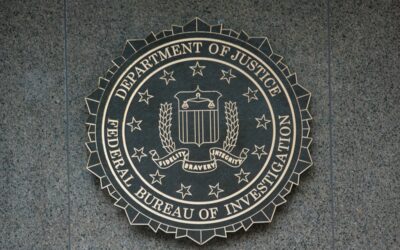
FBI Seizure in Georgia: 2020 Ballots Taken in Federal Raid
On Wednesday, January 28, 2026, the Fulton County Election Hub and Operation Center in Union City, Georgia, became the center of a high-stakes federal operation. FBI agents, executing a court-authorized search warrant, seized approximately 700 boxes of election records—including original physical ballots—from the 2020 presidential election. At Modern Memo, we analyze the legal mechanics behind this unprecedented seizure, the data at the heart of the probe, and the sharp divide between federal and local officials. The Operation: A “Court-Ordered Activity” The raid began around noon on Wednesday when agents from the FBI’s Atlanta field office, along with evidence recovery teams, arrived with a warrant signed by a federal magistrate judge. According to court filings and statements from Fulton County Clerk Che Alexander, federal agents focused specifically on the following: Physical Ballots: Every in-person and absentee ballot from the 2020 General Election. Tabulator Tapes: The physical records produced by scanners to tally votes. Digital Logs: Electronic ballot images and voter rolls. While the warrant itself remains under seal, it is reportedly linked to a Department of Justice (DOJ) lawsuit filed against Fulton County in December. That lawsuit sought to compel the county to provide access to 2020 records to “ascertain compliance with various federal election laws.” The Conflict: Chain of Custody Concerns The seizure has sparked a constitutional and logistical debate regarding the security of the ballots. The Federal Stance The DOJ and the FBI, now under the leadership of Director Kash Patel, have moved aggressively to investigate claims of “anomalies” and fraudulent tabulation in the 2020 vote—claims that have been investigated and rejected by courts and previous administrations. The current DOJ asserts that seizing the physical records is necessary for a full forensic audit to ensure “transparency” for the State Election Board. The Local Response Fulton County Commission Chair Robb Pitts expressed deep concern over the “chain of custody.” Pitts emphasized that the ballots were “safe and secure” in county custody and had been counted, recounted, and audited multiple times. “We don’t know where they’re being taken. We don’t know what’s going to happen to them. We can no longer satisfy… that those ballots are still secure,” Pitts stated. Democratic lawmakers in Georgia have condemned the raid as a “staggering use of federal power to chase ghosts,” while Republican members of the Fulton County Election Board welcomed the move, stating it is “about time that the people have answers.” Technical Context: The Recount Data Despite the renewed federal interest, the existing data on the 2020 Georgia election is extensive. Following the original vote, Georgia conducted: A Full Risk-Limiting Audit: A hand count of all 5 million ballots. A Formal Recount: Requested by the Trump campaign and conducted via machine. An Independent Review: Conducted by the Secretary of State’s office and the GBI regarding signature matching. Each of these reviews confirmed the original outcome: a victory for Joe Biden by approximately 11,779 votes. Federal agents are reportedly looking for evidence of “fraudulent tabulation” or “ballot harvesting” that they believe previous audits may have missed. FBI raids Fulton County election office, today, January 28, 2026. I first concluded in late 2021 that the evidence suggested that the hand count had been intentionally manipulated. My first report to authorities was filed in late 2021 followed by several others. 🇺🇸 pic.twitter.com/M1jGMdeZag — Jeff Fulgham (@jeffmfulgham) January 28, 2026 The Investigative History: From 2020 to Now Despite the renewed federal interest, the existing data on the 2020 Georgia election is extensive and has undergone several layers of scrutiny. Immediately following the election in November 2020, a Full Risk-Limiting Audit was conducted, which involved a hand count of all 5 million ballots and confirmed the original victory for Joe Biden. By December 2020, a formal Machine Recount requested by the Trump campaign further solidified those results. Simultaneously, the GBI Signature Audit was completed, finding no evidence of widespread fraud or systemic signature mismatching. The current FBI Federal Raid in early 2026 marks the fourth major intervention in these records. While previous counts and reviews consistently found a victory margin of approximately 11,779 votes, federal agents are now tasked with a new forensic analysis to determine if prior audits missed specific evidence of “fraudulent tabulation.” Final Word Staying informed on federal law enforcement actions isn’t just about politics—it plays a powerful role in your understanding of civic stability and the rule of law. When you follow the data behind a search warrant, you gain a clearer picture of how “voter integrity” and “federal oversight” are being redefined in 2026. Quality information improves your mental health by replacing speculative outrage with the clarity of court-authorized actions. It reduces “news fatigue” by focusing on the actual chain of custody and legal filings rather than just the rhetoric. By choosing to analyze the warrant and the response, you protect your perspective and support a more informed, resilient society. Where Facts, Context, and Perspective Matter At The Modern Memo, our goal is simple: to provide clear, well-researched reporting in a media landscape that often feels overwhelming. We focus on substance over sensationalism, and context over commentary. If you value thoughtful analysis, transparent sourcing, and stories that go beyond the headline, we invite you to share our work. Informed conversations start with reliable information, and sharing helps ensure important stories reach a wider audience. Journalism works best when readers engage, question, and participate. By reading and sharing, you’re supporting a more informed public and a healthier media ecosystem. The Modern Memo may be compensated and/or receive an affiliate commission if you click or buy through our links. Featured pricing is subject to change. 📩 Love what you’re reading? Don’t miss a headline! Subscribe to The Modern Memo here!

TikTok’s $14 Billion Divorce: Balancing National Security and the Global App Economy
After more than five years of executive orders, court injunctions, and federal ultimatums, the saga of TikTok’s American operations has reached a definitive turning point. On January 22, 2026, ByteDance officially finalized a deal transferring control of TikTok’s U.S. unit to a new majority-American joint venture, effectively averting a nationwide ban under the Protecting Americans from Foreign Adversary Controlled Applications Act. At Modern Memo, we analyze the structure of this historic $14 billion transition, the technical safeguards being implemented, and the ongoing debate between national security and free-market commerce. The New Structure of American TikTok The newly formed entity, TikTok USDS Joint Venture LLC, now operates as the primary steward of the app for over 170 million U.S. users. To satisfy federal divestiture laws, the ownership has been redistributed to ensure ByteDance maintains only a minority, non-controlling stake of 19.9%. The majority of the company is now held by a consortium of managing investors, including Oracle, Silver Lake, and the Abu Dhabi-based AI firm MGX, who each hold 15% stakes. The remaining shares are distributed among a group of strategic U.S. participants, including the Dell family office and existing ByteDance investors. The venture is led by CEO Adam Presser and is overseen by a seven-member board of directors. Per federal mandate, this board maintains a majority of U.S. citizens and includes security experts tasked with auditing the platform’s independence. National Security vs. Technical Interoperability The core of the “TikTok Deal” rests on a complex technical “firewall” designed to isolate American user data while maintaining the app’s global functionality. The Algorithmic “Fork” To address concerns that the recommendation engine could be used for foreign influence, the joint venture is currently “retraining” the algorithm. While the underlying source code is licensed from ByteDance, the version used in the U.S. is being tested and updated exclusively on American user data within Oracle’s secure cloud environment. Data Residency and Oversight Oracle has transitioned from a simple hosting partner to a “technological steward.” All U.S. user data is now stored on domestic servers, and Oracle possesses the authority to monitor data flows and validate the code. This is intended to ensure that no unauthorized data packets are transmitted to foreign servers. The Commercial Paradox While the U.S. joint venture controls data and content moderation, certain commercial functions—including e-commerce, global advertising, and marketing—remain tied to ByteDance-controlled units. This “interoperability” ensures that U.S. creators can still reach global audiences, but it has also become a focal point for lawmakers who worry that these commercial links could still serve as conduits for data harvesting. Legislative Skepticism and the “Divorce” Debate Despite the deal’s closure, a bipartisan group of lawmakers continues to question its efficacy. Transparency Concerns: Senators like Ed Markey (D-MA) and Marco Rubio (R-FL) have called for an investigation into the “secrecy” of the negotiations. Critics argue that without a public audit of the licensed code, it is impossible to verify if the app is truly free of foreign influence. The “Clean Break” Standard: Members of the House Select Committee on China have vowed to conduct rigorous oversight, questioning if a 19.9% stake and a licensed algorithm meet the “qualified divestiture” standard intended by Congress. User Backlash: Coinciding with the ownership shift, TikTok rolled out updated Terms of Service and Privacy Policies on January 22. This triggered a significant spike in uninstalls as users voiced concerns over new geolocation tracking requirements and perceived shifts in content reach. Final Word Navigating the intersection of tech policy and national security isn’t just about the apps on your phone—it plays a powerful role in your digital privacy and the stability of the global economy. When you look at the facts of a $14 billion divestiture, you gain a clearer picture of how “digital borders” are being drawn in real-time. Quality information improves your mental health by replacing the panic of a “ban” with the clarity of ownership and security data. It reduces “tech fatigue” by helping you understand exactly who has the keys to your digital footprint. By choosing to follow the policy rather than the hype, you protect your perspective and support a more informed, secure digital world. Where Facts, Context, and Perspective Matter At The Modern Memo, our goal is simple: to provide clear, well-researched reporting in a media landscape that often feels overwhelming. We focus on substance over sensationalism, and context over commentary. If you value thoughtful analysis, transparent sourcing, and stories that go beyond the headline, we invite you to share our work. Informed conversations start with reliable information, and sharing helps ensure important stories reach a wider audience. Journalism works best when readers engage, question, and participate. By reading and sharing, you’re supporting a more informed public and a healthier media ecosystem. The Modern Memo may be compensated and/or receive an affiliate commission if you click or buy through our links. Featured pricing is subject to change. 📩 Love what you’re reading? Don’t miss a headline! Subscribe to The Modern Memo here!

The Metabolism Shift: Navigating Weight Loss During Menopause
For many women, entering menopause feels like the body has suddenly rewritten its own rulebook. You may find that the same diet and exercise routine that kept you lean in your 30s is no longer working, and a new “menopause middle” seems to appear overnight. At Modern Memo, we strip away the “quick-fix” marketing to look at the raw biological shifts of midlife. Losing weight during this transition isn’t just about willpower; it’s about understanding a fundamental change in your hormones and metabolism. Why the Rules Change: The Hormonal Shift The primary driver of menopause weight gain is the decline of estrogen. As estrogen levels drop, the body naturally shifts how it stores fat, moving it from the hips and thighs to the abdominal area. This isn’t just a cosmetic change—visceral fat around the organs is metabolically active and can increase insulin resistance. Additionally, women begin to lose lean muscle mass at an accelerated rate during this time (a process called sarcopenia). Because muscle tissue burns more calories at rest than fat, this loss causes your Basal Metabolic Rate (BMR) to drop, meaning you need fewer calories to maintain your weight than you used to. The Modern Memo Strategy for Midlife Weight Loss To see results after 50, your approach must move from “eating less” to “eating specifically.” 1. Prioritize the “Protein Buffer” As estrogen declines, your body becomes less efficient at processing protein. To maintain muscle and keep your metabolism firing, aim for 25–30 grams of protein per meal. This “protein timing” prevents muscle wasting and triggers satiety hormones that curb the sugar cravings often driven by hormonal fluctuations. 2. Strength Over Cardio While brisk walking is excellent for heart health, excessive steady-state cardio can actually spike cortisol—a stress hormone that encourages belly fat storage. The Shift: Focus on resistance training (weights or bands) at least 2–3 times a week. Building just a few pounds of muscle can significantly raise your daily calorie burn. NEAT: Focus on “Non-Exercise Activity Thermogenesis”—standing while on the phone or taking the stairs—which can account for 15% of your daily energy expenditure. 3. Manage the Insulin Response During menopause, many women become more sensitive to carbohydrates. Switching to a Mediterranean-style diet—heavy on leafy greens, healthy fats like avocado, and fiber-rich legumes—helps stabilize blood sugar and reduces the systemic inflammation that often accompanies the transition. The Role of New Science: HRT and GLP-1s 2026 has brought groundbreaking data on medical interventions for menopause weight loss. A recent Mayo Clinic study published in The Lancet found that postmenopausal women using Hormone Replacement Therapy (HRT) in combination with newer weight-loss medications (like tirzepatide) lost 35% more weight than those using medication alone. While HRT isn’t a weight-loss drug, it restores estrogen levels that help regulate appetite and improve sleep quality. Better sleep leads to lower cortisol, making it easier for the body to let go of stored fat. Final Word Losing weight during menopause isn’t about fighting your body—it plays a powerful role in your long-term longevity and heart health. When you align your lifestyle with your new hormonal reality, you help your entire system function more efficiently. Quality sleep and targeted nutrition improve your mental clarity by balancing the hormones that affect mood and energy. It reduces “brain fog” and helps you feel more energized throughout the day. By choosing to prioritize muscle and metabolic health, you protect your body from the risks of midlife weight gain and support a more vibrant, resilient future. Where Facts, Context, and Perspective Matter At The Modern Memo, our goal is simple: to provide clear, well-researched reporting in a media landscape that often feels overwhelming. We focus on substance over sensationalism, and context over commentary. If you value thoughtful analysis, transparent sourcing, and stories that go beyond the headline, we invite you to share our work. Informed conversations start with reliable information, and sharing helps ensure important stories reach a wider audience. Journalism works best when readers engage, question, and participate. By reading and sharing, you’re supporting a more informed public and a healthier media ecosystem. The Modern Memo may be compensated and/or receive an affiliate commission if you click or buy through our links. Featured pricing is subject to change. 📩 Love what you’re reading? Don’t miss a headline! Subscribe to The Modern Memo here!

The Southern Ice Siege: Navigating the Aftermath of Winter Storm Fern
As the historic “Winter Storm Fern” begins to recede, it leaves behind a landscape of structural damage and humanitarian crisis across the Southern United States. What began as a massive cold front has evolved into a localized infrastructure catastrophe, with northern Mississippi and parts of Tennessee and Louisiana bearing the brunt of a “slow-motion disaster.” At Modern Memo, we analyze the data behind the power grid’s struggle, the rising toll of the storm, and the logistical nightmare facing utility crews in the “whack-a-mole” recovery effort. The Grid Crisis: Why the Power Won’t Stay On While national attention often focuses on the Texas ERCOT grid, which has held “flawlessly” during this event, the real crisis is at the local distribution level. Over 550,000 Americans remained without power as of Tuesday evening, primarily due to catastrophic ice accumulation—exceeding one inch in some areas—that physical infrastructure simply wasn’t designed to support. The “Whack-a-Mole” Effect: Mississippi Governor Tate Reeves described the restoration process as a constant battle against physics. As crews repair one line, the lingering weight of ice causes a neighboring tree limb to snap, creating a new outage. The Damage Toll: In Mississippi alone, utility companies like Entergy and local cooperatives are reporting hundreds of snapped poles and thousands of spans of downed wire. Restoration Timelines: Officials have warned that for the hardest-hit rural counties, power restoration could take “weeks, not days,” with some customers projected to remain in the dark until February. A Rising Human Toll The storm’s impact has moved beyond inconvenience into the realm of tragedy. At least 42 storm-related deaths have been confirmed across a dozen states. The hazards of the “Ice Siege” are multifaceted: Exposure and Hypothermia: Several fatalities involved elderly residents found in unheated homes or individuals found outdoors during record-breaking sub-zero wind chills. Icy Water Accidents: In a devastating incident in Texas, three brothers (ages 6, 8, and 9) died after falling through the ice of a private pond. Infrastructure Hazards: Two deaths were attributed to snowplow accidents in the Northeast, while others resulted from trees falling onto houses or medical devices failing during prolonged power outages. The Federal and State Response In response to the crisis, President Trump has approved 12 emergency declarations, allowing FEMA to mobilize resources including bottled water, blankets, and industrial generators. In Mississippi, up to 500 members of the National Guard have been deployed to assist in debris removal and safety checks. The focus has now shifted to “Life Safety” as temperatures remain below freezing. Warming centers have been established across the South, though officials warn that travel remains treacherous due to black ice and “obstacle course” conditions on secondary roads. Final Word Surviving the aftermath of a historic storm isn’t just about the weather—it plays a powerful role in your long-term resilience and safety. When you follow the data and heed the warnings of local officials, you help your entire community function more safely during a crisis. Quality information improves your mental health by replacing the chaos of a disaster with a clear understanding of the recovery timeline. It reduces “storm fatigue” by helping you prepare for the reality of long-term outages rather than hoping for a quick fix. By choosing to stay informed on the grid and the ground, you protect your family and support a more resilient, better-prepared society. Where Facts, Context, and Perspective Matter At The Modern Memo, our goal is simple: to provide clear, well-researched reporting in a media landscape that often feels overwhelming. We focus on substance over sensationalism, and context over commentary. If you value thoughtful analysis, transparent sourcing, and stories that go beyond the headline, we invite you to share our work. Informed conversations start with reliable information, and sharing helps ensure important stories reach a wider audience. Journalism works best when readers engage, question, and participate. By reading and sharing, you’re supporting a more informed public and a healthier media ecosystem. The Modern Memo may be compensated and/or receive an affiliate commission if you click or buy through our links. Featured pricing is subject to change. 📩 Love what you’re reading? Don’t miss a headline! Subscribe to The Modern Memo here!
Best Credit Cards to Apply for Today
Upgrade Your Wallet – Here Are the Best Cards to Consider SEE TOP CARD PICKS CHECK ELIGIBILITY DISCOVER LOW-APR CARDS