

U.S. News

The Common Sense Surge: Viral Interviews Reveal Travelers’ Relief at ICE Airport Deployment
While the mainstream media and “sanctuary” advocates scramble to frame the President’s latest security move as “dystopian,” a wave of viral bystander interviews is telling a very different story. As Immigration and Customs Enforcement (ICE) agents began arriving at 14 major U.S. hubs this week to backstop a thinning TSA frontline, the “fear and chaos” predicted by critics has been replaced by something far more practical: gratitude from travelers who are tired of being held hostage by a budget stalemate. At The Modern Memo, we analyze the viral “Vegas Interview” that sparked the conversation, the operational reality of ICE’s supporting role, and why the public is prioritizing moving lines over partisan optics. The Clip Seen ‘Round the Web: “They’re Actually Helping” The conversation shifted over the weekend when a viral TikTok from Harry Reid International (LAS) captured a group of travelers in a four-hour security queue reacting to the arrival of five uniformed ICE agents. The Traveler Consensus: In the video, which has amassed over 8 million views, a traveler named Linda from Arizona points to an agent assisting with stanchion management. “Look, I don’t care what their patch says,” she tells the interviewer. “I’ve been here since 4:00 AM. If they can help move this line and keep us safe while the TSA is out, I’m all for it. They’re actually helping.” Dispelling the “Fear” Narrative: Despite claims from the ACLU that armed agents would “inspire fear,” the footage shows travelers high-fiving agents and asking for selfies. For the average American family trying to make a Spring Break flight, the presence of a federal officer—any federal officer—is a welcome sign of order. Operational Reality: “Force Multipliers,” Not Screeners A key point of contention has been whether ICE agents are “trained” for aviation security. Border Czar Tom Homan cleared the air this Sunday, clarifying that the deployment is a strategic “backfill” rather than a replacement of technical skill. Crowd Control & Perimeter: ICE agents are not operating X-ray machines or magnetometers—tasks that remain with the certified TSA personnel still on duty. Instead, they are serving as “force multipliers” for crowd control, line monitoring, and terminal patrols. The “Water Bottle” Diplomacy: White House-promoted videos—and subsequent viral bystander clips—have shown ICE agents handing out water to those in long lines and even holding spots for parents who need to take children to the restroom. It is a level of “service-oriented” security that critics didn’t anticipate. Relieving the Pressure: By taking over the “low-skill, high-labor” tasks of line management, the remaining TSA staff can focus entirely on the technical screening process, which has already led to a measurable decrease in wait times at JFK and O’Hare. The Political Backfire: Why the “Hostage” Strategy Failed The deployment of ICE was a direct response to a “call-out” rate that topped 11% nationwide as TSA officers faced their second month without pay. By utilizing a “currently funded” force like ICE, the President effectively neutralized the leverage of the shutdown. Bypassing the Gridlock: Democrats like Sen. Cory Booker have called the move “bizarre,” but for the administration, it is a simple matter of resource management. If the TSA is short-staffed, you move the available professionals to where they are needed most. The “90%” Posture: With the administration also claiming massive success in neutralizing external threats abroad, the focus has shifted to internal stability. Keeping airports open is seen as a “victory for the traveler” that prevents the DHS shutdown from becoming a national economic paralysis. Final Word The viral reaction to ICE at our airports proves that the American public has a much higher threshold for “common sense” than the political class gives them credit for. When you look past the noise of “militarization” labels and focus on the data—the decreasing wait times and the positive traveler feedback—you gain a clearer picture of a successful emergency measure. Quality information replaces the rhetoric of “police states” with the reality of an administration that refuses to let a budget fight stop the country from moving. It allows you to see this deployment not as a threat, but as a necessary bridge to stability. By choosing to support the “boots on the ground,” you align your perspective with the thousands of travelers who just want to get home safely and on time. Where Facts, Context, and Perspective Matter At The Modern Memo, our goal is simple: to provide clear, well-researched reporting in a media landscape that often feels overwhelming. We focus on substance over sensationalism, and context over commentary. If you value thoughtful analysis, transparent sourcing, and stories that go beyond the headline, we invite you to share our work. Informed conversations start with reliable information, and sharing helps ensure important stories reach a wider audience. Journalism works best when readers engage, question, and participate. By reading and sharing, you’re supporting a more informed public and a healthier media ecosystem. The Modern Memo may be compensated and/or receive an affiliate commission if you click or buy through our links. Featured pricing is subject to change. 📩 Love what you’re reading? Don’t miss a headline! Subscribe to The Modern Memo here!

Courage Under Fire: Pentagon Awards Purple Hearts to ODU Cadets for Thwarting ISIS Attack
In a rare and solemn ceremony at the Pentagon, the Department of Defense has recognized the extraordinary heroism of two Old Dominion University (ODU) Army ROTC cadets. Today, Secretary of Defense Pete Hegseth awarded the Purple Heart to Cadets Jackson Reed and Marcus Thorne for their decisive actions in neutralizing a radicalized ISIS supporter who attempted to carry out a mass casualty event on the ODU campus last month. At The Modern Memo, we analyze the details of the thwarted attack, the historic nature of these awards for non-active duty personnel, and why the readiness of our future officer corps has never been more vital. The Incident: A “Soft Target” Turned Battleground The attempted attack occurred on February 14, 2026, during a crowded mid-day event at the ODU Student Union. Authorities identified the assailant as a 22-year-old self-radicalized individual who had pledged his “undying loyalty” to the Islamic State in a video posted just minutes before the assault. The Breach: Armed with a high-capacity semi-automatic rifle and wearing a tactical vest, the attacker entered the building and immediately opened fire. The Intervention: Cadets Reed and Thorne, who were in uniform and returning from a training exercise, did not hesitate. Despite being unarmed at the time, the two used their tactical training to flank the shooter. The Struggle: During a brutal hand-to-hand struggle to disarm the suspect, both cadets sustained significant injuries—Reed from a gunshot wound to the shoulder and Thorne from shrapnel and a severe knife wound. Their intervention allowed campus security to arrive and neutralize the threat, preventing what officials say would have been a “slaughter.” The Awards: Breaking Tradition for Bravery The decision to award the Purple Heart to ROTC cadets is statistically rare, as the decoration is typically reserved for members of the Armed Forces wounded or killed in action against an enemy of the United States. The Legal Justification: Under a 2015 policy expansion, the Pentagon can award the Purple Heart to service members attacked by foreign terrorist organizations on domestic soil. By recognizing the cadets, the Pentagon is formally classifying the ODU attack as an act of international terrorism. Secretary Hegseth’s Remarks: “These young men were not on a battlefield in the Middle East, but the enemy found them nonetheless,” Hegseth stated during the ceremony. “They responded with the grit and selfless service we expect from our most seasoned warriors. They are the personification of ‘Always Ready.’” The “ODU Two”: A New Generation of Leadership The heroism of Reed and Thorne has sparked a national conversation about the importance of military presence and training on American campuses. The “Guardian” Mindset: Supporters of the award argue that the presence of ROTC programs provides a “hidden layer of security” for universities. The cadets’ ability to maintain composure and execute small-unit tactics under extreme duress is being hailed as a triumph of modern military instruction. National Security at Home: The incident serves as a stark reminder that the war against radical Islamic extremism remains a domestic threat. While the U.S. military continues its operations abroad, the “ODU Two” proved that the frontline can appear anywhere, at any time. Final Word The recognition of Jackson Reed and Marcus Thorne is a victory for the values of courage and duty. When you look past the “campus tragedy” headlines and focus on the data—the speed of their reaction, the nature of the threat, and the Pentagon’s historic award—you gain a clearer picture of the caliber of the men and women entering our military. Quality information replaces the noise of “victimhood” with the clarity of “valor.” It allows you to see this event not just as a narrow escape, but as a definitive proof that the American spirit of the citizen-soldier is alive and well. By choosing to honor these cadets, you align your perspective with the reality that safety is often preserved by the few who are willing to run toward the sound of gunfire. Where Facts, Context, and Perspective Matter At The Modern Memo, our goal is simple: to provide clear, well-researched reporting in a media landscape that often feels overwhelming. We focus on substance over sensationalism, and context over commentary. If you value thoughtful analysis, transparent sourcing, and stories that go beyond the headline, we invite you to share our work. Informed conversations start with reliable information, and sharing helps ensure important stories reach a wider audience. Journalism works best when readers engage, question, and participate. By reading and sharing, you’re supporting a more informed public and a healthier media ecosystem. The Modern Memo may be compensated and/or receive an affiliate commission if you click or buy through our links. Featured pricing is subject to change. 📩 Love what you’re reading? Don’t miss a headline! Subscribe to The Modern Memo here!

Tragedy at LaGuardia: Pilot and Co-Pilot Killed in Runway Collision Amid Shutdown Strain
A devastating ground collision at New York’s LaGuardia Airport late Sunday night has left two pilots dead and dozens injured, paralyzed one of the nation’s busiest travel hubs, and raised urgent questions about aviation safety during the ongoing federal funding lapse. At The Modern Memo, we analyze the timeline of the Air Canada Express crash, the communication breakdown in the tower, and how a hollowed-out DHS workforce is struggling to maintain order under the pressure of a month-long shutdown. The Incident: A Fatal Miscalculation on Runway 4 Just before midnight on March 22, 2026, Air Canada Express Flight 8646—a Bombardier CRJ-900 operated by Jazz Aviation—was completing its arrival from Montreal. As the jet touched down and began to decelerate, it struck a Port Authority Aircraft Rescue and Firefighting (ARFF) vehicle at high speed. The Impact: The force of the collision crushed the nose of the aircraft and severed the cockpit. Tragically, both the pilot and the co-pilot were killed instantly. The Injury Count: Beyond the two fatalities, 41 people were transported to local hospitals. This included 39 individuals from the aircraft and the two officers inside the fire truck. While most have been released, nine remain hospitalized with serious injuries, including one passenger suffering from a brain bleed. The Miraculous Survival: In a harrowing detail, a flight attendant was reportedly ejected from the aircraft while still strapped to her jumpseat. Rescuers found her on the tarmac; she is currently in stable condition. The Tower Audio: “Stop, Stop, Stop!” Preliminary investigations and leaked Air Traffic Control (ATC) recordings suggest a catastrophic breakdown in runway coordination. The fire truck was responding to a separate emergency—a United Airlines flight reporting a suspicious odor—and had been granted permission to cross the active runway. Conflicting Clearances: Audio captures the moment a controller cleared the fire truck to “cross Four at Delta” just as the Air Canada flight was on its landing roll. The Frantic Correction: Seconds later, the same controller realized the impending disaster, shouting, “Stop, Truck 1, stop! Stop, stop, stop!” It was too late. Admission of Error: Roughly 20 minutes after the crash, the controller was heard on an open mic stating, “We were dealing with an emergency earlier… I messed up.” The Shutdown Context: A System at the Breaking Point While the NTSB has launched a full investigation, the crash occurred against the backdrop of a 37-day Department of Homeland Security (DHS) shutdown. The strain on the aviation system has moved from “inconvenience” to “lethal vulnerability.” Staffing Impacts: LaGuardia was already reeling from high TSA and FAA absenteeism as workers faced their second $0 paychecks this week. Fatigue and “minimalist” staffing levels in high-stress environments like ATC towers are now being scrutinized as contributing factors. The National Gridlock: With LaGuardia’s runways shuttered for nearly 15 hours, over 600 flights were canceled on Monday alone. The closure rippled through the East Coast, exacerbating a travel landscape already thinned by the funding impasse. Final Word The tragedy at LaGuardia is the nightmare scenario critics of the shutdown have feared. When you look past the official “accident” labels and focus on the data—the two dead pilots, the frantic tower recordings, and the exhausted, unpaid workforce—you gain a clearer picture of a national infrastructure in decline. Quality information replaces the noise of partisan finger-pointing with the reality of a system that cannot function on “essential” status alone. It allows you to see this crash not as an isolated mistake, but as a definitive warning that security and safety are the first casualties of political gridlock. By staying informed on the investigation’s findings, you align your perspective with the urgent need for a fully funded, fully focused defense of our skies. Where Facts, Context, and Perspective Matter At The Modern Memo, our goal is simple: to provide clear, well-researched reporting in a media landscape that often feels overwhelming. We focus on substance over sensationalism, and context over commentary. If you value thoughtful analysis, transparent sourcing, and stories that go beyond the headline, we invite you to share our work. Informed conversations start with reliable information, and sharing helps ensure important stories reach a wider audience. Journalism works best when readers engage, question, and participate. By reading and sharing, you’re supporting a more informed public and a healthier media ecosystem. The Modern Memo may be compensated and/or receive an affiliate commission if you click or buy through our links. Featured pricing is subject to change. 📩 Love what you’re reading? Don’t miss a headline! Subscribe to The Modern Memo here!

Restoring the Ballot: Everything You Need to Know About the SAVE America Act
As the 2026 midterm elections approach, the fight over who has a say in the future of our country has reached a fever pitch. In February 2026, the House of Representatives took a decisive step by passing the Safeguard American Voter Eligibility (SAVE) America Act. The bill, a top priority for the Trump administration, is currently the center of a high-stakes debate in the Senate. At The Modern Memo, we break down the core pillars of this legislation, why its supporters call it “common-sense security,” and why the opposition is fighting so hard to keep the status quo. The Core Mandate: Proof of Citizenship The central goal of the SAVE America Act is simple: ensuring that only American citizens decide American elections. While federal law already prohibits non-citizens from voting, the SAVE America Act introduces a rigorous enforcement mechanism that currently doesn’t exist at the federal level. Documentary Proof (DPOC): For the first time, individuals would be required to provide documentary proof of U.S. citizenship when registering to vote in federal elections. Accepted Documents: Valid proof includes a U.S. passport, a birth certificate (accompanied by a photo ID), or a naturalization certificate. Closing the Loophole: Currently, many states rely on a “self-attestation” box—essentially an honor system. Supporters argue this is insufficient in an era of unprecedented illegal border crossings and want a physical paper trail to verify eligibility. National Voter ID: A Standard for Security Beyond registration, the Act mandates a strict photo identification requirement at the polling place. The ID Requirement: Voters would be required to present a valid photo ID to cast their ballot, whether in person or by mail. State Preemption: While 36 states already have some form of voter ID, the SAVE America Act would set a federal “floor,” ensuring that states with loose requirements (like those allowing student IDs or utility bills) must move to more secure, government-issued photo identification. Cleaning the Rolls: The bill directs states to cross-reference their voter registration lists with the Department of Homeland Security’s (DHS) databases to identify and remove any non-citizens currently on the rolls. Accountability: Real Consequences for Fraud The SAVE America Act isn’t just a set of guidelines; it carries heavy penalties for those who undermine the system. Criminal Penalties: The bill establishes criminal penalties for election officials who knowingly register non-citizens or fail to collect the required proof of citizenship. Private Right of Action: Perhaps most significantly, the Act allows private citizens to sue election officials if they believe the law is not being properly enforced. This “watchdog” provision is designed to ensure that local bureaucracies cannot ignore federal security standards. Final Word The SAVE America Act represents a fundamental shift in how we view the “sanctity of the ballot.” When you look past the noise of “voter suppression” rhetoric and focus on the data—the millions of new arrivals in the country and the documented inconsistencies in state voter rolls—you gain a clearer picture of why this legislation is necessary. Quality information replaces the fear of “barriers” with the clarity of a standardized, secure process that mirrors what is required to open a bank account or board an airplane. It allows you to see the SAVE America Act not as a hurdle, but as a safeguard that ensures every legal vote isn’t diluted by an illegal one. By choosing to back a system rooted in verified citizenship, you align your perspective with the reality that a sovereign nation must, above all, protect the integrity of its own voice. Where Facts, Context, and Perspective Matter At The Modern Memo, our goal is simple: to provide clear, well-researched reporting in a media landscape that often feels overwhelming. We focus on substance over sensationalism, and context over commentary. If you value thoughtful analysis, transparent sourcing, and stories that go beyond the headline, we invite you to share our work. Informed conversations start with reliable information, and sharing helps ensure important stories reach a wider audience. Journalism works best when readers engage, question, and participate. By reading and sharing, you’re supporting a more informed public and a healthier media ecosystem. The Modern Memo may be compensated and/or receive an affiliate commission if you click or buy through our links. Featured pricing is subject to change. 📩 Love what you’re reading? Don’t miss a headline! Subscribe to The Modern Memo here!

Blue Stronghold Crumbles: Virginia GOP Flips County Seat After Democrat’s Social Media Scandal
In a stunning upset that has sent shockwaves through the Commonwealth’s political establishment, Republican challenger Marcus Thornton has successfully flipped a deep-blue county seat in the heart of Northern Virginia. The victory comes after a chaotic special election cycle that saw the Democratic incumbent, Julian Vance, implode following the release of resurfaced racist and inflammatory social media posts. At The Modern Memo, we break down how a double-digit Democratic advantage vanished overnight and what this bellwether win says about the limits of identity politics in 2026. The Scandal That Sank the Campaign Just two weeks before the polls opened, a series of posts from Vance’s private archives—dating back to the mid-2010s—began circulating on X (formerly Twitter) and local community forums. The content, which included derogatory racial slurs and disparaging remarks about minority communities in Virginia, stood in stark contrast to the “progressive champion” image Vance had spent years cultivating. The Response: Vance initially dismissed the posts as “youthful indiscretions” and “out-of-context screenshots,” but as more evidence emerged, his support among key constituencies evaporated. The Fallout: Prominent Democratic leaders, including Governor Abigail Spanberger, were forced to distance themselves from the embattled candidate, leaving Vance’s campaign in a tailspin during the critical final days of early voting. Thornton’s “Kitchen Table” Surge While the Democratic camp was mired in damage control, Marcus Thornton focused his campaign on a disciplined, “back-to-basics” message. Focus on Policy: Thornton leaned heavily into concerns over the rising cost of living in Northern Virginia and the local impact of federal spending. The “Character” Contrast: Without making the Vance scandal his only talking point, Thornton effectively framed himself as a steady, transparent alternative. “Voters are tired of being lectured by people who don’t live up to their own standards,” Thornton said during his victory speech. “Tonight, this county chose common sense over performative politics.” A Warning Shot for 2026 Midterms This flip is being viewed by national strategists as a significant warning sign for Democrats heading into the 2026 midterm elections. Suburban Shift: The precinct-level data shows that Thornton didn’t just win by turning out the GOP base; he made massive inroads with independent suburban voters who traditionally skew blue. The Vetting Crisis: The Vance scandal has reignited a debate within the Democratic Party about the vetting process for local candidates in an era where digital footprints are permanent and increasingly scrutinized by a vigilant public. Final Word The GOP’s victory in this Virginia stronghold is a textbook example of how a candidate’s hidden history can override even the strongest partisan advantage. When you look past the campaign slogans and focus on the data—the cratering of Vance’s support and the surge of independent voters toward Thornton—you gain a clearer picture of an electorate that values authenticity over rhetoric. Quality information replaces the noise of partisan spin with the clarity of election results and verified digital evidence. It allows you to see this flip not as a fluke, but as a demand for higher standards in public service. By choosing to analyze these shifts through the lens of voter behavior rather than just party loyalty, you align your perspective with the evolving reality of Virginia’s political landscape. Where Facts, Context, and Perspective Matter At The Modern Memo, our goal is simple: to provide clear, well-researched reporting in a media landscape that often feels overwhelming. We focus on substance over sensationalism, and context over commentary. If you value thoughtful analysis, transparent sourcing, and stories that go beyond the headline, we invite you to share our work. Informed conversations start with reliable information, and sharing helps ensure important stories reach a wider audience. Journalism works best when readers engage, question, and participate. By reading and sharing, you’re supporting a more informed public and a healthier media ecosystem. The Modern Memo may be compensated and/or receive an affiliate commission if you click or buy through our links. Featured pricing is subject to change. 📩 Love what you’re reading? Don’t miss a headline! Subscribe to The Modern Memo here!

The MAHA Revolution: Taking Back America’s Health
In a massive, multi-agency effort to combat the nation’s skyrocketing chronic disease epidemic, the Make America Healthy Again (MAHA) initiative has moved from a campaign slogan to the cornerstone of the administration’s public health strategy. Led by Health and Human Services Secretary Robert F. Kennedy, Jr., the movement is fundamentally challenging the status quo of the food and pharmaceutical industries, aiming to restore “common sense” to a system that many argue has lost its way. At The Modern Memo, we examine how MAHA is disrupting the regulatory landscape and why this grassroots-turned-federal mission is shaking up the medical establishment. A New Focus: Root Causes Over Symptom Management For decades, the American healthcare system has been optimized for disease management—treating the symptoms of illness rather than investigating the environmental and dietary triggers causing them. The MAHA initiative pivots away from this model, prioritizing primary prevention. The Childhood Crisis: With 1 in 4 children suffering from allergies and autism rates climbing, MAHA has prioritized an aggressive look into environmental factors, including food additives, pesticides like glyphosate, and chemical exposures in our schools and homes. Radical Transparency: A key pillar of the HHS strategy is “Radical Transparency.” By aggressively pursuing the disclosure of conflicts of interest in scientific research and creating open-source data platforms, the administration is attempting to restore public trust in federal health agencies. Battle in the Supermarket: The War on “Ultra-Processed” Perhaps the most visible aspect of the initiative is its confrontation with the food industry. The administration has made clear that the “generally recognized as safe” (GRAS) loophole—which allowed food companies to self-certify the safety of additives—is coming to an end. Industry Pledges: The initiative has already seen substantial progress, with major corporations—including giants like Walmart, Nestlé, and Hershey—voluntarily agreeing to phase out petroleum-based artificial dyes. SNAP Reform: USDA initiatives are increasingly empowering states to restrict the use of food stamps (SNAP) for soda and candy, aiming to ensure that taxpayer dollars are used for nutrient-dense, whole foods rather than empty, ultra-processed calories. Dunkin’ and Beyond: Secretary Kennedy’s recent public challenges to major coffee chains regarding sugar content reflect a broader effort to force the industry to show their “safety data” and take accountability for the nutritional impact of their best-selling products. Changing the Face of Medicine Beyond food, the MAHA movement is making structural changes to how the next generation of American doctors is trained. Nutrition Education: In a major victory for the administration, more than 50 medical schools have committed to significantly boosting nutrition education in their curricula. Beginning in the fall of 2026, medical students will be required to meet core competencies in nutrition, ensuring that doctors are finally equipped to offer preventative lifestyle counseling alongside pharmacological interventions. Integrative Models: The recently launched MAHA ELEVATE model is investing $100 million in functional and lifestyle medicine approaches. By testing evidence-based interventions like stress management and targeted nutrition within the Medicare system, the administration is looking to create a scalable blueprint for wellness that conventional care often overlooks. Final Word The MAHA initiative is undeniably bold, marking the most significant disruption of the federal health bureaucracy in a generation. When you look past the intense criticism from status-quo defenders and focus on the data—the medical school commitments, the industrial food shifts, and the new research into chronic disease drivers—you gain a clearer picture of an administration that is prioritizing the health of the next generation over the convenience of corporate stakeholders. Quality information replaces the noise of partisan debate with the clarity of concrete policy action. It allows you to see this effort as a transition toward a health model that centers on prevention, personal agency, and the “radical” idea that the food we eat should be safe. By choosing to stay informed on these shifts, you align your perspective with a movement that is fundamentally attempting to rebuild the health of the nation from the ground up. Where Facts, Context, and Perspective Matter At The Modern Memo, our goal is simple: to provide clear, well-researched reporting in a media landscape that often feels overwhelming. We focus on substance over sensationalism, and context over commentary. If you value thoughtful analysis, transparent sourcing, and stories that go beyond the headline, we invite you to share our work. Informed conversations start with reliable information, and sharing helps ensure important stories reach a wider audience. Journalism works best when readers engage, question, and participate. By reading and sharing, you’re supporting a more informed public and a healthier media ecosystem. The Modern Memo may be compensated and/or receive an affiliate commission if you click or buy through our links. Featured pricing is subject to change. 📩 Love what you’re reading? Don’t miss a headline! Subscribe to The Modern Memo here!
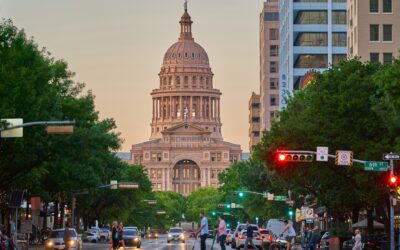
Austin Police Release Bodycam Footage: Sixth Street Mass Shooting
The Austin Police Department (APD) has released new body camera footage, 911 recordings, and radio traffic related to the deadly mass shooting on West Sixth Street that occurred in the early hours of Sunday, March 1, 2026. The release, shared during a press briefing on Thursday, offers a sobering look at the rapid response of officers who confronted and neutralized the gunman, 53-year-old Ndiaga Diagne, within minutes of the initial attack. Inside the Response The footage details the chaotic moments beginning around 1:58 a.m., when Diagne drove past Buford’s Backyard Beer Garden, turned on his hazard lights, and began firing a semi-automatic pistol from his SUV at patrons on the patio and sidewalk. According to Austin Police Chief Lisa Davis, officers were already stationed in the downtown entertainment district and responded within 57 seconds of the first emergency call. The video shows the suspect stopping his vehicle near West Sixth and Wood streets, exiting with an AR-15-style rifle, and firing at pedestrians. Officers located Diagne at 2:03 a.m. and engaged him after he fired in their direction. The suspect was fatally shot by responding officers at the scene. Updated Victim and Incident Information During Thursday’s briefing, officials updated the scale of the tragedy, reporting that a total of 18 people were struck by gunfire during the attack. The Fatalities: Three individuals lost their lives: 19-year-old Ryder Harrington, 21-year-old Savitha Shan, and 30-year-old Jorge Pederson, who succumbed to his injuries on Monday after being taken off life support. The Injured: Two victims remain hospitalized, with one in critical condition. Investigation Continues While the APD and the FBI continue to pore over hours of surveillance footage and witness interviews, the motive for the attack remains a central focus of the investigation. Federal authorities are probing a “potential nexus to terrorism,” citing indicators found on the suspect and in his vehicle, including clothing with religious references and an Iranian flag design. Police stated that Diagne, a naturalized U.S. citizen from Senegal, had no prior criminal interactions with the Austin Police Department. Investigators are currently examining his background and potential connections to any organized groups, though he is currently classified as a “lone actor.” The City of Austin continues to offer support through its Victim Assistance Center, providing resources for those affected by the trauma of the attack. Final Word The release of bodycam footage serves as a stark, transparent record of an event that has irrevocably altered the Austin community. When you look past the initial speculation and focus on the verified timeline provided by the APD—demonstrating the rapid, decisive response of officers—you gain a clearer picture of the split-second decisions that define modern public safety. Quality information replaces the noise of social media rumors with the clarity of official forensic evidence. It allows you to see this event as a tragic reality that requires careful investigation rather than hasty conclusion. By choosing to rely on verified updates from local and federal authorities, you align your perspective with the realities of the ongoing investigation and support a more informed, unified, and resilient community. Where Facts, Context, and Perspective Matter At The Modern Memo, our goal is simple: to provide clear, well-researched reporting in a media landscape that often feels overwhelming. We focus on substance over sensationalism, and context over commentary. If you value thoughtful analysis, transparent sourcing, and stories that go beyond the headline, we invite you to share our work. Informed conversations start with reliable information, and sharing helps ensure important stories reach a wider audience. Journalism works best when readers engage, question, and participate. By reading and sharing, you’re supporting a more informed public and a healthier media ecosystem. The Modern Memo may be compensated and/or receive an affiliate commission if you click or buy through our links. Featured pricing is subject to change. 📩 Love what you’re reading? Don’t miss a headline! Subscribe to The Modern Memo here!

Defending the Shield: NYPD Secures Arrest in Park Ambush While Mayor Minimized Violence Against Officers
In a victory for the rule of law over political posturing, the NYPD announced on Wednesday, February 25, 2026, the arrest of a primary suspect involved in a violent assault on officers in Central Park. The apprehension comes just days after a video of the encounter went viral, sparking national outrage—not only for the brazenness of the attack but for the dismissive response from City Hall. At The Modern Memo, we analyze the disconnect between the “street reality” faced by our officers and the rhetoric of Mayor Zohran Mamdani, the failure of the “snowball fight” narrative, and the renewed call for a “Broken Windows” resurgence in the Big Apple. The Arrest: Taking Down a Known Aggressor The NYPD’s Warrant Squad tracked down 22-year-old Malik Richardson in a Bronx apartment early Wednesday morning. Richardson is facing felony charges of Assault on a Police Officer, Menacing, and Criminal Possession of a Weapon. The Evidence: Bodycam footage and third-party cell phone video clearly show Richardson and a group of several others surrounding two NYPD officers during the height of Monday’s historic blizzard. The Weaponry: While the Mayor initially suggested the exchange was playful, the footage shows Richardson hurling a frozen block of ice at an officer’s head at close range, followed by a physical struggle where he attempted to disarm an officer of his radio. Prior Record: Police sources confirmed Richardson was out on “supervised release” for a prior robbery charge—a testament to the ongoing failure of New York’s controversial bail reform laws. The “Snowball” Spin: Mamdani Under Fire The arrest has intensified the scrutiny on Mayor Zohran Mamdani, whose initial comments on the incident were viewed by many in the rank-and-file as a “betrayal” of the department. The Quote: When asked about the footage on Monday, Mamdani told reporters, “Let’s keep perspective. It’s a snow day. What we saw was a high-spirited snowball fight that perhaps got a little out of hand.” The Reality: One of the officers involved was treated for a concussion and a facial laceration. NYPD Commissioner Edward Caban fired back during the arrest announcement, stating, “There is nothing high-spirited about a felony assault. Our officers were targeted, and we will not allow a ‘snowball fight’ narrative to mask criminal intent.” The Backlash: Law enforcement unions, including the PBA, have called for a formal apology from the Mayor, arguing that his rhetoric emboldens criminals to believe that attacking the uniform carries no social or legal consequences. The “Broken Windows” Demand The incident has reignited a debate over the “de-policing” of New York City’s parks and public squares under the current administration’s “de-escalation first” policies. Erosion of Order: Critics argue that when the city’s leadership minimizes assaults on police, it signals a “green light” for smaller infractions to escalate into major violence. The Federal Lens: The Trump administration’s DOJ has reportedly been monitoring the situation in NYC. Sources suggest that if the city continues to fail in its “Basic Order” mandates, federal grants for “community policing” could be redirected toward direct federal enforcement task forces. Final Word The arrest of Malik Richardson isn’t just a win for the NYPD; it is a rebuke of a political class that chooses “optics” over the safety of those who protect us. When you look past the Mayor’s “snowball” spin and focus on the data of a concussed officer and a repeat offender back on the streets, you gain a clearer picture of the struggle to maintain civilization in our cities. Quality information replaces the noise of political gaslighting with the clarity of criminal charges and forensic evidence. It allows you to see this event as a critical moment for the restoration of respect for law enforcement. By choosing to follow the facts of the NYPD’s investigation rather than the sanitized versions from City Hall, you align your perspective with the realities of public safety and support a more informed, resilient New York. Where Facts, Context, and Perspective Matter At The Modern Memo, our goal is simple: to provide clear, well-researched reporting in a media landscape that often feels overwhelming. We focus on substance over sensationalism, and context over commentary. If you value thoughtful analysis, transparent sourcing, and stories that go beyond the headline, we invite you to share our work. Informed conversations start with reliable information, and sharing helps ensure important stories reach a wider audience. Journalism works best when readers engage, question, and participate. By reading and sharing, you’re supporting a more informed public and a healthier media ecosystem. The Modern Memo may be compensated and/or receive an affiliate commission if you click or buy through our links. Featured pricing is subject to change. 📩 Love what you’re reading? Don’t miss a headline! Subscribe to The Modern Memo here!

Grocery Relief: USDA Moves to Slash Red Tape and Accelerate Food Production
In a major win for American consumers facing high grocery bills, the U.S. Department of Agriculture (USDA) announced a sweeping plan this morning to deregulate “line speed” restrictions in poultry and pork processing plants. The move, spearheaded by Secretary Brooke Rollins, aims to dismantle decades of “Washington-imposed bottlenecks” that have stifled productivity and inflated the cost of meat across the country. At The Modern Memo, we analyze the administration’s “Freedom Framework,” the science behind the efficiency surge, and the struggle between industrial modernization and labor union opposition. Breaking the Bottleneck: The Rollins Directive Secretary Rollins officially proposed the updates to federal line speed regulations for establishments operating under modernized inspection systems. For years, federal caps have limited how many animals can be processed per minute, regardless of a plant’s technological capacity or safety record. Ending the Patchwork: The new proposal replaces a confusing system of temporary waivers and pilot programs with a predictable, long-term federal standard. Poultry Acceleration: Modernized plants can now move beyond the previous 140 birds-per-minute cap, matching the 175 bpm standard successfully used in many international markets. Pork Efficiency: Swine facilities will be empowered to operate at speeds supported by their specific equipment and food safety performance, effectively removing the 1,106-head-per-hour “speed limit.” Inspector Authority: Under the new rules, FSIS federal inspectors maintain full authority to slow or stop lines if they identify a safety risk, ensuring that speed never comes at the cost of the “highest food safety standards.” The Economic Impact: Lowering the “Grocery Tax” The administration is framing this deregulation as a direct attack on inflation. By allowing plants to operate at full capacity, the USDA expects a significant drop in production costs that should translate to savings for the average household. Cost Savings for Producers: Industry groups like the National Pork Producers Council have noted that artificial speed caps can cost producers nearly $10 per head in lost efficiency. Supply Chain Resilience: Faster processing means more product on shelves and a more responsive supply chain that can better weather demand spikes. Global Competitiveness: Secretary Rollins emphasized that America must lead the world in production, stating: “We are committed to ensuring our producers remain competitive on a global scale without being held back by unnecessary bureaucracy.” The “Workplace Safety” Debate While the industry applauds the efficiency, labor groups like the United Food and Commercial Workers (UFCW) have voiced concerns that the faster pace will lead to increased worker injuries, such as carpal tunnel and musculoskeletal disorders. The Scientific Counter-Argument: The USDA cited multiple internal and third-party studies showing no statistically significant link between increased line speeds and workplace injury rates. Instead, the studies suggest that injuries are more closely tied to staffing levels and ergonomic training rather than the speed of the line itself. Streamlining Paperwork: As part of the rollout, the USDA is also removing “redundant” worker safety reporting requirements that fall outside its statutory authority, allowing businesses to focus on production rather than filing duplicate paperwork with multiple agencies. “Make America Healthy Again” Integration In a move that aligns with the administration’s broader “Make America Healthy Again” initiative, the USDA noted that these modernized lines often utilize advanced automation that is more sanitary than traditional, manual-heavy processing. Secretary Rollins, alongside HHS Secretary Robert F. Kennedy Jr., has previously signaled that modernization is key to providing “nutritious, wholesome, and affordable” food. By empowering domestic producers to scale up, the administration seeks to reduce the nation’s reliance on foreign imports while keeping costs low for working families. Final Word Staying informed on the USDA’s move to accelerate our food supply isn’t just about tracking a policy shift—it plays a powerful role in your understanding of the total effort to dismantle the “administrative state” and lower your cost of living. When you look past the noise of labor union rhetoric and focus on the data of “123 Agreement”-style efficiency and the removal of outdated bottlenecks, you gain a clearer picture of the path toward economic restoration. Quality information replaces the anxiety of rising prices with the clarity of deregulatory benchmarks and production stats. It allows you to see this move not as “reckless,” but as a necessary correction to decades of federal overreach. By choosing to follow the facts of the Rollins directive rather than the spin of the professional critics, you align your perspective with the realities of a modern, efficient America and support a more informed, resilient food future. Where Facts, Context, and Perspective Matter At The Modern Memo, our goal is simple: to provide clear, well-researched reporting in a media landscape that often feels overwhelming. We focus on substance over sensationalism, and context over commentary. If you value thoughtful analysis, transparent sourcing, and stories that go beyond the headline, we invite you to share our work. Informed conversations start with reliable information, and sharing helps ensure important stories reach a wider audience. Journalism works best when readers engage, question, and participate. By reading and sharing, you’re supporting a more informed public and a healthier media ecosystem. The Modern Memo may be compensated and/or receive an affiliate commission if you click or buy through our links. Featured pricing is subject to change. 📩 Love what you’re reading? Don’t miss a headline! Subscribe to The Modern Memo here!

Justice Served: Routh Sentenced to Life for Attempted Assassination of President Trump
In a decisive victory for the rule of law and the security of our republic, a federal judge in Florida sentenced Ryan Wesley Routh to life in prison today. The sentencing marks the final chapter in the legal proceedings following Routh’s chilling attempt to assassinate President Trump at his West Palm Beach golf club in September 2024. At Modern Memo, we examine the severity of the sentence, the evidence of Routh’s meticulous planning, and the administration’s firm stance against political violence. The Sentence: Life Without Parole Plus Seven Years On Wednesday, February 4, 2026, U.S. District Judge Aileen M. Cannon handed down a sentence of life in federal prison, plus an additional 84 months for related firearms offenses. Routh, 59, was convicted by a federal jury in September 2025 on all five counts, including: Attempted assassination of a major presidential candidate. Using a firearm in furtherance of a violent crime. Assaulting a federal officer. Possession of a firearm as a convicted felon. Possession of a firearm with an obliterated serial number. During the hearing, Judge Cannon described Routh’s plot as “deliberate and evil,” dismissing his claims of peaceful intent. “You are not a peaceful man. You are not a good man,” she remarked before finalizing the order that ensures Routh will never again walk free. A “Despicable Attack” on Democracy The administration’s top law enforcement officials lauded the sentence as a necessary deterrent against the rising tide of political extremism. Attorney General Pamela Bondi: Stated that the sentence is a “resounding rejection of political violence,” characterizing Routh’s actions as an “affront to our very nation itself.” FBI Director Kash Patel: Called the plot a “despicable attack on our democratic system,” emphasizing that the high price Routh is paying serves as a warning that such heinous acts will not be tolerated. Evidence of Meticulous Planning Prosecutors presented a mountain of evidence detailing Routh’s months-long obsession with the President. This was not a spontaneous act of a confused individual, but a “carefully crafted and deadly serious” mission. The Standoff: On September 15, 2024, Routh lay in wait for nearly 10 hours in thick shrubbery along the golf course fence line. The Arsenal: He was discovered with an AK-style rifle, body armor, and a video camera aimed at the course, ready to record the assassination. The “Bounty”: In a pre-written letter addressed to “The World,” Routh apologized for “failing” to kill the President and offered a $150,000 reward to anyone else who could “finish the job.” Remorseless to the End Throughout the trial and sentencing, Routh remained unrepentant. He famously attempted to represent himself, leading to what Judge Cannon called a “disrespectful charade” of the court. Even after the guilty verdict was read in September, Routh attempted to stab himself in the neck with a pen, requiring U.S. Marshals to physically restrain him. Federal prosecutors emphasized that Routh never apologized for the lives he put at risk—including the Secret Service agents who stood in his line of fire—demonstrating a “near-total disregard for the law.” Final Word Staying informed on the outcome of this historic trial isn’t just about the headlines—it plays a powerful role in your understanding of national security and the protection of the presidency. When you look past the noise of the courtroom drama and focus on the data of the sentencing, you gain a clearer picture of the resolve required to maintain order in a free society. Quality information replaces the uncertainty of political unrest with the clarity of a final judgment. It allows you to see this life sentence not just as a punishment for one man, but as a safeguard for the democratic process itself. By choosing to follow the facts of the case rather than the rhetoric of the defense, you align your perspective with the realities of justice and support a more informed, resilient nation. Where Facts, Context, and Perspective Matter At The Modern Memo, our goal is simple: to provide clear, well-researched reporting in a media landscape that often feels overwhelming. We focus on substance over sensationalism, and context over commentary. If you value thoughtful analysis, transparent sourcing, and stories that go beyond the headline, we invite you to share our work. Informed conversations start with reliable information, and sharing helps ensure important stories reach a wider audience. Journalism works best when readers engage, question, and participate. By reading and sharing, you’re supporting a more informed public and a healthier media ecosystem. The Modern Memo may be compensated and/or receive an affiliate commission if you click or buy through our links. Featured pricing is subject to change. 📩 Love what you’re reading? Don’t miss a headline! Subscribe to The Modern Memo here!