

U.S. News

Tragedy in Shreveport: Community Reels After Father Kills 7 Children, 1 Adult in Horrific Domestic Attack
The city of Shreveport, Louisiana, is in a state of profound mourning today, April 20, 2026, following one of the most devastating domestic massacres in state history. Authorities are expected to hold a press conference this afternoon to provide a formal timeline and details surrounding the Sunday night rampage of Shamar Elkins, who killed eight people—including seven of his own children—before dying in a final confrontation with law enforcement. At The Modern Memo, we analyze the details of the domestic crisis, the brave response of the Shreveport Police Department (SPD), and the urgent conversation regarding domestic violence intervention and family safety. A Scene of Unimaginable Loss The horror began on Sunday evening at a residence in a quiet Shreveport neighborhood. According to preliminary police reports, Elkins opened fire inside the home during a domestic dispute that turned catastrophically violent. The Victims: First responders discovered the bodies of seven children, all confirmed to be Elkins’ offspring, along with one additional adult at the scene. The ages of the children have not yet been officially released, but neighbors described the family as having several young children frequently seen playing in the area. The Carjacking: Following the shootings, Elkins fled the scene and reportedly carjacked a vehicle at gunpoint, triggering a massive regional manhunt that involved multiple agencies and K-9 units. The Final Standoff: Accountability at the End of a Gun The pursuit ended late Sunday night when Shreveport officers and state troopers located the stolen vehicle. Rather than surrendering, Elkins reportedly engaged officers in a final, desperate confrontation. Officer-Involved Shooting: Authorities confirmed that Elkins was killed during the exchange of gunfire with police. No officers were reported injured in the shootout. The Investigation: Because the suspect was killed by law enforcement, the Louisiana State Police (LSP) will likely lead the investigation into the shooting aspect of the case, while the Shreveport Police Department continues to untangle the motives behind the initial domestic murders. The Afternoon Press Conference: What to Expect City officials, including the Shreveport Chief of Police and Mayor, are expected to address the media later today. A Timeline of Terror: Investigators are expected to release a more precise chronological order of events, including the 911 calls that first alerted authorities to the domestic disturbance. The Support Network: The press conference is also expected to focus on community resources. In the wake of such an overwhelming tragedy, city leaders are calling for an increase in mental health and domestic violence support services to prevent “silent” crises from erupting into public tragedies. Final Word The massacre in Shreveport is a sobering reminder that the greatest threats to our safety are often hidden behind closed doors. When you look past the shock of the “breaking news” and focus on the data—the loss of eight innocent lives and the swift, decisive response of law enforcement—you gain a clearer picture of a community that must now find a way to heal. Quality information replaces the sensationalism of the “carjack pursuit” with the reality of a broken family and a failed safety net. It allows you to see that while the suspect can no longer harm the public, the scars left on this neighborhood will require years of attention. By choosing to face this tragedy with clarity, Shreveport is proving that even in its darkest hour, the rule of law and the sanctity of life remain its guiding lights. Where Facts, Context, and Perspective Matter At The Modern Memo, our goal is simple: to provide clear, well-researched reporting in a media landscape that often feels overwhelming. We focus on substance over sensationalism, and context over commentary. If you value thoughtful analysis, transparent sourcing, and stories that go beyond the headline, we invite you to share our work. Informed conversations start with reliable information, and sharing helps ensure important stories reach a wider audience. Journalism works best when readers engage, question, and participate. By reading and sharing, you’re supporting a more informed public and a healthier media ecosystem. The Modern Memo may be compensated and/or receive an affiliate commission if you click or buy through our links. Featured pricing is subject to change. 📩 Love what you’re reading? Don’t miss a headline! Subscribe to The Modern Memo here!

“Zone of Secrecy”: School District’s Gender Policy Slammed for ‘Deception’ After Landark SCOTUS Ruling
A local school district is facing a fierce backlash and formal complaints this week as parents and advocates demand the immediate repeal of policies that allow—and in some cases require—staff to withhold information about a student’s “social transition” from their families. The controversy has reached a fever pitch following a pivotal Supreme Court (SCOTUS) decision in March that effectively dismantled the legal shield used by districts to justify these “non-disclosure” mandates. At The Modern Memo, we analyze the “pipeline of secrecy” being exposed by religious parents, the fallout from the Mirabelli v. Bonta ruling, and why the era of government-mandated deception in the classroom is coming to an end. The Complaint: Fostering a “Culture of Deception” The latest legal challenge, filed on behalf of a group of concerned families, argues that the district’s policy—which allows students to change names and pronouns at school without parental notification—is not a matter of “privacy,” but a systematic effort to deceive parents. The “Secret Transition” Protocol: Under current guidelines, teachers are instructed to use a student’s preferred identity during school hours but revert to their legal name and biological pronouns when communicating with parents. The “Lying” Mandate: “This isn’t just about privacy; it’s about forcing public employees to lie to the people who pay their salaries and raise these children,” a representative for the parents stated. Institutional Distrust: Critics argue that these policies create a “zone of secrecy” that severs the essential bond between the school and the home, casting parents as a threat to be managed rather than the primary stakeholders in their children’s lives. The SCOTUS Shadow: Mirabelli v. Bonta The legal ground shifted dramatically on March 2, 2026, when the Supreme Court issued a 6-3 ruling in Mirabelli v. Bonta. The Court reinstated an injunction against California’s state-wide policy that barred schools from informing parents about gender identity changes. Free Exercise Victory: The high court found that such “secrecy” policies likely violate the First Amendment’s Free Exercise Clause, as they interfere with the religious rights of parents to raise their children in accordance with their beliefs about sex and gender. Due Process and Mental Health: The majority opinion also invoked the 14th Amendment, stating that parents cannot be “shut out” of decisions regarding their children’s mental health. The Court noted that because gender dysphoria is a significant health condition, schools have no right to facilitate a “social transition” while keeping the “primary protectors of children”—the parents—in the dark. Strict Scrutiny: Following the precedent set in Mahmoud v. Taylor (2025), the Court signaled that any state policy that “substantially interferes” with parental rights must meet the highest level of legal scrutiny—a bar California and other liberal districts have so far failed to clear. The “Medical Pipeline” Concern For many parents, the issue goes beyond names and pronouns. The complaint highlights a growing concern that school-led “affirmation” is the first step in a medicalized pipeline. Social to Medical: Advocates argue that when schools “socially transition” a child without parental involvement, they are performing a psychological intervention that often leads directly to referrals for puberty blockers and cross-sex hormones at external clinics. The “Varian” Warning: The complaint points to recent $2 million jury verdicts against medical providers for “fast-tracking” transitions, suggesting that schools that facilitate secret transitions are exposing themselves to massive constitutional and civil liability. Final Word The “deception” policies currently under fire are a relic of an era when school boards believed they could replace the family unit. When you look past the noise of “student privacy” and focus on the data—the SCOTUS ruling in March and the growing mountain of lawsuits from parents who were lied to—you gain a clearer picture of a legal system finally returning to its roots. Quality information replaces the “expert-only” narrative with the reality of fundamental parental rights. It allows you to see that a school’s job is to educate, not to serve as a secret laboratory for social engineering. By choosing to stand with the Supreme Court, parents are ensuring that the door to their children’s lives is no longer locked from the inside by bureaucrats. Where Facts, Context, and Perspective Matter At The Modern Memo, our goal is simple: to provide clear, well-researched reporting in a media landscape that often feels overwhelming. We focus on substance over sensationalism, and context over commentary. If you value thoughtful analysis, transparent sourcing, and stories that go beyond the headline, we invite you to share our work. Informed conversations start with reliable information, and sharing helps ensure important stories reach a wider audience. Journalism works best when readers engage, question, and participate. By reading and sharing, you’re supporting a more informed public and a healthier media ecosystem. The Modern Memo may be compensated and/or receive an affiliate commission if you click or buy through our links. Featured pricing is subject to change. 📩 Love what you’re reading? Don’t miss a headline! Subscribe to The Modern Memo here!

Homecoming of Heroes: Artemis II Crew Nears Pacific Splashdown After Record-Breaking Lunar Voyage
The eyes of the nation are fixed on the Pacific horizon today, April 10, 2026, as the Orion spacecraft, aptly named Integrity, prepares for a high-stakes splashdown off the coast of San Diego. After a historic 10-day mission that took humanity further into the cosmos than ever before, Commander Reid Wiseman and his crew are in the final hours of their journey home. At The Modern Memo, we analyze the harrowing “skip entry” physics of re-entry, the recovery operations led by the U.S. Navy, and why this mission’s success is a definitive victory for American space dominance. The Final Descent: 25,000 MPH and 5,000 Degrees The most dangerous phase of the mission begins tonight. At 7:53 p.m. EDT, the Orion capsule will hit the Earth’s atmosphere at a staggering 24,800 mph (roughly Mach 32). The Heat Shield Test: The spacecraft’s 16.5-foot heat shield will face temperatures up to 5,000°F—half as hot as the surface of the sun. Following the minor charring issues observed during the uncrewed Artemis I flight, NASA engineers have optimized a “skip entry” trajectory to dissipate heat more effectively before the final descent. The Blackout Period: For several minutes, a sheath of superheated plasma will surround the capsule, causing a total communications blackout. During this “white-knuckle” window, the world will wait for the first signal that the parachutes have successfully deployed. The Chute Sequence: At approximately 8:04 p.m. EDT, Orion will unfurl its three massive main parachutes, slowing the craft from hundreds of miles per hour to a gentle 20 mph for splashdown. Recovery Operations: The USS John P. Murtha Stands Ready The U.S. Navy is already on-station 50 to 70 miles off the coast of Arte, ready to retrieve the first lunar explorers of the 21st century. Elite Recovery Teams: The USS John P. Murtha, an amphibious transport dock, is leading the operation. Navy divers and NASA recovery specialists will secure the capsule while it is still in the water before extracting the crew via MH-60S Sea Hawk helicopters. Health First: Once aboard the ship, the four-person crew—Reid Wiseman, Victor Glover, Christina Koch, and Jeremy Hansen—will undergo immediate medical evaluations. After 10 days in microgravity, the return to Earth’s 1G environment is a significant physical challenge. A San Diego Welcome: The crew is expected to be flown to Naval Base San Diego before returning to NASA’s Johnson Space Center in Houston for a hero’s welcome. A Legacy Refined: Breaking the Apollo 13 Record While the splashdown marks the end of the flight, the data collected during this mission has already rewritten the record books. Farthest from Home: On April 6, the crew reached a maximum distance of 252,756 miles from Earth—shattering the 56-year-old record held by the Apollo 13 crew. The Path to 2027: The perfection of Artemis II’s systems—from the life support to the manual piloting demonstrations performed yesterday—clears the “red tape” for Artemis III, the mission that will return Americans to the lunar surface in 2027. Final Word The return of Artemis II is the ultimate validation of the “America First” space agenda. When you look past the noise of “scientific exploration” and focus on the data—the Mach 32 re-entry, the shattering of the deep-space distance record, and the flawless performance of the SLS rocket—you gain a clearer picture of a nation that has reclaimed its role as the undisputed leader of the high ground. Quality information replaces the memory of the “lost decades” with the reality of a new, aggressive lunar era. It allows you to see this splashdown not as an ending, but as the final rehearsal for a permanent American presence on the Moon. By choosing to celebrate this homecoming today, you align your perspective with the reality that the stars are no longer just for looking at—they are for reaching. Where Facts, Context, and Perspective Matter At The Modern Memo, our goal is simple: to provide clear, well-researched reporting in a media landscape that often feels overwhelming. We focus on substance over sensationalism, and context over commentary. If you value thoughtful analysis, transparent sourcing, and stories that go beyond the headline, we invite you to share our work. Informed conversations start with reliable information, and sharing helps ensure important stories reach a wider audience. Journalism works best when readers engage, question, and participate. By reading and sharing, you’re supporting a more informed public and a healthier media ecosystem. The Modern Memo may be compensated and/or receive an affiliate commission if you click or buy through our links. Featured pricing is subject to change. 📩 Love what you’re reading? Don’t miss a headline! Subscribe to The Modern Memo here!

The Trump Dividend: Oil Prices Crater 13% as “Maximum Pressure” Reopens the Strait
In a massive win for the American consumer and a devastating blow to global inflation, global oil benchmarks plummeted by over 13% overnight. The historic collapse in prices follows the ratification of the “Islamabad Accord,” a two-week ceasefire that has successfully forced the reopening of the Strait of Hormuz—the world’s most critical energy artery. At The Modern Memo, we analyze the “Peace Through Strength” market surge, the end of the Iran war premium, and why this price drop is the ultimate validation of the administration’s energy sovereignty strategy. The Great Reset: Crude Below $95 The announcement of the ceasefire sent shockwaves through the trading floors in London and New York. Brent Crude and West Texas Intermediate (WTI), which had been flirting with the $115 mark during the height of the “Operation Epic Fury” strikes, fell into the low $90s within hours of the deal being signed. Ending the Blockade: The reopening of the Strait of Hormuz by the U.S.-Israeli coalition removes the “geopolitical risk premium” that has haunted global markets since the conflict began. The “Peace Dividend”: Market analysts at Goldman Sachs and Morgan Stanley noted that the 13% drop is one of the largest single-day movements in history, representing a massive shift in global liquidity toward the West. Supply Surge: With the threat of Iranian mine-laying neutralized by U.S. carrier groups, millions of barrels of oil that were “floating” in tankers off the coast of Oman are now flooding into the global supply chain. Victory for the Pump: Relief for American Families President Trump was quick to highlight the impact on domestic fuel prices, characterizing the market crash as a “massive tax cut” for the American people. Gas Prices Retreat: Internal projections suggest that if the Islamabad Accord holds, the national average for a gallon of gas could drop by as much as $0.45 to $0.60 within the next ten days. Crushing Inflation: Lower energy costs act as a “reverse-multiplier” on inflation, lowering the cost of logistics, farming, and manufacturing across the board. Strategic Leverage: The President pointed out that while the U.S. remains the world’s top energy producer, the stabilization of global lanes ensures that American exports remain competitive and the domestic economy remains “bulletproof” against foreign blackmail. The “Weakened Regime” Reality The price plunge isn’t just a win for the U.S.; it’s a strategic nightmare for the Islamic Republic, which relies on high oil prices and “black market” premiums to fund its regional proxies. Drying Up the War Chest: Every dollar oil drops is a dollar less that the IRGC has to spend on Hezbollah or the Houthis. By forcing the price down, the Trump administration is effectively de-funding the regime’s military capabilities from the outside in. The “Liquid Gold” Doctrine: Secretary of State Marco Rubio noted that the administration’s commitment to “unleashing American energy” has ensured that the U.S. is no longer at the mercy of OPEC+ or rogue state volatility. Final Word The 13% plunge in oil prices is the definitive metric of a conflict won. When you look past the noise of “diplomatic nuance” and focus on the data—the cratering of crude prices and the reopening of the world’s most vital waterway—you gain a clearer picture of an administration that understands how to use military might to secure economic stability. Quality information replaces the fear of a “recession-driving war” with the reality of a “strength-driven boom.” It allows you to see this price drop not as a market fluke, but as the inevitable result of a superpower finally acting like one. By choosing to support energy dominance, you align your perspective with the reality that a strong America means a cheaper, safer world. Where Facts, Context, and Perspective Matter At The Modern Memo, our goal is simple: to provide clear, well-researched reporting in a media landscape that often feels overwhelming. We focus on substance over sensationalism, and context over commentary. If you value thoughtful analysis, transparent sourcing, and stories that go beyond the headline, we invite you to share our work. Informed conversations start with reliable information, and sharing helps ensure important stories reach a wider audience. Journalism works best when readers engage, question, and participate. By reading and sharing, you’re supporting a more informed public and a healthier media ecosystem. The Modern Memo may be compensated and/or receive an affiliate commission if you click or buy through our links. Featured pricing is subject to change. 📩 Love what you’re reading? Don’t miss a headline! Subscribe to The Modern Memo here!

Decades of Mystery Solved: DNA Definitively Links Ted Bundy to 1974 Murder of Laura Ann Aime
In a chilling breakthrough over 50 years in the making, law enforcement officials in Utah announced on Wednesday, April 1, 2026, that DNA evidence has definitively identified serial killer Ted Bundy as the murderer of 17-year-old Laura Ann Aime. While Bundy had long been a suspect and even confessed to the crime before his 1989 execution, the case had remained officially “unsolved” due to a lack of physical proof—until now. At The Modern Memo, we analyze the forensic technology that cracked the case, the details of the 1974 disappearance, and why this “cold case” closure matters for the rule of law and the families of Bundy’s many victims. The Disappearance: A Halloween Night Tragedy On October 31, 1974, Laura Ann Aime left a Halloween party in Utah County alone, intending to buy items from a nearby convenience store. She never returned. The Discovery: A month later, on Thanksgiving Day, two hikers found Aime’s body in the American Fork Canyon. She had been beaten, bound, and strangled with a nylon stocking. The Modus Operandi: Investigators at the time noted that the manner of death was strikingly similar to other Bundy victims, but discrepancies in the evidence led the Utah County Attorney’s Office to decline his verbal confession in the late 1980s. A Free Spirit Lost: Aime’s family remembers her as an outgoing “free spirit” who loved the outdoors and riding horses. Her sister, Michelle Impala, spoke at Wednesday’s news conference, thanking the media and police for “even caring” after five decades. The Forensic Breakthrough: Genetic Certainty The closure of this case was made possible by the Utah Bureau of Forensic Services, utilizing new extraction technology acquired in 2023. Advanced Extraction: The new technology allows investigators to pull usable DNA from samples that are extremely small, degraded by age, or contain DNA from multiple people. The Match: Forensic analysts were able to isolate a single male DNA profile from evidence carefully preserved since 1974. When submitted to the national database, it returned an irrefutable match for Ted Bundy. A Database for Justice: Commissioner Beau Mason of the Utah Department of Public Safety noted that this full DNA profile can now be used by other agencies across the country to investigate other long-suspected Bundy cold cases. The Shadow of a Monster: A Legal Post-Mortem At the time of Aime’s murder, Bundy was a law student at the University of Utah, a “charming” façade that allowed him to move through society undetected while committing at least 30 murders across seven states. Beyond a Reasonable Doubt: For decades, the Utah County Sheriff’s Office refused to close the file based solely on Bundy’s verbal admission. They maintained that the available investigative science of the 1980s would not have secured a conviction. Healing, Not Closure: Sgt. Mike Reynolds stated that while they cannot offer the family “closure,” they hope this provides a form of “healing.” The announcement underscores the importance of meticulously preserving evidence, even when a suspect is already dead. Final Word The identification of Ted Bundy as Laura Ann Aime’s killer is a testament to the persistence of modern forensics over the passage of time. When you look past the true-crime fascination and focus on the data—the 51-year-old preserved evidence, the 2023 DNA extraction technology, and the definitive database match—you gain a clearer picture of why the pursuit of justice never truly expires. Quality information replaces the myth of the “charming” killer with the reality of a brutal predator finally held accountable by the very science he could not escape. By choosing to support the continued funding of cold-case units, you align your perspective with the belief that every victim deserves a definitive answer. Where Facts, Context, and Perspective Matter At The Modern Memo, our goal is simple: to provide clear, well-researched reporting in a media landscape that often feels overwhelming. We focus on substance over sensationalism, and context over commentary. If you value thoughtful analysis, transparent sourcing, and stories that go beyond the headline, we invite you to share our work. Informed conversations start with reliable information, and sharing helps ensure important stories reach a wider audience. Journalism works best when readers engage, question, and participate. By reading and sharing, you’re supporting a more informed public and a healthier media ecosystem. The Modern Memo may be compensated and/or receive an affiliate commission if you click or buy through our links. Featured pricing is subject to change. 📩 Love what you’re reading? Don’t miss a headline! Subscribe to The Modern Memo here!

The Common Sense Surge: Viral Interviews Reveal Travelers’ Relief at ICE Airport Deployment
While the mainstream media and “sanctuary” advocates scramble to frame the President’s latest security move as “dystopian,” a wave of viral bystander interviews is telling a very different story. As Immigration and Customs Enforcement (ICE) agents began arriving at 14 major U.S. hubs this week to backstop a thinning TSA frontline, the “fear and chaos” predicted by critics has been replaced by something far more practical: gratitude from travelers who are tired of being held hostage by a budget stalemate. At The Modern Memo, we analyze the viral “Vegas Interview” that sparked the conversation, the operational reality of ICE’s supporting role, and why the public is prioritizing moving lines over partisan optics. The Clip Seen ‘Round the Web: “They’re Actually Helping” The conversation shifted over the weekend when a viral TikTok from Harry Reid International (LAS) captured a group of travelers in a four-hour security queue reacting to the arrival of five uniformed ICE agents. The Traveler Consensus: In the video, which has amassed over 8 million views, a traveler named Linda from Arizona points to an agent assisting with stanchion management. “Look, I don’t care what their patch says,” she tells the interviewer. “I’ve been here since 4:00 AM. If they can help move this line and keep us safe while the TSA is out, I’m all for it. They’re actually helping.” Dispelling the “Fear” Narrative: Despite claims from the ACLU that armed agents would “inspire fear,” the footage shows travelers high-fiving agents and asking for selfies. For the average American family trying to make a Spring Break flight, the presence of a federal officer—any federal officer—is a welcome sign of order. Operational Reality: “Force Multipliers,” Not Screeners A key point of contention has been whether ICE agents are “trained” for aviation security. Border Czar Tom Homan cleared the air this Sunday, clarifying that the deployment is a strategic “backfill” rather than a replacement of technical skill. Crowd Control & Perimeter: ICE agents are not operating X-ray machines or magnetometers—tasks that remain with the certified TSA personnel still on duty. Instead, they are serving as “force multipliers” for crowd control, line monitoring, and terminal patrols. The “Water Bottle” Diplomacy: White House-promoted videos—and subsequent viral bystander clips—have shown ICE agents handing out water to those in long lines and even holding spots for parents who need to take children to the restroom. It is a level of “service-oriented” security that critics didn’t anticipate. Relieving the Pressure: By taking over the “low-skill, high-labor” tasks of line management, the remaining TSA staff can focus entirely on the technical screening process, which has already led to a measurable decrease in wait times at JFK and O’Hare. The Political Backfire: Why the “Hostage” Strategy Failed The deployment of ICE was a direct response to a “call-out” rate that topped 11% nationwide as TSA officers faced their second month without pay. By utilizing a “currently funded” force like ICE, the President effectively neutralized the leverage of the shutdown. Bypassing the Gridlock: Democrats like Sen. Cory Booker have called the move “bizarre,” but for the administration, it is a simple matter of resource management. If the TSA is short-staffed, you move the available professionals to where they are needed most. The “90%” Posture: With the administration also claiming massive success in neutralizing external threats abroad, the focus has shifted to internal stability. Keeping airports open is seen as a “victory for the traveler” that prevents the DHS shutdown from becoming a national economic paralysis. Final Word The viral reaction to ICE at our airports proves that the American public has a much higher threshold for “common sense” than the political class gives them credit for. When you look past the noise of “militarization” labels and focus on the data—the decreasing wait times and the positive traveler feedback—you gain a clearer picture of a successful emergency measure. Quality information replaces the rhetoric of “police states” with the reality of an administration that refuses to let a budget fight stop the country from moving. It allows you to see this deployment not as a threat, but as a necessary bridge to stability. By choosing to support the “boots on the ground,” you align your perspective with the thousands of travelers who just want to get home safely and on time. Where Facts, Context, and Perspective Matter At The Modern Memo, our goal is simple: to provide clear, well-researched reporting in a media landscape that often feels overwhelming. We focus on substance over sensationalism, and context over commentary. If you value thoughtful analysis, transparent sourcing, and stories that go beyond the headline, we invite you to share our work. Informed conversations start with reliable information, and sharing helps ensure important stories reach a wider audience. Journalism works best when readers engage, question, and participate. By reading and sharing, you’re supporting a more informed public and a healthier media ecosystem. The Modern Memo may be compensated and/or receive an affiliate commission if you click or buy through our links. Featured pricing is subject to change. 📩 Love what you’re reading? Don’t miss a headline! Subscribe to The Modern Memo here!

Courage Under Fire: Pentagon Awards Purple Hearts to ODU Cadets for Thwarting ISIS Attack
In a rare and solemn ceremony at the Pentagon, the Department of Defense has recognized the extraordinary heroism of two Old Dominion University (ODU) Army ROTC cadets. Today, Secretary of Defense Pete Hegseth awarded the Purple Heart to Cadets Jackson Reed and Marcus Thorne for their decisive actions in neutralizing a radicalized ISIS supporter who attempted to carry out a mass casualty event on the ODU campus last month. At The Modern Memo, we analyze the details of the thwarted attack, the historic nature of these awards for non-active duty personnel, and why the readiness of our future officer corps has never been more vital. The Incident: A “Soft Target” Turned Battleground The attempted attack occurred on February 14, 2026, during a crowded mid-day event at the ODU Student Union. Authorities identified the assailant as a 22-year-old self-radicalized individual who had pledged his “undying loyalty” to the Islamic State in a video posted just minutes before the assault. The Breach: Armed with a high-capacity semi-automatic rifle and wearing a tactical vest, the attacker entered the building and immediately opened fire. The Intervention: Cadets Reed and Thorne, who were in uniform and returning from a training exercise, did not hesitate. Despite being unarmed at the time, the two used their tactical training to flank the shooter. The Struggle: During a brutal hand-to-hand struggle to disarm the suspect, both cadets sustained significant injuries—Reed from a gunshot wound to the shoulder and Thorne from shrapnel and a severe knife wound. Their intervention allowed campus security to arrive and neutralize the threat, preventing what officials say would have been a “slaughter.” The Awards: Breaking Tradition for Bravery The decision to award the Purple Heart to ROTC cadets is statistically rare, as the decoration is typically reserved for members of the Armed Forces wounded or killed in action against an enemy of the United States. The Legal Justification: Under a 2015 policy expansion, the Pentagon can award the Purple Heart to service members attacked by foreign terrorist organizations on domestic soil. By recognizing the cadets, the Pentagon is formally classifying the ODU attack as an act of international terrorism. Secretary Hegseth’s Remarks: “These young men were not on a battlefield in the Middle East, but the enemy found them nonetheless,” Hegseth stated during the ceremony. “They responded with the grit and selfless service we expect from our most seasoned warriors. They are the personification of ‘Always Ready.’” The “ODU Two”: A New Generation of Leadership The heroism of Reed and Thorne has sparked a national conversation about the importance of military presence and training on American campuses. The “Guardian” Mindset: Supporters of the award argue that the presence of ROTC programs provides a “hidden layer of security” for universities. The cadets’ ability to maintain composure and execute small-unit tactics under extreme duress is being hailed as a triumph of modern military instruction. National Security at Home: The incident serves as a stark reminder that the war against radical Islamic extremism remains a domestic threat. While the U.S. military continues its operations abroad, the “ODU Two” proved that the frontline can appear anywhere, at any time. Final Word The recognition of Jackson Reed and Marcus Thorne is a victory for the values of courage and duty. When you look past the “campus tragedy” headlines and focus on the data—the speed of their reaction, the nature of the threat, and the Pentagon’s historic award—you gain a clearer picture of the caliber of the men and women entering our military. Quality information replaces the noise of “victimhood” with the clarity of “valor.” It allows you to see this event not just as a narrow escape, but as a definitive proof that the American spirit of the citizen-soldier is alive and well. By choosing to honor these cadets, you align your perspective with the reality that safety is often preserved by the few who are willing to run toward the sound of gunfire. Where Facts, Context, and Perspective Matter At The Modern Memo, our goal is simple: to provide clear, well-researched reporting in a media landscape that often feels overwhelming. We focus on substance over sensationalism, and context over commentary. If you value thoughtful analysis, transparent sourcing, and stories that go beyond the headline, we invite you to share our work. Informed conversations start with reliable information, and sharing helps ensure important stories reach a wider audience. Journalism works best when readers engage, question, and participate. By reading and sharing, you’re supporting a more informed public and a healthier media ecosystem. The Modern Memo may be compensated and/or receive an affiliate commission if you click or buy through our links. Featured pricing is subject to change. 📩 Love what you’re reading? Don’t miss a headline! Subscribe to The Modern Memo here!

Tragedy at LaGuardia: Pilot and Co-Pilot Killed in Runway Collision Amid Shutdown Strain
A devastating ground collision at New York’s LaGuardia Airport late Sunday night has left two pilots dead and dozens injured, paralyzed one of the nation’s busiest travel hubs, and raised urgent questions about aviation safety during the ongoing federal funding lapse. At The Modern Memo, we analyze the timeline of the Air Canada Express crash, the communication breakdown in the tower, and how a hollowed-out DHS workforce is struggling to maintain order under the pressure of a month-long shutdown. The Incident: A Fatal Miscalculation on Runway 4 Just before midnight on March 22, 2026, Air Canada Express Flight 8646—a Bombardier CRJ-900 operated by Jazz Aviation—was completing its arrival from Montreal. As the jet touched down and began to decelerate, it struck a Port Authority Aircraft Rescue and Firefighting (ARFF) vehicle at high speed. The Impact: The force of the collision crushed the nose of the aircraft and severed the cockpit. Tragically, both the pilot and the co-pilot were killed instantly. The Injury Count: Beyond the two fatalities, 41 people were transported to local hospitals. This included 39 individuals from the aircraft and the two officers inside the fire truck. While most have been released, nine remain hospitalized with serious injuries, including one passenger suffering from a brain bleed. The Miraculous Survival: In a harrowing detail, a flight attendant was reportedly ejected from the aircraft while still strapped to her jumpseat. Rescuers found her on the tarmac; she is currently in stable condition. The Tower Audio: “Stop, Stop, Stop!” Preliminary investigations and leaked Air Traffic Control (ATC) recordings suggest a catastrophic breakdown in runway coordination. The fire truck was responding to a separate emergency—a United Airlines flight reporting a suspicious odor—and had been granted permission to cross the active runway. Conflicting Clearances: Audio captures the moment a controller cleared the fire truck to “cross Four at Delta” just as the Air Canada flight was on its landing roll. The Frantic Correction: Seconds later, the same controller realized the impending disaster, shouting, “Stop, Truck 1, stop! Stop, stop, stop!” It was too late. Admission of Error: Roughly 20 minutes after the crash, the controller was heard on an open mic stating, “We were dealing with an emergency earlier… I messed up.” The Shutdown Context: A System at the Breaking Point While the NTSB has launched a full investigation, the crash occurred against the backdrop of a 37-day Department of Homeland Security (DHS) shutdown. The strain on the aviation system has moved from “inconvenience” to “lethal vulnerability.” Staffing Impacts: LaGuardia was already reeling from high TSA and FAA absenteeism as workers faced their second $0 paychecks this week. Fatigue and “minimalist” staffing levels in high-stress environments like ATC towers are now being scrutinized as contributing factors. The National Gridlock: With LaGuardia’s runways shuttered for nearly 15 hours, over 600 flights were canceled on Monday alone. The closure rippled through the East Coast, exacerbating a travel landscape already thinned by the funding impasse. Final Word The tragedy at LaGuardia is the nightmare scenario critics of the shutdown have feared. When you look past the official “accident” labels and focus on the data—the two dead pilots, the frantic tower recordings, and the exhausted, unpaid workforce—you gain a clearer picture of a national infrastructure in decline. Quality information replaces the noise of partisan finger-pointing with the reality of a system that cannot function on “essential” status alone. It allows you to see this crash not as an isolated mistake, but as a definitive warning that security and safety are the first casualties of political gridlock. By staying informed on the investigation’s findings, you align your perspective with the urgent need for a fully funded, fully focused defense of our skies. Where Facts, Context, and Perspective Matter At The Modern Memo, our goal is simple: to provide clear, well-researched reporting in a media landscape that often feels overwhelming. We focus on substance over sensationalism, and context over commentary. If you value thoughtful analysis, transparent sourcing, and stories that go beyond the headline, we invite you to share our work. Informed conversations start with reliable information, and sharing helps ensure important stories reach a wider audience. Journalism works best when readers engage, question, and participate. By reading and sharing, you’re supporting a more informed public and a healthier media ecosystem. The Modern Memo may be compensated and/or receive an affiliate commission if you click or buy through our links. Featured pricing is subject to change. 📩 Love what you’re reading? Don’t miss a headline! Subscribe to The Modern Memo here!
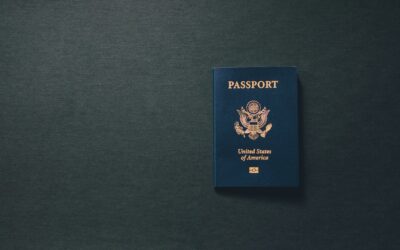
Restoring the Ballot: Everything You Need to Know About the SAVE America Act
As the 2026 midterm elections approach, the fight over who has a say in the future of our country has reached a fever pitch. In February 2026, the House of Representatives took a decisive step by passing the Safeguard American Voter Eligibility (SAVE) America Act. The bill, a top priority for the Trump administration, is currently the center of a high-stakes debate in the Senate. At The Modern Memo, we break down the core pillars of this legislation, why its supporters call it “common-sense security,” and why the opposition is fighting so hard to keep the status quo. The Core Mandate: Proof of Citizenship The central goal of the SAVE America Act is simple: ensuring that only American citizens decide American elections. While federal law already prohibits non-citizens from voting, the SAVE America Act introduces a rigorous enforcement mechanism that currently doesn’t exist at the federal level. Documentary Proof (DPOC): For the first time, individuals would be required to provide documentary proof of U.S. citizenship when registering to vote in federal elections. Accepted Documents: Valid proof includes a U.S. passport, a birth certificate (accompanied by a photo ID), or a naturalization certificate. Closing the Loophole: Currently, many states rely on a “self-attestation” box—essentially an honor system. Supporters argue this is insufficient in an era of unprecedented illegal border crossings and want a physical paper trail to verify eligibility. National Voter ID: A Standard for Security Beyond registration, the Act mandates a strict photo identification requirement at the polling place. The ID Requirement: Voters would be required to present a valid photo ID to cast their ballot, whether in person or by mail. State Preemption: While 36 states already have some form of voter ID, the SAVE America Act would set a federal “floor,” ensuring that states with loose requirements (like those allowing student IDs or utility bills) must move to more secure, government-issued photo identification. Cleaning the Rolls: The bill directs states to cross-reference their voter registration lists with the Department of Homeland Security’s (DHS) databases to identify and remove any non-citizens currently on the rolls. Accountability: Real Consequences for Fraud The SAVE America Act isn’t just a set of guidelines; it carries heavy penalties for those who undermine the system. Criminal Penalties: The bill establishes criminal penalties for election officials who knowingly register non-citizens or fail to collect the required proof of citizenship. Private Right of Action: Perhaps most significantly, the Act allows private citizens to sue election officials if they believe the law is not being properly enforced. This “watchdog” provision is designed to ensure that local bureaucracies cannot ignore federal security standards. Final Word The SAVE America Act represents a fundamental shift in how we view the “sanctity of the ballot.” When you look past the noise of “voter suppression” rhetoric and focus on the data—the millions of new arrivals in the country and the documented inconsistencies in state voter rolls—you gain a clearer picture of why this legislation is necessary. Quality information replaces the fear of “barriers” with the clarity of a standardized, secure process that mirrors what is required to open a bank account or board an airplane. It allows you to see the SAVE America Act not as a hurdle, but as a safeguard that ensures every legal vote isn’t diluted by an illegal one. By choosing to back a system rooted in verified citizenship, you align your perspective with the reality that a sovereign nation must, above all, protect the integrity of its own voice. Where Facts, Context, and Perspective Matter At The Modern Memo, our goal is simple: to provide clear, well-researched reporting in a media landscape that often feels overwhelming. We focus on substance over sensationalism, and context over commentary. If you value thoughtful analysis, transparent sourcing, and stories that go beyond the headline, we invite you to share our work. Informed conversations start with reliable information, and sharing helps ensure important stories reach a wider audience. Journalism works best when readers engage, question, and participate. By reading and sharing, you’re supporting a more informed public and a healthier media ecosystem. The Modern Memo may be compensated and/or receive an affiliate commission if you click or buy through our links. Featured pricing is subject to change. 📩 Love what you’re reading? Don’t miss a headline! Subscribe to The Modern Memo here!

Blue Stronghold Crumbles: Virginia GOP Flips County Seat After Democrat’s Social Media Scandal
In a stunning upset that has sent shockwaves through the Commonwealth’s political establishment, Republican challenger Marcus Thornton has successfully flipped a deep-blue county seat in the heart of Northern Virginia. The victory comes after a chaotic special election cycle that saw the Democratic incumbent, Julian Vance, implode following the release of resurfaced racist and inflammatory social media posts. At The Modern Memo, we break down how a double-digit Democratic advantage vanished overnight and what this bellwether win says about the limits of identity politics in 2026. The Scandal That Sank the Campaign Just two weeks before the polls opened, a series of posts from Vance’s private archives—dating back to the mid-2010s—began circulating on X (formerly Twitter) and local community forums. The content, which included derogatory racial slurs and disparaging remarks about minority communities in Virginia, stood in stark contrast to the “progressive champion” image Vance had spent years cultivating. The Response: Vance initially dismissed the posts as “youthful indiscretions” and “out-of-context screenshots,” but as more evidence emerged, his support among key constituencies evaporated. The Fallout: Prominent Democratic leaders, including Governor Abigail Spanberger, were forced to distance themselves from the embattled candidate, leaving Vance’s campaign in a tailspin during the critical final days of early voting. Thornton’s “Kitchen Table” Surge While the Democratic camp was mired in damage control, Marcus Thornton focused his campaign on a disciplined, “back-to-basics” message. Focus on Policy: Thornton leaned heavily into concerns over the rising cost of living in Northern Virginia and the local impact of federal spending. The “Character” Contrast: Without making the Vance scandal his only talking point, Thornton effectively framed himself as a steady, transparent alternative. “Voters are tired of being lectured by people who don’t live up to their own standards,” Thornton said during his victory speech. “Tonight, this county chose common sense over performative politics.” A Warning Shot for 2026 Midterms This flip is being viewed by national strategists as a significant warning sign for Democrats heading into the 2026 midterm elections. Suburban Shift: The precinct-level data shows that Thornton didn’t just win by turning out the GOP base; he made massive inroads with independent suburban voters who traditionally skew blue. The Vetting Crisis: The Vance scandal has reignited a debate within the Democratic Party about the vetting process for local candidates in an era where digital footprints are permanent and increasingly scrutinized by a vigilant public. Final Word The GOP’s victory in this Virginia stronghold is a textbook example of how a candidate’s hidden history can override even the strongest partisan advantage. When you look past the campaign slogans and focus on the data—the cratering of Vance’s support and the surge of independent voters toward Thornton—you gain a clearer picture of an electorate that values authenticity over rhetoric. Quality information replaces the noise of partisan spin with the clarity of election results and verified digital evidence. It allows you to see this flip not as a fluke, but as a demand for higher standards in public service. By choosing to analyze these shifts through the lens of voter behavior rather than just party loyalty, you align your perspective with the evolving reality of Virginia’s political landscape. Where Facts, Context, and Perspective Matter At The Modern Memo, our goal is simple: to provide clear, well-researched reporting in a media landscape that often feels overwhelming. We focus on substance over sensationalism, and context over commentary. If you value thoughtful analysis, transparent sourcing, and stories that go beyond the headline, we invite you to share our work. Informed conversations start with reliable information, and sharing helps ensure important stories reach a wider audience. Journalism works best when readers engage, question, and participate. By reading and sharing, you’re supporting a more informed public and a healthier media ecosystem. The Modern Memo may be compensated and/or receive an affiliate commission if you click or buy through our links. Featured pricing is subject to change. 📩 Love what you’re reading? Don’t miss a headline! Subscribe to The Modern Memo here!