
U.S. News
Des Moines Superintendent Arrested by ICE: Fake Degrees, Crimes
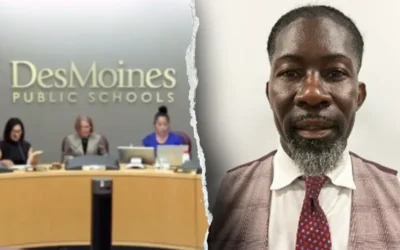
A major scandal has erupted in Iowa. Authorities arrested Ian Andre Roberts, then–superintendent of Des Moines Public Schools, raising fresh questions about his past. Investigators say his history includes drug convictions, weapons charges, fraudulent credentials, and immigration violations. As the full account unfolds, officials and the public alike are demanding answers. Background: From Education Leader to Arrested Suspect Roberts began working as superintendent in Des Moines in 2023. At first, there were few signs that serious legal trouble loomed. However, when U.S. Immigration and Customs Enforcement agents moved in on September 26, Roberts attempted to flee. They pursued his vehicle, found him hiding in nearby brush, and ultimately took him into custody. His ICE arrest triggered a bombshell disclosure by the Department of Homeland Security. In a public statement, DHS asserted Roberts had a long record of criminal conduct and maintained he should never have been serving in a role overseeing children. Shortly after, Roberts resigned his position. (MORE NEWS: Apple Pulls ICE-Tracking Apps from App Store) Criminal Allegations: Drugs, Guns, and Fraud The roster of charges against Roberts is extensive and severe. Investigators allege that a search of his home revealed multiple firearms: a loaded 9 mm pistol tucked under a couch cushion, a rifle in the master bedroom closet, and a shotgun behind a headboard. Moreover, one handgun was found in a vehicle he used while fleeing ICE. 🚨Holy crap. DHS just released more info on the Iowa school superintendent and illegal alien Ian Andre Roberts. He has a very long, violent criminal record, combined with immigration fraud. He also voted in elections. pic.twitter.com/lZDeRJKmnw — Katie Pavlich (@KatiePavlich) October 3, 2025 But weapons are not the only concern. The DHS and FBI allege Roberts has a decades-long history of drug crimes. In New York, his record reportedly includes criminal possession of narcotics with intent to sell, forgery, and related offenses dating back to the mid-1990s. In Pennsylvania, the accusation includes unlawful possession of a loaded firearm in 2022. On top of that, Maryland records allegedly show reckless driving, unsafe operation, and speeding convictions from 2012. Compounding these allegations are claims that Roberts also held fake or unverified academic credentials. He listed Morgan State University as his alma mater and claimed to be an incoming MBA candidate at MIT’s Sloan School of Management. But Morgan State confirmed to the Des Moines Register that he attended without earning a degree. MIT’s registrar also told the Register that no record exists of him ever being enrolled in that program. Immigration Violations and Status Issues Beyond criminal allegations, Roberts faces severe immigration-related accusations. DHS says he entered the U.S. multiple times under different visas—first as a visitor, then on a student visa in 1999. An immigration judge in Dallas ordered his removal in absentia in May 2024. Nevertheless, Roberts filed applications for work authorization in 2000, 2018, and 2019—each granted for just one year. Those ultimately expired. (MORE NEWS: Cartel “La Diabla” Busted for Baby, Organ Ring in Mexico) DHS also claims Roberts was illegally registered to vote as a Democrat in Maryland, raising serious concerns about voter registration controls. While some aspects remain under investigation, the combined allegations portray a complex web of alleged misconduct. Impact on Public Education and Trust The arrest has rattled the Des Moines Public Schools system. The school board initially placed Roberts on paid leave, then switched to unpaid leave, and finally accepted his resignation. Many parents, teachers, and stakeholders feel blindsided. How did someone with such a background secure a leadership role in a major school district? Furthermore, the scandal calls into question hiring and vetting practices in public education. If school systems failed to detect fictitious degrees or an extensive criminal history, then oversight mechanisms may be deeply flawed. Beyond internal processes, the case risks damaging public confidence. Schools play a central role in community trust. When a leader falls under suspicion for crimes and deceit, that trust erodes quickly. Des Moines Public School Board is now suing JG Consulting: 🚨 BREAKING: The Des Moines Public School Board is now deflecting all responsibility for hiring former Superintendent Ian Roberts by taking legal action against the search firm that assisted in the hiring, JG Consulting. Roberts passed background checks conducted by both JG… pic.twitter.com/RPdqgRFPp0 — Dustin Grage (@GrageDustin) October 3, 2025 Voices from DHS and Reactions In response, DHS Assistant Secretary Tricia McLaughlin stated: “Ian Andre Roberts, a criminal illegal alien with multiple weapons charges and a drug trafficking charge, should have never been able to work around children. When ICE officers arrested this Superintendent, he was in possession of an illegal handgun, a hunting knife, and nearly $3,000 in cash. This criminal illegal alien is now in U.S. Marshals custody and facing charges for being an illegal alien in possession of a firearms. Under Secretary Noem, ICE will continue to arrest the worst of the worst and put the safety of America’s children FIRST.” Meanwhile, local and state-level officials have faced pressure to explain how Roberts gained access to influential education roles. As more revelations emerge, the scrutiny has intensified. Conclusion: A Scandal That Demands Clarity The arrest of Ian Andre Roberts marks a serious and complicated turning point in public education oversight. The charges span drugs, weapons, fraud, and immigration violations. His alleged falsification of academic credentials only deepens the concerns. In the wake of the revelations, Des Moines Public Schools faces not only legal fallout but a crisis of credibility. As authorities move forward, stakeholders and the public alike deserve transparency and reform. Through this case, we are reminded that leadership roles—especially those entrusted with children’s lives and future—demand rigorous scrutiny. Public systems must apply higher standards, not lower them. If that standard is not met, the consequences affect more than one man—they affect the integrity of public education itself. Forget the narrative. Reject the script. Share what matters. At The Modern Memo, we call it like it is — no filter, no apology, no corporate leash. If you’re tired of being lied to,…
Atlantic Fury: North Carolina Homes Collapse into the Ocean
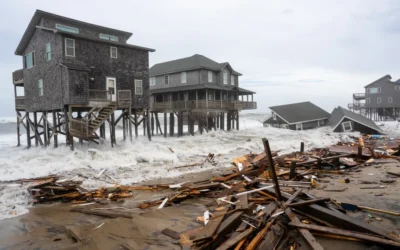
Recent storms battered the North Carolina coast, and the damage was dramatic. On September 30, powerful waves generated by Hurricanes Humberto and Imelda caused at least six beachfront homes in Buxton—on the Outer Banks—to crumble and fall into the sea. Fortunately, no one was hurt because the houses were unoccupied at the time. These collapses highlight how vulnerable the barrier islands are to erosion, shifting sands, and storm surge. This is not the first time it has happened. Since 2020, nearly 20 privately owned homes in the same region have already been lost to surf and erosion. (MORE NEWS: General Motors CEO Pulls Back on EV Ambitions) Storms Offshore, Damage Onshore Although both Humberto and Imelda stayed offshore, their effects reached the coast. Hurricane Imelda, despite not making landfall, pushed strong winds, rain, and heavy surf toward the U.S. East Coast. Meanwhile, Humberto added to the turmoil by sending more swells toward the shoreline of North Carolina. Because the storms remained out at sea, many inland areas escaped serious flooding and wind damage. However, the surf zones bore the full force of pounding waves. The National Park Service warned that hazardous debris and shifting sands would linger along the beaches and require caution for days. The Collapse: How It Happened In Buxton, five houses on stilts collapsed within a 45-minute span on Tuesday afternoon. Later that night, a sixth home fell. Dramatic footage showed one structure swaying precariously before disintegrating and plunging into the surf. Wood, debris, and pieces of siding littered the beach in the aftermath. Drone video captured homes that collapsed into the ocean on North Carolina’s Outer Banks on Tuesday amid rough surf from dual hurricanes off the Southeast coast. Five homes fell within a 45-minute period on Tuesday afternoon, and a sixth fell overnight. https://t.co/f8zQoRYVLd pic.twitter.com/U66IOjihPN — AccuWeather (@accuweather) October 1, 2025 These were not ordinary homes. Most were built on pilings or stilts to protect against tides, but the combined assault of waves and undermined foundations proved too much. The erosive power undercut the supports until the structures lost balance and tipped into the water. Officials closed off the area around the collapses. They also shut down parts of Highway 12 and halted ferry service between Ocracoke and Hatteras, citing danger from debris and unstable roadways. Official Response: National Park Service and Local Agencies The National Park Service (NPS) has confirmed the collapse of the homes and urged caution. A spokesperson for the Cape Hatteras National Seashore said staff were actively working to remove debris and monitor risk areas. They also told the public to avoid walking on the beach near the collapse zone. In a previous collapse in Buxton, NPS officials said they would clean the area south of the site, and the homeowner had hired a contractor to remove remaining structure and debris. That incident was the 12th home to collapse along the seashore in five years. Dare County’s Planning Director, Noah Gillman, has also weighed in. He noted that more than 30 structures in the area had been decertified for occupancy due to erosion damage, including harm to stairs and septic systems. He pointed out that many of the collapsed properties had already lost the required separation from the shoreline. Local governments are now discussing options such as potential relocations, stricter setbacks, or buyouts. Officials from the North Carolina transportation department closed parts of Highway 12 and halted ferry crossings in the area until safety could be assured. The closures aimed to protect residents and travelers from danger posed by debris, shifting sands, and instability. A Coast Under Pressure These events are part of an ongoing struggle along the Outer Banks, North Carolina. Beach erosion has steadily eaten away at the shoreline, leaving some homes standing precariously close to the surf. Even when storms remain offshore, their wave energy can be destructive enough to trigger collapses like those seen in Buxton. The geography of the barrier islands makes them particularly vulnerable. Shifting sands, narrow beaches, and exposure to open Atlantic swells mean that conditions can change quickly. For residents and property owners, this creates constant uncertainty. The Human and Policy Dimension While no one was injured in these North Carolina collapses, the impact on property owners and the community is significant. For many, these homes represented investments, memories, and part of the local economy. Their loss raises difficult questions about the future of oceanfront development. Local officials face the challenge of balancing safety, tourism, and property rights. Stronger building codes and better enforcement of setback requirements may help, but erosion continues to place many structures at risk. In some cases, officials may have to consider buyouts or relocation programs for the most threatened properties. The costs of cleanup also fall on local agencies and the National Park Service. Debris removal, beach safety patrols, and roadway repairs require time, labor, and funding. Looking Ahead: Lessons and Warnings North Carolina is no stranger to hurricanes and flooding. But the collapse of homes in Buxton is still a stark reminder that the ocean’s power should never be underestimated. Even when hurricanes remain offshore, the waves and surf they generate can cause serious destruction. When homes are built too close to the waterline in areas that see high water during hurricanes, disaster is not a surprise — it is expected. The ocean shifts beaches, pushes storm surge inland, and leaves little margin of safety for houses standing only feet from the tide. And this isn’t about climate change. You can’t blame the consequences of risky building decisions on the climate. When people choose to build in the path of storm surge and pounding waves, the risk is built in from the start. The shoreline is always moving. Homes positioned too near the surf will remain in jeopardy, and events like this will continue to shape the future of the Outer Banks. By planning ahead and preparing, local communities may reduce losses — but the ocean’s power will always be a formidable force. Unmask the Narrative….

Pentagon Hosts First Gold Star Advisory Council Meeting
The Pentagon made history by hosting the first-ever Gold Star Advisory Council (GSAC) meeting. This new body gives families of fallen service members a direct line to top Department of War leadership. The goal is simple yet powerful: ensure Gold Star families are heard, respected, and included in shaping policy. Why the Council Was Created The Gold Star Advisory Council was established in May to institutionalize a permanent channel between military families and senior leaders. Unlike past initiatives, which were often short-lived, the GSAC is designed to last and meet regularly. Members will gather at least twice a year to propose reforms, identify problems, and track solutions. By creating this council, the Department of War is signaling that remembering fallen service members also means caring for those they left behind. Secretary Hegseth’s Call for Change In a statement to Fox News Digital, Secretary of War Pete Hegseth underscored the significance of the event: “Today marks the first time a Gold Star Advisory Council convened at the Secretary of War level. This council is long overdue for Gold Star families to elevate their voices directly to Department leadership, tackle real concerns, and transform the casualty process for good. It has my full backing to call out the failures, shake up the bureaucratic status quo, and drive the changes that will stick.” (MORE NEWS: Trump’s Leaked Gaza Peace Plan: A Bold 21-Point Vision for Lasting Stability) His words highlight both urgency and accountability. For families who often felt sidelined, the council represents a major step toward reform. Leadership and Representation The GSAC is co-led by Under Secretary of War for Personnel and Readiness Anthony Tata and Gold Star spouse Jane Horton. Together, they bring institutional authority and personal experience to the table. Tata expressed optimism about the council’s mission: “The Gold Star Advisory Council will enable the Department to continue remembering our fallen Service members and delivering on our promise to take care of the families they left behind,” he told Fox News Digital. He also praised Horton’s impact. Tata recognized her “extraordinary efforts” to uplift Gold Star families by “telling their stories, and keeping the memories of our fallen heroes alive.” He added appreciation for her “advocacy, representation, and leadership.” This leadership structure ensures that both high-ranking officials and those with lived experience guide the council’s direction. Goals of the Gold Star Advisory Council The council has three main priorities: Elevating Family Voices The GSAC ensures Gold Star families move from the sidelines into meaningful conversations with Pentagon leaders. Driving Lasting Reform By focusing on systemic issues, the council aims to improve casualty assistance processes and create reforms that endure. Ensuring Accountability The council will act as a watchdog, pressing leadership to uphold promises and improve transparency. These goals demonstrate that the GSAC is not a symbolic gesture but a serious commitment to long-term change. The Significance for Families Gold Star families often face immense grief while also navigating complex military systems. The GSAC offers them something new: influence. For the first time, their experiences can directly inform policies on casualty assistance, survivor benefits, and memorial practices. (MORE NEWS: Miami Mayor’s Warning: NYC’s Mamdani Echoes Castro) This shift recognizes that no one understands the challenges better than those who lived them. By institutionalizing family voices, the Pentagon signals that remembrance and reform go hand in hand. Looking Ahead The council is expected to meet twice a year and issue recommendations to Pentagon leadership. Its effectiveness will be measured by whether proposed reforms are enacted and sustained. If successful, the GSAC could become a model for how the military connects with families. Instead of top-down decision-making, it would create a loop of listening, learning, and acting. Final Word The first meeting of the Gold Star Advisory Council is more than symbolic. It represents a promise to honor sacrifice through action. As Secretary Hegseth told Fox News Digital, the council has his “full backing” to challenge bureaucracy and deliver real results. With leaders like Anthony Tata and Jane Horton guiding the effort, the council has the potential to transform how the military engages with families of the fallen. By listening, reforming, and holding itself accountable, the Department of War takes an important step toward ensuring no sacrifice is ever forgotten. Unmask the Narrative. Rip Through the Lies. Spread the Truth. At The Modern Memo, we don’t polish propaganda — we tear it to shreds. The corporate press censors, spins, and sugarcoats. We don’t. If you’re tired of being misled, silenced, and spoon-fed fiction, help us expose what they try to hide. Truth matters — but only if it’s heard. So share this. Shake the silence. And remind the powerful they don’t own the story.
Trump Meeting with Congressional Leaders as Shutdown Nears
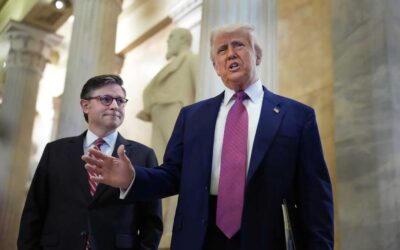
President Donald Trump has called a high-stakes meeting with leaders from both parties as a possible government shutdown edges closer. He canceled a previous meeting with congressional Democrats, insisting their demands were “unserious and ridiculous.” As the September 30 funding deadline nears, the White House and Capitol Hill scramble to find common ground. Who Will Attend the Meeting Trump will meet with: Senate Minority Leader Chuck Schumer (D-N.Y.) House Minority Leader Hakeem Jeffries (D-N.Y.) House Speaker Mike Johnson (R-La.) Senate Majority Leader John Thune (R-S.D.) These leaders will gather at the White House to negotiate a path forward and avert a government shutdown. Schumer and Jeffries released a joint statement confirming the rescheduled meeting and reaffirming their willingness to meet at “any time and with anyone.” (MORE NEWS: Trump Admin and Musk’s xAI Launch Federal AI Partnership) Why the Earlier Meeting Fell Apart The meeting that Trump had planned with Democrats last week was canceled after he accused them of pushing “radical Left policies” and making unreasonable demands. At that time, he said that a productive discussion would not be possible under current conditions. Meanwhile, Democrats had criticized a short-term funding extension proposed by Republicans as “dirty” because of policy riders and healthcare cuts embedded in it. They warned that a shutdown could disrupt hospitals and other essential services. Speaker Johnson defended the earlier cancellation, calling it premature and arguing that Republicans must first do the “basic governing work” of keeping the government open before engaging in major negotiations. Stakes and Timeline If Congress and the White House fail to reach a deal by midnight ET on September 30, a partial government shutdown would begin. Many federal services and programs would face interruption, from staffing and payments to federal agencies. Time is running out. The Senate is scheduled to reconvene on September 29 after the Jewish New Year break. The House, however, is expected to remain in recess until the deadline looms. That gap could limit the flexibility each chamber has to respond at the last minute. Key Points of Contention Healthcare and Medicaid funding A major sticking point is how the funding proposals treat healthcare policy. Trump and Republicans are fighting to keep government funding lean, rejecting Democrat demands to fund healthcare for illegal immigrants through Medicaid. Democrats’ push for over $1 trillion in new spending, including Obamacare handouts, puts a heavy burden on American families. The GOP’s smart cuts, like slashing $1 trillion in Medicaid waste, show they’re focused on putting citizens first. (MORE NEWS: James Comey Indicted for False Statements, Obstruction) House Speaker Mike Johnson says, “What Chuck Schumer is demanding…He wants to reinstate free health care for illegal aliens paid for by American taxpayers. We are not doing that. We can’t do that. That’s just one of the crazy things he’s requested.” President Trump will now bring the four top congressional leaders to the White House in an effort to avoid the potential Tuesday night government shutdown. “What Chuck Schumer is demanding…He wants to reinstate free health care for illegal aliens paid for by American… pic.twitter.com/zpXYZCPVYC — DeVory Darkins (@devorydarkins) September 28, 2025 Policy riders and “poison pill” provisions Republicans add practical rules to funding bills to protect taxpayer money, like limiting funds for controversial programs. Democrats call these “poison pills,” but they’re just common-sense steps to keep spending in check. While the GOP keeps things focused, Democrats demand pricey extras like foreign aid that inflate the budget. Political responsibility and public pressure Republicans are pushing a straightforward plan to avoid a shutdown and keep America’s priorities first. Democrats try to blame the GOP, but their $1.5 trillion wish list is what’s holding things up. Voters are backing the GOP’s focus on fiscal responsibility over Democratic political games. Lessons From Past Shutdowns Americans have seen shutdown battles before, and history offers important lessons. The most recent major shutdown came in late 2018 and lasted 35 days, the longest in U.S. history. Hundreds of thousands of federal workers went without pay, many relying on food banks and community support. In earlier shutdowns, the effects were similar: suspended paychecks, reduced services, and public frustration. While essential workers like air traffic controllers and TSA staff remained on duty, the lack of paychecks strained morale and daily life. Public opinion often turned quickly against those viewed as responsible for the impasse. This history is a reminder to both parties that the political costs of a shutdown can be steep. Leaders know that voters may punish them at the ballot box for failing to keep the government running. What to Watch Next Progress at the meeting — Whether the Oval Office discussion yields a framework or agreement will be critical. Legislative movement — Even if the meeting ends positively, legislation must pass both chambers before time runs out. Statements after the meeting — The tone and messaging from Trump and congressional leaders may signal who holds leverage. Last-minute amendments or compromises — In past shutdown fights, final deals emerged in the eleventh hour. What This Means for Americans A government shutdown could delay federal payments, furlough workers, and slow critical services. Federal employees, military families, and contractors would be among the first to feel the impact. Many public-facing functions, such as national parks, regulatory agencies, and services relying on federal funding, would face disruption. The economic impact can ripple far beyond Washington. Delayed contracts, reduced consumer confidence, and missed paychecks can drag on local economies across the country. Businesses that rely on government services or federal workers as customers often see an immediate downturn. Beyond the financial cost, shutdowns erode trust in government. Americans expect their leaders to keep the basic machinery of government functioning. Each time the system stalls, confidence weakens and frustration grows. Final Word As the deadline approaches, Trump and congressional leaders face a defining moment at the White House. The talks carry both the risk of a costly stalemate and the chance for a breakthrough. What emerges from this meeting will decide not only whether the government…
James Comey Indicted for False Statements, Obstruction
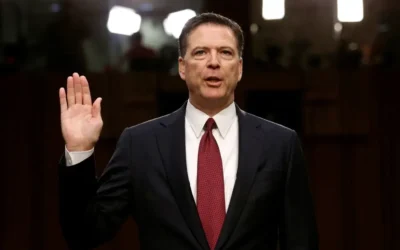
Former FBI Director James Comey has been indicted on two serious charges. A grand jury brought counts of making false statements to Congress and obstruction of a congressional proceeding. These charges focus on his testimony in 2020 about the FBI’s Russia-related investigation known as “Crossfire Hurricane.” Known to many as Russiagate, this case now brings fresh attention to Comey’s past leadership at the bureau. Details of the Charges According to the indictment, Comey lied during his September 2020 testimony. Prosecutors allege he falsely denied authorizing an FBI employee to serve as an anonymous source. In addition, the obstruction charge claims he interfered with a congressional investigation into sensitive information leaks. Both charges carry potential fines and prison time if he is convicted. Importance of Timing The indictment comes at the last possible moment under the statute of limitations. Federal prosecutors had exactly five years to act, and they filed just before that deadline. The U.S. Attorney’s Office for the Eastern District of Virginia is leading the case. This timing adds to the drama and shows the investigation had been active behind the scenes for years. Strong Reactions from Leaders Attorney General Pam Bondi responded quickly. She said that no one, regardless of status or past power, stands above the law. She explained that the Department of Justice has a duty to act when powerful people mislead Americans. No one is above the law. Today’s indictment reflects this Department of Justice’s commitment to holding those who abuse positions of power accountable for misleading the American people. We will follow the facts in this case. — Attorney General Pamela Bondi (@AGPamBondi) September 25, 2025 FBI Director Kash Patel also issued a statement. He said the FBI must hold itself accountable. According to Patel, restoring trust requires that even former leaders face consequences if they break the rules. Today, your FBI took another step in its promise of full accountability. For far too long, previous corrupt leadership and their enablers weaponized federal law enforcement, damaging once proud institutions and severely eroding public trust. Every day, we continue the fight to… — FBI Director Kash Patel (@FBIDirectorKash) September 25, 2025 President Donald Trump reacted strongly as well. He labeled Comey one of the worst figures ever to serve in government. Trump added that the indictment represents the beginning of long-delayed accountability. (RELATED NEWS: Ryan Routh Attempts To Stab Himself After Guilty Verdict For Trump Assassination Plot) Government Spying on Trump The case also ties into confirmed surveillance of Donald Trump’s campaign during the 2016 election. Under James Comey’s leadership, the FBI secured secret warrants from the Foreign Intelligence Surveillance Court (FISA) to monitor Trump campaign adviser Carter Page. Later investigations revealed that the FBI relied heavily on the Steele dossier, which contained unverified and false claims. A Justice Department inspector general’s report found that the FBI made serious errors and omitted key facts in its FISA applications. Those mistakes misled the court and enabled improper spying on a presidential campaign. These findings confirmed that the government spied on Trump’s campaign through flawed surveillance methods. This abuse of power eroded public trust and showed how political motives can corrupt law enforcement. The surveillance scandal now serves as a backdrop to Comey’s indictment. It highlights a pattern of misconduct under his leadership that continues to raise questions about the FBI’s role in politics and justice. The Background of Crossfire Hurricane The controversy reaches back to 2016, when the FBI opened its Russia election interference investigation. Inside the bureau, officials referred to the effort as “Crossfire Hurricane.” James Comey oversaw this probe while serving as FBI Director. Later, special counsel Robert Mueller took over. In 2019, Mueller’s report concluded there was not enough evidence to prove criminal conspiracy between the Trump campaign and Russian operatives. Soon afterward, another special counsel, John Durham, began reviewing how the FBI launched the investigation in the first place. Durham’s report criticized the bureau, saying it ignored warning signs and allowed itself to be influenced by political pressure. These findings added weight to claims that FBI leadership mishandled the case. Legal Stakes for Comey If convicted, James Comey could face years in prison as well as steep fines. For making false statements to Congress, the maximum penalty is up to five years in prison and significant fines. For obstruction of a congressional proceeding, the penalty is also up to five years. Combined, Comey could face as much as 10 years in prison, though sentencing would depend on the court. His defense team is expected to argue that he did not knowingly mislead Congress. They may claim memory lapses or confusion rather than deliberate lies. Lawyers could also argue that congressional testimony often leaves room for interpretation. The burden of proof lies with prosecutors, who must show deliberate deception beyond a reasonable doubt. What Happens Next The indictment is only the beginning. The case will move to federal court, where a judge will oversee pretrial motions and hearings. Both sides will exchange evidence during discovery. After that, the court will determine whether to proceed to trial. (MORE NEWS: AOC Slams Charlie Kirk with Scathing House Floor Comments) Media attention will remain intense throughout the process. Because Comey once held one of the most powerful positions in law enforcement, every development will be closely examined. Political leaders from both parties are already weighing in, ensuring that the trial will shape public debates. Why This Case Matters The James Comey indictment matters for several reasons. It tests the principle that no government official is above the law. If prosecutors succeed, it will send a message that accountability reaches the highest levels of power. In addition, this case raises concerns about public trust in institutions. The FBI has faced criticism from across the political spectrum. By charging a former director, the Department of Justice signals that even the bureau’s top leaders must answer to the public. The Comey trial could set a powerful precedent for how cases involving Congress are handled. Lying to Congress is rarely prosecuted…

Dallas ICE Office Attack Sparks Grief and Political Uproar
Dallas woke up to tragedy on September 24, 2025. A gunman climbed onto a rooftop and opened fire on the U.S. Immigration and Customs Enforcement (ICE) field office. Three detainees were hit, and at least one died. The shooter then turned the gun on himself and didn’t survive. Investigators say this wasn’t random. They believe the attack was planned and directed at ICE officers. Now, federal, state, and local officials are digging for answers, trying to figure out why this happened and whether anyone else was involved. Who Was Behind the Gun? Authorities identified the shooter as 29-year-old Joshua Jahn. He didn’t just lash out in the heat of the moment. Police say he etched anti-ICE slogans onto his bullets, making his motive clear. That’s why investigators are treating this as more than just another crime — it looks like an ideologically driven attack. Officers searched two homes tied to Jahn — one in Fairview, Texas, and another in Durant, Oklahoma. They’re going through computers, phones, and personal records to learn what pushed him to do this and if he had help. How the Attack Happened Officials say Jahn fired “indiscriminately” from the roof. He hit the ICE building, broke through windows and lobby walls, and fired into a van transporting detainees. One of those detainees lost their life. Two more are fighting to recover in the hospital. Acting ICE Director Todd Lyons said this was more than an attack on detainees — it was a direct strike on law enforcement itself. He warned that bullets could have hit lawyers, visitors, or even drivers on Interstate 35, which runs close to the facility. (MORE NEWS: Utah Arrests: Explosive Device Found Under Fox News Vehicle) Lyons spoke with Fox News’ Martha MacCallum: Acting ICE Director Todd Lyons: “The ICE facility itself was a target… He was just firing at ICE vehicles… It wasn’t directed at the detainees.. wasn’t directed at civilians on the street. It was a definite attack on law enforcement. He was there to attack that building.”… pic.twitter.com/nhPiQcp2wt — RedWave Press (@RedWave_Press) September 24, 2025 Political Firestorm The shooting immediately sparked political reaction. Homeland Security Secretary Kristi Noem said the attack was “deliberate” and warned that heated rhetoric aimed at ICE officers is dangerous. She called out comparisons that paint ICE agents as secret police, saying that kind of language makes them targets. For months, we’ve been warning politicians and the media to tone down their rhetoric about ICE law enforcement before someone was killed. These horrendous killings must serve as a wake-up call to the far-left that their rhetoric about ICE has consequences. Comparing ICE Day-in… — Secretary Kristi Noem (@Sec_Noem) September 24, 2025 President Trump went even further. He blamed “Radical Left Democrats” for fueling anti-ICE hatred and promised an executive order to crack down on domestic terrorism groups. He pointed to the messages written on Jahn’s bullets as proof the shooting was politically charged. Texas Senator Ted Cruz agreed, saying this is the third shooting in Texas directed at ICE or CBP: This needs to stop. Politicians using rhetoric that demonizes ICE and CBP need to stop. pic.twitter.com/NlcePjtD4Q — Ted Cruz (@tedcruz) September 24, 2025 Dallas Responds Closer to home, Dallas Mayor Eric Johnson urged the city to pray for our nation and for the city of Dallas. He said that believes in the power of prayer and that prayer changes things. Republican Mayor of Dallas Eric Johnson opened the press conference on the ICE facility shooting with a powerful call to prayer. In a moment when Democrats are demonizing faith, he doubled down. “Let me just start off by saying that I’m a person who believes very, very strongly… pic.twitter.com/Wm3wupTCHk — Vigilant Fox 🦊 (@VigilantFox) September 24, 2025 Police sealed off streets around the U.S. Immigration and Customs Enforcement building and worked with federal agents to sweep the area for evidence. Tensions ran high, but local leaders stressed the need for level heads and cooperation. (MORE NEWS: Kilmar Abrego Garcia and the Deep Immigration Divide) Bigger Pattern of Violence Sadly, this isn’t the first time ICE has faced violence. Over the last year, threats against immigration facilities and border agents have been on the rise. Experts warn that when public debate turns toxic, it can encourage unstable individuals to lash out. Border Czar Tom Homan weighs in on the Charlie Kirk Show: .@RealTomHoman: This morning, a gunman was targeting an ICE facility in Dallas, Texas… it’s the third shooting that’s occurred in Texas against immigration officials… This is clearly a targeted attack against ICE. pic.twitter.com/c0aQ2EsHAr — Rapid Response 47 (@RapidResponse47) September 24, 2025 The Dallas field office wasn’t built for long-term detention. It’s mainly a holding and processing center. ICE rules say detainees should not be kept there for more than 12 hours. But its busy role, combined with its location near major roads, makes it especially vulnerable. It isn’t just agents at risk. Civilians, lawyers, and visitors are all exposed if someone decides to attack. What Happens Next Investigators now have several big questions to answer. They’re combing through Jahn’s digital trail to see what groups he followed or talked to online. They’re reviewing his travel, finances, and social connections. And they’re asking whether he radicalized quickly or if this had been building for years. At the same time, ICE and DHS are looking hard at their security. Do facilities need better barriers? More surveillance? Stronger partnerships with local police? Those decisions could come soon. The political side won’t cool off either. Republicans are pressing for stronger protections for ICE officers. Democrats are trying to strike a balance, condemning violence while still debating immigration policy. What everyone agrees on is this: nobody wants to see another day like this. A Community Left to Heal Dallas is now dealing with both grief and fear. Families of the victims are facing unimaginable loss. ICE employees are shaken, knowing they were directly in the crosshairs. And an already divided nation is once again reminded of how dangerous…

Ryan Routh Attempts To Stab Himself After Guilty Verdict For Trump Assassination Plot
OPINION Ryan Wesley Routh has been found guilty of attempting to assassinate President Trump. A jury in Florida delivered the verdict after weeks of testimony and evidence. The 59-year-old now faces a possible life sentence. The conviction includes multiple felony counts. These charges range from attempted assassination of a presidential candidate to weapons offenses and assaulting a federal officer. Prosecutors argued that his actions were deliberate and dangerous, while the jury agreed the evidence proved intent beyond a reasonable doubt. How the Plot Unfolded The case stems from an incident in September 2024. Routh hid in the bushes near Trump International Golf Club in West Palm Beach, Florida. Armed with an SKS-style rifle, he aimed through a fence in the direction of Trump’s security detail. Secret Service agents spotted Routh 12 hours later. One agent opened fire, causing Routh to drop his weapon and run. He was quickly arrested after fleeing the scene. Investigators later revealed that Routh had been preparing for weeks. They found burner phones, notes tracking Trump’s movements, and detailed plans to avoid detection. Prosecutors stated that this demonstrated a high level of planning and intent. Drama Inside the Courtroom The trial reached its most dramatic moment when the guilty verdict was read. Routh suddenly grabbed a pen and tried to stab himself in the neck. Courtroom marshals immediately rushed forward, tackling him and pulling him out of the room. (MORE NEWS: Rising Socialism Exposes the Democratic Party’s Identity Crisis) As officers restrained him, his daughter, Sara Routh, screamed through tears: “Dad, I love you. Don’t do anything. I’ll get you out. He didn’t hurt anybody!” Her desperate words echoed through the courtroom as marshals dragged him away. Routh was later brought back in shackles to hear the remainder of the proceedings. The tense exchange underscored just how volatile the case had become, both for the defendant and his family. The Stakes at Sentencing Routh is scheduled to be sentenced on December 18, 2025. If the court applies the maximum penalties, he could spend the rest of his life in prison. Federal officials say the conviction sends a clear message. Political violence will not be tolerated, and attempts on the lives of public officials will be met with the harshest consequences. President Trump also responded after the verdict with a lengthy statement. He praised prosecutors and law enforcement, saying: His remarks underscored the gravity of the crime while also crediting the teamwork and vigilance that led to Routh’s capture. For Trump, the conviction represented not only justice for himself but also a reminder of the importance of security and accountability in American democracy. A Growing Concern Over Political Violence The conviction adds to growing concern about rising political violence in America. It comes just months after a separate attempt on Trump’s life in Pennsylvania in July 2024, when a gunman opened fire at a campaign rally. That earlier attempt left one person dead and another seriously injured. (RELATED NEWS: AOC Slams Charlie Kirk with Scathing House Floor Comments) Security experts warn that heated rhetoric and division can inspire dangerous actions. The Routh case demonstrates how quickly words and hostility can turn into serious threats. Law enforcement agencies are now reassessing protective measures for candidates and officials in an increasingly polarized environment. Defense Arguments and What Comes Next Routh attempted to defend himself by claiming he never intended to pull the trigger. He argued that since the gun was never fired, the government had failed to prove assassination intent. The jury rejected that argument, citing his careful planning and the position he had put himself in. His legal team may still file appeals. They could argue over how intent was defined or whether some evidence should have been excluded. However, given the jury’s unanimous verdict and the mountain of evidence, legal experts believe an appeal is unlikely to change the outcome. Why This Case Matters This conviction is not only about one man’s actions. It reflects a broader issue facing the nation: the danger of escalating political hostility. When violent plots move from threats to real attempts, the stability of the system is at risk. Routh’s sentencing in December will be closely watched. A life sentence would be a strong statement from the justice system. It would underscore that attempts to silence political leaders through violence will never succeed. At the same time, the case forces Americans to reckon with the reality of modern politics. Security for candidates must be stronger than ever. Media outlets, celebrities, and even legislators must also consider how their rhetoric and division contribute to the rise of dangerous individuals willing to act on extreme beliefs. The Takeaway The conviction of Ryan Wesley Routh marks one of the most serious legal cases in recent political history. He carefully planned, armed himself, and positioned himself to strike at President Trump. The jury’s decision shows that intent and preparation can carry the same weight as action when it comes to protecting leaders and preserving democracy. In the wake of several high-profile assassinations — including the murder of Charlie Kirk and two attempts on President Trump’s life — the time is now to turn down the temperature. But that will not happen as long as figures on the left, like former Vice President Kamala Harris, continue giving interviews where they call Trump a tyrant and compare him to a communist dictator. That kind of rhetoric only fuels hostility and division. Kamala Harris calling President Trump a “tyrant” is a masterclass in projection. Under the previous administration: – Raided political opponent’s home – Fired military members over the COVID shot – Targeted Catholics – Spied on school parents – Censored free speech pic.twitter.com/uxHv3dKOLf — Christian Collins (@CollinsforTX) September 23, 2025 The conviction of Ryan Routh speaks for itself. The reckless propaganda needs to end. Until then, we will not stay silent about it. Cut through the noise. Drown out the spin. Deliver the truth. At The Modern Memo, we’re not here to soften the blow — we’re here…

Al-Qaida Threat Prompts Federal Warning to Law Enforcement
Al-Qaida Isn’t Done With America More than twenty years after the 9/11 attack, Al-Qaida is reminding the world it’s still out there. A new report from the National Counterterrorism Center (NCTC), the group and its Yemen-based branch, Al-Qaida in the Arabian Peninsula (AQAP), are once again urging attacks inside the United States. The report, intended to inform law enforcement, warns that this “highlights its persistent and enduring threat to the country, US officials, and public safety.” What makes this alarming is that AQAP isn’t just another affiliate. It is “the only affiliate to have successfully enabled an attack in the homeland.” That fact makes its propaganda especially concerning for law enforcement and security officials. (MORE NEWS: Utah Arrests: Explosive Device Found Under Fox News Vehicle) Propaganda Made for America In July 2025, AQAP released the 10th edition of its Inspire Guide. Written in English, the magazine was clearly designed to reach people inside the U.S. The NCTC report notes that it “celebrated recent attacks in the US and called on its supporters in the homeland to conduct attacks, using simple attack methods, such as firearms, explosives, knives, vehicle-rammings, or Molotov cocktails.” The guide didn’t stop at methods. It pointed out “that proper targets were individuals or organizations that support Israel, as well as law enforcement and the government.” It also added that large protests or civil disturbances could be used as cover for terrorism. In short, it gave a blueprint to anyone angry enough to act. Al-Qaida Leadership Pushes Harder This isn’t just propaganda magazines. The group’s leaders are putting their voices directly behind these threats. In June, AQAP leader Sa’d Atif al-Aulaqi released a video titled Inciting the Believers. In it, he called for attacks against “the US President, Vice President, Secretaries of Defense and State, members of Congress, their families, and at least one private US citizen.” His justification was chilling. Aulaqi urged revenge and declared that “reciprocity is legitimate,” adding there was “no distinction between civilian and military targets.” That statement signals a wide-open call to violence with no boundaries. (MORE NEWS: BREAKING: Charlie Kirk Memorial: Armed Man ID’d at Stadium) The group released another Inspire Guide in June, focused on what it called “A Message Beyond Bullets: Attack on the Jewish Capital Museum in Washington, D.C.” The article encouraged lone actors in America to carry out violence. Intelligence officials believe it was an attempt to exploit anger over the killing of two Israeli Embassy employees in May. Same Old Playbook If this all sounds familiar, it should. The NCTC report points out that “many of the suggested target themes in recent al-Qa‘ida threats are consistent with the group’s post 9/11 attack plots in the homeland.” Aviation, symbolic or economic sites, U.S. government and military facilities, and public spaces all remain at the top of the terror group’s list. For example, AQAP tried to bomb planes in 2010 by hiding explosives in printer cartridges. In 2009, the so-called “underwear bomber” nearly took down a flight to Detroit after being trained by AQAP leaders. And of course, the most infamous example remains September 11, 2001, when nearly 3,000 people were killed in coordinated hijackings. This recycling of themes shows that while tactics may change, the targets haven’t. Al-Qaida knows what creates panic and draws headlines, and it hasn’t forgotten. U.S. Officials Step Up Warnings The recent spike in threats prompted the Office of the Director of National Intelligence (ODNI) and the NCTC to push new information to federal, state, and local law enforcement. Director of the National Counterterrorism Center, Joe Kent posted on X stay vigilant: The ODNI press release emphasized that cooperation between the intelligence community and law enforcement “has never been stronger.” It credited President Trump’s policies, saying they “have ensured that America is more prepared than ever to respond to and address any threat directly, rapidly, and with strategic coordination.” NCTC Director Joe Kent underscored the urgency: “The relentless pursuit of our enemies means clearly defining and understanding them… Constant vigilance includes guarding our borders and ensuring our communities are informed. We have the knowledge and leadership to keep America safe.” He noted that NCTC and its partners are monitoring “24/7 to thwart these attacks and keep Americans safe.” What This Means for Communities For law enforcement, the message is clear: stay alert, share intelligence quickly, and be ready for lone actors who may move without warning. For communities, it’s a reminder that crowded places like airports, major events, and symbolic public spaces can still attract attention from terrorists. Event organizers and local officials need to plan security with these low-tech attack methods in mind. While nobody wants daily life to feel locked down, balancing openness with protection is essential in today’s environment. The Bottom Line Al-Qaida hasn’t gone anywhere. AQAP is blasting out English propaganda, its leader is urging violence against U.S. officials and civilians, and its guides are eyeing protests and public gatherings as targets. In other words, the group is recycling old tactics for a new audience. The NCTC put it plainly: “Al-Qa‘ida’s resurgence of calls for attacks in the homeland highlights its persistent and enduring threat to the country, US officials, and public safety.” That’s why the response cannot be passive. America won’t look away. Vigilance is more than a strategy—it’s survival. And as long as terrorists call for blood, the United States will meet them with strength, unity, and an unshakable resolve to protect its people. Expose the Spin. Shatter the Narrative. Speak the Truth. At The Modern Memo, we don’t cover politics to play referee — we swing a machete through the spin, the double-speak, and the partisan theater. While the media protects the powerful and buries the backlash, we dig it up and drag it into the light. If you’re tired of rigged narratives, selective outrage, and leaders who serve themselves, not you — then share this. Expose the corruption. Challenge the agenda. Because if we don’t fight for the truth, no one will. And that fight starts with…
BREAKING: Charlie Kirk Memorial: Armed Man ID’d at Stadium
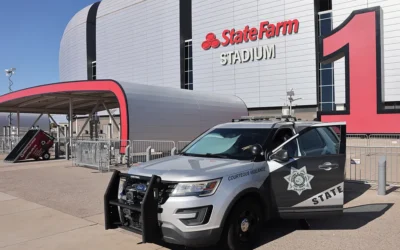
Authorities arrested an armed man at State Farm Stadium in Glendale, Arizona, just days before thousands are expected to gather for the Charlie Kirk memorial service. The man, identified as 42-year-old Joshua Runkles, was in fact working as guest security for the event but had not properly coordinated with the Secret Service. “We do not believe this person was attempting anything nefarious,” Turning Point USA spokesperson Andrew Kolvet posted on X. Even so, his arrest has heightened awareness around security as the nation prepares to honor Kirk. I want to add a note of clarity here. This individual was doing advance security for a known guest planning to attend the memorial service tomorrow. We do not believe this person was attempting anything nefarious, however the advance was not done in proper coordination with the… https://t.co/i6YvnMUog1 — Andrew Kolvet (@AndrewKolvet) September 20, 2025 The Arrest Law enforcement intervened after spotting behavior that raised concern. Runkles was carrying several weapons, including a firearm and multiple knives, and presented expired law enforcement credentials. He explained that he was on-site as part of a private security detail, but officials noted he had not gone through proper channels with the Secret Service. Officers moved quickly to detain him before he could access areas that were still being locked down for the memorial. He was booked into the Maricopa County Jail and later released on bond. Investigators are still piecing together what happened. Heightened Security Charlie Kirk’s memorial is expected to draw more than 100,000 attendees, including former President Donald Trump, Vice President J.D. Vance, and many other political leaders. Because of the size of the gathering and its national importance, the Department of Homeland Security designated it a Level-1 Special Event Assessment Rating. That is the highest security classification possible, reserved for events such as presidential inaugurations and major national ceremonies. This designation means extraordinary precautions are in place. Security teams have set up multiple checkpoints, metal detectors, and no-bag policies. Hundreds of officers from local, state, and federal agencies will work together to maintain order. Aerial surveillance will monitor crowds from above, while plainclothes agents will move among attendees. Authorities are also using intelligence-sharing systems to track any potential risks in real time. Why It Matters The arrest highlights the ongoing risks facing large public gatherings in today’s political climate. With tensions running high after Kirk’s tragic death earlier this month, even small disruptions could have dangerous consequences. Unauthorized armed individuals not only put attendees at risk but also raise concerns for the safety of dignitaries and officials. In this case, Runkles was working as guest security but had not obtained the necessary Secret Service credentials. Carrying multiple weapons and presenting expired law enforcement credentials created confusion and raised alarms among authorities. Investigators are now focused on understanding how the lapse occurred and ensuring tighter coordination so that similar breaches cannot happen again. A Nation on Edge Charlie Kirk’s death in Utah shook millions of Americans. The young conservative activist and founder of Turning Point USA was gunned down in a shocking act of political violence. His memorial service is not only a chance to honor his life but also a moment for the nation to reflect on the cost of division and hostility. (RELATED NEWS: AOC Slams Charlie Kirk with Scathing House Floor Comments) Many who plan to attend see the gathering as a public stand for faith, family, and the values Kirk spent his life defending. But the heightened security shows that public events, especially those with symbolic importance, are now potential flashpoints. Communities across the country are grappling with how to balance free expression and public safety in an era of rising tension. What Comes Next Officials are reassessing screening procedures to prevent similar lapses in the future. At the time of Runkles’ arrest, full security protocols for the memorial had not yet been activated. Protective fencing and additional barriers were only installed today. Workers are out here in 99° heat building a steel fence all around State Farm Arena to secure Charlie’s memorial tomorrow pic.twitter.com/8Y530SesV2 — Jack Poso 🇺🇸 (@JackPosobiec) September 20, 2025 For those attending the memorial, organizers are urging compliance with all security measures. Guests should prepare for longer wait times at checkpoints and restrictions on personal items. There is also a no bag policy in force, similar to other large events. These precautions may be inconvenient, but they are necessary to protect lives and preserve the integrity of the service. There is a strict No Bag Policy for tomorrow’s memorial service for Charlie This includes purses, backpacks, and even clear bags Security WILL be enforcing this and you will have to go to the back Share this to prevent any confusion tomorrow with staff just doing their jobs — Jack Poso 🇺🇸 (@JackPosobiec) September 20, 2025 Honoring Charlie Kirk As investigators continue their work, the nation’s attention turns to honoring the life and legacy of Charlie Kirk. His leadership, advocacy, and passion for civic engagement inspired countless young people. For his supporters, the memorial is not just a farewell but a call to continue the work he championed. (RELATED NEWS: Charlie Kirk: A Patriot Remembered, A Legacy Unbroken) This situation is a sobering reminder of the threats that come with standing boldly in the public square. Yet it also underscores why Kirk’s message mattered so deeply. He spoke about courage in the face of opposition, and that message now resonates more strongly than ever. The Final Word The events in Glendale reveal the challenges of hosting a national memorial in a time of division and unrest. But they also highlight the determination of law enforcement to safeguard Americans as they gather to mourn. With strong security measures in place, Charlie Kirk’s memorial will go forward as planned. In moments like this, unity and vigilance matter most. Security scares should not overshadow the purpose of the day: to remember a life lost too soon and to recommit to a vision of America that values faith, truth, and freedom. Update:…
California Volleyball Clash Over Transgender Athletes
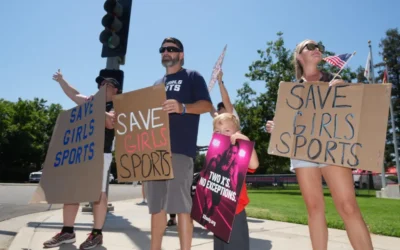
California is once again in the spotlight, and not for the right reasons. The state’s policies on transgender athletes are creating conflict after conflict, and this time, volleyball is at the center of the storm. Families, students, and coaches are speaking out, saying the rules don’t prioritize fairness or safety. A High School Girl Forced Out of the Game At Jurupa Valley High School, senior Hadeel Hazameh walked away from volleyball. Why? Because she says she spent three years sharing a locker room with a biological male. For her, that wasn’t just uncomfortable—it violated her faith and her rights. She filed a lawsuit, joined by teammate Alyssa McPherson, who is Catholic and says she faced the same struggle. Both of these brave young women argue that girls shouldn’t have to compromise their beliefs, their privacy, or their safety just to play sports. Their lawsuit names the school district, the California Interscholastic Federation, and the Department of Education. They’re asking for what should be common sense: fairness and respect for girls. A Muslim American girl in California is standing up against the state’s trans athletes policies after spending three years sharing a locker room with a transgender volleyball teammate – a violation of her religion. She is also calling out Gavin Newsom for doing nothing to help… pic.twitter.com/I4qQhF4UKx — Jackson Thompson (@JackThompsonFOX) September 17, 2025 College Teams Caught in the Same Fight This isn’t only happening in high school gyms. At Santa Rosa Junior College, players filed a Title IX complaint after a transgender athlete joined the women’s volleyball team. One player says she got a concussion after taking a spike to the head. Another says she was injured, too, according to Fox News. These aren’t small scrapes—these are serious safety concerns. Two junior college women’s volleyball players in California allege they witnessed a transgender teammate give a concussion to a female player with a spike to the head, and one of them took one of the athlete’s spikes to the face herself. pic.twitter.com/tgksH60i7u — Jackson Thompson (@JackThompsonFOX) September 9, 2025 At San Jose State University, teammates say a biological male played on the women’s team for three years. They claim nobody told them the truth. In a lawsuit, player Brooke Slusser alleges that she was never told that her teammate, later identified as Blaire Fleming, is a biological male. For example: She says she moved into an apartment (with teammates including Fleming) and shared a room without knowing this. The lawsuit claims she only learned the truth toward the end of a season after overhearing non-team members referring to Fleming as “a dude.” Slusser also claims that Fleming asked to room with her, and that school officials assigned them to share rooms (on road trips), without disclosing Fleming’s birth sex. The case has now triggered a federal Title IX investigation. That’s how big this problem has become. (MORE NEWS: Skipping Coverage: The New Trend Among Young Adults) Why Girls Are Pushing Back The issue comes down to three simple points: fairness, safety, and faith. Girls are tired of being told to “just deal with it” when they’re asked to compete against transgender biological males. They know the physical differences aren’t erased by changing paperwork. Volleyball is a fast and powerful game, and the risk of injury is a real concern. Then there’s the matter of faith and privacy. Hazameh and McPherson both say their beliefs demand modesty. They shouldn’t be forced into locker rooms with males to keep their spot on the team. That’s not equality—it’s coercion. What Leaders Are (and Aren’t) Doing Governor Gavin Newsom admits it’s unfair for males to compete in female sports. Yet, when it comes time to act, he punts. His office says the policy was passed years ago under Jerry Brown and that the athletic federation and education department run independently. That excuse doesn’t fly with parents and students who want action now. Hazameh spoke out on Newsom’s lack of action: “If our governor himself says that it’s unfair, then he’s the one who should act on it… he should be the one to stand up, it shouldn’t have to be girls like me and Alyssa who have to forfeit in order to make a stand that this isn’t right… If you’re not going to do anything, then what are you here to do if you’re not here to make America better?” Saying the policy is wrong while leaving it untouched is like acknowledging the house is on fire and refusing to pick up a hose. Lawmakers Take a Pass Earlier this year, lawmakers had a chance to fix this. Two bills were introduced that would have stopped males from competing in girls’ sports. Both failed. Every Democrat voted them down. Some even compared the effort to historic oppression—ignoring the real oppression of girls losing their teams, their safety, and their voices. The message to families was clear: politics came before protecting daughters. And people are taking note. (MORE NEWS: Rising Socialism Exposes the Democratic Party’s Identity Crisis) Title IX: A Law Turned Upside Down Title IX was written to protect opportunities for women. It opened doors, built teams, and gave generations of girls the chance to compete. Now, that law is being twisted into something unrecognizable. Instead of protecting female athletes, it’s being used to justify rules that put them at a disadvantage. That’s why so many families are filing lawsuits. They’re asking the courts to restore the original intent of Title IX—to protect women, not erase them. What’s Next California is heading toward a reckoning. Lawsuits regarding transgender athletes are piling up. Federal investigations are underway. Parents are demanding change. And girls are speaking out louder than ever. The pressure is building, and leaders won’t be able to dodge the issue forever. The question is simple: will California protect the rights of girls, or will it continue to sacrifice them on the altar of ideology? Families know what’s at stake—privacy, safety, and the basic fairness that sports are supposed to be built…