


Today, many millennials and members of Gen Z postpone major life events like marriage and parenthood. This trend shapes how they view long-term protections. The recent Capgemini-LIMRA World Life Insurance Report 2026 shows that people under 40 no longer see marriage or kids as immediate priorities. As a result, young adults often skip (or delay) buying life insurance coverage that used to follow those milestones.
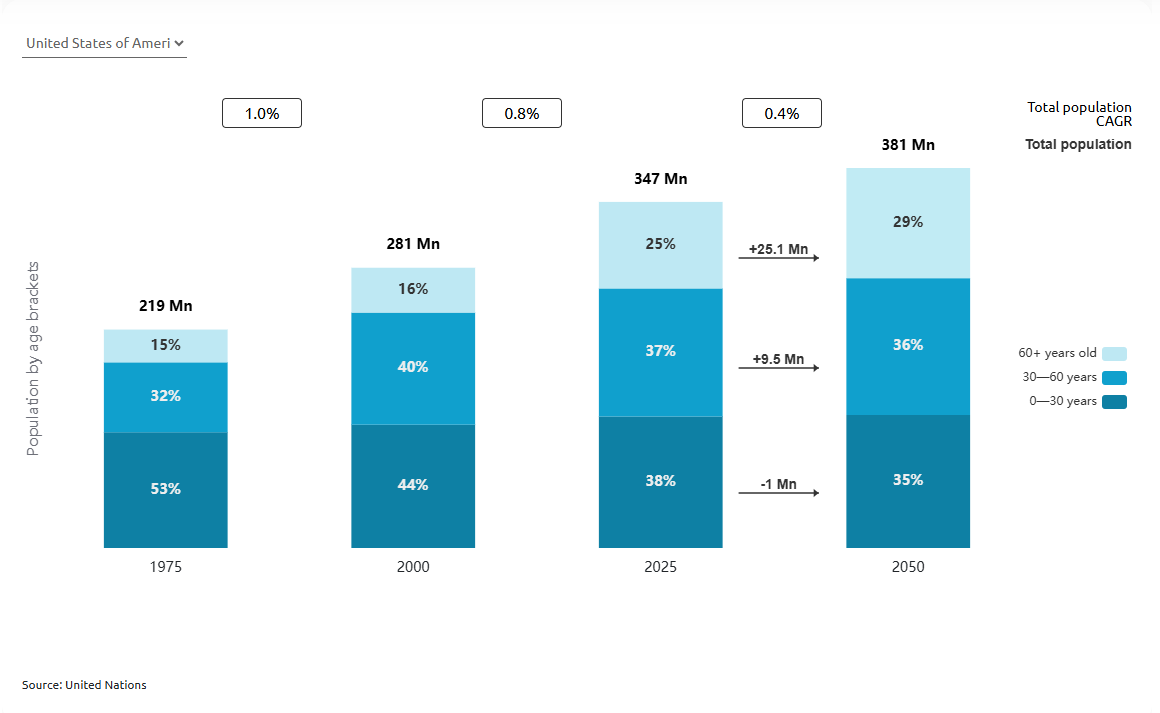
For example, the report finds that about 63% of under-40s have no immediate plans for marriage. At the same time, as many as 84% of both single and married people in that age group say they do not plan to have a child right away. As a result, fewer babies are being born, and our population is getting older.
Why They Skip Life Insurance
Even though young adults largely believe life insurance is essential (about 68% do), many feel current policies do not match what they want right now.
Several reasons stand out:
- 32% think life insurance coverage misaligns with their stage in life
- 28% say premiums cost too much
- 25% cite lack of immediate benefits
Young adults want what the report calls “living benefits.” These include things like emergency financial help, wellness rewards, or coverage for fertility treatments. They want policies that provide value now, not just in case of death. (MORE NEWS: United CEO Scott Kirby Says Spirit Airlines Will Collapse)
Samantha Chow, Global Leader for Life Insurance, Annuities and Benefits Sector at Capgemini weighed in:
“As the next generation accumulates wealth and pursues a less traditional life path, their expectations around financial protection are evolving. The life insurance industry cannot rely solely on traditional death protection to sustain its future. Life insurers need to demonstrate value to include near-term gratification — delivering tangible benefits that customers can access during their lifetime. Fortunately, life insurers can bridge this gap by deploying innovative products and articulating their value in ways that resonate with tomorrow’s policyholders.”
Industry Response & Challenges
The life insurance industry recognizes this shift. Leaders point to delayed milestones, aging populations, and ongoing economic uncertainty as key forces shaping the market.
However, the sector faces obstacles:
- Many policy processes remain confusing. People complain about complex wording and hard-to-understand terms
- Fewer policies offer features that appeal to younger adults
- Insurers lag in technology: under-40 consumers want digital engagement and data-driven recommendations, but only a minority of insurers deliver those
For example, while more than half of younger adults want direct digital interaction, less than one-third of insurers provide suitable platforms. Most expect strong data-driven guidance, yet only a fraction of insurers offer it at scale.
Bryan Hodgens, Senior Vice President and Head of LIMRA Research, said this:
“Carriers need a different playbook when marketing life insurance to the younger generations. Our joint research shows that the price misconceptions, coupled with competing financial priorities, positions life insurance at a disadvantage with younger adults. Carriers must not only demonstrate the accessibility and affordability of life insurance but also need to reimagine the product to address younger adults’ current financial priorities while adapting to meet their future financial goals as they age.”
What Young Adults Do Value
Even as they delay marriage and kids, young adults still want financial protection that feels useful today. Instead of policies that only pay out after death, they are asking for benefits they can tap into during their lifetime. (MORE NEWS: AI Is Taking Entry-Level Jobs and Shaking Up the Workforce)
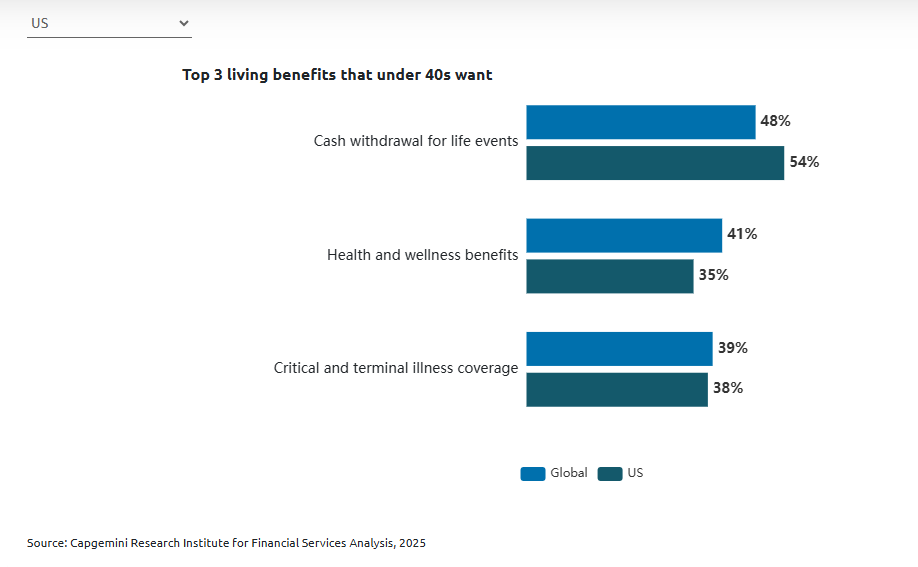
According to new research, the top three “living benefits” under-40s want are:
- Cash withdrawal for life events: 54% of U.S. respondents and 48% globally rank this as their number one priority. They want flexibility to access funds when life happens—whether that’s moving, education, or unexpected expenses.
- Health and wellness benefits: 35% in the U.S. and 41% globally want policies that reward healthy living or help offset medical costs.
- Critical and terminal illness coverage: 38% in the U.S. and 39% globally value this type of protection, which provides financial support during some of the hardest seasons of life.
This shows that younger generations are not rejecting life insurance altogether. They simply expect it to look different—more practical, more flexible, and more relevant to their current lifestyle.
Opportunities for Insurers
Given these shifts, insurers have several paths forward to regain relevance with millennials and Gen Z:
- Innovate product design – Create flexible policies with living-benefits built in. Simplify underwriting. Include perks they care about now
- Improve clarity and access – Use clear language. Remove confusing terms. Make policies easy to understand and buy
- Leverage technology – Offer digital platforms. Use data to recommend relevant options. Make processes fast
- Partner with other services – Teams in wellness, fertility, or employer benefits could enhance coverage. Embed value into everyday life
These changes not only respond to smaller uptake now, but also help avoid larger protection gaps later. Insurers who adapt early may build loyalty with younger customers.
What This Means Going Forward
Life milestones aren’t what they used to be, and that means life insurance has to change too. Instead of pushing policies tied to marriage or kids, insurers need to focus on what young adults are actually dealing with today—like student loans, debt management, wellness goals, and the desire for benefits they can use right now.
If insurers get it right, they’ll create policies that make sense at every stage of life. If they don’t, many millennials and Gen Z will keep skipping coverage and risk being left unprotected.
The big picture is clear: financial products have to keep up with changing lifestyles. The gap between what’s being offered and what younger generations actually want is too wide to ignore.
Young people aren’t against financial protection—they just want it to feel relevant. The insurers who win will be the ones who deliver flexible, transparent, and digital-first policies that provide real value both today and down the road.
Forget the narrative. Reject the script. Share what matters.
At The Modern Memo, we call it like it is — no filter, no apology, no corporate leash.
If you’re tired of being lied to, manipulated, or ignored, amplify the truth.
One share at a time, we dismantle the media machine — with facts, boldness, and zero fear. Stand with us. Speak louder. Because silence helps them win.
