

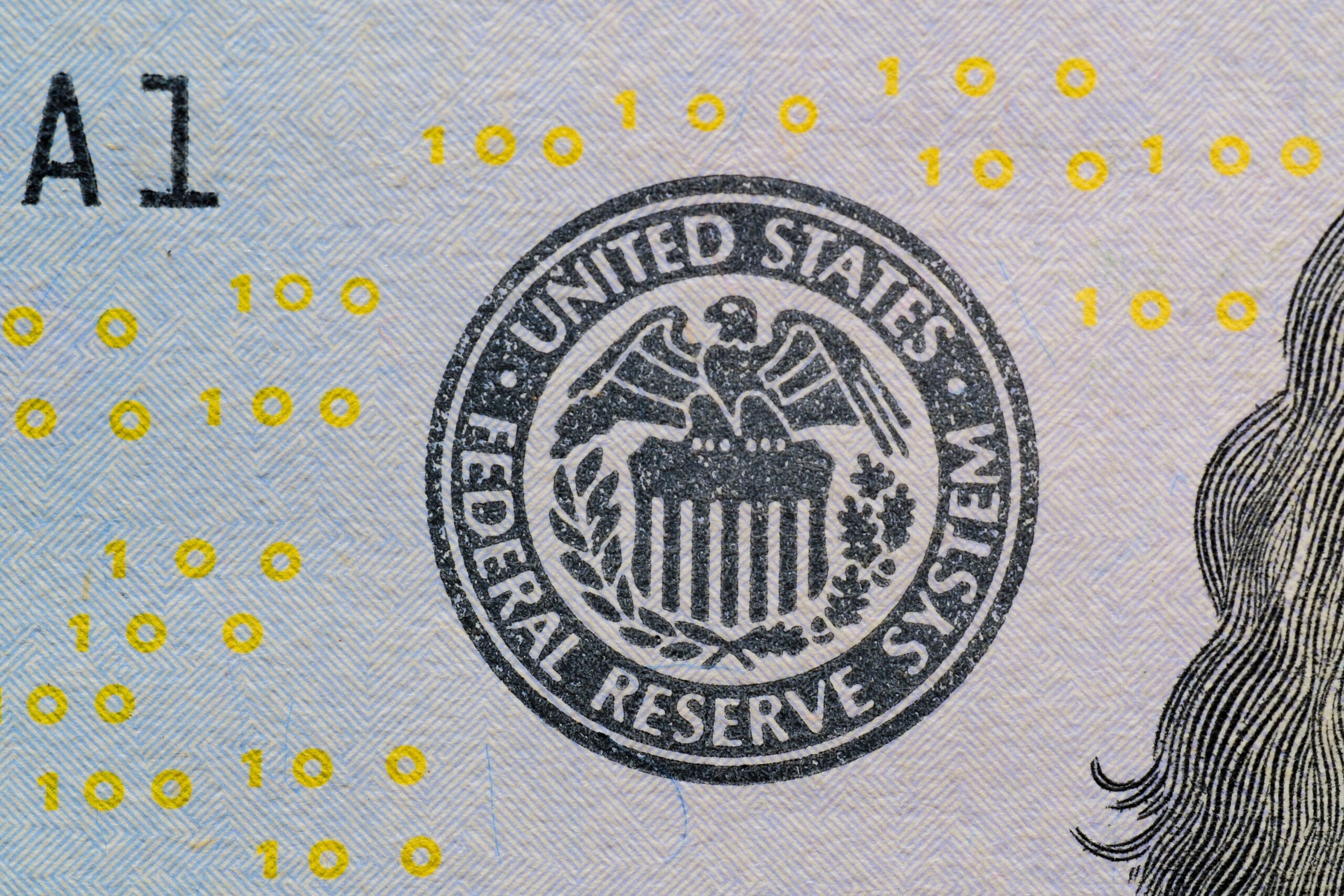
The Federal Reserve held interest rates steady at its late-July meeting, sticking with its benchmark range even as war-driven oil prices and lingering inflation concerns pushed some traders to bet on a surprise hike — a decision that marks new Fed Chair Kevin Warsh’s clearest test yet as he charts his own path apart from his predecessor.
Economists polled by FactSet predicted the Fed would hold its benchmark rate steady at 3.5% to 3.75%, marking the fifth consecutive meeting the central bank has left rates unchanged. Bond traders had placed roughly 64% odds on a hold and 36% odds on a hike heading into the decision, reflecting real uncertainty about how rising energy prices tied to the Iran war might affect the inflation outlook.
Warsh Breaks From the Old Playbook
Fed watchers say Wednesday’s decision carries extra weight because Warsh has deliberately pulled back on the kind of detailed forward guidance markets grew used to under his predecessor. Investment strategists at Glenmede noted that with little forward guidance to lean on, the post-meeting statement language and Warsh’s press conference carried outsized weight for markets trying to read where the central bank stands.
A Complicated Inflation Picture
The Fed’s calculus was complicated by conflicting signals. At the Fed’s June meeting, committee members had signaled their next move was more likely to be up than down, after a wartime spike in gasoline prices pushed annual inflation to 4.2% in May — its highest level in more than three years. Inflation cooled somewhat in June, giving policymakers some breathing room, but rising oil prices tied to the Strait of Hormuz standoff have kept alive the possibility of another inflation flare-up later this year.
Why It Matters for Markets
The decision reverberated well beyond Wall Street, with crypto markets also on edge. Bitcoin had slipped to roughly $63,300 heading into the meeting as investors trimmed risk exposure, part of a broader weekly pullback tied to both Fed uncertainty and the Iran conflict. A hold gives investors — and the Trump administration, which has pushed for lower rates — some near-term relief, though the bigger question going forward is how a Warsh-led Fed will communicate and react to a still-volatile geopolitical and economic backdrop.
This story is developing.
