
War

Trump Declares “Economic D-Day” Against Iran, Warns Any Nation Aiding Tehran Will Face “Tremendous” Consequences
President Trump announced an all-out escalation of economic pressure against Iran this week, declaring what he called “the most crushing economic operation ever taken against any country” and warning that any nation helping Iran evade sanctions — from oil buyers to shipping registries — will face severe financial retaliation of its own. What Trump Announced In an all-caps Truth Social post Wednesday evening, Trump declared “ECONOMIC D-DAY” against Iran, writing that the country’s military has been effectively dismantled and its economy is on the brink. “Their navy is gone, their air force is destroyed, their military factories are now rubble, their currency is worthless, and their country is hanging by a thread,” Trump wrote. He went on to warn that “ANY country that allows its financial institutions, businesses, airports, or government entities to provide any type of lifeline to Iran will itself face TREMENDOUS Economic Consequences.” Trump specifically called out the mechanisms he wants shut down: “Oil smuggling, swap lines, cash transfers, exchange houses, ship registries, front companies — It all needs to stop NOW. You know who you are,” he wrote, without naming specific countries. “This will be an ECONOMIC D-DAY, and we need all of our Allies to stand with the United States of America to isolate, and defeat, the Iran threat.” Building on an Existing Pressure Campaign Wednesday’s announcement extends a sanctions effort the administration has waged since April under the name Operation Economic Fury. Treasury Secretary Scott Bessent had previewed the escalation in comments the prior week, signaling that a fresh round of financial pressure was coming as diplomatic talks over ending the war remained stalled. The timing is notable: Trump’s announcement came just two days after the 60-day deadline for a comprehensive U.S.-Iran peace deal quietly expired without an agreement, and after Trump had said Tuesday he wasn’t interested in resuming talks with Iran at all — only to strike a somewhat more open tone by Wednesday, saying he remained willing to negotiate even as he unveiled the new economic offensive. Who Could Be in the Crosshairs Trump did not name specific countries in his post, but analysts note the threat carries real weight for several major economies. According to World Bank data, Iran exported to 147 countries and imported from 114 countries as of the most recent figures available, with China standing out as by far Iran’s largest trading partner, accounting for the bulk of both its oil and non-oil exports. That means Trump’s threat could realistically put pressure on relationships with China, India, and even Germany, depending on how aggressively the administration chooses to enforce it — a reminder that “economic D-Day” rhetoric, if followed through, carries diplomatic complications well beyond Iran itself. Notably, the announcement came just a day after the United Arab Emirates — a longtime U.S. ally — announced it would sever all financial and economic ties with Iran, following a fresh missile threat from Tehran. That move suggests at least some regional partners are already moving to align themselves with Washington’s posture ahead of any formal enforcement action. Iran’s Response Iranian Foreign Minister Abbas Araghchi dismissed Trump’s announcement as a distraction from problems at home. “Economic D-Day’ is a diversion from America’s own crisis: unprecedented debt and surging interest costs,” Araghchi wrote on X, pointing to a New York Times report that the U.S. national debt has now surpassed $40 trillion. He went on to accuse Washington of “economic terrorism,” arguing the campaign threatens the broader global economy and the sovereignty of countries well beyond Iran itself. “Doubling down on failed policies will only bring further defeat — and enmity of Iranians,” Araghchi added. A Pattern of Escalating Rhetoric Araghchi’s dismissal echoes a pattern he’s followed throughout the conflict, having previously accused Washington of ratcheting up sanctions every time an earlier round failed to change Tehran’s underlying position. That said, independent data on Iran’s economic condition lends some credibility to Trump’s framing: Iran has been grappling with a serious economic crisis since well before this latest round of pressure, with inflation having climbed above 48% at points over the past year and a substantial share of the population living below the poverty line, according to various estimates. The Market Reaction Trump’s threat had an immediate effect on global energy markets. Oil prices rose to their highest levels in a month following the announcement, as traders weighed the possibility that a serious crackdown on Iranian oil exports and the shipping networks that move them could tighten global supply. That’s a familiar dynamic in this conflict: virtually every major escalation, on either side, has rippled through energy markets given the ongoing standoff over the Strait of Hormuz, one of the world’s most critical oil shipping chokepoints. Reading the Strategy Supporters of the administration’s approach argue that after nearly six months of war and a missed diplomatic deadline, ratcheting up financial pressure on Iran and the networks helping it evade existing sanctions is a logical and appropriately aggressive next step — one that avoids further direct military escalation while still working to force Tehran back to the negotiating table on more favorable terms for the U.S. From this view, targeting the shadow economy that has allowed Iran to partially sustain itself despite existing sanctions is precisely the kind of comprehensive pressure that could finally break the current stalemate. Skeptics, including voices within Iran’s own government, argue that repeatedly escalating sanctions without offering a credible diplomatic off-ramp risks entrenching the conflict indefinitely rather than resolving it, and that framing the campaign in maximalist terms — an “economic D-Day” — sets an extremely high bar for what would actually count as success. Iran’s pointed counterattack referencing America’s own debt crisis also underscores a broader rhetorical strategy Tehran has employed throughout the war: reframing U.S. pressure campaigns as evidence of American overreach and financial strain rather than a position of strength. What Happens Next Trump has not yet specified exactly what mechanisms or timeline the new sanctions regime will follow, leaving considerable uncertainty about…

Bitcoin Wobbles Near $63K as Iran War and Fed Meeting Rattle Crypto Markets
Cryptocurrency markets have spent the back half of July caught between two major forces — the ongoing war with Iran and this week’s Federal Reserve rate decision — with Bitcoin swinging through a volatile range as investors weigh geopolitical risk against a resilient longer-term rally. A Choppy Month for Crypto Bitcoin fell sharply in late July, trading near $63,300 as investors trimmed risk exposure ahead of the Fed’s two-day policy meeting, extending a weekly decline that left the cryptocurrency down nearly 4% over seven days. That marked a pullback from earlier in the month, when Bitcoin had climbed back above $65,000 on the back of five consecutive days of net inflows exceeding $600 million into spot Bitcoin ETFs. Earlier still, Bitcoin had dropped below $63,000 as tensions between the U.S. and Iran sent risk assets lower and pushed crude oil above $80 a barrel, underscoring just how closely tied crypto sentiment has become to the war’s twists and turns. Institutional Money Still Flowing — Selectively Despite the volatility, institutional appetite hasn’t disappeared entirely. Spot Bitcoin and Ethereum ETFs both attracted fresh capital during stretches of July, though Ether ETFs have recently drawn more institutional interest than their Bitcoin counterparts — a sign that big money is becoming more selective about where it places crypto bets rather than pulling out of the space altogether. What’s Next Markets are now watching two key near-term catalysts: the outcome of the Fed’s rate decision, where traders had priced in over 80% odds of a hold, and a large monthly options expiration on July 31 that could trigger sharp short-term swings around the $65,000–$66,000 level. Longer term, crypto bulls are also watching progress on the Clarity Act, digital asset legislation that could provide clearer regulatory guardrails for the industry — something advocates argue is long overdue and would help unlock further institutional investment into the space. This story is developing.
Fed Holds Rates Steady as Warsh Charts New Course Amid Iran War Pressure
The Federal Reserve held interest rates steady at its late-July meeting, sticking with its benchmark range even as war-driven oil prices and lingering inflation concerns pushed some traders to bet on a surprise hike — a decision that marks new Fed Chair Kevin Warsh’s clearest test yet as he charts his own path apart from his predecessor. Economists polled by FactSet predicted the Fed would hold its benchmark rate steady at 3.5% to 3.75%, marking the fifth consecutive meeting the central bank has left rates unchanged. Bond traders had placed roughly 64% odds on a hold and 36% odds on a hike heading into the decision, reflecting real uncertainty about how rising energy prices tied to the Iran war might affect the inflation outlook. Warsh Breaks From the Old Playbook Fed watchers say Wednesday’s decision carries extra weight because Warsh has deliberately pulled back on the kind of detailed forward guidance markets grew used to under his predecessor. Investment strategists at Glenmede noted that with little forward guidance to lean on, the post-meeting statement language and Warsh’s press conference carried outsized weight for markets trying to read where the central bank stands. A Complicated Inflation Picture The Fed’s calculus was complicated by conflicting signals. At the Fed’s June meeting, committee members had signaled their next move was more likely to be up than down, after a wartime spike in gasoline prices pushed annual inflation to 4.2% in May — its highest level in more than three years. Inflation cooled somewhat in June, giving policymakers some breathing room, but rising oil prices tied to the Strait of Hormuz standoff have kept alive the possibility of another inflation flare-up later this year. Why It Matters for Markets The decision reverberated well beyond Wall Street, with crypto markets also on edge. Bitcoin had slipped to roughly $63,300 heading into the meeting as investors trimmed risk exposure, part of a broader weekly pullback tied to both Fed uncertainty and the Iran conflict. A hold gives investors — and the Trump administration, which has pushed for lower rates — some near-term relief, though the bigger question going forward is how a Warsh-led Fed will communicate and react to a still-volatile geopolitical and economic backdrop. This story is developing.

US Rewards UAE’s Support in Iran War With Easier Access to Advanced AI Chips, Drawing Democrat Fire
The Trump administration has cleared the way for expanded sales of America’s most advanced AI chips to the United Arab Emirates, crediting the Gulf nation’s cooperation during the Iran war and its steps to safeguard sensitive U.S. technology — a move the administration says strengthens a key ally while critics warn could open a backdoor for China. The Commerce Department’s Bureau of Industry and Security reclassified the UAE into the highest-trust Country Group A:5, allowing license-free export of advanced Nvidia and AMD AI chips, high-performance servers, commercial satellites, and certain military items. The rule change cited both the UAE’s steps to protect sensitive American technology and its support for the U.S. in the war against Iran. A Boost for American Industry The policy accelerates development of the $30 billion Stargate UAE AI campus, a massive AI compute facility in Abu Dhabi, and removes previous license requirements for approved entities like the UAE’s G42. Supporters say the move deepens an important strategic and commercial partnership at a moment when the UAE has proven itself a reliable regional ally, while ensuring American firms — not foreign competitors — supply the infrastructure powering the next generation of Gulf AI development. UAE Ambassador Yousef Al Otaiba praised the decision, saying it “affirms and advances decades of deep and dependable UAE-US cooperation in technology, security, trade and investment.” Democrats Demand Answers The decision hasn’t gone unchallenged. Sen. Elizabeth Warren, D-Mass., called on Commerce Secretary Howard Lutnick and Under Secretary Jeffrey Kessler to testify before the Senate Banking Committee, arguing the move happened “despite reported concerns about the diversion of sensitive technology to China and other national security risks.” Warren has also raised questions about financial ties between UAE-linked entities and Trump-connected business ventures, though administration officials maintain the export decision was made purely on national security and alliance grounds. Balancing Security and Strategy Some China hawks in Washington remain wary, warning the move could allow sensitive AI technology to reach China through cloud computing access or physical transfer of chips, particularly given G42’s past ties to Huawei — though G42 says it has since distanced itself from the Chinese firm. The administration has countered that keeping the UAE firmly in America’s technological orbit, rather than pushing it toward Chinese suppliers, is the more strategically sound long-term choice — especially given the UAE’s cooperation during the ongoing Iran conflict. This story is developing.
Hegseth Fires Back at Democrats Over War Funding in Fiery Senate Showdown
Sen. Gary Peters accused Hegseth of lacking a plan to win the war as the $1.5 trillion budget request faces scrutiny Defense Secretary Pete Hegseth refused to play defense Tuesday, turning a hostile Senate hearing into a forceful counterattack against Democrats he accused of undermining the troops through partisan obstruction — even as senators pressed him on the administration’s handling of the ongoing war with Iran. The hearing, which was meant to focus on the Pentagon’s record $1.5 trillion budget request for fiscal year 2027, instead became a heated back-and-forth over military leadership and the trajectory of the Iran conflict, now well past the 60 days President Trump initially suggested it would take to resolve. Peters Presses, Hegseth Pushes Back Sen. Gary Peters, D-Mich., opened the confrontation by pressing Hegseth on whether the administration actually has a strategy to bring the war to a close, arguing the country was in a worse position than when the conflict began. “You — you don’t have a strategy, you don’t have a long-term plan to actually win this war,” Peters said, raising his voice. “Win the war! The men and women are going to be able to do it, but they need leadership. When will you show leadership?” Hegseth didn’t back down. He turned the attack back on Democrats, arguing that their hesitance on the administration’s border enforcement policies has bled into hesitance on funding the military itself. “When will you show leadership and stand up to your fellow Democrats who won’t fund the troops, who play partisan politics while you don’t give us the money?” Hegseth shot back. “You want to stand up here and talk about the troops? You won’t show any political courage to actually fund our department because you have Trump derangement syndrome and you won’t commit to anything meaningful. So, I put this on you, senator.” Blaming the Last Administration Hegseth also used the hearing to draw a contrast with what he described as years of neglect under his predecessor, former Defense Secretary Lloyd Austin, pointing to the Biden administration’s failure to invest in hypersonic missile technology — a capability China first fielded in 2019. “They just decided to pretend like that technology didn’t exist and we shouldn’t invest in it,” Hegseth said. “I don’t know what Lloyd Austin did for four years. I really don’t. The amount of neglect, the amount of stale thinking and bureaucracy; it was staggering when we took over.” A Bind for Democrats The exchange highlighted a broader challenge facing Democrats on the Armed Services and Appropriations panels: criticizing Hegseth’s leadership without appearing to withhold support from service members currently in harm’s way. Lawmakers on the panel have voiced reservations about the administration’s Iran strategy while also stressing their support for troops in the field — a balancing act Hegseth was quick to exploit in front of the cameras. The war itself remains unresolved. The conflict began February 28 with joint U.S.-Israeli strikes that killed Iran’s supreme leader, and despite the administration’s early promises of a swift resolution, American forces remain engaged in a standoff with Tehran over control of the Strait of Hormuz, a critical chokepoint for global oil shipping. The Budget Fight Looms Large The clash unfolded against the backdrop of the Pentagon’s request for $1.5 trillion in defense spending for 2027 — a sizable jump from the roughly $900 billion Congress approved for the current fiscal year. Republicans have largely rallied behind the funding request and Hegseth’s leadership, framing it as essential to reversing what they describe as years of underinvestment and mismanagement at the Pentagon. Democrats have raised concerns about the price tag and pressed for greater accountability on the war’s objectives and cost, which has already climbed past $80 billion — more than double initial estimates given to Congress. This story is developing.
Beijing Breakthrough: Xi Jinping Pledges to Halt Military Aid to Iran and Reopen the Strait of Hormuz
In a major diplomatic pivot that has sent shockwaves through the Middle East, President Donald Trump announced that Chinese President Xi Jinping has personally pledged to help end the spiraling conflict with the Iranian regime. Speaking from Beijing at the conclusion of his historic state visit, the President revealed that China has committed to an immediate cessation of military equipment transfers to Tehran and is now actively seeking a resolution to the global energy crisis. At The Modern Memo, we analyze the “Art of the Deal” on the world stage, the strategic isolation of Iran, and why the reopening of the Strait of Hormuz is now within sight. 1. The Beijing Pledge: Cutting the Cord to Tehran The most explosive revelation from the bilateral meetings is China’s commitment to withdraw its logistical and military support for the Ayatollah’s war machine. No More Weapons: President Trump confirmed that Xi Jinping gave his “absolute word” that China would not provide any military equipment, technology, or dual-use hardware to Iran as long as hostilities persist. Ending the “Dark Fleet”: Sources indicate that the two leaders discussed a coordinated crackdown on “dark fleet” tankers—unmarked vessels that have allowed Iran to bypass American sanctions by selling oil to Chinese refineries. Strategic Reversal: For years, Beijing has acted as a financial and military lifeline for the IRGC. This sudden pivot marks a significant calculation by Xi that his relationship with a resurgent America is more valuable than his partnership with a crumbling regime in Tehran. 2. Reopening the Arteries of Global Trade The President also signaled that China is now aligned with the U.S. goal of restoring order to the world’s most critical maritime chokehold. The Hormuz Mandate: President Trump stated that Xi Jinping “would very much like to see the Strait of Hormuz reopened immediately.” The blockade, a result of the ongoing Operation Epic Fury, has sent global energy costs skyrocketing, impacting China’s manufacturing-heavy economy. Escalation vs. Stability: By advocating for the reopening of the Strait, Xi is effectively telling Iran that China will not tolerate the continued disruption of the global “energy belt.” This removes Tehran’s primary leverage against the West. Freedom of Navigation: The U.S. and China have reportedly agreed to establish a “hotline” to coordinate naval movements in the Gulf to prevent accidental escalations during the de-escalation phase. 3. The Trump Doctrine: Results Through Realism Critics of the administration’s aggressive posture in the Persian Gulf are being silenced as the “Maximum Pressure” campaign yields its biggest fruit yet: a cooperative China. Dealmaking Over Diplomacy: While previous administrations sought “consensus” through multilateral groups, this President leveraged direct trade negotiations and American naval dominance to force Beijing to the table. The “Peace Through Strength” Dividend: Analysts note that the U.S. carrier presence in the region made it clear to Xi that the Iranian conflict would only end on American terms, prompting China to pick the winning side. A Looming Ceasefire? With its largest patron turning its back, the Iranian regime is now more isolated than at any point since 1979. The President noted that “great things are going to happen” regarding a potential ceasefire, suggesting that the “Epic Fury” campaign may be entering its final chapters. Final Word The breakthrough in Beijing is the definitive proof that American leadership is once again the primary engine of global stability. When you look past the noise of “regional instability” and focus on the data—the halting of Chinese military aid and the joint push to reopen the Strait—you gain a clearer picture of a superpower that has successfully outmaneuvered its rivals. Quality information replaces the narrative of “endless war” with the reality of a strategic victory that was won through iron-fisted negotiation and unwavering strength. It allows you to see that while the conflict with Iran isn’t over, the path to peace now runs through a deal made in Beijing. By choosing to bring Xi Jinping into the fold, the President has ensured that the “Strait of Hormuz” remains an international waterway, not an Iranian playground. Where Facts, Context, and Perspective Matter At The Modern Memo, our goal is simple: to provide clear, well-researched reporting in a media landscape that often feels overwhelming. We focus on substance over sensationalism, and context over commentary. If you value thoughtful analysis, transparent sourcing, and stories that go beyond the headline, we invite you to share our work. Informed conversations start with reliable information, and sharing helps ensure important stories reach a wider audience. Journalism works best when readers engage, question, and participate. By reading and sharing, you’re supporting a more informed public and a healthier media ecosystem. The Modern Memo may be compensated and/or receive an affiliate commission if you click or buy through our links. Featured pricing is subject to change. 📩 Love what you’re reading? Don’t miss a headline! Subscribe to The Modern Memo here!

‘At the Bottom of Its Waters’: Iran’s New Supreme Leader Issues Bloodthirsty Threat as Trump Blockade Tightens
In a chilling escalation of rhetoric that has become the hallmark of the current conflict, Iran’s new Supreme Leader, Ayatollah Mojtaba Khamenei, issued a defiant written statement today, April 30, 2026. While President Trump’s “Absolute Anchor” blockade continues to suffocate the regime’s economy, the younger Khamenei—who has not been seen in public since the February airstrike that neutralized his father—declared that the only place for Americans in the Persian Gulf is “at the bottom of its waters.” At The Modern Memo, we analyze the desperate posturing of a regime under siege, the “Axis of Evasion” reality, and why the President is calling this the “final gasp of a dying tyranny.” The Rhetoric of the Grave: Mojtaba’s First Major Decree The statement, read by a state television anchor in Tehran, marks the most aggressive posture taken by Mojtaba Khamenei since he assumed power in the wake of Operation Epic Fury. The Lethal Ultimatum: “Foreigners who come from thousands of kilometers away to act with greed and malice… have no place here except at the bottom of its waters,” the statement read. Nuclear Defiance: Khamenei further insisted that Iran’s “nuclear and missile capabilities” are national assets that will be protected at all costs, signaling a total rejection of the “Grand Deal” currently being sought by the Trump administration. A Ghostly Leadership: Despite the fiery words, the fact that the statement was delivered in writing continues to fuel rumors that Mojtaba was seriously wounded in the same February 28 strike that took out the elder Khamenei. The Blockade Bite: Why Tehran is Lashing Out Military analysts suggest that the Supreme Leader’s bloodthirsty rhetoric is a direct response to the effectiveness of the U.S. Navy’s maritime blockade. Energy Asphyxiation: With U.S. forces successfully intercepting “dark fleet” tankers like the Majestic X and the Touska, Iran’s oil exports—the lifeblood of the IRGC—have slowed to a virtual halt. The $126 Barrel: While Brent crude has spiked to $126 a barrel due to the regime’s chokehold on the Strait of Hormuz, the mullahs aren’t seeing a dime of that profit. They are sitting on a mountain of oil they cannot sell, while their people face a collapsing rial. “Epic Fury” Success: Secretary of War Pete Hegseth noted this morning that the blockade is growing “more powerful by the day.” The threat to sink American ships is seen by the Pentagon as a desperate attempt to break the psychological grip of the “Absolute Anchor.” Trump’s “Peace Through Strength” Response The White House has remained unmoved by the Ayatollah’s threats, with the President reportedly telling advisors that “scared regimes talk the loudest.” The Unified Proposal: The administration has maintained that the ceasefire will only be solidified if Tehran presents a “unified proposal” for total denuclearization—a prospect that Mojtaba’s statement today explicitly mocked. Midterm Resolve: With crucial midterm elections approaching, the President has leaned into the conflict, framing it as a necessary clearing of the “terrorist nest” that has destabilized the Middle East for 40 years. Allied Unity: Despite the King’s visit earlier this week focusing on “soft power,” the U.S. military remains in a state of high alert, with “shoot and kill” orders still active for any Iranian boat attempting to seed the Strait with mines. Final Word Mojtaba Khamenei’s “bottom of the waters” threat is the sound of a regime that knows its time is running out. When you look past the noise of the “holy war” rhetoric and focus on the data—the 155+ Iranian vessels already destroyed and the total paralysis of their oil industry—you gain a clearer picture of a superpower that has finally taken the gloves off. Quality information replaces the fear of “regional war” with the reality of a surgical, disciplined dismantling of a rogue state’s ability to threaten the world. It allows you to see that the only thing destined for the bottom of the Gulf isn’t the U.S. Navy—it’s the failed ideology of the Islamic Republic. By choosing to hold the line, the President is ensuring that the “new chapter” in the Gulf will be written in English, not Persian. Where Facts, Context, and Perspective Matter At The Modern Memo, our goal is simple: to provide clear, well-researched reporting in a media landscape that often feels overwhelming. We focus on substance over sensationalism, and context over commentary. If you value thoughtful analysis, transparent sourcing, and stories that go beyond the headline, we invite you to share our work. Informed conversations start with reliable information, and sharing helps ensure important stories reach a wider audience. Journalism works best when readers engage, question, and participate. By reading and sharing, you’re supporting a more informed public and a healthier media ecosystem. The Modern Memo may be compensated and/or receive an affiliate commission if you click or buy through our links. Featured pricing is subject to change. 📩 Love what you’re reading? Don’t miss a headline! Subscribe to The Modern Memo here!

Wartime Terror: Mojtaba Khamenei Regime Hangs Champion Wrestler Amid Brutal Dissent Crackdown
In a chilling demonstration of the new leadership’s intolerance for internal dissent, the Iranian judiciary carried out the secret execution of 19-year-old wrestling champion Saleh Mohammadi on Thursday, March 19, 2026. The hanging, conducted at dawn in Qom Central Prison, marks a grim milestone in the wartime crackdown orchestrated by the regime of Mojtaba Khamenei, who recently assumed power following the death of his father. At The Modern Memo, we analyze the systematic silencing of Iran’s athletic elite, the “expedited” execution process currently being used to stifle anti-war sentiment, and the mounting list of protesters being sent to the gallows. The Execution of Saleh Mohammadi Saleh Mohammadi, a member of Iran’s national wrestling team and a bronze medalist at the 2024 Saitiev Cup in Russia, was executed alongside two other young men. The Charges: Mohammadi was convicted of moharebeh (“waging war against God”) and the alleged killing of two police officers during the January 2026 protests. Forced Confessions: Despite repeated denials in court, Mohammadi’s family and human rights observers maintain that his “confession” was extracted through severe physical and psychological torture. Exculpatory evidence, including CCTV footage that reportedly showed he was not at the scene of the crime, was dismissed by the judiciary. Echoes of Navid Afkari: The international community has drawn direct parallels to the 2020 execution of wrestler Navid Afkari. The regime’s targeting of popular athletes is widely seen as a calculated attempt to break the spirit of the Iranian youth who view these champions as symbols of national pride rather than regime loyalty. The “War-Time” Purge: Mehdi Ghasemi and Saeed Davoudi The gallows in Qom were not reserved for Mohammadi alone. On the same morning, the regime executed two other protesters who had become symbols of the December–January unrest. Mehdi Ghasemi and Saeed Davoudi: Arrested during the same wave of anti-government demonstrations, these men were subjected to the same “expedited” legal proceedings. Under the new wartime directives issued by Mojtaba Khamenei, the time between arrest, sentencing, and execution has been slashed, leaving virtually no room for international appeal or legal defense. Swedish-Iranian Execution: Just 24 hours prior, the regime also executed Kourosh Keyvani, a Swedish-Iranian citizen, on charges of espionage. This move, which drew a fierce condemnation from Stockholm, signals that the Khamenei administration is no longer deterred by the risk of diplomatic isolation. Mojtaba Khamenei’s Hardline Ascendance The surge in executions is inextricably linked to the consolidation of power by Mojtaba Khamenei. Since the death of Ali Khamenei in late February, the younger Khamenei has utilized the ongoing regional war as a pretext to eliminate domestic threats. A “Security-First” Doctrine: Internal state television broadcasts have characterized dissenters as “traitors in a time of war.” By framing protesters as assets of foreign intelligence, the regime has granted itself the moral and legal leeway to carry out what rights groups are calling a “massacre in the shadow of war.” Athletes in the Crosshairs: The list of those currently at risk remains long. Footballer Mohammad Hossein Hosseini, kickboxing champion Benjamin Naghdi, and marathon runner Niloufar Pas are all reportedly in custody, with fears mounting that they may be next as the regime seeks to “cleanse” the sports community of anti-government influence. Final Word The execution of Saleh Mohammadi is a stark reminder that for the clerical regime, the real war is being fought not just on the borders, but in the streets of Qom and Tehran. When you look past the official judiciary reports and focus on the data—the coerced confessions, the secret dawn hangings, and the systematic targeting of athletes—you gain a clearer picture of a regime that is terrified of its own people. Quality information replaces the noise of state propaganda with the clarity of human rights documentation. It allows you to see these executions not as “justice,” but as the desperate survival tactics of a hereditary dictatorship under siege. By choosing to remember the names of Mohammadi, Ghasemi, and Davoudi, you align your perspective with the reality that true strength is found in those who stand for freedom, even in the face of the gallows. Where Facts, Context, and Perspective Matter At The Modern Memo, our goal is simple: to provide clear, well-researched reporting in a media landscape that often feels overwhelming. We focus on substance over sensationalism, and context over commentary. If you value thoughtful analysis, transparent sourcing, and stories that go beyond the headline, we invite you to share our work. Informed conversations start with reliable information, and sharing helps ensure important stories reach a wider audience. Journalism works best when readers engage, question, and participate. By reading and sharing, you’re supporting a more informed public and a healthier media ecosystem. The Modern Memo may be compensated and/or receive an affiliate commission if you click or buy through our links. Featured pricing is subject to change. 📩 Love what you’re reading? Don’t miss a headline! Subscribe to The Modern Memo here!
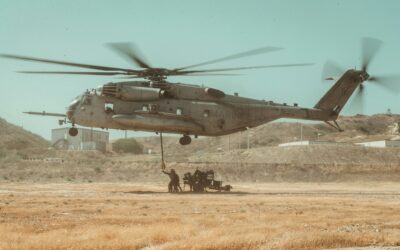
Operation Epic Fury: U.S. Reinforces the Front as Conflict with Iran Escalates
As the war against the Islamic Republic enters its third decisive week, the United States is significantly expanding its military footprint in the Middle East. Under the direction of Defense Secretary Pete Hegseth, the Pentagon has ordered thousands of Marines and a powerful amphibious strike group to the region—a move that signals Washington’s unwavering commitment to absolute naval dominance and the total reopening of the world’s most critical energy corridors. At The Modern Memo, we analyze the strategic arrival of the USS Tripoli, the mission to secure the Strait of Hormuz, and why this buildup is the necessary response to a regime that has “abandoned all restraint.” The Arrival of the “Floating Fortress” The centerpiece of this reinforcement is the USS Tripoli (LHA-7) and the 31st Marine Expeditionary Unit (MEU). Sailing from Japan, this amphibious assault carrier functions as a mobile airbase, bringing a specialized set of capabilities to Operation Epic Fury. Elite Rapid Response: The MEU consists of roughly 2,200 to 2,500 combat-ready Marines trained for high-intensity raids, amphibious landings, and the securing of strategic infrastructure. Air Superiority from the Sea: The Tripoli carries a lethal contingent of F-35B Lightning II stealth fighters and V-22 Ospreys, providing commanders with “over-the-horizon” strike options that do not depend on land-based foreign runways. Strategic Positioning: Joining the USS Abraham Lincoln and USS Gerald R. Ford strike groups, the Tripoli’s arrival creates one of the most concentrated displays of American naval power in the region since 2003. Securing the Strait: Ending the “Iranian Veto” The primary objective of the increased presence is the contested Strait of Hormuz. Following Iran’s illegal closure of the waterway on March 2, global energy markets have been roiled, and the administration has made it clear that the “veto” on global oil flow will not stand. Clearing the Shoreline: Military analysts suggest the Marines may be utilized for targeted raids on hardened Iranian missile bunkers and drone launch sites along the coastline—targets that are often difficult to eliminate through airstrikes alone. Escort Operations: Treasury Secretary Scott Bessent and Defense Secretary Hegseth have both signaled that U.S. Navy escorts for commercial tankers could begin “very soon.” The addition of the Tripoli’s ESG (Expeditionary Strike Group) provides the necessary Aegis-class protection to shield merchant ships from Iranian “suicide” boats and cruise missiles. Kharg Island Warning: President Trump has already confirmed that U.S. forces “obliterated” military sites on Kharg Island. The deployment of ground-capable Marines serves as a final warning: should the interference continue, the regime’s critical oil infrastructure will be next. A Posture of Strength Amidst Domestic Strain This surge in Middle Eastern forces comes despite the ongoing political gridlock in Washington regarding the Department of Homeland Security (DHS) shutdown. While critics point to the strain on domestic agencies, the administration maintains that national security is a global, indivisible priority. Decisive Command: Secretary Hegseth has remained focused on the mission, noting that over 15,000 enemy targets have been struck since the war began. “We have a plan for every option,” Hegseth told reporters, emphasizing that the U.S. will not allow the Strait to remain a contested zone. The Deterrence Factor: By moving ground-capable forces into the theater, the U.S. is signaling that it is prepared for a wider confrontation if Tehran continues its asymmetric attacks on American assets and allies. Final Word The deployment of the 31st MEU is a cold, calculated message to Tehran: the era of “strategic patience” has ended. When you look past the noise of regional escalation and focus on the data—the 2,500 Marines, the F-35B squadrons, and the systematic dismantling of the Iranian Navy—you gain a clearer picture of an administration that prioritizes results over rhetoric. Quality information replaces the fear of a “forever war” with the clarity of a targeted, high-tech campaign designed to restore order to the global commons. It allows you to see this buildup not as an act of aggression, but as the essential enforcement of maritime law. By choosing to support this decisive posture, you align your perspective with the reality that a secure world is only possible through undisputed strength. Where Facts, Context, and Perspective Matter At The Modern Memo, our goal is simple: to provide clear, well-researched reporting in a media landscape that often feels overwhelming. We focus on substance over sensationalism, and context over commentary. If you value thoughtful analysis, transparent sourcing, and stories that go beyond the headline, we invite you to share our work. Informed conversations start with reliable information, and sharing helps ensure important stories reach a wider audience. Journalism works best when readers engage, question, and participate. By reading and sharing, you’re supporting a more informed public and a healthier media ecosystem. The Modern Memo may be compensated and/or receive an affiliate commission if you click or buy through our links. Featured pricing is subject to change. 📩 Love what you’re reading? Don’t miss a headline! Subscribe to The Modern Memo here!