

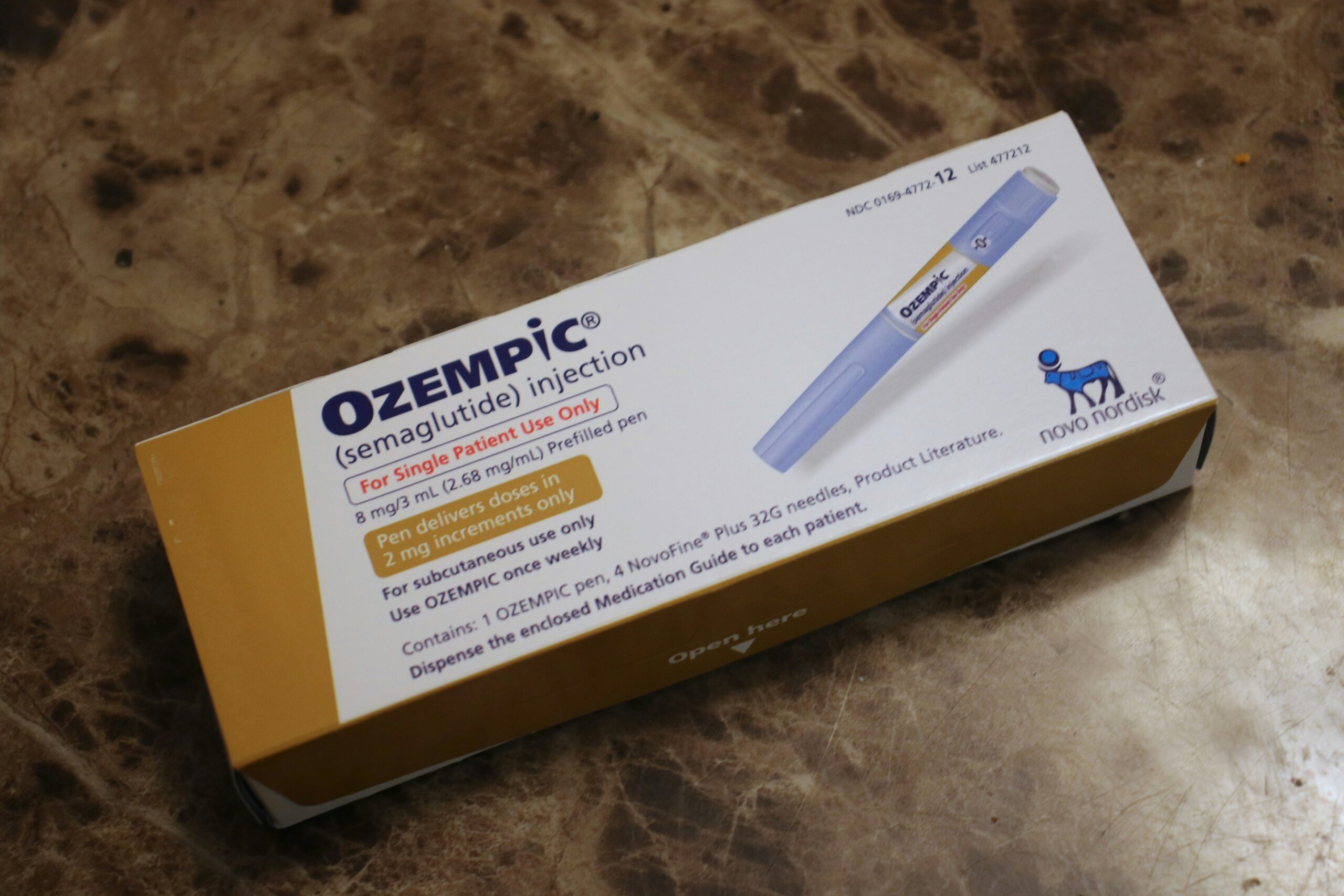
The historic pharmaceutical breakthrough of glucagon-like peptide-1 (GLP-1) receptor agonists like Ozempic, Wegovy, and Mounjaro has permanently redefined the medical treatment of chronic obesity. By mimicking natural satiety hormones to curb appetite, these blockbuster injections have allowed millions of patients to shed massive amounts of body weight rapidly. Yet, as patients step off the scale celebrating their medical triumphs, a distinct and secondary crisis is unfolding inside the nation’s aesthetic medicine clinics.
Top cosmetic and plastic surgeons warn that rapid, dramatic fat loss from GLP-1 treatments is leaving an influx of patients with severe structural skin deflation across their entire bodies. This rapid evacuation of soft tissue has introduced a wave of bizarre new anatomical complaints—headlined by the rise of “Ozempic ears”—and created an unprecedented boom in total-body surgical skin-tightening.
At The Modern Memo, we break down the physiological metrics of GLP-1 tissue deflation, the odd phenomenon of earlobe wrinkling, and the high-stakes surgical requirements necessary to tailor a patient’s skin to their new, smaller frame.
The New Frontier: Wrinkled Lobes and ‘Ozempic Ears’
While the public has grown familiar with the hollowed-out, gaunt facial contours colloquially known as “Ozempic Face,” the aggressive fat loss is now migrating to unexpected anatomical pockets.
-
The Sinking Lobe: Prominent plastic surgeons report a sudden spike in patients demanding cosmetic intervention for their earlobes. The human earlobe contains a highly concentrated pocket of structural fat tissue. When a GLP-1 drug forces a rapid, global systemic fat reduction, this padding deflates.
-
The Accessory Drop: The sudden structural collapse leaves the skin of the ear looking loose, elongated, and severely wrinkled—a phenomenon dubbed “Ozempic ears” across social media and medical podcasts. Patients routinely complain that their earlobes can no longer structurally support standard earrings, which now droop downward or tear through the loose tissue.
-
The Quick Fix: To combat the deflation, dermatologists and cosmetic surgeons are increasingly utilizing off-label dermal filler injections, pumping hyaluronic acid directly into the deflated lobes to instantly plump the skin and restore a youthful, taut contour.
Total-Body Laxity: When Skin Fails to Retract
The structural aesthetic trade-offs of GLP-1 induced weight loss extend far beyond the face, posing massive physical challenges for the human body’s largest organ.
-
The Elasticity Gap: When an individual sheds 50, 70, or over 100 pounds through traditional diet and exercise or a slow lifestyle transition, the skin is occasionally afforded the structural buffer time to incrementally contract. However, GLP-1 drugs cause a rapid mass fat evacuation that easily outpaces the skin’s natural elastic limits, leaving behind massive, empty aprons of redundant skin.
-
Breast and Gluteal Deflation: Board-certified plastic surgeons note that areas with a high density of soft tissue are hit the hardest. “Ozempic breast deflation” and “Ozempic butt” have become heavily documented clinical realties, characterized by a complete loss of upper-pole fullness, severe breast ptosis (sagging), and a flattening of the gluteal contours as the underlying fat matrix vanishes.
-
The SMAS Layer Anomaly: More worryingly, some operating room specialists have noted an alarming structural trend during surgical procedures. Several U.S. surgeons report that long-term GLP-1 users appear to possess a weaker, more fragile Superficial Musculoaponeurotic System (SMAS) layer—the critical connective tissue and muscle matrix that structurally supports the face. A compromised SMAS layer makes structural facelift procedures significantly more complex and difficult to anchor.
The Next Chapter: The Post-Medication Surgical Boom
Because minimally invasive procedures like standard liquid fillers are entirely insufficient to correct severe, hanging skin folds, weight-loss medication is rapidly altering the pipeline of the plastic surgery economy.
| Deflated Zone | Common Corrective Surgical Procedure |
| Face & Jawline | Deep Plane Facelift & Neck Lift |
| Abdomen & Flanks | Abdominoplasty (Tummy Tuck) or Lower Body Lift |
| Chest & Torso | Mastopexy (Breast Lift) often paired with implants |
| Arms & Extremities | Brachioplasty (Arm Lift) & Thigh Lift |
-
The Six-Month Rule: Despite the surge in demand, responsible surgeons are forcing a strict regulatory brake on eager patients. Operating on a patient while they are still actively losing weight on a GLP-1 regimen is considered a major surgical hazard. It introduces severe risks of poor wound healing, dynamic nutritional deficiencies, and secondary skin stretching if weight metrics continue to fluctuate.
-
The Stabilization Mandate: Plastic surgery consensus guidelines now strictly dictate that a patient must achieve a totally stable target weight and maintain it consistently for a minimum of six months before clearing them for extensive body contouring operations.
Final Word
The explosive rise of “Ozempic ears” and total-body skin deflation is the definitive proof that rapid pharmaceutical intervention cannot outrun the fundamental laws of human anatomy. When you look past the glossy marketing campaigns showcasing effortless weight loss and look directly at the clinical data—a massive wave of patients left with severely loose skin, the complete collapse of structural fat in delicate zones like the earlobes, and the operational realities of multi-stage body lifts—you gain an unvarnished view of a profound aesthetic trade-off.
Quality information replaces the social media hype of a “magic cure” with the reality of an unfolding, multi-step physical transformation. Injectable weight-loss drugs are highly effective at executing the first chapter of a health transformation, but they are leaving a generation of patients reliant on the plastic surgeon’s scalpel to tailor the final results.
