

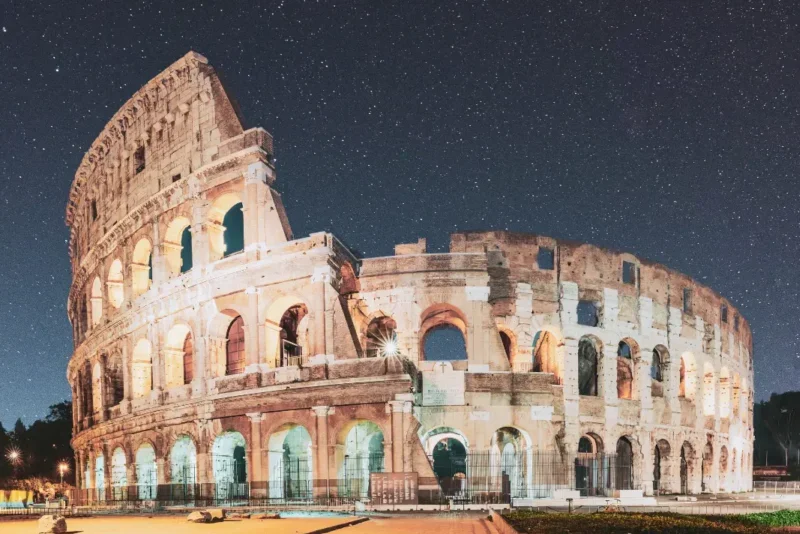
Noctourism offers a fresh way to travel. It invites people to explore the world after night falls. It shifts tourism from daylight into moonlight. This growing trend delivers unique experiences. It sparks curiosity. And it offers a new edge in a crowded travel market.
What Is Noctourism?
Noctourism means sightseeing after dark. It includes stargazing, night safaris, evening city tours, and guided walks. Travelers trade daytime crowds for quiet nights. They seek a new perspective. Landmarks and landscapes look different when the sun goes down. Shadows and light create drama. This trend reshapes how we experience destinations.
Why It’s Rising
Interest is growing quickly. A Booking.com survey showed that over 60% of travelers are now considering planning trips built around nighttime activities. Tour operators also report sharp increases in demand. Millennials play a key role in driving this change. Many want meaningful experiences at night that don’t center on alcohol. For them, noctourism blends adventure, culture, and wellness in one.
A Solution to Overtourism
Tourist hotspots often feel overwhelmed during the day. Noctourism offers relief. Visiting landmarks after hours means fewer crowds. It also transforms familiar sights into something fresh. A cathedral lit by moonlight feels different than in the glare of noon. A canyon under the stars reveals a beauty missed by day. Night gives destinations a second life.

Night Safaris and Wildlife Encounters
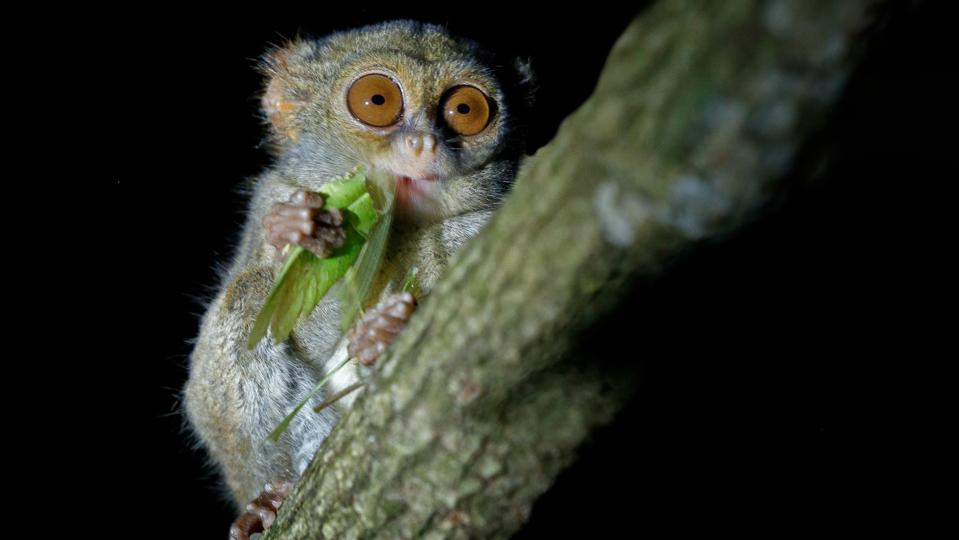
Wildlife tours illustrate the power of noctourism. Many mammals are nocturnal. A daytime safari may miss most of them. At night, the landscape changes. Safari operators highlight rare creatures that only appear in the dark. Travelers can see aardvarks, porcupines, or big cats in their natural rhythm. (MORE NEWS: Back-to-School 2025: How Parents Are Spending)
Beyond Africa, other regions embrace night wildlife tours. In Madagascar and Costa Rica, lodges lead guided walks after sunset. In the Amazon, canoe trips reveal glowing eyes of caimans on the riverbank. Night travel makes the invisible visible. It allows travelers to connect with nature in a deeper way.
Chasing the Aurora and Starry Skies
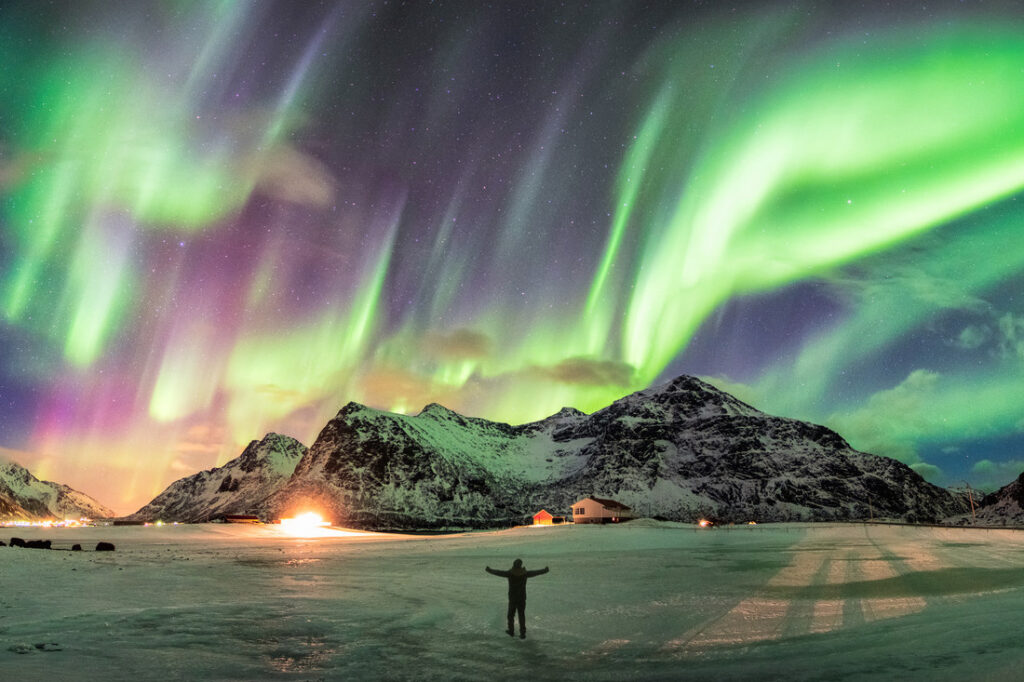
The Northern Lights are a leading force behind noctourism. The aurora industry has grown into a multimillion-dollar sector. Strong solar activity in 2024 and 2025 has made conditions even better. Travel groups in northern regions report higher bookings for aurora hunts. People travel for thousands of miles to see them.
Stargazing also draws interest. With light pollution clouding the night sky for much of the world, travelers search for dark-sky reserves and national parks. These places offer the Milky Way in its full glory. The night sky becomes both destination and attraction.
Tips for Safe and Rewarding Noctourism
Travel experts stress preparation. First, choose destinations known for safe and organized night experiences. National parks, wildlife lodges, and guided tours add structure and security. Second, match your trip with lunar cycles. New-moon periods bring the darkest skies for stargazing. Full moons, on the other hand, light up landscapes and create unique effects such as lunar rainbows at waterfalls.
Gear matters. A headlamp with red and white light preserves night vision and prevents glare. Layered clothing protects against cool evening air. Guides add the final touch. Local experts ensure safety and share stories that bring depth to the experience. In Canada’s Yellowknife, for example, Indigenous guides mix aurora viewing with cultural insights, giving visitors both wonder and wisdom.
Cultural and Urban Experiences After Dark
Noctourism isn’t limited to nature. Cities also come alive at night. Some destinations open museums, temples, or historic landmarks after hours. Others host night markets where food, art, and music collide. Lantern festivals and moonlit ceremonies add cultural flavor. Travelers who join these events discover traditions and atmospheres hidden from the daytime schedule.
Urban night tours now include architecture walks, cycling routes, and rooftop explorations. Seeing a skyline from a lit bridge or ancient ruins glowing under spotlights changes perception. Night transforms the ordinary into the extraordinary. (MORE NEWS: Phone Scrolling: The Top 10 States and Hidden Costs)
How to Plan Your Noctourism Journey
Start by asking what excites you most. If stars call to you, find a certified dark-sky reserve or a remote national park. If wildlife draws you in, look for night safaris in Africa, South America, or Asia. If culture interests you, check for cities that host after-dark museum access or seasonal festivals.
Research timing. Aim for clear skies, new moons, or special celestial events. For aurora seekers, 2025 will provide more peak opportunities. For cultural travelers, align trips with festivals tied to lunar calendars. Planning around natural cycles makes every night more meaningful.
Finally, pack smart. Bring comfortable shoes, flashlights, and clothes for cooler temperatures. Book guided tours when safety is a concern. Noctourism rewards the prepared traveler with unforgettable memories.
Final Thoughts
Noctourism redefines how we see the world. It turns familiar attractions into thrilling new experiences. It caters to curiosity and imagination. It allows travelers to witness stars, wildlife, and cultures in their natural rhythm.
As tourism evolves, the night becomes the new frontier. Noctourism invites us to step out after dark. To leave behind the ordinary. To discover the extraordinary. And to see the world in a new light.
The Modern Memo — where lifestyle news isn’t shallow, soft, or sold out.
From what you eat to what you buy, we cover the choices that shape your freedom, health, and future — without the influencer fluff or corporate agenda.
Real life deserves real reporting. And we’re here to give it to you straight.
