

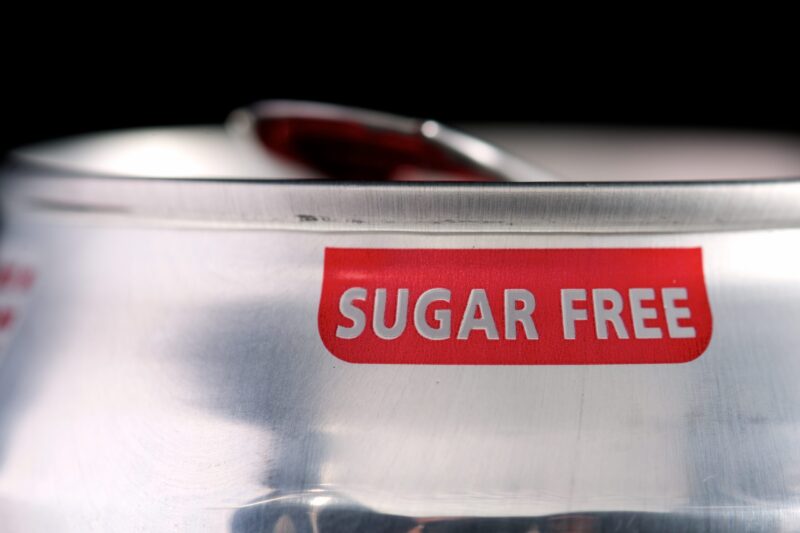
A major new study suggests that diet soda — often marketed as a healthier alternative to sugary sodas — may carry unexpected risks. The research shows that people who drink zero- or low-sugar artificial beverages face a higher chance of developing liver disease.
Just a month ago, we wrote a news article about another study linking diet soda to faster aging — and now, this new research delivers yet another strike against them. These findings challenge what many consider to be a “safe swap.” (RELATED NEWS: Diet Soda Speeds Brain Aging, RFK Jr. Targets Additives)
Study Design and Key Findings
According to a press release, the study was presented at UEG Week 2025, a major European conference focused on digestive health. Researchers analyzed data from the UK Biobank, a large ongoing health study that tracks more than half a million adults in the United Kingdom. For this project, they focused on 123,788 participants who were followed for about ten years.
At the beginning of the study, none of the participants had liver disease. Researchers collected detailed information on their beverage consumption, lifestyle habits, and medical history, then monitored them for signs of liver problems over the following decade.
The results were striking. People who consumed sugar-sweetened beverages such as regular soda, sweetened teas, or energy drinks had about a 50 percent greater risk of developing metabolic dysfunction-associated steatotic liver disease (MASLD), also known as nonalcoholic fatty liver disease.
Even more concerning, participants who regularly drank artificially sweetened beverages — marketed as “zero sugar” or “diet” options — had an even higher risk: roughly 60 percent greater than those who rarely or never drank them. In other words, switching from sugary drinks to diet soda did not lower the risk — it may have made it worse.
The researchers also found that participants who replaced either sugary or diet soda with water reduced their risk of liver disease by as much as 15 percent. However, swapping between sugary and diet drinks offered no reduction in risk.
The most alarming news is the study linked frequent consumption of artificially sweetened drinks to higher rates of liver-related deaths, suggesting that the potential harm extends beyond fatty liver disease alone.

Possible Mechanisms Behind the Risk
Why might zero-sugar diet soda contribute to liver problems? The researchers and existing literature propose several mechanisms.
Artificial sweeteners may alter the gut microbiome — the community of bacteria in the intestines. Changes there can influence metabolic functions, including how the body processes fats and sugars. (MORE NEWS: Maxwell House Rebrand: “Maxwell Apartment” Misses the Mark)
These sweeteners may trigger cravings for sweets. Once the body senses something sweet, it might boost desire for sugar, potentially undermining dietary restraint.
Some evidence suggests that artificial sweeteners can confuse signals of hunger and fullness, tricking the brain’s regulation systems.
Although traditionally insulin reactions are associated with sugar, some studies suggest that artificial sweeteners may still provoke insulin spikes in certain individuals — a response that can contribute to metabolic stress on the liver.
Strengths and Limitations
This study has several strengths. First, it used a large sample size over a long period. Second, it compared both sugary and diet drinks and considered the effects of replacing them with water.
However, the authors and outside observers note some important caveats:
- The study is observational, not experimental. It can show associations but cannot prove causation.
- Beverage consumption was self-reported, which may introduce measurement error or bias. People may misremember or misstate what they drank.
- The full paper had not yet appeared in a peer-reviewed journal, meaning some methodological details and limitations remain unknown.
Despite these caveats, the associations are strong and consistent, prompting a reconsideration of how “safe” artificial sweeteners truly are.
Implications for Consumers
Given these findings, what should individuals do? The authors suggest caution. They argue that both sugar-sweetened and artificially sweetened diet soda should be limited.
Importantly, replacing either kind of beverage with water appears safer. Water reduces metabolic burden, allows proper hydration, and avoids introducing substances that may stress the liver.
In short, water remains the best choice for everyday hydration. Occasional consumption of diet or sugary beverages may not be disastrous, but relying on them heavily may carry unrecognized risk.
What More Do We Need to Know?
Before drawing definitive conclusions, more research is required. Specifically:
- Peer review and publication: The full study needs formal scrutiny and evaluation in a scientific journal.
- Intervention trials: Randomized controlled trials (if ethical and feasible) could help clarify cause and effect.
- Mechanistic studies: Work on gut microbiome changes, insulin responses, and liver metabolism can uncover how artificial sweeteners impact health.
- Longer follow-up: Monitoring participants for more than a decade could reveal longer-term outcomes.
- Diverse populations: Including people of different ages, ethnicities, and health statuses may reveal whether risks vary across groups.
The Takeaway
The alarming news of this study raises serious questions about the safety of diet drinks. Although many view them as healthier alternatives to sugary sodas, the evidence now suggests they may contribute to liver disease — perhaps even more than sugar itself.
While causality is not proven, the strong associations, potential biological mechanisms, and comparative safety of water point toward a prudent approach: limit both sugary and diet beverages and make water your go-to.
Ultimately, we need further research to confirm these findings, understand why they occur, and explore safer alternatives. In the meantime, consumers should be cautious about assuming diet drinks are harmless.
Cut through the noise. Drown out the spin. Deliver the truth.
At The Modern Memo, we’re not here to soften the blow — we’re here to land it. The media plays defense for the powerful. We don’t.
If you’re done with censorship, half-truths, and gaslighting headlines, pass this on. Expose the stories they bury.
This isn’t just news — it’s a fight for reality. And it doesn’t work without you.
