

MAHA
RFK Jr. Touts Sweeping HHS Overhaul as MAHA Agenda Reshapes Federal Health Policy
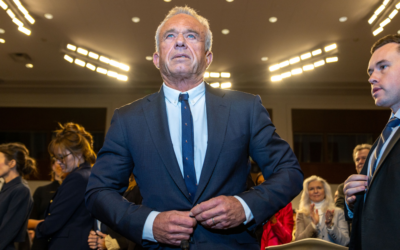
Health and Human Services Secretary Robert F. Kennedy Jr. is touting a dramatic year-plus of restructuring at the nation’s largest health agency, arguing the changes are long overdue and will finally redirect federal resources toward fighting chronic disease instead of funding bureaucratic bloat. Since taking office in February 2025, Kennedy has overseen workforce reductions, frozen or canceled billions of dollars in research funding, and pushed through a redesign of HHS meant to save $1.8 billion a year by trimming staffing levels back down closer to where they stood before the COVID-19 pandemic. The department is being streamlined from 28 divisions — many of which Kennedy has described as containing redundant units — down to 15, with the total HHS workforce expected to land around 62,000 employees. Making America Healthy Again Kennedy has framed the overhaul as central to his “Make America Healthy Again” mission, telling Congress the department’s goal is to end the “epidemic of chronic illness by focusing on safe, wholesome food, clean water, and the elimination of environmental toxins.” As part of that push, he’s redrawn federal guidance on topics ranging from seed oils to fluoride to over-the-counter medications, moves that have drawn strong praise from MAHA supporters who say they’ve waited years for an HHS secretary willing to challenge entrenched agency thinking. “HHS will carry this momentum into 2026 to strengthen accountability, put patients first, and protect public health,” the department said. Reshaping Key Panels Kennedy has also moved to remake the U.S. Preventive Services Task Force, the influential panel that determines which screenings — like mammograms and colonoscopies — insurers must cover without copays. The panel, which Kennedy has criticized as “lackadaisical,” is set to convene in August with as many as eight new members, its first in-person meeting in 17 months after the administration postponed four previous sessions. Not Without Critics Public health researchers have raised concerns about some of the specific policy changes, including a May decision to stop recommending COVID-19 vaccines for healthy children and pregnant women, and have questioned whether canceled research funding could set back scientific progress in other areas. Supporters counter that an agency overseeing trillions in federal health spending is long overdue for the kind of hard look Kennedy is giving it, and that restoring public trust in health institutions requires exactly the kind of disruption he’s brought to Washington. This story is developing.

The MAHA Revolution: Taking Back America’s Health
In a massive, multi-agency effort to combat the nation’s skyrocketing chronic disease epidemic, the Make America Healthy Again (MAHA) initiative has moved from a campaign slogan to the cornerstone of the administration’s public health strategy. Led by Health and Human Services Secretary Robert F. Kennedy, Jr., the movement is fundamentally challenging the status quo of the food and pharmaceutical industries, aiming to restore “common sense” to a system that many argue has lost its way. At The Modern Memo, we examine how MAHA is disrupting the regulatory landscape and why this grassroots-turned-federal mission is shaking up the medical establishment. A New Focus: Root Causes Over Symptom Management For decades, the American healthcare system has been optimized for disease management—treating the symptoms of illness rather than investigating the environmental and dietary triggers causing them. The MAHA initiative pivots away from this model, prioritizing primary prevention. The Childhood Crisis: With 1 in 4 children suffering from allergies and autism rates climbing, MAHA has prioritized an aggressive look into environmental factors, including food additives, pesticides like glyphosate, and chemical exposures in our schools and homes. Radical Transparency: A key pillar of the HHS strategy is “Radical Transparency.” By aggressively pursuing the disclosure of conflicts of interest in scientific research and creating open-source data platforms, the administration is attempting to restore public trust in federal health agencies. Battle in the Supermarket: The War on “Ultra-Processed” Perhaps the most visible aspect of the initiative is its confrontation with the food industry. The administration has made clear that the “generally recognized as safe” (GRAS) loophole—which allowed food companies to self-certify the safety of additives—is coming to an end. Industry Pledges: The initiative has already seen substantial progress, with major corporations—including giants like Walmart, Nestlé, and Hershey—voluntarily agreeing to phase out petroleum-based artificial dyes. SNAP Reform: USDA initiatives are increasingly empowering states to restrict the use of food stamps (SNAP) for soda and candy, aiming to ensure that taxpayer dollars are used for nutrient-dense, whole foods rather than empty, ultra-processed calories. Dunkin’ and Beyond: Secretary Kennedy’s recent public challenges to major coffee chains regarding sugar content reflect a broader effort to force the industry to show their “safety data” and take accountability for the nutritional impact of their best-selling products. Changing the Face of Medicine Beyond food, the MAHA movement is making structural changes to how the next generation of American doctors is trained. Nutrition Education: In a major victory for the administration, more than 50 medical schools have committed to significantly boosting nutrition education in their curricula. Beginning in the fall of 2026, medical students will be required to meet core competencies in nutrition, ensuring that doctors are finally equipped to offer preventative lifestyle counseling alongside pharmacological interventions. Integrative Models: The recently launched MAHA ELEVATE model is investing $100 million in functional and lifestyle medicine approaches. By testing evidence-based interventions like stress management and targeted nutrition within the Medicare system, the administration is looking to create a scalable blueprint for wellness that conventional care often overlooks. Final Word The MAHA initiative is undeniably bold, marking the most significant disruption of the federal health bureaucracy in a generation. When you look past the intense criticism from status-quo defenders and focus on the data—the medical school commitments, the industrial food shifts, and the new research into chronic disease drivers—you gain a clearer picture of an administration that is prioritizing the health of the next generation over the convenience of corporate stakeholders. Quality information replaces the noise of partisan debate with the clarity of concrete policy action. It allows you to see this effort as a transition toward a health model that centers on prevention, personal agency, and the “radical” idea that the food we eat should be safe. By choosing to stay informed on these shifts, you align your perspective with a movement that is fundamentally attempting to rebuild the health of the nation from the ground up. Where Facts, Context, and Perspective Matter At The Modern Memo, our goal is simple: to provide clear, well-researched reporting in a media landscape that often feels overwhelming. We focus on substance over sensationalism, and context over commentary. If you value thoughtful analysis, transparent sourcing, and stories that go beyond the headline, we invite you to share our work. Informed conversations start with reliable information, and sharing helps ensure important stories reach a wider audience. Journalism works best when readers engage, question, and participate. By reading and sharing, you’re supporting a more informed public and a healthier media ecosystem. The Modern Memo may be compensated and/or receive an affiliate commission if you click or buy through our links. Featured pricing is subject to change. 📩 Love what you’re reading? Don’t miss a headline! Subscribe to The Modern Memo here!

YIKES! Diet Soda Gets More Bad News
A major new study suggests that diet soda — often marketed as a healthier alternative to sugary sodas — may carry unexpected risks. The research shows that people who drink zero- or low-sugar artificial beverages face a higher chance of developing liver disease. Just a month ago, we wrote a news article about another study linking diet soda to faster aging — and now, this new research delivers yet another strike against them. These findings challenge what many consider to be a “safe swap.” (RELATED NEWS: Diet Soda Speeds Brain Aging, RFK Jr. Targets Additives) Study Design and Key Findings According to a press release, the study was presented at UEG Week 2025, a major European conference focused on digestive health. Researchers analyzed data from the UK Biobank, a large ongoing health study that tracks more than half a million adults in the United Kingdom. For this project, they focused on 123,788 participants who were followed for about ten years. At the beginning of the study, none of the participants had liver disease. Researchers collected detailed information on their beverage consumption, lifestyle habits, and medical history, then monitored them for signs of liver problems over the following decade. The results were striking. People who consumed sugar-sweetened beverages such as regular soda, sweetened teas, or energy drinks had about a 50 percent greater risk of developing metabolic dysfunction-associated steatotic liver disease (MASLD), also known as nonalcoholic fatty liver disease. Even more concerning, participants who regularly drank artificially sweetened beverages — marketed as “zero sugar” or “diet” options — had an even higher risk: roughly 60 percent greater than those who rarely or never drank them. In other words, switching from sugary drinks to diet soda did not lower the risk — it may have made it worse. The researchers also found that participants who replaced either sugary or diet soda with water reduced their risk of liver disease by as much as 15 percent. However, swapping between sugary and diet drinks offered no reduction in risk. The most alarming news is the study linked frequent consumption of artificially sweetened drinks to higher rates of liver-related deaths, suggesting that the potential harm extends beyond fatty liver disease alone. Possible Mechanisms Behind the Risk Why might zero-sugar diet soda contribute to liver problems? The researchers and existing literature propose several mechanisms. Artificial sweeteners may alter the gut microbiome — the community of bacteria in the intestines. Changes there can influence metabolic functions, including how the body processes fats and sugars. (MORE NEWS: Maxwell House Rebrand: “Maxwell Apartment” Misses the Mark) These sweeteners may trigger cravings for sweets. Once the body senses something sweet, it might boost desire for sugar, potentially undermining dietary restraint. Some evidence suggests that artificial sweeteners can confuse signals of hunger and fullness, tricking the brain’s regulation systems. Although traditionally insulin reactions are associated with sugar, some studies suggest that artificial sweeteners may still provoke insulin spikes in certain individuals — a response that can contribute to metabolic stress on the liver. Strengths and Limitations This study has several strengths. First, it used a large sample size over a long period. Second, it compared both sugary and diet drinks and considered the effects of replacing them with water. However, the authors and outside observers note some important caveats: The study is observational, not experimental. It can show associations but cannot prove causation. Beverage consumption was self-reported, which may introduce measurement error or bias. People may misremember or misstate what they drank. The full paper had not yet appeared in a peer-reviewed journal, meaning some methodological details and limitations remain unknown. Despite these caveats, the associations are strong and consistent, prompting a reconsideration of how “safe” artificial sweeteners truly are. Implications for Consumers Given these findings, what should individuals do? The authors suggest caution. They argue that both sugar-sweetened and artificially sweetened diet soda should be limited. Importantly, replacing either kind of beverage with water appears safer. Water reduces metabolic burden, allows proper hydration, and avoids introducing substances that may stress the liver. In short, water remains the best choice for everyday hydration. Occasional consumption of diet or sugary beverages may not be disastrous, but relying on them heavily may carry unrecognized risk. What More Do We Need to Know? Before drawing definitive conclusions, more research is required. Specifically: Peer review and publication: The full study needs formal scrutiny and evaluation in a scientific journal. Intervention trials: Randomized controlled trials (if ethical and feasible) could help clarify cause and effect. Mechanistic studies: Work on gut microbiome changes, insulin responses, and liver metabolism can uncover how artificial sweeteners impact health. Longer follow-up: Monitoring participants for more than a decade could reveal longer-term outcomes. Diverse populations: Including people of different ages, ethnicities, and health statuses may reveal whether risks vary across groups. The Takeaway The alarming news of this study raises serious questions about the safety of diet drinks. Although many view them as healthier alternatives to sugary sodas, the evidence now suggests they may contribute to liver disease — perhaps even more than sugar itself. While causality is not proven, the strong associations, potential biological mechanisms, and comparative safety of water point toward a prudent approach: limit both sugary and diet beverages and make water your go-to. Ultimately, we need further research to confirm these findings, understand why they occur, and explore safer alternatives. In the meantime, consumers should be cautious about assuming diet drinks are harmless. Cut through the noise. Drown out the spin. Deliver the truth. At The Modern Memo, we’re not here to soften the blow — we’re here to land it. The media plays defense for the powerful. We don’t. If you’re done with censorship, half-truths, and gaslighting headlines, pass this on. Expose the stories they bury. This isn’t just news — it’s a fight for reality. And it doesn’t work without you.

Pregnant Women Take Tylenol to Defy Trump in Viral Trend
We have reached a new low. Pregnant liberal women are now posting videos of themselves swallowing Tylenol pills on camera, claiming they are doing it to “own Trump.” This strange new stunt comes in response to President Trump’s recent warning about the possible risks of acetaminophen use during pregnancy. Instead of sparking a thoughtful conversation, it has triggered a wave of performative defiance on social media. Trump’s Warning on Tylenol and Pregnancy President Trump, joined by health officials, spoke about studies suggesting a link between heavy acetaminophen use during pregnancy and rising autism rates. He stressed that pregnant women should be cautious and only use the drug when truly necessary, such as to control a high fever. The president pointed out that some groups who avoid pills altogether report lower autism rates. He made it clear that women should consult with their doctors before taking any medication while pregnant. Trump did not call for a ban. He did not say women could never take Tylenol. He simply urged caution, which is not unreasonable given the sensitive nature of pregnancy. His message was about protecting babies and making decisions with medical guidance. (RELATED NEWS: Autism Hope Grows With Promising Developments) Social Media Stunts: “Taking Tylenol to Own Trump” Instead of treating this like a serious issue, some women decided to make it a political spectacle. Videos popped up online showing visibly pregnant women holding up Tylenol pills and swallowing them on camera. Their captions read things like, “I trust science, not Trump,” or, “I’m a pregnant woman and I’ll take Tylenol if I want.” This kind of behavior isn’t empowering or brave. It is reckless performance designed to score political points. What is accomplished by risking your child’s health for likes, views, and applause from strangers online? The answer is nothing—except fueling more division and cheap political theater. Doctors were speaking out online, including Dr. Nicole Saphier: Pregnant women popping Tylenol like Tic Tacs just to stick it to Trump — please stop. Don’t weaponize your pregnancy for a political point. Consider acetaminophen only when absolutely necessary, for the shortest duration and lowest dose, even the makers of Tylenol say this. — Nicole Saphier, MD (@NBSaphierMD) September 23, 2025 Accusations of an “Attack on Women” Some activists went even further, claiming Trump’s warning amounted to an “attack on women.” They tried to frame his remarks as an attempt to control female bodies. In reality, the warning was about protecting unborn children from potential risks. The notion that caution equals oppression is absurd. Every doctor gives pregnant women advice on what to eat, drink, or avoid during those nine months. No sushi, no alcohol, limited caffeine—these are all common guidelines. Nobody calls that an “attack on women.” Yet when the warning comes from Trump, activists twist it into a political weapon. A Biden-Era Warning and the Scientific Debate During the Biden administration, a Salon article highlighted how the science around acetaminophen and developmental risk has long been contested. The article pointed to the SAME STUDIES used by the Trump administration and lawsuits alleging that prenatal exposure to acetaminophen (the active ingredient in Tylenol) could increase risks of autism, ADHD, and other developmental disorders. But as the article stresses, the science is not settled. One key study, published in JAMA Psychiatry in 2019, found that acetaminophen was “associated with increased risk of attention-deficit/hyperactivity disorder and autism spectrum disorder in children.” Meanwhile, a 2021 review in Nature Reviews Endocrinology argued that “prenatal exposure to APAP [acetaminophen] might alter fetal development, which could increase the risks of some neurodevelopmental, reproductive and urogenital disorders.” That same review called for more research and for “precautionary action.” In the Salon story, Matthew Rozsa writes: “The period of fetal development is a very vulnerable stage,” Hugh S. Taylor, chair of Obstetrics, Gynecology and Reproductive Sciences at the Yale School of Medicine, told Yale News regarding his support of a 2021 statement urging pregnant women to exercise caution before taking acetaminophen products. “Things are moving, changing quickly. The changes that occur during that time period are then programmed for the rest of our lives. Things that don’t affect adults may affect these crucial developmental windows.” A 2018 study in the American Journal of Epidemiology cautioned that although “acetaminophen use during pregnancy is associated with an increased risk for ADHD, ASD, and hyperactivity symptoms,” the findings “should be interpreted with caution given that the available evidence consists of observational studies and is susceptible to several potential sources of bias.” In short: under the Biden administration, the narrative around acetaminophen in pregnancy was already tangled. The science shows potential signals. Political Symbolism Over Common Sense The real issue here is not Tylenol—it is symbolism. For some, taking a pill on camera became a way to show loyalty to their political tribe. What should have been a sober conversation about pregnancy and health turned into a circus act of defiance. This is what happens when politics consumes every part of life. A medical question becomes a test of party loyalty. A pain reliever becomes a culture war weapon. The baby in the womb becomes an afterthought while the spotlight shines on the mother’s political performance. Why This Matters At the heart of this mess is a deeper problem. Our culture rewards outrage and stunts more than responsibility and truth. Social media encourages people to seek attention by going to extremes. And when it comes to pregnancy, that is dangerous. Women should not be pressured into ignoring medical advice just to make a political point. Babies should not be put at risk so their mothers can rack up views on TikTok. Leaders should not be vilified for offering health warnings simply because of their political party. This story matters because it reveals how broken our discourse has become. When everything is viewed through the lens of politics, even a warning about a common over-the-counter drug becomes a battlefield. The Takeaway Trump’s point was simple: if risks exist, why not err on the side of…

Autism Hope Grows With Promising Developments
Big news is swirling around autism research, and it has parents, doctors, and advocates paying attention. For years, families have asked why autism rates keep climbing and what can be done to help children thrive. Now, two new developments may offer clues and hope. While these findings remain preliminary, they carry real promise. The Possible Link Between Tylenol and Autism President Donald Trump and U.S. health officials point to studies that suggest a possible connection between acetaminophen (best known as Tylenol) use during pregnancy and a higher risk of autism in children. They allege that expectant mothers who take large amounts of acetaminophen may unknowingly increase the odds of autism or ADHD in their children. God bless you, President Trump, for being brave. pic.twitter.com/E9Hweu8d2Y — Secretary Kennedy (@SecKennedy) September 22, 2025 This theory is based on several long-running studies, including the Boston Birth Cohort and the Nurses’ Health Study. Researchers reported patterns that seem to connect prenatal acetaminophen use with later developmental challenges. Officials like FDA Commissioner Marty Makary say the data are “too strong to ignore.” Of course, not everyone agrees. Tylenol’s manufacturer, Kenvue, disputes the claims, saying sound science does not prove a causal link. Tylenol made a statement on its website: Many independent doctors also warn that much more research is needed before conclusions are drawn. Still, the fact that this conversation is now on the national stage could mark a turning point. It signals that researchers may finally be on to something about one of the many possible contributors to autism. (MORE NEWS: Gen Z Credit Scores Drop, But Future Looks Bright) Trump Raises Concerns on Childhood Vaccinations President Trump also brought to light another issue he believes deserves national attention: childhood vaccinations. Trump warned against over-vaccinating babies and young children, saying, “It’s too much liquid, too many different things are going into that baby at too big a number the size of this thing. When you look at it, it’s like 80 different vaccines and beyond vaccines, 80, and you give that to a little kid.” Secretary Robert F. Kennedy Jr. echoed those concerns, emphasizing that families deserve to be heard. “Some 40-70% of mothers who have children with autism believe that their child was injured by a vaccine. President Trump believes that we should be listening to these mothers instead of gaslighting and marginalizing them like prior administrations.” “Some 40-70% of mothers who have children with autism believe that their child was injured by a vaccine. President Trump believes that we should be listening to these mothers instead of gaslighting and marginalizing them like prior administrations.” – @SecKennedy pic.twitter.com/491tqIpgKy — The White House (@WhiteHouse) September 23, 2025 The comments highlight a larger debate about medical freedom, parental choice, and how government agencies handle vaccine schedules for children. Both Trump and Kennedy framed the issue as one of respect for parents and accountability from institutions that have too often dismissed their voices. A Cancer Drug May Offer New Hope The second development is even more uplifting for families already living with autism. A cancer drug called leucovorin, long used for anemia and chemotherapy support, is now being tested for new purposes. Early studies show that leucovorin may help non-verbal children with autism begin to speak, improve social skills, pay attention longer, and reduce repetitive behaviors. Doctors who have studied leucovorin in this new context are calling the results encouraging. Imagine a child who has never spoken a word suddenly beginning to form sentences after treatment. Parents in early studies have reported exactly that. To be clear, leucovorin is not yet approved by the FDA for autism treatment. Right now, doctors can only prescribe it “off-label.” But regulators are already reviewing evidence and have hinted they may update the drug label to reflect potential use in speech-related deficits tied to autism. That would be a major step forward. The Autism Action Plan: A Three-Part Strategy The White House also laid out a structured Autism Action Plan that signals a serious national commitment. The plan focuses on three major steps. Informing Doctors and Families The FDA will issue a physician notice and update safety labels on acetaminophen, citing a potential association between prenatal use and adverse neurodevelopmental outcomes. The Department of Health and Human Services will also launch a nationwide campaign to educate families and protect public health. Making a Therapeutic Available The FDA will recognize leucovorin as the first therapeutic for children with cerebral folate deficiency and autistic symptoms. Once approved, state Medicaid programs will be able to cover leucovorin for autism spectrum disorder. At the same time, the National Institutes of Health will conduct confirmatory trials to better understand its impact. Increasing Research Investment Through the Autism Data Science Initiative, the NIH will invest more than $50 million to fund 13 new projects. These efforts are designed to push forward understanding, therapies, and long-term solutions for autism. Rep. Mary Miller weighs in on this bold plan: For decades, politicians ignored the rise of autism in America. President Trump is taking action. His Autism Action Plan will inform parents, expand treatment, and fund research, finally delivering answers families have needed for years. This is the leadership we prayed for! pic.twitter.com/qAMxd2xTDM — Rep. Mary Miller (@RepMaryMiller) September 22, 2025 Why Families Should Pay Attention This is where the story gets exciting. Autism affects about one in 31 eight-year-olds, according to the CDC. That’s a big jump compared to past decades. Parents, teachers, and doctors have worked tirelessly to adapt, but the need for answers is growing. With support now coming directly from the Trump administration, there is new momentum to get to the bottom of things. That support could move the needle forward on both research and practical help for families. For years, much of the focus has been on behavioral therapies and classroom strategies. Those tools help, but they don’t address the underlying biology. Now, with possible environmental links like acetaminophen and vaccines and potential medical treatments like leucovorin, science may finally be uncovering deeper…
Diet Soda Speeds Brain Aging, RFK Jr. Targets Additives
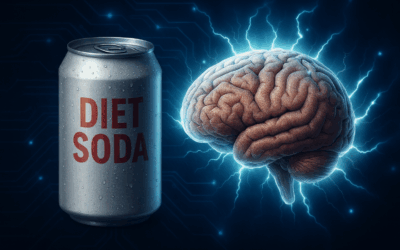
A new study published in the journal Neurology suggests that drinking diet soda every day may speed up brain aging. Researchers followed 12,772 adults in Brazil for eight years. They found that people who consumed the most artificial sweeteners had a much faster decline in memory and thinking skills. The results were striking. Heavy users showed a 62 percent faster decline. That decline equaled about 1.6 extra years of brain aging. The study looked at several popular sweeteners. These included aspartame, saccharin, acesulfame-K, erythritol, xylitol, and sorbitol. Tagatose was the only one that did not show harm. All the others were linked to measurable cognitive decline. New Study Published in @GreenJournal: Some sugar substitutes linked to faster cognitive decline. https://t.co/XcZJVtIGHC#AANscience #BrainHealth pic.twitter.com/FWCdtJg0es — American Academy of Neurology (@AANmember) September 4, 2025 Midlife Habits Matter The findings showed the strongest impact in adults under 60. People with diabetes were also more vulnerable. Older adults over 60 showed no major difference, but the researchers warned that habits in midlife set the stage for brain health later on. Cognitive decline often begins decades before symptoms appear. A loss of 1.6 years of brain function may not sound dramatic, but across a population it is significant. This makes diet choices in middle age especially important. People often believe switching to diet soda protects their health. The research shows the story may be more complicated. Artificial sweeteners may reduce sugar intake, but they could come with hidden risks. (RELATED NEWS: SNAP Soda Ban: Ending Taxpayer Junk Food Subsidies) What the Experts Say Claudia Kimie Suemoto, the study author and a neurologist at the University of São Paulo, explained that people often see artificial sweeteners as harmless. She said the results suggest they may not be harmless, especially with frequent use in midlife: “Low- and no-calorie sweeteners are often seen as a healthy alternative to sugar, however our findings suggest certain sweeteners may have negative effects on brain health over time,” Other physicians note that reducing sugar can still help some people. But they also encourage natural alternatives when possible. Not everyone agrees on the interpretation. Industry groups argue that these sweeteners remain safe. They point out that all of the common sweeteners studied are approved by the Food and Drug Administration. The Trump Administration’s Warning However, the Trump Administration’s “Make Our Children Healthy Again” Assessment, released in May 2025 by the Make America Healthy Again Commission, directly addressed these additives. The commission, chaired by HHS Secretary Robert F. Kennedy, Jr., stated: “Artificial sweeteners like aspartame, sucralose, and saccharin, used widely in diet sodas and sugar-free foods, have been observed to interfere with the gut microbiome in some studies. Gut microbiome shifts have been linked to obesity, metabolic issues, and possibly glucose intolerance. The classification of aspartame as possibly carcinogenic (Group 2B) by the International Agency for Research on Cancer (IARC) further complicates the understanding of these widely used substances, especially given the existence of conflicting research results.” Kennedy has made it clear that he is on a mission to bring these risks to light. His push is not just about raising awareness but about eliminating harmful additives from the American diet altogether. By targeting products that undermine metabolic and brain health, RFK Jr. has positioned this fight as central to protecting the next generation. Why This Matters The debate highlights a bigger question. What is the real cost of relying on artificial substitutes? Diet sodas and low-calorie snacks are everywhere. People turn to them to manage weight or blood sugar. Yet brain health may be part of the tradeoff. Studies like this raise awareness about long-term risks. They also remind us that brain aging is not just a concern for seniors. For people in their 40s and 50s, the choices made today may shape how sharp the mind feels at 70 or 80. The study adds to a growing body of evidence that diet and lifestyle strongly affect the brain. What You Can Do Experts recommend moderation above all. Cutting back on artificial sweeteners can lower risk. Reading labels helps, since many “monk fruit” or “stevia” products are mixed with other sweeteners like erythritol. Choosing whole foods, fruits, and naturally sweetened items offers a safer path. Exercise also plays a key role. Physical activity helps the brain produce protective proteins and supports memory. Good, healthy habits form a stronger shield for long-term health. (RELATED NEWS: Tracy Beanz Reveals MAHA’s Mission & What Comes Next In Fascinating Interview) The Bigger Picture Artificial sweeteners have already faced criticism. Some past research connected them to gut health problems and metabolic changes. Others raised questions about possible links to strokes or heart issues. While the science is not settled, the pattern is clear. When used in excess, these substitutes may not deliver the safe solution people expect. None of this means sugar is healthy. High sugar intake is a proven risk factor for diabetes, obesity, and heart disease. The challenge is replacing sugar. That leaves many people searching for better alternatives. Small amounts of honey, maple syrup, or fruit can satisfy a sweet craving without the same risks. A Wake-Up Call for Consumers The study’s authors stressed that their results show association, not cause. Still, the message is clear enough for everyday life. If you drink diet soda daily, it may be time to cut back. Brain health is precious, and the habits you build now may protect you later. This is not a call to panic. It is a reminder to stay alert and informed. Labels and marketing often sell artificial sweeteners as a free pass. Science now suggests the pass may come with hidden costs. The best steps are simple. Limit sweeteners, eat healthy foods, and stay active. Your brain depends on it. Cut through the noise. Drown out the spin. Deliver the truth. At The Modern Memo, we’re not here to soften the blow — we’re here to land it. The media plays defense for the powerful. We don’t. If you’re done with censorship, half-truths, and…
SNAP Soda Ban: Ending Taxpayer Junk Food Subsidies
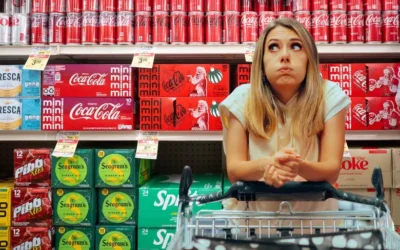
The push to Make America Healthy Again (MAHA) has made significant strides with the signing of waivers by U.S. Secretary of Agriculture, Brooke Rollins. These waivers allow 12 states to ban the purchase of sugary drinks, candy, and desserts using Supplemental Nutrition Assistance Program (SNAP) vouchers, which are intended to help low-income families access nutritious food. This move marks a pivotal step in ending taxpayer subsidies for junk food. Six new states are joining the MAHA movement! Yesterday at the Great American Farmers Market, @secrollins and @seckennedy signed food choice state waivers for West Virginia , Florida, Colorado, Louisiana, Oklahoma and Texas to remove unhealthy foods from SNAP.… pic.twitter.com/Q8sAqaDBQP — Dept. of Agriculture (@USDA) August 5, 2025 A Bold Step in SNAP Reform These states have approval and are now set to remove high-calorie, nutrient-poor foods from SNAP: Florida, West Virginia, Colorado, Louisiana, Oklahoma, Texas, Utah, Iowa, Nebraska, Arkansas, Indiana, and Idaho. This reform comes amid President Trump’s broader initiative to tackle the nation’s rising health crisis and prioritize food quality. “The number one purchase by SNAP recipients is sugary drinks,” said Secretary Rollins. “SNAP is a supplemental NUTRITION program, meant to provide health food benefits to low-income families to supplement their grocery budget, so they can afford the nutritious food essential to health and well-being.” .@SecRollins announces the signing of waivers removing unhealthy foods from SNAP in six more states: “SNAP is a supplemental NUTRITION program meant to provide health food benefits to low income families… the law states it and @POTUS‘ @USDA plans to deliver on it.” pic.twitter.com/Mby4uoQIdu — Rapid Response 47 (@RapidResponse47) August 4, 2025 Despite the progress, implementing this policy at the federal level remains a challenge. Many lobbyists are fiercely advocating for the continuation of junk food eligibility, making it an uphill battle. Yet, the states are leading the charge, and 12 have now taken action, with 38 more to go. (RELATED: Tracy Beanz Reveals MAHA’s Mission & What Comes Next In Fascinating Interview) A Nationwide Call to Action Each state follows its own process to determine which foods are unhealthy and should be excluded. After this, they submit a formal request for approval from the USDA. The new food bans will take effect in 2026. The Trump administration is actively encouraging more states to apply for waivers, with each state playing a key role in shaping the future of SNAP. Health and Human Services Secretary Robert F. Kennedy, Jr. and U.S. Food and Drug Administration (FDA) Commissioner Dr. Marty Makary joined Rollins in announcing these waivers. Their support underscores the significance of this initiative in tackling the nation’s growing obesity and diabetes crisis. Ending the Sugar Subsidy Dr. Makary emphasized the importance of focusing on healthier alternatives to junk food, stating, “This begins the end of the government subsidization of our obesity, diabetes, insulin resistance epidemic.” He urged a national focus on the nutritional quality of food, rather than relying on medications to address the health crisis. “Forty percent of our nation’s kids now have a diagnosed chronic disease,” Dr. Makary added. “Thirty-one percent have diabetes, pre-diabetes, or insulin resistance. We have to talk about nutrients and fiber, not just Ozempic and other medications to medicate our nation.” Support for States and Local Leaders SNAP reform is a direct result of proactive state leadership. Governors from West Virginia, Florida, and other states have stepped up, requesting waivers and setting an example for the rest of the nation. Dr. Makary also praised the initiative, stating, “I hope to see all 50 states join this bold commonsense approach. For too long, the root causes of our chronic disease epidemic has been addressed with lip service only. It’s time for powerful changes to our nation’s SNAP program.” (MORE NEWS: Sweeney ‘Good Jeans’ Outrage Explained) What’s Next for MAHA? As the USDA and the Trump administration push forward with their efforts to reform SNAP, the question remains: Will other states follow suit? The battle is far from over. With 38 states still to act, the momentum needs to continue. But the steps taken up to this point have proven that meaningful change is possible. “It’s time for a change,” said RFK Jr. “And we’re seeing that change happen, state by state. We’re putting real food back at the center of SNAP, empowering states to lead the way in protecting public health.” Changing the Status Quo The fight to Make America Healthy Again is a real, tangible effort to reshape the way we view food, health, and public policy. With the signing of these waivers, we are witnessing the first steps toward a future where healthier food choices are accessible and where taxpayer dollars are spent wisely. As more states join this movement, the impact on public health could be profound. This is not just about banning soda and candy—it’s about changing the narrative around nutrition and ensuring that the poorest Americans are no longer subsidizing the very foods that contribute to chronic disease. The journey has just begun, but with the leadership of Secretary Rollins, Dr. Makary, and Secretary Kennedy, America is taking significant strides toward a healthier future. Forget the Headlines. Challenge the Script. Deliver the Truth. At The Modern Memo, we don’t tiptoe through talking points — we swing a machete through the media’s favorite lies. They protect power. We confront it. If you’re sick of censorship, narrative control, and being told what to think — stand with us. Share the story. Wake the people. Because truth dies in silence — and you weren’t made to stay quiet.
Tracy Beanz Reveals MAHA’s Mission & What Comes Next In Fascinating Interview
UncoverDC editor-in-chief Tracy Beanz joined The Joe Pags Show to break down the purpose of the Make America Healthy Again “MAHA” movement. Beanz wastes no time before diving into the mission and impact of MAHA, which could have far-reaching impacts that transcend generational health in the U.S. But what about Big Pharma’s deep pockets, and how the influence of those in leadership positions shapes policy? Who truly benefits, and who is paying the price? The craziest part — all of this connects back to the Jeffrey Epstein case, government corruption, and our current fight for truth and freedom. You really don’t want to miss this epic Joe Pags interview! Growing Your Own Food & Getting Healthy One of the most overlooked methods of improving your diet and health is to grow your own food. Don’t worry — you don’t need to own a farm in order to do this. Even a studio apartment can have enough space for some fresh herbs, and maybe some pepper or tomato plants! (RELATED: What Is Making America Sick? RFK Jr. Launches MASSIVE Investigations Into Rising Chronic Disease) You don’t even need to buy seeds to start your home garden. If you have any favorite fruits and veggies you eat at home, you can always save some seeds. This isn’t doable with all foods, but it is a fun place to start! Stop Eating Crap Yes, it really is that simple. You can just stop eating crap. And please, for the love of all things, don’t tell us it’s hard for you to eat healthy because you don’t have time to / can’t cook. There are plenty of restaurants quietly joining the MAHA movement (even if it’s accidentally in-spirit). For example, Sweetgreen only uses four ingredients in their fries: potato starch, avocado oil, parsley and salt. .@sweetgreen is launching fries today – explicitly calling out their CLEAN ingredients compared to the 10+ components of McDonald’s fries. We ate fries in the 1960’s but weren’t chronically obese. It’s about REAL food. pic.twitter.com/GmxwqqAIH0 — Calley Means (@calleymeans) March 4, 2025 Take Action To Stop The Gradual Poisoning Of America What would you rather: foods that last a long time but ultimately put strange chemicals into your body, or food that doesn’t last as long but is natural? For millennia, humans have eaten what the Earth provides. In the last fifty or so years, we’ve gradually started consuming synthetic chemicals, plastics, and worse, all in the name of corporate greed and convenience. Health food stores were relegated to the very wealthy. We now have an opportunity to make all food healthy again. Are you going to do your part? Explore more of The Modern Memo here.