

America

Cultural Culture Shock: Why European Soccer Fans Are Falling in Love With America During the 2026 World Cup
For months leading up to the 2026 FIFA World Cup, elite international critics and media cynics predicted a logistical and cultural disaster as millions of soccer fans descended upon North American shores. Yet, just weeks into the tournament, a massive, hilarious, and deeply heartwarming counter-narrative is taking over the internet. Instead of complaining about car-centric cities or stadium distances, European travelers are documenting their absolute awe of everyday American culture. From the sprawling highways of the American South to the historic sports hubs of the Northeast, international visitors are finding a level of hospitality, consumer paradise, and mind-boggling convenience that has left them completely obsessed. At The Modern Memo, we track the viral internet trends, the mega-gas station pilgrimages, and the simple daily comforts turning cynical European tourists into red-blooded fans of the U.S. of A. The Buc-ee’s Pilgrimage: “Disney World Wrapped in a Gift Shop” Perhaps the most unexpected viral sensation of the 2026 World Cup has been the international discovery of Buc-ee’s, the gargantuan convenience store chain dotting the American South. The Stunned Scots: When hotel rooms in Boston proved too expensive for traveling Scotland fans—known globally as the Tartan Army—many migrated down the coast or into neighboring regions, eventually colliding with the phenomenon of the southern hyper-gas station. Videos of Scottish fans standing wide-eyed in front of walls of beef jerky and automated brisket stations have garnered millions of views. The Magic Formula: One viral Scottish tourist perfectly encapsulated the culture shock, describing Buc-ee’s to his followers as “a gas station mixed with Disney World wrapped in a gift shop.” European travelers, accustomed to cramped petrol stations with limited selections, have expressed absolute amazement at the impeccably clean bathrooms, endless fountain drink options, and caramel-corn “Beaver Nuggets.” Tailgating Takeover: The legendary European football fan culture has seamlessly blended with the classic American tailgate. In parking lots from Atlanta to Houston, foreign fans are being welcomed with open arms by pickup-truck-owning locals, learning the fine arts of cornhole, competitive grilling, and slow-smoked barbecue. The Fountain of Abundance: Infinite Refills and Mountainous Ice Beyond the stadium lights, it is the standard, mundane features of American casual dining that are genuinely blowing the minds of European visitors. The Free Refill Apocalypse: In most European countries, every single soda, water, or juice ordered at a restaurant is billed individually. The concept of the American “free refill” has hit foreign tourists like a financial miracle. Viral videos feature Italian and British fans visibly losing their minds as waitresses cheerfully top off their drinks for free. The Ice Obsession: Europe is notoriously conservative with its ice usage, often serving beverages completely ambient or with a single, lonely cube. The American commitment to filling a 32-ounce cup to the brim with crushed ice—especially through the endless varieties of a Wendy’s Coca-Cola Freestyle machine—has been described by visiting German fans as an “out-of-earth experience.” The Scale of the Menu: From late-night runs to Waffle House after a thrilling match to discovering the culinary engineering of a Taco Bell Crunchwrap Supreme, the sheer volume and unapologetic flavor profiles of American fast-casual food have left European food critics surprisingly impressed. The Melting Pot and Genuine Hospitality While the food and massive portion sizes are a fun internet meme, the underlying warmth of the American populace is what has truly dismantled the negative stereotypes perpetuated abroad. Radical Friendliness: Across social media, European expats and traveling fans have noted that the sheer approachability of everyday Americans is unmatched. Whether it’s hotel staff helping stranded fans find alternative lodging in Providence, Rhode Island, or locals adopting the Algerian team base camp in Lawrence, Kansas, the hospitality has been overwhelmingly positive. A Sewer No More: For the first time in years, major social media platforms have seen a dramatic drop in toxic division as thousands of videos show international fans partying in the streets with American soccer converts. The global fan base is finding that whatever they saw on the news about a divided, dystopian America completely evaporates when meeting real people on the ground. The Ultimate Sports Atmosphere: Even traditional skeptics who used to mock the American term “soccer” are conceding that the U.S. knows how to put on a show. The massive high-definition jumbotrons, the comfort of modern stadiums like the Los Angeles Stadium in Inglewood, and the endless availability of bottomless chips and salsa have redefined what a matchday experience looks like for the global elite. Final Word The unbridled joy of European soccer fans traveling through America is the definitive proof that firsthand experience will always triumph over media-driven cynicism. When you look past the pessimistic pre-tournament headlines and focus entirely on the hard data—over a million international tourists blending seamlessly into American communities, unprecedented viral love letters to southern gas stations and diners, and spontaneous street celebrations replacing predicted hostility—you gain an unvarnished view of a deeply welcoming nation. Quality information replaces the progressive narrative of a culturally barren America with the reality of an optimistic, consumer-friendly powerhouse that still knows how to show the world a good time. It shouldn’t take a stadium full of bagpipe-playing Scots or amazed German tourists to remind us of what makes the United States special, but watching them fall in love with our country is a powerful reminder that the American spirit is as beautiful and vibrant as ever.
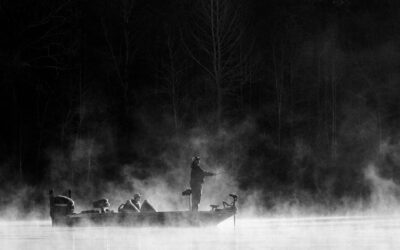
The Centennial Firewall: Colorado Outdoorsmen Demand Constitutional Protections to Defeat ‘Ballot-Box Biology’
The national movement to permanently protect outdoor sporting traditions has found its most critical battleground in the Rocky Mountains. Driven by a volatile cycle of anti-hunting ballot initiatives designed to override state wildlife scientists, Colorado outdoorsmen are fighting back with the ultimate legal counter-offensive: demanding a permanent, state-level constitutional amendment safeguarding the right to hunt and fish. At the absolute vanguard of this preemptive legal defense is the International Order of T. Roosevelt (IOTR). Operating as a proactive hunting rights and conservation foundation, the organization has thrown its full weight into the state, mobilizing grassroots momentum to protect the historic North American Model of Wildlife Conservation from political erosion. Action Alert: Defend Your Heritage and Sign the Petition Our outdoor heritage is under active attack by well-funded, out-of-state anti-sporting groups trying to permanently lock us out of public lands, ban traditional hunting, and manipulate wildlife management through unscientific ballot measures. The International Order of T. Roosevelt is leading the charge to fight back, launching massive grassroots campaigns and constitutional ballot initiatives across the country to protect the rights of sportsmen. To bypass activist interference and secure a spot on the upcoming statewide ballot, we need a massive groundswell of support from registered voters. If you believe that wildlife populations should be managed by trained, apex scientists rather than emotional political campaigns, it is time to take a stand. You can join the front lines of this fight by going directly to the link below to sign the official petition, join a volunteer grassroots coalition, or find out how you can fund the fight to protect our right to hunt and fish today: 🎯 Take Action Now: Click Here to Sign the Official Right to Hunt and Fish Petition 🎯 The Colorado Catalyst: Pushing Back Against Proposition 127 The urgency defining Colorado’s constitutional push is not a response to abstract fears; it is a direct reaction to a multi-year, coordinated assault by out-of-state activist groups looking to dismantle the state’s outdoor heritage. The Big Cat Battle: The tipping point arrived following the defeat of Proposition 127 (previously known as Initiative 91). Backed by well-funded, anti-hunting organizations under the banner Cats Aren’t Trophies, the measure sought a total statutory ban on the hunting of mountain lions and bobcats across Colorado, deceptively labeling heavily regulated wildlife management as “trophy hunting.” Defeating Ballot-Box Biology: A broad coalition of rural conservation groups, independent ranchers, and organizations like the IOTR successfully defeated the measure, with 54.7% of Coloradans voting “No.” Opponents argued that managing wildlife through emotional public voting—coined “ballot-box biology”—utterly strips authority from the trained biologists at Colorado Parks and Wildlife (CPW). The Looming Threats: Despite the victory, sportsmen recognize that statutory laws are incredibly vulnerable. Anti-hunting groups have already signaled intentions to iteratively introduce new bans targeting prairie dogs, black bears, archery seasons, and traditional harvesting methods, leaving Colorado’s outdoor traditions exposed to an endless war of attrition. 🔥 Don’t let radical activists rewrite Colorado’s outdoor history. Make your voice heard before it’s too late. 👉 Join the Fight: Protect Colorado’s Wildlife Heritage Now 👈 The Strategy: The Right to Hunt and Fish Constitutional Initiative To establish an unbreachable legal wall, pro-conservation advocates filed the Colorado Right to Hunt and Fish Initiative for the upcoming state ballot. If successful, the measure will add a permanent new section to Article XVIII of the Colorado Constitution. The Supermajority Hurdle: Amending the Centennial State’s constitution is intentionally difficult. Constitutional amendments in Colorado require a 55% supermajority vote from the public to be officially ratified and added to the state constitution. The Legal Scope: The proposed constitutional text specifically protects the right to harvest wildlife utilizing traditional, science-backed methods. Crucially, it leaves intact all necessary federal and state protections for endangered species, nongame animals, and routine CPW regulatory authority—ensuring wildlife management stays strictly in the hands of professionals, not urban voters. The Funding Reality: Who Actually Pays for Colorado’s Wildlife? The core message driving the IOTR’s statewide educational campaign centers on a brutal fiscal reality: the very activists trying to ban hunting contribute virtually nothing to the state’s conservation budget, while hunters single-handedly foot the bill. The $410,000 Direct Hit: Financial modeling from the Common Sense Institute revealed that if anti-hunting bans like Proposition 127 had succeeded, CPW would have faced an immediate, direct drop of $410,000 annually just from lost big-cat permit revenues. The $61 Million Avalanche: The long-term dynamic impact is far worse. Apex predators like mountain lions consume massive numbers of elk and mule deer. An unmanaged predator surge would decimate Colorado’s world-famous elk herds, triggering a catastrophic loss of standard hunting permit sales. Experts project this would slash CPW revenues by up to $6 million annually and drain more than $61.6 million out of the state’s outdoor economic output, devastating rural mountain communities that rely on seasonal hunting tourism. The Pittman-Robertson Engine: Under the North American Model, license sales combined with federal excise taxes on firearms and ammunition fund roughly 75% of CPW’s budget. This capital funds habitat restoration, wildfire mitigation, and the management of both game and non-game species alike. Final Word The mobilization to enshrine the Right to Hunt and Fish in the Colorado Constitution is the definitive proof that the state’s sporting community will no longer play defense against radical environmental activism. When you look past the noise of emotional street-level campaigns and focus on the raw data—the narrow 54% defeat of a radical big-cat ban, a projected $61 million economic hit from unmanaged apex predators, and the strict 55% supermajority required to fortify the state constitution—you gain an unvarnished view of a foundational culture drawing a line in the sand. Quality information replaces the progressive narrative of “humane intervention” with the reality of reckless ecosystem defunding. By stepping into the arena to champion Theodore Roosevelt’s legendary conservation ethic, the International Order of T. Roosevelt is helping Colorado sportsmen guarantee that the wildlife, the wild landscapes, and the outdoor freedoms of the Rocky Mountains will remain managed by…

The Flesh-Eating Scourge: U.S. Ag Chief Brooke Rollins Warns of ‘Really Scary Time’ for Ranchers as Screwworm invades Texas
A terrifying blast from the agricultural past has officially breached the American southern border, threatening to decimate an already strained livestock economy. In an emergency announcement, U.S. Agriculture Secretary Brooke Rollins confirmed that the New World screwworm—a horrific parasitic fly whose flesh-eating larvae feed exclusively on the living tissue of warm-blooded animals—has been detected in Texas cattle for the first time in over half a century. With early estimations indicating that a wider outbreak could hit the state’s economy with over $1.8 billion in losses, Rollins openly warned lawmakers and producers that the industry is entering a “really scary time”. At The Modern Memo, we examine the raw biological data behind this gruesome parasite, the immediate quarantine zones erected in South Texas, and the frantic federal scramble to weaponize millions of sterile flies to stop an agricultural catastrophe. The Breach: A Three-Week-Old Calf and the Return of the Scourge The nightmare scenario materialized in Zavala County, Texas, roughly 50 miles from the Mexican border. What agriculture officials hoped would be a localized anomaly has quickly intensified, with multiple confirmed cases emerging within days of each other. The Initial Case: The U.S. Department of Agriculture (USDA) Animal and Plant Health Inspection Service (APHIS) initially identified the parasite in a three-week-old calf in La Pryor, Texas. The unsealed veterinary report noted that the flesh-eating larvae were actively infesting the newborn animal’s umbilical area. The Spread Manifests: Demonstrating the extreme difficulty of halting the airborne pest, the USDA announced that the confirmed case count quickly rose to four. The infestations have been confirmed in animals hundreds of miles apart—including a second young calf nearby, an animal in La Salle County, and a domestic dog located deep in Andrews County. The Ghost of 1966: This outbreak represents the first time the New World screwworm has been detected in Texas since it was aggressively eradicated from the state in 1966. Prior to its eradication, the parasite cost American ranchers tens of millions of dollars annually—amounting to billions in contemporary capital. The Biology of Horror: How Screwworms Feed Unlike standard blowflies or maggots, which perform an ecological service by consuming dead, decaying tissue, the New World screwworm is uniquely malevolent because it feeds exclusively on living, healthy flesh. The Wound Cycle: Female flies are highly sensitive to the scent of blood and will seek out any breach in an animal’s skin—ranging from a massive de-horning wound to a scratch as miniscule as a single tick bite. The fly lays hundreds of eggs inside the wound, which hatch within hours into parasitic larvae. Eating Alive: The larvae utilize specialized, screw-like ridges on their bodies to actively burrow deeper into the living muscle tissue and fluids of the host, eating the animal alive from the inside out. If left untreated, the extensive tissue destruction invariably leads to systemic toxicity and death. The Herd Vulnerability: Because cattle cannot protect their own open wounds, a single unmanaged case can quickly transform into a geometric outbreak across an entire herd as subsequent generations of flies swarm the growing wounds. The Counter-Offensive: Deficit Concerns and Quarantine Lines Faced with a direct threat to the nation’s $113 billion cattle industry, state and federal authorities have launched a localized, aggressive containment strategy to stop the parasite’s northern trajectory. The 12-Mile Lock: Texas State Veterinarian Bud Dinges moved immediately to establish a strict, 12-mile (20-kilometer) infested quarantine zone surrounding the primary detection sites. Under emergency orders, no warm-blooded animals—including livestock, horses, and household pets—are allowed to leave the zone without undergoing a rigorous physical inspection. The Supply Shortage: The chief obstacle facing the USDA is a severe deficit in biological weapons. The historic method for eradicating screwworms relies on breeding millions of sterile male flies and dropping them from aircraft to mate with wild females, causing the population to naturally collapse. However, because the pest was thought to be permanently contained in Panama, production has withered. “The challenge is we need about 400 to 500 million flies a week to push it back,” Rollins told lawmakers, revealing that current production facilities in Central America are only yielding about 100 million flies per week. The Food Supply Security: Amid growing consumer panic, federal inspectors were quick to offer a silver lining. The USDA’s Food Safety and Inspection Service (FSIS) stressed that the flesh-eating maggots restrict themselves strictly to the living surfaces of animals and do not affect commercial meat supplies. The American beef supply remains completely safe. Final Word The return of the New World screwworm to the dusty ranches of Texas is the definitive proof that nature’s most destructive forces do not respect historical victories. When you look past the political finger-pointing and focus on the raw data—four confirmed infections ranging from newborn calves to domestic dogs, a severe production deficit of 300 million sterile flies per week, and a vulnerable national herd already resting at a 75-year low—you gain a clear picture of an impending agricultural crisis. Quality information replaces the stomach-churning panic of a “flesh-eating maggot” headline with the cold reality of a logistical war of attrition. It allows you to see that while America’s food supply remains uncompromised, the economic survival of the independent rancher is hanging by a thread. By implementing instant quarantine boundaries and racing to convert international breeding centers, the USDA is attempting to choke the parasite out before it turns the Texas range into a graveyard. For the cattlemen of the Lone Star State, vigilance isn’t just a recommendation anymore—it’s the only shield they have left.
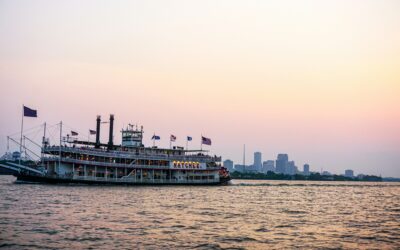
The Majestic Vanguard: ‘Seen and Unseen’ Maritime Might Collides as Sail 250 Ignites America’s Birthday in New Orleans
The mighty Mississippi River transformed into a staggering theater of global friendship, historical reverence, and raw naval power. Dropping anchor from May 27 through June 1, 2026, New Orleans officially made history as the inaugural host city for Sail 250, kicking off a massive, multi-city maritime tour celebrating America’s Sestercentennial (250th anniversary). The event brought together the largest-ever flotilla of international tall ships and state-of-the-art military vessels ever assembled along the city’s iconic riverfront. At The Modern Memo, we look past the generic festival brochures to analyze the “seen and unseen” dualities of this once-in-a-generation event: the high-visibility, romantic elegance of historic windjammers contrasted against the low-profile, devastating warfighting readiness of modern naval armor. The Seen: The Romance of the Windjammers For five days, the Crescent City became a visual masterpiece as millions of spectators lined the riverfront from the Crescent City Connection to the Poland Avenue Wharf to watch a majestic Parade of Sail navigate the muddy waters of the Mississippi. The Fleet Embarks: More than 3,000 Sailors, Marines, and Coast Guardsmen from across the globe descended on the city. Towering tall ships hailing from all corners of the world offered free public tours, providing visitors an interactive walk through living nautical history. The Sovereign Icons: Chief among the visible spectacles was the legendary USCGC Eagle—known as “America’s Tall Ship” and the only active square-rigger remaining in U.S. military service. The Eagle was flanked by international training vessels including Chile’s Esmeralda, Peru’s massive BAP Unión, Colombia’s vibrant ARC Gloria, and Uruguay’s ROU Capitán Miranda. The Cultural Exchange: True to New Orleans fashion, the maritime heritage festival seamlessly fused with local culture. Pier-side welcoming events featured U.S. Navy and Marine Corps band performances, a highly competitive Seafood Cook-Off at Spanish Plaza, and a massive Saturday night fireworks display that lit up the downtown skyline. The Unseen: Stealth, Firepower, and Global Deterrence While the white canvas sails of the 19th-century replicas captured the public’s imagination, the true strategic undercurrent of Sail 250 New Orleans rested in the gray hull steel docked alongside them. Hidden in plain sight was a stark reminder of America’s contemporary warfighting readiness and global deterrence capabilities. The Amphibious Giant: Looming over the tall ships was the USS Kearsarge (LHD 3), a massive Wasp-class amphibious assault ship. Capable of deploying Marine Expeditionary Units via landing craft or helicopters, the Kearsarge represents the apex of modern power projection and crisis response. The Guided-Missile Shield: Sitting low in the water was the USS Farragut (DDG 99), an Arleigh Burke-class guided-missile destroyer. Equipped with advanced Aegis combat systems and vertical launching cells, the Farragut brought a quiet, lethal air defense and anti-submarine shield to the celebration. The Defensive Perimeter: The inclusion of these front-line combatants, alongside Coast Guard cutters like the USCGC Mohawk, underscored the dual purpose of Sail 250. It served as a rare opportunity to connect the American public directly with the military personnel and cutting-edge tech that aggressively preserve freedom of navigation worldwide. The Economic Catalyst: Launching the National Tour Beyond the historic pageantry and military displays, hosting the kickoff port call was a massive logistical and economic victory for the region. The Heartland Gateway: “As a historic port city and gateway to America’s heartland, New Orleans is the perfect place to present the fleet,” noted Captain Seth “Easy” Eisenmenger, the lead planner for Sail 250 New Orleans. The festival coincided with the Port of New Orleans’ tenth annual Maritime Month, spotlighting the critical role the working river plays in driving international commerce. The Economic Surge: Local hospitality leaders reported massive windfalls, with hotels throughout the French Quarter, Central Business District, and Warehouse District hitting maximum capacity. The Horizon: The completion of the New Orleans block party, marked by a traditional Blessing of the Fleet ceremony on Monday, June 1, officially passes the torch eastward. The national Freedom 250 maritime tour will now chart a course toward Norfolk, Baltimore, New York, and Boston as the summer progresses. Final Word Sail 250 New Orleans is the definitive proof that America’s identity remains permanently tied to the sea. When you look past the noise of the festival grounds and focus on the raw data—more than 3,000 international personnel deployed on the riverfront, the concurrent showcase of active-duty amphibious assault ships, and the launch of a multi-city national tour—you gain a clearer picture of a superpower honoring its roots while maintaining its grip on maritime dominance. Quality information replaces the narrative of a standard summer festival with the reality of an intentional, dual-layered demonstration. It allows you to see that the “seen” beauty of the tall ships inspires patriotism, while the “unseen” readiness of the gray fleet guarantees the freedom to celebrate it. By choosing to light up the Mississippi River first, Sail 250 has set an elite standard for the rest of the nation’s 250th birthday tour.
Stand Your Ground: Texas High Schooler Tells Congress of Death Threats After Exposing Illegal Islamic Booth
A 16-year-old Texas high school student became a national sensation after taking the witness stand on Capitol Hill to deliver chilling testimony about the personal cost of defending American values. Marco Hunter-Lopez, a junior at Wylie East High School, revealed to lawmakers that he has been subjected to a barrage of death threats after blowing the whistle on a Muslim outreach group that set up an unauthorized religious booth inside his public school. At The Modern Memo, we analyze the brave stand of a Texas student leader, the fierce partisan fireworks on the House Judiciary Committee, and why a suburban school district has become the latest flashpoint in the fight against the normalization of Sharia. The Whistleblower: Exposing the Unauthorized Booth The controversy began at Wylie East High School, located in a fast-growing suburb northeast of Dallas, when an outside Muslim outreach group set up a booth on campus celebrating “World Hijab Day.” The group reportedly bypassed standard security protocols to distribute Qurans, hijabs, and religious literature to minors during the school day. The Security Breach: Hunter-Lopez, the founder and president of the school’s Republican Student Club, documented the event and alerted district officials to the fact that unapproved visitors had been granted access to the student body without parental consent. The Backlash: After pulling back the curtain on the unauthorized activism, Hunter-Lopez became the target of a vicious intimidation campaign. “I was met with immediate hostility,” the teen testified. “People who want to censor conservative voices don’t stop at disagreement—they turn to threats. I received death threats just for demanding that our school follow its own rules and protect its students.” The Double Standard: The young patriot noted a blatant case of viewpoint discrimination on campus, pointing out that his own conservative group faced constant administrative hurdles and censorship, while the Islamic group was given a free pass by school leadership. The Hearing: ‘Sharia-Free America’ and the Raskin Clash Hunter-Lopez was invited to Washington by Representative Chip Roy (R-TX) to testify before the House Judiciary Subcommittee on the Constitution and Limited Government. The high-profile hearing, titled “Sharia-Free America,” focused on how political Islam and Sharia law operate in direct opposition to the U.S. Constitution. The Warning: “The dangers of allowing Sharia to be promoted in public schools are real and immediate,” Hunter-Lopez testified. “Sharia is not simply a personal religious observance. It is a comprehensive legal and political system that includes unequal treatment… and fundamental incompatibility with American values.” The Viral Showdown: The hearing erupted into fireworks when Representative Jamie Raskin (D-MD) tried to dismiss the teen’s concerns and lecture him on the First Amendment. Hunter-Lopez held his ground, delivering an impromptu defense of America’s Christian heritage that quickly garnered over a million views on social media. The Historical Truth: Defending his position against Raskin, the 16-year-old reminded the committee of America’s roots, noting that 56 of the 57 signers of the Declaration of Independence were Bible-believing Christians, and that Western civilization cannot be sustained if its foundational principles are surrendered. The Local Awakening: Bibles on the Sidewalk The impact of Hunter-Lopez’s congressional testimony is already triggering a massive counter-movement back home in Collin County. The Pushback: In direct response to the Quran distribution inside the school, conservative radio host Chris Krok announced plans to stand outside Wylie East High School to hand out Bibles to students on public property, ensuring that the Christian heritage of the community is represented. Community Demand: Families are now flooding school board meetings, demanding full accountability for the administration’s security lapse and demanding an investigation into the outside organizations allowed on campus. Final Word The courage displayed by Marco Hunter-Lopez on Capitol Hill is the definitive proof that the next generation of American patriots will not be easily intimidated into silence. When you look past the noise of “interfaith inclusion” slogans and focus on the raw data—the death threats targeted at a 16-year-old and the unauthorized distribution of political Islamic texts to minors—you gain a clearer picture of a public school system failing to protect its own students. Quality information replaces the progressive narrative of “tolerance” with the reality of an aggressive ideological infiltration that bypasses parental rights. It allows you to see that if a small suburban town like Wylie can be blindsided, it can happen anywhere. By choosing to stand firm in the face of death threats, this Texas teen has shown the nation that setting an example with the truth is the ultimate shield against cultural decline.

The War at the Pump: Inflation Surges to 3.8% as Middle East Conflict Rattles Energy Markets
The economic fallout from the conflict in Iran has hit American wallets with renewed force. Fresh data from the Bureau of Labor Statistics (BLS) confirms that the Consumer Price Index (CPI) accelerated to a 3.8% annual rate in April, marking the highest jump in nearly three years and underscoring the severe inflationary pressure exerted by the ongoing “Operation Epic Fury.” At The Modern Memo, we analyze the “energy shock” numbers, the ripple effects from the Strait of Hormuz, and why the administration’s battle for lower interest rates just hit a massive, war-torn roadblock. The April Surge: Energy Takes the Lead The April CPI report exceeded market expectations of 3.7%, rising significantly from March’s 3.3%. This marks the second consecutive month where Middle East hostilities have directly translated into higher costs for everyday Americans. Energy Accounting: Energy prices rose 3.8% in April alone, accounting for more than 40% of the total monthly inflation increase. Gasoline Shock: At the pump, the pain is even more acute. Gas prices surged 5.4% for the month and are now up a staggering 28.4% compared to last year. Core Inflation Creep: Even “Core CPI”—which strips out volatile food and energy—rose to 2.8%, signaling that high transportation and power costs are now “bleeding” into other sectors like apparel, household goods, and personal care. The Hormuz Chokehold: Why Prices Are Rising The primary driver of the spike is the continued disruption in the Strait of Hormuz, where one-fifth of the world’s oil supply is currently under threat or blocked. “Totally Unacceptable”: Oil prices spiked again Monday after President Trump rejected Tehran’s latest peace proposal, calling their refusal to dismantle nuclear facilities “totally unacceptable.” The $4 Gallon Reality: The national average for a gallon of gas has officially crossed the $4.00 threshold, a psychological and economic barrier that is already starting to curb consumer spending on non-essentials. Airline Agony: Travel costs have also taken flight, with airfares jumping 20.7% as carriers struggle to absorb the massive spike in jet fuel prices. The Fed Standoff: Will Warsh Pivot? The timing of this “hot” inflation report couldn’t be worse for the President’s hand-picked Federal Reserve nominee, Kevin Warsh, who is expected to be confirmed by Thursday. Pressure for Lower Rates: The administration has been vocal in its campaign for lower interest rates to bolster domestic growth. However, with inflation hitting a three-year high, the “higher-for-longer” camp at the Fed now has significant ammunition to resist any immediate cuts. The Yield Reaction: Treasury yields surged following the release, as markets quickly priced out the possibility of a rate cut at the upcoming June FOMC meeting. Final Word The April inflation report is a sobering reminder that the costs of war are rarely confined to the battlefield. When you look past the noise of “temporary disruptions” and focus on the data—the 3.8% headline rate and the 28.4% jump in gas prices—you gain a clearer picture of an economy that is being held hostage by geopolitical instability. Quality information replaces the “cooling inflation” narrative with the reality of an energy-driven shock that is making life harder for every American family. It allows you to see that while the military campaign against Iran may be yielding strategic results, the financial campaign at home is entering its most difficult phase yet. By choosing to hold the line in the Middle East, the administration has ensured that the “inflation monster” is back, and it’s hungrier than ever. Where Facts, Context, and Perspective Matter At The Modern Memo, our goal is simple: to provide clear, well-researched reporting in a media landscape that often feels overwhelming. We focus on substance over sensationalism, and context over commentary. If you value thoughtful analysis, transparent sourcing, and stories that go beyond the headline, we invite you to share our work. Informed conversations start with reliable information, and sharing helps ensure important stories reach a wider audience. Journalism works best when readers engage, question, and participate. By reading and sharing, you’re supporting a more informed public and a healthier media ecosystem. The Modern Memo may be compensated and/or receive an affiliate commission if you click or buy through our links. Featured pricing is subject to change. 📩 Love what you’re reading? Don’t miss a headline! Subscribe to The Modern Memo here!
Shadow of the Syndicate: Mexican Senator Slams Sheinbaum for Protecting ‘Narco-Politicians’ Following US Indictments
A political firestorm has erupted in Mexico City, as the fallout from a massive U.S. Department of Justice indictment reaches the highest levels of the Mexican government. Following the unsealing of charges against ten current and former officials for allegedly partnering with the Sinaloa Cartel, a prominent opposition senator has accused President Claudia Sheinbaum of actively shielding “narco-politicians” within her own administration. At The Modern Memo, we analyze the “indictment heard ’round the world,” the names fueling the scandal, and why the Trump administration is signaling that “sovereignty” will no longer be a shield for cartel collaborators. The Indictment: Ten Officials in the Crosshairs The U.S. indictment, unsealed late yesterday in the Eastern District of New York, names ten individuals accused of facilitating the shipment of thousands of tons of fentanyl and cocaine into the United States. The Partners: The list includes three current state-level officials and seven former high-ranking members of the security apparatus. They are accused of providing “protection, intelligence, and safe passage” to the Sinaloa Cartel in exchange for millions in bribes. The Sinaloa Connection: Federal prosecutors allege these officials functioned as a “government wing” of the cartel, using state resources to eliminate rival traffickers and ensure the syndicate’s dominance. Extradition Demands: The U.S. has reportedly issued immediate extradition requests for all ten individuals, setting up a direct confrontation with the Sheinbaum administration. The Accusation: Sheinbaum’s ‘Shield’ During a heated session of the Mexican Senate this morning, Senator Lilly Téllez delivered a blistering critique of the President’s response to the scandal. “Protecting the Guilty”: Téllez accused President Sheinbaum of refusing to cooperate with U.S. authorities to protect her political allies. “The President talks about sovereignty, but she is really talking about impunity,” Téllez declared. “She is shielding narco-politicians because their fall would bring down her entire project.” The “Hugs, Not Bullets” Legacy: Critics argue that Sheinbaum is continuing the failed policies of her predecessor, allowing cartel influence to seep into the very foundations of the state under the guise of “social peace.” The Silence from Los Pinos: While Sheinbaum has officially stated that Mexico will “review the evidence” before taking action, her refusal to immediately suspend the current officials named in the indictment has sparked national outrage. The Trump Doctrine: “Clean House or We Will” The timing of the indictments is being viewed as a strategic move by the Trump administration to force Mexico’s hand on border security and cartel influence. Designation Warnings: Sources within the U.S. State Department suggest that if the Sheinbaum administration continues to block extraditions, the U.S. is prepared to designate several Mexican states as “narco-controlled zones,” which would trigger a range of economic sanctions and travel bans. Unilateral Action: The President has signaled that the U.S. will “no longer wait for permission” to take out cartel leadership if the Mexican government remains compromised. The recent “Operation Epic Fury” in the Gulf has already shown the administration’s willingness to use overwhelming force against hostile actors. Final Word The Sinaloa indictment has pulled back the curtain on the “Narco-State” reality that has plagued Mexico for decades. When you look past the noise of “sovereignty” and focus on the data—the ten indicted officials and the billions of dollars in cartel revenue flowing through government hands—you gain a clearer picture of a neighbor in crisis. Quality information replaces the narrative of “cooperation” with the reality of a Mexican administration that is facing a choice: purge the criminals within its ranks or face the full economic and military weight of a United States that has run out of patience. By choosing to shield these “narco-politicians,” Sheinbaum may be signing the death warrant for her own administration’s credibility. Where Facts, Context, and Perspective Matter At The Modern Memo, our goal is simple: to provide clear, well-researched reporting in a media landscape that often feels overwhelming. We focus on substance over sensationalism, and context over commentary. If you value thoughtful analysis, transparent sourcing, and stories that go beyond the headline, we invite you to share our work. Informed conversations start with reliable information, and sharing helps ensure important stories reach a wider audience. Journalism works best when readers engage, question, and participate. By reading and sharing, you’re supporting a more informed public and a healthier media ecosystem. The Modern Memo may be compensated and/or receive an affiliate commission if you click or buy through our links. Featured pricing is subject to change. 📩 Love what you’re reading? Don’t miss a headline! Subscribe to The Modern Memo here!

The 51st State: New Data Shows UK Economy Now Poorer Than Mississippi
A sobering new economic reality has taken hold in the United Kingdom, as fresh data from May 2026 confirms a long-feared trend: if the UK were admitted to the United States today, it would rank as the 51st poorest state in terms of GDP per capita. While British voters have historically viewed their nation as a peer to the “super-rich” states like New York or California, recent figures from the International Energy Agency (IEA) and the IMF show that Britain has now slipped below even the most economically disadvantaged U.S. states. At The Modern Memo, we analyze the “Shock of the 51st,” the divergence in American and British growth, and why the “security” of the UK’s welfare state is coming at a devastating cost to individual prosperity. The Reality Gap: British Belief vs. Data A comprehensive poll of 3,000 UK voters conducted in early 2026 by Freshwater Strategy revealed a massive delusion regarding Britain’s standing in the world. The Perception: When asked where the UK would rank in a list of U.S. states by GDP per capita, the average Briton placed the UK 7th—suggesting they believe the average Brit is wealthier than people in 43 other U.S. states. The Reality: The data shows the UK is last. On a per-person basis, the UK now ranks behind Mississippi, Arkansas, and West Virginia. The Reaction: Over 27% of respondents described themselves as “shocked” by the truth, with many expressing embarrassment that the “poorest state in the union” now enjoys a higher standard of economic output than the former seat of the British Empire. A Tale of Two Decades: The Growth Divergence The gap between the U.S. and UK is not just a statistical quirk; it is the result of a decades-long divergence in economic philosophy and productivity. Stagnation vs. Boom: Since 1990, U.S. GDP per capita has skyrocketed, while the UK has largely stagnated. As of mid-2026, the average gross monthly salary in the U.S. stands at $6,228, compared to just £3,000 ($4,052) in the UK. The Purchasing Power Paradox: While the UK boasts a much higher minimum wage in USD terms ($16.49 vs $7.25), the Median Household Income in the U.S. remains 73% higher at approximately $80,610 per year. Investment and Energy: Analysts point to Mississippi’s lower energy costs—driven by a lack of restrictive green energy mandates—and a lack of occupational licensing as key factors that have allowed even the “poorest” American state to outpace Britain’s heavily regulated economy. Living Standards: High Floor, Low Ceiling Defenders of the UK model point out that while Americans are richer on average, the UK offers a “safety net” that the U.S. lacks. However, even this defense is beginning to crumble under the weight of stagnating wages. The Wealth Illusion: While median individual wealth remains higher in the UK (largely due to a housing crisis inflating home values), disposable income in the UK now ranks well below that of the U.S., Italy, and even Slovenia. Security vs. Risk: The U.S. economy is often described as “high risk, high reward.” While the bottom 10% in America struggle more than those in the UK, the other 90% of Americans are significantly wealthier than their British counterparts at every equivalent decile. Final Word The “51st State” revelation is a wake-up call that the UK can no longer afford to ignore. When you look past the noise of “social safety nets” and focus on the data—the 73% gap in median income and the UK’s rank at the absolute bottom of the U.S. state list—you gain a clearer picture of a nation that has traded growth for managed decline. Quality information replaces the myth of “Great” Britain with the reality of a country that is slowly losing its ability to compete on the global stage. It allows you to see that while Mississippi might be the punchline for American jokes, for the people of the UK, it has become an aspirational target. By choosing to prioritize stability over dynamism, Britain has ensured that its only path forward is to finally acknowledge how far it has fallen. Where Facts, Context, and Perspective Matter At The Modern Memo, our goal is simple: to provide clear, well-researched reporting in a media landscape that often feels overwhelming. We focus on substance over sensationalism, and context over commentary. If you value thoughtful analysis, transparent sourcing, and stories that go beyond the headline, we invite you to share our work. Informed conversations start with reliable information, and sharing helps ensure important stories reach a wider audience. Journalism works best when readers engage, question, and participate. By reading and sharing, you’re supporting a more informed public and a healthier media ecosystem. The Modern Memo may be compensated and/or receive an affiliate commission if you click or buy through our links. Featured pricing is subject to change. 📩 Love what you’re reading? Don’t miss a headline! Subscribe to The Modern Memo here!

Glorify God Among the Nations: The Resurgence of Faith During National Prayer Week 2026
As the United States celebrates the historic 75th annual National Day of Prayer, the country finds itself in the midst of a profound spiritual awakening. This year’s observance carries unprecedented weight, coinciding with the grand “America 250” celebrations marking two and a half centuries of independence. At The Modern Memo, we analyze the 2026 theme of intergenerational unity, the importance of public prayer as a pillar of American liberty, and why the administration is calling for a national rededication as “One Nation Under God.” The 2026 Theme: “Glorify God Among the Nations” The theme for this year, “Glorify God Among the Nations—Seeking Him in All Generations,” is drawn from 1 Chronicles 16:24. It marks a shift from internal petition toward a global declaration of faith and gratitude. Intergenerational Unity: A primary focus of this year’s week-long observance is bridging the “faith gap” between Gen Z and older generations. Organizers report that younger Americans are increasingly turning to prayer as a source of “hope for today” rather than just a traditional ritual. The “Golden Thread”: In his official proclamation, the President described devotion to God as the “golden thread” connecting the American experience from the Founding Fathers to the present day, emphasizing that the nation’s greatest triumphs have always been preceded by national prayer. The Historical Pillar: Why Prayer Matters to the State National Prayer Week is not merely a religious tradition; it is a fundamental acknowledgment of the source of American rights. The 1775 Precedent: The tradition began before the nation was even born, when the Continental Congress called for a day of prayer in 1775 to seek wisdom for the burgeoning revolution. The 1952 Mandate: In 1952, at the height of the Cold War, Congress and President Truman solidified the annual observance to distinguish the American system of “liberty under God” from the “atheistic communism” of the era. National Rededication: As part of the 250th-anniversary festivities, a massive gathering is scheduled for May 17 on the National Mall, where thousands will meet to rededicate the United States to its founding principles. The “America Prays” Initiative The current administration has expanded the scope of this week through the “America Prays” initiative, which challenges one million Americans to dedicate one hour a week to praying for the country. “Indispensable Supports”: Drawing on George Washington’s Farewell Address, the administration argues that religion and morality are “indispensable supports” for political prosperity. Targeted Intercession: Families are being encouraged to pray specifically for: Military Safety: Protection for those serving in the ongoing regional conflicts. Educational Integrity: Wisdom for educators to cultivate a “caring and responsible” generation. Economic Thriving: Resources for local businesses and families to earn their livelihoods with dignity. Final Word National Prayer Week 2026 is a powerful rejection of the “secular drift” that has characterized the last few decades. When you look past the noise of cultural debate and focus on the data—the 75-year tradition of the National Day of Prayer and the surging participation in the “America Prays” initiative—you gain a clearer picture of a nation that is returning to its roots. Quality information replaces the idea of prayer as a “private hobby” with the reality of prayer as a vital public service. It allows you to see that as we chart the course for the next 250 years, the American spirit remains tethered to the belief that our destiny is not our own. By choosing to “Glorify God among the nations,” the American people are signaling that the greatest days of this republic are still ahead. Where Facts, Context, and Perspective Matter At The Modern Memo, our goal is simple: to provide clear, well-researched reporting in a media landscape that often feels overwhelming. We focus on substance over sensationalism, and context over commentary. If you value thoughtful analysis, transparent sourcing, and stories that go beyond the headline, we invite you to share our work. Informed conversations start with reliable information, and sharing helps ensure important stories reach a wider audience. Journalism works best when readers engage, question, and participate. By reading and sharing, you’re supporting a more informed public and a healthier media ecosystem. The Modern Memo may be compensated and/or receive an affiliate commission if you click or buy through our links. Featured pricing is subject to change. 📩 Love what you’re reading? Don’t miss a headline! Subscribe to The Modern Memo here!

History in the Making: Artemis II Crew Enters Lunar Domain, Sets Sights on All-Time Distance Record
In a monumental moment for human exploration, the four-person crew of Artemis II officially entered the Moon’s “sphere of influence” at 12:37 a.m. EDT today, April 6, 2026. For the first time in over five decades, the Moon’s gravity now has a stronger pull on a human-crewed spacecraft than the Earth’s—marking the definitive beginning of the mission’s high-stakes lunar flyby. At The Modern Memo, we analyze the “free-return” physics bringing our astronauts home, the record-breaking distance they are about to reach, and why this mission is the ultimate validation of the Artemis program’s engineering. The Milestone: “Falling Toward the Moon” The Orion spacecraft, carrying Commander Reid Wiseman, Pilot Victor Glover, and Mission Specialists Christina Koch and Jeremy Hansen, has spent the last five days rising away from Earth. Today, that trajectory shifted. A New Perspective: “We are now falling to the Moon rather than rising away from Earth. It is an amazing milestone!” Mission Specialist Christina Koch reported to Houston shortly after crossing the gravitational threshold. The Record Breakers: Later today, at approximately 1:46 p.m. EDT, the crew is expected to surpass the all-time distance record for humans in space—a record held for 56 years by the crew of Apollo 13 (248,655 miles). By tonight, Artemis II will reach a maximum distance of 252,760 miles from our home planet. The Flyby: Observations of the Far Side As Orion swings around the Moon, the crew will be the first humans to see the lunar far side with the naked eye since 1972. NASA has identified 35 geological features for the crew to photograph and analyze, including the massive Orientale Basin. The Communication Blackout: Starting at roughly 6:44 p.m. EDT, the mission will enter a planned 40-minute communications blackout as Orion passes behind the Moon. Closest Approach: While behind the lunar disc and out of contact with Earth, the crew will make their closest approach to the surface—just 4,070 miles above the lunar crust—at 7:02 p.m. EDT. Earthset: The astronauts are expected to witness a rare “Earthset,” seeing our planet sink beneath the lunar horizon, a view that has historically united humanity in awe. Strategic Safety: The Free-Return Trajectory A key highlight of the Artemis II mission is its “free-return trajectory.” Unlike complex orbital insertions, this path uses the Moon’s gravity as a natural slingshot. Physics Over Propulsion: By looping around the Moon, Orion is naturally propelled back toward Earth without the need for a massive engine burn. This “fail-safe” design ensures that even if the main service module engine encountered an issue, the crew would still be on a direct path to a Pacific Ocean splashdown. The “Good Morning” Wakeup: The crew began their historic day to the sounds of “Good Morning” by Mandisa and TobyMac, following a lighthearted “Easter egg hunt” yesterday where they hid dehydrated scrambled eggs around the cabin to celebrate the holiday in orbit. Final Word The Artemis II lunar flyby is more than a technical demonstration; it is a restoration of American exceptionalism in deep space. When you look past the noise of “space race” comparisons and focus on the data—the crossing of the gravitational sphere of influence and the shattering of a 56-year-old distance record—you gain a clearer picture of a nation that has finally reclaimed the high ground. Quality information replaces the nostalgia of the 1960s with the reality of 21st-century precision. It allows you to see this mission not as a repeat of history, but as the essential bridge to the 2027 lunar landing. By choosing to follow this journey today, you align your perspective with the reality that humanity’s reach is once again exceeding its grasp. Where Facts, Context, and Perspective Matter At The Modern Memo, our goal is simple: to provide clear, well-researched reporting in a media landscape that often feels overwhelming. We focus on substance over sensationalism, and context over commentary. If you value thoughtful analysis, transparent sourcing, and stories that go beyond the headline, we invite you to share our work. Informed conversations start with reliable information, and sharing helps ensure important stories reach a wider audience. Journalism works best when readers engage, question, and participate. By reading and sharing, you’re supporting a more informed public and a healthier media ecosystem. The Modern Memo may be compensated and/or receive an affiliate commission if you click or buy through our links. Featured pricing is subject to change. 📩 Love what you’re reading? Don’t miss a headline! Subscribe to The Modern Memo here!
- 1
- 2