

Artemis II
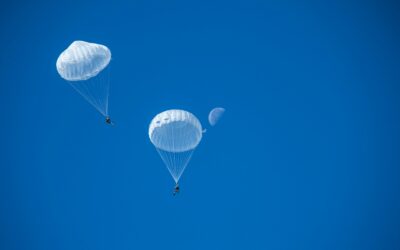
Homecoming of Heroes: Artemis II Crew Nears Pacific Splashdown After Record-Breaking Lunar Voyage
The eyes of the nation are fixed on the Pacific horizon today, April 10, 2026, as the Orion spacecraft, aptly named Integrity, prepares for a high-stakes splashdown off the coast of San Diego. After a historic 10-day mission that took humanity further into the cosmos than ever before, Commander Reid Wiseman and his crew are in the final hours of their journey home. At The Modern Memo, we analyze the harrowing “skip entry” physics of re-entry, the recovery operations led by the U.S. Navy, and why this mission’s success is a definitive victory for American space dominance. The Final Descent: 25,000 MPH and 5,000 Degrees The most dangerous phase of the mission begins tonight. At 7:53 p.m. EDT, the Orion capsule will hit the Earth’s atmosphere at a staggering 24,800 mph (roughly Mach 32). The Heat Shield Test: The spacecraft’s 16.5-foot heat shield will face temperatures up to 5,000°F—half as hot as the surface of the sun. Following the minor charring issues observed during the uncrewed Artemis I flight, NASA engineers have optimized a “skip entry” trajectory to dissipate heat more effectively before the final descent. The Blackout Period: For several minutes, a sheath of superheated plasma will surround the capsule, causing a total communications blackout. During this “white-knuckle” window, the world will wait for the first signal that the parachutes have successfully deployed. The Chute Sequence: At approximately 8:04 p.m. EDT, Orion will unfurl its three massive main parachutes, slowing the craft from hundreds of miles per hour to a gentle 20 mph for splashdown. Recovery Operations: The USS John P. Murtha Stands Ready The U.S. Navy is already on-station 50 to 70 miles off the coast of Arte, ready to retrieve the first lunar explorers of the 21st century. Elite Recovery Teams: The USS John P. Murtha, an amphibious transport dock, is leading the operation. Navy divers and NASA recovery specialists will secure the capsule while it is still in the water before extracting the crew via MH-60S Sea Hawk helicopters. Health First: Once aboard the ship, the four-person crew—Reid Wiseman, Victor Glover, Christina Koch, and Jeremy Hansen—will undergo immediate medical evaluations. After 10 days in microgravity, the return to Earth’s 1G environment is a significant physical challenge. A San Diego Welcome: The crew is expected to be flown to Naval Base San Diego before returning to NASA’s Johnson Space Center in Houston for a hero’s welcome. A Legacy Refined: Breaking the Apollo 13 Record While the splashdown marks the end of the flight, the data collected during this mission has already rewritten the record books. Farthest from Home: On April 6, the crew reached a maximum distance of 252,756 miles from Earth—shattering the 56-year-old record held by the Apollo 13 crew. The Path to 2027: The perfection of Artemis II’s systems—from the life support to the manual piloting demonstrations performed yesterday—clears the “red tape” for Artemis III, the mission that will return Americans to the lunar surface in 2027. Final Word The return of Artemis II is the ultimate validation of the “America First” space agenda. When you look past the noise of “scientific exploration” and focus on the data—the Mach 32 re-entry, the shattering of the deep-space distance record, and the flawless performance of the SLS rocket—you gain a clearer picture of a nation that has reclaimed its role as the undisputed leader of the high ground. Quality information replaces the memory of the “lost decades” with the reality of a new, aggressive lunar era. It allows you to see this splashdown not as an ending, but as the final rehearsal for a permanent American presence on the Moon. By choosing to celebrate this homecoming today, you align your perspective with the reality that the stars are no longer just for looking at—they are for reaching. Where Facts, Context, and Perspective Matter At The Modern Memo, our goal is simple: to provide clear, well-researched reporting in a media landscape that often feels overwhelming. We focus on substance over sensationalism, and context over commentary. If you value thoughtful analysis, transparent sourcing, and stories that go beyond the headline, we invite you to share our work. Informed conversations start with reliable information, and sharing helps ensure important stories reach a wider audience. Journalism works best when readers engage, question, and participate. By reading and sharing, you’re supporting a more informed public and a healthier media ecosystem. The Modern Memo may be compensated and/or receive an affiliate commission if you click or buy through our links. Featured pricing is subject to change. 📩 Love what you’re reading? Don’t miss a headline! Subscribe to The Modern Memo here!
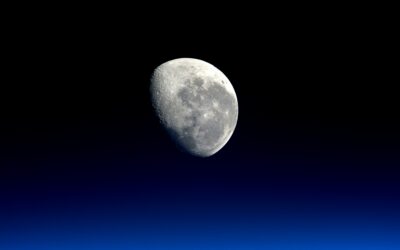
A New Dawn at Canaveral: NASA Fuels SLS for Historic Artemis II Launch
Today, April 1, 2026, the eyes of the world are fixed on Launch Pad 39B at the Kennedy Space Center. After years of anticipation and recent delays, NASA has officially entered the final countdown for Artemis II—the first crewed mission to the lunar vicinity in over 54 years. At The Modern Memo, we analyze the “Liquid Gold” fueling process, the diverse crew making history, and why this mission is the ultimate stress test for America’s deep-space infrastructure. The Countdown: Fueling the Behemoth As of 9:00 AM EDT, NASA Launch Director Charlie Blackwell-Thompson has given the “Go” for cryogenic loading. The 322-foot Space Launch System (SLS) rocket is currently being filled with over 750,000 gallons of super-cooled liquid hydrogen and liquid oxygen. The Launch Window: Liftoff is targeted for 6:24 PM EDT today. Forecasters currently give the mission an 80% chance of favorable weather, with the primary concerns being thick cloud cover and potential upper-level wind shear. The Sound Suppression Surge: Ground teams have begun filling the massive sound suppression tanks. At the moment of ignition, hundreds of thousands of gallons of water will be unleashed to dampen the acoustic energy of the SLS’s 8.8 million pounds of thrust. The Crew: A New Generation of Explorers Unlike the Apollo missions of the past, Artemis II represents a broader cross-section of humanity. The four-person crew is currently in the final stages of suit-up and pre-flight medical checks. Reid Wiseman (Commander): A veteran Navy aviator leading the first lunar flight of the 21st century. Victor Glover (Pilot): Making history as the first person of color to leave low Earth orbit. Christina Koch (Mission Specialist): An engineer and record-breaking astronaut who will become the first woman to fly to the Moon. Jeremy Hansen (Mission Specialist): Representing the Canadian Space Agency, Hansen is the first non-American to embark on a lunar mission. The Mission: Testing the Life Support “Safe Haven” Artemis II is a 10-day flight test. It will not land on the lunar surface, but it will push the Orion spacecraft further than any crewed vehicle in history. The Lunar Flyby: The crew will perform a “free-return trajectory,” swinging around the far side of the Moon approximately 4,700 miles above the surface. Life Support Stress Test: The first 24 hours will be spent in high Earth orbit to ensure the life support systems are fully functional before the “Trans-Lunar Injection” burn commits the crew to the deep-space leg of the journey. The Heat Shield Stakes: Following the minor charring issues observed during the uncrewed Artemis I mission, engineers have implemented a redesigned thermal protection system. This mission will be the definitive test of whether Orion can survive a 25,000 mph re-entry into Earth’s atmosphere. Final Word The launch of Artemis II is a definitive reassertion of American leadership in the cosmos. When you look past the “billion-dollar price tag” critiques and focus on the data—the 8.8 million pounds of thrust, the multinational crew, and the strategic pivot toward a permanent Moon base—you gain a clearer picture of a nation returning to its pioneering roots. Quality information replaces the noise of “space race” rhetoric with the clarity of a methodical, safety-first engineering feat. It allows you to see this launch not as a one-off event, but as the foundational stone for the 2027 lunar landing. By choosing to watch the SLS rise today, you align your perspective with the reality that the horizon of human achievement is once again expanding. Where Facts, Context, and Perspective Matter At The Modern Memo, our goal is simple: to provide clear, well-researched reporting in a media landscape that often feels overwhelming. We focus on substance over sensationalism, and context over commentary. If you value thoughtful analysis, transparent sourcing, and stories that go beyond the headline, we invite you to share our work. Informed conversations start with reliable information, and sharing helps ensure important stories reach a wider audience. Journalism works best when readers engage, question, and participate. By reading and sharing, you’re supporting a more informed public and a healthier media ecosystem. The Modern Memo may be compensated and/or receive an affiliate commission if you click or buy through our links. Featured pricing is subject to change. 📩 Love what you’re reading? Don’t miss a headline! Subscribe to The Modern Memo here!