Blockade

‘At the Bottom of Its Waters’: Iran’s New Supreme Leader Issues Bloodthirsty Threat as Trump Blockade Tightens
In a chilling escalation of rhetoric that has become the hallmark of the current conflict, Iran’s new Supreme Leader, Ayatollah Mojtaba Khamenei, issued a defiant written statement today, April 30, 2026. While President Trump’s “Absolute Anchor” blockade continues to suffocate the regime’s economy, the younger Khamenei—who has not been seen in public since the February airstrike that neutralized his father—declared that the only place for Americans in the Persian Gulf is “at the bottom of its waters.” At The Modern Memo, we analyze the desperate posturing of a regime under siege, the “Axis of Evasion” reality, and why the President is calling this the “final gasp of a dying tyranny.” The Rhetoric of the Grave: Mojtaba’s First Major Decree The statement, read by a state television anchor in Tehran, marks the most aggressive posture taken by Mojtaba Khamenei since he assumed power in the wake of Operation Epic Fury. The Lethal Ultimatum: “Foreigners who come from thousands of kilometers away to act with greed and malice… have no place here except at the bottom of its waters,” the statement read. Nuclear Defiance: Khamenei further insisted that Iran’s “nuclear and missile capabilities” are national assets that will be protected at all costs, signaling a total rejection of the “Grand Deal” currently being sought by the Trump administration. A Ghostly Leadership: Despite the fiery words, the fact that the statement was delivered in writing continues to fuel rumors that Mojtaba was seriously wounded in the same February 28 strike that took out the elder Khamenei. The Blockade Bite: Why Tehran is Lashing Out Military analysts suggest that the Supreme Leader’s bloodthirsty rhetoric is a direct response to the effectiveness of the U.S. Navy’s maritime blockade. Energy Asphyxiation: With U.S. forces successfully intercepting “dark fleet” tankers like the Majestic X and the Touska, Iran’s oil exports—the lifeblood of the IRGC—have slowed to a virtual halt. The $126 Barrel: While Brent crude has spiked to $126 a barrel due to the regime’s chokehold on the Strait of Hormuz, the mullahs aren’t seeing a dime of that profit. They are sitting on a mountain of oil they cannot sell, while their people face a collapsing rial. “Epic Fury” Success: Secretary of War Pete Hegseth noted this morning that the blockade is growing “more powerful by the day.” The threat to sink American ships is seen by the Pentagon as a desperate attempt to break the psychological grip of the “Absolute Anchor.” Trump’s “Peace Through Strength” Response The White House has remained unmoved by the Ayatollah’s threats, with the President reportedly telling advisors that “scared regimes talk the loudest.” The Unified Proposal: The administration has maintained that the ceasefire will only be solidified if Tehran presents a “unified proposal” for total denuclearization—a prospect that Mojtaba’s statement today explicitly mocked. Midterm Resolve: With crucial midterm elections approaching, the President has leaned into the conflict, framing it as a necessary clearing of the “terrorist nest” that has destabilized the Middle East for 40 years. Allied Unity: Despite the King’s visit earlier this week focusing on “soft power,” the U.S. military remains in a state of high alert, with “shoot and kill” orders still active for any Iranian boat attempting to seed the Strait with mines. Final Word Mojtaba Khamenei’s “bottom of the waters” threat is the sound of a regime that knows its time is running out. When you look past the noise of the “holy war” rhetoric and focus on the data—the 155+ Iranian vessels already destroyed and the total paralysis of their oil industry—you gain a clearer picture of a superpower that has finally taken the gloves off. Quality information replaces the fear of “regional war” with the reality of a surgical, disciplined dismantling of a rogue state’s ability to threaten the world. It allows you to see that the only thing destined for the bottom of the Gulf isn’t the U.S. Navy—it’s the failed ideology of the Islamic Republic. By choosing to hold the line, the President is ensuring that the “new chapter” in the Gulf will be written in English, not Persian. Where Facts, Context, and Perspective Matter At The Modern Memo, our goal is simple: to provide clear, well-researched reporting in a media landscape that often feels overwhelming. We focus on substance over sensationalism, and context over commentary. If you value thoughtful analysis, transparent sourcing, and stories that go beyond the headline, we invite you to share our work. Informed conversations start with reliable information, and sharing helps ensure important stories reach a wider audience. Journalism works best when readers engage, question, and participate. By reading and sharing, you’re supporting a more informed public and a healthier media ecosystem. The Modern Memo may be compensated and/or receive an affiliate commission if you click or buy through our links. Featured pricing is subject to change. 📩 Love what you’re reading? Don’t miss a headline! Subscribe to The Modern Memo here!
The Anchor Holds: U.S. Navy Opens Fire and Seizes Iranian Tanker as Blockade Defiance Met with Force
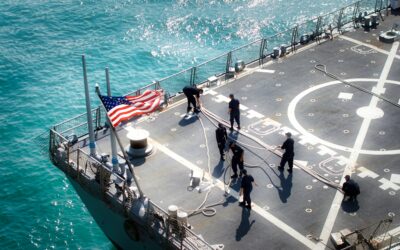
The “Absolute Anchor” policy shifted from a strategic standoff to a kinetic engagement today, April 20, 2026. In a decisive show of force, a U.S. Navy destroyer opened fire on and subsequently seized an Iranian-flagged tanker attempting to run the blockade in the Strait of Hormuz. The engagement has sent shockwaves through the region, casting a dark shadow over the fragile peace negotiations previously scheduled to resume in Pakistan. At The Modern Memo, we analyze the tactical necessity of the engagement, the “Zero-Tolerance” enforcement of the blockade, and why the “Islamabad Track” is now on life support. The Engagement: Warning Shots Ignored The incident occurred in the early hours of Monday morning when an Iranian VLCC (Very Large Crude Carrier), the Sahand-4, ignored multiple orders to divert course. The Escalation: After the tanker accelerated toward the exclusion zone and turned its transponders off, a U.S. Navy destroyer—acting under the President’s standing orders to “neutralize blockade runners”—fired a series of warning shots. The Seizure: When the vessel refused to heave to, the Navy transitioned to “disabling fire,” targeting the ship’s steering gear before an elite SEAL team fast-roped onto the deck. The vessel is currently being towed to a neutral port for inspection and cargo impoundment. No Apologies: “We told them the door was closed. They tried to kick it open. Now they’ve lost their ship,” a senior Pentagon official remarked, emphasizing that the Navy will not hesitate to protect the integrity of the blockade. The Pakistan Collapse: Peace Talks in Peril The smoke from the engagement has clouded the diplomatic horizon. Just as officials were preparing to return to Islamabad for a second round of ceasefire negotiations, the Iranian delegation has signaled a potential withdrawal. The Islamabad Uncertainty: Sources in the Pakistani government report that the Iranian side is now calling the naval seizure an “act of piracy” and a violation of the “spirit” of the previous talks. The Trump Ultimatum: The White House remains unmoved by the diplomatic posturing. The President has made it clear that the blockade is a separate reality from the talks—diplomacy is for the table, but the blockade is for the water. “You don’t negotiate your way out of a blockade; you surrender your way out of it,” a Trump advisor noted. Strategic Clarity: Why the Seizure Matters For critics who argued the blockade was “merely symbolic,” Monday’s engagement provides a stark reality check. Ending the “Ghost” Trade: By seizing the Sahand-4, the U.S. has sent a message to the “Dark Fleet” of tankers that have been propping up the mullahs for years. The risks of running the blockade now include the total loss of the asset. Energy Stability: Despite the fire, global oil markets remained relatively stable, as the President’s “Completely Open” policy for allied tankers continues to ensure that legitimate energy supplies reach their destinations without interruption. Final Word The seizure of the Iranian tanker is the inevitable result of a regime that mistakes American patience for a lack of resolve. When you look past the noise of “diplomatic tension” and focus on the data—the successful neutralization of a blockade runner and the U.S. Navy’s uncontested control of the Strait—you gain a clearer picture of an administration that values action over empty rhetoric. Quality information replaces the anxiety of a “wider war” with the reality of a surgical, effective enforcement of national security. It allows you to see that the road to Islamabad was always going to be paved with the wreckage of those who defied the “Absolute Anchor.” By choosing to fire today, the U.S. has ensured that the talks tomorrow—if they happen—will be on American terms. Where Facts, Context, and Perspective Matter At The Modern Memo, our goal is simple: to provide clear, well-researched reporting in a media landscape that often feels overwhelming. We focus on substance over sensationalism, and context over commentary. If you value thoughtful analysis, transparent sourcing, and stories that go beyond the headline, we invite you to share our work. Informed conversations start with reliable information, and sharing helps ensure important stories reach a wider audience. Journalism works best when readers engage, question, and participate. By reading and sharing, you’re supporting a more informed public and a healthier media ecosystem. The Modern Memo may be compensated and/or receive an affiliate commission if you click or buy through our links. Featured pricing is subject to change. 📩 Love what you’re reading? Don’t miss a headline! Subscribe to The Modern Memo here!
“Completely Open”: Trump Declares Freedom of Navigation for Allies While Iranian Ports Remain Under Lockdown
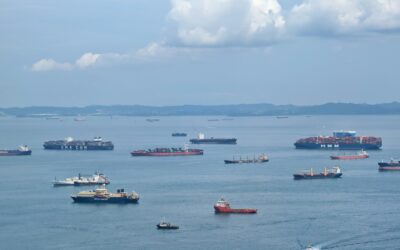
In a display of strategic dominance that has redefined maritime security, President Trump declared today, April 17, 2026, that the Strait of Hormuz is “completely open” for global commerce. The announcement serves as a victory lap for the administration’s “Absolute Anchor” policy—a surgical naval operation that has successfully bifurcated the region’s waters: keeping the world’s energy lanes flowing while keeping the Iranian regime’s war machine in a total chokehold. At The Modern Memo, we analyze the “dual-track” success of the U.S. Navy, the failure of Tehran’s “closure” threats, and why the President is calling this the “greatest stabilization of the Gulf in fifty years.” Freedom for Commerce, Lockdown for Rogue Trade The President’s morning briefing from the Oval Office clarified what many international observers were struggling to grasp: the blockade is not a “blanket” closure of the region, but a high-tech filter designed to punish the aggressor while rewarding global partners. The Open Gate: Tankers bound for Europe, Japan, and the UAE are moving through the Strait of Hormuz with U.S. Navy escorts, ensuring that oil prices—which spiked earlier this month—continue their steady decline toward pre-war levels. The Iranian Lockdown: Conversely, the blockade of Iranian-specific ports remains “ironclad.” Every vessel entering or exiting Iranian waters is being intercepted, boarded, or turned back. “The world gets its energy, but the mullahs don’t get their cash,” the President noted. Technological Superiority: The U.S. 5th Fleet is utilizing advanced drone swarms and satellite “dark-ship” tracking to ensure that no “ghost tankers” can slip through the cracks to fund the IRGC. Calling Tehran’s Bluff Just days ago, the Iranian leadership vowed to turn the Persian Gulf into a “graveyard” for American ships. Today, those threats appear increasingly hollow as the U.S. Navy continues its uncontested “policing” of the Strait. Hollow Retaliation: Despite the rhetoric of “sinking ships,” the Iranian Navy has largely remained in port, unwilling to face the Aegis-equipped destroyers that now sit at the mouth of the Strait. The “Police” of the Gulf: President Trump leaned into the “Police” label that Iranian officials meant as an insult. “They call me the policeman of the Strait. I like that. It’s a good title. We’re keeping the neighborhood safe from the neighborhood bully,” he told reporters. The Economic Pivot: Oil Prices Stabilize The “Completely Open” status of the Strait has sent a powerful signal to global markets, effectively neutralizing the “energy blackmail” that Iran has used as leverage for decades. Market Confidence: Brent crude futures dropped another $4.00 per barrel following the President’s statement, as insurance underwriters began lowering “War Risk” premiums for non-Iranian vessels. The Beijing Factor: By keeping the Strait open for Chinese-bound tankers (provided they aren’t carrying Iranian oil), Trump has successfully de-escalated tensions with Beijing ahead of the May summit. China, the world’s largest energy importer, now has a vested interest in the success of the U.S. maritime security plan. Final Word The “Completely Open” Strait of Hormuz is the ultimate manifestation of “Peace Through Strength.” When you look past the noise of “regional escalation” and focus on the data—the unimpeded flow of allied tankers and the total paralysis of Iranian exports—you gain a clearer picture of a superpower that has mastered the art of calibrated force. Quality information replaces the fear of a “global energy crisis” with the reality of a disciplined naval blockade that targets the regime without punishing the world. It allows you to see that the Strait isn’t just a waterway; it’s a testament to American resolve. By choosing to hold the Iranian ports while freeing the Strait, the President has ensured that the only thing “closed” in the Middle East is the door to state-sponsored terror. Where Facts, Context, and Perspective Matter At The Modern Memo, our goal is simple: to provide clear, well-researched reporting in a media landscape that often feels overwhelming. We focus on substance over sensationalism, and context over commentary. If you value thoughtful analysis, transparent sourcing, and stories that go beyond the headline, we invite you to share our work. Informed conversations start with reliable information, and sharing helps ensure important stories reach a wider audience. Journalism works best when readers engage, question, and participate. By reading and sharing, you’re supporting a more informed public and a healthier media ecosystem. The Modern Memo may be compensated and/or receive an affiliate commission if you click or buy through our links. Featured pricing is subject to change. 📩 Love what you’re reading? Don’t miss a headline! Subscribe to The Modern Memo here!
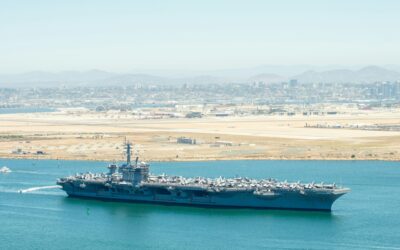
Hollow Threats: Tehran Vows to Sink U.S. Navy as Trump’s Blockade Strangles Rogue Regime
As President Trump’s naval blockade enters its fourth decisive day, the desperate regime in Tehran has resorted to its oldest tactic: bluster. On Thursday, April 16, 2026, Mohsen Rezaei, a top military adviser to Iran’s Supreme Leader, issued a provocative threat to sink U.S. warships currently patrolling the Strait of Hormuz. At The Modern Memo, we analyze the failure of Iranian deterrence, the “hostage-for-billions” extortion plot, and why the U.S. Navy remains the undisputed “Police of the Gulf.” The “Missile Threat” Myth Dressed in military fatigues on state television, Rezaei—a former Revolutionary Guard commander—warned that U.S. ships are “exposed to our missiles” and would be “sunk by our first strikes.” The Reality on the Water: Despite the rhetoric, U.S. Central Command (CENTCOM) confirms the blockade is “fully implemented” and 100% effective. In the first 72 hours, not a single vessel has breached the line. The “Police” of the Strait: Rezaei mocked President Trump’s role as the “Police of the Strait of Hormuz,” asking if this was truly the job of a powerful army. The answer from Washington is a resounding yes. By securing the world’s most vital energy artery, the U.S. is protecting the global economy from Iranian piracy. Desperate Extortion: The $1 Billion Hostage Plot Perhaps most revealing was Rezaei’s admission that the regime is hoping for a U.S. ground invasion. Why? Because the Islamic Republic is running out of cash and looking for new victims to kidnap. Billion-Dollar Ransom: Rezaei stated it would be “great” if U.S. forces invaded because Iran could “take thousands of hostages” and demand $1 billion per person. The Strategy of Terror: This open admission of state-sponsored kidnapping proves that the regime is no longer a functioning government, but a criminal enterprise. The Trump administration’s refusal to put boots on the ground—opting instead for the “Absolute Anchor” naval blockade—has left the mullahs with no one to capture and no way to pay their bills. Diplomacy is Dead: The Islamabad Failure The current escalation follows the total collapse of the Islamabad talks earlier this week. Iran’s rejection of a ceasefire has left them in a self-imposed “quarantine.” Economic Asphyxiation: Analysts estimate the blockade is costing Tehran $400 million a day in lost revenue. The May Deadline: With a historic summit between President Trump and President Xi looming in May, Iran is watching its last global lifelines vanish. Beijing has already signaled it will prioritize energy stability over propping up a failing revolutionary state. Final Word Iran’s threat to sink American ships is the bark of a cornered animal. When you look past the noise of “missile warnings” and focus on the data—the zero breaches of the blockade and the regime’s desperate plea for a ground war to take hostages—you gain a clearer picture of an enemy that has lost the initiative. Quality information replaces the fear of “escalation” with the reality of an administration that has successfully neutered a rogue state without firing a single shot on land. It allows you to see that “policing” the Strait isn’t just a job; it’s a necessity for a world that refuses to be held hostage by 20th-century radicals. By choosing to hold the line, the U.S. Navy is ensuring that the only thing sinking in the Persian Gulf is the regime’s hope for survival. Where Facts, Context, and Perspective Matter At The Modern Memo, our goal is simple: to provide clear, well-researched reporting in a media landscape that often feels overwhelming. We focus on substance over sensationalism, and context over commentary. If you value thoughtful analysis, transparent sourcing, and stories that go beyond the headline, we invite you to share our work. Informed conversations start with reliable information, and sharing helps ensure important stories reach a wider audience. Journalism works best when readers engage, question, and participate. By reading and sharing, you’re supporting a more informed public and a healthier media ecosystem. The Modern Memo may be compensated and/or receive an affiliate commission if you click or buy through our links. Featured pricing is subject to change. 📩 Love what you’re reading? Don’t miss a headline! Subscribe to The Modern Memo here!