

California
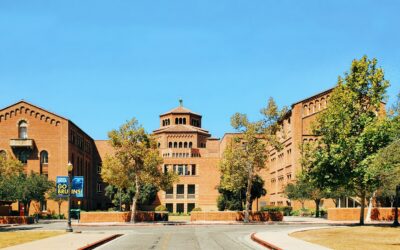
The Medical Blank: Medical School Deans Falter in Tense House Hearing Over Gender Identity and Biological Science
The intensifying battle over the ideological capture of American higher education reached a fever pitch on Capitol Hill. During a high-stakes oversight session convened by the House Education and Workforce Committee, conservative lawmakers directly confronted elite medical school leaders regarding the aggressive expansion of Diversity, Equity, and Inclusion (DEI) initiatives inside the nation’s premier medical training pipelines. The hearing, engineered to examine how politicized mandates are reshaping medical curricula, transformed into an intense, gridlocked debate over basic human anatomy. Rep. Mary Miller (R-IL), a staunch social conservative serving as the committee’s Vice Chair, utilized her question period to grill the heads of the University of California system’s top medical schools point-blank on whether their institutional pivot toward gender-identity politics is systematically undermining foundational biological science. When pressed to verify whether biological women are the exclusive category of humans who possess a uterus and carry pregnancies, the academic leaders repeatedly faltered, providing evasive non-answers that committee members blasted as completely “ridiculous.” At The Modern Memo, we break down the operational lines of the House DEI committee audit, the curriculum disclaimers under scrutiny at UCLA and UCSF, and the executive mandates driving the federal conservative pushback. The Uterus Query: Questioning the UCLA Curricula The primary flashpoint of the exchange materialized when Rep. Miller introduced specific, documented classroom materials distributed to first-year medical students within the University of California, Los Angeles (UCLA) system. The Curricular Disclaimer: Miller highlighted a formal administrative text from a UCLA medical class which explicitly declared that the institutional use of the terms “she” and “women” was not intended to exclude “those who have a uterus but do not identify with these terms.” The Direct Challenge: Citing the document, Rep. Miller directly confronted Dr. Steven Dubinett, the Dean of the UCLA David Geffen School of Medicine. “Can someone have a uterus but not be a woman?” Miller asked Dubinett. “Because it seems like your school is promoting that ridiculous idea.” The Evasive Intercept: Rather than providing a standard biological response, Dr. Dubinett chose a protective, administrative posture. “We’re treating transgender people, but we’re doing that in compliance with state and federal law,” Dubinett replied. When Miller reposed the question as a strict, binary yes-or-no query, the dean remained completely silent until the congresswoman’s allotted time expired. The UCSF Guideline: “Pregnant People” vs. “Pregnant Women” The ideological gridlock intensified when the committee turned its attention to the University of California, San Francisco (UCSF), where language mandates have formally rewritten internal medical terminology. The UCSF Framework: Rep. Miller trained her sights on UCSF Chancellor Sam Hawgood, auditing a campus teaching guide titled “Framework for Gender and Sex Concepts in Teaching.” The institutional document explicitly advises medical students and clinical staff to substitute the term “pregnant women” with “pregnant people.” The Native Apology: Defending the language protocols, Hawgood—a veteran neonatologist and member of the American Academy of Pediatrics—argued that the curriculum was engineered for medical students “who are facing a wide diversity of patients.” Hawgood conceded that “the vast majority of pregnancies are in women,” adding, “I have absolutely no problem with using the word ‘pregnant women’—I use it myself.” The Definition Loop: The defense shattered when Miller asked point-blank if a “non-biological woman ever had a baby.” Hawgood replied, “A transgender person can,” before retreating to a generic talking point when the question was repeated, stating: “I would reiterate, we take care of transgender patients.” The Federal Counter-Offensive: Defunding the DEI Mandates The testy House Education and Workforce Committee hearing is the public opening salvo in a broader, systemic federal campaign to completely purge left-wing ideological requirements from federally funded institutions. Republican lawmakers at the hearing aggressively argued that both UCLA and UCSF are out of compliance with strict executive directives aimed at eliminating race- and gender-based DEI programs from medical schools receiving federal dollars. Medical freedom advocates warn that substituting precise, binary biological realities with fluid gender-identity politics leaves future physicians fundamentally unprepared to handle sex-specific medical pathologies, pharmaceutical clearance rates, and distinct reproductive diagnoses. Final Word The intense House Committee hearing is the definitive proof that the leadership of America’s elite medical institutions has prioritized political correctness over basic biological reality. When you look past the sterile, defensive jargon of “compassionate inclusivity” and focus entirely on the hard data—medical school deans refusing to state before Congress that only women have uteruses, taxpayer-funded universities formally advising students to avoid the word “woman” in pregnancy contexts, and populist lawmakers moving to enforce strict compliance metrics—you gain an unvarnished view of a corrupted academic establishment. Quality information replaces the progressive narrative of “modernizing medicine” with the cold reality of ideological compliance. By aggressively grilling these deans on the record, Rep. Mary Miller and the House Workforce Committee have delivered an unyielding message to every university board in the country: the American public will not allow the foundational truths of biological science to be sacrificed on the altar of radical institutional DEI mandates.
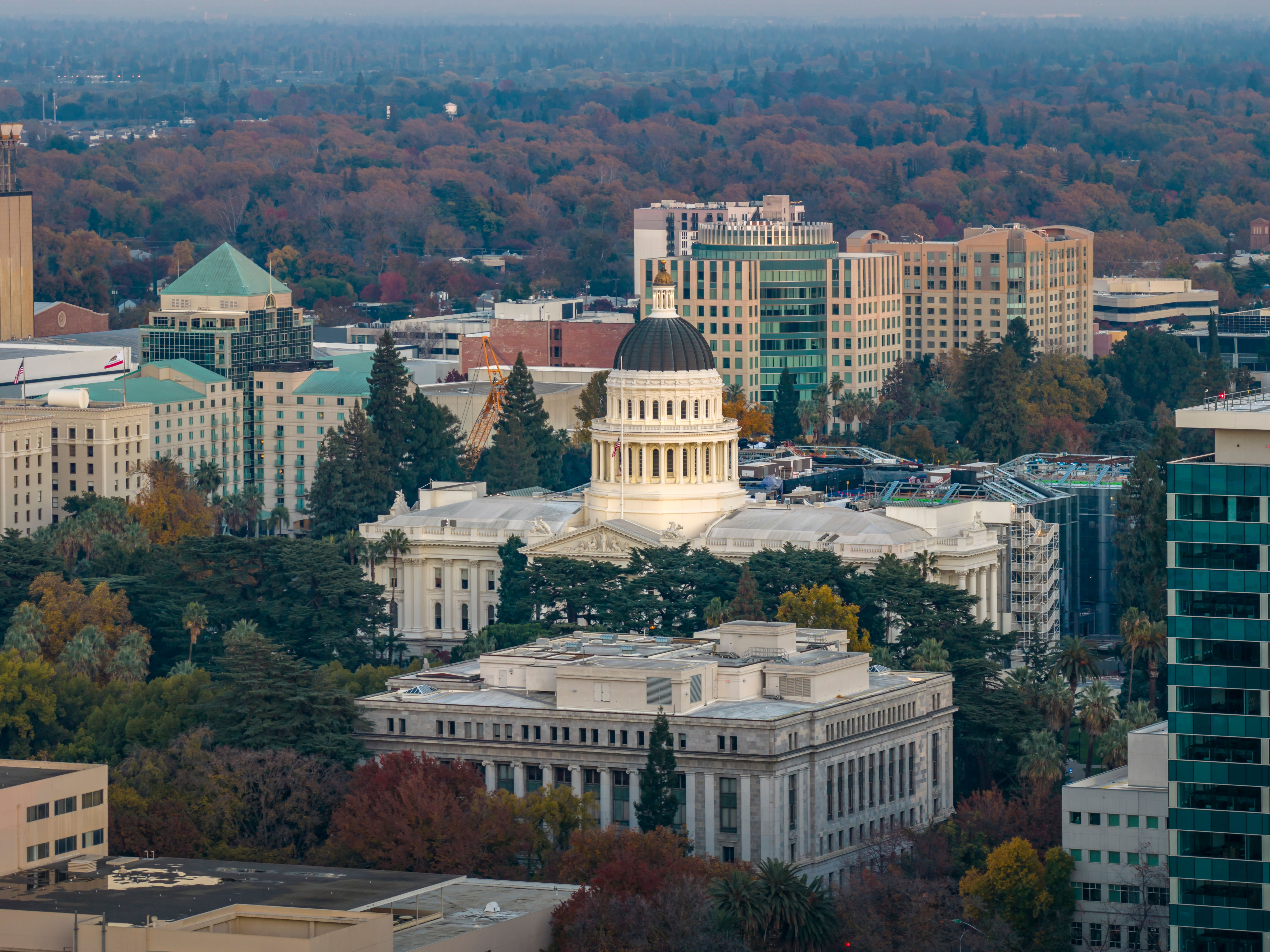
The Golden State Redoubt: Sacramento Defies SCOTUS Women’s Sports Mandate as Trump Prepares Funding Guillotine
The deep-blue political establishment in Sacramento has drawn an aggressive line in the sand, officially converting the state of California into a non-compliant sanctuary for transgender athletes in direct defiance of the highest court in the land. Following a landmark 6–3 ruling by the United States Supreme Court that definitively established the right of states to ban biological males from girls’ and women’s athletic categories, Governor Gavin Newsom’s office issued a swift, defiant counter-strike. A formal gubernatorial spokesperson confirmed that the high court’s decision will have zero impact on the state’s expansive gender-identity laws, aggressively boasting of Newsom’s multi-decade record as an unyielding bulwark for the transgender community. The choice to double down on the state’s trans athlete policies comes as California encounters an unprecedented wave of transgender participants entering high school and collegiate female divisions—a trend that has triggered intense local protests and set the state on a direct collision course with a multi-billion-dollar federal funding blockade. At The Modern Memo, we analyze the operational mechanics of California’s sanctuary laws, the data behind the state’s ongoing transgender athletic surge, and the imminent federal civil rights lawsuit threatening to completely bankrupt the state’s public education infrastructure. The Sacramento Inversion: “Met With Dignity and Respect” The primary political shockwaves radiating from the Supreme Court’s ruling focused heavily on whether progressive states would yield to the new national jurisprudence. Newsom’s office wasted no time making their position explicitly clear. “The Supreme Court’s decision today does not affect California’s laws,” a spokesperson for Governor Newsom stated in an official release immediately following the 6–3 opinion. “The state remains committed to ensuring every Californian, including the LGBTQ+ community, is met with dignity and respect.” Boasting the Record: The administration used the high-profile defeat as a branding vehicle, actively leaning into Newsom’s history of championing radical gender-identity initiatives. Aides pointed to the governor’s signing of laws protecting out-of-state minors seeking irreversible gender surgeries, blocking school districts from notifying parents of a child’s gender transition, and allocating tens of millions in state tax dollars to specialized transgender health funds. The CIF Stance: Operating in absolute lockstep with the governor, the California Interscholastic Federation (CIF)—the governing body overseeing high school athletics for over 800,000 student-athletes—confirmed it will continue to legally allow male-born students to play on girls’ sports teams based purely on self-identified gender. The Legal Fiction: Legal experts note that while the Supreme Court’s ruling confirmed that athletic bans based on biological sex do not violate Title IX or the Equal Protection Clause, the majority opinion intentionally allowed states to maintain permissive frameworks if they choose—a loophole Sacramento is aggressively exploiting to maintain its current structure. The Trans Wave: Front-Line Collisions in California Schools Sacramento’s ongoing legislative shield has turned California into the premier destination for the transgender athletic movement, generating an escalating series of intense localized flashpoints. The Riverside Volleyball Outcry: The real-world data of California’s policy was vividly illustrated at Norte Vista High School in Riverside, where a biological male athlete, AB Hernandez, dominated a girls’ high school volleyball match. Parents and female competitors voiced extreme frustration, presenting data showing that the physical advantages of male puberty—including superior bone density and upper-body explosive power—create an inherently unsafe and deeply unfair playing field for biological girls. The Grassroots Resistance: The ongoing surge has completely fractured the traditional progressive consensus in Southern California. Groups like the California Family Council are aggressively mobilizing, utilizing the momentum of the Supreme Court’s decision to flood local school board meetings. The New Bills: Conservative and moderate assembly members are preparing a fresh wave of state-level legislation designed to bypass Newsom’s veto pen by placing a binding voter initiative directly on the California ballot, giving everyday parents the direct power to restore biological sex definitions to sports. The Federal Guillotine: Trump Moves to Strip Education Billions The primary vulnerability shadowing Newsom’s defiance is that California is no longer just fighting conservative activist groups; it is facing the full, crushing weight of the federal executive branch. The administration has moved past public warnings into direct judicial warfare. The Department of Justice, working in close coordination with Secretary of Education Linda McMahon, has officially launched a sweeping civil rights lawsuit against the State of California. The federal complaint alleges that by systematically forcing young girls to forfeit their titles, scholarships, and private locker room spaces to biological males, California is operating in explicit violation of federal Title IX protections. Federal attorneys have already notified Sacramento that non-compliance will trigger an immediate, catastrophic clawback of more than $9.5 billion in annual federal education grants—a financial penalty that would instantly throw California’s already deficit-ridden state budget into an absolute state of bankruptcy. Final Word The California executive branch’s absolute defiance of the Supreme Court’s sports ruling is the definitive proof that Governor Gavin Newsom has completely decoupled his state’s educational policies from the constitutional consensus of the nation. When you look past the sterile press office rhetoric of “dignity and respect” and focus entirely on the hard data—a historic 6–3 Supreme Court ruling validating biological sex divisions, an ongoing wave of male-born athletes capturing roster spots in Southern California high schools, and a $9.5 billion federal financial guillotine poised to drop on California classrooms—you gain an unvarnished view of a state leadership driving its citizenry off a fiscal cliff to preserve a radical ideological agenda. Quality information replaces the progressive narrative of “civil rights advancement” with the reality of state-sponsored discrimination against biological women. By choosing to boast about his transgender record while the Department of Justice moves to freeze school funding, Gavin Newsom has made his calculation: he would rather bankrupt California’s schools than admit that a girl’s sport belongs exclusively to girls.

High Desert Disaster: B-52 Stratofortress Bomber Crashes Upon Takeoff at Edwards Air Force Base
A catastrophic military aviation mishap has struck the heart of the American aerospace testing grid. On Monday, June 15, 2026, a U.S. Air Force B-52 Stratofortress heavy bomber crashed shortly after taking off from the main airfield at Edwards Air Force Base in Southern California. The incident triggered an immediate, large-scale emergency response. While details regarding the fate of the crew remain fiercely guarded by military officials, the crash has sent shockwaves through the defense community, marking a rare and severe hull loss for the Air Force’s most enduring strategic bomber fleet. At The Modern Memo, we examine the raw timeline of the crash, the strategic testing footprint of Edwards Air Force Base, and the aging mechanics of the multi-million-dollar nuclear-capable platform. The Incident: A Firestorm on the Runway The mishap materialized in the late morning hours over California’s high desert, interrupting routine flight operations at the sprawling military testing installation. The Takeoff Failure: According to a formal statement released by Edwards Air Force Base officials, the B-52 bomber crashed “shortly after takeoff” at approximately 11:20 a.m. local time on Monday. Local media reports and unofficial military monitoring groups indicate the massive aircraft came down on or directly adjacent to the base’s main runway. The Fireball: Aerial footage from regional news helicopters and photographs taken by eyewitnesses captured a massive, rolling column of thick black smoke billowing high into the sky above the Mojave Desert. Intense, ground-level fires actively consumed the wreckage of the aircraft as military fire crews rushed to suppress the flames. The Crew Status: The Air Force has not yet released official metrics regarding casualties or injuries. A standard B-52H flight complement typically consists of five crew members. In a brief social media dispatch, base public affairs stated: “Emergency crews immediately responded to the scene and the situation is ongoing. More information will be provided as it becomes available.” The Edwards Footprint: Why Was the Bomber There? While operational B-52 squadrons are permanently stationed at Barksdale Air Force Base in Louisiana and Minot Air Force Base in North Dakota, the aircraft at Edwards are part of a highly specialized developmental ecosystem. Edwards Air Force Base serves as the premier testing hub for the Air Force Test Center and the 412th Test Wing. The B-52 airframes assigned here are heavily instrumented testbed platforms used to flight-test upcoming weapon systems, cruise missiles, and cutting-edge hypersonic projectiles. Because of the base’s role in vanguard engineering, investigators will be aggressively analyzing whether the aircraft was carrying an experimental payload, mock munitions, or testing newly integrated avionics packages when the takeoff sequence failed. The Aging Titan: Managing a Century-Old Fleet Valued at roughly $110 million per unit, the subsonic, eight-engine B-52 Stratofortress is capable of hauling a staggering 70,000-pound payload of conventional or nuclear ordnance. The Air Force currently manages an inventory of just 76 B-52H bombers. The service has committed billions of dollars to an aggressive modernization program—including installing brand-new Rolls-Royce F130 commercial engines and upgraded radar arrays—designed to keep the Cold War-era airframes flying until nearly a century old. However, defense analysts warn that the massive backlog of structural maintenance, combined with the extreme physical strain placed on these decades-old airframes during specialized test flights, creates a volatile operating environment where sudden component failures can turn fatal in seconds. Final Word The grounding and destruction of a B-52 Stratofortress at Edwards Air Force Base is the definitive proof that even America’s most reliable strategic assets face extreme risks on the modern flightline. When you look past the standard military PR deflections and focus entirely on the hard data—a $110 million nuclear-capable bomber lost shortly after takeoff, a massive airfield fire producing smoke visible across counties, and the critical status of a five-person crew hanging in the balance—you gain an unvarnished view of the brutal realities of military aviation testing. Quality information replaces the sterile press releases with the cold mechanics of a high-risk aerospace environment. It allows you to see that while the Pentagon plans to fly these giants for another thirty years, the physical limits of aging aluminum and complex machinery will always have the final say. As a formal military safety board convenes to sift through the blackened wreckage, the Air Force must now determine whether this crash was an isolated mechanical anomaly, or a grim warning sign for the rest of the aging fleet.
The Slush Fund Skirmish: Newsom Eyeing 100% Tax on Trump Fund While California Burns Billions on Local ‘Boondoggles’
California Governor Gavin Newsom sparked a fierce new battle with the White House, proposing an unprecedented 100% tax on any Californian who receives money from President Donald Trump’s newly established Anti-Weaponization Fund. The aggressive, cash-grabbing proposal has ignited intense accusations of political hypocrisy from conservative critics, who point out that Newsom is trying to confiscate federal payouts while his own state burns through billions on unfinished infrastructure disasters. At The Modern Memo, we analyze the raw data behind the $1.78 billion federal fund, the $2.9 billion budget deficit squeezing Sacramento, and why California’s legendary “train to nowhere” makes Newsom’s rhetoric look entirely uncoupled from fiscal reality. The Federal Target: Trump’s Anti-Weaponization Fund The latest standoff centers on the newly created $1.78 billion federal Anti-Weaponization Fund. Backers describe the fund as a nonpartisan mechanism designed to compensate individuals who were targeted or financially devastated by what the administration characterizes as politically motivated weaponization of the justice system. The Newsom Tax Strategy: Speaking at a press conference, Newsom made his intentions perfectly clear. “Anyone from California that receives any of those funds,” Newsom announced, “we want to tax 100% of those proceeds. And that’s an action the state of California can take. It’s an action we look forward to taking.” The Jan. 6 Battleground: The chief complaint from Newsom and national Democrats is that the fund could be utilized to financially compensate individuals who were indicted or convicted in connection with the January 6 Capitol riot, following the administration’s sweeping pardons and sentence commutations for over 1,500 individuals. “So not only do you get a pardon, you get rewarded,” Newsom complained on social media. “That’s why this is needed.” The 2028 Horizon: Behind the progressive outrage lies a clear electoral calculation. With the 2026 midterm elections looming and Newsom widely viewed as a premier contender for the 2028 Democratic presidential nomination, positioning himself as the chief architect of the anti-Trump “resistance” allows him to shore up his national progressive credentials. The Deficit Problem: Squeezing a $2.9 Billion Shortfall While Newsom frames the 100% claw-back tax as a moral crusade, Sacramento insiders note that the state is also desperately hunting for any extra revenue it can get its hands on. The Budget Gap: Recent fiscal audits reveal that California is staring down a roughly $2.9 billion budget shortfall for the upcoming fiscal year. The No-Bid Backlash: The scramble for cash has brought renewed scrutiny to the state’s own history of loose spending. During the 2021 recall campaign, independent investigations revealed that California had awarded billions of dollars in emergency, no-bid COVID-19 contracts to firms heavily tied to Newsom’s political donors and well-connected insiders. The State-Level Slush Funds: State Republican Senate Minority Leader Brian Jones slammed the administration’s fiscal double standards, pointing back to a controversial $25 million taxpayer-funded legal fund created by Sacramento explicitly to wage “legal warfare” against conservative federal policies—a fund Republicans repeatedly branded an official executive slush fund. The Golden State Boondoggles: Burning Billions The accusation of fiscal hypocrisy is amplified by California’s track record with massive, over-budget public works projects that critics say make Trump’s federal fund look like pocket change. The High-Speed Rail Disaster: California’s high-speed rail project has become the ultimate national textbook example of government waste. After 16 years and roughly $15 billion in expenditures, the project’s projected total cost has ballooned to a staggering $128 billion—and the state has still yet to lay a single operational high-speed track. The Federal Cutoff: The project hit a major structural wall after U.S. Transportation Secretary Sean Duffy permanently pulled the plug on $4 billion in unspent federal grants, citing total mismanagement and a failure to meet binding deadlines. The Bridge to Nowhere: The rail line isn’t the only project drawing fire. Federal transit officials recently mocked California over an unfinished wildlife crossing bridge in the Golden State that has already run an astronomical $21 million over its initial budget, earning it the nickname “the bridge to nowhere” from critics of the state’s regulatory bloat. Final Word Governor Newsom’s plan to implement a predatory 100% tax on federal fund recipients is the definitive proof that progressive leaders are perfectly comfortable with aggressive government spending—as long as they are the ones controlling the checkbook. When you look past the noise of “anti-weaponization” rhetoric and focus on the data—a $2.9 billion state budget deficit, an unprecedented 100% tax proposal on private citizens, and a $128 billion train project without a single track—you gain a clearer picture of an administration attempting to distract from its own structural failures. Quality information replaces the narrative of a righteous state intervention with the reality of a 2028 presidential hopeful deflective posturing. It allows you to see that while Newsom wants to aggressively claw back money from his political opponents, his own taxpayers are left footing the bill for the most expensive infrastructure boondoggles in human history. By choosing to pick a fight over Trump’s federal fund, the California governor has only succeeded in reminding the nation of the multi-billion-dollar glass house he sits in.

Taxpayer Funded Rituals: Senate Testimony Derails Over California’s Multi-Million Dollar Medi-Cal Expansions
Capitol Hill erupted into viral political fireworks this week during a Senate Appropriations subcommittee hearing on Department of Justice funding. What was supposed to be a standard review of federal law enforcement budgets quickly transformed into a fierce interrogation over government oversight, systemic state fraud, and allegations that federal Medicaid dollars are being used to fund “exorcisms” and spiritual rituals in California. At The Modern Memo, we analyze the sharp confrontation between Senator John Kennedy (R-LA) and Deputy Attorney General Todd Blanche, the controversial expansion of California’s Medi-Cal system, and why critics argue that progressive health initiatives are operating as a massive taxpayer slush fund. The Senate Clash: ‘What the Hell Are We Doing About It?’ The fiery exchange began when Senator Kennedy shifted the panel’s focus away from standard appropriations to target the staggering scale of financial waste and unchecked theft within state-level Medicaid programs, specifically pointing to America’s most populous state. The Interrogation: Brandishing a list of unorthodox state health claims, Kennedy pressed Blanche on reports that California’s Medicaid program, known as Medi-Cal, has processed reimbursements for faith-based healings, spiritual cleansings, and rituals he characterized as exorcisms. The Slush Fund Accusation: “We have people in California using federal taxpayer dollars to pay for exorcisms,” Kennedy railed, his voice rising. “This isn’t health care. It’s a slush fund. Billions of taxpayer dollars have been stolen over the years under the guise of medical treatment, and what the hell are we doing about it?” The DOJ Defense: Blanche pushed back, defending the Justice Department’s response by pointing to the recent creation of a specialized financial fraud division explicitly tasked with prosecuting the abuse of federal funding. However, he conceded that under current guidelines, certain non-traditional programs are technically permitted under rules expanded by individual states. The Context: Medi-Cal’s 2024 Tribal Expansion While the Senate testimony grabbed headlines for its dramatic rhetoric, the root of the controversy stems from a historic policy change implemented by Governor Gavin Newsom’s administration in late 2024. The CMS Approval: In October 2024, the federal Centers for Medicare & Medicaid Services (CMS) approved a first-of-its-kind request from California, alongside Arizona, New Mexico, and Oregon, to expand Medicaid coverage to include “Traditional Healer and Natural Helper Services.” The Covered Rituals: Designed in partnership with tribal health advocates, the program allows Indian Health Care Providers to request taxpayer reimbursement for culturally based substance use disorder (SUD) treatments. Covered interventions include music therapy (drumming and traditional songs), natural helpers for trauma support, and spiritual interventions encompassing native ceremonies, rituals, and herbal remedies. The Bureaucratic Loophole: While state health officials designed the policy to honor ancient traditions and combat the devastating opioid crisis within Native communities, critics argue the loosely defined categories of “spiritual interventions” and “rituals” have opened a massive loophole prone to bureaucratic exploitation and fraudulent billing. The Accountability Crisis The confrontation on Capitol Hill reflects a deepening nationwide exhaustion with the perceived lack of oversight governing progressive state spending. Outright Theft: During his testimony, Blanche acknowledged that while some alternative therapies are structurally authorized, federal investigators have uncovered instances of outright theft where bad actors use alternative medicine codes to mask fraudulent billing. The Oversight Battle: GOP lawmakers are leveraging the hearing to demand stricter federal auditing guidelines for CMS approvals. They argue that universal taxpayer funds should not be dispatched to bankroll spiritual practices that lack standard, peer-reviewed clinical benchmarks. Final Word The Senate showdown over California’s medical billing is the definitive proof that Washington’s patience with progressive spending experiments has officially expired. When you look past the theatrical noise of “exorcism” headlines and focus on the data—the billions of dollars lost to Medicaid fraud and the unprecedented expansion of taxpayer-funded spiritual rituals—you gain a clearer picture of a system suffering from a severe deficit of accountability. Quality information replaces the narrative of “health equity” with the reality of an open-ended billing apparatus that invites financial abuse. It allows you to see that while California health officials frame these policies as cultural preservation, the American taxpayers funding them are asking a much simpler question: what the hell are we doing about it?
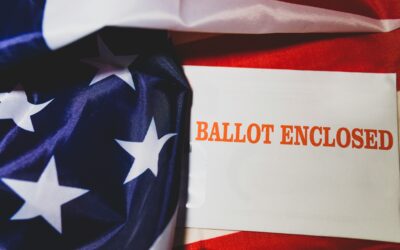
‘The Unemptied Box’: Nearly 600 Uncounted Ballots Discovered Months After Newsom’s Redistricting Victory
A deepening shadow has fallen over California’s election integrity after a county registrar revealed the discovery of nearly 600 unopened ballots from the November 2025 special election. The discovery comes months after Governor Gavin Newsom successfully campaigned for Proposition 50, a radical mid-decade redistricting measure that redrew the state’s congressional maps to favor the Democratic Party. At The Modern Memo, we analyze the “miscommunication” that left these votes in the dark, the potential impact on the thin margins of the redistricting vote, and why critics say this is the inevitable result of a rushed, “tit-for-tat” election cycle. The Discovery: A ‘Miscommunication’ at the Drop Box The ballots were reportedly found in a secure drop box that officials had believed was emptied on election night. According to county reports, a breakdown in protocol led to the box being locked and forgotten while the state moved forward with certifying the results of the Newsom-backed redistricting plan. The Tally: County officials confirmed that approximately 580 ballots remained sealed in the box for months. The Excuse: The registrar’s office attributed the error to a “miscommunication” between teams regarding which drop boxes had been fully cleared. The Late Count: While officials insist these ballots likely wouldn’t have flipped the statewide result of Proposition 50, the discovery has fueled outrage among voters who were told California’s mail-in system was “safe, secure, and transparent.” Prop 50: The High-Stakes Context The uncounted votes are particularly sensitive because of the nature of the election they belonged to. Proposition 50, dubbed the “Election Rigging Response Act” by its supporters and a “Democratic gerrymander” by its critics, was passed with 64.4% of the vote on November 4, 2025. Newsom’s “Punch Back”: Governor Newsom aggressively pushed the measure as a response to Republican redistricting in Texas, vowing to “punch back forcefully” to protect the Democratic path to a House majority in 2026. The Redrawn Map: The measure successfully replaced the maps drawn by the bipartisan Citizens Redistricting Commission with a new Democratic-leaning map designed to tilt at least five Republican-held seats toward the GOP’s opponents. Mid-Decade Chaos: Critics argue that the discovery of unopened ballots is a symptom of the chaotic, fast-moving special election timeline that Newsom forced through the legislature in late 2025. The Trust Deficit: “Playing Russian Roulette with Votes” Republican leaders and election integrity advocates are pointing to the “forgotten box” as evidence that California’s reliance on drop boxes and universal mail-in voting is prone to human error—or worse. The GOP Response: “We are told these systems are infallible, yet 600 people had their voices silenced because someone forgot to check a box,” said one state GOP official. “If this happened in one county, how many other boxes were left unemptied across the state?” The Legal Cloud: The discovery may provide fresh ammunition for the ongoing legal challenges against Proposition 50. While the measure was approved by voters, several lawsuits are still working their way through the courts, arguing that the mid-decade change violates the state constitution. Final Word The “unopened box” in Santa Cruz is a chilling reminder that in the rush to gain a political edge, the fundamental right to have one’s vote counted can become an afterthought. When you look past the noise of “administrative errors” and focus on the data—the 600 missing voices and the partisan redrawing of our entire state’s representation—you gain a clearer picture of a system that is struggling under the weight of political gamesmanship. 1Quality information replaces the narrative of “perfect elections” with the reality of a process that is only as good as the people running it. It allows you to see that while Governor Newsom got his new maps, a significant number of Californians got a locked box. Where Facts, Context, and Perspective Matter At The Modern Memo, our goal is simple: to provide clear, well-researched reporting in a media landscape that often feels overwhelming. We focus on substance over sensationalism, and context over commentary. If you value thoughtful analysis, transparent sourcing, and stories that go beyond the headline, we invite you to share our work. Informed conversations start with reliable information, and sharing helps ensure important stories reach a wider audience. Journalism works best when readers engage, question, and participate. By reading and sharing, you’re supporting a more informed public and a healthier media ecosystem. The Modern Memo may be compensated and/or receive an affiliate commission if you click or buy through our links. Featured pricing is subject to change. 📩 Love what you’re reading? Don’t miss a headline! Subscribe to The Modern Memo here!

Sacramento’s Standoff: Newsom Office Slams ‘Cynical’ Protest Against Trans Athlete at State Track Finals
As California’s high school track and field stars converge for the state postseason this week, the finish line has been overshadowed by a fierce political firestorm. A planned protest targeting the participation of a transgender athlete at the state playoff meet has prompted a sharp rebuke from Governor Gavin Newsom’s office, which accused critics of “weaponizing” a complex debate to target individual children. At The Modern Memo, we analyze the Newsom administration’s defensive crouch, the escalating threats from the Trump administration, and why a Jurupa Valley High School junior has become the flashpoint for the future of Title IX in the Golden State. The Response: “Cynical Weaponization” The Governor’s office issued a terse response to the “Protect Girls Sports” protest organized by former NCAA athlete Sophia Lorey and conservative advocates. The Governor’s Stance: A source from Newsom’s office stated that the Governor “rejects the right wing’s cynical attempt to weaponize this debate as an excuse to vilify individual kids.” The “Fairness” Flip-Flop: The forceful defense follows a period of ambiguity for Newsom, who made headlines in early 2025 by admitting to conservative commentator Charlie Kirk that the issue of biological males in girls’ sports is “deeply unfair.” Critics argue that the Governor is now pivoting back to his progressive base as the national spotlight intensifies. Legal Shield: The administration continues to point to AB 1266, California’s 2013 law that mandates students be allowed to participate in sports consistent with their gender identity, regardless of biological sex. The Athlete at the Center: AB Hernandez The controversy centers on AB Hernandez, a transgender junior from Jurupa Valley High School. After a dominant 2025 season where Hernandez won state titles in the high jump and triple jump, the athlete returns to the 2026 postseason as the clear favorite. The Competitive Gap: Opponents point to Hernandez’s “unbeatable” status as proof of a biological advantage. President Trump recently noted that as a male competitor, the athlete was “less than average,” but has become “practically unbeatable” against biological females. Rule Changes: In an attempt to mitigate the backlash, the California Interscholastic Federation (CIF) implemented a pilot policy last year allowing “biological female” athletes to share the podium and receive full team points if a transgender athlete medals. Critics have mocked this as a “participation trophy” for girls that fails to address the underlying issue of fairness. The Federal Hammer: Trump’s Title IX Probe While Sacramento stands its ground, the U.S. Department of Justice (DOJ) has launched a significant investigation into California’s enforcement of AB 1266. Funding at Risk: President Trump has threatened to impose “large-scale fines” and withhold federal funding from California school districts that allow biological males to compete in girls’ divisions, citing violations of Title IX. Aggressive Defense: Assistant Attorney General Harmeet Dhillon has stated the DOJ will “aggressively defend women’s hard-fought rights,” characterizing California’s policy as “perverse” and demeaning to female athletes. Final Word The standoff at the state track finals is no longer just about a trophy; it is a battle for the soul of women’s sports. When you look past the noise of “cynical weaponization” and focus on the data—the DOJ’s Title IX probe and the unprecedented rule changes created to placate frustrated families—you gain a clearer picture of a state government in conflict with its own citizens. Quality information replaces the “anti-bullying” rhetoric with the reality of a policy that even the Governor once admitted felt “unfair.” It allows you to see that while Newsom’s office calls the protest a “weaponization,” the families standing outside the stadium call it a defense of reality. By choosing to double down on AB 1266, Sacramento has ensured that the finish line this year is only the beginning of a massive legal war. Where Facts, Context, and Perspective Matter At The Modern Memo, our goal is simple: to provide clear, well-researched reporting in a media landscape that often feels overwhelming. We focus on substance over sensationalism, and context over commentary. If you value thoughtful analysis, transparent sourcing, and stories that go beyond the headline, we invite you to share our work. Informed conversations start with reliable information, and sharing helps ensure important stories reach a wider audience. Journalism works best when readers engage, question, and participate. By reading and sharing, you’re supporting a more informed public and a healthier media ecosystem. The Modern Memo may be compensated and/or receive an affiliate commission if you click or buy through our links. Featured pricing is subject to change. 📩 Love what you’re reading? Don’t miss a headline! Subscribe to The Modern Memo here!
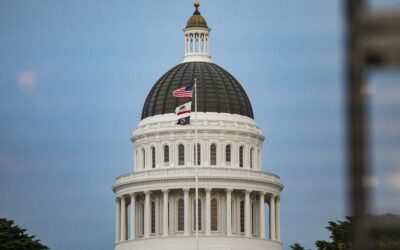
Resignation from Congress: Rep. Eric Swalwell Steps Down Following Misconduct Allegations
In a major development for both California and national politics, Rep. Eric Swalwell (D-CA) officially announced his resignation from Congress on Monday, April 13, 2026. The seven-term representative’s departure follows his decision to suspend his campaign for Governor of California, as a series of serious personal misconduct allegations made his continued service a subject of intense debate in Washington. At The Modern Memo, we examine the circumstances leading to his exit, the legislative pressure from the House, and the impact this vacancy leaves on the upcoming 2026 election cycle. The Nature of the Resignation Swalwell’s decision to step down comes after investigative reports detailed several allegations of inappropriate conduct. While the congressman has remained firm in his denial of the most serious claims, the public nature of the controversy led to a rapid shift in the political landscape. The Allegations: The reports cite multiple accounts of misconduct, including claims from former associates. While Swalwell described these as “false” in his exit statement, he acknowledged that the situation had become a “distraction” to his legislative work and his party’s broader objectives. Ongoing Scrutiny: Beyond the halls of the Capitol, the Manhattan District Attorney’s Office is reportedly reviewing an alleged incident from the past year. Swalwell has stated he will cooperate with any inquiries to clear his name, but the legal overhead was a significant factor in his decision to leave office. The Shift in Congressional Support The resignation followed a weekend of intense internal discussions within the House of Representatives. As a bipartisan consensus began to form regarding an Ethics Committee probe, Swalwell chose a voluntary departure. Leadership Stance: While initial support for Swalwell was visible, reports indicate that Minority Leader Hakeem Jeffries and other senior Democrats eventually moved toward a “zero-tolerance” approach regarding the nature of the evidence. Avoiding Expulsion: By resigning effective immediately, Swalwell avoided a potential expulsion vote on the House floor. Members from both parties, led by Rep. Anna Paulina Luna (R-FL), had signaled that they were prepared to move forward with a formal removal process if a resignation was not forthcoming. Political Vacuum in California As a high-profile figure in the Democratic party, Swalwell’s exit creates an immediate ripple effect in California’s political scene. Special Election Looming: A special election will be required to fill the seat for California’s 14th District. Given the district’s strong Democratic leaning, the primary is expected to draw a wide field of local and state leaders. The Gubernatorial Race: Swalwell’s withdrawal from the Governor’s race reshuffles the deck for the 2026 primary. His significant donor base and endorsements are now up for grabs as other candidates seek to consolidate his former supporters. Final Word The resignation of Eric Swalwell marks a transition point for a career that has been at the center of national headlines for over a decade. When you look past the noise of the “partisan” divide and focus on the data—the loss of institutional support and the ongoing legal reviews—you gain a clearer picture of a political environment that is increasingly prioritized by accountability over tenure. Quality information replaces the speculation of “what happened” with the reality of a system that is recalibrating its standards for elected officials. It allows you to see this resignation as the conclusion of a complex tenure and the beginning of a new chapter for California’s representation. By choosing to step aside, Swalwell has allowed the House to move forward, even as the personal investigations continue. Where Facts, Context, and Perspective Matter At The Modern Memo, our goal is simple: to provide clear, well-researched reporting in a media landscape that often feels overwhelming. We focus on substance over sensationalism, and context over commentary. If you value thoughtful analysis, transparent sourcing, and stories that go beyond the headline, we invite you to share our work. Informed conversations start with reliable information, and sharing helps ensure important stories reach a wider audience. Journalism works best when readers engage, question, and participate. By reading and sharing, you’re supporting a more informed public and a healthier media ecosystem. The Modern Memo may be compensated and/or receive an affiliate commission if you click or buy through our links. Featured pricing is subject to change. 📩 Love what you’re reading? Don’t miss a headline! Subscribe to The Modern Memo here!

Top 10 States That Took in the Most Refugees
The United States continues to bring in thousands of refugees every year through the official U.S. Refugee Admissions Program. At the same time, the Trump administration has imposed new travel restrictions and entry bans on countries that officials link to security or terrorism concerns. Because of this, many people want to know how many refugees still arrive from those restricted nations and which states take in the most. According to the FY 2025 report “Arrivals by State and Nationality” from the U.S. Refugee Processing Center, a total of 38,102 refugees were admitted. These were legally admitted refugees, not illegal border crossers or other migrant categories. Top 10 States That Took in the Most Refugees The same federal report shows that refugee resettlement is not spread evenly across the country. Instead, a small group of states takes in most of the arrivals. Here are the top ten states by number of refugees received in FY 2025: 1. Texas – 3,923 2. California – 3,044 3. New York – 2,438 4. Florida – 1,513 5. Pennsylvania – 1,504 6. Ohio – 1,500 7. Illinois – 1,454 8. Georgia – 1,442 9. Minnesota – 1,337 10. Washington – 1,320 These ten states alone account for a large share of all refugees who arrived in the country last fiscal year. This makes them key destinations in any national discussion about refugee policy and resettlement. More Stories Drowning in Bills? These Debt Solutions Could Be the Break You Need Out-of-Town Renters Are Driving Up Demand in These Five Cities Under Siege: My Family’s Fight to Save Our Nation – Book Review & Analysis Which Countries Face Bans or Restrictions? In June 2025, the Trump administration issued Proclamation 10949, which restricts or bans entry from 19 countries. Twelve nations face a broad suspension of entry, while seven others face partial restrictions on certain visa types or categories. The restricted list includes Afghanistan, Burma, Chad, the Republic of the Congo, Equatorial Guinea, Eritrea, Haiti, Iran, Libya, Somalia, Sudan, Yemen, Burundi, Cuba, Laos, Sierra Leone, Togo, Turkmenistan, and Venezuela. While the policy targets security risks, the refugee program still allows some people from these countries to enter after extensive vetting and under specific exceptions. How Many Refugees Came From Restricted Countries? According to the 2025 FY Refugee Processing Center report, 21,105 refugees were admitted from the 19 countries that now face full or partial entry bans or restrictions under the Trump administration. Afghanistan led all countries with 6,758 refugees, while Venezuela followed with 4,589. Burma contributed 3,547 refugees, and Somalia added another 2,496. This number highlights a critical tension. On one hand, the federal government has tightened travel rules for certain countries. On the other hand, the United States has admitted tens of thousands of people fleeing war, persecution, and instability from those same regions. As debates over immigration and national security continue, these facts help show what is really happening on the ground in our refugee program. The Takeaway More than 21,000 refugees arrived in the United States in the last year from countries the Trump administration classifies as high-risk or dangerous. These individuals entered through the legal refugee pipeline, but the sheer volume underscores why public awareness matters. The recent National Guard attack in Washington, D.C. shows why vigilance is essential — even with vetting systems in place, dangerous individuals can still slip through, proving that current screening has not fully protected American citizens from those who choose to do harm. As a populace, we must understand the scale of these arrivals, stay informed about federal resettlement decisions, and remain aware of who is entering our towns and cities. Awareness is not fear — it is responsibility. By knowing the facts, communities can better protect their values, their safety, and their future. Where does your state stand? Expose the Spin. Shatter the Narrative. Speak the Truth. At The Modern Memo, we don’t cover politics to play referee — we swing a machete through the spin, the double-speak, and the partisan theater. While the media protects the powerful and buries the backlash, we dig it up and drag it into the light. If you’re tired of rigged narratives, selective outrage, and leaders who serve themselves, not you — then share this. Expose the corruption. Challenge the agenda. Because if we don’t fight for the truth, no one will. And that fight starts with you. 📩 Love what you’re reading? Don’t miss a headline! Subscribe to The Modern Memo here! Explore More News Trump Designates Muslim Brotherhood a Terrorist Organization Trump and Elon Musk Reunite, Boosting GOP Unity Top 5 Essential Survival Gear Items For Any Adventure Epstein Files Bill Sparks New Questions as Jeffries Email Emerges
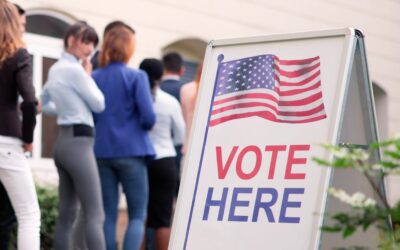
Election 2025 Analysis: Democrats Sweep as Shutdown Continues
The November 2025 election reaffirmed Democratic dominance in some of the nation’s bluest regions. From Virginia to New Jersey, Pennsylvania, and California, Democrats held control and even expanded their reach. These results weren’t shocking — they happened in states where Democrats already hold strong structural advantages. But what makes this election worth examining is why they performed so well now. Voters went to the polls as the federal government shutdown continues, disrupting lives and amplifying frustration with Washington. Many are exhausted by the constant partisanship and gridlock. Democrats stayed disciplined and united, running on a simple, emotional strategy: “Get Trump.” Republicans, meanwhile, struggled to translate frustration into votes. (MORE NEWS: Kamala Teases 2028 Run — Democrats Scramble for Strategy) Spanberger Makes History in Virginia Virginia delivered a full Democratic sweep in 2025, marking a turning point for a state that was once considered a swing battleground but now sits firmly in blue territory. Governor’s Race: Abigail Spanberger made history as Virginia’s first female governor, defeating Republican Winsome Earle-Sears. Her victory came despite controversy over her refusal to call on Attorney General candidate Jay Jones to step down after his violent comments about a political rival and his children. Attorney General’s Race: Jay Jones won despite the release of text messages showing violent rhetoric against a political opponent and their family. The scandal barely affected his campaign, and Democrats closed ranks around him. Lieutenant Governor’s Race: Ghazala Hashmi made history as Virginia’s first Muslim woman elected to statewide office, completing the Democratic sweep and underscoring how decisively the state has shifted left. Virginia’s election results highlight the power of party unity and message discipline — even when controversy and ethics questions hang over the campaign. New Jersey and Pennsylvania Stay Solidly Democratic In New Jersey, Mikie Sherrill captured the governorship despite questions about honesty in her past. In Pennsylvania, Democrats held onto their state Supreme Court majority, giving the party a key advantage heading into the 2026 midterms. Across these states, Democratic organization, turnout, and message discipline carried the night. Republicans couldn’t shift the conversation toward economic recovery or accountability in Washington. Mamdani’s Controversial Win in New York In New York City, Zohran Mamdani, a self-described democratic socialist, won the mayor’s race, energizing progressives and drawing sharp criticism from conservatives. Representative Andy Ogles (R–Tenn.) told Fox News, “Deport Mamdani! He’s an antisemitic, socialist, communist who will destroy the great City of New York.” Ogles also told Newsmax, “In 2018 when he was naturalized, he failed to disclose some of the things that he had been doing, one of which was joining the [Democratic] Socialists of America. That’s a communist organization which, quite frankly, at that time, would have disqualified him from becoming a United States citizen.” (RELATED NEWS: 2025 Elections: Five Key Races to Watch) U.S. immigration law bars naturalization for those affiliated with Communist or totalitarian parties. The application form explicitly asks whether applicants have ever been members of such groups. Mamdani denies being a communist, though his ties to socialist organizations continue to spark debate. President Trump called him a “communist lunatic” before the election in a Truth Social post: Then Mamdani taunted Trump in his victory speech: Zohran Mamdani has won the race to become the next mayor of New York City. Mr Mamdani – who will be the first Muslim, first South Asian, and youngest person in a century to be elected as the famous city’s mayor – used a victory speech to throw down the gauntlet to Donald Trump. pic.twitter.com/8IVr4kMQQH — Sky News (@SkyNews) November 5, 2025 The back and forth between these two will be interesting the next few years — to say the very least. California’s Prop 50: One-Party Control Locked In In California, Governor Newsom’s Proposition 50 solidified Democratic dominance through a last-minute sweeping redistricting overhaul that passed after more than $300 million was spent promoting it. Republicans were not left with enough time to properly prepare and fight it. Although roughly 40% of Californians vote Republican, the new map would leave the GOP with only 7% of the state’s congressional seats. That amounts to political engineering with no balance in sight. Democrats claimed Prop 50 would improve representation, but it is actually gerrymandering on a historic scale. They claim this is a counterbalance to Texas redistricting, but Texas doesn’t have anything close to this kind of structural bias. Prop 50 effectively locks Republicans out of power in California for the foreseeable future. That was their goal, and they achieved it. Why Democrats Dominated So why did Democrats sweep this election? The answer lies in timing, perception, and focus. These were deep-blue states where Democratic infrastructure was already strong. But the ongoing government shutdown, combined with national fatigue and slow economic recovery, set the stage for a default vote for “stability.” Many voters simply didn’t see a strong Republican alternative. Democrats kept their messaging unified and emotional. They tied every issue — from policy to personality — back to President Trump. Republicans, on the other hand, failed to connect their arguments to everyday voter concerns or to demonstrate how things would improve under continued conservative leadership. Economic Strain and the Trump Challenge The economy remains uncertain. Costs for essentials like food, gas, and housing are still high — the lingering effects of inflation that began under President Biden. President Trump’s economic strategy is aimed at long-term correction through tariffs, trade reform, and energy expansion. But that kind of recovery takes time, and many voters haven’t felt the benefits yet. The administration now faces the challenge of making progress visible. Americans don’t want to hear about macroeconomic data; they want relief they can see — at the pump, in the grocery store, and in their mortgage or rent payments. The Road to 2026 The lesson from the 2025 election is straightforward: Democrats win when Republicans fail to connect on the issues that matter most. The “Get Trump” strategy continues to energize the left and distract from their lack of sound policy. For President Trump,…