

Fired

The 54-Minute Prosecutor: Trump Fires New Seattle U.S. Attorney Moments After Judicial Appointment Sparks Constitutional War
A historic and unprecedented separation-of-powers crisis has erupted in the Pacific Northwest. In a jaw-dropping display of executive dominance, President Donald Trump fired the newly installed U.S. Attorney for the Western District of Washington just 54 minutes after he was legally sworn into office by a unanimous panel of federal district judges. Roger Rogoff, a highly respected former King County Superior Court judge and veteran federal prosecutor, became the immediate casualty of a high-stakes chess match between the federal judiciary and the White House. Rogoff was waiting in the lobby of the federal courthouse in downtown Seattle to assume his new post when he received an automated notification text message confirming the President had terminated him. The lightning-fast firing has set off an explosive, long-brewing constitutional showdown over which branch of government holds the final statutory authority to select top law enforcement officials when the executive branch fails to secure Senate confirmation. At The Modern Memo, we break down the operational timeline of the 54-minute appointment, the obscure federal vacancy law anchoring the judicial revolt, and the impending civil lawsuit threatening to drag the Department of Justice into federal court. The Chronology of a Flash Term: From Swearing-In to Text-Message Fire The conflict did not develop overnight, but its climax unfolded in less than an hour on Wednesday morning, paralyzing the Western District’s administrative offices. The Swearing-In (7:40 a.m.): Chief U.S. District Judge David Estudillo and the district’s 17 sitting federal judges officially administered the oath of office to Rogoff at the Seattle federal courthouse. The Intercept (8:30 a.m.): Rogoff walked into the U.S. Attorney’s Office and requested a transition meeting with Charles Neil Floyd—a controversial former immigration judge whom Trump placed in the office as “First Assistant” to manage the district without Senate approval. The Pink Slip (8:34 a.m.): While sitting in the reception lobby waiting for Floyd to exit his office, Rogoff’s phone pinged with a text message and a formal email from the White House. The administration had bypassed all traditional channels to instantly strip him of his newly acquired prosecutorial credentials. The Vacancy Loophole: Section 546(d) vs. Article II The legal warfare driving the standoff centers on a direct statutory clash between the authority of the local courts and the explicit appointment powers of the presidency. The Western District of Washington has been operating without a permanent, Senate-confirmed U.S. Attorney since mid-2023. Under federal law, when a vacancy persists, the Attorney General can install an interim prosecutor for a maximum 120-day term. Once that statutory clock expired on Floyd in February, the administration made zero moves to submit a formal nominee to the Senate Judiciary Committee. Faced with a permanent vacancy, the federal judges exercised their explicit power under 28 U.S.C. § 546(d), which dictates that if an interim term lapses without a presidential nomination, the local district court may appoint a U.S. attorney to serve until a permanent replacement is officially confirmed by the Senate. The White House, however, viewed the judicial selection as a direct insult and an infringement on executive supremacy. Acting Attorney General Todd Vance took to social media to aggressively defend the firing, asserting that the district court judges had “abandoned the time-honored process of consultation with the administration”. The Department of Justice released a blunt policy dictum summarizing their constitutional position: “Judges don’t pick U.S. Attorneys, the President does.” The Washington Backlash and the Impending Federal Lawsuit The rapid removal of Rogoff has drawn intense fire from congressional leaders and legal scholars, who warn that the administration is actively attempting to strip the Senate of its constitutional “advice and consent” duties. The Judicial/Congressional Defense The White House Executive Rationale Embarrassingly Qualified: Senator Patty Murray notes Rogoff is a veteran local judge and prosecutor who was installed entirely via legal statutes. Consultation Failure: The DOJ claims the court attempted a hostile takeover of an executive agency without prior administration vetting. Sidestepping the Senate: Lawmakers accuse the administration of using permanent “interim” titles to keep unconfirmable hardliners in office. Article II Supremacy: The executive branch insists the President maintains absolute, unreviewable removal power over all federal prosecutors. The drama in Seattle is not an isolated event; it represents a coordinated pattern of warfare between the Trump administration and federal district courts. Similar judicial appointments in New York and other border states have seen court-selected U.S. attorneys fired within hours of taking their oaths as the White House aggressively protects its hand-picked interim directors. Refusing to let the matter rest as a procedural footnote, Rogoff confirmed he has already retained high-profile counsel and is actively preparing a comprehensive federal lawsuit challenging the legality of his termination. The impending litigation will force the federal court system to rule on whether a President can use absolute removal powers to nullify a specific statutory mechanism designed by Congress to prevent the prolonged executive manipulation of local justice departments. Final Word The 54-minute lifespan of Roger Rogoff’s tenure as U.S. Attorney is the definitive proof that the Trump administration views the traditional separation of powers as an outmoded bureaucratic recommendation rather than a binding constitutional limit. When you look past the clinical, defensive statements issued by the Department of Justice and focus entirely on the hard data—a veteran prosecutor sworn in by 17 federal judges and fired via text message under an hour later, an administration utilizing perpetual “interim” appointments to completely bypass the U.S. Senate, and a looming multi-district legal battle over Section 546(d)—you gain an unvarnished view of a raw institutional power grab. Quality information replaces the narrative of standard administrative friction with the cold reality of a major structural crisis between the courts and the executive branch. By aggressively purging Rogoff before he could even sit at his new desk, the White House has drawn an unyielding line in the sand: the administration will tolerate zero independent oversight within its borders, and if the federal judiciary attempts to assert its statutory authority to manage the rule of law, the President will shatter their…
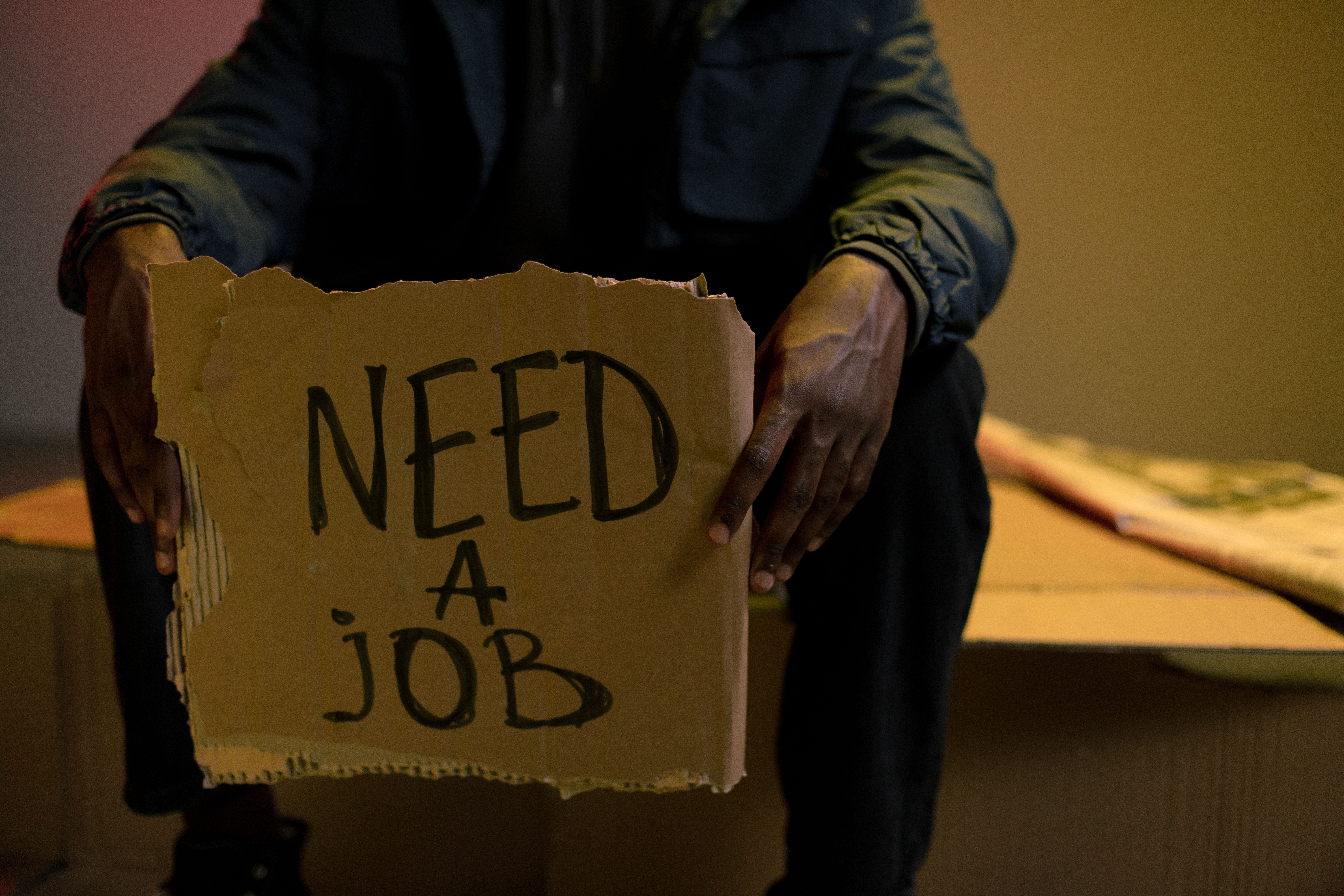
The Replacement Racket: Fury Erupts as U.S. Corporate Giants Fire Thousands of American Workers After Securing Massive Foreign Visa Allotments
A toxic collision between corporate downsizing and the federal immigration system has ignited an absolute firestorm on Capitol Hill and across social media. Following separate, massive restructuring rounds where multi-billion-dollar American brands collectively terminated thousands of domestic employees, independent watchdogs revealed that these exact same corporations successfully filed thousands of petitions to import cheaper foreign labor. The localized fury erupted after data from U.S. Citizenship and Immigration Services (USCIS) confirmed a stark operational paradox: while tech and corporate titans like Oracle Corporation and Amazon executed sweeping layoffs—including an automated 6:00 a.m. email blast that severed roughly 1,600 domestic roles in a single morning—they concurrently secured a massive pipeline of high-skilled guest worker visas. The revelation has blown the lid off long-simmering labor frustrations, prompting federal criminal investigations into systemic visa fraud and driving populist lawmakers to introduce historic legislation to freeze, overhaul, or outright abolish the controversial H-1B foreign worker visa framework to protect American citizens. At The Modern Memo, we break down the operational data exposing the corporate layoff-to-visa pipeline, the Department of Labor’s widening criminal fraud probe into foreign IT labor brokers, and the legislative guillotine being readied in Washington. The Data Paradox: Slashed Budgets and Surging Petitions The primary catalyst behind the current public anger is the cold, undeniable documentation proving that corporations are utilizing federal guest worker frameworks to systematically insulate their bottom lines at the direct expense of the domestic workforce. The 6:00 AM Guillotine: The emotional epicenter of the debate heavily centered on a recent organizational shakeup where internal corporate leadership notified an estimated 1,600 specialized American workers that their positions had been permanently eliminated “due to changing business needs.” The Visa Influx: However, public transparency logs indicate that the corporate entities implementing these domestic purges have maintained an aggressive reliance on the foreign guest worker matrix. USCIS tracking sheets show that the very firms slashing American white-collar jobs collectively filed more than 5,800 H-1B foreign worker petitions across the current fiscal cycle. The Slap in the Face: The corporate strategy has triggered unprecedented mutiny on professional networking platforms and anonymous corporate forums like Blind. Displaced American workers have aggressively slammed the filings as an absolute “slap in the face,” accusing corporate executives of using the rise of Artificial Intelligence (AI) as a PR smokescreen to hide a coordinated campaign to offshore high-paying domestic jobs to lower-wage foreign contractors. The Enforcement Storm: OIG Launches Comprehensive H-1B Fraud Blitz The corporate pushback has officially graduated from online venting into an active, high-stakes federal criminal crack down overseen by the executive branch. The Department of Labor’s Office of Inspector General (OIG) announced a sweeping, multi-agency investigation targeting widespread, coordinated schemes designed to game the H-1B lottery. Inspector General Anthony D’Esposito publically confirmed that federal investigators are acting on a high volume of inside whistleblowers who have documented how major international IT infrastructure firms—such as Cognizant—actively flood the application pools with fraudulent filings to monopolize the visa caps, exploit vulnerable foreign guest workers via coercive under-the-table kickbacks, and systematically lock qualified American professionals out of the tech sector. The Legislative Border Defense: Shifting to a $200,000 Wage Floor Faced with systemic corporate exploitation of existing immigration loopholes, a powerful coalition of populist lawmakers has introduced a pair of devastating bills engineered to permanently break the cheap foreign labor pipeline. The Crane Mandate: Leading the charge, Representative Eli Crane (R-AZ) introduced the End H-1B Visa Abuse Act of 2026. The aggressive statute would impose a mandatory three-year hard freeze on the issuance of all new H-1B visas, while permanently slashing the annual visa cap from 65,000 down to a maximum of 25,000. The Roy Wage Wall: Building on Crane’s framework, Congressman Chip Roy (TX-21) introduced the American White-Collar Worker Jobs Act of 2026. The bill entirely dismantles the lottery system, replacing it with an unyielding flat statutory wage floor of $200,000 per year for any foreign guest worker. By forcing corporations to pay premium, top-tier market rates for foreign talent, the bill effectively strips the tech lobby of its ability to use the visa system to source cheap labor. Tearing Down the Bridges: Crucially, the combined legislative packages would completely eliminate the Optional Practical Training (OPT) program—a heavily abused regulatory loophole that allows foreign university graduates to work in the U.S. tax-free for up to three years—and permanently bar H-1B visa holders from utilizing their employment status to adjust to permanent residency or secure Green Cards. Final Word The explosive national fury surrounding the mass termination of 1,600 American workers alongside a surge in foreign visa petitions is the definitive proof that globalist corporations view the American citizen as an entirely disposable line item. When you look past the hollow corporate statements regarding “global competitiveness” and analyze the cold, hard data—thousands of H-1B petitions filed by the exact same brands executing multi-thousand-person domestic layoffs, an active federal criminal investigation targeting multinational outsourcing giants for wage-undercutting, and congressional legislation moving to mandate a defensive $200,000 wage wall—you gain an unvarnished view of structural economic betrayal. Quality information replaces the corporate narrative of a “tech talent shortage” with the grim reality of state-facilitated wage suppression. By continuing to import thousands of foreign workers while casting their own loyal American employees aside via automated 6:00 a.m. termination notices, these corporate boards have overplayed their hand. Washington has officially run out of patience, and the populist movement is preparing an unyielding legislative response to ensure that American companies are forced, by law, to put American workers first.