
Food
Salmonella Outbreak Tied to Jalapeños Sickens 431 Across 32 States, Chipotle and QDOBA Affected
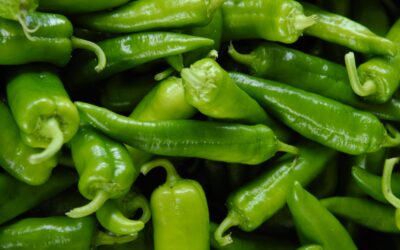
The CDC is investigating a multistate Salmonella outbreak linked to contaminated jalapeño peppers that has sickened at least 431 people across 32 states, with dozens of illness clusters traced back to Chipotle Mexican Grill and QDOBA locations. The outbreak involves a strain known as Salmonella Javiana. As of August 19, the CDC had confirmed 57 hospitalizations — about 15% of patients for whom information was available — and no deaths. Illness onset dates range from June 19 through August 2, though the agency cautioned that “the true number of sick people in this outbreak is likely much higher than the number reported,” since many people recover without seeking medical care or being tested. Investigators traced the contamination to jalapeño peppers grown in Sinaloa, Mexico and distributed in the U.S. by Coast Citrus Distributors. Of 224 people interviewed by health officials, 203 — 91% — reported eating at a Mexican-style restaurant before falling ill, and the CDC identified 28 separate illness clusters tied to Chipotle and QDOBA locations across eight states. Multiple recalls have followed the investigation. Coast Citrus Distributors recalled the affected jalapeños, Taylor Fresh Foods issued its own recall of jalapeño peppers on August 8, and Whole Foods Market recalled jalapeño pepper-containing products on August 12. Additional recalls have since been issued for meat and poultry products that contained the recalled peppers as an ingredient. Both Chipotle and QDOBA stopped serving the affected peppers once they were notified by health officials. The CDC is urging consumers to check whether any jalapeños in their homes or purchased from affected retailers match the recalled lots, and “not eat, sell, or serve” them if so. People who develop diarrhea, fever or stomach cramps after eating jalapeños from the affected supply chain are advised to contact a healthcare provider, particularly if symptoms are severe or persistent. Most healthy adults recover from Salmonella infection within four to seven days without treatment, though the illness can be more serious for young children, older adults and people with weakened immune systems. The investigation remains active, and the CDC said the case count is likely to rise as additional states report illnesses and more product testing is completed.

Best Crops To Grow During A Nuclear Apocalypse, According To Scientists
An article published in early May by Live Science revealed what some experts believe would be the best crops to grow during a nuclear winter, or following a solar storm or similarly catastrophic event. Congratulations, you’re one of the few people who managed to survive nuclear war, the next extreme pandemic, or the crushing blow of a solar storm. Your goal is to plant sugar beets, spinach, wheat and carrots, as these are your go-to apocalypse crops, according to a study published in the journal PLOS One. The scientists wanted to figure out the best crops for people surviving on small amounts of land. While the study wasn’t inspired by any particular global event, lead author Matt Boyd noted to Live Science that the study “turned out to be very relevant, obviously, to the current geopolitical environment.” What Is The Best Inner-City Crop? The study looked at the best crops to grow in a city during normal times, and then during a nuclear winter. It turns out that peas are the best because of their high protein content and they’re well adapted to grow in small spaces. “If you want to feed someone, growing peas minimizes the amount of land you need to feed that person,” Boyd continued. (RELATED: Guys, We May Have Found The Most Addictive New Outdoors Show On YouTube) But if you live in climates that can get a little chilly, peas aren’t going to be your best friend. The plant isn’t frost resistant, meaning they’re not great for growing during a nuclear winter (or volcanic winter, or the aftermath of an asteroid impact, all of which have relatively similar outcomes day-to-day). Spinach and sugar beets were found to be the best for such conditions, so be sure to stock up on some seeds before it’s too late! The major limitation of the study is that city dwellers are probably the least likely to survive any type of apocalypse. (RELATED: Joe Pags Launches ‘Unshaken And Unafraid’ With Salem Media Group; WATCH The Epic Premiere Episode) Actually, city folks are the least likely to survive in a minor societal disruption that upends our food and water supply. Those who did make it through will either hunker down in their homes or venture out into the natural world and somehow find a way; and they might set-up themselves and their communities for long-term success. “People settled cities where they did for a good reason,” one expert Theresa Nogeire-McRae told Live Science. “It was the rich soil near riverbanks. It’s a good commodity. Let’s not throw that away.” Get Involved Today! Very few mid-sized American cities have open, clean land around their major rivers, and the waterways are typically filled with filth. Most of these areas were turned over to industry over the last hundred years, or coated in concrete for the purposes of “urban planning.” Urban gardening and agriculture is something we care about deeply at The Modern Memo. If you live in a city or town on a river, take a photo of any open land that you think could be used for crop production. Post it and tag us on social media (X — @TheModernMemo) Together, we can start reshaping minds around how best to use the planet God gave us to support ourselves and our future.