

investigation
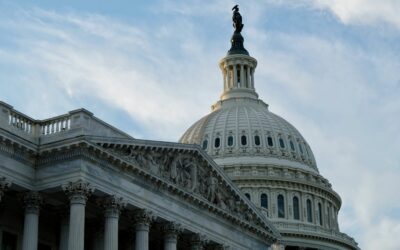
Epstein Investigation: Bill Clinton Faces Closed-Door Deposition Before Congressional Committee
The long-awaited standoff between the House Oversight Committee and the Clinton political dynasty reached its crescendo today, Friday, February 27, 2026. Following his wife’s testimony on Thursday, former President Bill Clinton appeared for a closed-door deposition to address his extensive, decades-long association with the late convicted sex trafficker Jeffrey Epstein. At The Modern Memo, we analyze the tension in Chappaqua, the “forgetfulness” of the former first couple, and why Republicans are refusing to let the Clintons’ Epstein connections fade into the “memory hole.” The Deposition: A House Divided The committee’s investigation—driven by Republican Chairman James Comer—is aimed at uncovering whether Epstein leveraged his proximity to the Clintons to influence policy, shield himself from legal scrutiny, or facilitate his trafficking operations through the Clinton Foundation. “Kangaroo Court” or Accountability?: The Clintons initially attempted to dodge the subpoenas, only agreeing to appear after the House moved toward a criminal contempt vote. Bill Clinton, who had demanded a public hearing, decried the closed-door proceedings as a “kangaroo court.” The “I Don’t Remember” Defense: Following Hillary Clinton’s testimony yesterday, in which she claimed she had “no idea” about Epstein’s crimes and couldn’t recall ever meeting him, the focus turned to Bill. While the former President has previously expressed “regret” for flying on Epstein’s jet, Republicans are pressing for specifics on the 17 recorded White House visits and the extent of their financial entanglements. Leaked Tensions: The deposition process hasn’t been smooth. On Thursday, proceedings were briefly halted after a photograph was leaked from inside the room, an incident Hillary Clinton described as “very upsetting.” The “Deflection” Strategy Throughout the week, the Clintons have leaned heavily on a pre-packaged counter-narrative: accusing the House investigation of being “partisan political theater” designed to shield the current administration. Pointing to Trump: Both Clintons have aggressively pivoted to demand that the committee subpoena President Trump, pointing to his own historical social interactions with Epstein. The “Conspiracy” Card: During her testimony, Hillary Clinton complained that Republicans veered off-topic, asking her about “vile, bogus conspiracy theories” such as “Pizzagate” and UFOs. Critics of the Clintons, however, argue that this is a classic diversionary tactic intended to frame legitimate inquiries as “fringe” to avoid answering uncomfortable questions about their own massive donor networks. Democratic Defense: Allies in the media and on the committee have echoed the Clintons’ framing, calling the inquiry a “fishing expedition” and asserting that no evidence links them to any wrongdoing. The Evidence Trail: Why the House Isn’t Backing Down Despite the denials, the House Oversight Committee remains focused on the “Epstein Files”—a tranche of millions of documents released by the Department of Justice that contain photographs of the former President with women whose identities remain redacted. The Foundation Link: Investigators are digging into whether Epstein’s influence extended into the Clinton Foundation’s global operations. The Visitor Logs: With logs showing Epstein visited the White House at least 17 times during the early 1990s, the committee is challenging the narrative that his relationship with the Clintons was casual or limited. The Standoff: Chairman Comer has maintained that while the Clintons are not currently accused of crimes, their testimony is essential to understanding how Epstein built his protection network among the political elite. Final Word The congressional testimony of Bill and Hillary Clinton is a defining moment for the post-2024 political landscape. When you look past the accusations of “theatre” and focus on the data of the Epstein Files and the documented donor history, you gain a clearer picture of an attempt to peel back the layers of influence that once kept the “elite club” shielded from the law. Quality information replaces the noise of partisan defensive posturing with the clarity of subpoena power and congressional oversight. It allows you to see these depositions not as a “witch hunt,” but as a necessary step toward transparency in the face of long-term political shielding. By choosing to follow the facts of the committee’s inquiries rather than the sanitized narratives of the Clinton spokesperson team, you align your perspective with the realities of accountability and support a more informed, resilient republic. Where Facts, Context, and Perspective Matter At The Modern Memo, our goal is simple: to provide clear, well-researched reporting in a media landscape that often feels overwhelming. We focus on substance over sensationalism, and context over commentary. If you value thoughtful analysis, transparent sourcing, and stories that go beyond the headline, we invite you to share our work. Informed conversations start with reliable information, and sharing helps ensure important stories reach a wider audience. Journalism works best when readers engage, question, and participate. By reading and sharing, you’re supporting a more informed public and a healthier media ecosystem. The Modern Memo may be compensated and/or receive an affiliate commission if you click or buy through our links. Featured pricing is subject to change. 📩 Love what you’re reading? Don’t miss a headline! Subscribe to The Modern Memo here!

The Search for Nancy Guthrie: Reward Doubles as FBI and Sheriff Clash Over Evidence
The investigation into the disappearance of Nancy Guthrie, the 84-year-old mother of Today show co-anchor Savannah Guthrie, has entered a tense new phase. As of Friday, February 13, 2026, the search is moving into its 13th day with a significantly increased reward and a public dispute between local and federal authorities. At The Modern Memo, we analyze the new suspect descriptions, the forensic breakthrough with doorbell camera data, and the reported friction between the Pima County Sheriff’s Department and the FBI. The Suspect: New Leads from “Residual Data” After nearly two weeks of mystery, the FBI’s Operational Technology Division successfully recovered “previously inaccessible” footage from Nancy Guthrie’s doorbell camera. Despite the camera being disconnected the morning of the abduction, agents retrieved residual data from back-end systems. The Description: The suspect is now described as a male, approximately 5’9” to 5’10” tall, with an average build. Distinct Gear: High-resolution analysis confirmed the suspect was wearing a black Ozark Trail Hiker Pack (25-liter) backpack and was seen holding a flashlight in his mouth and carrying what appears to be a handgun in a holster. The Video: Footage shows the masked individual using a piece of prairie brush to attempt to obscure the camera lens before it was fully tampered with. Reward Increased to $100,000 In an effort to break the silence surrounding the case, the FBI has doubled the reward to $100,000 for information leading to Nancy’s location or the arrest of those involved. Thousands of Tips: Authorities have received over 13,000 tips since February 1, but they are now calling on residents within a two-mile radius of the Catalina Foothills home to specifically review footage from January 1 to February 2. The Search Expands: FBI agents have been spotted conducting “extensive searches” along roadways, culverts, and desert brush near both Nancy’s home and the nearby residence of her daughter, Annie Guthrie. Inter-Agency Tension: Nanos vs. the FBI A significant report surfaced on Friday morning suggesting a rift between Pima County Sheriff Chris Nanos and the FBI. The Allegation: Sources indicated that Sheriff Nanos had “blocked” the FBI’s access to key physical evidence, including DNA samples and a pair of gloves found near the scene, by sending them to a private lab in Florida rather than the FBI’s federal lab. The Defense: Sheriff Nanos pushed back against these claims in a briefing, stating he sent the evidence to the Florida lab because they were already processing other DNA markers in the case. He claimed the decision was made to expedite the results, not to hinder the federal investigation. Savannah Guthrie’s Heartbreaking Update On Thursday, Savannah Guthrie shared a poignant home video of her mother on social media, writing: “Our lovely mom. We will never give up on her. Thank you for your prayers and hope.” While the family has expressed a willingness to pay a ransom, the FBI has cautioned that several recent messages—including a new demand for one Bitcoin sent to media outlets—may be “imposter demands” rather than communication from the actual abductor. Final Word Staying informed on the Nancy Guthrie case isn’t just about following a tragic headline—it plays a powerful role in your understanding of the complexities of high-profile abductions and the vital importance of forensic persistence. When you look past the noise of inter-agency friction and focus on the data of the recovered “back-end” video and the specific gear used by the suspect, you gain a clearer picture of an investigation that is slowly but surely closing in on its target. Quality information replaces the anxiety of a slow-moving case with the clarity of verified suspect descriptions and technical breakthroughs. It allows you to see this search as more than a media event, but as a coordinated effort to rescue a vulnerable citizen before time runs out. By choosing to follow the forensic updates rather than the speculation of internet sleuths, you align your perspective with the realities of the investigation and support a more informed, resilient public effort to bring Nancy home. Where Facts, Context, and Perspective Matter At The Modern Memo, our goal is simple: to provide clear, well-researched reporting in a media landscape that often feels overwhelming. We focus on substance over sensationalism, and context over commentary. If you value thoughtful analysis, transparent sourcing, and stories that go beyond the headline, we invite you to share our work. Informed conversations start with reliable information, and sharing helps ensure important stories reach a wider audience. Journalism works best when readers engage, question, and participate. By reading and sharing, you’re supporting a more informed public and a healthier media ecosystem. The Modern Memo may be compensated and/or receive an affiliate commission if you click or buy through our links. Featured pricing is subject to change. 📩 Love what you’re reading? Don’t miss a headline! Subscribe to The Modern Memo here!

Maxwell Muted: Convicted Accomplice Pleads Fifth in Oversight Probe Into Epstein Network
The House Oversight and Accountability Committee’s high-stakes investigation into the Jeffrey Epstein network hit a significant roadblock on Monday, February 9, 2026. Ghislaine Maxwell, currently serving a 20-year sentence for sex trafficking, appeared virtually before the committee but refused to provide any new testimony, repeatedly invoking her Fifth Amendment right against self-incrimination. At Modern Memo, we analyze the strategic silence from the convicted groomer, the frustration of lawmakers seeking accountability for the “Elite 25,” and the looming depositions of high-profile political figures. The Deposition: A Blanket Refusal The much-anticipated closed-door session ended shortly after it began. Maxwell appeared via videolink from a minimum-security federal prison camp in Bryan, Texas, and immediately asserted a “blanket” Fifth Amendment privilege. The Stance: Maxwell’s legal team characterized the proceeding as “political theater,” arguing that since the committee refused to grant her legal immunity, any statement she made could be used to bring further charges. The Contradiction: Rep. Ro Khanna (D-CA) called the move “inconsistent,” noting that Maxwell had previously spoken at length with Deputy Attorney General Todd Blanche last year regarding similar subject matter without invoking her right to silence. This selective cooperation has led some to question whether Maxwell is intentionally shielding specific associates. Unanswered Questions: Protecting the “List of 25”? Despite the silence, the committee entered a series of specific questions into the official record. These questions, authored by Chairman James Comer (R-KY) and others, focus on the individuals who allegedly benefited from Epstein’s operations but escaped indictment: The Hidden Abusers: In a December 2025 habeas corpus petition, Maxwell stated that “four named co-conspirators” and 25 men who entered into secret settlements were never prosecuted. The committee is demanding to know why these individuals remain protected by the federal system. Foreign Intelligence: Questions were raised regarding Epstein and Maxwell’s potential ties to foreign intelligence services, specifically those associated with Russia and Israel. Trump vs. Clinton: While Democrats focused on documented social photographs of the current President with Epstein, Republicans highlighted the extensive flight logs and frequent visits to “Little St. James” by former President Bill Clinton. The “Contempt” Showdown with the Clintons The Maxwell deposition occurred just as the investigation pivots toward its next major phase: the depositions of Bill and Hillary Clinton. The Agreement: After months of resistance and a threat of “contempt of Congress” proceedings from Chairman Comer, the Clintons have agreed to appear for filmed depositions on February 26 and 27. The Public Demand: The Clintons have demanded that their testimony be held publicly, arguing that a closed-door session would allow for “selective leaks.” Republicans, however, maintain that private depositions are standard for sensitive grand jury-related material to ensure the integrity of the ongoing probe. DOJ Under Fire: The Redaction Crisis The frustration on Capitol Hill isn’t limited to Maxwell’s silence. Both parties are increasingly critical of the Department of Justice (DOJ) under Attorney General Pam Bondi. Transparency Lags: While the Epstein Files Transparency Act mandated the release of all investigative material, the DOJ has so far produced only a fraction of the 6 million pages, claiming heavy redactions are necessary for victim privacy. Victim Outrage: Survivors have expressed “disgust” at the slow pace, noting that while the government is slow to name abusers, it has accidentally exposed the names of dozens of victims in unvetted spreadsheets. Final Word Staying informed on the Epstein investigation isn’t just about the names in the headlines—it plays a powerful role in your understanding of how the legal system handles high-level corruption and the limits of congressional oversight. When you look past the frustration of a “silent” witness and focus on the data of the unanswered questions and the missing DOJ files, you gain a clearer picture of the systemic hurdles to transparency. Quality information replaces the noise of partisan speculation with the clarity of legal filings and committee procedure. It allows you to see this silence not as an end to the story, but as a catalyst for the next phase of subpoenas and public testimony. By choosing to follow the facts of the probe rather than the rhetoric of the participants, you align your perspective with the realities of the justice system and support a more informed, resilient society. Where Facts, Context, and Perspective Matter At The Modern Memo, our goal is simple: to provide clear, well-researched reporting in a media landscape that often feels overwhelming. We focus on substance over sensationalism, and context over commentary. If you value thoughtful analysis, transparent sourcing, and stories that go beyond the headline, we invite you to share our work. Informed conversations start with reliable information, and sharing helps ensure important stories reach a wider audience. Journalism works best when readers engage, question, and participate. By reading and sharing, you’re supporting a more informed public and a healthier media ecosystem. The Modern Memo may be compensated and/or receive an affiliate commission if you click or buy through our links. Featured pricing is subject to change. 📩 Love what you’re reading? Don’t miss a headline! Subscribe to The Modern Memo here!