
King Charles
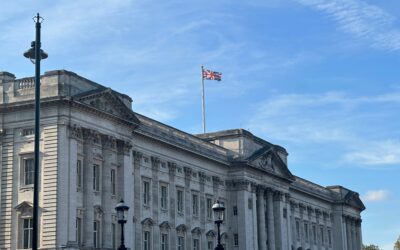
A Royal Oversight? King Charles Faces Backlash for Skipping Easter Message After High-Profile Ramadan Tributes
The British monarchy is navigating a fresh wave of public discontent this week as King Charles III faces intense criticism from Christian leaders and royal observers for failing to deliver a formal televised Easter message. The decision has sparked a heated debate over the King’s role as “Defender of the Faith,” especially after the Palace released high-profile video contributions from the King earlier this year to mark the beginning of Ramadan and the celebration of Eid. At The Modern Memo, we analyze the strategic silence from Buckingham Palace, the growing “parity” argument from the British public, and why this communications choice is being labeled a “grave mistake” by royal experts. The Silence Heard ‘Round the UK Easter Sunday, the most significant date on the Christian calendar, passed without the traditional personal address many expected from the Supreme Governor of the Church of England. While the King attended a service at St. George’s Chapel in Windsor, the lack of a broadcasted message left a void that was quickly filled by public frustration. The Palace Defense: Buckingham Palace officials clarified that an Easter broadcast is not a “set annual tradition” in the same way as the Christmas Message. They noted that the late Queen Elizabeth II only delivered one such message during her 70-year reign (during the 2020 lockdown). The Experts’ Rebuttal: Royal commentator Neil Sean told Fox News Digital that the decision “came as a shock to most U.K. Christians.” He noted that because Charles delivered a special Easter message in 2025, his sudden silence this year felt like a withdrawal from his religious duties. The Coronation Oath: Critics, including royals expert Ian Pelham Turner, pointed out that the King swore a sacred oath at his coronation to uphold the Protestant faith. “Simply do not follow decades of tradition… it just leaves people angry,” Turner remarked. The Comparison: Ramadan vs. Easter The core of the backlash stems from what many perceive as an imbalance in royal acknowledgment. Earlier this season, the King recorded warm, personal video messages for the UK’s Muslim community, celebrating the spirit of Ramadan and wishing a joyous Eid. Demanding Parity: “People sense his favor towards Islam and are asking for parity at least,” argued Gavin Ashenden, a former chaplain to the late Queen. He suggested the King missed a vital moment to speak the Gospel into a nation increasingly unsure of its religious identity. The “Secret Muslim” Narrative: On social media, the frustration has taken a darker turn, with some critics baselessly labeling the monarch as a “secret Muslim.” While these claims are dismissed by historians, experts warn that the Palace’s failure to “read the room” has provided unnecessary ammunition for these fringe narratives. A Missed Opportunity for the Church of England The controversy comes at a delicate time for the Church of England, which is currently navigating its own internal transitions, including the recent appointment of the first female Archbishop of Canterbury in centuries. Strategic Error: Royal biographer Richard Fitzwilliams noted that while the King’s inter-religious work is commendable, skipping the Easter message was a “mistake” that could have easily been avoided. The “Belated” Statement: Following the initial wave of anger, the Palace eventually issued a short written social media post wishing a “joyous Easter Sunday” to Christians. However, many Britons dismissed the post as “second-hand” and “simply not good enough” compared to the personal video tributes seen for other faiths. Final Word The King’s decision to remain silent on Easter is a textbook example of a “preventable crisis.” When you look past the noise of “tradition” and focus on the data—the high-production video messages for Ramadan contrasted with the belated social media text for Easter—you gain a clearer picture of why the British public feels sidelined. Quality information replaces the excuse of “no tradition” with the reality of optics in a digital age. It allows you to see this not as an attack on other faiths, but as a demand for the “Defender of the Faith” to actually defend it. By choosing to prioritize inclusivity at the expense of his own core constituency, the King has inadvertently signaled that the crown’s foundational pillars are no longer the priority. Where Facts, Context, and Perspective Matter At The Modern Memo, our goal is simple: to provide clear, well-researched reporting in a media landscape that often feels overwhelming. We focus on substance over sensationalism, and context over commentary. If you value thoughtful analysis, transparent sourcing, and stories that go beyond the headline, we invite you to share our work. Informed conversations start with reliable information, and sharing helps ensure important stories reach a wider audience. Journalism works best when readers engage, question, and participate. By reading and sharing, you’re supporting a more informed public and a healthier media ecosystem. The Modern Memo may be compensated and/or receive an affiliate commission if you click or buy through our links. Featured pricing is subject to change. 📩 Love what you’re reading? Don’t miss a headline! Subscribe to The Modern Memo here!
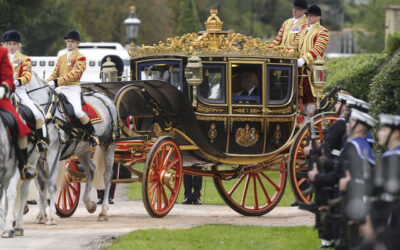
King Charles III Gives President Trump A Royal Welcome
President Donald Trump and First Lady Melania Trump couldn’t have asked for a warmer reception when they arrived at Windsor. From the moment King Charles III and Queen Camilla greeted them, it was clear this was more than just another state visit. The smiles, the handshakes, the genuine ease between the two families set the tone for a gathering filled with respect on both sides. And it wasn’t just the King and Queen. Prince William and Princess Catherine were front and center too, showing that this was a family welcome. Trump himself even made a point to compliment them, calling Kate “so radiant and so healthy.” It was the kind of personal remark that breaks through stiff protocol and adds a human touch to diplomacy. pic.twitter.com/UpX0M1yM5c — Rapid Response 47 (@RapidResponse47) September 17, 2025 Ceremonial Tradition Meets Friendship The British know how to put on a show, and Windsor delivered. The Guard of Honour stood tall in full regimental dress, lining up for inspection. As the American and British national anthems played, Trump and King Charles stood side by side, a picture of two nations bound together. (RELATED NEWS: London: 100K Rally-Goers Unite Against Mass Immigration) Then came the royal carriages. For a U.S. president who usually travels in bulletproof SUVs and helicopters, the sight of horse-drawn coaches carrying his team was something special. It was a nod to history and tradition, and it sent a clear signal: this visit mattered. WHAT A SIGHT! Carriages for @POTUS, @FLOTUS, and Their Majesties arrive at Windsor Castle in a remarkable welcome for the unprecedented second state visit of President Donald J. Trump 🇺🇸🇬🇧 pic.twitter.com/NAgxH5XAia — Rapid Response 47 (@RapidResponse47) September 17, 2025 Shared Moments Inside the Castle After the pageantry outside, things turned more personal inside Windsor Castle. A private lunch gave the families time to connect without cameras flashing. Trump also laid a wreath at the tomb of Queen Elizabeth II, a simple but powerful gesture of respect for Britain’s beloved monarch. Reflecting on the day, Trump offered a thought that connected the past to the present: “I cannot help but wonder what our forebears from 1776 would make of this friendship today.” That single line captured the remarkable journey from revolution to alliance, and how the bond between the U.S. and the U.K. has endured through time. The State Banquet When evening came, the focus shifted to the State Banquet—a glittering affair inside Windsor’s grand halls. Glasses clinked, toasts were made, and both sides leaned into the spirit of friendship. Trump’s words struck a chord. “We’re like two notes in one chord, or two verses of the same poem. Each beautiful on its own but really meant to be played together,” he said about the U.S. and the U.K. It was poetic, and it spoke directly to the deep connection the two nations share. He didn’t stop there. With warmth in his voice, Trump added, “Together we must defend the exceptional heritage that makes us who we are. We must continue to stand for the values of the people of the English-speaking world… I offer a toast to the two great countries… King Charles is a very special man, and we also have a very special Queen.” The message was clear: this wasn’t just about a political relationship. It was about culture, history, and values that both sides are determined to protect. .@POTUS: “We’re joined by history and fate, by love and language, and by transcendent ties of culture, tradition, ancestry, and destiny… The bond of kinship and identity between America and the United Kingdom is priceless and eternal — it’s irreplaceable and unbreakable.” 🇺🇸🇬🇧 pic.twitter.com/RhFIaLNcAp — Rapid Response 47 (@RapidResponse47) September 17, 2025 Mutual Respect in Action What stood out most about the day was the balance of respect. King Charles treated Trump not just as a head of state but as a valued partner. He made sure the welcome included the next generation of royals, signaling continuity and long-term friendship. Trump returned that respect in kind. He didn’t just go through the motions—he leaned into the traditions of the monarchy, participated fully in the ceremonies, and honored the late Queen. His toasts were personal, filled with admiration for both Charles and Camilla. These weren’t hollow gestures. They showed a recognition that diplomacy works best when it’s grounded in mutual appreciation. Why This Visit Matters This wasn’t Trump’s first state visit to Britain, but it may be one of the most significant. Few foreign leaders are welcomed with the full measure of royal pageantry—carriages, guards, banquets, private meals—and fewer still are embraced with such visible warmth. For two nations often described as sharing a “special relationship,” Windsor was proof that the phrase still has meaning. The formalities could have been stiff, but instead, they felt warm and human. From Trump’s admiration of Princess Kate to his poetic words about shared heritage, the visit highlighted connection over ceremony. A Lasting Impression What people will remember most from this visit isn’t just the images of carriages or banquets. It’s the sense that two families—the Trumps and the Royals—found common ground in friendship and respect. When Trump raised his glass and called King Charles “a very special man” and Queen Camilla “a very special Queen,” it wasn’t just polite words. It was a personal acknowledgment of the bond that has grown between the two sides. The visit showed that America and Britain are more than allies on paper. They are partners tied together by history, heritage, and a shared vision for the future. Windsor proved that when respect flows both ways, diplomacy doesn’t just work—it shines. Forget the narrative. Reject the script. Share what matters. At The Modern Memo, we call it like it is — no filter, no apology, no corporate leash. If you’re tired of being lied to, manipulated, or ignored, amplify the truth. One share at a time, we dismantle the media machine — with facts, boldness, and zero fear. Stand with us. Speak louder. Because silence helps them…