

President Trump

Peace Through Strength: Global Capitals Salute the “Islamabad Accord” as a Strategic Triumph
Following weeks of high-intensity kinetic operations that brought the Islamic Republic to its knees, the world has entered a new era of stability. On April 8, 2026, world leaders began lining up to praise the “Islamabad Accord”—the historic two-week ceasefire negotiated by the Trump administration. The consensus from global capitals is clear: by combining overwhelming military might with decisive diplomacy, the U.S. has achieved what decades of “soft power” could not. At The Modern Memo, we analyze the international reaction to the truce, the shift in the global power dynamic, and why the “Trump Doctrine” of peace through strength is being hailed as the new gold standard for conflict resolution. A Global Sigh of Relief: Market and Moral Support From the European Union to the Pacific Rim, the response to the ceasefire has been overwhelmingly positive. Leaders who were previously critical of the administration’s aggressive posture are now acknowledging the results. Reopening the Arteries: In Brussels, EU leaders praised the restoration of transit through the Strait of Hormuz. With oil prices plummeting 13% following the announcement, the “energy blackmail” that threatened the global economy has been neutralized. The “Islamabad” Endorsement: Pakistani Prime Minister Shehbaz Sharif, whose government facilitated the final talks, characterized the accord as a “triumph for regional stability.” He credited the President’s willingness to negotiate—but only after the Iranian military’s “offensive teeth” were removed—as the catalyst for the breakthrough. The Israeli Perspective: Security Over Promises Prime Minister Benjamin Netanyahu joined the chorus of praise, though his endorsement came with the “ironclad” caveat that Israel remains vigilant. Validation of Force: The Israeli leadership noted that the ceasefire was only possible because the U.S.-Israeli coalition successfully dismantled 90% of Iran’s missile launchers. “We have shown that the path to peace is paved with the credible threat of force,” an IDF spokesperson noted. Continued Pressure: While Jerusalem supports the pause in infrastructure strikes, they credited the Trump administration for allowing Israel the “strategic space” to continue dismantling Hezbollah’s command structure in Lebanon, which is not covered by the truce. Changing the Narrative: The “Bully” vs. The “Stabilizer” For years, the corporate press labeled the President’s foreign policy as “isolationist” or “reckless.” The Islamabad Accord has effectively shredded that narrative. The Return of Deterrence: Even traditionally neutral nations like Switzerland and India have issued statements commending the “rapid de-escalation.” By setting an 8 PM deadline and then successfully pivoting to a diplomatic framework when the enemy flinched, the President demonstrated a level of strategic agility that has left his domestic critics silent. The “Art of the Deal” 2.0: Supporters point to the release of high-profile hostages and the reopening of trade lanes as tangible “America First” victories that didn’t require a ten-year “forever war” to achieve. Final Word The praise pouring in from world leaders is more than just diplomatic courtesy; it is an admission that strength works. When you look past the noise of the “anti-war” protestors and focus on the data—the cratering oil prices, the reopened shipping lanes, and the regime in Tehran finally coming to the table—you gain a clearer picture of a world that is safer because America stopped apologizing. Quality information replaces the fear of “escalation” with the reality of “restoration.” It allows you to see the Islamabad Accord not as a lucky break, but as the inevitable result of an administration that values American lives and global stability over bureaucratic process. By choosing to support a policy of strength, these world leaders are finally acknowledging that the only way to end a war is to be willing to win it. Where Facts, Context, and Perspective Matter At The Modern Memo, our goal is simple: to provide clear, well-researched reporting in a media landscape that often feels overwhelming. We focus on substance over sensationalism, and context over commentary. If you value thoughtful analysis, transparent sourcing, and stories that go beyond the headline, we invite you to share our work. Informed conversations start with reliable information, and sharing helps ensure important stories reach a wider audience. Journalism works best when readers engage, question, and participate. By reading and sharing, you’re supporting a more informed public and a healthier media ecosystem. The Modern Memo may be compensated and/or receive an affiliate commission if you click or buy through our links. Featured pricing is subject to change. 📩 Love what you’re reading? Don’t miss a headline! Subscribe to The Modern Memo here!
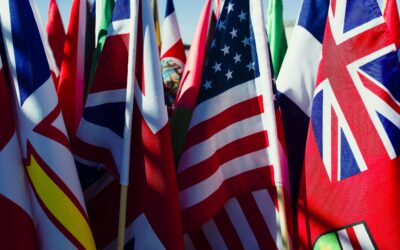
Strategic Sovereignty: Trump and Rubio Confront NATO Chief Over “One-Way Street” Alliance
The post-World War II security architecture faced its most significant “stress test”, as President Trump and Secretary of State Marco Rubio held a high-tension summit with NATO Secretary General Mark Rutte. The meeting follows a week of intense friction over Europe’s refusal to support the U.S.-led coalition during the decisive phases of the Iran conflict—a move that has prompted the administration to officially “reexamine” the 77-year-old alliance. At The Modern Memo, we analyze the President’s demand for “reciprocal loyalty,” the end of the American “security blanket,” and why Europe is finally being told to grow up or go it alone. The Brinkmanship: “Reciprocity is Non-Negotiable” The meeting at the White House yesterday was described by insiders as “blunt” and “transactional.” President Trump reportedly reiterated his stance that NATO has become a “one-way street” where the American taxpayer funds the defense of countries that won’t even grant basing rights when the U.S. is under threat. The Loyalty Gap: Rubio pointed to the specific refusal of Spain, France, and the UK to join the blockade of the Strait of Hormuz. “An alliance isn’t a buffet where you only pick the defense you want,” Rubio stated. “If you aren’t with us when we are neutralizing a rogue state like Iran, why should we be there when your borders are threatened?” The “Reexamination” Clause: The administration has officially signaled that it is reviewing its “Art. 5” commitments, suggesting that U.S. defense guarantees may become “conditional” based on a nation’s contribution to global stability, not just their geographic location. “Learn How to Fight”: The End of Euro-Dependency The President’s message to Secretary General Rutte was a continuation of his long-standing “burden-sharing” campaign, but with a new, sharper edge following the tactical success of the Iran strikes. Sovereign Capability: “It’s time for Europe to start learning how to fight for themselves,” Trump told reporters following the session. He argued that the U.S. can no longer be the “world’s policeman” while European nations use their savings on bloated social programs instead of military readiness. The 5% Ultimatum: While NATO members previously agreed to move toward 5% of GDP in spending, Trump hinted that even that may not be enough if the hardware isn’t interoperable and the political will to use it is absent. The Rutte Response: A House Divided Secretary General Rutte, known for his pragmatic approach to the Trump administration, attempted to downplay the rift, but the tension was palpable. Maintaining Unity: Rutte argued that NATO remains the “most successful alliance in history,” but he struggled to explain the lack of European support in the Gulf. The Shift to the East: Sources indicate that the U.S. is increasingly looking to “mini-lateral” alliances with nations that actually show up—such as Poland, the Baltic states, and Israel—while deprioritizing the “Old Europe” core of the alliance. Final Word The confrontation between the White House and NATO leadership is a necessary correction to a lopsided relationship. When you look past the noise of “diplomatic instability” and focus on the data—the refusal of allies to support the reopening of the Strait and the continued reliance on American stealth tech—you gain a clearer picture of why the President is demanding a total overhaul. Quality information replaces the nostalgia of 1949 with the reality of 2026. It allows you to see this “reexamination” not as an abandonment of our friends, but as a demand for a partnership of equals. By choosing to prioritize American interests first, the administration is ensuring that our military assets are reserved for those who actually stand in the gap with us. Where Facts, Context, and Perspective Matter At The Modern Memo, our goal is simple: to provide clear, well-researched reporting in a media landscape that often feels overwhelming. We focus on substance over sensationalism, and context over commentary. If you value thoughtful analysis, transparent sourcing, and stories that go beyond the headline, we invite you to share our work. Informed conversations start with reliable information, and sharing helps ensure important stories reach a wider audience. Journalism works best when readers engage, question, and participate. By reading and sharing, you’re supporting a more informed public and a healthier media ecosystem. The Modern Memo may be compensated and/or receive an affiliate commission if you click or buy through our links. Featured pricing is subject to change. 📩 Love what you’re reading? Don’t miss a headline! Subscribe to The Modern Memo here!

The Trump Dividend: Oil Prices Crater 13% as “Maximum Pressure” Reopens the Strait
In a massive win for the American consumer and a devastating blow to global inflation, global oil benchmarks plummeted by over 13% overnight. The historic collapse in prices follows the ratification of the “Islamabad Accord,” a two-week ceasefire that has successfully forced the reopening of the Strait of Hormuz—the world’s most critical energy artery. At The Modern Memo, we analyze the “Peace Through Strength” market surge, the end of the Iran war premium, and why this price drop is the ultimate validation of the administration’s energy sovereignty strategy. The Great Reset: Crude Below $95 The announcement of the ceasefire sent shockwaves through the trading floors in London and New York. Brent Crude and West Texas Intermediate (WTI), which had been flirting with the $115 mark during the height of the “Operation Epic Fury” strikes, fell into the low $90s within hours of the deal being signed. Ending the Blockade: The reopening of the Strait of Hormuz by the U.S.-Israeli coalition removes the “geopolitical risk premium” that has haunted global markets since the conflict began. The “Peace Dividend”: Market analysts at Goldman Sachs and Morgan Stanley noted that the 13% drop is one of the largest single-day movements in history, representing a massive shift in global liquidity toward the West. Supply Surge: With the threat of Iranian mine-laying neutralized by U.S. carrier groups, millions of barrels of oil that were “floating” in tankers off the coast of Oman are now flooding into the global supply chain. Victory for the Pump: Relief for American Families President Trump was quick to highlight the impact on domestic fuel prices, characterizing the market crash as a “massive tax cut” for the American people. Gas Prices Retreat: Internal projections suggest that if the Islamabad Accord holds, the national average for a gallon of gas could drop by as much as $0.45 to $0.60 within the next ten days. Crushing Inflation: Lower energy costs act as a “reverse-multiplier” on inflation, lowering the cost of logistics, farming, and manufacturing across the board. Strategic Leverage: The President pointed out that while the U.S. remains the world’s top energy producer, the stabilization of global lanes ensures that American exports remain competitive and the domestic economy remains “bulletproof” against foreign blackmail. The “Weakened Regime” Reality The price plunge isn’t just a win for the U.S.; it’s a strategic nightmare for the Islamic Republic, which relies on high oil prices and “black market” premiums to fund its regional proxies. Drying Up the War Chest: Every dollar oil drops is a dollar less that the IRGC has to spend on Hezbollah or the Houthis. By forcing the price down, the Trump administration is effectively de-funding the regime’s military capabilities from the outside in. The “Liquid Gold” Doctrine: Secretary of State Marco Rubio noted that the administration’s commitment to “unleashing American energy” has ensured that the U.S. is no longer at the mercy of OPEC+ or rogue state volatility. Final Word The 13% plunge in oil prices is the definitive metric of a conflict won. When you look past the noise of “diplomatic nuance” and focus on the data—the cratering of crude prices and the reopening of the world’s most vital waterway—you gain a clearer picture of an administration that understands how to use military might to secure economic stability. Quality information replaces the fear of a “recession-driving war” with the reality of a “strength-driven boom.” It allows you to see this price drop not as a market fluke, but as the inevitable result of a superpower finally acting like one. By choosing to support energy dominance, you align your perspective with the reality that a strong America means a cheaper, safer world. Where Facts, Context, and Perspective Matter At The Modern Memo, our goal is simple: to provide clear, well-researched reporting in a media landscape that often feels overwhelming. We focus on substance over sensationalism, and context over commentary. If you value thoughtful analysis, transparent sourcing, and stories that go beyond the headline, we invite you to share our work. Informed conversations start with reliable information, and sharing helps ensure important stories reach a wider audience. Journalism works best when readers engage, question, and participate. By reading and sharing, you’re supporting a more informed public and a healthier media ecosystem. The Modern Memo may be compensated and/or receive an affiliate commission if you click or buy through our links. Featured pricing is subject to change. 📩 Love what you’re reading? Don’t miss a headline! Subscribe to The Modern Memo here!

The Private Sector Shift: Trump Replaces Bondi as DOJ Focuses on “Maximum Impact”
In a move that signals a strategic recalibration for the Department of Justice, President Trump announced today, April 2, 2026, that Attorney General Pam Bondi will be transitioning out of her role to pursue a high-level position in the private sector. The President named Deputy Attorney General Todd Blanche, a seasoned legal mind and trusted defender of the administration’s constitutional priorities, as Acting Attorney General. At The Modern Memo, we look past the media’s “firing” narrative to analyze the President’s demand for results, the controversy over the Epstein files, and why a more aggressive DOJ is necessary to dismantle the “Deep State” for good. A Patriot’s Transition: The Official Word Taking to Truth Social on Thursday afternoon, President Trump praised Bondi’s tenure, specifically highlighting her success in restoring law and order to America’s cities. A Record of Results: The President noted that under Bondi’s leadership, murders plummeted to their lowest levels since 1900. “Pam Bondi is a Great American Patriot and a loyal friend,” Trump wrote. The New Acting AG: Todd Blanche, who served as a key architect of the President’s personal legal defense before joining the DOJ, steps into the top spot. Supporters view Blanche as a “battle-tested” prosecutor who understands the urgency of the administration’s mandate. The Friction Point: The Epstein Files & Public Trust While the official departure is framed as a transition, insiders point to a growing frustration regarding the DOJ’s handling of materials related to the Jeffrey Epstein investigation. The Transparency Gap: Despite Bondi’s loyalty, her public handling of the so-called “client list” drew sharp criticism from conservative heavyweights like Rep. Nancy Mace (R-SC). Critics argued that the Department’s messaging allowed the media to frame the administration as “holding back” information, rather than exposing the truth. The “Slow-Walking” Accusation: Reports surfaced this week that Bondi had summoned Miami-based prosecutors to D.C. to address concerns that high-profile probes were being “slow-walked.” For an administration that promised to “drain the swamp,” any perception of bureaucratic inertia is a non-starter. The Mandate for Aggression: Purging the Deep State The shift at the DOJ is widely interpreted as a signal that the President is looking for a leader who will more aggressively pursue those who weaponized the legal system against him and his supporters. Accountability for Foes: While Bondi initiated probes into figures like James Comey and Letitia James, several of these cases faced procedural dismissals. The President has reportedly expressed a desire for a “maximum impact” Justice Department that secures convictions, not just headlines. Potential Successors: Names like Lee Zeldin (current EPA Administrator) have already begun circulating as permanent replacements, suggesting the President wants a fighter who can navigate the political and judicial “lawfare” that continues to target the administration. Final Word Pam Bondi’s departure is not a sign of weakness, but a demand for excellence. When you look past the noise of “Cabinet upheaval” and focus on the data—the plummeting crime rates and the President’s push for total transparency on the Epstein files—you gain a clearer picture of an administration that refuses to settle for “good enough.” Quality information replaces the media’s “chaos” narrative with the reality of a strategic upgrade. It allows you to see the appointment of Todd Blanche as a definitive move to sharpen the spear of American justice. By choosing to back a DOJ that prioritizes aggressive accountability, you align your perspective with the reality that the swamp won’t drain itself. Where Facts, Context, and Perspective Matter At The Modern Memo, our goal is simple: to provide clear, well-researched reporting in a media landscape that often feels overwhelming. We focus on substance over sensationalism, and context over commentary. If you value thoughtful analysis, transparent sourcing, and stories that go beyond the headline, we invite you to share our work. Informed conversations start with reliable information, and sharing helps ensure important stories reach a wider audience. Journalism works best when readers engage, question, and participate. By reading and sharing, you’re supporting a more informed public and a healthier media ecosystem. The Modern Memo may be compensated and/or receive an affiliate commission if you click or buy through our links. Featured pricing is subject to change. 📩 Love what you’re reading? Don’t miss a headline! Subscribe to The Modern Memo here!

The “Paper Tiger” Ultimatum: Trump Weighs NATO Exit Over Iran Betrayal
In a stunning escalation of the rift between Washington and its European allies, President Trump declared today, April 1, 2026, that he is “strongly considering” pulling the United States out of NATO. The President’s remarks, delivered in an interview with The Telegraph, signal a potential end to the 77-year-old alliance, as the administration loses patience with partners who have refused to support the U.S.-led campaign to neutralize the Iranian threat. At The Modern Memo, we analyze the President’s “Paper Tiger” critique, the strategic failure of the Royal Navy, and why the “one-way street” of Atlantic security may finally be reaching a dead end. “Beyond Reconsideration”: The End of the Alliance? The President didn’t mince words when asked if he would revisit America’s membership in the North Atlantic Treaty Organization. For Trump, the question isn’t whether to stay, but whether the alliance even exists in a meaningful way. The “Paper Tiger” Label: “I was never swayed by NATO. I always knew they were a paper tiger,” Trump said, adding that the move to withdraw is now “beyond reconsideration.” The Loyalty Test: The breaking point appears to be the refusal of key allies—most notably the UK, France, and Spain—to join the military effort to reopen the Strait of Hormuz or support the broader air campaign against the IRGC. Rubio’s Warning: Secretary of State Marco Rubio echoed the President’s frustration, noting that if NATO is only about the U.S. defending Europe but allies “deny us basing rights when we need them,” the arrangement is fundamentally broken. The British Rebuff: “Carriers That Don’t Work” The President saved his sharpest barbs for the United Kingdom and Prime Minister Keir Starmer. Despite the “Special Relationship,” London has remained steadfastly on the sidelines of the Iran conflict, citing a desire to avoid being “dragged in.” A Navy in Decline: Trump mocked the state of the Royal Navy, claiming the UK doesn’t even have a functional fleet. “You’re too old and had aircraft carriers that didn’t work,” he remarked, referring to the high-profile mechanical failures that have plagued the British carrier program in recent years. The Starmer Stance: Prime Minister Starmer reiterated Monday that the UK will not join the strikes “whatever the pressure,” a position the Trump administration views as a betrayal of a partner currently doing the heavy lifting for global energy security. The 5% Mirage: Spending Without Support The threat to withdraw comes less than a year after the historic 2025 Hague Summit, where NATO allies pledged to reach a staggering 5% of GDP in defense spending by 2035. Checkbook vs. Combat: While the “Hague Investment Plan” was hailed as a victory for Trump’s burden-sharing agenda, the Iran war has proven that “spending more” doesn’t equal “showing up.” The Spanish Exemption: The rift is further widened by countries like Spain, which secured an exemption from the 5% goal and has now closed its airspace to U.S. and Israeli military flights—an act the White House views as bordering on hostile. Ukraine vs. Iran: Trump pointed to the billions the U.S. poured into Ukraine—a “test” where the U.S. showed up for Europe—only for Europe to abandon the U.S. when the threat shifted to the Middle East. Final Word The President’s threat to leave NATO is the ultimate “Maximum Pressure” tactic applied to our own allies. When you look past the noise of “diplomatic norms” and focus on the data—the denied basing rights in Spain, the shuttered Royal Navy, and the refusal to secure the world’s most vital oil lane—you gain a clearer picture of an alliance that has become a liability. Quality information replaces the nostalgia of the Cold War with the reality of a 2026 where the U.S. is expected to provide 100% of the protection for 0% of the cooperation. It allows you to see this move not as “isolationism,” but as the final demand for a reciprocal partnership. By choosing to back a “Sovereignty First” foreign policy, you align your perspective with the reality that an alliance that doesn’t fight together isn’t an alliance at all. Where Facts, Context, and Perspective Matter At The Modern Memo, our goal is simple: to provide clear, well-researched reporting in a media landscape that often feels overwhelming. We focus on substance over sensationalism, and context over commentary. If you value thoughtful analysis, transparent sourcing, and stories that go beyond the headline, we invite you to share our work. Informed conversations start with reliable information, and sharing helps ensure important stories reach a wider audience. Journalism works best when readers engage, question, and participate. By reading and sharing, you’re supporting a more informed public and a healthier media ecosystem. The Modern Memo may be compensated and/or receive an affiliate commission if you click or buy through our links. Featured pricing is subject to change. 📩 Love what you’re reading? Don’t miss a headline! Subscribe to The Modern Memo here!

Harvesting Freedom: Trump Pledges “Total Support” to American Farmers in White House Address
Standing before a backdrop of green John Deere tractors and a delegation of the nation’s top agricultural producers, President Trump delivered a sweeping address from the South Lawn of the White House today. The message was clear: in an era of global instability and rising input costs, the American farmer is not just a part of the economy—they are the “backbone of national security.” At The Modern Memo, we analyze the President’s new “Sovereignty First” agricultural subsidies, the aggressive rollbacks of EPA “overreach,” and why the administration is framing food independence as the ultimate deterrent against foreign adversaries. The “Golden Soil” Initiative: Slashing the Red Tape The centerpiece of the President’s remarks was the formal announcement of the Golden Soil Initiative, a comprehensive executive order designed to dismantle the regulatory hurdles that have squeezed family farms for decades. Ending the “WOTUS” Nightmare: Trump confirmed the final, permanent rescission of the “Waters of the United States” (WOTUS) rule, which he characterized as a “power grab” by Washington bureaucrats over every puddle and drainage ditch on private land. “From now on,” Trump told the cheering crowd, “you decide how to manage your land, not some consultant in a suit 1,000 miles away.” Fertilizer Independence: To combat the high costs driven by global supply chain disruptions, the President announced new incentives for domestic phosphate and nitrogen production. The goal is to decouple American yields from the volatility of foreign energy markets. Trade as a Tactical Weapon The President took a characteristically hard line on international trade, specifically addressing the ongoing “Phase 3” negotiations with China and the European Union’s restrictive agricultural barriers. Reciprocal Fairness: Trump warned that any nation placing “unfair” tariffs or unscientific “green” restrictions on American beef, corn, or soy would face immediate and equivalent “America-First” levies. Fueling the Future: The administration reaffirmed its commitment to E15 and higher ethanol blends, viewing the American corn grower as a vital partner in the “Liquid Gold” energy strategy that seeks to make the U.S. the world’s undisputed energy superpower. Food Security is National Security Against the backdrop of the ongoing conflict in the Middle East and the closure of key shipping lanes, the President framed the American farm as a strategic asset. The “Breadbasket” Defense: “A country that cannot feed itself is not a country,” Trump declared. He argued that the current global chaos proves why “globalist” supply chains are a liability. By prioritizing domestic production over cheap foreign imports, the administration aims to ensure that American grocery shelves remain full regardless of international turmoil. Support for the Next Generation: The President also touched on the “Death Tax,” promising to push for a permanent repeal to ensure that multi-generational family farms aren’t sold off to developers or foreign investment firms just to pay a tax bill. Final Word President Trump’s address to the nation’s farmers was more than a policy speech; it was a reassertion of the value of the producer over the paper-pusher. When you look past the noise of “environmental” critiques and focus on the data—the rising costs of fertilizer, the burden of federal regulations, and the critical need for food sovereignty—you gain a clearer picture of an administration that understands where real power comes from. Quality information replaces the rhetoric of “sustainability” with the clarity of “survivability.” It allows you to see these agricultural reforms not as a handout, but as the essential fortification of our nation’s foundational industry. By choosing to back the men and women who work the land, you align your perspective with the reality that American greatness begins in the soil. Where Facts, Context, and Perspective Matter At The Modern Memo, our goal is simple: to provide clear, well-researched reporting in a media landscape that often feels overwhelming. We focus on substance over sensationalism, and context over commentary. If you value thoughtful analysis, transparent sourcing, and stories that go beyond the headline, we invite you to share our work. Informed conversations start with reliable information, and sharing helps ensure important stories reach a wider audience. Journalism works best when readers engage, question, and participate. By reading and sharing, you’re supporting a more informed public and a healthier media ecosystem. The Modern Memo may be compensated and/or receive an affiliate commission if you click or buy through our links. Featured pricing is subject to change. 📩 Love what you’re reading? Don’t miss a headline! Subscribe to The Modern Memo here!
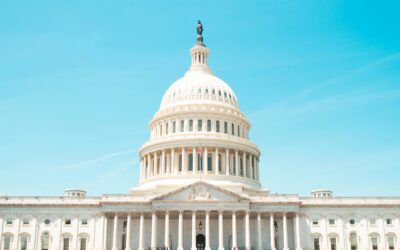
Decisive Action: Trump Announces Near-Total Neutralization of Iranian Missile Threat
In a major strategic update from the Oval Office today, March 26, 2026, President Trump declared a landmark victory in the ongoing conflict with the Islamic Republic. Following weeks of high-intensity surgical strikes aimed at dismantling the regime’s offensive capabilities, the President announced that U.S. and allied forces have successfully “knocked out close to 90% of their missile launchers.” At The Modern Memo, we analyze the data behind the air campaign, the technological edge that enabled this rapid degradation, and why “Maximum Pressure” has evolved into “Maximum Results.” The Numbers: Dismantling the Arsenal The President’s announcement follows a series of concentrated waves of “Project Nightfall” strikes, utilizing a combination of B-21 Raider stealth bombers and carrier-based F-35C squadrons. The Scale of Attrition: Before the conflict began, intelligence estimates placed Iran’s mobile and silo-based missile inventory at over 3,000 units. According to the Pentagon, recent sorties have targeted the Khatam al-Anbiya air defense bases and several underground “missile cities,” effectively rendering the regime’s long-range threat inert. Precision Over Saturation: Unlike the “carpet bombing” tactics of previous eras, this campaign utilized hyper-accurate kinetic munitions to collapse tunnel entrances and destroy launchers with zero to minimal civilian collateral damage. The “90%” Milestone: Reaching the 90% threshold essentially removes Iran’s ability to conduct a sustained ballistic saturation attack against Israel or U.S. assets in the Gulf, shifting the balance of power permanently toward Washington. Intelligence Dominance: No Place to Hide The success of the campaign is being attributed to a “god’s-eye view” provided by a new constellation of low-earth orbit (LEO) surveillance satellites and high-altitude long-endurance (HALE) drones. Tracking the Mobile Threat: Historically, Iran’s greatest strength was its ability to hide mobile launchers in rugged terrain or civilian areas. Enhanced thermal imaging and AI-driven pattern recognition allowed U.S. commanders to track these units in real-time, striking them the moment they emerged from cover. Cyber Interference: Sources indicate that a parallel cyber offensive disrupted the regime’s command-and-control (C2) networks, preventing many crews from receiving launch orders or coordinates before their positions were compromised. Strategic Consequences: Peace Through Depletion President Trump’s rhetoric remains focused on a singular goal: forcing the regime to the table by removing its teeth. Ending the Proxy Shield: Without its missile umbrella, Tehran can no longer effectively shield its proxies in Lebanon and Yemen. The “deterrence” that Iran spent four decades building has been dismantled in less than a month. The Trump Doctrine in Action: “I told them we weren’t going to play games,” the President told reporters. “They thought they could close the Strait and threaten our allies. They were wrong. Now they have almost nothing left to launch. We want peace, but it has to be a peace where they can’t threaten anyone ever again.” Final Word The neutralization of 90% of Iran’s missile launchers is a masterclass in the application of undisputed military might. When you look past the noise of “escalation” warnings and focus on the data—the surgical precision of the strikes and the systematic removal of the regime’s primary leverage—you gain a clearer picture of a conflict that is being won through superior technology and clear-eyed leadership. Quality information replaces the fear of a “regional firestorm” with the reality of a surgical operation designed to restore global stability. It allows you to see this milestone not as an act of warmongering, but as the essential enforcement of a world where the “veto” of a rogue state is no longer recognized. By choosing to back a strategy of total degradation, you align your perspective with the reality that true security is only found when the enemy’s ability to harm is physically removed. Where Facts, Context, and Perspective Matter At The Modern Memo, our goal is simple: to provide clear, well-researched reporting in a media landscape that often feels overwhelming. We focus on substance over sensationalism, and context over commentary. If you value thoughtful analysis, transparent sourcing, and stories that go beyond the headline, we invite you to share our work. Informed conversations start with reliable information, and sharing helps ensure important stories reach a wider audience. Journalism works best when readers engage, question, and participate. By reading and sharing, you’re supporting a more informed public and a healthier media ecosystem. The Modern Memo may be compensated and/or receive an affiliate commission if you click or buy through our links. Featured pricing is subject to change. 📩 Love what you’re reading? Don’t miss a headline! Subscribe to The Modern Memo here!

Reinforcements Arriving: Trump Deploys ICE to Secure Ports and Airports Amid Shutdown
As the Department of Homeland Security (DHS) budget standoff crosses the 40-day mark, President Trump has taken decisive executive action to prevent a total collapse of America’s travel infrastructure. In a high-stakes move aimed at both security and operational continuity, the administration has begun deploying Immigration and Customs Enforcement (ICE) personnel to major international airports and border crossings to bolster a thinning TSA and CBP frontline. At The Modern Memo, we analyze the strategic “backfill” of our nation’s gateways, the pushback from the open-borders caucus, and why this deployment is the necessary answer to a workforce currently stretched to its breaking point. The Mission: Securing the Gates With the DHS shutdown entering its sixth week, “call-out” rates among unpaid TSA screeners have hit double digits in cities like Miami and New York. The President’s directive utilizes the flexible staffing authority of ICE to ensure that federal presence remains visible and functional. Operational Support: ICE Enforcement and Removal Operations (ERO) officers are being stationed at security “hotspots” to assist with perimeter security, crowd management, and secondary inspections. The “Two-Bird” Strategy: Supporters argue this move serves a dual purpose: it relieves exhausted TSA agents while simultaneously placing trained immigration enforcement officers at key transit points—ensuring that those entering or moving through the country are properly vetted even during a fiscal crisis. The Surge: Early reports suggest that over 2,000 agents are being reassigned to the “Airport Support Task Force,” focusing initially on Category X hubs like JFK, LAX, and Hartsfield-Jackson. The Opposition: “Militarization” vs. Management Predictably, the deployment has ignited a firestorm in Washington. Democratic leadership and “sanctuary city” advocates have characterized the move as a political stunt designed to “intimidate” travelers and further the President’s enforcement agenda. The “Intimidation” Narrative: Critics argue that placing ICE agents—officers typically associated with deportations—in public-facing airport roles is a “militarization” of domestic travel. The “Hostage” Claim: Opponents in the Senate suggest the President is “using” ICE to bypass the legislative process, claiming that the proper solution is to sign the funding bill without the increased ICE detention funding he has demanded. The Accountability View: For the administration, the logic is simpler: you cannot have a national security agency sit idle while the nation’s borders are under-protected. If the “essential” workforce is thinning, you bring in the professionals who are already on the payroll. A System Under Pressure The deployment comes just days after the tragic runway collision at LaGuardia, an event that many have linked to the fatigue and staffing shortages caused by the $0 paychecks. The Safety Mandate: White House officials have framed the ICE deployment as a direct response to the safety vacuum. “We will not allow our skies to become less safe because of a budget fight,” a senior official stated. The Moral Boost: While some travelers may be surprised to see ICE uniforms at the checkpoint, many remaining TSA officers have expressed relief at the additional “boots on the ground,” noting that any help is welcome as they face massive Spring Break crowds without their own pay. Final Word The deployment of ICE to our nation’s airports is a bold assertion of executive responsibility in a time of legislative failure. When you look past the noise of “intimidation” rhetoric and focus on the data—the rising security wait times, the record TSA call-outs, and the critical need for vetted personnel—you gain a clearer picture of an administration refusing to let the country’s guard down. Quality information replaces the fear of “militarization” with the clarity of common-sense staffing. It allows you to see this move not as an overreach, but as the essential enforcement of a secure travel environment. By choosing to back the reinforcements at our gates, you align your perspective with the reality that security doesn’t take a day off—even if the budget does. Where Facts, Context, and Perspective Matter At The Modern Memo, our goal is simple: to provide clear, well-researched reporting in a media landscape that often feels overwhelming. We focus on substance over sensationalism, and context over commentary. If you value thoughtful analysis, transparent sourcing, and stories that go beyond the headline, we invite you to share our work. Informed conversations start with reliable information, and sharing helps ensure important stories reach a wider audience. Journalism works best when readers engage, question, and participate. By reading and sharing, you’re supporting a more informed public and a healthier media ecosystem. The Modern Memo may be compensated and/or receive an affiliate commission if you click or buy through our links. Featured pricing is subject to change. 📩 Love what you’re reading? Don’t miss a headline! Subscribe to The Modern Memo here!

The Sovereignty Shield: President Trump Demands Senate Action on House-Approved SAVE America Act
In a direct challenge to the legislative status quo, President Donald J. Trump utilized his post-State of the Union momentum to issue a stern directive to the United States Senate: Pass the Safeguard American Voter Eligibility (SAVE) America Act. Following its successful passage in the House, the bill—which mandates documentary proof of citizenship for federal voter registration—now sits at a critical crossroads in the upper chamber. At The Modern Memo, we analyze the push for “One Citizen, One Vote,” the data behind the border-voter connection, and the administration’s strategy to force a floor vote on election integrity. The Core Mandate: Ending “Honor System” Registration The SAVE America Act is designed to close a loophole created by the 1993 National Voter Registration Act (NVRA), which currently allows individuals to register for federal elections simply by checking a box asserting they are citizens—often without providing a shred of physical evidence. The Documentary Standard: The bill requires states to obtain proof of citizenship (such as a birth certificate, passport, or naturalization papers) before adding an individual to the federal voter rolls. Cleaning the Rolls: In addition to new registrations, the Act empowers states to utilize existing federal databases to cross-reference and purge non-citizens from current registries. The “Integrity Gap”: President Trump has characterized the current “honor system” as an invitation for foreign interference and a betrayal of the legal American voter. “If you can’t prove who you are and where you’re from, you shouldn’t be deciding the future of this country,” the President stated. The Border Connection: Protecting the Franchise The administration’s urgency is inextricably linked to the historic influx of illegal crossings over the past several years. Proponents of the bill argue that without a citizenship requirement, the “weaponization” of the border could lead to the dilution of the American vote. Mass Parole Concerns: With millions of individuals entered into the country under various parole programs, the administration warns that “automatic” registration at DMV offices (Motor Voter laws) creates a systemic risk where non-citizens are inadvertently—or intentionally—added to the rolls. The Deterrence Factor: By making it a federal requirement to show proof of citizenship, the SAVE Act serves as a legal deterrent against non-citizen participation, which current law makes difficult to prosecute after the fact. The Senate Standoff: Forcing the Vote While the House passed the measure with unified Republican support and a handful of centrist Democrats, the Senate remains the primary obstacle. The Filibuster Factor: Senate leadership has signaled resistance, labeling the bill “unnecessary” and “voter suppression.” However, President Trump has called for a “clean vote,” urging Senate Republicans to use every procedural tool available to force a public tally. Public Sentiment: Polling consistently shows that a vast majority of Americans—including nearly 70% of independents—support the requirement of showing a photo ID or proof of citizenship to vote. The “Transparency” Ultimatum: The White House has signaled that it intends to make the SAVE Act a “litmus test” for the 2026 midterm elections, framing any vote against it as a vote against the foundational principle of national sovereignty. Final Word The push for the SAVE America Act isn’t just a policy debate; it’s a battle for the core of the American republic. When you look past the legacy media’s framing of “suppression” and focus on the data of millions of unverified registrations and the technicality of closing the 1993 “check-box” loophole, you gain a clearer picture of an effort to restore trust in our democratic process. Quality information replaces the noise of partisan rhetoric with the clarity of constitutional requirements. It allows you to see this bill as a common-sense shield for the value of your vote. By choosing to support the verification of citizenship rather than the continuation of the status quo, you align your perspective with the realities of national security and support a more informed, resilient electorate. Where Facts, Context, and Perspective Matter At The Modern Memo, our goal is simple: to provide clear, well-researched reporting in a media landscape that often feels overwhelming. We focus on substance over sensationalism, and context over commentary. If you value thoughtful analysis, transparent sourcing, and stories that go beyond the headline, we invite you to share our work. Informed conversations start with reliable information, and sharing helps ensure important stories reach a wider audience. Journalism works best when readers engage, question, and participate. By reading and sharing, you’re supporting a more informed public and a healthier media ecosystem. The Modern Memo may be compensated and/or receive an affiliate commission if you click or buy through our links. Featured pricing is subject to change. 📩 Love what you’re reading? Don’t miss a headline! Subscribe to The Modern Memo here!
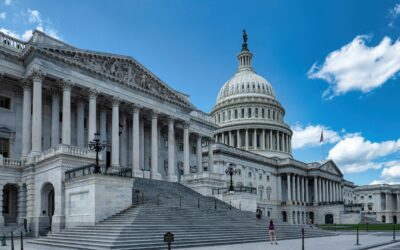
The Golden Age of America: President Trump Defiantly Declares the Union “Rich, Strong, and Winning”
In a marathon address that clocked in as the longest in modern history, President Donald J. Trump delivered the 2026 State of the Union last night, painting a picture of an American resurgence that he dubbed “a turnaround for the ages.” Speaking to a packed and often raucous House chamber on Tuesday, February 24, 2026, the President leveraged his signature “America First” rhetoric to tout a roaring economy and a locked-down border, even as he signaled a more aggressive stance toward foreign adversaries. At The Modern Memo, we break down the highlights of the nearly two-hour speech, from the “Made-for-TV” hero tributes to the bold new directives for 2026. “Winning Like Never Before”: The Economic Victory Lap The President spent the first hour of his address focused on what he called the “Trump Boom,” a direct rebuttal to critics of his trade and tariff policies. The 5% GDP Goal: Trump boasted that his administration’s mix of tax cuts—specifically the elimination of taxes on tips and overtime—and aggressive deregulation through the Department of Government Efficiency (DOGE) has pushed GDP growth toward 5%. Stock Market at 50,000: The President celebrated the Dow Jones Industrial Average hitting historic milestones, calling it “the greatest wealth-building machine in human history.” Energy Dominance: Trump reiterated that “beautiful, clean energy” and record-breaking domestic oil production have slashed input costs for manufacturers, promising that gas prices would continue to fall as the “war on energy” ends. Security and Sovereignty: The “War on Fraud” and the Border The mood in the chamber turned combative when the President pivoted to domestic security and immigration enforcement. The “War on Fraud”: Trump announced a new, sweeping initiative to root out “billions in waste and theft” within the federal system, sparking a shouting match with some Democratic lawmakers. Zero-Crossing Goal: Pointing to data showing border encounters at a 50-year low, Trump declared that the era of “catch and release” is buried. “The first duty of the American government is to protect American citizens, not illegal aliens,” he said to thunderous Republican applause. National Guard Recognition: In a somber moment, the President honored the memory of Sarah Beckstrom, a 20-year-old National Guard member killed in the line of duty, using the moment to call for a “final victory” over cartel-driven crime. Foreign Policy: The Board of Peace and the Iran Threat President Trump signaled that while he prefers diplomacy, his “Peace Through Strength” doctrine is entering a more kinetic phase. Gaza and the Board of Peace: Trump touted the “Deal of the Century” for Gaza, highlighting the work of the newly formed Board of Peace to reconstruct the region under a “New Gaza” vision of free-market prosperity. The Iran Ultimatum: In one of the night’s most striking sections, Trump claimed the U.S. had “obliterated” Iran’s nuclear program in previous strikes but warned that Tehran is “pursuing sinister ambitions” again. He kept all military options on the table, asserting he would never allow the world’s “number one sponsor of terror” to obtain a nuclear weapon. Ending the “Slaughter” in Ukraine: Trump noted he is “working hard” to end the Russia-Ukraine war, claiming it would never have happened under his watch and that “25,000 soldiers are dying every month” unnecessarily. Made-for-TV Moments: Medals and Miracles True to form, the President utilized the House gallery to highlight American excellence. Olympic Gold: The U.S. men’s hockey team, fresh off their gold medal win in Italy, received a bipartisan standing ovation. Trump surprised goaltender Connor Hellebuyck by announcing he would receive the Presidential Medal of Freedom. Reuniting Families: In a highly emotional moment, Trump introduced Alejandra Gonzales, a woman whose uncle had been a political prisoner of the Maduro regime in Venezuela. Trump then revealed her uncle was in the chamber, having been recently released following a U.S. military operation that the President credited with “restoring liberty” to the country. Final Word Yesterday’s State of the Union was a masterclass in the Trumpian “Merit and Might” philosophy. When you look past the partisan heckling and the “fact-checks” from the legacy press, you see a roadmap for an administration that is doubling down on its 2024 mandate. Quality information replaces the noise of political theatre with the clarity of economic data and strategic shifts. It allows you to see this address as a definitive break from the “stagnation” of the previous decade. By choosing to analyze the President’s actual benchmarks for the “Golden Age” rather than the slogans, you align your perspective with the realities of a nation reshaping its future and support a more informed, resilient republic. Where Facts, Context, and Perspective Matter At The Modern Memo, our goal is simple: to provide clear, well-researched reporting in a media landscape that often feels overwhelming. We focus on substance over sensationalism, and context over commentary. If you value thoughtful analysis, transparent sourcing, and stories that go beyond the headline, we invite you to share our work. Informed conversations start with reliable information, and sharing helps ensure important stories reach a wider audience. Journalism works best when readers engage, question, and participate. By reading and sharing, you’re supporting a more informed public and a healthier media ecosystem. The Modern Memo may be compensated and/or receive an affiliate commission if you click or buy through our links. Featured pricing is subject to change. 📩 Love what you’re reading? Don’t miss a headline! Subscribe to The Modern Memo here!
- 1
- 2