
President Trump

Trump Warns of Direct Strikes on Tehran if Iran Keeps Targeting Ships in the Strait of Hormuz
President Trump escalated his warnings to Iran this week, threatening to strike a bridge or power plant inside the country — potentially in Tehran itself — every time Iranian forces attack a ship passing through the Strait of Hormuz, as the conflict between the two nations grinds on well past the timeline the administration initially suggested. Trump threatened that the U.S. would destroy an Iranian bridge or power plant, including in Tehran, each time Iran attacks a ship in the Strait of Hormuz. The United States has already bombed bridges in southern Iran over the course of nearly two weeks of fighting, and striking power plants or Tehran directly would represent a further escalation. Iran Responds Tehran isn’t backing down either. Iranian Foreign Minister Abbas Araghchi responded that Iran’s defense doctrine operates on an “eye for an eye” basis, and warned countries that actively support U.S. attacks against Iran that they, too, could face consequences. U.S. forces have continued strikes on the Iran-Iraq border region as the conflict enters nearly two straight weeks of near-nightly engagement. The Bigger Picture The war began in late February with joint U.S.-Israeli strikes that killed Iran’s supreme leader, and administration officials initially suggested the conflict could be resolved within roughly 60 days. Nearly five months later, American forces remain actively engaged, and the fight over control of the Strait of Hormuz — one of the world’s most critical oil shipping chokepoints — shows no signs of a near-term resolution. Supporters of the administration’s approach argue that decisive, escalating pressure is the only language the Iranian regime understands, and that half-measures would only prolong the conflict and put U.S. personnel and allies at greater risk. Critics in Congress, including some Democrats, have pressed the administration for a clearer explanation of the war’s endgame and its mounting cost, which has already climbed past $80 billion — more than double the amount originally projected for Congress. This story is developing.
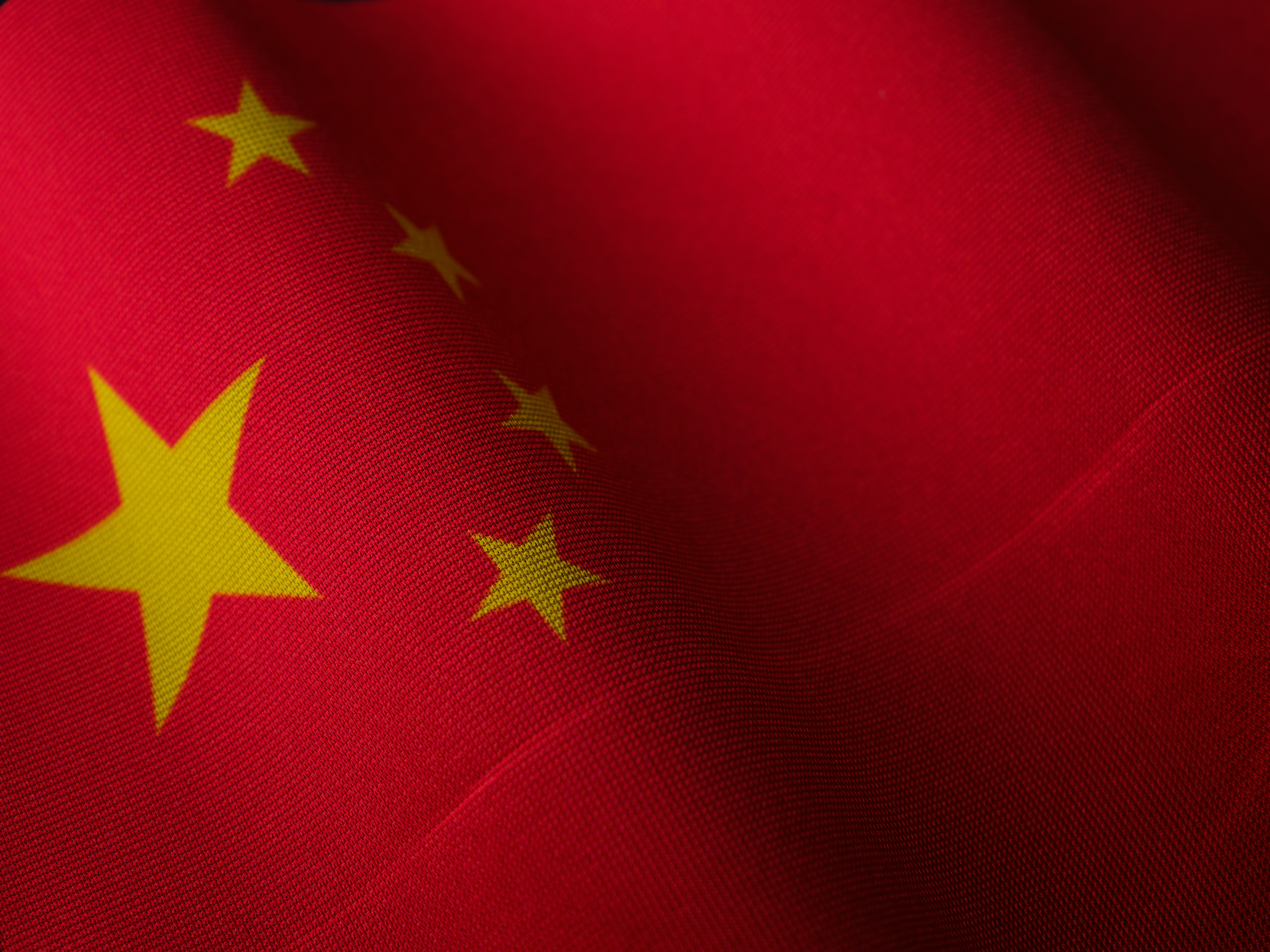
Beijing Breakthrough: Xi Jinping Pledges to Halt Military Aid to Iran and Reopen the Strait of Hormuz
In a major diplomatic pivot that has sent shockwaves through the Middle East, President Donald Trump announced that Chinese President Xi Jinping has personally pledged to help end the spiraling conflict with the Iranian regime. Speaking from Beijing at the conclusion of his historic state visit, the President revealed that China has committed to an immediate cessation of military equipment transfers to Tehran and is now actively seeking a resolution to the global energy crisis. At The Modern Memo, we analyze the “Art of the Deal” on the world stage, the strategic isolation of Iran, and why the reopening of the Strait of Hormuz is now within sight. 1. The Beijing Pledge: Cutting the Cord to Tehran The most explosive revelation from the bilateral meetings is China’s commitment to withdraw its logistical and military support for the Ayatollah’s war machine. No More Weapons: President Trump confirmed that Xi Jinping gave his “absolute word” that China would not provide any military equipment, technology, or dual-use hardware to Iran as long as hostilities persist. Ending the “Dark Fleet”: Sources indicate that the two leaders discussed a coordinated crackdown on “dark fleet” tankers—unmarked vessels that have allowed Iran to bypass American sanctions by selling oil to Chinese refineries. Strategic Reversal: For years, Beijing has acted as a financial and military lifeline for the IRGC. This sudden pivot marks a significant calculation by Xi that his relationship with a resurgent America is more valuable than his partnership with a crumbling regime in Tehran. 2. Reopening the Arteries of Global Trade The President also signaled that China is now aligned with the U.S. goal of restoring order to the world’s most critical maritime chokehold. The Hormuz Mandate: President Trump stated that Xi Jinping “would very much like to see the Strait of Hormuz reopened immediately.” The blockade, a result of the ongoing Operation Epic Fury, has sent global energy costs skyrocketing, impacting China’s manufacturing-heavy economy. Escalation vs. Stability: By advocating for the reopening of the Strait, Xi is effectively telling Iran that China will not tolerate the continued disruption of the global “energy belt.” This removes Tehran’s primary leverage against the West. Freedom of Navigation: The U.S. and China have reportedly agreed to establish a “hotline” to coordinate naval movements in the Gulf to prevent accidental escalations during the de-escalation phase. 3. The Trump Doctrine: Results Through Realism Critics of the administration’s aggressive posture in the Persian Gulf are being silenced as the “Maximum Pressure” campaign yields its biggest fruit yet: a cooperative China. Dealmaking Over Diplomacy: While previous administrations sought “consensus” through multilateral groups, this President leveraged direct trade negotiations and American naval dominance to force Beijing to the table. The “Peace Through Strength” Dividend: Analysts note that the U.S. carrier presence in the region made it clear to Xi that the Iranian conflict would only end on American terms, prompting China to pick the winning side. A Looming Ceasefire? With its largest patron turning its back, the Iranian regime is now more isolated than at any point since 1979. The President noted that “great things are going to happen” regarding a potential ceasefire, suggesting that the “Epic Fury” campaign may be entering its final chapters. Final Word The breakthrough in Beijing is the definitive proof that American leadership is once again the primary engine of global stability. When you look past the noise of “regional instability” and focus on the data—the halting of Chinese military aid and the joint push to reopen the Strait—you gain a clearer picture of a superpower that has successfully outmaneuvered its rivals. Quality information replaces the narrative of “endless war” with the reality of a strategic victory that was won through iron-fisted negotiation and unwavering strength. It allows you to see that while the conflict with Iran isn’t over, the path to peace now runs through a deal made in Beijing. By choosing to bring Xi Jinping into the fold, the President has ensured that the “Strait of Hormuz” remains an international waterway, not an Iranian playground. Where Facts, Context, and Perspective Matter At The Modern Memo, our goal is simple: to provide clear, well-researched reporting in a media landscape that often feels overwhelming. We focus on substance over sensationalism, and context over commentary. If you value thoughtful analysis, transparent sourcing, and stories that go beyond the headline, we invite you to share our work. Informed conversations start with reliable information, and sharing helps ensure important stories reach a wider audience. Journalism works best when readers engage, question, and participate. By reading and sharing, you’re supporting a more informed public and a healthier media ecosystem. The Modern Memo may be compensated and/or receive an affiliate commission if you click or buy through our links. Featured pricing is subject to change. 📩 Love what you’re reading? Don’t miss a headline! Subscribe to The Modern Memo here!
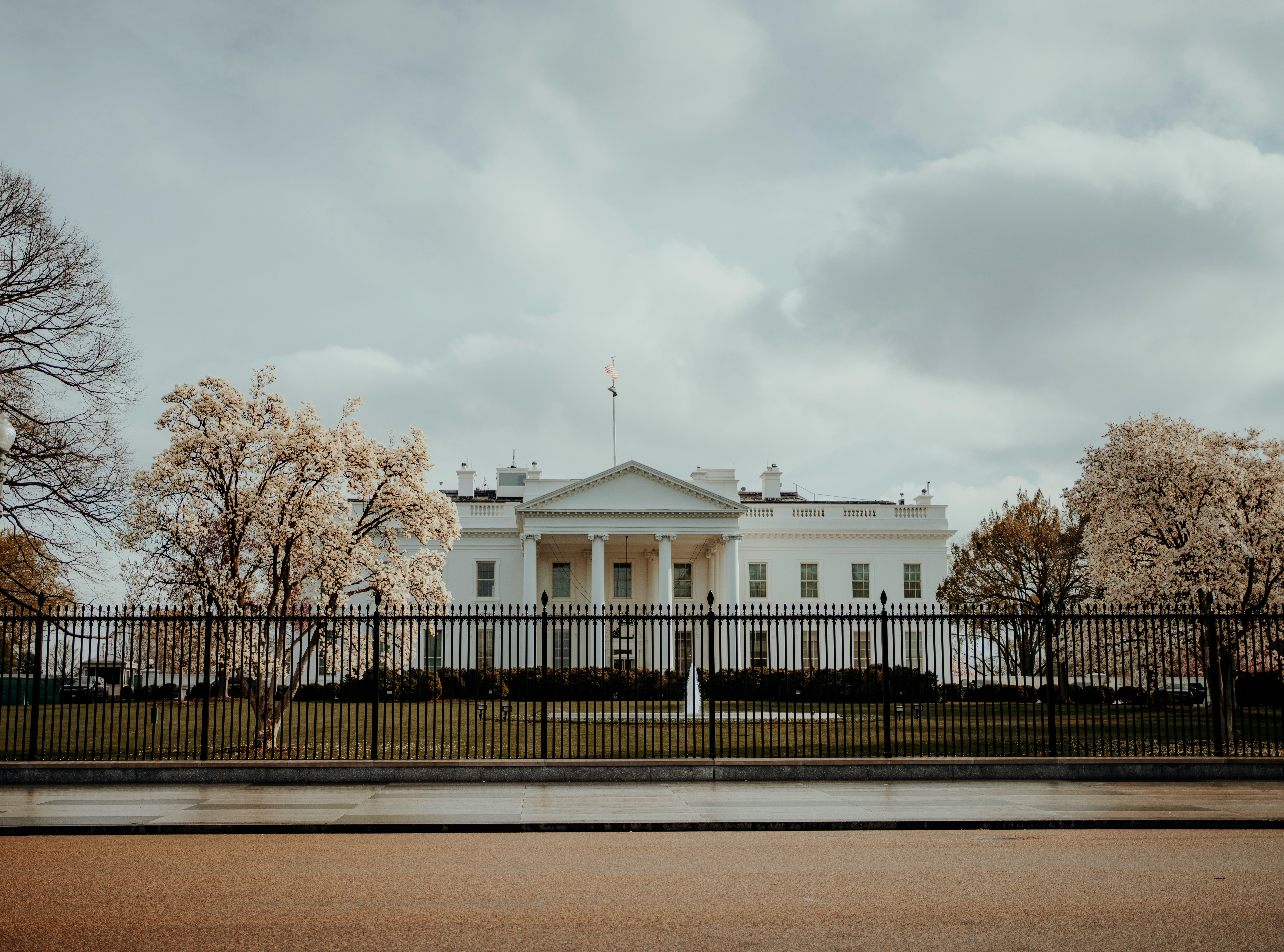
A Tale of Two Georges: King Charles III Urges Unity in Historic Address to Congress Following Oval Office Meeting
In a moment steeped in both royal pageantry and high-stakes diplomacy, King Charles III made history on Tuesday, April 28, 2026, becoming the first British monarch in 35 years to address a joint meeting of the U.S. Congress. The visit, marking the 250th anniversary of American independence, served as a powerful—if subtle—diplomatic charm offensive amid growing transatlantic tensions over the conflict in Iran and trade policy. At The Modern Memo, we analyze the King’s “unshakeable” message to a divided Washington, the freewheeling Oval Office meeting with President Trump, and why this state visit is being framed as a vital repair mission for the “Special Relationship.” The Oval Office: Handshakes and “Fantastic” Reviews The day began at the White House, where President Trump and First Lady Melania Trump welcomed the King and Queen Camilla with a military parade and jet flyover on the South Lawn. The Meeting: Following the ceremony, the King and the President held a private meeting in the Oval Office. Trump, who has frequently touted his admiration for the British monarchy, described the session as “really good,” calling the King a “fantastic person.” Bridging the Rift: Behind the scenes, the meeting was tasked with smoothing over public disagreements between Trump and British Prime Minister Keir Starmer. While Trump has criticized London’s refusal to join the U.S. blockade on Iran, the King’s presence acted as a stabilizing force, shifting the focus from policy disputes to historic kinship. The Historic Address: “A Tale of Two Georges” Standing before a packed House chamber, King Charles delivered a nearly 30-minute speech that balanced wit with solemnity. He notably referenced his ancestor, King George III, and America’s first president, George Washington. The Reconciliation: “King George never set foot in America and, please rest assured, I am not here as part of some cunning rearguard action!” the King joked, drawing laughter from both sides of the aisle. Standing Against Violence: In a poignant moment that earned a standing ovation, the King addressed the shooting at the White House Correspondents’ Dinner just days prior. “Such acts of violence will never succeed,” he declared. “Whatever our differences… we stand united in our commitment to uphold democracy.” Global Priorities: The King urged “unyielding resolve” in the defense of Ukraine and emphasized the “collapse of critical natural systems,” a subtle nod to his lifelong advocacy for environmental preservation as a matter of national security. The “indispensable” Alliance The King’s address was not just about the past; it was a firm call for a shared future in an increasingly volatile world. NATO and Security: Addressing the Republican-controlled Congress, Charles highlighted the “indispensable partnership” of NATO, describing the commitment of the U.S. Armed Forces as the “heart” of Western defense. Economic Foundations: At a time when the administration has threatened new tariffs, the King reminded lawmakers that the U.S.-U.K. commercial ties are the “strong foundations on which to continue to build for generations yet unborn.” Final Word The state visit of King Charles III is a masterclass in “soft power” during a “hard power” era. When you look past the noise of the “Iran rift” and focus on the data—the bipartisan standing ovations and the reaffirmation of the NATO alliance—you gain a clearer picture of a relationship that remains too big to fail. Quality information replaces the headlines of “transatlantic tension” with the reality of an alliance that has survived 250 years of revolution, world wars, and political shifts. It allows you to see that while presidents and prime ministers may disagree, the “Special Relationship” is anchored in something deeper than a single policy. By choosing to stand in the “citadel of democracy,” the King has ensured that even in a time of conflict, the bridge between London and Washington remains open. Where Facts, Context, and Perspective Matter At The Modern Memo, our goal is simple: to provide clear, well-researched reporting in a media landscape that often feels overwhelming. We focus on substance over sensationalism, and context over commentary. If you value thoughtful analysis, transparent sourcing, and stories that go beyond the headline, we invite you to share our work. Informed conversations start with reliable information, and sharing helps ensure important stories reach a wider audience. Journalism works best when readers engage, question, and participate. By reading and sharing, you’re supporting a more informed public and a healthier media ecosystem. The Modern Memo may be compensated and/or receive an affiliate commission if you click or buy through our links. Featured pricing is subject to change. 📩 Love what you’re reading? Don’t miss a headline! Subscribe to The Modern Memo here!
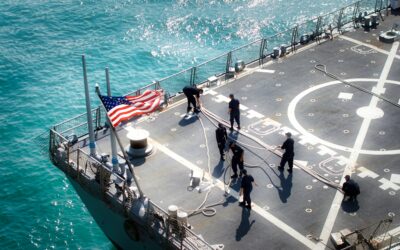
The Anchor Holds: U.S. Navy Opens Fire and Seizes Iranian Tanker as Blockade Defiance Met with Force
The “Absolute Anchor” policy shifted from a strategic standoff to a kinetic engagement today, April 20, 2026. In a decisive show of force, a U.S. Navy destroyer opened fire on and subsequently seized an Iranian-flagged tanker attempting to run the blockade in the Strait of Hormuz. The engagement has sent shockwaves through the region, casting a dark shadow over the fragile peace negotiations previously scheduled to resume in Pakistan. At The Modern Memo, we analyze the tactical necessity of the engagement, the “Zero-Tolerance” enforcement of the blockade, and why the “Islamabad Track” is now on life support. The Engagement: Warning Shots Ignored The incident occurred in the early hours of Monday morning when an Iranian VLCC (Very Large Crude Carrier), the Sahand-4, ignored multiple orders to divert course. The Escalation: After the tanker accelerated toward the exclusion zone and turned its transponders off, a U.S. Navy destroyer—acting under the President’s standing orders to “neutralize blockade runners”—fired a series of warning shots. The Seizure: When the vessel refused to heave to, the Navy transitioned to “disabling fire,” targeting the ship’s steering gear before an elite SEAL team fast-roped onto the deck. The vessel is currently being towed to a neutral port for inspection and cargo impoundment. No Apologies: “We told them the door was closed. They tried to kick it open. Now they’ve lost their ship,” a senior Pentagon official remarked, emphasizing that the Navy will not hesitate to protect the integrity of the blockade. The Pakistan Collapse: Peace Talks in Peril The smoke from the engagement has clouded the diplomatic horizon. Just as officials were preparing to return to Islamabad for a second round of ceasefire negotiations, the Iranian delegation has signaled a potential withdrawal. The Islamabad Uncertainty: Sources in the Pakistani government report that the Iranian side is now calling the naval seizure an “act of piracy” and a violation of the “spirit” of the previous talks. The Trump Ultimatum: The White House remains unmoved by the diplomatic posturing. The President has made it clear that the blockade is a separate reality from the talks—diplomacy is for the table, but the blockade is for the water. “You don’t negotiate your way out of a blockade; you surrender your way out of it,” a Trump advisor noted. Strategic Clarity: Why the Seizure Matters For critics who argued the blockade was “merely symbolic,” Monday’s engagement provides a stark reality check. Ending the “Ghost” Trade: By seizing the Sahand-4, the U.S. has sent a message to the “Dark Fleet” of tankers that have been propping up the mullahs for years. The risks of running the blockade now include the total loss of the asset. Energy Stability: Despite the fire, global oil markets remained relatively stable, as the President’s “Completely Open” policy for allied tankers continues to ensure that legitimate energy supplies reach their destinations without interruption. Final Word The seizure of the Iranian tanker is the inevitable result of a regime that mistakes American patience for a lack of resolve. When you look past the noise of “diplomatic tension” and focus on the data—the successful neutralization of a blockade runner and the U.S. Navy’s uncontested control of the Strait—you gain a clearer picture of an administration that values action over empty rhetoric. Quality information replaces the anxiety of a “wider war” with the reality of a surgical, effective enforcement of national security. It allows you to see that the road to Islamabad was always going to be paved with the wreckage of those who defied the “Absolute Anchor.” By choosing to fire today, the U.S. has ensured that the talks tomorrow—if they happen—will be on American terms. Where Facts, Context, and Perspective Matter At The Modern Memo, our goal is simple: to provide clear, well-researched reporting in a media landscape that often feels overwhelming. We focus on substance over sensationalism, and context over commentary. If you value thoughtful analysis, transparent sourcing, and stories that go beyond the headline, we invite you to share our work. Informed conversations start with reliable information, and sharing helps ensure important stories reach a wider audience. Journalism works best when readers engage, question, and participate. By reading and sharing, you’re supporting a more informed public and a healthier media ecosystem. The Modern Memo may be compensated and/or receive an affiliate commission if you click or buy through our links. Featured pricing is subject to change. 📩 Love what you’re reading? Don’t miss a headline! Subscribe to The Modern Memo here!
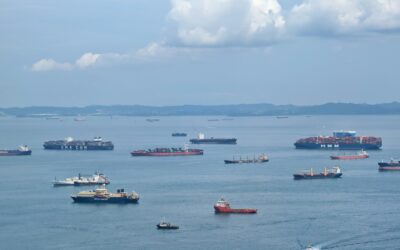
“Completely Open”: Trump Declares Freedom of Navigation for Allies While Iranian Ports Remain Under Lockdown
In a display of strategic dominance that has redefined maritime security, President Trump declared today, April 17, 2026, that the Strait of Hormuz is “completely open” for global commerce. The announcement serves as a victory lap for the administration’s “Absolute Anchor” policy—a surgical naval operation that has successfully bifurcated the region’s waters: keeping the world’s energy lanes flowing while keeping the Iranian regime’s war machine in a total chokehold. At The Modern Memo, we analyze the “dual-track” success of the U.S. Navy, the failure of Tehran’s “closure” threats, and why the President is calling this the “greatest stabilization of the Gulf in fifty years.” Freedom for Commerce, Lockdown for Rogue Trade The President’s morning briefing from the Oval Office clarified what many international observers were struggling to grasp: the blockade is not a “blanket” closure of the region, but a high-tech filter designed to punish the aggressor while rewarding global partners. The Open Gate: Tankers bound for Europe, Japan, and the UAE are moving through the Strait of Hormuz with U.S. Navy escorts, ensuring that oil prices—which spiked earlier this month—continue their steady decline toward pre-war levels. The Iranian Lockdown: Conversely, the blockade of Iranian-specific ports remains “ironclad.” Every vessel entering or exiting Iranian waters is being intercepted, boarded, or turned back. “The world gets its energy, but the mullahs don’t get their cash,” the President noted. Technological Superiority: The U.S. 5th Fleet is utilizing advanced drone swarms and satellite “dark-ship” tracking to ensure that no “ghost tankers” can slip through the cracks to fund the IRGC. Calling Tehran’s Bluff Just days ago, the Iranian leadership vowed to turn the Persian Gulf into a “graveyard” for American ships. Today, those threats appear increasingly hollow as the U.S. Navy continues its uncontested “policing” of the Strait. Hollow Retaliation: Despite the rhetoric of “sinking ships,” the Iranian Navy has largely remained in port, unwilling to face the Aegis-equipped destroyers that now sit at the mouth of the Strait. The “Police” of the Gulf: President Trump leaned into the “Police” label that Iranian officials meant as an insult. “They call me the policeman of the Strait. I like that. It’s a good title. We’re keeping the neighborhood safe from the neighborhood bully,” he told reporters. The Economic Pivot: Oil Prices Stabilize The “Completely Open” status of the Strait has sent a powerful signal to global markets, effectively neutralizing the “energy blackmail” that Iran has used as leverage for decades. Market Confidence: Brent crude futures dropped another $4.00 per barrel following the President’s statement, as insurance underwriters began lowering “War Risk” premiums for non-Iranian vessels. The Beijing Factor: By keeping the Strait open for Chinese-bound tankers (provided they aren’t carrying Iranian oil), Trump has successfully de-escalated tensions with Beijing ahead of the May summit. China, the world’s largest energy importer, now has a vested interest in the success of the U.S. maritime security plan. Final Word The “Completely Open” Strait of Hormuz is the ultimate manifestation of “Peace Through Strength.” When you look past the noise of “regional escalation” and focus on the data—the unimpeded flow of allied tankers and the total paralysis of Iranian exports—you gain a clearer picture of a superpower that has mastered the art of calibrated force. Quality information replaces the fear of a “global energy crisis” with the reality of a disciplined naval blockade that targets the regime without punishing the world. It allows you to see that the Strait isn’t just a waterway; it’s a testament to American resolve. By choosing to hold the Iranian ports while freeing the Strait, the President has ensured that the only thing “closed” in the Middle East is the door to state-sponsored terror. Where Facts, Context, and Perspective Matter At The Modern Memo, our goal is simple: to provide clear, well-researched reporting in a media landscape that often feels overwhelming. We focus on substance over sensationalism, and context over commentary. If you value thoughtful analysis, transparent sourcing, and stories that go beyond the headline, we invite you to share our work. Informed conversations start with reliable information, and sharing helps ensure important stories reach a wider audience. Journalism works best when readers engage, question, and participate. By reading and sharing, you’re supporting a more informed public and a healthier media ecosystem. The Modern Memo may be compensated and/or receive an affiliate commission if you click or buy through our links. Featured pricing is subject to change. 📩 Love what you’re reading? Don’t miss a headline! Subscribe to The Modern Memo here!
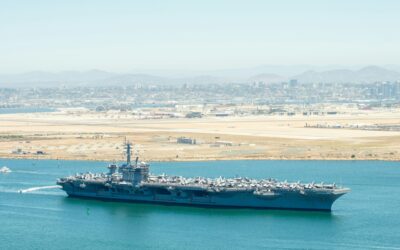
Hollow Threats: Tehran Vows to Sink U.S. Navy as Trump’s Blockade Strangles Rogue Regime
As President Trump’s naval blockade enters its fourth decisive day, the desperate regime in Tehran has resorted to its oldest tactic: bluster. On Thursday, April 16, 2026, Mohsen Rezaei, a top military adviser to Iran’s Supreme Leader, issued a provocative threat to sink U.S. warships currently patrolling the Strait of Hormuz. At The Modern Memo, we analyze the failure of Iranian deterrence, the “hostage-for-billions” extortion plot, and why the U.S. Navy remains the undisputed “Police of the Gulf.” The “Missile Threat” Myth Dressed in military fatigues on state television, Rezaei—a former Revolutionary Guard commander—warned that U.S. ships are “exposed to our missiles” and would be “sunk by our first strikes.” The Reality on the Water: Despite the rhetoric, U.S. Central Command (CENTCOM) confirms the blockade is “fully implemented” and 100% effective. In the first 72 hours, not a single vessel has breached the line. The “Police” of the Strait: Rezaei mocked President Trump’s role as the “Police of the Strait of Hormuz,” asking if this was truly the job of a powerful army. The answer from Washington is a resounding yes. By securing the world’s most vital energy artery, the U.S. is protecting the global economy from Iranian piracy. Desperate Extortion: The $1 Billion Hostage Plot Perhaps most revealing was Rezaei’s admission that the regime is hoping for a U.S. ground invasion. Why? Because the Islamic Republic is running out of cash and looking for new victims to kidnap. Billion-Dollar Ransom: Rezaei stated it would be “great” if U.S. forces invaded because Iran could “take thousands of hostages” and demand $1 billion per person. The Strategy of Terror: This open admission of state-sponsored kidnapping proves that the regime is no longer a functioning government, but a criminal enterprise. The Trump administration’s refusal to put boots on the ground—opting instead for the “Absolute Anchor” naval blockade—has left the mullahs with no one to capture and no way to pay their bills. Diplomacy is Dead: The Islamabad Failure The current escalation follows the total collapse of the Islamabad talks earlier this week. Iran’s rejection of a ceasefire has left them in a self-imposed “quarantine.” Economic Asphyxiation: Analysts estimate the blockade is costing Tehran $400 million a day in lost revenue. The May Deadline: With a historic summit between President Trump and President Xi looming in May, Iran is watching its last global lifelines vanish. Beijing has already signaled it will prioritize energy stability over propping up a failing revolutionary state. Final Word Iran’s threat to sink American ships is the bark of a cornered animal. When you look past the noise of “missile warnings” and focus on the data—the zero breaches of the blockade and the regime’s desperate plea for a ground war to take hostages—you gain a clearer picture of an enemy that has lost the initiative. Quality information replaces the fear of “escalation” with the reality of an administration that has successfully neutered a rogue state without firing a single shot on land. It allows you to see that “policing” the Strait isn’t just a job; it’s a necessity for a world that refuses to be held hostage by 20th-century radicals. By choosing to hold the line, the U.S. Navy is ensuring that the only thing sinking in the Persian Gulf is the regime’s hope for survival. Where Facts, Context, and Perspective Matter At The Modern Memo, our goal is simple: to provide clear, well-researched reporting in a media landscape that often feels overwhelming. We focus on substance over sensationalism, and context over commentary. If you value thoughtful analysis, transparent sourcing, and stories that go beyond the headline, we invite you to share our work. Informed conversations start with reliable information, and sharing helps ensure important stories reach a wider audience. Journalism works best when readers engage, question, and participate. By reading and sharing, you’re supporting a more informed public and a healthier media ecosystem. The Modern Memo may be compensated and/or receive an affiliate commission if you click or buy through our links. Featured pricing is subject to change. 📩 Love what you’re reading? Don’t miss a headline! Subscribe to The Modern Memo here!

Peace Through Strength: Global Capitals Salute the “Islamabad Accord” as a Strategic Triumph
Following weeks of high-intensity kinetic operations that brought the Islamic Republic to its knees, the world has entered a new era of stability. On April 8, 2026, world leaders began lining up to praise the “Islamabad Accord”—the historic two-week ceasefire negotiated by the Trump administration. The consensus from global capitals is clear: by combining overwhelming military might with decisive diplomacy, the U.S. has achieved what decades of “soft power” could not. At The Modern Memo, we analyze the international reaction to the truce, the shift in the global power dynamic, and why the “Trump Doctrine” of peace through strength is being hailed as the new gold standard for conflict resolution. A Global Sigh of Relief: Market and Moral Support From the European Union to the Pacific Rim, the response to the ceasefire has been overwhelmingly positive. Leaders who were previously critical of the administration’s aggressive posture are now acknowledging the results. Reopening the Arteries: In Brussels, EU leaders praised the restoration of transit through the Strait of Hormuz. With oil prices plummeting 13% following the announcement, the “energy blackmail” that threatened the global economy has been neutralized. The “Islamabad” Endorsement: Pakistani Prime Minister Shehbaz Sharif, whose government facilitated the final talks, characterized the accord as a “triumph for regional stability.” He credited the President’s willingness to negotiate—but only after the Iranian military’s “offensive teeth” were removed—as the catalyst for the breakthrough. The Israeli Perspective: Security Over Promises Prime Minister Benjamin Netanyahu joined the chorus of praise, though his endorsement came with the “ironclad” caveat that Israel remains vigilant. Validation of Force: The Israeli leadership noted that the ceasefire was only possible because the U.S.-Israeli coalition successfully dismantled 90% of Iran’s missile launchers. “We have shown that the path to peace is paved with the credible threat of force,” an IDF spokesperson noted. Continued Pressure: While Jerusalem supports the pause in infrastructure strikes, they credited the Trump administration for allowing Israel the “strategic space” to continue dismantling Hezbollah’s command structure in Lebanon, which is not covered by the truce. Changing the Narrative: The “Bully” vs. The “Stabilizer” For years, the corporate press labeled the President’s foreign policy as “isolationist” or “reckless.” The Islamabad Accord has effectively shredded that narrative. The Return of Deterrence: Even traditionally neutral nations like Switzerland and India have issued statements commending the “rapid de-escalation.” By setting an 8 PM deadline and then successfully pivoting to a diplomatic framework when the enemy flinched, the President demonstrated a level of strategic agility that has left his domestic critics silent. The “Art of the Deal” 2.0: Supporters point to the release of high-profile hostages and the reopening of trade lanes as tangible “America First” victories that didn’t require a ten-year “forever war” to achieve. Final Word The praise pouring in from world leaders is more than just diplomatic courtesy; it is an admission that strength works. When you look past the noise of the “anti-war” protestors and focus on the data—the cratering oil prices, the reopened shipping lanes, and the regime in Tehran finally coming to the table—you gain a clearer picture of a world that is safer because America stopped apologizing. Quality information replaces the fear of “escalation” with the reality of “restoration.” It allows you to see the Islamabad Accord not as a lucky break, but as the inevitable result of an administration that values American lives and global stability over bureaucratic process. By choosing to support a policy of strength, these world leaders are finally acknowledging that the only way to end a war is to be willing to win it. Where Facts, Context, and Perspective Matter At The Modern Memo, our goal is simple: to provide clear, well-researched reporting in a media landscape that often feels overwhelming. We focus on substance over sensationalism, and context over commentary. If you value thoughtful analysis, transparent sourcing, and stories that go beyond the headline, we invite you to share our work. Informed conversations start with reliable information, and sharing helps ensure important stories reach a wider audience. Journalism works best when readers engage, question, and participate. By reading and sharing, you’re supporting a more informed public and a healthier media ecosystem. The Modern Memo may be compensated and/or receive an affiliate commission if you click or buy through our links. Featured pricing is subject to change. 📩 Love what you’re reading? Don’t miss a headline! Subscribe to The Modern Memo here!
Strategic Sovereignty: Trump and Rubio Confront NATO Chief Over “One-Way Street” Alliance
The post-World War II security architecture faced its most significant “stress test”, as President Trump and Secretary of State Marco Rubio held a high-tension summit with NATO Secretary General Mark Rutte. The meeting follows a week of intense friction over Europe’s refusal to support the U.S.-led coalition during the decisive phases of the Iran conflict—a move that has prompted the administration to officially “reexamine” the 77-year-old alliance. At The Modern Memo, we analyze the President’s demand for “reciprocal loyalty,” the end of the American “security blanket,” and why Europe is finally being told to grow up or go it alone. The Brinkmanship: “Reciprocity is Non-Negotiable” The meeting at the White House yesterday was described by insiders as “blunt” and “transactional.” President Trump reportedly reiterated his stance that NATO has become a “one-way street” where the American taxpayer funds the defense of countries that won’t even grant basing rights when the U.S. is under threat. The Loyalty Gap: Rubio pointed to the specific refusal of Spain, France, and the UK to join the blockade of the Strait of Hormuz. “An alliance isn’t a buffet where you only pick the defense you want,” Rubio stated. “If you aren’t with us when we are neutralizing a rogue state like Iran, why should we be there when your borders are threatened?” The “Reexamination” Clause: The administration has officially signaled that it is reviewing its “Art. 5” commitments, suggesting that U.S. defense guarantees may become “conditional” based on a nation’s contribution to global stability, not just their geographic location. “Learn How to Fight”: The End of Euro-Dependency The President’s message to Secretary General Rutte was a continuation of his long-standing “burden-sharing” campaign, but with a new, sharper edge following the tactical success of the Iran strikes. Sovereign Capability: “It’s time for Europe to start learning how to fight for themselves,” Trump told reporters following the session. He argued that the U.S. can no longer be the “world’s policeman” while European nations use their savings on bloated social programs instead of military readiness. The 5% Ultimatum: While NATO members previously agreed to move toward 5% of GDP in spending, Trump hinted that even that may not be enough if the hardware isn’t interoperable and the political will to use it is absent. The Rutte Response: A House Divided Secretary General Rutte, known for his pragmatic approach to the Trump administration, attempted to downplay the rift, but the tension was palpable. Maintaining Unity: Rutte argued that NATO remains the “most successful alliance in history,” but he struggled to explain the lack of European support in the Gulf. The Shift to the East: Sources indicate that the U.S. is increasingly looking to “mini-lateral” alliances with nations that actually show up—such as Poland, the Baltic states, and Israel—while deprioritizing the “Old Europe” core of the alliance. Final Word The confrontation between the White House and NATO leadership is a necessary correction to a lopsided relationship. When you look past the noise of “diplomatic instability” and focus on the data—the refusal of allies to support the reopening of the Strait and the continued reliance on American stealth tech—you gain a clearer picture of why the President is demanding a total overhaul. Quality information replaces the nostalgia of 1949 with the reality of 2026. It allows you to see this “reexamination” not as an abandonment of our friends, but as a demand for a partnership of equals. By choosing to prioritize American interests first, the administration is ensuring that our military assets are reserved for those who actually stand in the gap with us. Where Facts, Context, and Perspective Matter At The Modern Memo, our goal is simple: to provide clear, well-researched reporting in a media landscape that often feels overwhelming. We focus on substance over sensationalism, and context over commentary. If you value thoughtful analysis, transparent sourcing, and stories that go beyond the headline, we invite you to share our work. Informed conversations start with reliable information, and sharing helps ensure important stories reach a wider audience. Journalism works best when readers engage, question, and participate. By reading and sharing, you’re supporting a more informed public and a healthier media ecosystem. The Modern Memo may be compensated and/or receive an affiliate commission if you click or buy through our links. Featured pricing is subject to change. 📩 Love what you’re reading? Don’t miss a headline! Subscribe to The Modern Memo here!
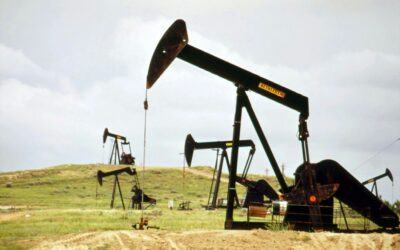
The Trump Dividend: Oil Prices Crater 13% as “Maximum Pressure” Reopens the Strait
In a massive win for the American consumer and a devastating blow to global inflation, global oil benchmarks plummeted by over 13% overnight. The historic collapse in prices follows the ratification of the “Islamabad Accord,” a two-week ceasefire that has successfully forced the reopening of the Strait of Hormuz—the world’s most critical energy artery. At The Modern Memo, we analyze the “Peace Through Strength” market surge, the end of the Iran war premium, and why this price drop is the ultimate validation of the administration’s energy sovereignty strategy. The Great Reset: Crude Below $95 The announcement of the ceasefire sent shockwaves through the trading floors in London and New York. Brent Crude and West Texas Intermediate (WTI), which had been flirting with the $115 mark during the height of the “Operation Epic Fury” strikes, fell into the low $90s within hours of the deal being signed. Ending the Blockade: The reopening of the Strait of Hormuz by the U.S.-Israeli coalition removes the “geopolitical risk premium” that has haunted global markets since the conflict began. The “Peace Dividend”: Market analysts at Goldman Sachs and Morgan Stanley noted that the 13% drop is one of the largest single-day movements in history, representing a massive shift in global liquidity toward the West. Supply Surge: With the threat of Iranian mine-laying neutralized by U.S. carrier groups, millions of barrels of oil that were “floating” in tankers off the coast of Oman are now flooding into the global supply chain. Victory for the Pump: Relief for American Families President Trump was quick to highlight the impact on domestic fuel prices, characterizing the market crash as a “massive tax cut” for the American people. Gas Prices Retreat: Internal projections suggest that if the Islamabad Accord holds, the national average for a gallon of gas could drop by as much as $0.45 to $0.60 within the next ten days. Crushing Inflation: Lower energy costs act as a “reverse-multiplier” on inflation, lowering the cost of logistics, farming, and manufacturing across the board. Strategic Leverage: The President pointed out that while the U.S. remains the world’s top energy producer, the stabilization of global lanes ensures that American exports remain competitive and the domestic economy remains “bulletproof” against foreign blackmail. The “Weakened Regime” Reality The price plunge isn’t just a win for the U.S.; it’s a strategic nightmare for the Islamic Republic, which relies on high oil prices and “black market” premiums to fund its regional proxies. Drying Up the War Chest: Every dollar oil drops is a dollar less that the IRGC has to spend on Hezbollah or the Houthis. By forcing the price down, the Trump administration is effectively de-funding the regime’s military capabilities from the outside in. The “Liquid Gold” Doctrine: Secretary of State Marco Rubio noted that the administration’s commitment to “unleashing American energy” has ensured that the U.S. is no longer at the mercy of OPEC+ or rogue state volatility. Final Word The 13% plunge in oil prices is the definitive metric of a conflict won. When you look past the noise of “diplomatic nuance” and focus on the data—the cratering of crude prices and the reopening of the world’s most vital waterway—you gain a clearer picture of an administration that understands how to use military might to secure economic stability. Quality information replaces the fear of a “recession-driving war” with the reality of a “strength-driven boom.” It allows you to see this price drop not as a market fluke, but as the inevitable result of a superpower finally acting like one. By choosing to support energy dominance, you align your perspective with the reality that a strong America means a cheaper, safer world. Where Facts, Context, and Perspective Matter At The Modern Memo, our goal is simple: to provide clear, well-researched reporting in a media landscape that often feels overwhelming. We focus on substance over sensationalism, and context over commentary. If you value thoughtful analysis, transparent sourcing, and stories that go beyond the headline, we invite you to share our work. Informed conversations start with reliable information, and sharing helps ensure important stories reach a wider audience. Journalism works best when readers engage, question, and participate. By reading and sharing, you’re supporting a more informed public and a healthier media ecosystem. The Modern Memo may be compensated and/or receive an affiliate commission if you click or buy through our links. Featured pricing is subject to change. 📩 Love what you’re reading? Don’t miss a headline! Subscribe to The Modern Memo here!

The Private Sector Shift: Trump Replaces Bondi as DOJ Focuses on “Maximum Impact”
In a move that signals a strategic recalibration for the Department of Justice, President Trump announced today, April 2, 2026, that Attorney General Pam Bondi will be transitioning out of her role to pursue a high-level position in the private sector. The President named Deputy Attorney General Todd Blanche, a seasoned legal mind and trusted defender of the administration’s constitutional priorities, as Acting Attorney General. At The Modern Memo, we look past the media’s “firing” narrative to analyze the President’s demand for results, the controversy over the Epstein files, and why a more aggressive DOJ is necessary to dismantle the “Deep State” for good. A Patriot’s Transition: The Official Word Taking to Truth Social on Thursday afternoon, President Trump praised Bondi’s tenure, specifically highlighting her success in restoring law and order to America’s cities. A Record of Results: The President noted that under Bondi’s leadership, murders plummeted to their lowest levels since 1900. “Pam Bondi is a Great American Patriot and a loyal friend,” Trump wrote. The New Acting AG: Todd Blanche, who served as a key architect of the President’s personal legal defense before joining the DOJ, steps into the top spot. Supporters view Blanche as a “battle-tested” prosecutor who understands the urgency of the administration’s mandate. The Friction Point: The Epstein Files & Public Trust While the official departure is framed as a transition, insiders point to a growing frustration regarding the DOJ’s handling of materials related to the Jeffrey Epstein investigation. The Transparency Gap: Despite Bondi’s loyalty, her public handling of the so-called “client list” drew sharp criticism from conservative heavyweights like Rep. Nancy Mace (R-SC). Critics argued that the Department’s messaging allowed the media to frame the administration as “holding back” information, rather than exposing the truth. The “Slow-Walking” Accusation: Reports surfaced this week that Bondi had summoned Miami-based prosecutors to D.C. to address concerns that high-profile probes were being “slow-walked.” For an administration that promised to “drain the swamp,” any perception of bureaucratic inertia is a non-starter. The Mandate for Aggression: Purging the Deep State The shift at the DOJ is widely interpreted as a signal that the President is looking for a leader who will more aggressively pursue those who weaponized the legal system against him and his supporters. Accountability for Foes: While Bondi initiated probes into figures like James Comey and Letitia James, several of these cases faced procedural dismissals. The President has reportedly expressed a desire for a “maximum impact” Justice Department that secures convictions, not just headlines. Potential Successors: Names like Lee Zeldin (current EPA Administrator) have already begun circulating as permanent replacements, suggesting the President wants a fighter who can navigate the political and judicial “lawfare” that continues to target the administration. Final Word Pam Bondi’s departure is not a sign of weakness, but a demand for excellence. When you look past the noise of “Cabinet upheaval” and focus on the data—the plummeting crime rates and the President’s push for total transparency on the Epstein files—you gain a clearer picture of an administration that refuses to settle for “good enough.” Quality information replaces the media’s “chaos” narrative with the reality of a strategic upgrade. It allows you to see the appointment of Todd Blanche as a definitive move to sharpen the spear of American justice. By choosing to back a DOJ that prioritizes aggressive accountability, you align your perspective with the reality that the swamp won’t drain itself. Where Facts, Context, and Perspective Matter At The Modern Memo, our goal is simple: to provide clear, well-researched reporting in a media landscape that often feels overwhelming. We focus on substance over sensationalism, and context over commentary. If you value thoughtful analysis, transparent sourcing, and stories that go beyond the headline, we invite you to share our work. Informed conversations start with reliable information, and sharing helps ensure important stories reach a wider audience. Journalism works best when readers engage, question, and participate. By reading and sharing, you’re supporting a more informed public and a healthier media ecosystem. The Modern Memo may be compensated and/or receive an affiliate commission if you click or buy through our links. Featured pricing is subject to change. 📩 Love what you’re reading? Don’t miss a headline! Subscribe to The Modern Memo here!