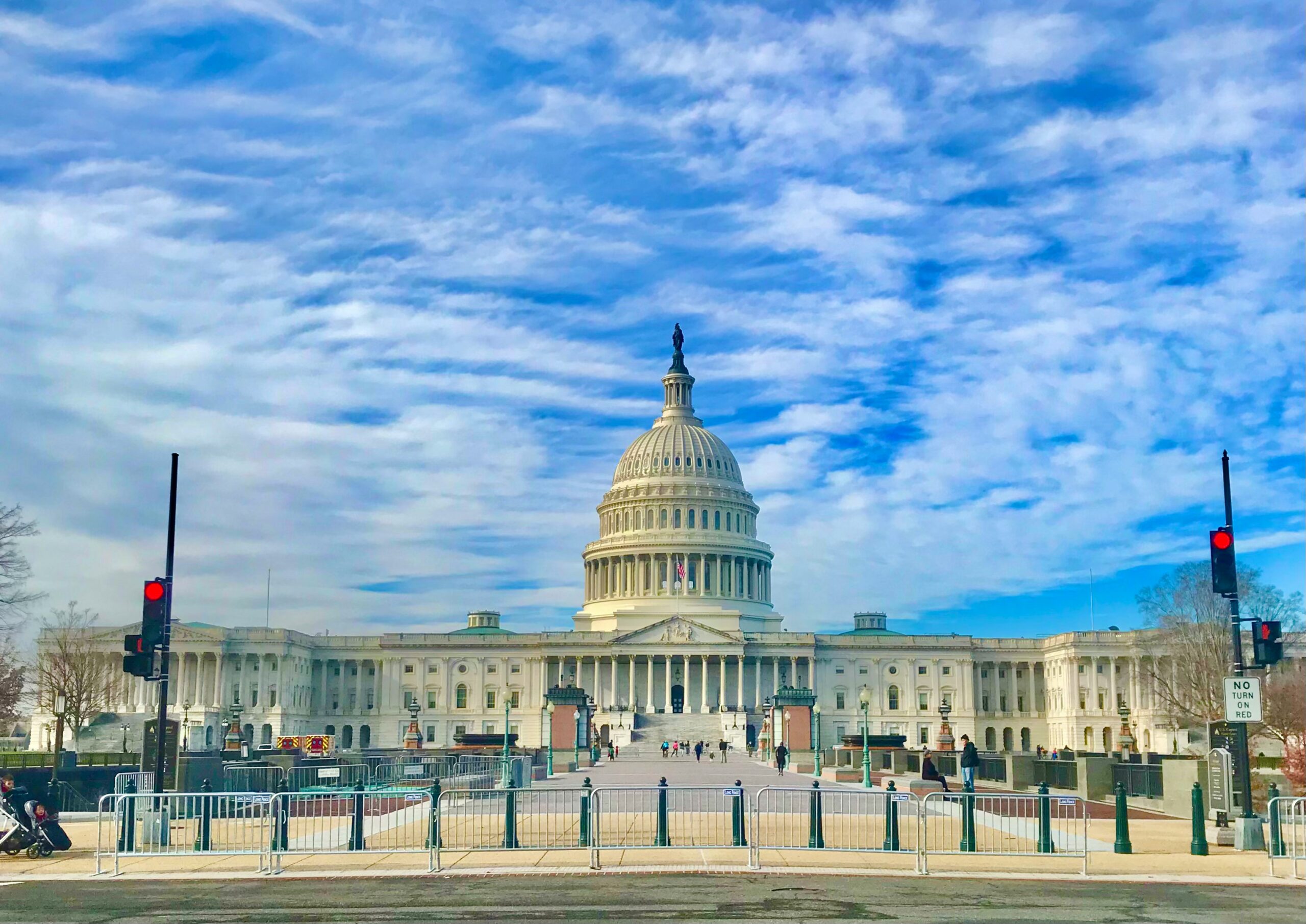

Tyler Robinson
The Indigent Paradox: Taxpayers Face Punishing $10M Defense Bill for Accused Kirk Assassin as Father’s Utah Business Thrives
The legal and economic fallout surrounding one of the most high-profile domestic assassinations in modern American history has triggered sharp public outrage across the state of Utah. As state prosecutors push forward with a capital capital case against 23-year-old Tyler Robinson—the St. George man accused of fatally shooting conservative firebrand and Turning Point USA founder Charlie Kirk—local taxpayers are waking up to the grim financial reality of a state-funded legal defense that experts warn will easily scale past $10 million. Yet, as the Utah County Commission quietly scrambles to approve emergency funding adjustments for a case that has legally drained public coffers, a fresh investigative report has pulled back the curtain on the suspect’s family wealth. While Tyler Robinson has been officially declared indigent by the courts—forcing the state to finance his high-powered defense team—his father, Matthew Robinson, continues to pilot a highly successful, thriving hometown masonry and construction corporation in southwestern Utah, shuttling daily between his sprawling local residence and active commercial job sites. At The Modern Memo, we break down the stark economic contradiction driving the public blowback, the forensic details binding Robinson to the sniper perch, and the multi-million-dollar appeals wall that taxpayers are legally required to fund. The Local Mainstay: Business as Usual for the Robinson patriarch The primary catalyst behind the mounting community frustration is the hyper-visible operational baseline of the suspect’s father, who has maintained a highly lucrative commercial footprint despite the heavy cloud surrounding his son. The Local Safe Haven: Industry colleagues and local clients confirmed that Matthew Robinson’s family-owned masonry business relies strictly on long-standing regional networks and referral pipelines to anchor its bookings. In the wake of the high-profile shooting, the vast majority of local homebuilders and commercial developers have intentionally chosen to continue doing business with the senior Robinson, shielding the hometown firm from broader economic cancellation. The Litigious Footnote: The report notes that this is not the first time the company’s internal accounting grids have faced public scrutiny. Court transparency logs revealed a highly contentious 2014 lawsuit filed against Matthew Robinson by his own brother and co-founder, which explicitly alleged that Robinson had embezzled roughly $100,000, systematically concealed internal corporate spreadsheets, and bartered company labor in exchange for off-the-books personal favors. The bitter intra-family dispute was ultimately resolved via a confidential out-of-court settlement. The Heroic Intercept: Compounding the complexity of the dynamic is the fact that Matthew Robinson—a staunch, lifelong Republican along with the majority of the extended family—served as the key catalytic figure who initially turned his own son in to state law enforcement. Following a tip passed through a local minister with tight ties to police, the elder Robinson actively assisted investigators in locating Tyler less than 48 hours after the slaying occurred. The Trillion-to-One Match: The Forensic State Case The immense scope of the defense budget is directly tied to the massive, highly scientific nature of the forensic evidence prosecutors introduced during the multi-day preliminary hearing in Provo. The state’s physical evidence files, introduced by lead investigators, paint a chilling picture of calculated premeditation. State prosecutors allege that on September 10, 2025, Tyler Robinson established a hidden sniper position on the roof of the Losee Center at Utah Valley University, firing a single fatal shot that struck Charlie Kirk in the neck in front of 3,000 audience members. To secure a trial order, the state laid out custom-etched shell casings recovered from the roof and a Mauser 98 bolt-action rifle hidden in nearby campus bushes. State forensic experts testified that DNA recovered from the rifle’s trigger and barrel returned an astronomical trillion-to-one match linking the weapon directly to Robinson. This physical trail is paired with an explosive, authenticated text exchange with his roommate and lover, Lance Twiggs—who received full immunity in exchange for his testimony—wherein Twiggs asked point-blank if he was the campus shooter, and Robinson text back: “I am, I’m sorry.” The $10 Million Ceiling: Why Time Means Money in Capital Case Defense Despite the seemingly overwhelming nature of the state’s physical evidence, the legal mechanism of the death penalty guarantees that the total financial burden placed on Utah taxpayers will continue to escalate exponentially. Public Expenditure Phase Initial Board Allocations Projected Capital Case Cap Pre-Trial / Motion Dragnets $1 Million Approved by the Utah County Commission. Will easily scale past $3.5 Million due to continuous evidence challenges. Expert Witness Vetting $2 Million Requested by defense for independent testing. Projected to double as defense builds separate ballistics and DNA labs. Post-Conviction Mandatory Appeals Subfunded by state capital funds. $10+ Million Cumulative Total required to process mandatory statutory appeals. Legal analysts emphasize that because prosecutors are actively pursuing the death penalty, the constitutional floor for what constitutes an adequate legal defense rises dramatically. Under standard Miranda rights, if a defendant lacks independent financial liquidity to pay for specialized capital counsel, the state is legally required to foot the bill—regardless of the independent net worth of the suspect’s parents. Robinson’s defense team has already deployed an aggressive, multi-tiered motion strategy, filing successive challenges to block news cameras, seal digital Discord records, and penalize prosecutors for talking to the media. Every motion, evidentiary challenge, and post-conviction appeal requires specialized, high-hourly-rate capital defense attorneys, ensuring that even if a jury swiftly hands down a guilty verdict, taxpayers will spend the next fifteen to twenty years financing the mandatory appeals process. Final Word The jarring optical contrast between a father’s thriving local construction business and a looming $10 million taxpayer-funded defense invoice is the definitive proof of the structural loopholes embedded within our constitutional framework. When you look past the theatrical media reporting and focus entirely on the hard data—a trillion-to-one DNA match linking a suspect to a campus assassination weapon, a local county commission forcing working-class citizens to absorb millions in defense fees, and a wealthy local business owner legally insulated from contributing a single dollar to his son’s defense—you gain an unvarnished view of systemic economic unfairness. Quality information replaces the sterile court updates with the cold…
“A Monster in the Room”: Charlie Kirk’s Family Faces Accused Assassin for First Time in Brutal Video Arraignment
The agonizing human reality of America’s hyper-polarized political violence took center stage in a Provo, Utah, courtroom on Tuesday morning. For the first time since conservative activist and Turning Point USA founder Charlie Kirk was brutally assassinated on September 10, 2025, his grieving family sat just feet away from the young man accused of pulling the trigger. The high-stakes hearing before 4th District Judge Tony Graf—originally intended to settle final procedural parameters ahead of next month’s preliminary trial—instead delivered a wave of raw trauma through the gallery. In a tense and chilling sequence, prosecutors played the unredacted, multi-angle security footage capturing the exact moment Kirk was fatally shot in the neck while addressing students on the campus of Utah Valley University. While the graphic footage caused Judge Graf to visibly recoil in horror and forced Kirk’s family into a state of absolute, tearful heartbreak, the accused assassin, 23-year-old Tyler Robinson, sat completely motionless, displaying a chilling, flat affect that has left the community deeply shaken. At The Modern Memo, we break down the emotional and structural highlights of Tuesday’s historic face-to-face courtroom confrontation, the forensic data of the video evidence, and the defense’s desperate efforts to contain the fallout. The Face-to-Face: A Gallery Consumed by Grief The atmosphere inside the Provo courtroom was thick with palpable tension long before the bailiffs escorted the defendant into the room, marking a grim milestone for the Kirk family. The Family Presence: Charlie Kirk’s widow, clutching a framed photograph of her late husband, anchored the front row of the gallery, flanked by immediate family members and senior leadership from Turning Point USA. The family has maintained a stoic, private profile since the September tragedy, making their sudden appearance in court a massive statement of resolve. The Defendant’s Mask: Tyler Robinson—the former engineering student facing a potential death penalty indictment for aggravated murder—entered the room clad in standard Utah County jail scrubs. Observers noted that Robinson maintained an eerie, detached demeanor, staring blankly ahead and refusing to make eye contact with either the prosecution or the row of weeping family members staring directly at him. The Video Evidence: A Courtroom Recoils in Horror The procedural calm of the hearing completely ruptured when Deputy Utah County Attorney Christopher Ballard introduced the state’s primary piece of digital evidence: a synchronized compilation of campus security footage and student-recorded cell phone videos. The Lethal Trajectory: The video meticulously tracks Kirk standing behind a folding table on the outdoor plaza, engaging in a spirited debate with a crowd of students. The camera then switches to a high-angle roof perspective, capturing a figure prosecutors identify as Robinson adjusting a modified, high-caliber rifle before firing a single, devastating shot into Kirk’s neck. The Judicial Reaction: As the audio echoed the sharp crack of the rifle and showed Kirk collapsing to the pavement, a collective gasp swept through the courtroom. Judge Tony Graf, a veteran jurist known for his steady temperament, visibly winced and recoiled back into his leather chair, momentarily covering his mouth as the horrific sequence played out on the state monitors. The Stark Contrast: While Kirk’s widow buried her face in her hands, her body shaking with heavy, audible sobs, court reporters focused entirely on the defendant. Robinson did not flinch, blink, or turn his head. He watched the execution of Charlie Kirk with a level of total psychological detachment that one local detective later described as “completely sociopathic.” The Forensic Anchor: DNA and Cartridges Overrule the Alibi The display of the video evidence serves as the opening salvo in a formidable, multi-layered forensic case that prosecutors argue makes a conviction an absolute certainty. The defense team, which previously attempted to use an “inconclusive” initial ATF ballistics report to dismantle the state’s case, found themselves completely overwhelmed by the sheer volume of corroborating data introduced on Tuesday. Beyond the video tracking, the state introduced verified laboratory metrics proving that Robinson’s DNA was recovered from the trigger assembly of the abandoned rifle, as well as from the pristine surfaces of two unfired cartridges left behind in the rooftop sniper nest. The Political Fallout: Reclaiming the Public Peace Outside the courthouse, the face-to-face confrontation has supercharged an ongoing national debate regarding the physical safety of conservative public figures and the radicalization of young Americans within academic institutions. Turning Point Resolves: Speaking on behalf of the organization outside the columns of the Provo courthouse, Turning Point spokespersons vowed that Kirk’s legacy of confrontational, grassroots activism will never be silenced by acts of terror. “We saw a monster in that room today,” the statement read. “But Tyler Robinson’s blank stare will not intimidate the millions of students who are continuing Charlie’s fight for the American soul.” The Safety Grid: The assassination has forced a massive, systemic overhaul of security protocols for public speakers across Western universities. Utah lawmakers are already drafting emergency legislation to mandate heightened police perimeters and drone surveillance for high-profile campus events, moving past the lenient “free speech zone” policies that left Kirk completely exposed on that September afternoon. Final Word The horrific video arraignment of Tyler Robinson is the definitive proof that the assassination of Charlie Kirk was a cold, calculated act of political execution carried out by an individual devoid of human empathy. When you look past the sterile legal maneuvers of the defense and focus entirely on the hard data—the unredacted video that forced a veteran federal judge to wince in horror, the unyielding physical DNA matches locking the suspect to the rooftop weapon, and the absolute coldness of an accused killer watching his own violence without a shred of remorse—you gain an unvarnished view of pure malice. Quality information replaces the detached legal theories with the devastating reality of a family forced to watch their husband and father gunned down on a television screen. As Judge Graf orders the case forward to the decisive July 22 preliminary hearing, the Kirk family has reminded the nation of the ultimate cost of unchecked political hatred, and the American…
The Proportionality Boundary: Judge Rejects Defense Move to Strip Death Penalty in Charlie Kirk Assassination Trial
The high-stakes capital murder trial of Tyler Robinson—the 23-year-old electrician student accused of the September 10, 2025, campus assassination of conservative activist Charlie Kirk—has reached a critical procedural crossroad. In a pivotal ruling delivered from a Provo, Utah courtroom, 4th District Judge Tony Graf formally found Deputy Utah County Attorney Christopher Ballard in civil contempt of court for violating a strict pretrial publicity order. However, in a major blow to the defense’s legal strategy, Judge Graf categorically denied their high-stakes petition to penalize the state by taking the death penalty off the table, declaring the ultimate sanction “grossly disproportionate” under the law. At The Modern Memo, we break down the legal anatomy of the contempt ruling, the explosive public relations war over an “inconclusive” ballistics report, and the judicial remedies being deployed to preserve a fair trial ahead of next month’s crucial preliminary hearing. The Contempt Finding: Stepping Past the Gag Order The judicial showdown centers on the strict boundaries of extrajudicial speech in a case that has captured intense national media attention since Kirk was fatally shot in the neck while addressing thousands of students at Utah Valley University. The Problematic Statements: While Judge Graf ruled that Ballard was legally permitted to clarify complex scientific facts to reporters, the prosecutor crossed the line during a series of media appearances, including a March interview with TMZ. Ballard had gone beyond the data, asserting that the state possessed “ample evidence” to prove Robinson’s guilt beyond a reasonable doubt and would aggressively overcome the presumption of innocence. The Judicial Directives: In his formal ruling, Judge Graf emphasized that the state’s comments breached the explicit spirit of the court’s publicity order. “Mr. Ballard intentionally and volitionally made these extrajudicial statements, fulfilling the required elements of civil contempt,” Graf stated. The Separation of Powers: Despite finding the prosecutor in civil contempt, the judge made it clear that stripping a capital option as a penalty is a legal bridge too far. Doing so, Graf warned, would cross into the territory of criminal contempt sanctions and risk an improper judicial intrusion into the executive branch’s prosecutorial discretion. The Disproportionate Metric: Why the Death Penalty Stays The defense team, led by attorney Richard Novak, had argued that blocking the state from pursuing execution was the only penalty commensurate with what they labeled a reckless “media tour” by prosecutors designed to taint the local jury pool. Grossly Disproportionate: Judge Graf thoroughly rejected that remedy as legally unavailable within a civil contempt framework. “Civil contempt sanctions must be remedial, tailored to cure the prejudice caused by the violation, or designed to coerce future compliance,” Graf explained. “The court finds that striking the death penalty is grossly disproportionate to the misconduct.” Expanding the Protective Net: Instead of altering the statutory charges, Graf announced he would deploy standard, rigorous judicial tools to neutralize any potential jury taint caused by the media coverage. The Countermeasures: To protect the integrity of the proceeding, the court will dramatically expand the size of the prospective jury pool, implement comprehensive, highly specialized pretrial jury questionnaires, and allow for extensive voir dire questioning once the case moves toward trial. The Ballistics Backstory: The Battle Over the Word “Inconclusive” The underlying dispute that triggered the prosecutor’s ill-fated media appearances involves a Bureau of Alcohol, Tobacco, Firearms and Explosives (ATF) ballistics report—a document that rapidly became the focus of intense online speculation and conspiracy theories. The Leak: In May, Robinson’s defense team disclosed in public court filings that initial ATF laboratory testing could not definitively match the bullet fragment recovered from Charlie Kirk’s body to the rifle seized near the rooftop crime scene. The Exoneration Rumors: The revelation sparked an immediate wave of viral alternative narratives and unsubstantiated online theories suggesting that Robinson had been framed or that a second shooter was involved. The Prosecution Retaliation: Alarmed by the rapidly shifting public perception, Ballard stepped into the media landscape to explain the cold reality of forensic science—noting that an “inconclusive” result simply means the physical fragment was too damaged to confirm or deny a match, and does not rule out the rifle. However, by coupling that scientific explanation with public guarantees of a conviction, Ballard inadvertently handed the defense the leverage they needed to trigger the contempt hearing. Final Word Judge Tony Graf’s refusal to remove the death penalty from the Tyler Robinson case is the definitive proof that the rule of law will not allow procedural friction to derail a capital prosecution. When you look past the theatrical battles over a prosecutor’s media appearances and focus entirely on the hard data—a four-star political assassination trial moving forward with the ultimate punishment intact, a senior prosecutor held in civil contempt for overstepping a gag order, and the court expanding jury mechanics to isolate a high-profile case from public distortion—you gain an unvarnished view of a judicial system fiercely protective of its boundaries. Quality information replaces the dramatic headlines of a “compromised trial” with the reality of standard, controlled legal course-corrections. While the defense successfully put the state on notice for its public messaging, prosecutors still hold a formidable hand of physical DNA evidence. As both sides retreat to prepare for the critical July 6 preliminary hearing, Washington and the nation have been reminded that the ultimate determination of Robinson’s guilt will be settled by a sequestered Utah jury, not the court of public opinion.
Pretrial Publicity Wars: Robinson Defense Demands Death Penalty Be Dropped Over Prosecution’s Bullet ‘Media Tour’
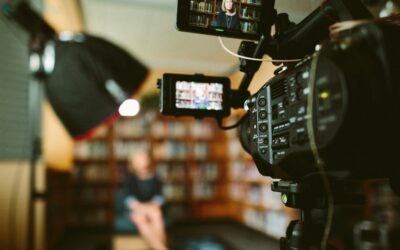
The capital murder trial of Tyler Robinson—the 23-year-old accused of the September 10, 2025, assassination of conservative Turning Point USA co-founder Charlie Kirk—has dissolved into an aggressive legal brawl over media control and prosecutor misconduct. Appearing in a Provo, Utah courtroom, Robinson’s defense team formally requested that 4th District Judge Tony Graf strip the state of its ability to seek the death penalty. The defense argues that state prosecutors launched an unauthorized, toxic “media tour” regarding highly sensitive ballistics evidence, deliberately tainting the prospective jury pool and violating direct judicial orders. At The Modern Memo, we break down the forensic dispute over a critical bullet fragment, the defense’s high-stakes push for severe sanctions, and the free-speech justifications prosecutors are using to defend their press engagements. The “Media Tour” Accusation: Demanding the Ultimate Sanction Tyler Robinson faces a potential death sentence if convicted of aggravated murder for the shooting that occurred on the campus of Utah Valley University. However, the case has shifted away from the scene of the crime and into a bitter dispute over extrajudicial statements. The Contempt Charge: Robinson’s defense attorneys filed a motion to hold the Utah County Attorney’s Office in contempt of court. They allege that prosecutors explicitly breached restrictions imposed by Judge Graf that strictly barred both sides from discussing details of the case outside the courtroom. Taking Death Off the Table: While Robinson’s lawyers did not specify standard procedural fines, their court filings explicitly pointed to prior case law where a state’s contempt resulted in the loss of a capital option. The defense noted that while such a remedy is rare, the court possesses the full structural authority to take the death penalty off the table if the facts demonstrate the state compromised a defendant’s right to a fair trial. The Sealed Exhibit War: The defense’s push directly coincides with their ongoing efforts to seal dozens of upcoming prosecution exhibits and enforce a total media camera ban inside the courtroom to guard against coverage they claim constantly misrepresents Robinson. The Forensic Fuse: The Bullet Fragment Dispute The specific trigger for the defense’s outrage centers on media interviews given by prosecutors regarding an expert ballistics report—data that both sides view as a critical pillar of the state’s physical case. The Inconclusive Finding: Rumors originally leaked out of the case detailing an initial, inconclusive finding by ballistics experts. These early reports indicated that scientists could not immediately match the specific bullet fragments recovered from Charlie Kirk’s body directly to the firearm seized from Robinson. The Exoneration Narrative: The preliminary findings spurred a wave of viral media stories and public speculation hinting at Robinson’s potential innocence or imminent exoneration. The Prosecutor Counter-Strike: Alarmed by the shifting public narrative, state prosecutors gave interviews to clarify the context of the expert report, explaining that preliminary inconclusiveness did not eliminate the firearm or rule out Robinson’s involvement. The State’s Defense: The Right to Correct the Record Faced with the threat of losing their capital prosecution or being held in contempt, the Utah County Attorney’s Office mounted a fierce defense of their media interactions, arguing they had a constitutional and ethical duty to intervene. Setting the Record Straight: Deputy Utah County Attorney Christopher Ballard aggressively pushed back against the defense’s motion in written filings. “The rules expressly allow lawyers to set the record straight,” Ballard wrote, arguing that prosecutors were reacting to distorted leaks originating from the defense’s side of the aisle. The Public Right to Know: Prosecutors contend that their comments did not violate the spirit of Judge Graf’s gag order because they were explicitly intended to correct active, public misinformation rather than inject new prejudicial facts into the ecosystem. The Victims’ Stance: The political dimension of the trial remains highly charged. Kirk’s wife, Erika Kirk—who has taken the reins of Turning Point USA following her husband’s death—has publicly aligned against the defense’s secrecy push, explicitly demanding that the press and the public retain unconstrained access to every phase of the court hearings. Final Word The defense’s demand to strip the death penalty from the Tyler Robinson case is the definitive proof that modern capital trials are fought as much in the court of public opinion as they are before a judge. When you look past the noise of the “media tour” allegations and focus entirely on the hard data—a defendant facing the ultimate punishment for a high-profile campus assassination, prosecutors stepping outside court to manage a collapsing ballistic narrative, and the defense leveraging that press engagement to dismantle a capital charge—you gain an unvarnished view of a trial on a knife’s edge. Quality information replaces the theatrical outrage with the cold mechanics of due process. It allows you to see that while prosecutors believe they were merely balancing the scales of public perception, they gave the defense a potent weapon to challenge the state’s ultimate authority. By forcing Judge Graf to rule on whether the state’s words compromised a fair trial, Robinson’s team has effectively put the prosecution itself on the witness stand.
Shielding the Suspect: Defense Fights to Hide Volatile Evidence in Charlie Kirk Assassination Trial
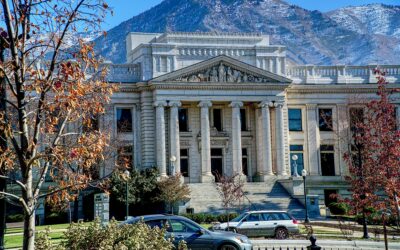
The courtroom battle over the assassination of conservative icon Charlie Kirk has reached a fever pitch. Attorneys for the accused sniper, Tyler Robinson, returned to a Utah County courthouse in a desperate, high-stakes bid to seal critical evidence and close parts of an upcoming preliminary hearing from the public eye. At The Modern Memo, we break down the defense’s strategic maneuvers to sanitize the record, the devastating “buckets” of evidence prosecutors are preparing to unleash, and why the legacy of Kirk’s movement continues to loom large over the justice system. The Strategy: Hiding the App Data and the ‘Burnt Note’ Having recently lost a separate battle to ban media cameras from the courtroom, Robinson’s defense team has pivoted to a aggressive containment strategy. They are begging State District Judge Tony Graf Jr. to seal volatile digital footprints and physical exhibits before the case moves forward. The Discord Trail: The defense is fighting to suppress records from the communications app Discord and private text messages. Analysts believe these messages contain highly radicalized political rhetoric detailing the pre-planning of the attack. The Crimson Evidence: Defense attorneys are trying to block the public introduction of the actual video of the assassination, alongside images of a burnt note recovered by investigators, claiming the material is “unfairly prejudicial” and could taint a future jury pool. The Defense Playbook: Legal experts note this is a classic attempt to keep damning evidence from being broadcast nationwide during the July 6–10 preliminary hearing, when the state must officially demonstrate probable cause to proceed to trial. The Prosecutor’s Case: A Mountain of Ironclad Evidence The Utah County Attorney’s Office has pushed back forcefully against the defense’s delay tactics and secrecy requests, painting a picture of a calculated, execution-style slaying that leaves no room for doubt. The Sniper’s Perch: On September 10, Charlie Kirk, 31, was addressing a crowd of 3,000 freedom-loving Americans on the campus of Utah Valley University in Orem when a single, long-range rifle shot struck and killed him from a building roughly 140 yards away. The Forensic Lock: Deputy Utah County Attorney Ryan McBride revealed that federal authorities (the FBI and ATF) have established definitive DNA profiles linking Robinson to the rifle found at the scene, a towel wrapped around the weapon, and a screwdriver recovered from the sniper’s perch. The Etched Rounds: Compounding the severity of the case, investigators found shell casings at the scene etched with explicit political messages, while a subsequent raid on Robinson’s apartment uncovered the exact same make and model of specialized ammunition. The Clothes and the Limp: Campus surveillance video tracks Robinson arriving at UVU at 7:00 a.m. on the morning of the shooting. Prosecutors note he can be seen limping heavily—the result of a large rifle clumsily concealed down his pant leg—wearing the exact same shoes and clothes he had on when he surrendered to police the following day. The Political Stakes: A Movement Disrupted The assassination of Charlie Kirk was not just a local crime; it was an act of political terrorism aimed at the heart of the conservative youth movement. As the founder of Turning Point USA, Kirk had emerged as one of the most influential political forces in modern history, instrumental in mobilizing the base and securing crucial election victories. The Death Penalty: Because of the calculated, political nature of the assassination, prosecutors have officially announced they will pursue the death penalty for the 23-year-old Robinson, who is charged with capital aggravated murder. No Plea Entered: Robinson has yet to enter a formal plea, as his defense has spent the last eight months filing endless motions to disqualify local prosecutors, suppress media coverage, and request hundreds of hours of discovery extensions. Final Word The defense team’s frantic scramble to seal Robinson’s texts, video logs, and political writings is the definitive proof that the truth of this assassination is utterly indefensible. When you look past the noise of “jury prejudice” arguments and focus on the raw data—the DNA on the sniper rifle, the etched shell casings, and the surveillance footage of the weapon sweep—you gain a clearer picture of a meticulous investigation that has cornered a predator. Quality information replaces the narrative of a “media frenzy” with the reality of an open-and-shut case of political execution. It allows you to see that while the defense wants a closed-door trial, the legacy of Charlie Kirk demands absolute transparency. By choosing to stand firm, Judge Graf has the opportunity to ensure that the facts of this tragedy are broadcast to the nation, proving that no amount of legal maneuvering can hide the face of murder. Where Facts, Context, and Perspective Matter At The Modern Memo, our goal is simple: to provide clear, well-researched reporting in a media landscape that often feels overwhelming. We focus on substance over sensationalism, and context over commentary. If you value thoughtful analysis, transparent sourcing, and stories that go beyond the headline, we invite you to share our work. Informed conversations start with reliable information, and sharing helps ensure important stories reach a wider audience. Journalism works best when readers engage, question, and participate. By reading and sharing, you’re supporting a more informed public and a healthier media ecosystem. The Modern Memo may be compensated and/or receive an affiliate commission if you click or buy through our links. Featured pricing is subject to change. 📩 Love what you’re reading? Don’t miss a headline! Subscribe to The Modern Memo here!