

Venezuela
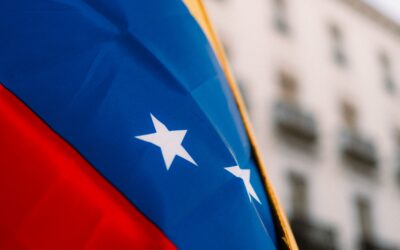
Venezuela Frees 131 More Political Prisoners as Post-Maduro Transition Talks Continue
Venezuela’s transitional government announced the release of 131 more political prisoners this month under a program it calls “Peace and Democratic Coexistence,” part of an ongoing reconciliation effort in the roughly eight months since a U.S. military operation removed longtime authoritarian ruler Nicolás Maduro from power. The releases bring the total number of Venezuelans freed since Maduro’s January 3 removal to 1,046, according to government figures, though independent monitors have repeatedly reported lower confirmed numbers than the government claims. The rights group Foro Penal said it had independently verified at least 40 releases from the latest batch, while the opposition party Vente Venezuela confirmed 43. As of August 10, roughly 391 political prisoners remained behind bars, though outside estimates have varied over the course of the year. Delcy Rodríguez, Maduro’s former deputy, has governed Venezuela since his removal with what observers describe as significant influence from Washington. Her government has overseen a general amnesty law and a series of staggered prisoner releases throughout the year, though the process has been uneven — the United Nations has reported that Venezuela’s broader apparatus of repression remains largely intact despite the change in leadership, and documented dozens of new politically motivated arrests even as older cases were resolved. U.S.-brokered talks between the Rodríguez government and opposition representatives wrapped up this week, led by opposition figure Dinorah Figuera and National Assembly President Jorge Rodríguez, Delcy’s brother. The two sides agreed to keep working on recovering Venezuelan funds frozen overseas — which officials hope could help fund earthquake recovery efforts — and on reforms to the country’s judiciary. Secretary of State Marco Rubio called the latest prisoner releases “a crucial step for the nation’s reconciliation process.” Opposition leader Juan Pablo Guanipa, himself previously detained for several hours shortly after an earlier release before being placed under house arrest, welcomed the news but pressed for more, saying every freed prisoner represents “an immense relief” while demanding the government free all remaining political detainees “without exception, without delay.” Freed prisoners have not been given a clean break from state oversight. Under the terms of their release, many are barred from speaking publicly about their detention and must appear before judges on a monthly basis. As of earlier this summer, roughly 213 military personnel remained in custody on political charges tied to alleged conspiracies against the Maduro government before its collapse. The Trump administration, which called off a planned second wave of military strikes on Venezuela earlier this year in response to the government’s cooperation on releases, has continued to press Caracas publicly for faster progress, though it has stopped short of threatening renewed military action over the pace of the transition.
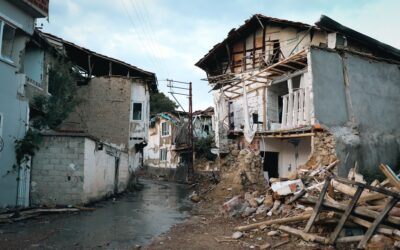
Venezuela Earthquake Death Toll Surpasses 5,500 a Month After Twin Quakes Devastate the Country
More than a month after twin earthquakes struck Venezuela, the human toll continues to climb, with officials confirming the death toll has now surpassed 5,500 and thousands more still unaccounted for as the country struggles to recover from one of the most devastating natural disasters in its recent history. A Staggering Toll The official death count now stands above 5,500, with more than 16,700 people reported injured. Damage from the twin quakes is estimated at $19.6 billion, and thousands of Venezuelans remain homeless more than a month after the disaster struck. The number of people still listed as missing has not been updated since late June, raising concerns that the final toll could climb even higher as search and recovery efforts continue. A Country Already Under Strain The earthquakes hit a nation already grappling with a battered economy and years of political instability under the Maduro regime, complicating both the government’s ability to respond and the international community’s efforts to deliver aid. The scale of destruction has strained local infrastructure and emergency services that were already stretched thin before the disaster struck. International Response The disaster has drawn attention from humanitarian organizations and foreign governments assessing how to best deliver aid to affected communities, though the specifics of international relief efforts continue to evolve as the scope of the damage becomes clearer. With thousands still displaced and rebuilding likely to take years, the long-term recovery effort is expected to remain a major humanitarian concern in the region well beyond the immediate aftermath. This story is developing.
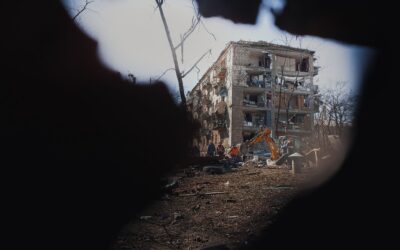
Logistical Lifeline: U.S. Military Touts Massive Humanitarian Surge as Venezuela Quake Death Toll Hits 1,450
The international race against time in South America has reached a critical, life-saving nexus. Eighty-five hours after back-to-back 7.2 and 7.5 magnitude earthquakes decimated north-central Venezuela, the official death toll has climbed to a devastating 1,450 fatalities, with more than 3,150 injured, 12,700 displaced, and upwards of 46,000 citizens currently reported missing. In response to an urgent bilateral request from Venezuela’s interim government under Acting President Delcy Rodríguez, the U.S. military has executed a rapid, massive logistics surge. Operating under the directive of the War Department, U.S. Southern Command (SOUTHCOM) has assumed a leading operational role on the ground, deploying heavy naval assets, specialized amphibious engineering units, and elite search-and-rescue components to stabilize the crumbling coastal infrastructure. At The Modern Memo, we break down the operational footprint of the U.S. military’s Caribbean intervention, the strategic reopening of the Caracas airbridge, and the high-stakes maritime relief grid operating directly off the hard-hit coast of La Guairá. Air and Sea Mobilization: The SOUTHCOM Surge The humanitarian intervention, coordinated in close tandem with Secretary of State Marco Rubio and the State Department’s Bureau for Humanitarian Assistance, has mobilized the unparalleled logistical might of the U.S. Armed Forces. Reopening the Skies: In the immediate hours following Wednesday’s double-shock, collapsing infrastructure and severe debris fields completely paralyzed Simón Bolívar International Airport in Caracas. A specialized U.S. military engineering team rapidly deployed to the tarmac, clearing structural hazards and establishing an emergency air-traffic network. The U.S. has now assumed full management of airfield and humanitarian operations at the airport to handle the massive influx of global aid. The Maritime Shield: Off the coast of the devastated city of La Guairá, SOUTHCOM has positioned a formidable naval footprint. The amphibious transport dock USS Fort Lauderdale (LPD 28) and the littoral combat ship USS Billings (LCS 15) have anchored just outside the disaster zone, serving as floating command centers. The Soto Cano Pipeline: Operating out of Soto Cano Air Base in Honduras, Joint Task Force-Bravo has deployed heavy-lift CH-47 Chinook and UH-60 Black Hawk helicopters. These aircraft are flying continuous, long-range supply corridors, transporting elite rescue gear and medical infrastructure directly into cut-off regional valleys. The Rubble Race: 300 First Responders and Canine Units With over 770 large-scale buildings entirely collapsed across seven distinct Venezuelan states, the primary focus of the combined military-civilian grid remains fixed on searching for survivors trapped in deep structural voids. The Type I Task Forces: The Trump administration has augmented the military logistics grid by deploying four world-class Type I Urban Search-and-Rescue (USAR) teams to the country. The deployment comprises more than 300 of America’s finest first responders from elite teams based in Fairfax County, Virginia, and Los Angeles, California. The Canine Network: Working alongside 2,600 international rescue workers from 27 participating nations, the American contingent has deployed 23 specialized search canines trained to detect heat signatures and scent pools beneath crushed masonry. The Port Repair Mandate: Because the earthquakes severely fractured Venezuela’s primary commercial docks, a specialized U.S. Navy operations team has embedded directly at the Port of La Guairá. Working hand-in-hand with Venezuelan local civil protection units, Navy engineers are using heavy construction equipment to repair sea walls and construct temporary offloading ramps so landing craft can deliver bulk supplies directly from the USS Fort Lauderdale. The $300 Million Grid: Partnering with the Private Sector The military’s kinetic work on the ground is backed by an immediate, sweeping escalation of financial resources from Washington, highlighting the total alignment between the U.S. and the post-authoritarian interim government in Caracas. The scale of the devastation has re-written the geopolitical script for the region. Only a year ago, Venezuela operated under an anti-American autocratic regime; today, following the removal of former dictator Nicolás Maduro, U.S. forces are being cheered in the streets of Caracas as savior figures. This deep cooperation has allowed the State Department to comfortably route over $300 million in direct aid through highly trusted international and non-governmental channels, ensuring that food, clean water, and emergency medical kits bypass corrupt bureaucratic networks to reach displaced populations immediately. Final Word The massive deployment of U.S. military power to stabilize Venezuela is the definitive proof that true geopolitical leadership is measured by logistical capability, not empty diplomatic platitudes. When you look past the initial tragedy of the destruction and focus entirely on the hard data—1,450 confirmed dead and tens of thousands missing, the deployment of a U.S. amphibious fleet to bypass shattered ports, and the rapid military repair of Venezuela’s primary international airport in under 48 hours—you gain an unvarnished view of structural power projection utilized for humanitarian survival. Quality information replaces the initial panic with the cold reality of a highly coordinated, multi-national rescue web. The recovery timeline for South America will stretch across years, but by transforming the Caribbean into a massive, functioning aid pipeline, Washington has reminded the world of a permanent truth: when a continent fractures, it is the logistical muscle of the American soldier that stands between a recovering nation and absolute humanitarian collapse.
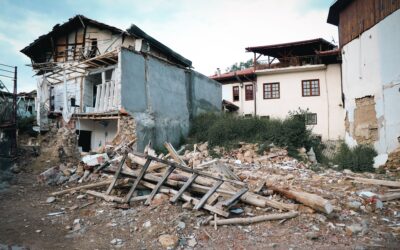
The Caribbean Fracture: 164 Dead After Back-to-Back Earthquakes Flatten Northern Venezuela
A profound humanitarian emergency is unfolding across South America following a pair of catastrophic, back-to-back earthquakes that shattered the northern coast of Venezuela on Wednesday evening. The unprecedented double-shocks, among the most powerful ever recorded in the nation’s history, collapsed dozens of high-rise structures, triggered widespread infrastructure blackouts, and left a rapidly climbing casualty toll in their wake. In a somber national address, acting Venezuelan President Delcy Rodríguez announced that at least 164 people have been confirmed dead, with another 971 injured. Rodríguez immediately declared a sweeping national state of emergency, turning to international allies for urgent search-and-rescue assistance as structural engineers warn that the preliminary death toll represents only a fraction of the expected final metrics. Responding to the disaster, U.S. President Donald Trump took to Truth Social to express profound solidarity, characterizing the twin temblors as “massive in scale” and warning of a “devastating number of deaths” while ordering federal agencies to immediately mobilize disaster assets. At The Modern Memo, we break down the seismic data behind the 39-second double-shock, the severe structural toll in Caracas and La Guairá, and the rapid deployment of a U.S. disaster response pipeline to the South American nation. The Double Shockwave: 39 Seconds of Fury The disaster struck at 6:04 p.m. local time on Wednesday, catching millions of families at home while observing the national Carabobo Battle holiday. The Foreshock: The first event materialized as a powerful 7.2-magnitude foreshock with an epicenter located near the Caribbean coastal town of Morón, roughly 100 miles west of Caracas. The Mainshock: Before citizens could successfully clear shaking buildings, a secondary, even more violent 7.5-magnitude earthquake erupted just 39 seconds later, centered a mere 10 miles away. The Overlapping Seismograms: Seismologists at the U.S. Geological Survey (USGS) noted that the extreme proximity of the two major events created an overlapping seismic feedback loop, vastly compounding the destructive energy directed at urban centers. The agency issued a rare “Red Alert,” modeling predictive metrics indicating a high probability that final casualties could eventually scale into the thousands. Ground Zero: Pancaked Buildings and Blacked-Out Capitals The primary kinetic toll of the double-shock focused heavily on Venezuela’s historic capital valley and adjacent coastal communities, bringing core infrastructure to an absolute standstill. The Disaster Zones: Acting President Rodríguez designated the coastal state of La Guairá as a complete disaster zone, where more than 100 buildings collapsed entirely into piles of shattered concrete and steel. In Caracas, affluent districts like Altamira and Chacao experienced “alarming situations” as residential complexes pancaked, trapping families beneath the rubble. The Airport Closure: Massive structural failures and falling debris severely crippled Simón Bolívar International Airport, forcing an indefinite suspension of all commercial aviation. Metro and rail systems were concurrently halted as power grids failed, cutting electricity and cellular communications across vast swaths of the capital. The Street Camps: Fearing a wave of nearly two dozen major aftershocks that continued to rattle the valley into Thursday morning, thousands of terrified residents refused to re-enter standing structures. Families set up makeshift camps directly on the asphalt, wrapping themselves in blankets and clutching pets amid lingering plumes of concrete dust. The Washington Response: Deploying the Elite Task Forces The catastrophic scale of the disaster has prompted an immediate, unified response from Washington, highlighting the close geopolitical alignment forged between the Trump administration and the interim government in Caracas. The Presidential Directive: Taking to social media late Wednesday night, President Trump assured the Venezuelan populace that American logistical power would be deployed instantly. “The two major earthquakes that just hit the great people of Venezuela are both massive in scale and have left a devastating number of deaths,” Trump wrote. “The U.S.A. stands ready, willing, and able to help! I have instructed all agencies of our government to get ready to move quickly. We will be there for our new and great friends.” Rubio and the Rescue Teams: Secretary of State Marco Rubio expanded on the operational specifics of the aid package on Thursday morning, confirming that elite urban search-and-rescue (USAR) teams from Fairfax County, Virginia, and Los Angeles, California, are already en route. “That’s their most immediate need right now, is search-and-rescue efforts—they have much of collapsed buildings. And so they’ll need a lot of help in terms of digging through that,” Rubio stated. The Diplomatic Perimeter: The State Department confirmed that despite severe shaking that evacuated the JW Marriott hotel—where a corps of American diplomats is currently based—all U.S. personnel have been accounted for with zero injuries reported. Final Word The catastrophic twin earthquakes in Venezuela are the definitive proof that nature’s tectonic timelines care nothing for political transitions or economic crises. When you look past the initial chaos and focus entirely on the hard data—two massive 7.2 and 7.5 magnitude quakes striking within 39 seconds of each other, 164 confirmed dead and nearly 1,000 injured in under 24 hours, and the immediate mobilization of elite American heavy-rescue assets—you gain an unvarnished view of a country facing an unprecedented race against time. Quality information replaces the initial panic with the cold reality of a complex international rescue operation. The next 48 hours remain entirely critical; as specialized teams from Virginia, California, and global allies touch down on bypassed runways, the durability of Venezuela’s new executive structure will be tested not by political maneuvering, but by its ability to pull its citizens alive from the dust of Caracas.
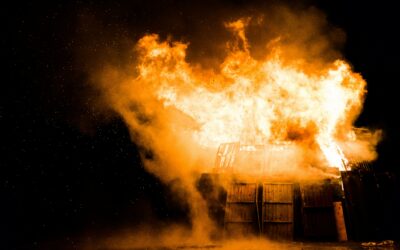
Decapitation Strike: U.S. Military Eliminates Tren de Aragua Leader in Coordinated Venezuela Raid
The global war against transnational organized crime reached a dramatic, kinetic climax deep inside South America. In an extraordinary cross-border operation, U.S. forces executed a precision strike inside Venezuela that successfully eliminated Héctor Rusthenford Guerrero Flores, better known by his street alias “Niño Guerrero,” the notorious kingpin of the ultra-violent Tren de Aragua criminal syndicate. President Donald Trump announced the successful operation on Truth Social, characterizing the mission as a “swift and lethal kinetic strike” that strips safe haven from international syndicates. The cross-border deployment represents a massive geopolitical shift, executed in close coordination with the newly recalibrated Venezuelan government following the forced removal of autocratic leader Nicolás Maduro earlier this year. At The Modern Memo, we break down the operational intelligence behind the strike, the history of the bloodthirsty prison gang, and how the administration leveraged shifting diplomatic dynamics to hunt down America’s most wanted narco-terrorist. The Operation: Blowing Up the Compound The high-stakes mission, carried out by U.S. Southern Command (SOUTHCOM), targeted a heavily fortified hideout used by the gang’s leadership structure. The Lethal Strike: Defense Secretary Pete Hegseth confirmed the operation took place in a remote, southeastern region of Venezuela’s Bolívar state. Trump’s social media announcement included unclassified, overhead surveillance footage capturing the exact moment a precision projectile struck a green-roofed building, instantly engulfing the compound in flames. The Firefight on the Ground: Venezuela’s communications ministry corroborated the timeline, issuing a formal statement confirming that local security forces engaged in fierce firefights with Tren de Aragua militants on the perimeter, culminating in the verified death of the 43-year-old gang lord. The Intelligence Pipeline: According to administration officials, the operation relied on extensive intelligence sharing, with the CIA reportedly mapping the target’s movements. SOUTHCOM Commander General Francis Donovan expressed profound gratitude to the local Venezuelan security services for their tactical support during the combined assault. The Target: Inside the Empire of ‘Niño Guerrero’ Héctor Guerrero Flores was not a standard street-level cartel boss; he was the primary mastermind behind an expansive criminal network that stretched from the lawless interior of South American prisons all the way into major American metropolitan hubs. The Prison Fortress: More than a decade ago, Guerrero assumed total control over the infamously corrupt Tocorón prison in Aragua state. Under his rule, the prison was transformed into a luxurious, fortified command center complete with a pool, a private zoo, a casino, restaurants, and a baseball field, allowing him to run international operations from a lavish private suite. The Transnational Army: Utilizing the mass migration of millions of Venezuelans escaping economic collapse, Tren de Aragua weaponized human smuggling pipelines to embed operatives throughout Peru, Colombia, Chile, and the United States. The gang established an empire built on extortion, contract murder, drug trafficking, and the severe sexual exploitation of women and children. The Federal Hunting License: Late last year, federal prosecutors in New York indicted Guerrero on sweeping racketeering, drug conspiracy, and material support for terrorism charges. The U.S. State Department had placed a $5 million bounty on his head, while the Trump administration formally designated Tren de Aragua as a Foreign Terrorist Organization. The Geopolitical Pivot: The New Alliance in Caracas The ability of the U.S. military to safely drop munitions inside Venezuelan territory marks a complete rewriting of Western Hemisphere defense strategy, made possible by the dramatic collapse of the old regime. The Maduro Arrest Factor: For months, the White House maintained that Tren de Aragua operated under the protection of Venezuelan dictator Nicolás Maduro. That protection permanently dissolved in January, when a daring U.S. military operation whisked Maduro out of the country to face federal drug trafficking charges in the United States. Partnering with Rodríguez: Following Maduro’s capture, the administration backed Acting President Delcy Rodríguez. In exchange for a gradual rollback of paralyzing economic sanctions and the opening of oil reserves, the temporary Venezuelan government has completely aligned its security forces with Washington to aggressively clean out transnational cartels. Retribution for the Victims: In his victory address, Trump tied the execution of Niño Guerrero directly to his domestic borders-and-justice platform. He explicitly dedicated the military strike to the families of American citizens killed in high-profile violent crimes involving undocumented gang members, including 12-year-old Jocelyn Nungaray and 22-year-old Laken Riley. “Tren de Aragua terrorists no longer have safe haven in Venezuela or anywhere else,” Trump wrote. “Under my leadership, we will find these vicious murderers and drug lords anytime, anyplace, and send them to the depths of hell where they belong.” Final Word The precision elimination of Niño Guerrero in his own backyard is the definitive proof that the administration has completely discarded the traditional, passive boundaries of international law enforcement to wage an offensive war against global cartels. When you look past the political noise and look directly at the data—the absolute decapitation of a Foreign Terrorist Organization’s supreme leader, the deployment of U.S. strike packages inside sovereign Venezuelan airspace with the explicit invite of local authorities, and the complete reversal of a decades-long anti-American regime in Caracas—you gain an unvarnished view of raw power politics. Quality information replaces the narrative of “unstoppable migrant gangs” with the reality of targeted military liquidation. It shows that when a rogue criminal empire expands its theater of operations into American suburbs, it forfeits its safety everywhere on earth. By executing a kinetic raid on the compounds of Bolívar state, Washington has delivered an unyielding message to the underworld: no prison wall, no remote jungle, and no foreign border will ever be enough to hide from an American missile.

Blood on the Sidewalk: Four Illegal Alien Tren de Aragua Members Plead Guilty to Ruthless Double Murder of Unarmed Americans
The horrific reality of transnational migrant crime hit a definitive legal milestone in a Manhattan federal courtroom. Four illegal alien members of the vicious Venezuelan prison gang Tren de Aragua (TdA)—which has been formally designated a foreign terrorist organization by the U.S. government—entered guilty pleas for execution-style street murders. The gang members admitted to gunning down two unarmed American citizens and severely wounding a third in a residential neighborhood. At The Modern Memo, we break down the raw investigative data from the Homeland Security Task Force, the violent criminal profile of Keiber Jaen Martinez and his co-defendants, and how open-border vulnerabilities allowed a foreign terror syndicate to establish a lethal foothold in New York City. The Ambush: Execution on Davidson Avenue The admissions of guilt put an end to the legal maneuvering surrounding a shocking act of public violence that occurred on May 24, 2024, in the middle of a residential street in the Bronx. The Slaying: Federal prosecutors detailed how TdA members cornered three unarmed New York City residents in the vicinity of 2290 Davidson Avenue. Operating with cold, tactical coordination, the gang members opened fire with semi-automatic handguns. The Victims: The barrage of gunfire instantly killed 44-year-old Claretha LaQuesha Daniels and 36-year-old Justin Lawless. A third unarmed American citizen, identified in court documents as “Victim-3,” survived multiple non-fatal gunshot wounds but was left with severe, permanent physical trauma. The TdA Roster: Appearing before U.S. District Judge Denise L. Cote, the four primary trigger-men entered guilty pleas to two counts of murder through the use of a firearm and one count of using a firearm in furtherance of a crime of violence. The defendants are: Keiber Jaen Martinez, alias “Keybe” Samuel Gonzalez Castro, alias “Klei” Eferson Gabriel Morillo-Gomez, alias “Jefferson” Keineyer Ibarra-Mujica, alias “Keiner” The Border Pipeline: Exploiting Leniency The most damning aspect of the federal case is the official immigration timeline of the killers, which confirms that every single one of the gunmen entered the United States illegally through the southern border. The 2023 Wave: Keiber Jaen Martinez, Eferson Morillo-Gomez, and Keineyer Ibarra-Mujica all illegally crossed the border into Texas in 2023. Despite their lack of legal status, they were processed and released into the interior of the country under the previous administration’s border protocols. The Enforcement Lag: Samuel Gonzalez Castro crossed illegally into the U.S. even earlier, in 2022, and was similarly cut loose. By the time the Department of Justice issued final orders of removal for these men, they had already integrated into TdA’s active criminal cells in New York City. The Total Conviction Rate: The guilty pleas mean all eight in-custody defendants tied to this specific TdA enforcement cell have now been convicted. A fifth co-defendant, Jarwin Valero-Calderon (alias “La Fama”), pleaded guilty a week prior to racketeering conspiracy and gunpoint carjacking, while three others have already been sentenced for related offenses. The Terror Syndicate: Sex Trafficking and “Multadas” The double murder on Davidson Avenue wasn’t a random dispute; federal prosecutors exposed it as an enforcement action designed to protect TdA’s multi-million-dollar human trafficking operations. Slavery in the Five Boroughs: Court filings from Joint Task Force Vulcan revealed that TdA has flooded New York City neighborhoods like the Bronx and Queens with sex trafficking rings. The gang systematically smuggles young women out of Venezuela, Colombia, and Peru, forcing them into prostitution to pay off fabricated “debts”. Enforcing Compliance: Within the gang, these enslaved women are referred to as “multadas” (the fined ones). TdA enforces compliance through absolute terror, including kidnapping, severe physical assaults, and public executions of women who attempt to escape or withhold money. The Federal Response: “Tren de Aragua is a terrorist organization with no place and no future in the United States,” warned Acting Attorney General Todd Blanche. Department of Homeland Security Secretary Markwayne Mullin echoed the hardline stance, noting that under current directives, the government is utilizing aggressive task forces to systematically hunt down and permanently eliminate TdA infrastructure. Final Word The guilty pleas of Keiber Jaen Martinez and his gang associates are the definitive proof that the chaos of an unsecured border directly translates to the slaughter of American citizens on municipal streets. When you look past the media spin of “isolated incidents” and focus on the data—four illegal alien terrorists, two dead New Yorkers, and a transnational syndicate funding itself through human sex trafficking—you gain an unvarnished picture of the migrant crime crisis. Quality information replaces the progressive narrative of harmless asylum seekers with the reality of a vicious foreign prison gang raping, maiming, and murdering for sport. It allows you to see that Claretha Daniels and Justin Lawless paid the ultimate price for years of federal enforcement failures. By forcing these killers to admit to their crimes in a federal court, the justice system has finally delivered accountability—but the fight to purge TdA from American soil has only just begun.

Championship Clash: USA and Venezuela Meet in Miami for the WBC Final
The 2026 World Baseball Classic has reached its peak. Tonight, March 17, at loanDepot park in Miami, Team USA and Team Venezuela will square off in a winner-take-all championship game. For the United States, it is a chance to secure their second title in three tournaments; for Venezuela, it is the opportunity to claim their first-ever gold on the world’s biggest stage. At The Modern Memo, we analyze the dramatic path to the final, the clash of baseball philosophies, and the high-stakes pitching matchup that will decide the crown. The Road to Miami: Battle-Tested vs. History-Makers Neither team coasted to the final. Both rosters had to survive high-tension nail-biters to earn their spot in tonight’s championship. USA’s Grit: After an early-tournament scare against Italy, Team USA has been the definition of “clutch.” They narrowly escaped a semifinal thriller against the Dominican Republic with a 2-1 victory, fueled by solo home runs from Gunnar Henderson and Roman Anthony. The U.S. is appearing in its third consecutive final, a testament to the depth and consistency of American talent. Venezuela’s Historic Rally: Venezuela is the story of the tournament. After upsetting the defending champions, Japan, in the quarterfinals, they ended Italy’s “Cinderella” run in the semifinals. Down 2-1 in the seventh inning, Venezuela ignited a three-run rally with two outs, powered by the bats of Ronald Acuña Jr., Maikel Garcia, and Luis Arraez. This is Venezuela’s first-ever appearance in a WBC final. The Pitching Matchup: McLean vs. Rodriguez In a tournament defined by pitch counts and strategic bullpen usage, tonight’s starters carry the weight of their nations. Nolan McLean (USA): The Americans are handing the ball to the hard-throwing right-hander. McLean represents the “new breed” of American arm—high velocity with a devastating breaking ball. After a rested day on Monday, the U.S. bullpen is fully available, meaning McLean likely only needs to navigate the lineup twice before turning it over to the relief corps. Eduardo Rodriguez (Venezuela): The veteran lefty gets the start for Venezuela. Rodriguez brings years of big-game MLB experience and a savvy approach that relies on location and changing speeds. His goal will be to neutralize the power-heavy left-handed bats in the American lineup, such as Henderson and Anthony. A Clash of Styles Tonight is also a study in contrast. Team USA has adopted a business-like, “mission-focused” demeanor, with many players citing a desire to play for the servicemen and women of the United States. Conversely, Team Venezuela has played with a joyful, “winter ball” energy—dancing in the dugout and feeding off the exuberant, flag-waving crowds in Miami. A pre-game coin flip determined that Team USA will be the home team, giving them the critical advantage of the last at-bat in front of a raucous, sold-out crowd of over 36,000. Final Word Tonight, the world stops to watch the two best teams in the sport. When you look past the regional rivalries and focus on the data—the lockdown American bullpen and the resilient Venezuelan two-out hitting—you gain a clearer picture of a final that is too close to call. Quality information replaces the noise of partisan predictions with the reality of a statistical toss-up. It allows you to see this game as the ultimate validation of the WBC’s growth: a championship where the “established” power and the “rising” nation are on perfectly equal footing. By choosing to tune in tonight, you align your perspective with the pinnacle of international competition. Where Facts, Context, and Perspective Matter At The Modern Memo, our goal is simple: to provide clear, well-researched reporting in a media landscape that often feels overwhelming. We focus on substance over sensationalism, and context over commentary. If you value thoughtful analysis, transparent sourcing, and stories that go beyond the headline, we invite you to share our work. Informed conversations start with reliable information, and sharing helps ensure important stories reach a wider audience. Journalism works best when readers engage, question, and participate. By reading and sharing, you’re supporting a more informed public and a healthier media ecosystem. The Modern Memo may be compensated and/or receive an affiliate commission if you click or buy through our links. Featured pricing is subject to change. 📩 Love what you’re reading? Don’t miss a headline! Subscribe to The Modern Memo here!
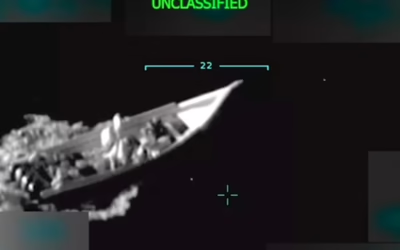
U.S. Strike on Venezuelan Drug Cartel Boat Signals New Era
On September 2, 2025, U.S. military forces sank a Venezuelan-linked vessel in the southern Caribbean. Intelligence identified the boat as part of the Tren de Aragua gang, a transnational Venezuelan cartel network tied to narcotics, extortion, and human trafficking. Eleven smugglers were killed. Video of the strike spread quickly, showing the precision of the U.S. operation. The Venezuelan government rushed to claim the footage was fake, but U.S. officials stood by the evidence. (RELATED NEWS: U.S. Confronts Venezuela Narco-State) This was no accident. It was a deliberate blow against a cartel that has pushed poison into American communities for years. For families who have lost loved ones to fentanyl and cocaine, the message was unmistakable: Washington will no longer tolerate business as usual on the high seas. pic.twitter.com/K15IcBG3b3 — Karoline Leavitt (@PressSec) September 2, 2025 Rubio Defends the Operation The administration defended the strike as both legal and necessary. Secretary of State Marco Rubio said the narco-gangs “pose an immediate threat” to U.S. security. He pointed out that these groups are not ragtag dealers but corporate-style syndicates that traffic in drugs, weapons, and people. Rubio argued that when an imminent danger is identified, the Commander-in-Chief has the right to act. “The President is going to be on offense against drug cartels.” Secretary of State Marco Rubio says cartels are in for a rude awakening after the U.S. military destroyed a drug-laden boat from Venezuela. pic.twitter.com/s3kY4RWI8D — Fox News (@FoxNews) September 2, 2025 “We’re not going to sit back anymore and watch these people sail … like a cruise,” Rubio declared. His blunt words carried the weight of a doctrine shift—no longer waiting until cartels reach America’s shores. 💨= 🔥 — Marco Rubio (@marcorubio) September 2, 2025 More Strikes May Follow Secretary of Defense Pete Hegseth reinforced that this was just the beginning. He revealed that additional U.S. naval power has already been deployed near Venezuela, including destroyers, an amphibious assault ship, and a submarine. These assets are not symbolic. They are a clear warning to traffickers, Maduro’s regime, and anyone else who profits from America’s pain. He also said to Fox News: “I’d say we smoked a drug boat and there’s 11 narco-terrorists at the bottom of the ocean — and when other people try to do that, they’re gonna meet the same fate.” “I’d say we smoked a drug boat and there’s 11 narco-terrorists at the bottom of the ocean — and when other people try to do that, they’re gonna meet the same fate.” Pete Hegseth said the U.S. military had the “absolute” authority to strike a Venezuelan boat carrying nearly a… pic.twitter.com/pK4cdv85wu — Fox News (@FoxNews) September 5, 2025 The administration’s stance is straightforward: more strikes will come if cartels continue their deadly trade. For the first time in decades, the United States is signaling that cartel leaders will face not only prison cells but military firepower. A Shift From Past Strategies For years, Washington leaned heavily on Coast Guard interdictions and criminal prosecutions. While important, these efforts left Venezuelan cartels emboldened. Arrest one trafficker, and another steps in. Seize one shipment, and ten more slip through. This new approach changes the calculus. Instead of chasing smugglers after the fact, the U.S. is eliminating threats before they reach American soil. It is proactive, decisive, and far harder for cartels to counter. Regional Reactions Are Divided Not all neighbors welcomed the strike, though some showed strong support. Trinidad and Tobago’s prime minister praised the U.S. for taking bold action, saying the cartels are “evil” and must be stopped with force. “I, along with most of the country, am happy that the US naval deployment is having success in their mission. The pain and suffering the cartels have inflicted on our nation is immense. I have no sympathy for traffickers; the U.S. military should kill them all violently,” she said in a statement. “Our country has been ravaged by bloody violence and addiction because of the greed of the cartels. The slaughter of our people is fuelled by evil cartel traffickers.” Colombia’s President Gustave Petro, by contrast, labeled the strike an “extrajudicial killing.” But while elites argue over definitions, families across the region know who the real villains are. Cartels terrorize communities, enslave women, and funnel drugs northward. For many, America’s action is overdue. International Law Concerns Critics questioned whether the strike complied with international law. They claimed the attack occurred in international waters and targeted criminals without trial. Legal scholars debated whether the 2001 Authorization for Use of Military Force applies. Yet supporters argue that cartels have long crossed the line into terrorism. They kill without hesitation, destabilize governments, and funnel billions into criminal networks. To treat them as ordinary criminals is to ignore the reality on the ground. The Terrorist Label Labeling cartels as terrorist organizations has given the U.S. more tools to act. A month ago, the administration increased the bounty on Nicolás Maduro to $50 million and classified the Cartel of the Suns as a terrorist network. By recognizing cartel violence as a form of warfare, Washington is taking the fight seriously. Supporters point out that these groups flood American cities with fentanyl, fueling record overdoses. Treating them like terrorists reflects the scale of their crimes. Toward a Military Campaign This strike is not an isolated event. Rubio made clear it “will happen again.” The administration is preparing a sustained campaign against cartels that threaten U.S. security. Far from a one-off message, it is a standing policy: America will strike first, and strike hard. pic.twitter.com/WlLvoACd9o — Marco Rubio (@marcorubio) September 4, 2025 Venezuela Prepares for Conflict Maduro responded with bluster, mobilizing the Bolivarian Militia and declaring “maximum preparedness.” Yet his regime, weakened by sanctions and corruption, cannot match U.S. power. For years, he has sheltered cartels in exchange for profit. Now, that alliance puts him in Washington’s crosshairs. A New Era of U.S. Anti-Cartel Policy The obliteration of the Venezuelan drug boat marks more than a single battle. It represents a turning point in U.S….
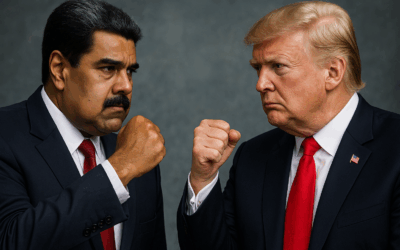
U.S. Confronts Venezuela Narco-State
Venezuela, once one of the wealthiest nations in South America, is now defined by authoritarian rule, collapsing infrastructure, and the largest refugee crisis in the Western Hemisphere. Nicolás Maduro has clung to power since 2013 through repression, sham elections, and close ties to drug cartels. His regime controls the judiciary, censors the media, and puts political opponents in prison. Sounds all too familiar. For ordinary Venezuelans, the result has been catastrophic: widespread shortages of food, fuel, and medicine, and the mass flight of more than seven million citizens seeking survival abroad. (MORE NEWS: Kilmar Abrego Garcia and the Deep Immigration Divide) The United States has not remained silent. Faced with a regime tied directly to narco-trafficking, the Trump administration recently deployed naval assets in the Caribbean in what was one of the largest U.S. military operations in the region since the 1989 Panama intervention. Maduro immediately claimed the Trump administration was “seeking a regime change through military threat.” That charge fits his propaganda playbook, but it misrepresents American intentions. Pentagon spokesman Sean Parnell explained, “This requires a whole-of-government effort… the Department of Defense will undoubtedly play an important role in meeting the President’s objective to eliminate the ability of these cartels to threaten the territory, safety, and security of the United States and its people.” In short, the U.S. was not aiming to topple Maduro by force. It is protecting American citizens and reinforcing the rule of law in a region plagued by cartel violence. Newsweek is reporting that Maduro has “mobilized troops along the coast and border with Colombia.” While U.S. officials have not signaled plans for a land invasion, Maduro has mobilized troops along the coast and border with Colombia. https://t.co/VKhOLKVhfI — Newsweek (@Newsweek) September 1, 2025 China and Global Critics Misread U.S. Intentions Predictably, America’s adversaries tried to spin the move as imperialism. China’s Foreign Ministry spokesperson Mao Ning accused Washington of meddling, declaring, “We oppose the use or threat of force in international relations… under any pretext.” Beijing framed the deployment as interference in regional affairs, ignoring the obvious reality: Maduro’s Venezuela has become a safe haven for criminal cartels, which threaten America, our citizens, and our interests. National security requires decisive action beyond our borders when foreign regimes enable crime that spills into American communities. Fentanyl and cocaine do not respect borders. Neither should our response be to the cartels that traffic them. By misrepresenting America’s actions as an invasion, Beijing and Caracas both reveal their fear of U.S. strength. Critics who call this “foreign interference” fail to acknowledge that narco-terrorism is itself interference—an assault on sovereignty, law, and order. America is not building colonies in South America. It is stopping cartels from building empires of crime on our doorstep. President Trump has stated he is “prepared to use every element of American power to stop drugs from flooding in to our country.” Encouraging Democracy Through Strength Beyond military deterrence, the U.S. has pursued a strategy of sanctions and indictments that weaken Maduro’s regime from within. The Department of Justice indicted Maduro and several top officials for narcoterrorism in 2020, offering a $15 million reward for information leading to his arrest. A larger package of sanctions targeted Venezuela’s state-owned oil company PDVSA, choking off the cash that funds Maduro’s patronage networks. These measures serve two purposes: they deprive the dictatorship of resources while giving hope to Venezuela’s democratic opposition. Figures like Juan Guaidó briefly gained international recognition as legitimate representatives of the Venezuelan people, though internal divisions later weakened the movement. Still, the U.S. policy of pressure keeps alive the possibility of peaceful political change. This is an example of strength used wisely. America does not have to invade to make an impact. By raising the cost of tyranny and supporting those who resist it, Washington advances freedom without repeating the mistakes of reckless interventions. As President Ronald Reagan once said, “We maintain the peace through our strength; weakness only invites aggression” (1983 speech, Orlando, FL to the National Association of Evangelicals). That lesson holds true in Caracas just as it did in Moscow. Strength Preserves Freedom At its core, the Venezuelan crisis is not only about one dictator. It is about whether authoritarian regimes and criminal cartels can operate freely in the Western Hemisphere. The principle is straightforward: a secure America requires a secure hemisphere. If drug cartels use Venezuela as a launching pad, then America has every right—and every duty—to respond with force, sanctions, and diplomatic pressure. The Trump Administration is defending its people, and without U.S. resolve, Maduro would operate with total impunity and the cartels would expand unchecked. The vision is not reckless intervention. It is principled strength—measured, deliberate, and unapologetic. America has a right to communities free from drugs and cartel violence, and it has a duty to expose the lies that keep Maduro’s narco-state alive. Cut Through the Noise. Slice Through the Lies. Share the Truth. At The Modern Memo, we don’t tiptoe around the narrative—we swing a machete through it. The mainstream won’t say it, so we will. If you’re tired of spin, censorship, and sugar-coated headlines, help us rip the cover off stories that matter. Share this article. Wake people up. Give a voice to the truth the powerful want buried. This fight isn’t just ours—it’s yours. Join us in exposing what they won’t tell you. America needs bold truth-tellers, and that means you.