
War

Wartime Terror: Mojtaba Khamenei Regime Hangs Champion Wrestler Amid Brutal Dissent Crackdown
In a chilling demonstration of the new leadership’s intolerance for internal dissent, the Iranian judiciary carried out the secret execution of 19-year-old wrestling champion Saleh Mohammadi on Thursday, March 19, 2026. The hanging, conducted at dawn in Qom Central Prison, marks a grim milestone in the wartime crackdown orchestrated by the regime of Mojtaba Khamenei, who recently assumed power following the death of his father. At The Modern Memo, we analyze the systematic silencing of Iran’s athletic elite, the “expedited” execution process currently being used to stifle anti-war sentiment, and the mounting list of protesters being sent to the gallows. The Execution of Saleh Mohammadi Saleh Mohammadi, a member of Iran’s national wrestling team and a bronze medalist at the 2024 Saitiev Cup in Russia, was executed alongside two other young men. The Charges: Mohammadi was convicted of moharebeh (“waging war against God”) and the alleged killing of two police officers during the January 2026 protests. Forced Confessions: Despite repeated denials in court, Mohammadi’s family and human rights observers maintain that his “confession” was extracted through severe physical and psychological torture. Exculpatory evidence, including CCTV footage that reportedly showed he was not at the scene of the crime, was dismissed by the judiciary. Echoes of Navid Afkari: The international community has drawn direct parallels to the 2020 execution of wrestler Navid Afkari. The regime’s targeting of popular athletes is widely seen as a calculated attempt to break the spirit of the Iranian youth who view these champions as symbols of national pride rather than regime loyalty. The “War-Time” Purge: Mehdi Ghasemi and Saeed Davoudi The gallows in Qom were not reserved for Mohammadi alone. On the same morning, the regime executed two other protesters who had become symbols of the December–January unrest. Mehdi Ghasemi and Saeed Davoudi: Arrested during the same wave of anti-government demonstrations, these men were subjected to the same “expedited” legal proceedings. Under the new wartime directives issued by Mojtaba Khamenei, the time between arrest, sentencing, and execution has been slashed, leaving virtually no room for international appeal or legal defense. Swedish-Iranian Execution: Just 24 hours prior, the regime also executed Kourosh Keyvani, a Swedish-Iranian citizen, on charges of espionage. This move, which drew a fierce condemnation from Stockholm, signals that the Khamenei administration is no longer deterred by the risk of diplomatic isolation. Mojtaba Khamenei’s Hardline Ascendance The surge in executions is inextricably linked to the consolidation of power by Mojtaba Khamenei. Since the death of Ali Khamenei in late February, the younger Khamenei has utilized the ongoing regional war as a pretext to eliminate domestic threats. A “Security-First” Doctrine: Internal state television broadcasts have characterized dissenters as “traitors in a time of war.” By framing protesters as assets of foreign intelligence, the regime has granted itself the moral and legal leeway to carry out what rights groups are calling a “massacre in the shadow of war.” Athletes in the Crosshairs: The list of those currently at risk remains long. Footballer Mohammad Hossein Hosseini, kickboxing champion Benjamin Naghdi, and marathon runner Niloufar Pas are all reportedly in custody, with fears mounting that they may be next as the regime seeks to “cleanse” the sports community of anti-government influence. Final Word The execution of Saleh Mohammadi is a stark reminder that for the clerical regime, the real war is being fought not just on the borders, but in the streets of Qom and Tehran. When you look past the official judiciary reports and focus on the data—the coerced confessions, the secret dawn hangings, and the systematic targeting of athletes—you gain a clearer picture of a regime that is terrified of its own people. Quality information replaces the noise of state propaganda with the clarity of human rights documentation. It allows you to see these executions not as “justice,” but as the desperate survival tactics of a hereditary dictatorship under siege. By choosing to remember the names of Mohammadi, Ghasemi, and Davoudi, you align your perspective with the reality that true strength is found in those who stand for freedom, even in the face of the gallows. Where Facts, Context, and Perspective Matter At The Modern Memo, our goal is simple: to provide clear, well-researched reporting in a media landscape that often feels overwhelming. We focus on substance over sensationalism, and context over commentary. If you value thoughtful analysis, transparent sourcing, and stories that go beyond the headline, we invite you to share our work. Informed conversations start with reliable information, and sharing helps ensure important stories reach a wider audience. Journalism works best when readers engage, question, and participate. By reading and sharing, you’re supporting a more informed public and a healthier media ecosystem. The Modern Memo may be compensated and/or receive an affiliate commission if you click or buy through our links. Featured pricing is subject to change. 📩 Love what you’re reading? Don’t miss a headline! Subscribe to The Modern Memo here!
Operation Epic Fury: U.S. Reinforces the Front as Conflict with Iran Escalates
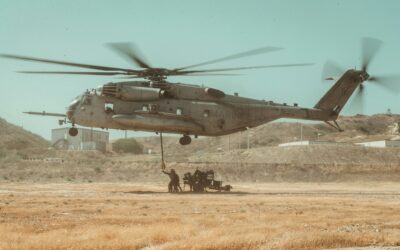
As the war against the Islamic Republic enters its third decisive week, the United States is significantly expanding its military footprint in the Middle East. Under the direction of Defense Secretary Pete Hegseth, the Pentagon has ordered thousands of Marines and a powerful amphibious strike group to the region—a move that signals Washington’s unwavering commitment to absolute naval dominance and the total reopening of the world’s most critical energy corridors. At The Modern Memo, we analyze the strategic arrival of the USS Tripoli, the mission to secure the Strait of Hormuz, and why this buildup is the necessary response to a regime that has “abandoned all restraint.” The Arrival of the “Floating Fortress” The centerpiece of this reinforcement is the USS Tripoli (LHA-7) and the 31st Marine Expeditionary Unit (MEU). Sailing from Japan, this amphibious assault carrier functions as a mobile airbase, bringing a specialized set of capabilities to Operation Epic Fury. Elite Rapid Response: The MEU consists of roughly 2,200 to 2,500 combat-ready Marines trained for high-intensity raids, amphibious landings, and the securing of strategic infrastructure. Air Superiority from the Sea: The Tripoli carries a lethal contingent of F-35B Lightning II stealth fighters and V-22 Ospreys, providing commanders with “over-the-horizon” strike options that do not depend on land-based foreign runways. Strategic Positioning: Joining the USS Abraham Lincoln and USS Gerald R. Ford strike groups, the Tripoli’s arrival creates one of the most concentrated displays of American naval power in the region since 2003. Securing the Strait: Ending the “Iranian Veto” The primary objective of the increased presence is the contested Strait of Hormuz. Following Iran’s illegal closure of the waterway on March 2, global energy markets have been roiled, and the administration has made it clear that the “veto” on global oil flow will not stand. Clearing the Shoreline: Military analysts suggest the Marines may be utilized for targeted raids on hardened Iranian missile bunkers and drone launch sites along the coastline—targets that are often difficult to eliminate through airstrikes alone. Escort Operations: Treasury Secretary Scott Bessent and Defense Secretary Hegseth have both signaled that U.S. Navy escorts for commercial tankers could begin “very soon.” The addition of the Tripoli’s ESG (Expeditionary Strike Group) provides the necessary Aegis-class protection to shield merchant ships from Iranian “suicide” boats and cruise missiles. Kharg Island Warning: President Trump has already confirmed that U.S. forces “obliterated” military sites on Kharg Island. The deployment of ground-capable Marines serves as a final warning: should the interference continue, the regime’s critical oil infrastructure will be next. A Posture of Strength Amidst Domestic Strain This surge in Middle Eastern forces comes despite the ongoing political gridlock in Washington regarding the Department of Homeland Security (DHS) shutdown. While critics point to the strain on domestic agencies, the administration maintains that national security is a global, indivisible priority. Decisive Command: Secretary Hegseth has remained focused on the mission, noting that over 15,000 enemy targets have been struck since the war began. “We have a plan for every option,” Hegseth told reporters, emphasizing that the U.S. will not allow the Strait to remain a contested zone. The Deterrence Factor: By moving ground-capable forces into the theater, the U.S. is signaling that it is prepared for a wider confrontation if Tehran continues its asymmetric attacks on American assets and allies. Final Word The deployment of the 31st MEU is a cold, calculated message to Tehran: the era of “strategic patience” has ended. When you look past the noise of regional escalation and focus on the data—the 2,500 Marines, the F-35B squadrons, and the systematic dismantling of the Iranian Navy—you gain a clearer picture of an administration that prioritizes results over rhetoric. Quality information replaces the fear of a “forever war” with the clarity of a targeted, high-tech campaign designed to restore order to the global commons. It allows you to see this buildup not as an act of aggression, but as the essential enforcement of maritime law. By choosing to support this decisive posture, you align your perspective with the reality that a secure world is only possible through undisputed strength. Where Facts, Context, and Perspective Matter At The Modern Memo, our goal is simple: to provide clear, well-researched reporting in a media landscape that often feels overwhelming. We focus on substance over sensationalism, and context over commentary. If you value thoughtful analysis, transparent sourcing, and stories that go beyond the headline, we invite you to share our work. Informed conversations start with reliable information, and sharing helps ensure important stories reach a wider audience. Journalism works best when readers engage, question, and participate. By reading and sharing, you’re supporting a more informed public and a healthier media ecosystem. The Modern Memo may be compensated and/or receive an affiliate commission if you click or buy through our links. Featured pricing is subject to change. 📩 Love what you’re reading? Don’t miss a headline! Subscribe to The Modern Memo here!