

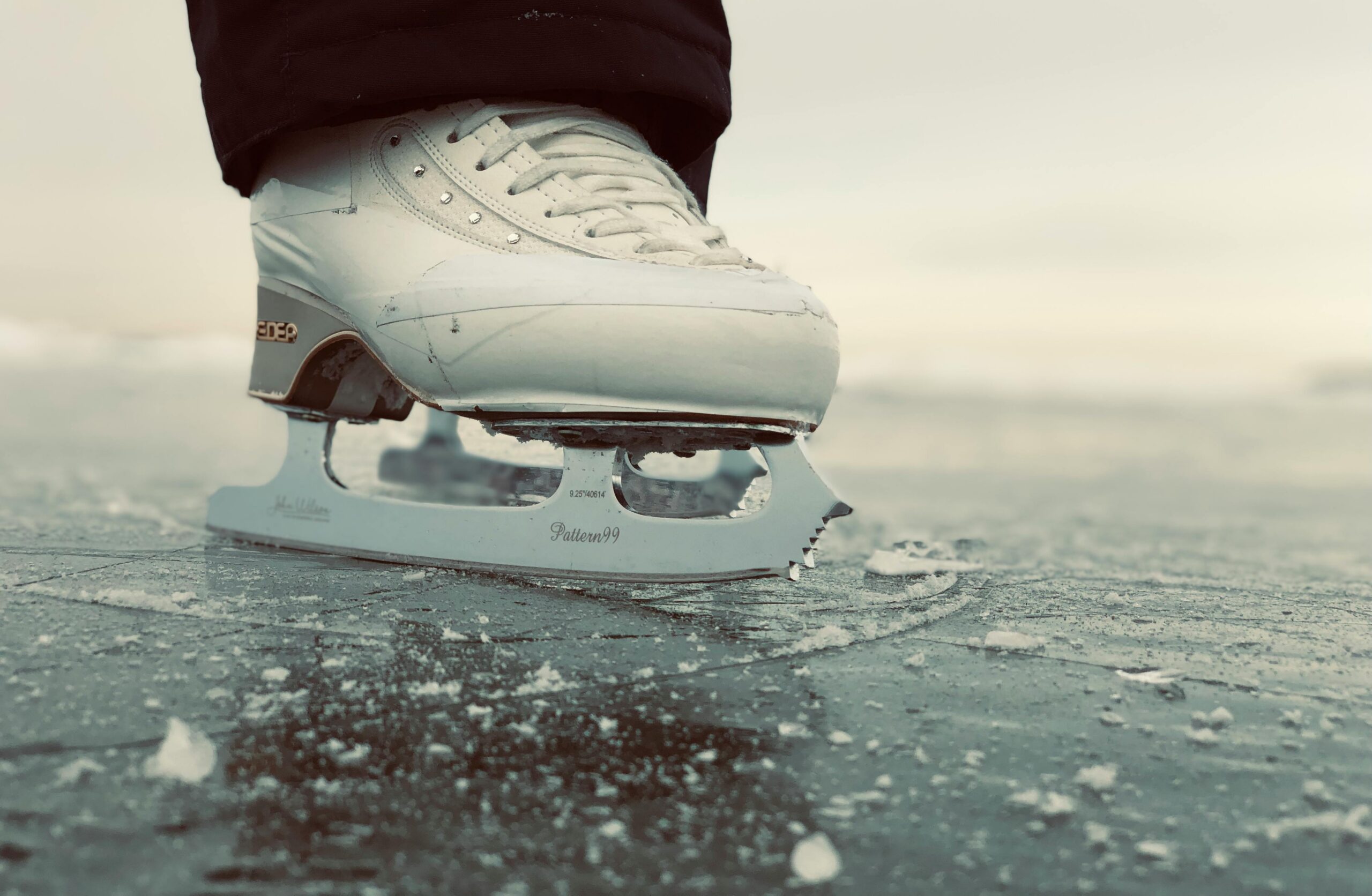
The shocking fall of the “Quad God,” Ilia Malin in, has ignited a fierce debate that reaches far beyond a single skater’s performance. As Malinin plummeted from a gold-medal lead to an 8th-place finish on Friday, February 13, 2026, a chorus of athletes, coaches, and commentators began pointing toward a potential culprit: the quality of the ice at the Milano Ice Skating Arena.
At The Modern Memo, we analyze the “soft ice” theory, the staggering fall rate during the Men’s Final, and the technical breakdown of how temperature affects high-velocity quadruple jumps.
The “Soft Ice” Theory: A Skater’s Nightmare
In the aftermath of the final, several coaches and skaters voiced concerns that the ice in Milan was “too soft” or “mushy.” Unlike hockey ice, which is kept harder and colder, figure skating ice requires a delicate balance—soft enough to allow for deep edge work, but firm enough to support the explosive force of a quadruple jump.
-
The Temperature Factor: Reports from rink-side technicians suggested the ice temperature was hovering near -3°C to -4°C, slightly warmer than the preferred -5.5°C for elite jumping.
-
The “Rut” Problem: Softer ice creates deeper ruts and tracks. For a skater like Malinin, who launches with massive torque, hitting a pre-existing rut in soft ice can cause the blade to “sink” or “catch,” leading to the “popped” jumps and freak falls witnessed during his routine.
-
The Humidity Issue: With a capacity crowd and unseasonably warm February weather in Milan, the arena’s HVAC system reportedly struggled to keep the surface crisp, leading to what skaters described as “heavy” or “slow” conditions.
A Field in Freefall: The Data of the Disaster
Malinin was far from the only victim of the Milan ice. The Men’s Free Skate turned into a literal “festival of falls,” with statistics that suggest a systemic issue rather than a collective lack of focus.
-
Fall Count: Out of the 24 finalists, 18 skaters suffered at least one fall, with a total of 32 falls recorded across the segment. This is nearly double the fall rate seen at the 2022 Beijing Games.
-
The Favorites Falter: Beyond Malinin’s two falls and “popped” Axel, silver medalist Yuma Kagiyama stumbled on a landing, and several European favorites, including France’s Adam Siao Him Fa, saw their programs derailed by uncharacteristic slips on basic transitions.
-
The Anomaly: Only the gold medalist, Mikhail Shaidorov, delivered a “clean” program, though even he admitted in the post-event press conference that the ice felt “challenging” and “different” from the practice sessions.
The ISU and Organizing Committee Response
The International Skating Union (ISU) and the Milan-Cortina Organizing Committee have downplayed the “soft ice” narrative, attributing the mistakes to the high-altitude pressure and the extreme technical difficulty of modern programs.
-
Official Statement: “The ice conditions in Milan meet all Olympic and international standards. We monitor the surface temperature every 15 minutes.”
-
The Counter-Argument: Critics point out that “standards” don’t always account for the unique physics of 2026-era skating, where the force exerted on the ice during a Quad Axel is significantly higher than anything seen when these standards were written.
Final Word
Staying informed on the “Soft Ice” controversy isn’t just about finding excuses for a favorite athlete—it plays a powerful role in your understanding of how environmental variables can dictate the outcome of years of training. When you look past the heartbreak of the fall and focus on the data of the 75% fall rate and the technicalities of ice temperature, you gain a clearer picture of the fragile intersection between human skill and physical conditions.
Quality information replaces the noise of “meltdown” headlines with the clarity of atmospheric science and rink engineering. It allows you to see this event not just as a failure of nerves, but as a failure of infrastructure that impacted an entire field of world-class athletes. By choosing to follow the forensic look at the rink conditions rather than the surface-level blame, you align your perspective with the realities of elite sport and support a more informed, resilient athletic community.
Where Facts, Context, and Perspective Matter
At The Modern Memo, our goal is simple: to provide clear, well-researched reporting in a media landscape that often feels overwhelming. We focus on substance over sensationalism, and context over commentary.
If you value thoughtful analysis, transparent sourcing, and stories that go beyond the headline, we invite you to share our work. Informed conversations start with reliable information, and sharing helps ensure important stories reach a wider audience.
Journalism works best when readers engage, question, and participate. By reading and sharing, you’re supporting a more informed public and a healthier media ecosystem.
The Modern Memo may be compensated and/or receive an affiliate commission if you click or buy through our links. Featured pricing is subject to change.
Subscribe to The Modern Memo here!
