

As the 2026 midterm elections approach, the fight over who has a say in the future of our country has reached a fever pitch. In February 2026, the House of Representatives took a decisive step by passing the Safeguard American Voter Eligibility (SAVE) America Act. The bill, a top priority for the Trump administration, is currently the center of a high-stakes debate in the Senate.
At The Modern Memo, we break down the core pillars of this legislation, why its supporters call it “common-sense security,” and why the opposition is fighting so hard to keep the status quo.
The Core Mandate: Proof of Citizenship
The central goal of the SAVE America Act is simple: ensuring that only American citizens decide American elections. While federal law already prohibits non-citizens from voting, the SAVE America Act introduces a rigorous enforcement mechanism that currently doesn’t exist at the federal level.
-
Documentary Proof (DPOC): For the first time, individuals would be required to provide documentary proof of U.S. citizenship when registering to vote in federal elections.
-
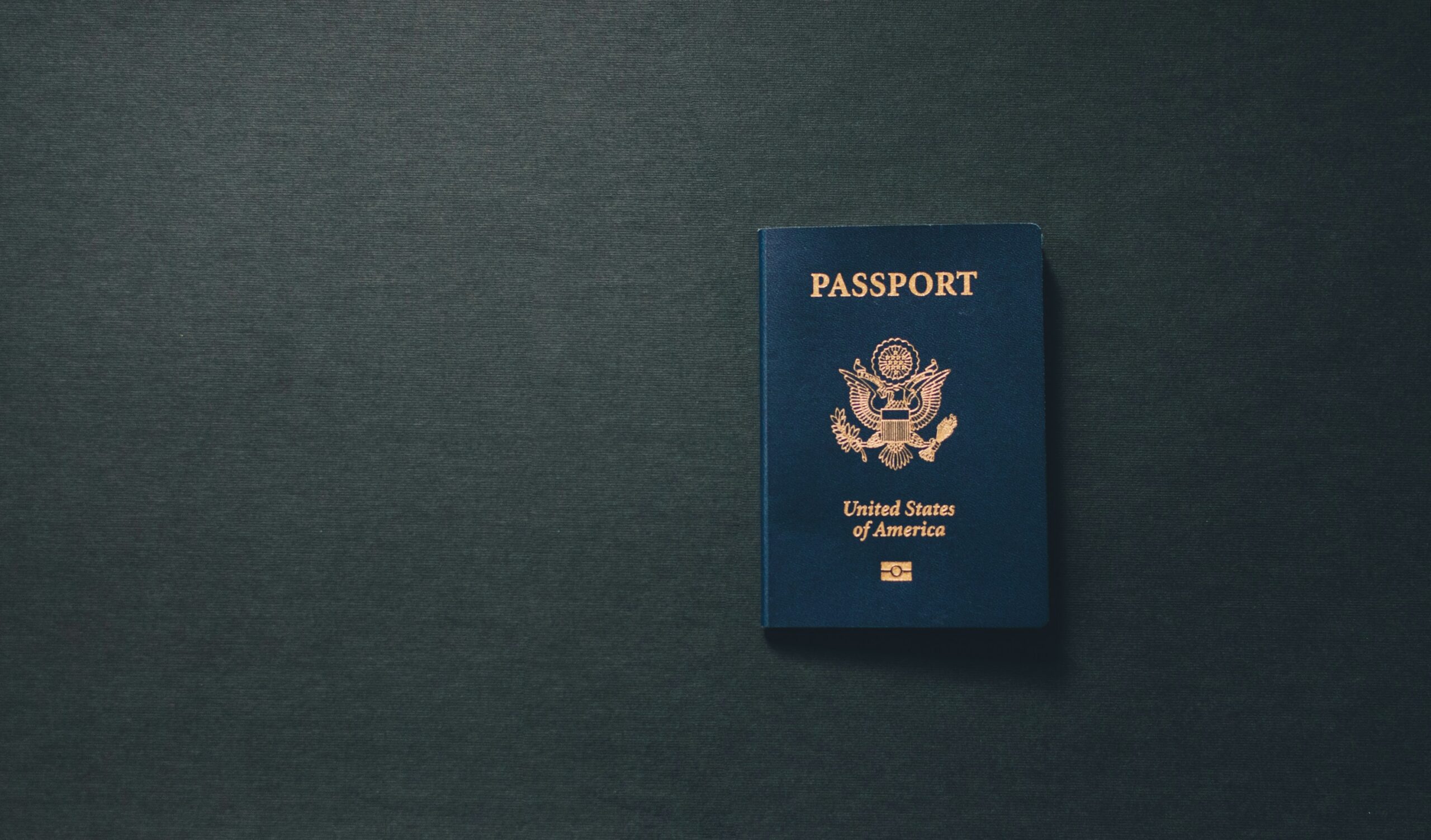
Accepted Documents: Valid proof includes a U.S. passport, a birth certificate (accompanied by a photo ID), or a naturalization certificate.
-
Closing the Loophole: Currently, many states rely on a “self-attestation” box—essentially an honor system. Supporters argue this is insufficient in an era of unprecedented illegal border crossings and want a physical paper trail to verify eligibility.
National Voter ID: A Standard for Security
Beyond registration, the Act mandates a strict photo identification requirement at the polling place.
-
The ID Requirement: Voters would be required to present a valid photo ID to cast their ballot, whether in person or by mail.
-
State Preemption: While 36 states already have some form of voter ID, the SAVE America Act would set a federal “floor,” ensuring that states with loose requirements (like those allowing student IDs or utility bills) must move to more secure, government-issued photo identification.
-
Cleaning the Rolls: The bill directs states to cross-reference their voter registration lists with the Department of Homeland Security’s (DHS) databases to identify and remove any non-citizens currently on the rolls.
Accountability: Real Consequences for Fraud
The SAVE America Act isn’t just a set of guidelines; it carries heavy penalties for those who undermine the system.
-
Criminal Penalties: The bill establishes criminal penalties for election officials who knowingly register non-citizens or fail to collect the required proof of citizenship.
-
Private Right of Action: Perhaps most significantly, the Act allows private citizens to sue election officials if they believe the law is not being properly enforced. This “watchdog” provision is designed to ensure that local bureaucracies cannot ignore federal security standards.
Final Word
The SAVE America Act represents a fundamental shift in how we view the “sanctity of the ballot.” When you look past the noise of “voter suppression” rhetoric and focus on the data—the millions of new arrivals in the country and the documented inconsistencies in state voter rolls—you gain a clearer picture of why this legislation is necessary.
Quality information replaces the fear of “barriers” with the clarity of a standardized, secure process that mirrors what is required to open a bank account or board an airplane. It allows you to see the SAVE America Act not as a hurdle, but as a safeguard that ensures every legal vote isn’t diluted by an illegal one. By choosing to back a system rooted in verified citizenship, you align your perspective with the reality that a sovereign nation must, above all, protect the integrity of its own voice.
Where Facts, Context, and Perspective Matter
At The Modern Memo, our goal is simple: to provide clear, well-researched reporting in a media landscape that often feels overwhelming. We focus on substance over sensationalism, and context over commentary.
If you value thoughtful analysis, transparent sourcing, and stories that go beyond the headline, we invite you to share our work. Informed conversations start with reliable information, and sharing helps ensure important stories reach a wider audience.
Journalism works best when readers engage, question, and participate. By reading and sharing, you’re supporting a more informed public and a healthier media ecosystem.
The Modern Memo may be compensated and/or receive an affiliate commission if you click or buy through our links. Featured pricing is subject to change.
Subscribe to The Modern Memo here!
