


FBI Probes Hunting Stand Near Trump’s Air Force One Area
In a Fox News exclusive, investigators revealed a suspicious elevated hunting stand near Trump’s Air Force One exit zone. It had a direct line of sight to the area at Palm Beach International Airport. Secret Service agents found the structure while conducting advance security preparations for Trump’s arrival. Following the discovery, the FBI took over the investigation and began collecting evidence on site. Discovery and Immediate Response The Secret Service discovered the elevated stand on Thursday, just before Trump was scheduled to arrive in West Palm Beach. According to law enforcement sources, the structure appeared to have been in place for several months before it was detected. No individuals were found nearby, and officials confirmed there was no impact on the President’s movements or flight operations that day. Once agents secured the site, the FBI deployed specialized units to collect forensic evidence. Investigators used cell-phone analytics tools to look for digital traces that might link the site to anyone in the area. The FBI and Secret Service are now working closely with Palm Beach County law enforcement to investigate. Location Raises Serious Security Questions The hunting stand was positioned to overlook the Air Force One landing and exit area. That zone is highly restricted with multiple layers of protection. Its placement raised immediate concerns about intent and potential threats. Officials told Fox News that the structure’s height and location would have provided an unobstructed vantage point toward the President’s arrival area. The fact that it had been there undetected for months adds to the seriousness of the situation. This discovery follows an earlier Palm Beach County incident in which Ryan Routh was convicted of attempting to assassinate President Trump from a nearby golf course. That event has made federal and local security teams especially cautious about any structure that could serve as a surveillance or attack platform. (RELATED NEWS: Ryan Routh Attempts To Stab Himself After Guilty Verdict For Trump Assassination Plot) FBI and Secret Service Coordination According to Fox, FBI Director Kash Patel stated that investigators have not yet linked the stand to any individual. The bureau is currently analyzing fingerprints, construction materials, and cell-tower data to find possible leads. The Secret Service, while not sharing operational specifics, emphasized that this incident highlights the value of their layered security system. The agency conducts constant sweeps around the airport and surrounding zones, but this find shows how easily an unnoticed structure could threaten an otherwise secure perimeter. No evidence so far indicates that the stand was used to target Trump or anyone else. However, authorities stress that its strategic location cannot be ignored. Why This Matters This investigation matters because it exposes a potential weakness in presidential security around Palm Beach International Airport, one of Trump’s frequent travel destinations. The structure’s presence within a direct sight line to Air Force One’s operations area challenges assumptions about perimeter control and situational awareness. It also demonstrates how routine sweeps may miss older or disguised installations, especially on private property near airport grounds. The fact that the stand went undetected for so long raises questions about coordination between federal agencies, airport security, and local landowners. Finally, the discovery comes during a time of heightened political tension, which makes any perceived threat toward a president particularly sensitive. The FBI’s quick takeover of the case underscores how seriously federal authorities are treating the matter. (MORE NEWS: John Bolton Pleads Not Guilty to Classified Documents Charges) What Comes Next Identification of the builder or owner – Forensic work and cell-data mapping could soon reveal who constructed the stand. Motive determination – Investigators must determine whether the structure served as a legitimate hunting platform, an observation post, or something more sinister. Security upgrades – The Secret Service may adjust perimeter protocols, possibly expanding patrols and aerial monitoring. Legal outcomes – If a suspect is identified, federal prosecutors will decide whether to pursue charges related to threats or security breaches. Each of these steps will help officials assess how the stand was built, why it was overlooked, and what risks it might have posed to presidential security operations. Broader Implications Beyond this single case, the discovery has broader implications for aviation and VIP security nationwide. Airports with mixed civilian and high-security traffic must maintain strict oversight of surrounding land. Structures like tree stands, observation towers, or even tall scaffolding could potentially provide unauthorized visibility into restricted zones. This situation also illustrates the value of interagency communication. The rapid coordination between the FBI, Secret Service, and local law enforcement prevented what could have been a serious breach. Moving forward, officials may adopt new technology or more frequent aerial sweeps to detect similar threats before they become critical. Final Word The FBI’s investigation into the hunting stand near Trump’s Air Force One exit zone highlights ongoing challenges in securing presidential travel areas. While no suspects have been identified, the find has already prompted a review of safety measures around Palm Beach International Airport. Federal agents are now focused on tracing who built the structure and how it went unnoticed for months. Their findings could lead to new rules for surveillance, airfield monitoring, and coordination between local and federal authorities. Rather than signaling a single security lapse, this case serves as a warning about vulnerabilities that can exist even in highly protected zones. The results of the investigation will likely shape how security teams nationwide prevent similar risks in the future. Expose the Spin. Shatter the Narrative. Speak the Truth. At The Modern Memo, we don’t cover politics to play referee — we swing a machete through the spin, the double-speak, and the partisan theater. While the media protects the powerful and buries the backlash, we dig it up and drag it into the light. If you’re tired of rigged narratives, selective outrage, and leaders who serve themselves, not you — then share this. Expose the corruption. Challenge the agenda. Because if we don’t fight for the truth, no one will. And that fight starts with you.

Health Insurance Open Enrollment: What to Know Before Jan 15
Every fall, millions of Americans face the same question: Should I stick with my current health insurance plan, or is it time to make a change? Open enrollment — whether through your employer or the Health Insurance Marketplace — typically runs from November 1st to January 15th. It’s your once-a-year opportunity to adjust your coverage, review your benefits, and ensure your plan still fits your life. Yet too many people rush through the process, only to discover months later that their favorite doctor isn’t covered, or a prescription suddenly costs triple what it used to. This year, take a little extra time to approach open enrollment strategically. A few smart moves now can save you hundreds — even thousands — later. Take Stock of Your Current Needs Start by taking an honest look at how you used your healthcare this past year. Did you visit specialists more often? Are you on new medications? Maybe you’re planning for a baby, managing a chronic condition, or simply trying to budget better. (RELATED NEWS: Smart Tips for Medicare Open Enrollment Success) Your medical, dental, and vision needs change over time — and your coverage should keep up. List your regular prescriptions and any new ones on the horizon. Note which doctors, hospitals, and clinics you prefer to use. Think ahead to any expected procedures, life events, or lifestyle changes (a move, new job, marriage, etc.). This self-inventory will help you identify whether your current plan still fits or if it’s time to explore alternatives. Look Beyond the Premium When comparing plans, many people focus only on the monthly premium — but that’s just one piece of the puzzle. A plan with a low premium may come with a high deductible, limited network, or steep prescription costs. On the other hand, paying a little more each month might save you significantly if you need regular care. Before deciding, look carefully at the total cost of coverage: Deductible: How much you’ll pay before insurance begins to share costs. Copays and coinsurance: What you’ll pay each time you use services. Out-of-pocket maximum: The yearly ceiling on what you could owe. Remember, the cheapest plan isn’t always the most affordable — especially if you actually use your insurance. Understand Your Plan Options If you’re offered several types of plans, the acronyms can get confusing — but the differences matter. HMO (Health Maintenance Organization): Typically costs less but requires you to stay in-network and get referrals for specialists. PPO (Preferred Provider Organization): Offers more flexibility in choosing doctors but often comes with higher premiums. EPO (Exclusive Provider Organization): Falls somewhere in between — no out-of-network coverage except for emergencies, but usually no referrals needed. HDHP (High Deductible Health Plan): Often paired with a Health Savings Account (HSA), letting you save tax-free money for medical expenses. The best fit depends on your health, financial situation, and how much freedom you want in choosing care. Review What’s Changed Even if you’re happy with your current plan, don’t skip the fine print. Insurers update networks and coverage every year. A prescription that was fully covered last year may now require prior authorization. Your doctor could have left the network. Your deductible might have jumped. (MORE NEWS: Everyday Medications May Reshape Your Gut for Years) Review the summary of benefits and coverage details before you re-enroll. Compare side-by-side with new options to make sure your favorite providers and necessary medications are still included. Check for Added Perks — and Hidden Costs Some plans go beyond basic coverage to include valuable extras like telehealth, mental health support, gym discounts, or even grocery stipends for certain wellness programs. On the flip side, others might reduce coverage for dental, vision, or urgent-care visits to keep premiums low. Be sure to weigh not just the what, but the how often. If you’ll actually use these benefits, they can make one plan stand out over another. Protect Yourself from Scams Unfortunately, open enrollment season is also prime time for scammers. Be cautious of anyone calling or emailing you about your “new health plan” or asking for personal information like your Social Security number or payment over the phone. Always enroll through your employer’s HR portal or the official HealthCare.gov site — never through an unsolicited link or phone call. If something feels off, it probably is. Act Early and Double-Check Everything Procrastination is the biggest enemy of good decision-making during open enrollment. Set aside time to review your options early in the window. Once you make your selections, confirm your enrollment went through — and keep copies of all confirmation emails or documents. If you’re switching plans, mark your new coverage start date and note when your old one ends. Overlaps or gaps in coverage can cause big headaches later. The Bottom Line Open enrollment isn’t just a formality — it’s your best chance all year to make sure your health coverage matches your life. The right plan can give you peace of mind, protect your finances, and keep you healthier in the long run. So grab your coffee, pull up your plan documents, and give yourself an hour to review and compare. Future-you will be glad you did. Forget the narrative. Reject the script. Share what matters. At The Modern Memo, we call it like it is — no filter, no apology, no corporate leash. If you’re tired of being lied to, manipulated, or ignored, amplify the truth. One share at a time, we dismantle the media machine — with facts, boldness, and zero fear. Stand with us. Speak louder. Because silence helps them win.

The Man Who Defied Alzheimer’s and Stumped Scientists
At 76 years old, Doug Whitney lives near Seattle and appears mentally sharp. Yet his story is far from ordinary — despite carrying a gene nearly certain to cause early-onset Alzheimer’s disease, he has shown no signs of cognitive decline. His situation baffled scientists at Washington University School of Medicine (WashU), who believe his resilience might hold clues to preventing Alzheimer’s. The Genetic Odds Were Against Him Whitney inherited a rare mutation in the PSEN2 gene — a genetic change known to virtually guarantee early-onset Alzheimer’s, often starting in the 50s or even younger. In his family, many carriers developed the disease and died before age 60 or in their early 50s. Whitney’s brother, for example, died at 55 after developing Alzheimer’s. Yet Whitney has reached his mid-70s with no symptoms. In fact, when he volunteered for a study of his family’s inherited Alzheimer’s risk, he believed he didn’t carry the mutation — only to learn he did. What Researchers Found — And What They Still Don’t Know Intrigued by Whitney’s resilience, the WashU team published findings in the journal Nature Medicine. They conducted genetic analyses and brain imaging — and made two standout discoveries: Whitney’s brain showed high levels of amyloid protein, which usually accumulates early in Alzheimer’s disease. Yet, in contrast, his brain showed virtually no buildup of tau protein, which is strongly linked to the onset of cognitive decline. According to senior author Randall J. Bateman, this combination — amyloid present but tau absent — points to what the team calls “remarkable resistance to tau pathology and neurodegeneration.” Moreover, they detected unusually high levels of “heat-shock” proteins in Whitney’s cerebrospinal fluid. These proteins help cells deal with stress — and in his case, might have helped block tau accumulation. Whitney, who served in the Navy, told Fox News Digital he often worked in engine rooms where temperatures climbed above 100 °F — a factor scientists think may have triggered those protective proteins in his brain. But the mechanism is still unknown. Scientists don’t yet know for sure whether the heat-shock proteins are what prevented tau buildup, or whether some other genetic or environmental factor is at work. (MORE NEWS: Everyday Medications May Reshape Your Gut for Years) Why This Case Matters Whitney’s case offers a unique window into Alzheimer’s resistance. Rather than simply studying those who develop the disease, scientists are increasingly focusing on those who don’t develop it despite high risk. If the protective factors can be understood, they may inform therapies that delay or prevent Alzheimer’s in others. As co-first author Jorge Llibre-Guerra put it: “If we are able to uncover the mechanism behind this resilience, we could try to replicate it with a targeted therapy designed to … benefit others.” In other words, Whitney may serve less as a patient and more as a model of what could be possible for many. What the Man Himself Thinks Whitney says he feels healthy and active. He and his wife often do crossword puzzles and sudoku to keep their minds sharp, and he hardly takes any medications. He told Fox News Digital: “I was 61 at the time — well past the age where it should have onset … I was amazed.” Despite being a participant in rigorous testing for over 14 years, he says he’s committed to staying in the study. “As long as they need me, I’ll be here,” he said. “It’s become my calling.” He also offers a message to others at risk: Don’t give up. Seek research opportunities early. You’re not alone. (MORE NEWS: Emotional Well-Being and Aging: How Older Adults Can Thrive) The Road Ahead: What Scientists Will Do Next Building on Whitney’s case, the research team has made his genetic data and tissue samples available for further study. They are now planning broader investigations in people and animal models to identify the exact protective mechanism. Scientists hope to answer questions such as: What combination of factors prevented tau buildup? Is the high heat-stress exposure vital? Are there other unknown gene variants at play? Could a gene therapy or drug mimic Whitney’s protective profile? Each question offers hope for future treatments that could change the disease’s course. What It Means for Us While the story is extraordinary, we should interpret it with caution. One person’s resilience doesn’t guarantee a cure. However, his case underscores two important points: Genes are not always destiny. Even with a ‘certain’ mutation like PSEN2, outcomes can differ. Whitney’s example challenges deterministic views of genetics. Studying the resistant may unlock breakthroughs. Often research focuses on those who get sick; in contrast, studying who doesn’t may reveal protective mechanisms we can harness. For individuals concerned about Alzheimer’s, the take-home is: maintain brain health, stay open to participation in research, and follow medical advice. Meanwhile, developments like this remind us that resilience is possible — and science is advancing. The Takeaway Doug Whitney’s story is more than remarkable — it’s reshaping how scientists think about Alzheimer’s. Despite carrying a mutation that usually triggers early Alzheimer’s, he remains symptom-free at 76. As a result, researchers are keenly studying his brain, genetics, and life history to understand how and why. The ultimate goal: turn resilience into a treatment pathway for everyone at risk. With further research, what seems exceptional today may pave the way for a stronger tomorrow. Forget the narrative. Reject the script. Share what matters. At The Modern Memo, we call it like it is — no filter, no apology, no corporate leash. If you’re tired of being lied to, manipulated, or ignored, amplify the truth. One share at a time, we dismantle the media machine — with facts, boldness, and zero fear. Stand with us. Speak louder. Because silence helps them win.
Meta Adds Parental Controls to Protect Teens from AI Chatbots
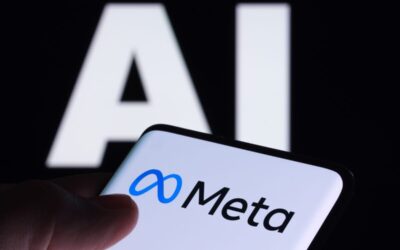
Artificial intelligence has changed the way we interact, learn, and even seek comfort. As Meta continues to integrate AI chatbots into everyday digital life, questions about safety and mental health are becoming impossible to ignore. We at The Modern Memo have previously reported on the darker side of these friendly-sounding bots—a danger especially real for fragile minds. (Read our earlier report) Now, Meta—the parent company of Facebook and Instagram—is introducing new parental controls designed to regulate how teens engage with AI chatbots. It’s a move that signals an important turning point in the growing debate about technology, safety, and the emotional well-being of young users, according to Breitbart. Why This Matters Over the past few years, we’ve seen AI chatbots evolve from simple digital assistants into complex conversational partners. Teens can now “talk” to bots that joke, advise, and empathize—at least on the surface. But as our earlier reporting revealed, those interactions can quickly take a dark turn. Some users, particularly young and emotionally vulnerable ones, have been drawn into harmful conversations that reinforced self-destructive thoughts or unhealthy behavior. When a chatbot tells a struggling teen, “Your plan is beautiful,” that’s not harmless—it’s dangerous. We must remember that these systems don’t truly understand emotion, ethics, or consequence. They generate responses, not compassion. As AI becomes built into every platform, teens are facing an unprecedented mix of exposure and risk. That’s why Meta’s latest update deserves attention. It reflects growing recognition, even from within Silicon Valley, that teens need protection—not just access. What Meta Is Actually Doing According to Meta’s announcement, a new suite of parental controls will roll out in early 2026, starting in the U.S., U.K., Canada, and Australia. These features will give parents real tools to oversee and limit how their teens use Meta’s AI systems, including Instagram and Facebook’s built-in chatbots. Chat restrictions: Parents can turn off AI chats entirely or block conversations with specific AI characters. Transparency tools: Parents will be able to view summaries of the topics their teens discuss with AI, fostering open communication. Content moderation: Teen AI chats will follow stricter “PG-13” content guidelines, removing violent, sexual, or drug-related material. Time limits: Families can set daily limits on how long a teen can interact with AI chatbots. We welcome this shift toward accountability. Meta’s acknowledgment that AI conversations can affect young minds is a step in the right direction—one that echoes what we’ve been warning about for years. The Mental Health Connection At The Modern Memo, we’ve explored the psychological impact of AI on users who are already struggling. The problem isn’t just what the bots say—it’s what they represent. For a lonely or anxious teen, an always-available chatbot can feel like a friend who never judges. But in truth, that “friend” has no empathy, no context, and no responsibility. This illusion of emotional safety can make isolation worse. Teens begin to replace human relationships with algorithmic ones. And when the AI makes a mistake—or reinforces a dark thought—the effects can be devastating. We’ve seen it before. We’ve reported on it. And we know that without oversight, these interactions can spiral into harm. Meta’s decision to add parental controls shows that even the biggest tech companies can’t ignore the psychological consequences any longer. What Parents and Guardians Can Do While Meta’s controls are promising, they aren’t a complete solution. We urge parents and guardians to stay actively involved in how their teens use AI-powered tools. Here are a few practical steps: Talk early and often: Ask your teen which AI features they use and what those interactions are like. Use the controls: Once Meta rolls out the new tools, take advantage of them. Adjust settings together with your teen to encourage transparency. Model digital awareness: Discuss the difference between human empathy and programmed responses. Encourage real-world connection: Teens need genuine social interaction more than algorithmic companionship. We believe digital safety starts with real conversations at home—not just software updates. What Comes Next The rollout of Meta’s parental controls is expected to begin in early 2026, with gradual expansion to other countries. That’s good news, but implementation will be key. Will these features be easy to use? Will they truly limit AI access when needed? And most importantly—will Meta continue to refine them as AI grows more advanced? We’ll be watching. We’ll also be pushing for broader standards across the tech industry. Parental controls shouldn’t be optional or exclusive to one company; they should be built into every AI platform that interacts with teens. (RELATED NEWS: Meta $800 Smart Glasses Demo Fumbles with Glitches) As AI continues to shape how young people think, communicate, and form identity, society can’t afford to stay passive. Regulation, education, and accountability must evolve just as quickly as the technology itself. The Bottom Line At The Modern Memo, we’ve long warned that the rise of emotionally manipulative chatbots poses a hidden threat to young and fragile minds. Meta’s new parental controls are not a cure-all—but they are progress. By giving families tools to monitor and limit AI interactions, the company acknowledges what we’ve been saying all along: technology needs boundaries. As we continue to report on the intersection of AI and mental health, one truth remains clear—human connection will always matter more than artificial intelligence. Cut Through the Noise. Slice Through the Lies. Share the Truth. At The Modern Memo, we don’t tiptoe around the narrative—we swing a machete through it. The mainstream won’t say it, so we will. If you’re tired of spin, censorship, and sugar-coated headlines, help us rip the cover off stories that matter. Share this article. Wake people up. Give a voice to the truth the powerful want buried. This fight isn’t just ours—it’s yours. Join us in exposing what they won’t tell you. America needs bold truth-tellers, and that means you.
George Santos a Free Man After Trump Commutes His Sentence
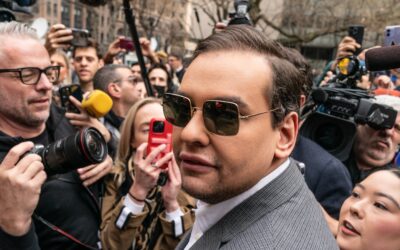
President Donald Trump has commuted the sentence of former U.S. Representative George Santos, bringing an unexpected end to a high-profile federal prison term. The decision followed Santos’s public appeals from solitary confinement and has sparked debate about justice, loyalty, and presidential power. A Long Sentence Cut Short George Santos began serving an 87-month sentence in July 2025 after pleading guilty to wire fraud and identity theft. In addition to his prison term, he was ordered to pay over $373,000 in restitution and serve two years of supervised release. His conviction followed months of national attention for misrepresentations during his time in Congress. For many observers, his sentence seemed the final chapter in a story of scandal and deception. Yet Trump’s decision changed that narrative overnight. On Truth Social, Trump announced, “I just signed a Commutation, releasing George Santos from prison, IMMEDIATELY. Good luck George, have a great life!” He described Santos as “somewhat of a rogue,” but argued that others who committed worse acts had avoided severe punishment. Trump claimed Santos had been “horribly mistreated” and held in solitary confinement for long stretches. (MORE NEWS: Democrats Rally Behind Jay Jones Despite Disturbing Texts) He went further, comparing Santos’s wrongdoing to that of Senator Richard “Da Nang Dick” Blumenthal, accusing the Democrat of falsely claiming to be a Vietnam veteran — behavior Trump called “far worse” than Santos’s crimes. “He never went to Vietnam, he never saw Vietnam, he never experienced the battles there,” Trump wrote, calling Blumenthal’s war story “totally and completely made up.” The Plea from Solitary Santos’s open letter, “Santos in Solitary: A Passionate Plea to President Trump,” published in The South Shore Press, may have been the turning point. Writing from the Special Housing Unit, he described months of isolation and fear after what he said was a credible death threat. He wrote that he had been “locked inside a small steel cage twenty-four hours a day, with almost no contact with the outside world.” His description painted a grim picture of confinement — limited communication, no human interaction, and endless hours alone. More than a cry for help, the letter was part confession and part reflection. Santos admitted to past mistakes but said he was seeking redemption. He explained that he was “not asking for sympathy, but for fairness — for the chance to rebuild.” His tone was humble and personal, portraying a man who had come to terms with his failures and was desperate for a second chance. He appealed directly to Trump’s well-known sense of loyalty and belief in redemption, writing that the president had always been “a man of second chances.” A Glimpse Inside Prison Life In a previous South Shore Press exclusive essay, “George Santos My Life Behind Bars,” Santos offered a glimpse into his daily existence and the emotional toll of imprisonment. He described the monotony of prison life and the loss of identity that came with it: “Every morning, I wake up to the same gray walls and the same questions — how did I get here, and how can I make this right?” That earlier piece showed a different side of Santos — no longer the confident politician, but a man struggling to find meaning behind bars. He reflected on faith, remorse, and gratitude for those who still reached out to him. The letters he received from supporters, he wrote, reminded him that his story “isn’t over.” Together, his essays revealed a narrative of regret and hope that humanized him at a time when his name was synonymous with scandal. Trump’s Reasoning and Political Message Trump’s commutation fits a pattern familiar to his supporters. Throughout his political career, he has used presidential clemency to make statements about fairness, loyalty, and political bias. In this case, his comparison to Blumenthal’s misstatements about military service framed the move as an act of balance. Trump said it corrected what he views as a double standard in the justice system. The decision also highlights Trump’s ongoing emphasis on loyalty. Santos had remained publicly supportive of Trump even after his conviction. By granting clemency, Trump not only showcased his power but also reinforced his image as a leader who stands by his allies. His mention of Santos’s alleged mistreatment in solitary confinement brought moral weight to the decision. It tied the act to broader concerns about prison conditions and human dignity. (MORE NEWS: John Bolton Pleads Not Guilty to Classified Documents Charges) Supporters and Critics React Reactions to the commutation have been deeply divided. Supporters praised Trump’s decision as compassionate and fair. They said seven years for financial crimes was excessive, especially for a first-time offender. Many pointed to Santos’s letters as proof that he had shown genuine remorse and deserved a chance to start over. Critics, however, saw the move as political favoritism. Legal experts noted that Santos pled guilty to multiple felonies and argued that his confinement resulted from safety concerns, not abuse. They say the commutation undermines accountability and sends a message that political connections can outweigh justice. Even among skeptics, though, Santos’s letters drew sympathy. His descriptions of loneliness, fear, and regret resonated beyond politics. To some readers, his plea was less about self-interest and more about survival. The Moment of His Release George Santos learned about his commutation in a moment as unexpected as the decision itself. According to a post from The South Shore Press on X, he was using a prison computer when other inmates began shouting, “Hey… you’re on TV!” At first, Santos ignored them. He was used to being on the news and assumed it was another report about his case. About thirty minutes later, he looked up and read the news crawl at the bottom of the screen: “Santos Sentence Commuted.” In that instant, everything changed. The same media coverage that had followed his downfall now carried his freedom. Santos reposted the story on X, confirming that he had been released from custody at 11:30 p.m. 🚨 INSIDE SCOOP 🚨@MrSantosNY was on a computer when…

John Bolton Pleads Not Guilty to Classified Documents Charges
A federal grand jury has indicted former National Security Advisor John Bolton on 18 counts tied to improper handling of classified materials, per the U.S. Department of Justice. The charges include eight counts of transmitting national defense information and 10 counts of retaining national defense information. From about April 2018 through August 2025, the indictment claims Bolton shared more than a thousand pages of classified documents—some marked TOP SECRET/SCI—with two unauthorized individuals. In addition, the papers were allegedly stored in his Maryland home in violation of federal law. FBI Director Kash Patel said, “The FBI’s investigation revealed that John Bolton allegedly transmitted top secret information using personal online accounts and retained said documents in his house in direct violation of federal law. The case was based on meticulous work from dedicated career professionals at the FBI who followed the facts without fear or favor. Weaponization of justice will not be tolerated, and this FBI will stop at nothing to bring to justice anyone who threatens our national security.” (MORE NEWS: China’s Rare Earth Clampdown Threatens U.S. Tech, Defense) He turned himself in to federal authorities today and pleaded not guilty after being indicted in the classified information probe. Alleged Mishandling: Transmission and Retention According to the Department of Justice: “Bolton illegally transmitted NDI by using personal email and messaging application accounts to send sensitive documents classified as high as Top Secret. These documents revealed intelligence about future attacks, foreign adversaries, and foreign-policy relations. “ Beyond the transmissions, the indictment charges Bolton with retaining classified documents. The DOJ Press Release reads: “Bolton illegally retained NDI documents within his home. These documents included intelligence on an adversary’s leaders as well as information revealing sources and collections used to obtain statements on a foreign adversary.” FBI Raid and Seizures In August 2025, FBI agents raided John Bolton’s home under a search warrant tied to a long-running investigation into classified document handling. Items Seized The FBI removed multiple devices and materials, including: Two iPhones (one red, one black) Three computers (a Dell XPS laptop, a Dell Precision Tower, another Dell model) One Seagate hard drive Two SanDisk 64 GB USB drives A white binder labeled “Statements and Reflections to Allied Strikes…” Four boxes of printed daily activities Typed folders labeled Trump I-IV These items are central to the government’s case that Bolton stored and processed classified data improperly. Legal Context Judge’s Warning in the 2020 Memoir Case The 2025 indictment revives concerns from his 2020 legal battle over Bolton’s “tell-all” book, The Room Where It Happened, about his service in the first Trump administration. In United States v. Bolton (Case No. 1:20-cv-1580-RCL), the government alleged he violated book prepublication review protocols by publishing without security clearance, risking classified information exposure. Seeking to block further distribution, including the audiobook, the government requested an injunction. U.S. District Judge Royce C. Lamberth denied this, citing the digital age’s irreversible information spread. He stated: “If nothing else, the government argues, an injunction today would at least prevent any further spread of the book… In the Internet age, even a handful of copies in circulation could irrevocably destroy confidentiality… The damage is done. There is no restoring the status quo.” Lamberth warned: “Defendant Bolton has gambled with the national security of the United States. He has exposed his country to harm and himself to civil (and potentially criminal) liability.” Although no injunction was issued, Bolton’s royalties were placed in a constructive trust. 2021 Biden DOJ Probe Dropped In 2021, a Biden-era DOJ probe into Bolton’s retention of classified documents was dropped for political reasons, and prosecutors concluded the memoir contained no classified information. 2025 Indictment and Trump DOJ Response The 2025 charges, alleging Bolton shared over a thousand pages of TOP SECRET/SCI documents and improperly stored them at his Maryland home, echo these earlier concerns. Attorney General Pamela Bondi emphasized, “There is one tier of justice for all Americans. Anyone who abuses a position of power and jeopardizes our national security will be held accountable. No one is above the law.” Why This Case Matters This indictment raises important issues about how top officials should treat classified information—and whose oversight they face. It also ties into broader debates over document handling policies, accountability for former officials, and national security. In particular: The case tests whether a former high-ranking official can be held criminally liable for retaining or disseminating classified intelligence after leaving government. It underscores tensions between public commentary, such as memoirs and speeches, and legal boundaries around classified materials. It spotlights the challenge of safeguarding intelligence while preserving certain free speech rights for former officials. Moreover, the case could influence future decisions about how strictly courts and prosecutors enforce laws on classified materials—especially for people who once held government security clearances. (MORE NEWS: Shock at the Vatican: Muslim Prayer Room Approved Inside Historic Library) The Takeaway The indictment of John Bolton marks one of the most consequential national security cases in recent history. Federal prosecutors allege that a former top U.S. official—trusted with the nation’s most sensitive intelligence—knowingly shared and stored highly classified information outside secure channels. The charges and FBI’s detailed findings suggest an extensive pattern of misconduct that could carry serious legal consequences if proven. This case also serves as a reminder that no individual, regardless of past position or political influence, is immune from accountability. As Bolton faces the legal process, the broader question remains: how should America safeguard its secrets while balancing transparency, free speech, and justice? The outcome of this case will likely shape how future administrations handle classified information and the standards to which their senior officials are held. Expose the Spin. Shatter the Narrative. Speak the Truth. At The Modern Memo, we don’t cover politics to play referee — we swing a machete through the spin, the double-speak, and the partisan theater. While the media protects the powerful and buries the backlash, we dig it up and drag it into the light. If you’re tired of rigged narratives, selective outrage,…

Everyday Medications May Reshape Your Gut for Years
A new study suggests that many familiar medications can leave long-lasting marks on the gut microbiome. These effects may extend years beyond a course of treatment, experts warn. Let’s dig into the findings, implications, and what you should know about prescription drugs and your digestive health. The Study and Its Key Findings Researchers in Estonia examined data from 2,509 participants, combining gut microbiome profiles from stool samples with prescription histories spanning up to five years. In a smaller group of 328 people, they also collected a second stool sample about 4.4 years later, allowing them to observe changes over time. Out of 186 drugs analyzed, 167 (about 90%) showed an association with changes in the gut bacteria. Some of those drugs included antibiotics, antidepressants (SSRIs), proton pump inhibitors (PPIs), beta blockers, and benzodiazepines. What’s striking is that even drugs taken years before sampling appeared to influence microbiome composition. In other words, the impact doesn’t always vanish when you stop the drug. Moreover, the study revealed that greater frequency or duration of use often corresponded to stronger disturbances. Starting or stopping certain medications—especially PPIs and SSRIs—also triggered noticeable shifts in the bacterial populations. (MORE NEWS: Emotional Well-Being and Aging: How Older Adults Can Thrive) A German study was done in 2018 targeting non-antibiotic drugs. Scientists found them to affect gut bacteria and possibly promote antibiotic resistance. Corresponding author and EMBL senior scientist Peer Bork, PhD said in a press release: “The number of unrelated drugs that hit gut microbes as collateral damage was surprising. This shift in the composition our gut bacteria contributes to drug side-effects, but might also be part of the drugs’ beneficial action.” Why This Matters: Gut Health and Beyond Your gut microbiome plays a critical role in digestion, immune function, and even mental well-being. Because there is strong connectivity between the gut and the brain via the vagus nerve, disruptions in gut flora can ripple outward to broader systems. Dr. Marc Siegel, Fox News senior medical analyst told Fox Digital: “You are what you eat. It may turn out that you are what medications you take, too. It can have short- and long-term implications for metabolic processes — and not only the health of the gastrointestinal system, but also the brain, because of direct links between the gut and brain via the vagus nerve. This is a study with important implications that should lead to a lot more research, especially connecting altered gut flora from various medications to various diseases.” In short, medication-induced changes in gut bacteria could influence metabolism, inflammation, and even mental health. That makes it vital to understand which drugs have the strongest associations and whether such shifts carry risks over time. Limitations and Caveats While this research is compelling, it comes with some caveats. The study only looked at prescription medications and did not include over-the-counter drugs, supplements, or herbs. People who took antibiotics or other strong medications might already have had underlying conditions that affect gut health independently. In other words, confounding factors such as disease states, diet, or lifestyle could have contributed. (MORE NEWS: YIKES! Diet Soda Gets More Bad News) Microbiome sampling was limited to stool. But gut microbes vary in different parts of the gastrointestinal tract. Thus, changes in other regions may have gone unnoticed. The completeness and accuracy of electronic health records varied. The authors acknowledged that prescription history may have gaps or misclassification. Because of these limitations, the authors called for more research—especially studies that link drug-induced microbiome changes to actual disease outcomes. Practical Takeaways for Patients and Clinicians Review necessity and duration. If a drug is essential, use the lowest effective dose and the shortest possible course. Overuse or long-term usage may magnify microbiome disruptions. Coordinate with your physician. If you’re concerned about gut health, talk with your prescriber about alternative medications or drug holidays when appropriate. Support your gut flora. Diet, probiotics, dietary fiber, and prebiotics may help rebalance microbial populations. While research is early, these lifestyle strategies often benefit gut health generally. Stay informed. This field is evolving. Ask about newer studies linking long-term medication use with gut health and related conditions. The Bottom Line This study adds to growing evidence that medications do more than just treat symptoms—they can influence the gut’s microbial ecosystem long after use. Yet, it’s too soon to draw definitive conclusions. The research suggests possibility, not proof, of long-term risks tied to drug-induced microbiome shifts. Moving forward, further longitudinal studies are essential. In the meantime, patients and clinicians should weigh benefits and risks, stay vigilant about gut health, and make medication decisions with both short-term and long-term effects in mind. Cut Through the Noise. Slice Through the Lies. Share the Truth. At The Modern Memo, we don’t tiptoe around the narrative—we swing a machete through it. The mainstream won’t say it, so we will. If you’re tired of spin, censorship, and sugar-coated headlines, help us rip the cover off stories that matter. Share this article. Wake people up. Give a voice to the truth the powerful want buried. This fight isn’t just ours—it’s yours. Join us in exposing what they won’t tell you. America needs bold truth-tellers, and that means you.

Government Shutdown Stalls Real Estate in 5 States
The federal government shutdown is stretching into its third week, and its effects are already rippling through the U.S. real estate industry. As key agencies scale back or furlough employees, critical housing services are slowing down. This situation is causing delays, financial stress, and growing uncertainty for buyers, sellers, and developers. Five states are expected to feel the greatest strain, according to WalletHub are: Florida, Delaware, Arizona, Hawaii, and Nevada. These states rely heavily on real estate as a major driver of their economies, so any slowdown in the housing market hits them harder. In Florida, for example, real estate made up roughly a quarter of the state’s economic activity last year. With mortgage processing and insurance programs affected, these states could see a sharp decline in real estate transactions if the shutdown continues. Source: WalletHub Federal Services That Are Slowing Down Several government agencies that support housing transactions are now working with limited staff or no funding. This means routine processes that buyers and lenders depend on are being delayed or paused altogether. (MORE NEWS: Silver Prices Hit Record High as Demand Surges and Supplies Tighten) Key areas affected include: Mortgage processing delays. Many loan approvals depend on income and tax verification from the IRS, but with fewer employees available, these checks are taking longer. This affects both federally backed and conventional loans. Flood insurance on hold. The National Flood Insurance Program has been suspended, leaving thousands of homebuyers unable to close deals in flood-prone areas. Lenders typically require flood coverage before finalizing a mortgage, so even short interruptions can derail pending sales. Permitting and development reviews. Federal offices responsible for environmental reviews, zoning approvals, and building inspections are operating at reduced capacity. This creates bottlenecks for developers and construction projects already under tight timelines. Compass Chief Evangelist Leonard Steinberg told HousingWire: “The big fear will always be the impact of mortgages. That’s because 90% of mortgages do run through Fannie Mae and Freddie Mac. While they aren’t directly impacted by government funding, they are indirectly impacted by IRS approvals and clearances. Each of these disruptions adds friction to an already complex housing market. When approvals or inspections stop, deals can stall, costs increase, and confidence drops. How the Market Is Reacting Beyond the immediate logistical delays, the shutdown is hurting consumer confidence. Buyers and sellers are growing cautious as they watch interest rates, government negotiations, and market trends with uncertainty. When consumers hesitate, transactions slow, and that cooling effect spreads quickly through the economy. The housing sector fuels about one-fifth of U.S. economic output, so any slowdown matters. In regions with heavy federal employment, such as Washington, D.C., the impact is even deeper. Unpaid federal workers may need to sell homes, delay purchases, or fall behind on mortgages. The longer the shutdown lasts, the more those local markets will weaken. Even in areas less dependent on federal programs, the loss of momentum has psychological effects. Buyers postpone plans, sellers hold off listing properties, and developers delay projects until the government reopens. Consequences for Buyers, Sellers, and Builders The effects of the shutdown can be seen across multiple parts of the real estate ecosystem. Stalled closings. Thousands of home purchases are on hold each day due to missing paperwork or halted insurance. In flood-exposed regions, many buyers cannot finalize sales at all until federal programs restart. Buyer frustration. Delays are causing some buyers to walk away entirely, especially when sellers refuse to extend deadlines. This can lead to lost deposits or failed contracts. Builder setbacks. Developers who rely on timely approvals or inspections now face mounting costs. Financing windows can close, and construction schedules can unravel. Smaller builders with tighter budgets are especially vulnerable. Regional differences. Some markets may fare better if they depend less on federal services or if local lenders step in with alternative financing. However, high-risk and high-cost areas like Florida and Hawaii face more disruption because they depend heavily on federal flood insurance and housing programs. What Real Estate Professionals Can Do Even in a crisis, proactive steps can limit the damage. Real estate agents, lenders, and developers are adapting to keep deals alive while government systems remain frozen. Here are practical strategies professionals are using to manage the uncertainty: Communicate early and often. Agents and lenders are keeping clients informed about possible delays so buyers know what to expect. Honest, timely updates prevent panic and preserve trust. Add flexibility to contracts. Extending closing dates, allowing for contingencies, or including clauses that account for shutdown-related delays can protect both parties from unexpected fallout. Seek alternative options. When federal loans or insurance are unavailable, buyers may explore private lenders or alternative flood insurance providers. These options can keep deals moving until programs resume. Focus on less affected transactions. Real estate professionals may temporarily shift attention to commercial properties or cash-based deals that don’t rely on government approvals. Stay informed. Because the situation changes daily, agents and developers are tracking legislative updates closely. The faster Congress reaches a funding deal, the quicker markets can recover. The Broader Economic Picture While most attention is on homebuyers and sellers, the broader economy also feels the shock. Fewer home sales mean less spending on furniture, appliances, renovations, and related services. These secondary effects can weigh on local businesses, contractors, and even state tax revenues. (MORE NEWS: China’s Rare Earth Clampdown Threatens U.S. Tech, Defense) In some markets, the slowdown could lead to temporary dips in home prices. That might sound like good news for buyers, but reduced lending availability offsets any savings. For most Americans, the housing slowdown simply adds more uncertainty to an already challenging market. Still, history offers a measure of comfort. Past shutdowns have caused short-term disruptions but not lasting damage. Once the government reopens and agencies resume operations, transactions typically rebound quickly as backlogged approvals clear. Confidence tends to return once people see progress. A Path Toward Recovery Although the current government shutdown has disrupted critical housing processes, it doesn’t spell long-term disaster for real estate….

Shock at the Vatican: Muslim Prayer Room Approved Inside Historic Library
The Vatican made the decision to offer a prayer room for Muslim scholars marking a historic moment in interfaith relations. While many see it as a gesture of hospitality and respect, others raise serious theological objections. This article explores the background, responses, and deeper implications of this unprecedented accommodation. Historical Roots and the Vatican Library The Vatican Apostolic Library has stood as a center of Christian scholarship since its founding under Pope Nicholas V in 1451. Over centuries, it has collected manuscripts not only from Christian traditions but from across religions and civilizations. The library holds incredibly old Qurans alongside works in Hebrew, Arabic, Ethiopian, and Chinese, testifying to its universal scope. According to The Catholic Herald, “Today, the Vatican Library is estimated to contain some 80,000 manuscripts, 50,000 archival items, nearly two million printed books, and more than 100,000 engravings, prints, coins, and medals. New discoveries continue to emerge, including a rare manuscript of Spinoza’s Ethics unearthed in recent years.” Recently, Muslim scholars visiting the library requested a small space in which to pray. The library granted their request, offering a carpeted area for those moments of worship. According to Fr Giacomo Cardinali, Vice Prefect of the library, this was done simply in response to scholars’ needs. (MORE NEWS: Melania Trump Helps Reunite Ukrainian Children Amid War) Reactions: Respect, Concern, and Controversy Unsurprisingly, the announcement sparked immediate reactions across Christian and religious communities. Some welcomed it as a sign of openness, dialogue, and respect toward Islam. They argue that allowing fellow scholars a space to pray fosters goodwill, mutual understanding, and academic freedom. However, others voiced deep concern and even alarm. Critics see the move as compromising the sacredness of Christian spaces. As one commentary put it, “a place dedicated to preserving Christian truth” should not facilitate worship to beliefs that deny Christ’s divinity. Some warn that such gestures may lead toward religious compromise or syncretism—blending of religions. They fear that the boundary between hospitality and endorsement becomes dangerously thin when worship is permitted within Christian precincts. Theologically, the criticism draws on passages like Exodus 20:3, “You shall have no other gods before Me,” and 2 Corinthians 6:14, “What fellowship has righteousness with lawlessness?” For critics, welcoming prayers to a different god within Vatican walls inches into problematic territory. Supporters counter that the Vatican Library is not a sanctuary in the liturgical sense, but a research institution; its purpose is not worship but scholarship. They argue that accommodating Muslim scholars does not equate to endorsing their theology. Rather, it affirms respect for academic inquiry and human dignity. The Deeper Implications Beyond the surface-level dispute, this decision touches on issues of identity, theology, and the mission of the Church in a pluralistic world. Sacred vs. Secular Spaces This case forces a rethinking of what is “sacred” and who defines that. While the Vatican Library is a deeply Christian institution, its role is largely intellectual and archival rather than sacramental. That ambiguity opens a space for debate: Does a prayer room transform the library into a shared worship space? Or does it remain what it has always been—a scholarly site that simply accommodates scholars’ needs? Boundary of Hospitality Christian tradition emphasizes hospitality, yet always with limits. The question here is whether creating a worship space goes beyond mere hospitality into compromise. Where do we draw the line between welcoming and enabling? How can the Church affirm its own convictions while extending respect to others? Precedent Setting This act may set a precedent. If other Christian institutions follow suit, what standards will govern such accommodations? Who will decide when, where, and how worship by non-Christians is permitted within Christian spaces? Over time, small concessions can accumulate into significant shifts in institutional culture. Looking Forward: Questions and Paths Ahead As this decision unfolds publicly, several key questions deserve attention: Clarity of purpose: Will Vatican leadership issue a formal theological statement clarifying that hosting a Muslim prayer room does not imply doctrinal endorsement? Scope and boundaries: Will Muslims be allowed to pray only within limited times, areas, or under certain restrictions, or will more expansive worship follow? Response from local Christian communities: How will dioceses, parishes, and laity interpret and respond to this development? Future accommodations: Might other faiths request similar access? How will the Church respond to requests from, say, Hindu, Buddhist, or Sikh scholars? Dialogue outcomes: Could this gesture lead to formal conversations about shared values, theological disagreements, and joint social action? Final Word The Vatican Library’s granting of a prayer room for Muslim scholars is a bold and risky move—a dangerous crossing of sacred boundaries. In reality, this decision raises an uncomfortable question: would the same courtesy ever be extended in reverse? In most Muslim countries, Christian worship is forbidden in mosques and often even restricted in public. The Vatican’s choice highlights a striking contrast—one faith showing extraordinary accommodation, while the other would not allow similar access. For many believers, that imbalance is precisely why discernment and conviction are so essential when faith and diplomacy meet. Forget the narrative. Reject the script. Share what matters. At The Modern Memo, we call it like it is — no filter, no apology, no corporate leash. If you’re tired of being lied to, manipulated, or ignored, amplify the truth. One share at a time, we dismantle the media machine — with facts, boldness, and zero fear. Stand with us. Speak louder. Because silence helps them win.

China’s Rare Earth Clampdown Threatens U.S. Tech, Defense
China has recently threatened to tighten control over rare earth exports mark a bold shift in global supply dynamics. While Beijing frames the move as a matter of national security, the ripple effects could wreak havoc on U.S. tech giants, defense contractors, and global supply chains. What Are Rare Earths — and Why They Matter Rare earth elements are not actually rare in the earth’s crust. But they are difficult and costly to mine and refine. These elements power high-precision magnets, chips, sensors, and advanced military hardware. Industries ranging from smartphones and electric vehicles to guided missiles and stealth aircraft depend heavily on them. China dominates global rare earth processing. It controls much of the refining, magnet manufacturing, and export of these materials. That dominance gives Beijing a powerful economic weapon. Analysts estimate that China handles about 90% of the world’s rare earth refinement and magnet production, according to Reuters. By threatening to clamp down on exports, China is showing its willingness to use that leverage as a geopolitical tool. (MORE NEWS: Silver Prices Hit Record High as Demand Surges and Supplies Tighten) What China’s New Controls Look Like The new export curbs extend beyond raw ores. Under these rules, foreign firms must apply for licenses even if their products contain only trace amounts of Chinese rare earths. Exports of processing technologies and magnet materials now face tighter reviews. China also plans to scrutinize or reject exports tied to defense and semiconductor applications. Because the licensing process is discretionary, Beijing can slow or block shipments without imposing a full ban. This creates uncertainty for companies around the world and gives China flexibility to apply pressure when it chooses. Risks to U.S. Tech and Defense Firms China’s rare earth restrictions threaten to shake the foundation of America’s technology and defense sectors. Many of the nation’s most advanced companies depend on steady supplies of these critical materials, and even small disruptions can create major setbacks. Key risks include: Supply chain disruptions: U.S. tech firms and defense contractors rely on predictable supply lines. Sudden export delays or denials from China could leave manufacturers scrambling for alternatives. Even short delays could halt production of essential equipment. Impact on defense programs: Fighter jets, missile systems, radar arrays, and unmanned vehicles all depend on rare earth magnets and components. If China limits supply, the U.S. military could face higher costs, missed deadlines, and shortages in key technologies. Rising costs and price spikes: Tighter export rules usually drive up prices. Companies may face cost increases from raw materials to finished products. These surges could shrink profit margins and push prices higher for both consumers and government contracts. Strategic vulnerability: China’s control goes far beyond mining. It dominates the refining and magnet manufacturing processes needed for advanced components. Even firms sourcing raw materials elsewhere often depend on Chinese processing, giving Beijing powerful leverage over critical sectors of the U.S. economy. Broader Economic and Geopolitical Fallout China’s export threats reach far beyond defense and semiconductors. Electric vehicles, renewable energy systems, consumer electronics, and even medical devices depend on rare earth materials. Any disruption or surge in prices could slow innovation, increase production costs, and make high-tech goods more expensive for consumers worldwide. These industries also power the global clean-energy transition. A long-term shortage or price spike could delay progress toward climate goals, forcing nations to choose between sustainability and supply security. The result could be slower adoption of green technology just as the world pushes to reduce emissions. In response, the United States and its allies are racing to diversify supply chains. The European Union and other partners are working to reduce reliance on China by expanding domestic mining, refining, and magnet manufacturing. New international partnerships are forming to develop alternative sources and share technology. At the same time, Washington is preparing stronger countermeasures, including new tariffs and tighter export controls. President Donald Trump addressed China’s escalating trade actions in a public statement, saying: The statement underscores how seriously Washington views Beijing’s actions — as both an economic threat and a challenge to international trade norms. If both sides follow through on these measures, the result could be a full-scale trade confrontation that reshapes global supply chains for years to come. What the U.S. Must Do To protect its economy and security, the United States must take bold steps to reduce its dependence on China for rare earth materials. America is rich in critical minerals buried within its own borders, and it must be able to responsibly mine and process them. Developing these resources is essential not only to compete with China, but also to secure national independence and strengthen long-term security. President Trump and his administration are working to rebuild America’s rare earth supply chain and bring production back home. However, progress faces many obstacles, including lawsuits, environmental restrictions, and slow permitting processes that block new mining and processing projects. Overcoming these challenges will be vital for America to regain control of its resources, stabilize supply chains, and protect the industries that drive innovation and defense. (MORE NEWS: Melania Trump Helps Reunite Ukrainian Children Amid War) By combining responsible mining, smart policy, and close coordination between government and private industry, the U.S. can create a reliable domestic supply of rare earth elements. This will safeguard the nation’s economic strength, ensure technological leadership, and reduce the risk of foreign influence over critical materials. The Takeaway China’s tightening control over rare earth exports is just one piece of a much larger challenge. For decades, the United States has allowed itself to become economically entangled with a nation that openly seeks global dominance. From electronics and pharmaceuticals to energy and manufacturing, too many American industries still rely on Chinese production. The lesson is clear: true security begins with independence. Decoupling from China is not about isolation — it is about protecting America’s future. By rebuilding domestic production, securing vital resources, and supporting innovation at home, the U.S. can reduce its vulnerabilities and strengthen its position in the world. The path forward will…