



Democrats Lose Media Cover as CNN Blames Them for Shutdown
OPINION CNN’s Jake Tapper made headlines when he said, “Based on the way we have always covered shutdowns, Democrats are to blame for this shutdown.” That moment wasn’t a casual comment — it was a revelation. When a mainstream media figure like Tapper admits Democrats are responsible, it means the truth is too clear to spin. The government shutdown didn’t happen because Republicans refused to govern. It happened because Democrats refuse to prioritize American citizens. Democrats’ Shutdown Gamble Just Collapsed Every time Washington hits a budget wall, Democrats try to frame it as Republican obstruction. But this time, the facts tell a different story. Republicans control both chambers of Congress and the White House. They put forward bills to fund the government responsibly and prioritize the needs of everyday Americans. Republicans in the House pushed to keep spending under control and to prioritize essential services. They passed funding bills. Democrats, instead of working with them, stonewalled and delayed. Their goal was simple: force another crisis they could exploit politically. But this time, the tactic backfired. Even journalists who usually carry water for the Democratic Party couldn’t ignore reality. CNN’s Tapper said plainly that, based on the way shutdowns have always been covered, this one rests on the Democrats’ shoulders. That admission undercuts years of media spin. (RELATED NEWS: Leavitt: $37 Trillion Debt Forces Layoffs, Shutdown Cuts) The Media Can’t Ignore the Obvious For decades, Democrats have relied on friendly coverage to cushion political failures. Most major networks frame Republican actions as cruel or extreme, while portraying Democrats as responsible and compassionate. That script fell apart this week. When even CNN — the network conservatives love to criticize for bias — admits Democrats are at fault, it exposes how undeniable the situation has become. The shutdown is not a “shared blame” issue. It’s a direct result of Democratic refusal to compromise. Tapper’s comment matters because it represents a crack in the media wall. When that wall starts to crumble, ordinary Americans get to see what’s been true all along. Democrats Overplayed Their Hand The White House thought it could spin another shutdown to its advantage. The strategy was simple — blame Republicans, count on media allies to amplify the message, and let the pressure force the GOP to cave. But that playbook failed. Americans are tired of political theater. They know inflation is still high, debt is out of control, and Washington keeps wasting taxpayer money. Democrats, instead of offering solutions, pushed for even more spending and refused to cut anything. When Republicans stood their ground, Democrats decided to shut it all down rather than make tough choices. Voters can see through the act. And now, even mainstream media hosts are admitting the truth. A Turning Point in Media Credibility Jake Tapper’s acknowledgment might seem small, but it represents a shift. When a high-profile CNN anchor says Democrats are to blame, it cuts through years of one-sided coverage. It suggests that even the media’s loyalty has limits. When reality is this obvious, spin no longer works. This could be a turning point for American journalism. If reporters begin holding both parties to the same standard, the public wins. The truth becomes clearer, accountability increases, and voters can make informed decisions. Whether the rest of the media follows Tapper’s lead remains to be seen, but his statement has already sparked a necessary conversation. Democrats’ Divide Grows Deeper Also this week, Joe Scarborough, host of Morning Joe, called out Democrat Jay Jones, who fantasized about murdering a Republican official and his children. Scarborough didn’t hedge his words. He said Jones “should probably be forced to withdraw from the race.” That statement was stunning not just for its bluntness but for where it came from — one of the most reliably liberal morning shows on television. Even more troubling, Representative Abigail Spanberger still endorses Jones despite the vile comments. That kind of moral blindness shows just how far some Democrats are willing to go to protect their own, no matter how extreme the behavior. When leading voices in their own party start publicly demanding accountability, it signals a deeper problem: the left has drifted too far left for even its own allies to defend. (RELATED NEWS: Democrats Rally Behind Jay Jones Despite Disturbing Texts) MORNING JOE: Jay Jones, who fantasized about murdering a Republican official and his kids, “should probably be forced to withdraw from the race.” Abigail Spanberger still endorses Jones.pic.twitter.com/rvPwNc0Hko — RNC Research (@RNCResearch) October 6, 2025 And it’s not just Scarborough breaking ranks. Senator John Fetterman of Pennsylvania, once celebrated as a progressive icon, has begun to distance himself from the far-left agenda. He even praised President Donald Trump for his work in the Israel-Gaza peace deal, posting, “I congratulate @POTUS on this historic peace plan that releases all the hostages. Now, enduring peace in the region is possible. Our parties are different but we have a shared ironclad commitment to Israel and its people.” Fetterman’s words highlight a rare moment of bipartisan respect — and a quiet admission that strength and leadership matter more than ideology. When prominent Democrats and media figures start acknowledging that the left has gone too far, it confirms what Americans have sensed for years: the Democratic Party has lost touch with reality. I congratulate @POTUS on this historic peace plan that releases all the hostages. Now, enduring peace in the region is possible. Our parties are different but we have a shared ironclad commitment to Israel and its people. pic.twitter.com/iGb1PE93VH — U.S. Senator John Fetterman (@SenFettermanPA) October 8, 2025 Conclusion: The Truth Always Breaks Through Democrats tried to turn the shutdown into a political weapon, counting on the usual protection from sympathetic reporters and friendly headlines. But this time, even their media allies couldn’t carry the narrative. The facts were too obvious to hide. When CNN itself calls out Democratic failure, that’s not partisan spin — that’s reality breaking through. The American people see it. They’re tired of excuses and empty rhetoric. They want honesty, accountability,…

Hamas Accepts Trump Peace Plan to End Gaza War, Return Hostages
Hamas has accepted a peace plan introduced by President Donald Trump to end a nearly two-year war in Gaza and return hostages to Israel. The agreement marks a turning point in Middle East diplomacy and could open the door to a lasting peace if both sides honor their commitments. The plan reflects President Trump’s active leadership in global negotiations and his push for stability in the region. Key Elements of the Agreement Under the first phase of the plan, Hamas agrees to a full ceasefire, the withdrawal of Israeli forces to agreed-upon lines, and the return of all hostages, living and deceased. In exchange, Israel will release 250 prisoners serving life sentences and 1,700 Palestinians detained since October 2023. Hamas members who surrender their weapons will be granted amnesty. A technocratic, non-political Palestinian committee will temporarily manage essential services in Gaza. An international board, including world leaders and regional representatives, will oversee reconstruction and ensure transparency in rebuilding efforts. The goal is to stabilize Gaza, restore vital infrastructure, and create economic opportunities that discourage future conflict. Trump’s Announcement Announcing the deal, President Donald Trump said, “I am very proud to announce that Israel and Hamas have both signed off on the first Phase of our Peace Plan. This means that ALL of the Hostages will be released very soon, and Israel will withdraw their Troops to an agreed upon line as the first steps toward a Strong, Durable, and Everlasting Peace. All Parties will be treated fairly! This is a GREAT Day for the Arab and Muslim World, Israel, all surrounding Nations, and the United States of America, and we thank the mediators from Qatar, Egypt, and Turkey, who worked with us to make this Historic and Unprecedented Event happen. BLESSED ARE THE PEACEMAKERS!” “I am very proud to announce that Israel and Hamas have both signed off on the first Phase of our Peace Plan… BLESSED ARE THE PEACEMAKERS!” – President Donald J. Trump pic.twitter.com/lAUxi1UPYh — The White House (@WhiteHouse) October 8, 2025 The president’s statement highlighted his administration’s diplomatic efforts and the cooperation between multiple nations. His message emphasized fairness, unity, and optimism for what could become one of the most significant peace breakthroughs in decades. (RELATED NEWS: Trump Issues a Grim Ultimatum to Hamas) Role of Mediators and International Support The success of this agreement rests heavily on the work of mediators from Qatar, Egypt, and Turkey, who helped facilitate direct talks. Their involvement was critical in overcoming longstanding distrust. These nations have acted as neutral brokers in previous negotiations, but this time, their cooperation with Trump’s team gave the plan unprecedented momentum. Internationally, the peace plan has received cautious support. Several Arab states view it as a chance to reduce regional instability, while Western nations welcome the potential for humanitarian recovery. Still, questions remain about the long-term political framework and whether the agreement will eventually lead to Palestinian statehood. Israeli and Palestinian Reactions Israeli Prime Minister Benjamin Netanyahu welcomed the agreement, calling it a crucial step toward bringing home hostages and restoring calm. He confirmed that his cabinet would meet to approve the first phase of the deal and ensure its proper enforcement. Netanyahu expressed gratitude to President Trump and his team for their efforts: “A great day for Israel. Tomorrow I will convene the government to approve the agreement and bring all our dear hostages home. I thank the heroic soldiers of the IDF and all the security forces, thanks to whose courage and sacrifice we have reached this day. I thank from the depths of my heart President Trump and his team for their mobilization for this sacred mission of releasing our hostages. With the help of the Almighty, together we will continue to achieve all our goals and expand peace with our neighbors.” יום גדול לישראל. אכנס מחר את הממשלה כדי לאשר את ההסכם ולהחזיר את כל חטופינו היקרים הביתה. אני מודה לחיילי צה״ל הגיבורים ולכל כוחות הביטחון שבזכות אומץ ליבם והקרבתם הגענו ליום הזה. אני מודה מעומק ליבי לנשיא טראמפ ולצוותו על התגייסותם למשימה קדושה זו של שחרור חטופינו. בעזרת… — Benjamin Netanyahu – בנימין נתניהו (@netanyahu) October 8, 2025 Hamas, on its part, framed the decision as a pragmatic move to protect Gaza’s population and rebuild shattered communities. The group emphasized that the plan’s humanitarian and reconstruction clauses were decisive factors in their acceptance. Challenges and Concerns While the deal offers hope, its implementation remains complex. Hamas has raised concerns about the disarmament process and the future role of Israeli forces in border areas. Israel has insisted that all hostages—living and deceased—be returned before any further concessions. There is also uncertainty about who will enforce reconstruction and security arrangements. The proposed international board must coordinate massive rebuilding projects while ensuring that funds do not fuel future conflicts. Analysts caution that if either side hesitates or violates the agreement, the fragile peace could collapse quickly. Still, the inclusion of multiple global stakeholders gives the plan more structure and oversight than many past efforts. Humanitarian and Reconstruction Goals If implemented, the plan will allow essential aid to flow into Gaza. For civilians enduring nearly two years of conflict, this will bring immediate relief. Hospitals, schools, and housing projects are set to receive top priority under the reconstruction phase. The agreement envisions an economic revival that promotes self-sufficiency. Infrastructure experts from the Middle East will oversee modernization projects, creating jobs and restoring public services. In this sense, the peace plan is designed not just to end violence but to build a sustainable future. The Hostages and Public Response According to estimates, 48 hostages remain in Hamas captivity, with 21 believed to be alive. Their families have expressed profound gratitude for the deal, calling it a historic step toward reuniting loved ones. Many families credit Trump’s persistence for breaking the deadlock and sparking progress. In Israel, public reaction has been largely supportive. Citizens weary of years of conflict see this as an opportunity to end bloodshed and begin healing. In Gaza, reactions are mixed—some…

Cuban Migrant Caravan Shifts Destination to Mexico City
A new caravan led mainly by Cuban migrants is making its way through southern Mexico. But unlike past movements, this group is not trying to reach the United States. Instead, they are heading for Mexico City, hoping to build a new life there. This shift marks a dramatic change in migration patterns. For years, the U.S. was the ultimate goal for most migrants traveling through Mexico. Now, stricter border controls and changing political realities have pushed many to look for safety and opportunity elsewhere. A Journey with a New Goal The caravan began in Tapachula, near the border with Guatemala. It includes more than a thousand people from Cuba and other Latin American countries. They are traveling north on foot and by bus, aiming to reach the Mexican capital. Their message is simple: they want permission to live and work in Mexico legally. Many of them have waited months in overcrowded shelters in Tapachula. Some were stuck there for nearly a year, unable to move north or find jobs. Frustration and hunger pushed them to organize and take to the road. They believe reaching Mexico City will give them a better chance to speak directly to government officials and demand legal documents. Trump’s Policies Shift the Migration Map Since Donald Trump returned to the White House in early 2025, the U.S. has seen a sharp decline in illegal border crossings. The administration has expanded deportations, increased patrols, and enforced new agreements with Mexico and Central American nations. (MORE NEWS: Apple Pulls ICE-Tracking Apps from App Store) The New York Post is reporting that ICE is on track to deport 600,000 illegal immigrants in 2025 and 2 million have left voluntarily. “This is just the beginning.” As a result, the number of migrants attempting to cross into the U.S. has dropped to historic lows. This has forced many to rethink their plans. For the first time in years, a large number of migrants now say they intend to stay in Mexico rather than risk the journey north. Some say they no longer see the U.S. as a welcoming place. Others fear being detained or deported if they try to cross. For them, Mexico represents a chance to work, earn money, and live without constant fear of arrest. Seeking Opportunity Inside Mexico Mexico, specifically Mexico City, is becoming a new destination for migrants across the region. Many believe they can find jobs in construction, agriculture, or tourism. Some also hope to start small businesses or join family members already living in the country. The Mexican government has been trying to manage this new wave of settlement. Officials have offered temporary humanitarian permits that allow migrants to travel and seek work. However, these permits often expire after 30 days, leaving many in legal limbo once again. Many immigrants have been outright denied or have received pushback on their requests, leaving them frustrated. A migrant caravan leaves southern Mexico and heads for the capital Mexico City in search of better opportunities. The Cuban and Haitian migrants cite red tape and high costs as barriers to making life in Mexico work pic.twitter.com/G35cg1NBc9 — Reuters (@Reuters) October 2, 2025 Despite the uncertainty, migrants remain hopeful. They see Mexico City as a symbol of progress — a place where their voices can be heard and their paperwork processed faster. Hardships on the Road The journey north is dangerous and exhausting. Migrants face long days of walking under intense heat with little food or water. Some travel with small children or elderly relatives. Along the way, they risk robbery, extortion, and abuse from criminal groups that target vulnerable travelers. Local residents sometimes offer food and shelter, but others are less welcoming. Some communities fear that large groups of migrants will strain local resources or increase insecurity. Despite these challenges, the caravan continues to move forward. (RELATED NEWS: Cartel “La Diabla” Busted for Baby, Organ Ring in Mexico) Mexico’s Complex Role Mexico now faces a difficult balancing act. On one hand, it must show compassion and manage the humanitarian crisis. On the other, it must maintain cooperation with the United States, which continues to pressure Mexico to control migration flows. The Mexican National Migration Institute has been documenting participants and reviewing cases to determine who may qualify for residency. In past caravans, authorities have used a strategy of dispersing migrants to other regions to prevent large concentrations near the capital or the U.S. border. A Turning Point in Migration The Cuban-led caravan may mark the beginning of a new migration era. Instead of using Mexico as a bridge to the United States, many migrants now view it as a final destination. Economic opportunity, cultural familiarity, and proximity to home make Mexico an appealing choice. While challenges remain — from bureaucracy to discrimination — migrants say they prefer the uncertainty of Mexico over the hostility they expect at the U.S. border. This shift could reshape regional migration policies for years to come. The U.S. may see reduced border pressure, while Mexico will need stronger systems for asylum, employment, and integration. How both governments respond will define the next chapter in North American migration. The Road Ahead: A Hard Truth As the caravan moves closer to Mexico City, the country faces mounting pressure. Streets and shelters are already crowded with people waiting for government help. Local resources are stretched thin, and frustration is growing among residents who feel their communities are being overrun. Many Mexicans argue it’s time to draw a firm line. They believe the government must stop encouraging massive caravans that drain public funds and disrupt local life. What began as a humanitarian issue has become a matter of national security and social stability. The reality is that Mexico cannot absorb endless waves of migrants. Jobs are limited, infrastructure is weak, and public services are already under strain. While compassion matters, so does responsibility. Allowing thousands of undocumented migrants to remain without control invites long-term problems that will hurt ordinary citizens first. The hard truth for some is that the…

Tesla Launches Cheaper Model Y and Model 3 to Boost Sales
Tesla has introduced new, lower-cost versions of its popular Model Y and Model 3. The move marks a major shift in strategy as the electric carmaker seeks to boost sales and widen its market reach. While the announcement signals a push toward affordability, it also raises questions about how these cheaper models will impact Tesla’s profits and brand image. Meet Model Y Standard & Model 3 Standard – our most affordable vehicles Ultra-low cost of ownership, engineered for safety & comes with the best Tesla features you love – 321 mi of range – Extreme efficiency that takes you farther + saves you $$ – Minimal maintenance – Can… pic.twitter.com/2cMQ5NW6Yf — Tesla (@Tesla) October 7, 2025 Why Tesla Is Betting on Price Cuts Tesla has faced slowing sales in recent months. Many buyers have been deterred by rising costs and the expiration of the federal electric vehicle tax credit, which once made Tesla models more affordable. To stay competitive, Tesla decided to launch new “Standard” versions of its Model Y and Model 3. The Model Y Standard starts at around $39,990, while the Model 3 Standard begins at about $36,990. (MORE NEWS: Trump Admin and Musk’s xAI Launch Federal AI Partnership) By cutting prices, the company aims to attract more cost-conscious drivers without abandoning its image as a premium automaker. This strategy reflects their attempt to balance two identities — luxury innovator and mass-market competitor. What’s Being Cut (and What You Still Get) To reach a lower price point, Tesla removed or simplified some features. The new Standard versions come without certain upgrades, such as advanced Autosteer capabilities, driver assistance systems, rear seat heaters, touchscreens for rear passengers, and premium lighting or finishes. The panoramic glass roof in some models has been replaced by a metal one, and the sound system is slightly scaled back. However, the essentials remain. Both models still promise over 300 miles of range and the same signature electric performance Tesla is known for. For many buyers, that may be enough. The company is betting that drivers will accept fewer luxuries in exchange for a more accessible price tag. Market Response: Mixed Reactions The reaction from investors and analysts has been cautious. Tesla’s stock fell by more than four percent after the announcement. Some analysts argue that the price difference between the new Standard trims and existing versions isn’t significant enough to make a major impact. Others worry that cheaper models could reduce their profit margins without guaranteeing higher sales. At the same time, some see the move as necessary. Tesla faces growing competition from Chinese automakers and traditional car companies that are rapidly expanding their electric vehicle lineups. Lower prices could help the company maintain its market share in an increasingly crowded field. (MORE NEWS: Meta $800 Smart Glasses Demo Fumbles with Glitches) Balancing Risk and Opportunity The new models come with both risks and rewards. On the positive side, the cheaper versions could help Tesla recapture buyers who were priced out of the market. They could also strengthen their position as the most recognizable electric vehicle brand in the world. But the downsides are clear. Reducing prices may hurt profits, and simplifying features could make Tesla cars feel less special. If buyers view these new models as “budget” versions rather than smart alternatives, Tesla’s brand image might take a hit. Previously, the company had hinted at developing an entirely new, smaller $25,000 vehicle. Instead, the company chose to simplify existing models. Some analysts see this as a cautious move — a sign that they wants to increase affordability without taking on the cost and complexity of designing a brand-new car. What Happens Next Deliveries for the new Standard versions are expected to begin in late 2025 or early 2026. Tesla will be closely watching how customers respond. Strong demand could encourage the company to expand its lineup of affordable vehicles, while weak sales might push it back toward its premium roots. Competition remains fierce. Automakers like BYD, Volkswagen, and Ford are releasing new electric vehicles at similar or lower prices. With global EV demand slowing and government incentives changing, Tesla must prove that its strategy can work in a more competitive, less predictable market. The company’s success will depend on whether these new models still feel like true Teslas — vehicles that deliver cutting-edge performance, efficiency, and technology, even at a lower price. The Road Ahead The introduction of cheaper Model Y and Model 3 versions marks a turning point for Tesla. The company that once defined the luxury electric car is now trying to appeal to the average consumer. This shift could expand its customer base and drive long-term growth. Still, the challenge is clear. The company must show that affordability and quality can coexist. If the company can keep its cars exciting while making them more accessible, it may once again set the standard for the electric vehicle market. But if the balance tips too far toward cost-cutting, Tesla could find itself in a tough position — caught between mass-market ambitions and its premium past. In the end, Tesla’s bet on affordability is a bold move. It could either spark a new wave of growth or expose the limits of its brand. The next year will reveal whether cheaper can still mean better — and whether Tesla’s latest gamble will pay off. Forget the narrative. Reject the script. Share what matters. At The Modern Memo, we call it like it is — no filter, no apology, no corporate leash. If you’re tired of being lied to, manipulated, or ignored, amplify the truth. One share at a time, we dismantle the media machine — with facts, boldness, and zero fear. Stand with us. Speak louder. Because silence helps them win.

Smart Tips for Medicare Open Enrollment Success
During Medicare open enrollment, you have choices. You can stick with Original Medicare (Parts A and B), enroll in a Medicare Advantage (Part C) plan, add Part D for prescription drug coverage, or pick up a Medigap (supplement) plan. First, decide whether you prefer the flexibility of Original Medicare or whether a bundled advantage plan makes sense. Then, layer in drug coverage and supplemental insurance as needed. Medicare Open Enrollment happens every year from October 15 to December 7. During this time, you can review your current coverage and make changes that will take effect on January 1 of the following year. Transitioning between plans is allowed only during this period, so it’s your chance to adjust coverage to fit your current needs. Review Your Health and Prescription Needs Start by listing all your current prescriptions and estimating usage for the coming year. Compare that against each plan’s drug formulary (which drugs they cover and at what tier). Make sure your preferred pharmacists are in-network. (MORE NEWS: Maxwell House Rebrand: “Maxwell Apartment” Misses the Mark) Next, think about anticipated medical services: will you need frequent specialist visits, physical therapy, or imaging? Check if your doctors and hospitals are in the plan network. A plan with lower premiums but limited network can cost more in out-of-pocket travel or out-of-network fees. Compare Total Costs — Not Just Premiums Don’t be tempted to go for the cheapest premium alone. Evaluate the total cost: Premiums Deductibles Coinsurance or copays Annual out-of-pocket maximums Drug plan cost sharing A higher premium plan might save money overall if it lowers your coinsurance or out-of-pocket liability. Use plan comparison tools to model your expected costs under each option. Know the Difference: Medicare Advantage vs. Medigap + Original Medicare Many people confuse Medigap and Medicare Advantage, but they work quite differently: Medicare Advantage plans bundle Part A, B, and usually D. They often offer extra benefits (vision, dental, hearing) but may limit your provider network and require referrals. Medigap (supplement) plans work alongside Original Medicare. They help cover gaps like copays, coinsurance, and deductibles. You still retain the flexibility to see any provider who accepts Medicare. Decide whether you prefer provider flexibility (favoring Original/Medigap) or the additional perks of a Medicare Advantage plan. Watch for Changes Year to Year Plans often change annually — coverage, formulary, network, premiums — so even if you’re satisfied, you should reassess each fall. A drug you take might be moved off a formulary, or your doctor might drop from a network. Use the open enrollment window to switch plans if something no longer works for you. (MORE NEWS: Check for Extra Benefits and Perks Some plans offer extras beyond basic medical and drug coverage. Look for benefits such as: Dental, vision, or hearing coverage Wellness programs Fitness memberships (e.g., gym access) Transportation to medical appointments Telehealth services While not all extra benefits are available in every area, they can add real value if you use them. Consider how likely you are to use those perks before prioritizing a plan that offers them. Beware of Fraud and Scams Beware of aggressive marketing or offers that seem “too good to be true.” Watch out for red flags: Cold calls or emails asking for your Medicare number Offers of “free” devices or services if you enroll Requests to pay by gift card, cryptocurrency, or wire transfer Agents claiming to be “Medicare representatives” Always verify through official channels. Legitimate agents will not pressure you, ask for unconventional payment, or demand your Medicare number unsolicited. Check for Extra Help or Dual Eligibility Some enrollees qualify for additional assistance: Medicaid: If your income is low, you may qualify for both Medicaid and Medicare (dual eligibility). “Extra Help” for Part D: This federal program helps with drug plan costs if you meet income and resource requirements. Don’t miss out on benefits you’re eligible for simply because you didn’t run the numbers or ask. Get assistance from trusted nonprofits or state health insurance assistance programs. Make a Decision—and Enroll Early Once you’ve compared your options, make your decision early. Don’t wait until the last minute, because delays or glitches can happen. Submit your enrollment or change before the deadline. Then confirm that the plan is active starting the next year. After enrollment, keep your plan materials, track your notification letters, and make sure your prescriptions and providers are in place. Tips Summary (At a Glance) List your prescriptions, medical needs, and providers Compare total costs, not just premiums Know the differences between Medicare Advantage and Original + supplement Watch for annual plan changes Consider extra benefits, but don’t overvalue them Guard against fraud and scams Check eligibility for extra help Use official tools and impartial assistance Enroll early and confirm everything is in place Choosing the right Medicare plan doesn’t have to be stressful. A little research, clear comparisons, and early action can help you find coverage that truly works for you. Cut through the noise. Drown out the spin. Deliver the truth. At The Modern Memo, we’re not here to soften the blow — we’re here to land it. The media plays defense for the powerful. We don’t. If you’re done with censorship, half-truths, and gaslighting headlines, pass this on. Expose the stories they bury. This isn’t just news — it’s a fight for reality. And it doesn’t work without you.
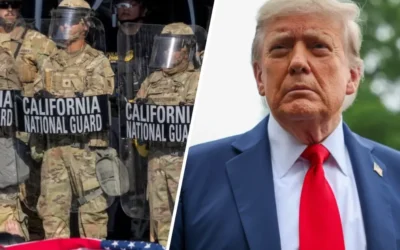
Portland: Trump Defies Court, Sends 300 CA Guard Troops
President Donald Trump ordered 300 California National Guard troops to Portland, Oregon, in open defiance of a federal court order. The decision, made on October 5, 2025, set off an immediate political and legal firestorm across the country. The deployment came one day after a federal judge temporarily blocked the White House from using Oregon’s own National Guard in the state. The court ruled that the administration’s justification lacked solid evidence and could violate constitutional limits on presidential authority. Despite that ruling, Trump directed troops from California to cross state lines, saying Portland needed protection from ongoing chaos and threats to federal property. President Trump reacted to the judge’s order: There’s the magic word again 👀 Trump says that “insurrectionists” are burning Portland to the ground. This is not an accident. Trump and his administration are beginning to use this word frequently for a reason. The Insurrection Act is coming. pic.twitter.com/8f9C3S0tki — Clandestine (@WarClandestine) October 5, 2025 Both Oregon Governor Tina Kotek and California Governor Gavin Newsom condemned the move. They accused Trump of abusing his power and ignoring the Constitution. Tension Builds in Portland Portland has faced waves of demonstrations since early summer. The protests began after several controversial immigration enforcement actions at a local federal facility. Over time, the gatherings drew national attention and occasional clashes between protesters and federal agents. In late September, Trump announced that his administration would send federal resources to Oregon to restore order. He blamed state leaders for failing to protect federal buildings and personnel. As part of that plan, he sought to federalize Oregon’s National Guard and place them under his command. Judge Karin Immergut halted the order. She ruled that the administration had not shown credible evidence of widespread violence or an immediate threat that justified federal intervention. Her ruling says that the president could not use the military to manage local protests without clear legal authority. Trump responded by directing troops from California instead, claiming the court’s order did not apply to National Guard units from another state. She has since issued a TRO prohibiting the Trump administration from relocating or deploying ANY federalized national guard troops to Oregon. Judge Immergut has issued her written TRO prohibiting the Trump administration from relocating or deploying federalized national guard troops to Oregon. Here it is: https://t.co/9xO5hwocck pic.twitter.com/WU11j6Or2F — Anna Bower (@AnnaBower) October 6, 2025 A Clash Over Constitutional Limits The confrontation in Portland has become a defining example of the struggle between state sovereignty and federal power. Legal scholars point to the Tenth Amendment, which reserves certain powers to the states, as central to the dispute. Governors Newsom and Kotek argue that Trump’s decision violates that principle by seizing control over state guard forces without consent. The White House insists the president has the right to protect federal property and enforce federal law. Yet critics say the order oversteps executive authority and blurs the line between military and civilian roles. The Posse Comitatus Act also lies at the heart of the debate. The law generally forbids using the military for domestic law enforcement unless Congress explicitly authorizes it. Opponents of the deployment argue that sending troops to monitor protests crosses that legal boundary. (MORE NEWS: Apple Pulls ICE-Tracking Apps from App Store) Judge Immergut’s earlier ruling complicates matters further. In her opinion, Portland had been relatively calm in recent weeks, contradicting the administration’s portrayal of the city as a “war zone.” Governors Weigh In California Governor Gavin Newsom called the order unconstitutional and reckless. He said his state would not allow its National Guard to be used for political stunts. Newsom promised immediate legal action to block the deployment and protect the rights of California’s soldiers. Oregon Governor Tina Kotek echoed his concerns. She warned that Trump’s actions could undermine federalism and increase tensions instead of reducing them. Kotek’s office confirmed that she is working with state attorneys to seek emergency relief from the courts. Both governors maintain that the situation in Portland does not justify military intervention. They insist that local and state law enforcement agencies are capable of maintaining order without federal troops. (MORE NEWS: Viral 2019 Debate Clip Shows Democrats Back Healthcare for Illegal Immigrants) On the contrary, Texas Governor Abbott authorized 400 members of the Texas National Guard. He is ready and willing to assist federal law enforcement if necessary. I fully authorized the President to call up 400 members of the Texas National Guard to ensure safety for federal officials. You can either fully enforce protection for federal employees or get out of the way and let Texas Guard do it. No Guard can match the training, skill, and… https://t.co/7SUk9XlMBn — Greg Abbott (@GregAbbott_TX) October 6, 2025 National Implications for Power and Protest The battle over Portland reaches far beyond one city or protest. It tests the boundaries of American democracy, the separation of powers, and the reach of presidential authority. The outcome could redefine how Washington interacts with state governments during times of unrest. Supporters of the deployment argue that the president is within his legal right to act, especially when local leaders order police to stand down or fail to protect federal personnel and property. Under the Insurrection Act, the president can lawfully deploy military forces if states cannot or will not uphold federal law. In this case, Trump’s allies say his decision reflects a duty to defend federal officers and facilities from escalating threats, similar to situations seen in Chicago and other cities where local enforcement retreated. The courts now face the task of determining how far the president’s powers extend under existing law. The restraining order remains in place until mid-October, giving judges time to weigh whether his actions fall within constitutional boundaries. The ruling will likely influence how future presidents handle civil unrest and the use of military forces on U.S. soil. Final Word The deployment of California National Guard troops to Portland stands as one of the most controversial moves of Trump’s second term. It has fueled intense debate over federal…
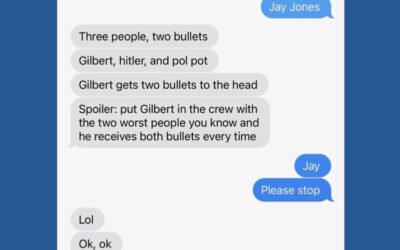
Democrats Rally Behind Jay Jones Despite Disturbing Texts
OPINION Virginia Governor Glenn Youngkin is urging Democrat Jay Jones to drop out of the attorney general race after violent 2022 texts resurface. In those messages, Jones made violent remarks about a Republican leader and even wished harm on his children. Youngkin called the comments “beyond disqualifying.” The Texts Revealed: What Was Said The messages were sent in August 2022 to Republican Delegate Carrie Coyner. She and Jones both served in the Virginia House of Delegates. In those texts, Jones compared then-House Speaker Todd Gilbert to Adolf Hitler and Pol Pot. He wrote that Gilbert “gets two bullets to the head.” He went on to add, “Three people, two bullets: Gilbert, Hitler, and Pol Pot,” making it clear he believed Gilbert should receive both bullets. Even more shocking, Jones said he wished Gilbert’s children would die, calling them “little fascists.” He also claimed their deaths might change Gilbert’s political views. Coyner, disturbed by the messages, repeatedly asked Jones to stop, writing, “please stop.” She later said the comments revealed alarming anger and raised questions about Jones’s judgment and fitness for public office. NEW: VA Democrat AG nominee Jay Jones allegedly once fantasized about shooting House Speaker Todd Gilbert in the head and “pissing” on his grave. Jones was upset that Republicans were eulogizing recently deceased former state legislator Joe Johnson. “I will go to their funerals… pic.twitter.com/Qp0ZTIgUEj — Collin Rugg (@CollinRugg) October 3, 2025 Reaction, Apology, and Continued Campaigning Once the texts became public, Jones admitted sending them and issued an emotional apology. He called his words “abhorrent” and said he was “embarrassed, ashamed, and sorry.” Jones claimed he personally apologized to Speaker Gilbert and his family for the horrific remarks. Despite the outrage, Jones announced he would not withdraw from the race. He insisted that his campaign was about the people of Virginia, not his past mistakes. His campaign team echoed that message, saying he intended to stay focused on voters’ needs rather than political attacks. He then deflected with more political attacks: Here is a statement from Jay Jones in response to this story: https://t.co/Qx89kg1ih4 pic.twitter.com/FOQkPR5dLI — Brandon Jarvis (@Jaaavis) October 3, 2025 Republicans Demand Resignation as Democrats Stand Firm The backlash was immediate. Governor Glenn Youngkin and other Republican leaders condemned the text messages as vile and unacceptable. Lieutenant Governor Winsome Earle-Sears and members of the Republican Attorneys General Association also called for Jones to drop out. They argue that someone who once used violent language toward political opponents could not credibly serve as Virginia’s top law enforcement officer. Democrats, however, responded differently. While many acknowledged the texts were disturbing, no major Democrats have called for Jones to withdraw, and he has not lost a single endorsement. In fact, several prominent figures have reaffirmed their support, emphasizing forgiveness and focusing on the issues that matter to voters. Abigail Spanberger, the Democratic nominee for governor, called Jones’s comments “wrong and offensive.” But, she, along with other Democratic leaders, has chosen to move forward with party unity, stressing that one mistake should not define a candidate’s entire career. (MORE NEWS: Leavitt: $37 Trillion Debt Forces Layoffs, Shutdown Cuts) The divide underscores a sharp partisan contrast. Republicans see the remarks as disqualifying and emblematic of toxic politics, while Democrats describe the controversy as a moment for reflection, redemption, and growth. Despite the uproar, Jones’s campaign remains intact, strengthened by allies who argue that responsibility and reform can coexist in public service. Broader Context: The Race, Past Conduct, and Stakes Jay Jones’s campaign was already facing scrutiny before the texts emerged. In 2022, he was cited for reckless driving after being clocked at 116 miles per hour on a Virginia interstate. He avoided jail time by completing community service, but the incident raised concerns about his maturity and judgment. Now, with these text messages resurfacing, many voters see a troubling pattern. Critics argue that his behavior shows a lack of discipline and self-control—traits unacceptable for someone seeking to become attorney general. Jones is challenging incumbent Republican Jason Miyares in a race that had been expected to be one of the tightest in the state. Virginia is considered a political bellwether, meaning its elections often reflect broader national trends. Before the scandal, early polls showed Jones within striking distance of Miyares, but the controversy may now shift the balance. Early voting is already underway, making the timing particularly damaging. Many observers believe the release of the messages could swing undecided voters toward Miyares, especially those concerned about civility and respect in politics. (MORE NEWS: Des Moines Superintendent Arrested by ICE: Fake Degrees, Crimes) The Takeaway As the scandal continues to unfold, the pressure on Jay Jones shows no sign of easing. Political insiders are watching to see whether he will eventually bow out or double down and try to weather the storm. If he stays in the race, he faces an uphill battle to rebuild trust with voters and his own party. Democratic leaders appear determined to stand by him. Rather than distancing themselves, many have chosen to defend Jones and emphasize his apology. Their response suggests that, much like the loyalty shown to President Biden despite growing concerns about his cognitive health, Democrats will continue to support Jones no matter what. The party seems focused on unity and winning in November, even if that means backing a candidate with serious credibility issues. Governor Youngkin’s demand for Jones’s resignation underscores the seriousness of the moment. Voters will decide in November whether words spoken in anger should end a political career—or if redemption is possible just a month before the election. This election will determine whether Virginians are willing to accept a flawed and untrustworthy candidate rather than risk letting a Republican win. What happens next will not only determine Jay Jones’s future but also send a powerful message about the standards Americans expect from those seeking to lead them. Cut through the noise. Drown out the spin. Deliver the truth. At The Modern Memo, we’re not here to soften the blow —…
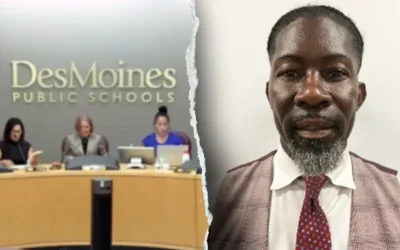
Des Moines Superintendent Arrested by ICE: Fake Degrees, Crimes
A major scandal has erupted in Iowa. Authorities arrested Ian Andre Roberts, then–superintendent of Des Moines Public Schools, raising fresh questions about his past. Investigators say his history includes drug convictions, weapons charges, fraudulent credentials, and immigration violations. As the full account unfolds, officials and the public alike are demanding answers. Background: From Education Leader to Arrested Suspect Roberts began working as superintendent in Des Moines in 2023. At first, there were few signs that serious legal trouble loomed. However, when U.S. Immigration and Customs Enforcement agents moved in on September 26, Roberts attempted to flee. They pursued his vehicle, found him hiding in nearby brush, and ultimately took him into custody. His ICE arrest triggered a bombshell disclosure by the Department of Homeland Security. In a public statement, DHS asserted Roberts had a long record of criminal conduct and maintained he should never have been serving in a role overseeing children. Shortly after, Roberts resigned his position. (MORE NEWS: Apple Pulls ICE-Tracking Apps from App Store) Criminal Allegations: Drugs, Guns, and Fraud The roster of charges against Roberts is extensive and severe. Investigators allege that a search of his home revealed multiple firearms: a loaded 9 mm pistol tucked under a couch cushion, a rifle in the master bedroom closet, and a shotgun behind a headboard. Moreover, one handgun was found in a vehicle he used while fleeing ICE. 🚨Holy crap. DHS just released more info on the Iowa school superintendent and illegal alien Ian Andre Roberts. He has a very long, violent criminal record, combined with immigration fraud. He also voted in elections. pic.twitter.com/lZDeRJKmnw — Katie Pavlich (@KatiePavlich) October 3, 2025 But weapons are not the only concern. The DHS and FBI allege Roberts has a decades-long history of drug crimes. In New York, his record reportedly includes criminal possession of narcotics with intent to sell, forgery, and related offenses dating back to the mid-1990s. In Pennsylvania, the accusation includes unlawful possession of a loaded firearm in 2022. On top of that, Maryland records allegedly show reckless driving, unsafe operation, and speeding convictions from 2012. Compounding these allegations are claims that Roberts also held fake or unverified academic credentials. He listed Morgan State University as his alma mater and claimed to be an incoming MBA candidate at MIT’s Sloan School of Management. But Morgan State confirmed to the Des Moines Register that he attended without earning a degree. MIT’s registrar also told the Register that no record exists of him ever being enrolled in that program. Immigration Violations and Status Issues Beyond criminal allegations, Roberts faces severe immigration-related accusations. DHS says he entered the U.S. multiple times under different visas—first as a visitor, then on a student visa in 1999. An immigration judge in Dallas ordered his removal in absentia in May 2024. Nevertheless, Roberts filed applications for work authorization in 2000, 2018, and 2019—each granted for just one year. Those ultimately expired. (MORE NEWS: Cartel “La Diabla” Busted for Baby, Organ Ring in Mexico) DHS also claims Roberts was illegally registered to vote as a Democrat in Maryland, raising serious concerns about voter registration controls. While some aspects remain under investigation, the combined allegations portray a complex web of alleged misconduct. Impact on Public Education and Trust The arrest has rattled the Des Moines Public Schools system. The school board initially placed Roberts on paid leave, then switched to unpaid leave, and finally accepted his resignation. Many parents, teachers, and stakeholders feel blindsided. How did someone with such a background secure a leadership role in a major school district? Furthermore, the scandal calls into question hiring and vetting practices in public education. If school systems failed to detect fictitious degrees or an extensive criminal history, then oversight mechanisms may be deeply flawed. Beyond internal processes, the case risks damaging public confidence. Schools play a central role in community trust. When a leader falls under suspicion for crimes and deceit, that trust erodes quickly. Des Moines Public School Board is now suing JG Consulting: 🚨 BREAKING: The Des Moines Public School Board is now deflecting all responsibility for hiring former Superintendent Ian Roberts by taking legal action against the search firm that assisted in the hiring, JG Consulting. Roberts passed background checks conducted by both JG… pic.twitter.com/RPdqgRFPp0 — Dustin Grage (@GrageDustin) October 3, 2025 Voices from DHS and Reactions In response, DHS Assistant Secretary Tricia McLaughlin stated: “Ian Andre Roberts, a criminal illegal alien with multiple weapons charges and a drug trafficking charge, should have never been able to work around children. When ICE officers arrested this Superintendent, he was in possession of an illegal handgun, a hunting knife, and nearly $3,000 in cash. This criminal illegal alien is now in U.S. Marshals custody and facing charges for being an illegal alien in possession of a firearms. Under Secretary Noem, ICE will continue to arrest the worst of the worst and put the safety of America’s children FIRST.” Meanwhile, local and state-level officials have faced pressure to explain how Roberts gained access to influential education roles. As more revelations emerge, the scrutiny has intensified. Conclusion: A Scandal That Demands Clarity The arrest of Ian Andre Roberts marks a serious and complicated turning point in public education oversight. The charges span drugs, weapons, fraud, and immigration violations. His alleged falsification of academic credentials only deepens the concerns. In the wake of the revelations, Des Moines Public Schools faces not only legal fallout but a crisis of credibility. As authorities move forward, stakeholders and the public alike deserve transparency and reform. Through this case, we are reminded that leadership roles—especially those entrusted with children’s lives and future—demand rigorous scrutiny. Public systems must apply higher standards, not lower them. If that standard is not met, the consequences affect more than one man—they affect the integrity of public education itself. Forget the narrative. Reject the script. Share what matters. At The Modern Memo, we call it like it is — no filter, no apology, no corporate leash. If you’re tired of being lied to,…

Leavitt: $37 Trillion Debt Forces Layoffs, Shutdown Cuts
White House Press Secretary Karoline Leavitt recently defended the administration’s decision to carry out layoffs during the government shutdown. She argued that these actions are necessary because the nation’s debt has climbed to an astonishing $37 trillion and there is no revenue coming in while the government is closed. Leavitt stressed that the administration remains focused on restoring fiscal discipline and protecting taxpayers. “Why are layoffs now necessary in this shutdown?”@PressSec: “We are $37T in debt and the federal government is currently shut down. There is no more money… Democrats have given this Administration an unenviable choice.” pic.twitter.com/rejyrDqQnz — Rapid Response 47 (@RapidResponse47) October 3, 2025 She explained that the federal government cannot continue to pay for every program or project without money flowing in. Since the shutdown halts many normal functions, decisions must be made about what to keep and what to suspend. According to Leavitt, that means prioritizing essential services while cutting spending elsewhere. The Weight of the Debt Crisis The $37 trillion national debt looms large over this debate. Leavitt pointed to the figure as proof that America cannot keep spending at current levels. She insisted that ignoring the debt would only deepen the crisis and harm future generations. In her remarks, she described the layoffs and cuts as painful but unavoidable. The administration also emphasized its commitment to rooting out waste, fraud, and abuse. Leavitt said this moment calls for tough decisions, and she accused Democrats of creating an environment where those choices became inevitable. From her perspective, it is better to act now than to allow debt to spiral even further out of control. Cuts to Federal Spending One of the administration’s key strategies has been freezing or canceling large projects. Billions in federal funds earmarked for infrastructure in New York City and Chicago are now paused. Nearly $8 billion in funding tied to climate initiatives labeled the “Green New Scam” has also been canceled. These moves signal a new approach to federal budgeting during the shutdown. President Trump shared this on Truth: Leavitt framed the cuts as a way to ensure money goes toward what truly matters. In her words, the administration is drawing a line between essential services and excess spending. Supporters see this as a needed reset, while critics view it as harmful austerity during a time of economic uncertainty. Trump posted this about a meeting with Russ Vought, Director of the United States Office of Management and Budget: Political Battle in Congress The shutdown itself stems from a partisan standoff. House Republicans passed a short-term continuing resolution in September designed to keep the government open through November without additional spending provisions. However, the measure failed in the Senate, where Democrats blocked it and pushed their own proposals. According to Leavitt, some Democrats demanded increased Medicaid reimbursements for emergency care for illegal immigrants. She argued that such demands come at the expense of vulnerable American citizens. By highlighting this, she positioned Republicans as defenders of fiscal discipline and accused Democrats of placing politics above taxpayers. Because negotiations remain stalled, the administration insists it has no choice but to reduce staff and suspend operations. Leavitt maintained that the layoffs are not political theater but a fiscal necessity. (RELATED NEWS: Viral 2019 Debate Clip Shows Democrats Back Healthcare for Illegal Immigrants) Effects on Federal Workers and Services The decision to lay off workers and freeze programs has real consequences. Many federal employees face unpaid furloughs or risk permanent job loss. Communities that rely on government programs could see disruptions, from delays in services to outright suspension of projects. These impacts ripple outward, affecting families, businesses, and local economies. The government must choose the lesser of two harms. Temporary hardships from a shutdown are preferable to long-term collapse under runaway debt. There is difficulty in the moment, but fiscal responsibility requires sacrifice. Balancing Priorities The administration now faces the challenge of balancing core functions with limited resources. Defense, public safety, and essential regulatory agencies must remain funded. At the same time, projects seen as wasteful or politically motivated are being cut back. This balancing act shapes the administration’s narrative that it is acting responsibly under extraordinary circumstances. Critics counter that the shutdown itself is harmful and that bipartisan compromise would ease the pressure. However, Leavitt and others in the administration portray the shutdown as proof of their determination to rein in spending and enforce fiscal discipline. (MORE NEWS: Apple Pulls ICE-Tracking Apps from App Store) The Road Ahead The key to ending the shutdown lies in reaching a new budget deal. Unless lawmakers in both chambers of Congress agree, the cuts and layoffs could deepen. Pressure will continue to mount as federal workers and citizens feel the effects. Public opinion may also play a major role in shaping the next steps, as voters decide whether to support austerity or push back against it. For the administration, the central message remains clear. With a $37 trillion debt, officials believe they must act now to prevent further damage. Layoffs, cuts, and freezes are presented not as optional measures but as the only responsible path forward. Leavitt framed the situation as one of urgency, insisting that fiscal reality leaves no room for delay. Final Word The shutdown debate is no longer just about numbers on a ledger. It is about the lives and sacrifices of American workers who face layoffs, furloughs, and uncertainty while major projects in their communities are frozen. Families who depend on reliable government services now carry the burden of Washington’s gridlock. At the same time, billions of dollars are being debated for the healthcare of illegal immigrants, even as citizens see their paychecks halted and their projects canceled. For many Americans, this is the heart of the issue: their livelihoods and future are being placed on hold while resources are promised to those who entered the country unlawfully. This standoff underscores a painful reality. The people who work, pay taxes, and build communities are asked to make sacrifices, while lawmakers argue over priorities that leave…

Apple Pulls ICE-Tracking Apps from App Store
Apple has removed a number of apps from its App Store that allowed users to track the presence of ICE (Immigration and Customs Enforcement) agents, according to the New York Post. The decision came after the Trump administration threatened legal action. The removed apps included one called ICEBlock, which had gained hundreds of thousands of users. In response, Apple confirmed that it took down ICEBlock and similar apps after being contacted by law enforcement. The company did not name which agencies or detail each app removed. What Was ICEBlock and Why It Mattered ICEBlock was an app that let users anonymously report and view the approximate location of ICE agents within a five-mile radius. By crowdsourcing observations, users could see where ICE enforcement was reportedly active and warn each other. The app’s creators promoted it as a tool to help immigrants avoid law enforcement encounters. The app had 1.1 million users. Director of the FBI Kash Patel reported the shooter at the Dallas ICE facility last week used ICE tracking apps: @FBIDallas and FBI HQ have been working 24/7 to seize devices, exploit data, and process writings obtained on location and in the subject’s person/residence/bedroom. This @FBI is committed to providing timely updates, as promised: – The perp downloaded a document titled “Dallas… — FBI Director Kash Patel (@FBIDirectorKash) September 25, 2025 Because of its controversial goal—to help people evade immigration enforcement—ICEBlock drew both support and criticism. Supporters viewed it as a defense against perceived overreach. But in reality, it enabled illegal behavior and endangered public safety by interfering with law enforcement. Why Apple Acted: Legal Pressure and Enforcement Apple’s removal of the app followed intense pressure from the Trump administration. Officials issued legal threats, demanding that Apple stop distributing apps designed to help users avoid ICE. Facing potential liability, Apple complied. (MORE NEWS: Viral 2019 Debate Clip Shows Democrats Back Healthcare for Illegal Immigrants) In its statement, Apple said it removed the apps after being contacted by unspecified law enforcement entities. The company did not confirm whether the removal was voluntary or mandated by law. Thus, Apple appears to have acted preemptively to avoid legal exposure. The move signals how tech firms may sometimes yield to government pressure when enforcement agencies assert regulatory or legal authority. Reactions and Debate The removal has sparked fierce debate. Advocates for free speech and digital tools argued that Apple’s action constitutes censorship—restricting tools that users voluntarily choose to download. On the other hand, critics claim the apps endanger enforcement and public safety. Some supporters of ICEBlock’s removal say that no platform should host tools explicitly designed to help users dodge law enforcement. They argue developers should not assist with illegal conduct. Opponents, however, say that the government should not be able to dictate which apps people can access. The tension between safety, free speech, and corporate responsibility is central to this dispute. What It Means for Developers and Users For developers, the removal shows a warning: apps facilitating the evasion of law enforcement may be vulnerable to removal, especially if authorities condemn them. Even if an app is popular, it may not be safe from takedown under pressure. (RELATED NEWS: Dallas ICE Office Attack Sparks Grief and Political Uproar) For users, this event underscores how volatile app availability can be when government interest is involved. Tools can be removed overnight if they encroach upon legally sensitive territory. Moving forward, developers planning apps that interact with law enforcement or surveillance should tread carefully. They must anticipate potential legal challenges and consider whether their functionality may be perceived as enabling wrongdoing. Lessons on Tech, Governance, and Power This episode highlights how tech platforms serve as gatekeepers. Even though Apple is a private company, its control over app distribution gives it de facto regulatory power. Its decisions can shape which tools people can access and which voices gain amplification. However, it is important to note that this action is not government overreach. It is no different from laws in some states that ban laser jammers or radar detectors. Just as those devices interfere with traffic enforcement, ICE-tracking apps directly interfere with immigration enforcement. When technology is designed to obstruct the law, removal becomes a matter of public safety, not censorship. Moreover, the case reveals how when law enforcement deems an app inappropriate or dangerous, companies may be willing—or compelled—to submit. That is especially true when technology contributes to serious crimes, including the potential harm or even murder of innocent people. In such cases, restrictions are not about silencing dissent but about protecting lives. At the same time, the controversy underscores the tension between security and liberty. Governments want tools and mechanisms to maintain order. Citizens and activists often want the ability to observe, document, or resist government action. When technology sits in the middle of that clash, conflict is inevitable. Final Word Apple’s removal of ICE-tracking apps like ICEBlock signals a major shift at the intersection of tech, law, and politics. Under pressure from the Trump administration, Apple pulled apps that helped users avoid ICE agents. The move has stirred debate about censorship, corporate responsibility, and civil liberties. Going forward, developers must consider legal risks when building apps tied to law enforcement or surveillance. Meanwhile, users must recognize that app access is never fully secure. As technology continues to permeate government and personal lives, the boundaries of power will remain contested—and the decisions of big tech companies will carry weighty consequences. Expose the Spin. Shatter the Narrative. Speak the Truth. At The Modern Memo, we don’t cover politics to play referee — we swing a machete through the spin, the double-speak, and the partisan theater. While the media protects the powerful and buries the backlash, we dig it up and drag it into the light. If you’re tired of rigged narratives, selective outrage, and leaders who serve themselves, not you — then share this. Expose the corruption. Challenge the agenda. Because if we don’t fight for the truth, no one will. And that fight starts with you.