

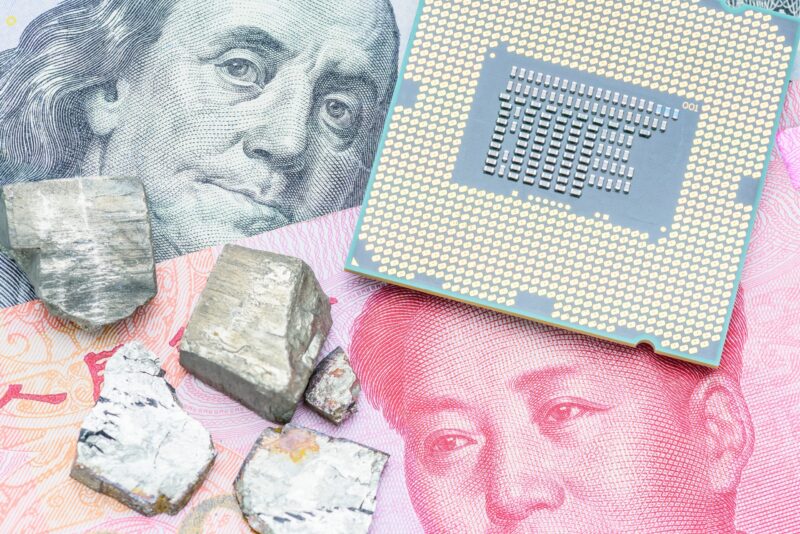
China has recently threatened to tighten control over rare earth exports mark a bold shift in global supply dynamics. While Beijing frames the move as a matter of national security, the ripple effects could wreak havoc on U.S. tech giants, defense contractors, and global supply chains.
What Are Rare Earths — and Why They Matter
Rare earth elements are not actually rare in the earth’s crust. But they are difficult and costly to mine and refine. These elements power high-precision magnets, chips, sensors, and advanced military hardware. Industries ranging from smartphones and electric vehicles to guided missiles and stealth aircraft depend heavily on them.
China dominates global rare earth processing. It controls much of the refining, magnet manufacturing, and export of these materials. That dominance gives Beijing a powerful economic weapon. Analysts estimate that China handles about 90% of the world’s rare earth refinement and magnet production, according to Reuters. By threatening to clamp down on exports, China is showing its willingness to use that leverage as a geopolitical tool. (MORE NEWS: Silver Prices Hit Record High as Demand Surges and Supplies Tighten)
What China’s New Controls Look Like
The new export curbs extend beyond raw ores. Under these rules, foreign firms must apply for licenses even if their products contain only trace amounts of Chinese rare earths. Exports of processing technologies and magnet materials now face tighter reviews.
China also plans to scrutinize or reject exports tied to defense and semiconductor applications. Because the licensing process is discretionary, Beijing can slow or block shipments without imposing a full ban. This creates uncertainty for companies around the world and gives China flexibility to apply pressure when it chooses.
Risks to U.S. Tech and Defense Firms
China’s rare earth restrictions threaten to shake the foundation of America’s technology and defense sectors. Many of the nation’s most advanced companies depend on steady supplies of these critical materials, and even small disruptions can create major setbacks.
Key risks include:
- Supply chain disruptions: U.S. tech firms and defense contractors rely on predictable supply lines. Sudden export delays or denials from China could leave manufacturers scrambling for alternatives. Even short delays could halt production of essential equipment.
- Impact on defense programs: Fighter jets, missile systems, radar arrays, and unmanned vehicles all depend on rare earth magnets and components. If China limits supply, the U.S. military could face higher costs, missed deadlines, and shortages in key technologies.
- Rising costs and price spikes: Tighter export rules usually drive up prices. Companies may face cost increases from raw materials to finished products. These surges could shrink profit margins and push prices higher for both consumers and government contracts.
- Strategic vulnerability: China’s control goes far beyond mining. It dominates the refining and magnet manufacturing processes needed for advanced components. Even firms sourcing raw materials elsewhere often depend on Chinese processing, giving Beijing powerful leverage over critical sectors of the U.S. economy.
Broader Economic and Geopolitical Fallout
China’s export threats reach far beyond defense and semiconductors. Electric vehicles, renewable energy systems, consumer electronics, and even medical devices depend on rare earth materials. Any disruption or surge in prices could slow innovation, increase production costs, and make high-tech goods more expensive for consumers worldwide.
These industries also power the global clean-energy transition. A long-term shortage or price spike could delay progress toward climate goals, forcing nations to choose between sustainability and supply security. The result could be slower adoption of green technology just as the world pushes to reduce emissions.
In response, the United States and its allies are racing to diversify supply chains. The European Union and other partners are working to reduce reliance on China by expanding domestic mining, refining, and magnet manufacturing. New international partnerships are forming to develop alternative sources and share technology.
At the same time, Washington is preparing stronger countermeasures, including new tariffs and tighter export controls. President Donald Trump addressed China’s escalating trade actions in a public statement, saying:
The statement underscores how seriously Washington views Beijing’s actions — as both an economic threat and a challenge to international trade norms. If both sides follow through on these measures, the result could be a full-scale trade confrontation that reshapes global supply chains for years to come.
What the U.S. Must Do
To protect its economy and security, the United States must take bold steps to reduce its dependence on China for rare earth materials. America is rich in critical minerals buried within its own borders, and it must be able to responsibly mine and process them. Developing these resources is essential not only to compete with China, but also to secure national independence and strengthen long-term security.
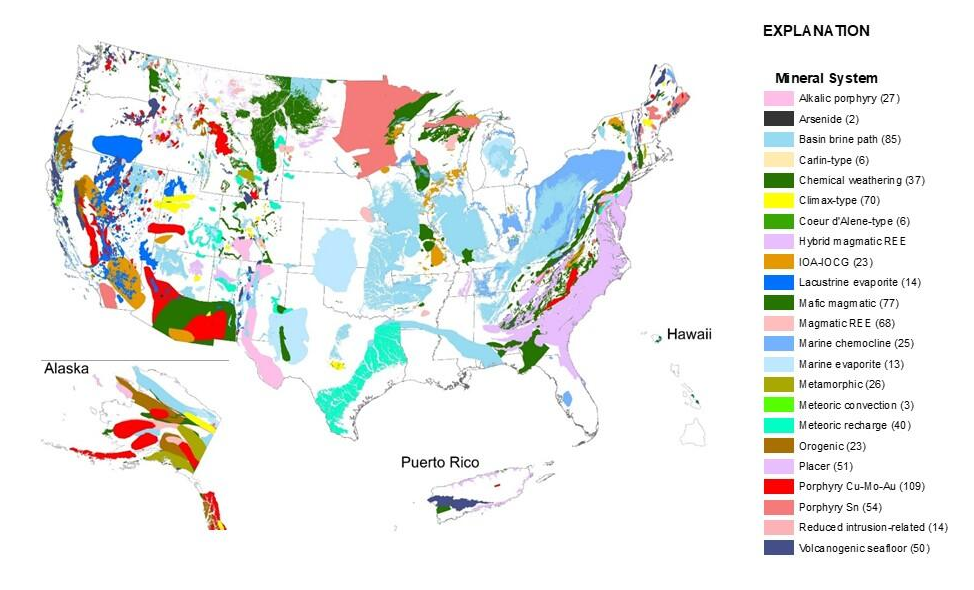
President Trump and his administration are working to rebuild America’s rare earth supply chain and bring production back home. However, progress faces many obstacles, including lawsuits, environmental restrictions, and slow permitting processes that block new mining and processing projects. Overcoming these challenges will be vital for America to regain control of its resources, stabilize supply chains, and protect the industries that drive innovation and defense. (MORE NEWS: Melania Trump Helps Reunite Ukrainian Children Amid War)
By combining responsible mining, smart policy, and close coordination between government and private industry, the U.S. can create a reliable domestic supply of rare earth elements. This will safeguard the nation’s economic strength, ensure technological leadership, and reduce the risk of foreign influence over critical materials.
The Takeaway
China’s tightening control over rare earth exports is just one piece of a much larger challenge. For decades, the United States has allowed itself to become economically entangled with a nation that openly seeks global dominance. From electronics and pharmaceuticals to energy and manufacturing, too many American industries still rely on Chinese production.
The lesson is clear: true security begins with independence. Decoupling from China is not about isolation — it is about protecting America’s future. By rebuilding domestic production, securing vital resources, and supporting innovation at home, the U.S. can reduce its vulnerabilities and strengthen its position in the world. The path forward will not be easy, but a deliberate, responsible move toward self-reliance is the only way to ensure lasting prosperity, stability, and national security.
Cut Through the Noise. Slice Through the Lies. Share the Truth.
At The Modern Memo, we don’t tiptoe around the narrative—we swing a machete through it. The mainstream won’t say it, so we will.
If you’re tired of spin, censorship, and sugar-coated headlines, help us rip the cover off stories that matter. Share this article. Wake people up. Give a voice to the truth the powerful want buried.
This fight isn’t just ours—it’s yours. Join us in exposing what they won’t tell you. America needs bold truth-tellers, and that means you.
