

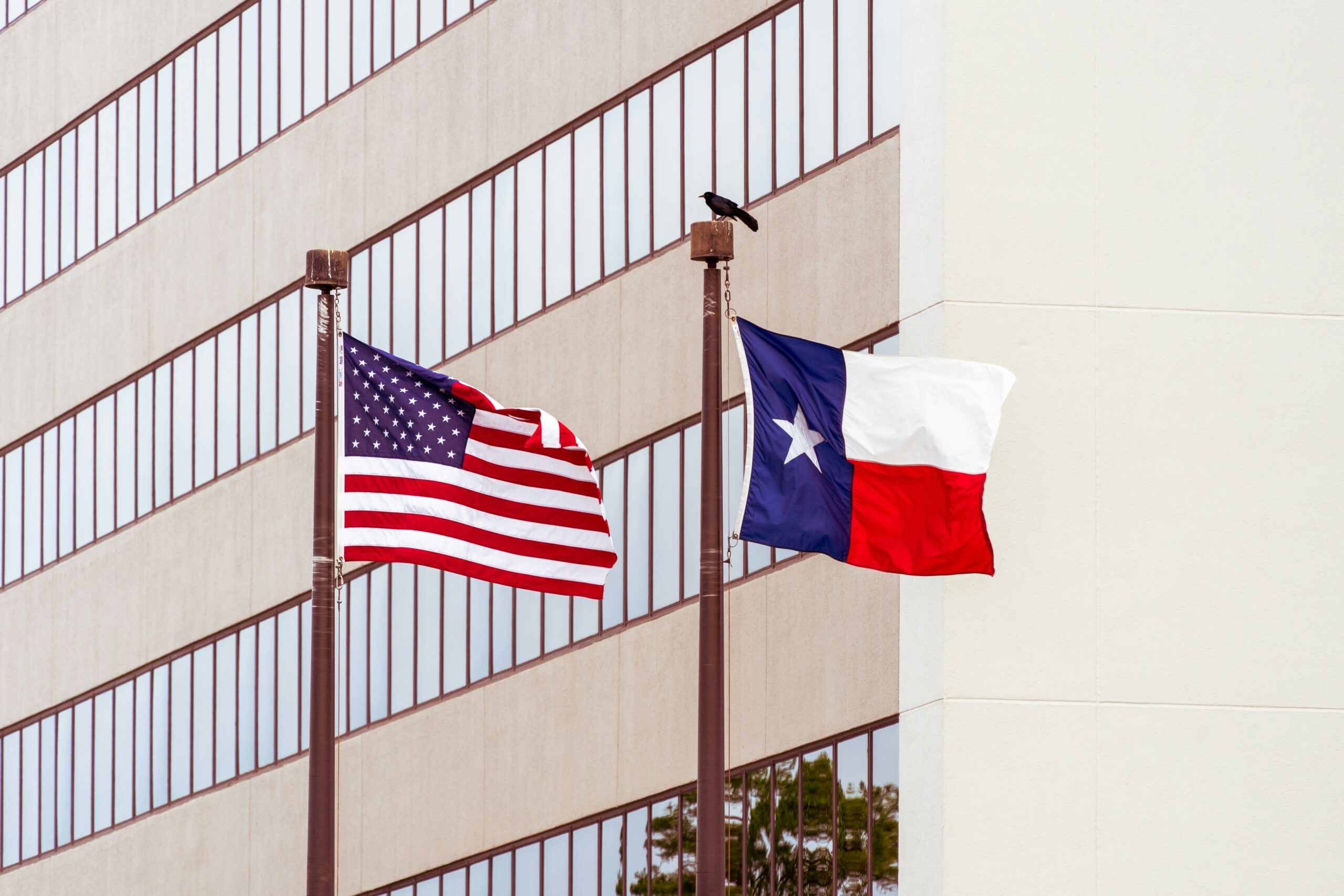
The most expensive and vitriolic Senate primary in American history reached its boiling point, as Texas Republicans headed to the polls for a high-stakes runoff election. But beneath the campaign rallies and a staggering $135 million in ad spending, a deep anxiety is fracturing the state’s Republican establishment. A buzzer-beating, eleventh-hour endorsement from President Donald Trump has fundamentally altered the race, igniting fears that a seat safely held by Republicans for over three decades could be placed in serious jeopardy this November.
At The Modern Memo, we analyze the proxy war between incumbent Senator John Cornyn and Attorney General Ken Paxton, the raw campaign data driving the panic, and why Democrats believe they have been handed a golden ticket in the Lone Star State.
The Eleventh-Hour Intervention
For months, President Trump kept both campaigns on ice, declining to tip the scales during the March 3 primary where neither candidate cleared the 50% threshold. The strategic silence frustrated party leadership, who desperately lobbied the White House to stay neutral or back the more traditional incumbent.
-
The Sledgehammer Endorsement: Just days before the runoff, Trump shattered the stalemate by throwing his total support behind Ken Paxton, calling him a “true MAGA Warrior” and “our Country’s BEST Attorney General.”
-
Altering the Terrain: Rice University political science professor Mark Jones observed that the late endorsement completely destabilized the race. “The moment Donald Trump endorsed Ken Paxton, he took a somewhat unlevel playing field and turned it into a steep cliff,” Jones noted, giving Paxton an immediate surge among the grassroots base.
-
The Loyalty Reward: The endorsement is being viewed as a direct reward for Paxton’s unyielding fealty. While Cornyn has positioned himself as a Reagan-era constitutionalist who voted with the administration’s legislative agenda over 99% of the time, Paxton pitched himself as an aggressive political brawler willing to take a sledgehammer to the party establishment.
The Primary Fallout: Why the GOP is Panicking
While the endorsement has energized core conservative voters, veteran Texas strategists are privately sounding the alarm. They warn that selecting a nominee with significant political baggage could crack the state’s historic red wall.
-
A Liability in November: Senator Cornyn has repeatedly warned that nominate-at-all-costs primary strategies will backfire in a general election. “If a Paxton were the nominee, this would be the first chance Democrats have had in 30 or 40 years to pick up a statewide office,” Cornyn told reporters, arguing that the Attorney General would hand the seat to the opposition “on a silver platter.”
-
The Baggage Burden: Establishment concerns are rooted in Paxton’s turbulent legal history, including a highly publicized 2023 impeachment trial by the GOP-led Texas House over corruption allegations. Though he was ultimately acquitted by the state Senate, party leaders worry those vulnerabilities will become the central target of a relentless general election onslaught.
-
The Resource Drain: Rather than allocating critical national funds to flip vulnerable seats in Maine or North Carolina, the National Republican Senatorial Committee (NRSC) may now be forced to spend tens of millions of dollars playing defense in a state that hasn’t elected a Democratic U.S. Senator since 1993.
The Democratic Playbook: Enter James Talarico
Waiting in the wings is the Democratic nominee, State Representative James Talarico of Austin. An articulate, formidable fundraising powerhouse, Talarico has deliberately run a disciplined campaign focused on infrastructure, public education, and working-class economic anxiety.
-
The Strategic Target: Talarico’s team is actively praying for a Paxton victory in the runoff. Internal polling suggests that while outlasting an institutional fixture like Cornyn would be a near-impossible climb, facing a deeply polarizing figure like Paxton shifts the race entirely.
-
The Suburbs in Play: Political scientists point out that the shifting demographics of the Texas suburbs—specifically around Houston, Dallas, and Austin—have made the state increasingly competitive. If moderate suburban women and independent voters independent of the MAGA base defect due to Paxton’s controversies, the traditional math of Texas elections collapses.
-
The Knife Fight: Democratic strategists are realistic but highly energized. “Donald Trump’s approval rating is low, and there is a deeply flawed candidate at the top of the ticket, which could spell disaster for Republicans,” Jones added.
Final Word
The primary runoff in Texas is the definitive proof that the battle for the soul of the Republican Party is far from settled. When you look past the noise of campaign anthems and focus on the data—the $135 million spent on intra-party warfare and the looming vulnerability of a 30-year red stronghold—you gain a clearer picture of a party taking an immense strategic gamble.
Quality information replaces the narrative of an easy November victory with the reality of an aggressive realignment that prioritizes ideological purity over general election insulation. It allows you to see that while Ken Paxton has proven he has the guts to win a primary, he may have just handed Democrats the exact opening they need to reshape the United States Senate. By choosing to intervene at the buzzer, Donald Trump has ensured that the road to the majority runs straight through a Texas knife fight.
