

Texas
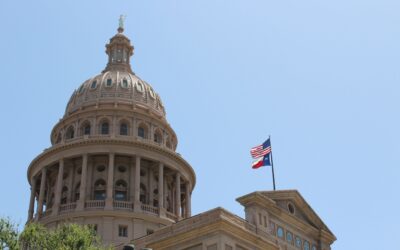
Abbott Targets ‘Birth Tourism’ Industry With New Executive Order, Warns Providers Face License Loss
Order directs state agencies to investigate providers accused of marketing birth packages to foreign nationals; critics question both the scale of the practice and states’ authority to regulate it AUSTIN, Texas — Gov. Greg Abbott signed an executive order Tuesday directing several Texas state agencies to investigate what his office calls “unlawful birth tourism schemes” within the state’s healthcare industry, and to take enforcement action — including possible license revocation or contract suspension — against providers found to be advertising, soliciting, or otherwise facilitating them. “Texas will not tolerate the exploitation of our immigration laws by individuals traveling to the United States illegally or under false pretenses to give birth and secure citizenship for their child,” Abbott said in a statement announcing the order. What the Order Does The order directs the Texas Health and Human Services Commission (HHSC), the Department of State Health Services, the HHSC Office of Inspector General, the Texas Medical Board, and the Texas Board of Nursing to investigate allegations of birth tourism fraud and to coordinate with federal prosecutors, sharing information and referring potential violations of federal law. The order builds on a July 7 directive in which Abbott instructed HHSC to investigate Texas hospitals advertising birth tourism packages and refer any state law violations to the Texas Attorney General’s office and local prosecutors. That directive followed reports that Mission Regional Medical Center in the Rio Grande Valley had advertised Spanish-language “birth packages” on billboards in Mexico. The hospital said in a statement that the marketing materials were no longer in use and that it was sharing information about its services in the way hospitals commonly do. According to the governor’s office, HHSC has since referred two Texas hospitals to the Attorney General in connection with the alleged advertising of such packages, some reportedly priced starting around $4,000. The Underlying Legal Debate Birth tourism generally refers to instances in which a pregnant foreign national travels to the U.S. with the primary intent of giving birth so that the child receives automatic U.S. citizenship under the 14th Amendment’s Citizenship Clause. Giving birth in the United States is not itself illegal; legal issues can arise if a traveler misrepresents the purpose of their visit or commits visa fraud, or if a business coaches clients to conceal that intent from immigration officials. The scale of the practice is disputed. Estimates from the Migration Policy Institute put birth tourism at somewhere between roughly 9,600 (based on government data on births to mothers with foreign addresses) and 26,000 births a year — a small fraction of total U.S. births. Some advocates for stricter immigration enforcement argue the figure understates the problem and describe the practice as amounting to citizenship “for sale.” Other legal commentators argue the issue is overstated relative to the broader constitutional question of birthright citizenship, and that it should have no bearing on how the Citizenship Clause itself is interpreted. That constitutional question remains unresolved nationally. A recent U.S. Supreme Court ruling addressed a narrower procedural issue — whether lower courts can issue nationwide injunctions — rather than deciding whether the 14th Amendment guarantees citizenship to all children born on U.S. soil regardless of their parents’ immigration status. Legal challenges on the underlying question continue in federal courts. Texas itself previously attempted to restrict birth certificate issuance to children of parents lacking U.S.-issued identification, a 2015 policy that was later abandoned after legal challenges arguing it conflicted with the 14th Amendment. Broader Political Context The order arrives amid renewed congressional attention to birthright citizenship. Some federal lawmakers have proposed legislation to narrow or redefine who qualifies for automatic citizenship at birth, including measures aimed at U.S. territories and at children of foreign diplomats; other lawmakers and legal advocates oppose such changes, arguing they conflict with longstanding constitutional interpretation. Abbott has said he intends to work with the Texas Legislature to further address the issue and has asked Texans with information about suspected birth tourism schemes to report it to state authorities. This story is developing.

The Classroom Covenant: Texas Becomes First State to Mandate Bible Passages in Public K-12 Reading Lists
In a historic and highly polarized structural shift, the Texas State Board of Education voted to mandate specific Bible passages and Christian stories as required reading for more than 5.5 million public school students. The Republican-led, 15-member elected board approved the sweeping measure following months of intense public hearings and fierce debate over the separation of church and state, making the Lone Star State the definitive trailblazer in a nationwide conservative push to re-anchor American public education in Judeo-Christian foundations. The new curriculum standards—formally adopted into the state’s mandatory Texas Essential Knowledge and Skills (TEKS) framework—will alter English, language arts, and social studies instruction across every grade level from kindergarten through senior year of high school. While critics decry the decision as a blatant, unconstitutional infringement on religious diversity, proponents hail the decision as a long-overdue restoration of a common educational and cultural canon. At The Modern Memo, we break down the operational data of the new Texas mandated reading list, analyze the precise biblical texts assigned to each grade level, examine the legal precedents shielding the board’s decision, and explore the deep fracturing of the local community. The Scope of the Change: A Kindergarten-to-Senior Year Mandate The decision represents a profound shift away from traditional public education structures, where individual school districts, principals, and classroom teachers have historically retained localized control over which novels, stories, and historical documents are assigned to students. The Staggered Rollout: The mandatory reading list is scheduled to take effect at the beginning of the 2030–2031 school year, allowing the Texas Education Agency (TEA) a multi-year buffer window to design specific teacher guidance, finalize textbook printing, and establish instructional standards. The 200-Text Canon: The mandates are the direct result of a 2023 Texas state law that required education officials to draft a unified, statewide mandatory reading list of literary works for each grade level. The final approved list contains roughly 200 entries, blending secular classics of the Western literary canon—such as E.B. White’s Charlotte’s Web, Harper Lee’s To Kill a Mockingbird, and Jane Austen’s Pride and Prejudice—directly with explicit scriptural readings. The Centrality of Texas: Because Texas educates roughly 1 in 10 public school students in the United States, its textbook and curriculum decisions wield massive, outsized leverage over the national publishing market. Textbook companies frequently rewrite their standard editions to comply with Texas guidelines, meaning the Bible-infused frameworks approved in Austin could soon bleed into classrooms across multiple states. The Fact Sheet: What Students Will Actually Read To cut through the intense media spin and internet hyperbole surrounding the decision, it is necessary to examine the cold data of the approved curriculum list. The framework adds a minimum of one required biblical passage or religious story to every single grade level. Grade Level Assigned Biblical Text or Story Approved Translation / Source Kindergarten / 1st “Noah’s Ark” (Adapted for picture books) Peter Spier / Simplified Children’s Literature 2nd Grade “David and Goliath” The Children’s Book of Heroes 3rd Grade “Daniel and the Lion’s Den” Christian Broadcasting Network Adaptation 4th Grade The Necessity of Humility (Luke 14:7-11) New International Reader’s Version (NIrV) 5th Grade The Crossing of the Red Sea (Exodus 3 & 14) New International Reader’s Version (NIrV) 6th Grade “Do Not Be Anxious” (Matthew 6:25-34) English Standard Version (ESV) 7th Grade The Shepherd’s Psalm (Psalm 23) King James Version (KJV) 8th Grade The Eight Beatitudes (Sermon on the Mount) King James Version (KJV) High School (9-12) 1 Corinthians 13 (“The Love Chapter”) & Job Used as mandatory companion texts for Dickens & Austen The data reveals a highly specific, Protestant-centric translation map. The proposal specifically mandates that teachers utilize versions like the English Standard Version (ESV)—wildly popular among conservative evangelicals—and the King James Version (KJV). Catholic-approved translations containing the Apocrypha, Jewish-translated Tanakh alternatives (with the brief exception of a single excerpt from Lamentations), and the sacred texts of non-Christian world religions are completely absent from the mandatory requirements. The Legal Shield: Navigating the Supreme Court Grid While civil liberties organizations like the left-leaning Texas Freedom Network and Americans United for Separation of Church and State have threatened immediate litigation, the Texas State Board of Education is operating behind a highly calculated, resilient legal shield. The 1963 Precedent: Legal experts note that while the landmark 1963 Supreme Court case Abington School District v. Schempp banned state-mandated devotional Bible reading and school prayer, the majority opinion explicitly left a wide-open door for academic instruction. The court famously ruled: “It certainly may be said that the Bible is worthy of study for its literary and historic qualities.” The Secular Defense: Texas Education Agency spokesman Jake Kobersky and board proponents are anchoring their entire defense within this specific secular boundary. They argue that students cannot genuinely comprehend the metaphors, allegories, and historical references embedded in Western literature and American civic history without possessing a foundational literacy of the Bible. The Appointed Firewall: Furthermore, the Texas government has aggressively reshaped its legal environment over the last two years. The state has already successfully passed laws requiring the public display of the Ten Commandments in every classroom (a move recently upheld by a divided federal appeals court), permitted schools to hire religious chaplains as counselors, and established designated prayer periods during the schoolday. A Fractured Community: Cultural Preservation vs. Theological Exclusion The public comments and testimony delivered during the final voting sessions exposed a deep, unyielding cultural chasm between citizens who view the curriculum as a vital defense of American identity and those who view it as a dangerous escalation of Christian nationalism. The Argument for Cultural Continuity: Board member Brandon Hall, a pastor from Aledo who championed the inclusion of the texts, argued that the proportion of biblical impact on Western civilization justifies its dominance in the curriculum. “America and Texas have been a Christian nation and a Christian state forever,” Hall stated to the assembly. “And the proportion of the impact they’ve had is why they’re included. Of course, there are other faiths that are represented,…
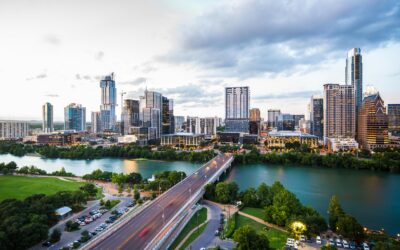
The Takeover Triumph: Test Scores Soar in Texas’ Largest School District, Smashing ‘Systemic Racism’ Narratives
The bitter national debate over local control and state intervention in public education has been handed an undeniable empirical verdict. The Houston Independent School District (HISD)—the largest school system in Texas and the eighth-largest in the United States—has recorded historic, sweeping academic gains across its more than 270 campuses. The achievement data arrives three school years into a highly controversial state takeover that was heavily vilified by local progressive politicians as a “racist, power-grabbing partisan assault.” The data released by the Texas Education Agency (TEA) reveals a total institutional turnaround: the number of high-performing, A- and B-rated campuses across the school system has more than doubled, exploding from 93 to 197 schools since 2023. At The Modern Memo, we analyze the raw test data dismantling the low-expectations narrative, the mechanics of Superintendent Mike Miles’ aggressive New Education System (NES), and why the district’s rapid success has left institutional critics completely uncoupled from reality. The Hard Metrics: Historic Turnaround by the Numbers When the state officially intervened in June 2023, dissolving HISD’s democratically elected school board and firing its superintendent, opponents predicted a total collapse of urban education. Instead, the academic metrics have improved by historic margins. Doubling the Gold Standard: Prior to the state intervention, only 35% of HISD students were privileged enough to attend a top-tier school. Today, 75% of all students are enrolled in an A- or B-rated campus. The sheer count of these high-performing schools surged by 111%, bringing the total to 197 campuses. Eradicating Failure: In 2023, HISD was weighed down by 56 separate F-rated, failing campuses and a total of 121 schools holding a D or F grade. Under the state-appointed leadership, F-rated schools have been completely eliminated from the district. Today, only 7% of schools remain at a D-level, down from 45% before the takeover. STAAR Score Surge: Across elementary, middle, and high schools, students in grades 3 through 8 recorded substantial year-over-year gains in reading and math on the State of Texas Assessments of Academic Readiness (STAAR) tests, effectively narrowing historical performance gaps compared to wealthier suburban state averages. The Reform Engine: How the ‘New Education System’ Fixed the Rot The dramatic upswing in student performance is directly attributed to the unyielding, corporate-style restructuring executed by state-appointed Superintendent Mike Miles, a former U.S. Army Ranger, diplomat, and charter school architect. The NES Model: Miles immediately forced the lowest-performing schools into his New Education System (NES) framework. The model completely abandoned the district’s previous decentralized approach—where individual campus bureaucrats maintained autonomy over failed teaching methods—and replaced it with a rigorous, centrally created, and standardized curriculum. The “Adults First” Staffing Shakeup: Miles ruthlessly targeted institutional inefficiency, executing 177 principal changes and removing hundreds of underperforming teachers. In their place, HISD instituted higher base salaries for proficient educators alongside a rigid merit-pay structure. “We removed some principals and some teachers who were not as effective. As you can see, that strategy worked,” Miles told reporters. “It’s putting kids first, not adults first.” The “Team Center” Innovation: In a move that drew fierce pushback from local unions, Miles repurposed campus libraries into “Team Centers.” Instead of letting classrooms stagnate at the pace of the slowest learner, students who demonstrate mastery on daily core subject lessons are immediately sent to Team Centers to engage in advanced, unconstrained problem-solving and critical thinking exercises, while teachers provide targeted intervention to those lagging behind. Dismantling the Politics of Grievance The undeniable success of the state takeover serves as a severe embarrassment for the local Democratic establishment and progressive activist networks, who spent years using racial grievance to mask their own administrative incompetence. The Racism Smear: When the TEA first announced the intervention—triggered legally by a single high school failing academic standards for seven consecutive years—local leaders immediately weaponized identity politics. Congressional Democrats demanded federal civil rights investigations, labeling the state-backed takeover a “racist” attempt to disenfranchise a district where Black and Hispanic students make up the overwhelming majority of the roughly 180,000-student population. The High-Expectations Reality: The state’s intervention proved that the true disservice to minority students wasn’t the takeover—it was the soft bigotry of low expectations perpetuated by the previous administration. By enforcing uniform standards, raising teacher accountability, and treating urban students as capable of academic excellence, the state-appointed board closed historic achievement gaps faster than any urban district in modern Texas history. The Fragile Trust: While local activist groups continue to hold protests over rigid lesson structures and high teacher turnover, everyday families are quietly moving past the political noise. The district’s internal Family Sentiment Survey revealed that over 90% of respondents across all demographic groups now report a highly favorable perception of their children’s experience under the new system. Final Word The dramatic academic redemption of the Houston Independent School District is the definitive proof that structural accountability, centralized curriculum rigor, and high expectations will always outperform left-wing political rhetoric. When you look past the noise of progressive “racism” allegations and focus entirely on the hard data—the complete eradication of 56 failing schools, the doubling of top-tier A and B campuses to 197, and 75% of minority students now learning in high-performing environments—you gain an unvarnished view of a successful intervention. Quality information replaces the narrative of “state-level disenfranchisement” with the reality of an urgent rescue mission for vulnerable kids. It allows you to see that while local politicians were obsessed with adult issues of control, Superintendent Mike Miles focused on the children. By proving that an urban school system can be transformed in less than three years, Texas has written the ultimate playbook for saving failing public schools nationwide.

Beyond the Blade: The Hidden Psychological Hurdle That Will Define the Karmelo Anthony Track Meet Murder Trial
As testimony resumes in the first-degree murder trial of Karmelo Anthony, public interest has completely locked onto the explosive undertones of race and Texas’s unyielding “Stand Your Ground” statutes. The 19-year-old former Frisco Centennial High School student stands accused of the April 2025 stabbing death of 17-year-old Austin Metcalf during a stormy district track meet at David Kuykendall Stadium. Dueling narratives have turned the case into a lightning rod: a Black teenager claiming self-defense against an unarmed peer, tried before a newly selected Collin County jury that contains zero Black panelists. Yet, legal experts warn that the loudest arguments in the media are entirely overshadowing the actual mechanics of the law. According to veteran Texas prosecutors, the true hinge of this trial is an invisible, psychological hurdle that standard physical evidence cannot easily solve. At The Modern Memo, we analyze the raw courtroom metrics as the prosecution rests, the critical insights of legal analysts on jury psychology, and the hidden statutory trap that could seal Anthony’s fate. The Current State of Play: Prosecutors Rest Their Case The trial enters its second week under a mountain of heavy emotional strain. Over the weekend, the state’s prosecution team rested its case after calling 21 separate witnesses to the stand to paint Anthony as a calculated, hot-tempered aggressor. The Brutal Timeline: Jurors were shown harrowing stadium surveillance footage capturing the exact moment the dispute erupted over a seat inside a rival team’s rain tent. After an unarmed Metcalf told Anthony to leave the space, a brief physical push escalated instantly. The Fatal Plunge: The state presented forensic metrics detailing the single, precise knife strike that pierced Metcalf’s chest. Witnesses testified to Metcalf’s agonizing final words—“I have been stabbed”—as he collapsed and bled to death in the arms of his twin brother, Hunter. The “I Did It” Admission: Prosecutors heavily emphasized Anthony’s immediate, unprompted statements to arresting officers on the track. When an officer initially referred to him as an “alleged suspect,” Anthony explicitly shot back: “I am not alleged, I did it.” The Expert View: Evaluating Far More Than the Physical Evidence With the defense team, led by attorney Mike Howard, currently calling witnesses to establish a narrative of “fear and chaos,” the trial has moved past raw forensic facts. Larry Taylor, a prominent former Texas prosecutor and seasoned criminal defense attorney, notes that the case is rapidly shifting from what happened to how 12 individual minds process human emotion. “When it comes down to an issue like this, I’m pretty sure the guys [the jury] are looking at: OK, what was the situation? Was he really in danger? Was he really fearful? Why did he have a knife? Why didn’t he just get up and leave?” Taylor explained. According to Taylor, the physical evidence of the stab wound and the tape of the push are essentially baseline common ground. Instead, the trial’s final trajectory will be shaped by how the jury interprets the invisible subtext of high school athletic culture, teenage impulsive decision-making, and the atmospheric pressure of a highly charged, crowded stadium. The Hidden Hurdle: The Duty to Retreat vs. Provocation While the national media continues to obsess over the racial dynamics of the unsealed case, Taylor highlights that the true legal battleground lies within the dense vocabulary of the Texas Penal Code. The Stand Your Ground Shield: Texas is an explicit Stand Your Ground state, meaning a person who has a legal right to be present has zero statutory obligation to retreat before deploying force. The defense is banking heavily on this, arguing that the moment Metcalf laid hands on Anthony to force him from the tent, Anthony was legally justified in standing his ground against an unfolding assault. The Provocation Trap: This is the hidden hurdle Taylor warns could dismantle the defense. Under Texas law, you completely forfeit your right to claim self-defense if you intentionally provoke a confrontation as an excuse to use force. The Fatal Phrase: Prosecutors possess a devastating piece of data: multiple eyewitnesses confirmed that when first told to move, Anthony reached into his bag and warned, “Touch me and see what happens.” If the jury decides that single phrase was an intentional trap designed to bait an unarmed teenager into a physical reaction, Anthony’s entire Stand Your Ground defense legally vanishes. Final Word The first-degree murder trial of Karmelo Anthony is the definitive proof that the intersection of street-level populism and statutory law is a brutal, unforgiving landscape. When you look past the noise of racial demonstrations outside the courthouse and focus on the data—21 prosecution witnesses resting a case, a single knife blow answered by an immediate confession, and a 12-person panel tasked with parsing the intent behind a five-word verbal warning—you gain a clearer picture of a trial hanging entirely on human psychology. Quality information replaces the emotion of the public gallery with the cold mechanics of a jury charge. As Larry Taylor expertly observed, the physical evidence is clear; the verdict will entirely depend on whether 12 jurors believe a teenager pulled a knife out of genuine, terrifying fear, or whether he brought a weapon to a track meet looking for a reason to use it.
The Texas Red Wall Crack: GOP Fears Trump’s Late Paxton Endorsement Handcuffs Safely Red Senate Seat
The most expensive and vitriolic Senate primary in American history reached its boiling point, as Texas Republicans headed to the polls for a high-stakes runoff election. But beneath the campaign rallies and a staggering $135 million in ad spending, a deep anxiety is fracturing the state’s Republican establishment. A buzzer-beating, eleventh-hour endorsement from President Donald Trump has fundamentally altered the race, igniting fears that a seat safely held by Republicans for over three decades could be placed in serious jeopardy this November. At The Modern Memo, we analyze the proxy war between incumbent Senator John Cornyn and Attorney General Ken Paxton, the raw campaign data driving the panic, and why Democrats believe they have been handed a golden ticket in the Lone Star State. The Eleventh-Hour Intervention For months, President Trump kept both campaigns on ice, declining to tip the scales during the March 3 primary where neither candidate cleared the 50% threshold. The strategic silence frustrated party leadership, who desperately lobbied the White House to stay neutral or back the more traditional incumbent. The Sledgehammer Endorsement: Just days before the runoff, Trump shattered the stalemate by throwing his total support behind Ken Paxton, calling him a “true MAGA Warrior” and “our Country’s BEST Attorney General.” Altering the Terrain: Rice University political science professor Mark Jones observed that the late endorsement completely destabilized the race. “The moment Donald Trump endorsed Ken Paxton, he took a somewhat unlevel playing field and turned it into a steep cliff,” Jones noted, giving Paxton an immediate surge among the grassroots base. The Loyalty Reward: The endorsement is being viewed as a direct reward for Paxton’s unyielding fealty. While Cornyn has positioned himself as a Reagan-era constitutionalist who voted with the administration’s legislative agenda over 99% of the time, Paxton pitched himself as an aggressive political brawler willing to take a sledgehammer to the party establishment. The Primary Fallout: Why the GOP is Panicking While the endorsement has energized core conservative voters, veteran Texas strategists are privately sounding the alarm. They warn that selecting a nominee with significant political baggage could crack the state’s historic red wall. A Liability in November: Senator Cornyn has repeatedly warned that nominate-at-all-costs primary strategies will backfire in a general election. “If a Paxton were the nominee, this would be the first chance Democrats have had in 30 or 40 years to pick up a statewide office,” Cornyn told reporters, arguing that the Attorney General would hand the seat to the opposition “on a silver platter.” The Baggage Burden: Establishment concerns are rooted in Paxton’s turbulent legal history, including a highly publicized 2023 impeachment trial by the GOP-led Texas House over corruption allegations. Though he was ultimately acquitted by the state Senate, party leaders worry those vulnerabilities will become the central target of a relentless general election onslaught. The Resource Drain: Rather than allocating critical national funds to flip vulnerable seats in Maine or North Carolina, the National Republican Senatorial Committee (NRSC) may now be forced to spend tens of millions of dollars playing defense in a state that hasn’t elected a Democratic U.S. Senator since 1993. The Democratic Playbook: Enter James Talarico Waiting in the wings is the Democratic nominee, State Representative James Talarico of Austin. An articulate, formidable fundraising powerhouse, Talarico has deliberately run a disciplined campaign focused on infrastructure, public education, and working-class economic anxiety. The Strategic Target: Talarico’s team is actively praying for a Paxton victory in the runoff. Internal polling suggests that while outlasting an institutional fixture like Cornyn would be a near-impossible climb, facing a deeply polarizing figure like Paxton shifts the race entirely. The Suburbs in Play: Political scientists point out that the shifting demographics of the Texas suburbs—specifically around Houston, Dallas, and Austin—have made the state increasingly competitive. If moderate suburban women and independent voters independent of the MAGA base defect due to Paxton’s controversies, the traditional math of Texas elections collapses. The Knife Fight: Democratic strategists are realistic but highly energized. “Donald Trump’s approval rating is low, and there is a deeply flawed candidate at the top of the ticket, which could spell disaster for Republicans,” Jones added. Final Word The primary runoff in Texas is the definitive proof that the battle for the soul of the Republican Party is far from settled. When you look past the noise of campaign anthems and focus on the data—the $135 million spent on intra-party warfare and the looming vulnerability of a 30-year red stronghold—you gain a clearer picture of a party taking an immense strategic gamble. Quality information replaces the narrative of an easy November victory with the reality of an aggressive realignment that prioritizes ideological purity over general election insulation. It allows you to see that while Ken Paxton has proven he has the guts to win a primary, he may have just handed Democrats the exact opening they need to reshape the United States Senate. By choosing to intervene at the buzzer, Donald Trump has ensured that the road to the majority runs straight through a Texas knife fight.
Stand Your Ground: Texas High Schooler Tells Congress of Death Threats After Exposing Illegal Islamic Booth
A 16-year-old Texas high school student became a national sensation after taking the witness stand on Capitol Hill to deliver chilling testimony about the personal cost of defending American values. Marco Hunter-Lopez, a junior at Wylie East High School, revealed to lawmakers that he has been subjected to a barrage of death threats after blowing the whistle on a Muslim outreach group that set up an unauthorized religious booth inside his public school. At The Modern Memo, we analyze the brave stand of a Texas student leader, the fierce partisan fireworks on the House Judiciary Committee, and why a suburban school district has become the latest flashpoint in the fight against the normalization of Sharia. The Whistleblower: Exposing the Unauthorized Booth The controversy began at Wylie East High School, located in a fast-growing suburb northeast of Dallas, when an outside Muslim outreach group set up a booth on campus celebrating “World Hijab Day.” The group reportedly bypassed standard security protocols to distribute Qurans, hijabs, and religious literature to minors during the school day. The Security Breach: Hunter-Lopez, the founder and president of the school’s Republican Student Club, documented the event and alerted district officials to the fact that unapproved visitors had been granted access to the student body without parental consent. The Backlash: After pulling back the curtain on the unauthorized activism, Hunter-Lopez became the target of a vicious intimidation campaign. “I was met with immediate hostility,” the teen testified. “People who want to censor conservative voices don’t stop at disagreement—they turn to threats. I received death threats just for demanding that our school follow its own rules and protect its students.” The Double Standard: The young patriot noted a blatant case of viewpoint discrimination on campus, pointing out that his own conservative group faced constant administrative hurdles and censorship, while the Islamic group was given a free pass by school leadership. The Hearing: ‘Sharia-Free America’ and the Raskin Clash Hunter-Lopez was invited to Washington by Representative Chip Roy (R-TX) to testify before the House Judiciary Subcommittee on the Constitution and Limited Government. The high-profile hearing, titled “Sharia-Free America,” focused on how political Islam and Sharia law operate in direct opposition to the U.S. Constitution. The Warning: “The dangers of allowing Sharia to be promoted in public schools are real and immediate,” Hunter-Lopez testified. “Sharia is not simply a personal religious observance. It is a comprehensive legal and political system that includes unequal treatment… and fundamental incompatibility with American values.” The Viral Showdown: The hearing erupted into fireworks when Representative Jamie Raskin (D-MD) tried to dismiss the teen’s concerns and lecture him on the First Amendment. Hunter-Lopez held his ground, delivering an impromptu defense of America’s Christian heritage that quickly garnered over a million views on social media. The Historical Truth: Defending his position against Raskin, the 16-year-old reminded the committee of America’s roots, noting that 56 of the 57 signers of the Declaration of Independence were Bible-believing Christians, and that Western civilization cannot be sustained if its foundational principles are surrendered. The Local Awakening: Bibles on the Sidewalk The impact of Hunter-Lopez’s congressional testimony is already triggering a massive counter-movement back home in Collin County. The Pushback: In direct response to the Quran distribution inside the school, conservative radio host Chris Krok announced plans to stand outside Wylie East High School to hand out Bibles to students on public property, ensuring that the Christian heritage of the community is represented. Community Demand: Families are now flooding school board meetings, demanding full accountability for the administration’s security lapse and demanding an investigation into the outside organizations allowed on campus. Final Word The courage displayed by Marco Hunter-Lopez on Capitol Hill is the definitive proof that the next generation of American patriots will not be easily intimidated into silence. When you look past the noise of “interfaith inclusion” slogans and focus on the raw data—the death threats targeted at a 16-year-old and the unauthorized distribution of political Islamic texts to minors—you gain a clearer picture of a public school system failing to protect its own students. Quality information replaces the progressive narrative of “tolerance” with the reality of an aggressive ideological infiltration that bypasses parental rights. It allows you to see that if a small suburban town like Wylie can be blindsided, it can happen anywhere. By choosing to stand firm in the face of death threats, this Texas teen has shown the nation that setting an example with the truth is the ultimate shield against cultural decline.
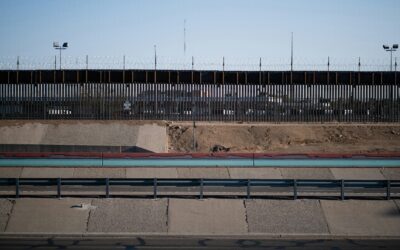
Cartels ‘Without Fear’: State Department Issues Dire Travel Warning for Mexican Border Cities
The U.S. State Department has issued a harrowing new travel advisory today, April 28, 2026, urging American citizens to avoid several Mexican cities located directly across the Texas border. The warning paints a grim picture of a region where the rule of law has been effectively supplanted by the rule of the gun, with federal officials cautioning that armed criminal groups now patrol these areas “without fear of punishment.” At The Modern Memo, we examine the breakdown of security in cities like Nuevo Laredo and Matamoros, the Biden-era legacy of border instability, and why the “Level 4: Do Not Travel” designation is a stark reminder of the chaos currently brewing just yards from American soil. The ‘Do Not Travel’ List: Border Cities in Crisis The latest advisory specifically targets cities in the state of Tamaulipas, long a flashpoint for cartel warfare, but emphasizes a dangerous new reality: these groups are no longer hiding in the shadows. Open Patrols: According to the State Department, heavily armed members of criminal organizations are frequently observed patrolling the streets in armored “monstruos” and convoys. Impunity on Display: The warning notes that these groups act with “total impunity,” often outgunning and outmaneuvering local Mexican law enforcement, which possesses “limited capacity” to respond to the rampant kidnappings and carjackings. Targeted Cities: Nuevo Laredo (across from Laredo, TX), Matamoros (across from Brownsville, TX), and Reynosa (across from McAllen, TX) remain under the strictest “Do Not Travel” category due to the pervasive risk of being caught in the crossfire of “territorial disputes.” Kidnapping and Extortion: A Growing Threat to Americans While the cartels primarily fight each other for control of narco-trafficking and human smuggling routes, American citizens have increasingly become collateral damage or specific targets for financial gain. The Ransom Economy: The advisory highlights a surge in kidnappings where U.S. citizens and lawful permanent residents are held for ransom. These incidents often occur on federal highways or immediately after crossing the international bridge. Highway Hijackings: Travelers are warned that criminal groups frequently set up illegal roadblocks, using “cloned” police vehicles or heavy machinery to stop traffic and extort passengers. The Consular Constraint: Because these areas are so dangerous, U.S. government employees are strictly prohibited from traveling there, meaning “emergency services” for Americans who find themselves in trouble are virtually non-existent. The Policy Fallout: Sovereignty vs. Spreading Chaos Critics of the current border situation argue that the State Department’s warning is a late admission of a failure to secure the southern frontier. Terrorist Designations: The warning follows growing calls from Republican leadership to officially designate these cartels as Foreign Terrorist Organizations (FTOs). Analysts argue that when a group patrols a border city “without fear,” they have moved from being a criminal gang to a de facto insurgent force. The “Spillover” Concern: For Texans living in border communities, the State Department’s admission of a “security vacuum” just across the river is a cause for immediate concern. As the cartels solidify control over the Mexican side of the bridges, the risk of violence spilling onto U.S. soil remains a persistent threat. Final Word The State Department’s warning for the Texas-Mexico border is the definitive proof of a “failed state” dynamic occurring on our doorstep. When you look past the noise of “diplomatic cooperation” and focus on the data—the Level 4 travel bans and the official recognition of armed patrols—you gain a clearer picture of a region that has been surrendered to the cartels. Quality information replaces the narrative of a “safe and orderly” border with the reality of a war zone that is literally within eyesight of American families. It allows you to see that “Do Not Travel” isn’t just an advisory; it’s a surrender of sovereignty in the face of organized terror. By choosing to warn Americans away, the government is acknowledging a reality that can no longer be ignored: the neighbor to our south is currently being governed by the highest bidder. Where Facts, Context, and Perspective Matter At The Modern Memo, our goal is simple: to provide clear, well-researched reporting in a media landscape that often feels overwhelming. We focus on substance over sensationalism, and context over commentary. If you value thoughtful analysis, transparent sourcing, and stories that go beyond the headline, we invite you to share our work. Informed conversations start with reliable information, and sharing helps ensure important stories reach a wider audience. Journalism works best when readers engage, question, and participate. By reading and sharing, you’re supporting a more informed public and a healthier media ecosystem. The Modern Memo may be compensated and/or receive an affiliate commission if you click or buy through our links. Featured pricing is subject to change. 📩 Love what you’re reading? Don’t miss a headline! Subscribe to The Modern Memo here!
Congressional Resignation: Rep. Tony Gonzales to Step Down Following Personal Conduct Revelations
In a week marked by significant transitions within the House of Representatives, Rep. Tony Gonzales (R-TX) has officially announced his intention to resign. The announcement, made today, April 14, 2026, follows a period of increasing scrutiny regarding his personal conduct and a breach of House ethics rules. The decision marks the end of a three-term career for the representative from Texas’s 23rd District. At The Modern Memo, we examine the circumstances surrounding the representative’s departure, the ethical violations cited, and the upcoming political shifts in South Texas. The Basis of the Resignation The resignation follows an admission by Rep. Gonzales regarding an extramarital relationship with a member of his congressional staff. While the relationship had been the subject of speculation for weeks, the formal acknowledgment today confirmed a direct violation of House rules. The Ethical Breach: Under House ethics regulations revised in recent years, sexual relationships between members of Congress and their subordinates are strictly prohibited. Gonzales’s admission of the affair served as a de facto concession of these violations, making his continued service a focal point for the House Ethics Committee. The Tragic Context: The situation is further complicated by the tragic passing of the staff member involved earlier this year. Reports indicate that the circumstances surrounding her death brought the relationship to the attention of investigators. In a statement released this morning, Gonzales expressed regret for the “pain caused to his family and the loss of trust with his constituents.” Institutional Response and Bipartisan Pressure The announcement comes as part of a broader “accountability” movement within the Capitol, occurring just 24 hours after the resignation of Rep. Eric Swalwell under separate misconduct allegations. Leadership Discussions: Sources in Washington suggest that House leadership, including Speaker Mike Johnson, met with Gonzales over the weekend to discuss the viability of his remaining in office. The consensus among the GOP caucus was that a voluntary resignation would be preferable to a protracted and public expulsion process. A New Standard of Conduct: Members from both sides of the aisle have emphasized a renewed focus on professional standards within congressional offices. Advocates for reform, such as Rep. Anna Paulina Luna (R-FL), have noted that these resignations reflect a shift toward stricter enforcement of workplace boundaries in the federal government. The Impact on Texas’s 23rd District As a representative of a sprawling and competitive border district, Gonzales’s exit creates an immediate legislative and political vacancy. Special Election Outlook: Governor Greg Abbott is expected to set a date for a special election to fill the remainder of Gonzales’s term. The 23rd District is one of the most closely watched swing districts in the country, and both parties are expected to invest heavily in the upcoming race. Policy Vacancy: Gonzales was a prominent voice on the House Appropriations and Homeland Security committees. His departure leaves a gap in the GOP’s regional expertise on border security and veterans’ healthcare initiatives. Final Word The resignation of Tony Gonzales reflects an evolving environment in Washington where personal conduct is increasingly weighed against legislative utility. When you look past the noise of the “scandal” headlines and focus on the data—the violation of House ethics protocols and the immediate loss of party support—you gain a clearer picture of a political system that is prioritizing institutional rules over individual tenure. Quality information replaces the sensationalism of the event with the reality of a House that is currently recalibrating its professional boundaries. It allows you to see this resignation as a procedural necessity for a chamber looking to move past personal controversies. By choosing to step down, Gonzales has allowed the focus to shift back to the governance of his district, even as the personal fallout remains. Where Facts, Context, and Perspective Matter At The Modern Memo, our goal is simple: to provide clear, well-researched reporting in a media landscape that often feels overwhelming. We focus on substance over sensationalism, and context over commentary. If you value thoughtful analysis, transparent sourcing, and stories that go beyond the headline, we invite you to share our work. Informed conversations start with reliable information, and sharing helps ensure important stories reach a wider audience. Journalism works best when readers engage, question, and participate. By reading and sharing, you’re supporting a more informed public and a healthier media ecosystem. The Modern Memo may be compensated and/or receive an affiliate commission if you click or buy through our links. Featured pricing is subject to change. 📩 Love what you’re reading? Don’t miss a headline! Subscribe to The Modern Memo here!
Austin Police Release Bodycam Footage: Sixth Street Mass Shooting
The Austin Police Department (APD) has released new body camera footage, 911 recordings, and radio traffic related to the deadly mass shooting on West Sixth Street that occurred in the early hours of Sunday, March 1, 2026. The release, shared during a press briefing on Thursday, offers a sobering look at the rapid response of officers who confronted and neutralized the gunman, 53-year-old Ndiaga Diagne, within minutes of the initial attack. Inside the Response The footage details the chaotic moments beginning around 1:58 a.m., when Diagne drove past Buford’s Backyard Beer Garden, turned on his hazard lights, and began firing a semi-automatic pistol from his SUV at patrons on the patio and sidewalk. According to Austin Police Chief Lisa Davis, officers were already stationed in the downtown entertainment district and responded within 57 seconds of the first emergency call. The video shows the suspect stopping his vehicle near West Sixth and Wood streets, exiting with an AR-15-style rifle, and firing at pedestrians. Officers located Diagne at 2:03 a.m. and engaged him after he fired in their direction. The suspect was fatally shot by responding officers at the scene. Updated Victim and Incident Information During Thursday’s briefing, officials updated the scale of the tragedy, reporting that a total of 18 people were struck by gunfire during the attack. The Fatalities: Three individuals lost their lives: 19-year-old Ryder Harrington, 21-year-old Savitha Shan, and 30-year-old Jorge Pederson, who succumbed to his injuries on Monday after being taken off life support. The Injured: Two victims remain hospitalized, with one in critical condition. Investigation Continues While the APD and the FBI continue to pore over hours of surveillance footage and witness interviews, the motive for the attack remains a central focus of the investigation. Federal authorities are probing a “potential nexus to terrorism,” citing indicators found on the suspect and in his vehicle, including clothing with religious references and an Iranian flag design. Police stated that Diagne, a naturalized U.S. citizen from Senegal, had no prior criminal interactions with the Austin Police Department. Investigators are currently examining his background and potential connections to any organized groups, though he is currently classified as a “lone actor.” The City of Austin continues to offer support through its Victim Assistance Center, providing resources for those affected by the trauma of the attack. Final Word The release of bodycam footage serves as a stark, transparent record of an event that has irrevocably altered the Austin community. When you look past the initial speculation and focus on the verified timeline provided by the APD—demonstrating the rapid, decisive response of officers—you gain a clearer picture of the split-second decisions that define modern public safety. Quality information replaces the noise of social media rumors with the clarity of official forensic evidence. It allows you to see this event as a tragic reality that requires careful investigation rather than hasty conclusion. By choosing to rely on verified updates from local and federal authorities, you align your perspective with the realities of the ongoing investigation and support a more informed, unified, and resilient community. Where Facts, Context, and Perspective Matter At The Modern Memo, our goal is simple: to provide clear, well-researched reporting in a media landscape that often feels overwhelming. We focus on substance over sensationalism, and context over commentary. If you value thoughtful analysis, transparent sourcing, and stories that go beyond the headline, we invite you to share our work. Informed conversations start with reliable information, and sharing helps ensure important stories reach a wider audience. Journalism works best when readers engage, question, and participate. By reading and sharing, you’re supporting a more informed public and a healthier media ecosystem. The Modern Memo may be compensated and/or receive an affiliate commission if you click or buy through our links. Featured pricing is subject to change. 📩 Love what you’re reading? Don’t miss a headline! Subscribe to The Modern Memo here!
Texas Primary Shakeup: Runoffs Dominate as Political Landscape Shifts
The dust has settled on the March 2026 Texas primaries, and the results have left both parties grappling with a new, intensely competitive reality. From blockbuster Senate battles to unexpected upsets in statewide offices, this primary cycle—already the most expensive in state history—has set the stage for a bruising eight months leading up to the November general election. At The Modern Memo, we break down the winners, the looming runoffs, and what these results say about the shifting tides within the Texas GOP and Democratic parties. The Senate Standoff: A “Knife Fight” for the GOP The marquee matchup of the night—the Republican U.S. Senate primary—ended in a stalemate that promises to define the next 12 weeks of Texas politics. The Runoff: Neither incumbent Sen. John Cornyn nor Attorney General Ken Paxton was able to clear the 50% threshold, forcing a May 26 runoff. The Stakes: This contest has been a massive drain on party resources, with nearly $100 million in ad spending already recorded. Cornyn, seeking a fifth term, finished narrowly ahead, but Paxton’s base of committed conservative activists poses a formidable threat in a low-turnout runoff environment. The Democratic Nominee: On the other side of the aisle, state Rep. James Talarico scored a decisive victory over U.S. Rep. Jasmine Crockett, avoiding a runoff and allowing him to focus his resources entirely on the general election while Republicans remain locked in their intraparty brawl. Statewide Results: Incumbents, Upsets, and New Faces While the Senate race captured the national spotlight, the results down-ballot signal significant volatility in Texas leadership. Governor’s Race Set: Incumbent Gov. Greg Abbott easily defeated his Republican challengers and will face Democratic state Rep. Gina Hinojosa in November. Hinojosa, having emerged from a crowded field, is now the standard-bearer for a party looking to break a 30-year Republican winning streak in the Governor’s Mansion. Agriculture Commissioner Upset: In a shock to the GOP establishment, Collin County businessman Nate Sheets successfully unseated three-term incumbent Sid Miller, signaling a potential appetite for change even among seasoned incumbents. Attorney General Vacancy: With Ken Paxton running for Senate, the race to replace him remains unsettled. State Sen. Mayes Middleton and U.S. Rep. Chip Roy are now headed to a GOP runoff to determine who will take on the Democratic nominee in the fall. The Big Picture: What the Turnout Tells Us Beyond the individual winners and losers, the turnout and dynamics of this primary cycle reveal deeper truths about the Texas electorate. Cost of Entry: This cycle will go down as the most expensive in Texas history. Money clearly moved the needle, but as seen in the unseating of incumbents, it was not a guarantee of survival. Intra-Party Divisions: The primary highlighted deep fissures within the Texas GOP. Dueling wings of the party—often influenced by competing endorsements from President Trump and Governor Abbott—saw mixed results, suggesting that the “MAGA” brand in Texas is not a monolith and remains subject to local political realities. The Runoff Season: Texas law requires a runoff when no candidate reaches a majority, meaning the “primary” season is far from over. Voters will head back to the polls on May 26, ensuring that the intense, high-dollar political ads will continue to dominate the Texas airwaves for another three months. Final Word The 2026 Texas primaries were not just a selection process; they were a stress test for the state’s political machinery. When you look past the candidate slogans and focus on the data of the runoffs and the unseating of long-term incumbents, you gain a clearer picture of an electorate that is engaged, divided, and highly reactive to both local and national pressures. Quality information replaces the noise of partisan speculation with the clarity of vote tallies and procedural deadlines. It allows you to see these results as the opening act of a much longer, more intense political drama that will culminate in November. By choosing to follow the verified results of these primary races, you align your perspective with the realities of Texas’ evolving political landscape and support a more informed, resilient citizenry. Where Facts, Context, and Perspective Matter At The Modern Memo, our goal is simple: to provide clear, well-researched reporting in a media landscape that often feels overwhelming. We focus on substance over sensationalism, and context over commentary. If you value thoughtful analysis, transparent sourcing, and stories that go beyond the headline, we invite you to share our work. Informed conversations start with reliable information, and sharing helps ensure important stories reach a wider audience. Journalism works best when readers engage, question, and participate. By reading and sharing, you’re supporting a more informed public and a healthier media ecosystem. The Modern Memo may be compensated and/or receive an affiliate commission if you click or buy through our links. Featured pricing is subject to change. 📩 Love what you’re reading? Don’t miss a headline! Subscribe to The Modern Memo here!
- 1
- 2