
Order directs state agencies to investigate providers accused of marketing birth packages to foreign nationals; critics question both the scale of the practice and states’ authority to regulate it
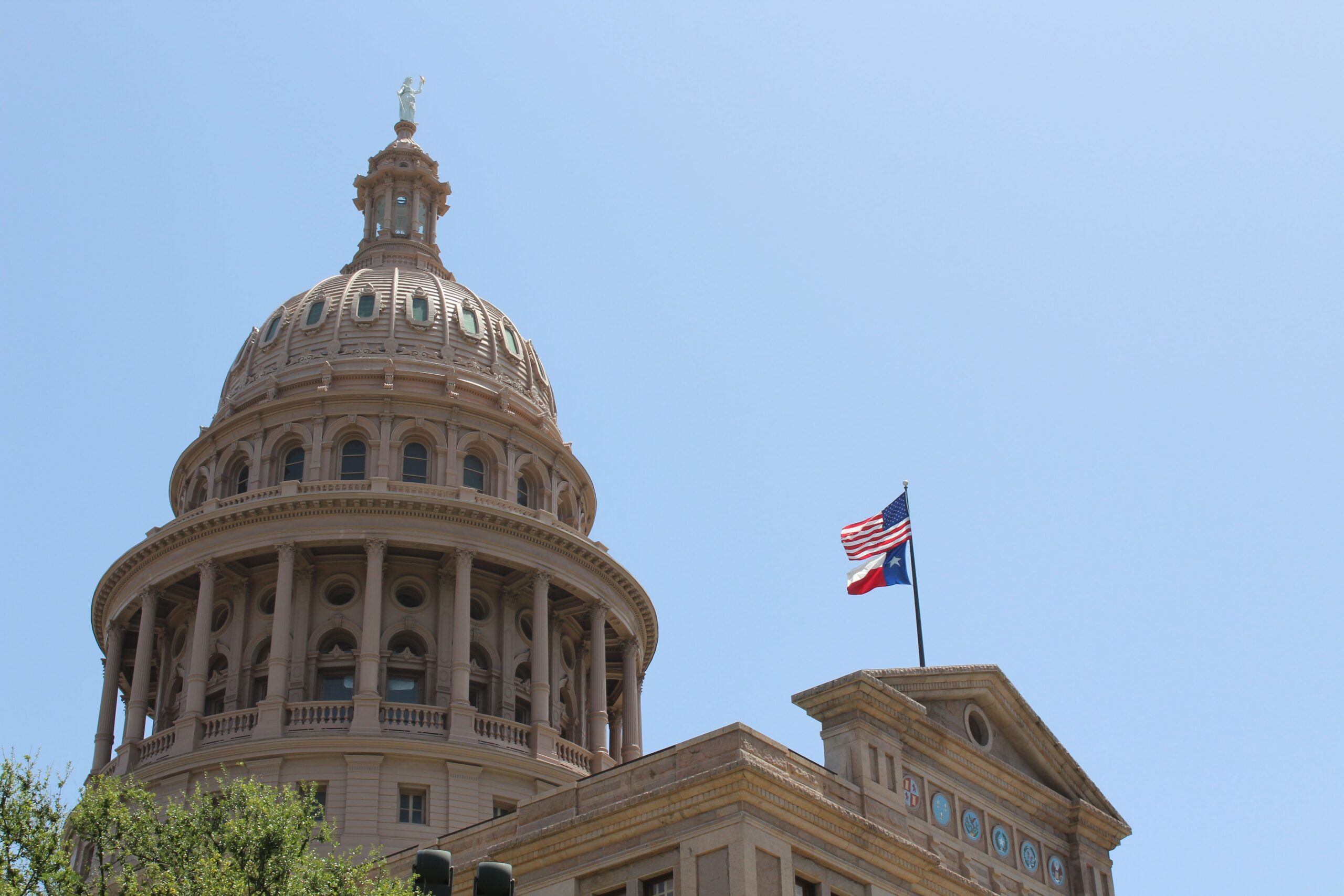
AUSTIN, Texas — Gov. Greg Abbott signed an executive order Tuesday directing several Texas state agencies to investigate what his office calls “unlawful birth tourism schemes” within the state’s healthcare industry, and to take enforcement action — including possible license revocation or contract suspension — against providers found to be advertising, soliciting, or otherwise facilitating them.
“Texas will not tolerate the exploitation of our immigration laws by individuals traveling to the United States illegally or under false pretenses to give birth and secure citizenship for their child,” Abbott said in a statement announcing the order.
What the Order Does
The order directs the Texas Health and Human Services Commission (HHSC), the Department of State Health Services, the HHSC Office of Inspector General, the Texas Medical Board, and the Texas Board of Nursing to investigate allegations of birth tourism fraud and to coordinate with federal prosecutors, sharing information and referring potential violations of federal law.
The order builds on a July 7 directive in which Abbott instructed HHSC to investigate Texas hospitals advertising birth tourism packages and refer any state law violations to the Texas Attorney General’s office and local prosecutors. That directive followed reports that Mission Regional Medical Center in the Rio Grande Valley had advertised Spanish-language “birth packages” on billboards in Mexico. The hospital said in a statement that the marketing materials were no longer in use and that it was sharing information about its services in the way hospitals commonly do. According to the governor’s office, HHSC has since referred two Texas hospitals to the Attorney General in connection with the alleged advertising of such packages, some reportedly priced starting around $4,000.
The Underlying Legal Debate
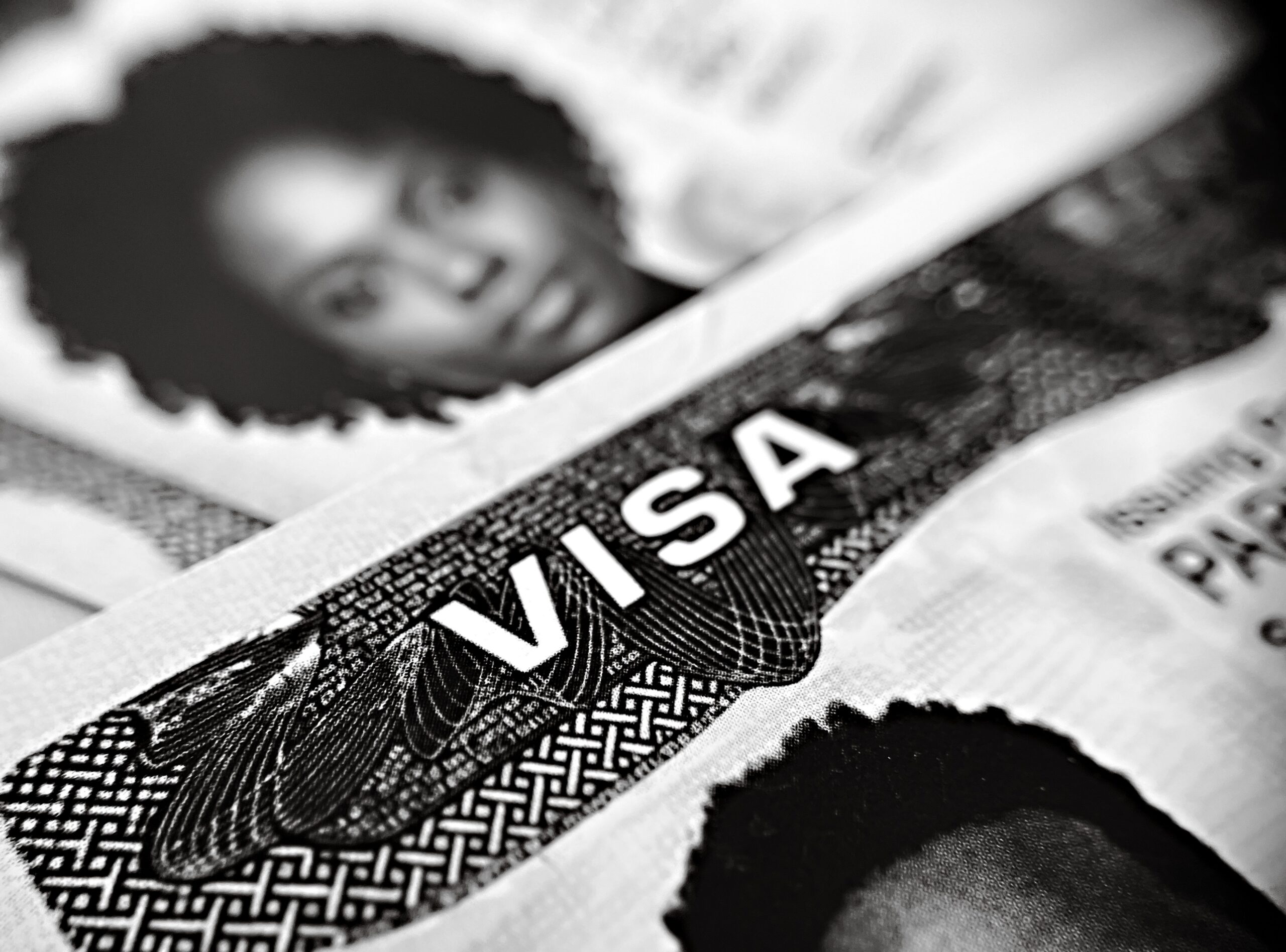
Birth tourism generally refers to instances in which a pregnant foreign national travels to the U.S. with the primary intent of giving birth so that the child receives automatic U.S. citizenship under the 14th Amendment’s Citizenship Clause. Giving birth in the United States is not itself illegal; legal issues can arise if a traveler misrepresents the purpose of their visit or commits visa fraud, or if a business coaches clients to conceal that intent from immigration officials.
The scale of the practice is disputed. Estimates from the Migration Policy Institute put birth tourism at somewhere between roughly 9,600 (based on government data on births to mothers with foreign addresses) and 26,000 births a year — a small fraction of total U.S. births. Some advocates for stricter immigration enforcement argue the figure understates the problem and describe the practice as amounting to citizenship “for sale.” Other legal commentators argue the issue is overstated relative to the broader constitutional question of birthright citizenship, and that it should have no bearing on how the Citizenship Clause itself is interpreted.
That constitutional question remains unresolved nationally. A recent U.S. Supreme Court ruling addressed a narrower procedural issue — whether lower courts can issue nationwide injunctions — rather than deciding whether the 14th Amendment guarantees citizenship to all children born on U.S. soil regardless of their parents’ immigration status. Legal challenges on the underlying question continue in federal courts.
Texas itself previously attempted to restrict birth certificate issuance to children of parents lacking U.S.-issued identification, a 2015 policy that was later abandoned after legal challenges arguing it conflicted with the 14th Amendment.
Broader Political Context
The order arrives amid renewed congressional attention to birthright citizenship. Some federal lawmakers have proposed legislation to narrow or redefine who qualifies for automatic citizenship at birth, including measures aimed at U.S. territories and at children of foreign diplomats; other lawmakers and legal advocates oppose such changes, arguing they conflict with longstanding constitutional interpretation.
Abbott has said he intends to work with the Texas Legislature to further address the issue and has asked Texans with information about suspected birth tourism schemes to report it to state authorities.
This story is developing.
