

Finance

Skipping Coverage: The New Trend Among Young Adults
Today, many millennials and members of Gen Z postpone major life events like marriage and parenthood. This trend shapes how they view long-term protections. The recent Capgemini-LIMRA World Life Insurance Report 2026 shows that people under 40 no longer see marriage or kids as immediate priorities. As a result, young adults often skip (or delay) buying life insurance coverage that used to follow those milestones. For example, the report finds that about 63% of under-40s have no immediate plans for marriage. At the same time, as many as 84% of both single and married people in that age group say they do not plan to have a child right away. As a result, fewer babies are being born, and our population is getting older. Why They Skip Life Insurance Even though young adults largely believe life insurance is essential (about 68% do), many feel current policies do not match what they want right now. Several reasons stand out: 32% think life insurance coverage misaligns with their stage in life 28% say premiums cost too much 25% cite lack of immediate benefits Young adults want what the report calls “living benefits.” These include things like emergency financial help, wellness rewards, or coverage for fertility treatments. They want policies that provide value now, not just in case of death. (MORE NEWS: United CEO Scott Kirby Says Spirit Airlines Will Collapse) Samantha Chow, Global Leader for Life Insurance, Annuities and Benefits Sector at Capgemini weighed in: “As the next generation accumulates wealth and pursues a less traditional life path, their expectations around financial protection are evolving. The life insurance industry cannot rely solely on traditional death protection to sustain its future. Life insurers need to demonstrate value to include near-term gratification — delivering tangible benefits that customers can access during their lifetime. Fortunately, life insurers can bridge this gap by deploying innovative products and articulating their value in ways that resonate with tomorrow’s policyholders.” Industry Response & Challenges The life insurance industry recognizes this shift. Leaders point to delayed milestones, aging populations, and ongoing economic uncertainty as key forces shaping the market. However, the sector faces obstacles: Many policy processes remain confusing. People complain about complex wording and hard-to-understand terms Fewer policies offer features that appeal to younger adults Insurers lag in technology: under-40 consumers want digital engagement and data-driven recommendations, but only a minority of insurers deliver those For example, while more than half of younger adults want direct digital interaction, less than one-third of insurers provide suitable platforms. Most expect strong data-driven guidance, yet only a fraction of insurers offer it at scale. Bryan Hodgens, Senior Vice President and Head of LIMRA Research, said this: “Carriers need a different playbook when marketing life insurance to the younger generations. Our joint research shows that the price misconceptions, coupled with competing financial priorities, positions life insurance at a disadvantage with younger adults. Carriers must not only demonstrate the accessibility and affordability of life insurance but also need to reimagine the product to address younger adults’ current financial priorities while adapting to meet their future financial goals as they age.” What Young Adults Do Value Even as they delay marriage and kids, young adults still want financial protection that feels useful today. Instead of policies that only pay out after death, they are asking for benefits they can tap into during their lifetime. (MORE NEWS: AI Is Taking Entry-Level Jobs and Shaking Up the Workforce) According to new research, the top three “living benefits” under-40s want are: Cash withdrawal for life events: 54% of U.S. respondents and 48% globally rank this as their number one priority. They want flexibility to access funds when life happens—whether that’s moving, education, or unexpected expenses. Health and wellness benefits: 35% in the U.S. and 41% globally want policies that reward healthy living or help offset medical costs. Critical and terminal illness coverage: 38% in the U.S. and 39% globally value this type of protection, which provides financial support during some of the hardest seasons of life. This shows that younger generations are not rejecting life insurance altogether. They simply expect it to look different—more practical, more flexible, and more relevant to their current lifestyle. Opportunities for Insurers Given these shifts, insurers have several paths forward to regain relevance with millennials and Gen Z: Innovate product design – Create flexible policies with living-benefits built in. Simplify underwriting. Include perks they care about now Improve clarity and access – Use clear language. Remove confusing terms. Make policies easy to understand and buy Leverage technology – Offer digital platforms. Use data to recommend relevant options. Make processes fast Partner with other services – Teams in wellness, fertility, or employer benefits could enhance coverage. Embed value into everyday life These changes not only respond to smaller uptake now, but also help avoid larger protection gaps later. Insurers who adapt early may build loyalty with younger customers. What This Means Going Forward Life milestones aren’t what they used to be, and that means life insurance has to change too. Instead of pushing policies tied to marriage or kids, insurers need to focus on what young adults are actually dealing with today—like student loans, debt management, wellness goals, and the desire for benefits they can use right now. If insurers get it right, they’ll create policies that make sense at every stage of life. If they don’t, many millennials and Gen Z will keep skipping coverage and risk being left unprotected. The big picture is clear: financial products have to keep up with changing lifestyles. The gap between what’s being offered and what younger generations actually want is too wide to ignore. Young people aren’t against financial protection—they just want it to feel relevant. The insurers who win will be the ones who deliver flexible, transparent, and digital-first policies that provide real value both today and down the road. Forget the narrative. Reject the script. Share what matters. At The Modern Memo, we call it like it is — no filter, no apology, no corporate…

United CEO Scott Kirby Says Spirit Airlines Will Collapse
United Airlines CEO Scott Kirby didn’t hold back when asked about the future of Spirit Airlines at the APEX Global Expo. Speaking to moderator Brian Sumers, he declared, “That is a fundamentally broken business model, and the consumer has voted. They are going out of business because customers do not like their product.” When pressed on how he could be so sure, Kirby kept it short and confident. He replied with five words: “Because I’m good at math.” Earlier in the week, at the U.S. Chamber of Commerce’s Global Aerospace Summit in Washington, D.C., Kirby used almost the same tone. He described the ULCC model as “an interesting experiment” that ultimately “failed,” Reuters reported. Why Kirby Thinks the Model Doesn’t Work Kirby’s criticism of Spirit comes down to two points: customer satisfaction and financial reality. Spirit relies on ultra-cheap fares to get passengers on board, then adds fees for nearly everything else. For travelers, that often means frustration over paying for bags, seat assignments, or basic comforts. (RELATED NEWS: Noctourism: The Rise of Travel After Dark and How to Do It) According to Kirby, passengers are voting with their wallets. They try Spirit once but don’t always return. That lack of loyalty forces the airline to constantly chase new customers, which is expensive and unstable. In his view, the numbers behind costs, churn, and revenue growth make the business impossible to sustain. Spirit’s Response on Social Media Spirit fired back quickly. In a post on X, the airline wrote: “Scott is finally right about something – it is all about customers. Our Guests love low fares, especially our new Spirit First and Premium Economy options. Maybe that’s why United executives can’t stop yapping about us.” Scott is finally right about something – it is all about customers. Our Guests love low fares, especially our new Spirit First and Premium Economy options. Maybe that’s why United executives can’t stop yapping about us. https://t.co/OXsXQmukDI — Spirit Airlines (@SpiritAirlines) September 9, 2025 With that reply, Spirit defended its place in the market and reminded travelers that affordability is still its core appeal. The airline pointed to its recent upgrades as proof it is not stuck in the past. Signs of Trouble at Spirit Despite Spirit’s defense, the numbers show turbulence. The airline has filed for bankruptcy protection twice in less than a year. Bankruptcy gives a company time to restructure, but repeating the process so quickly signals deeper problems. On top of that, Spirit has pulled back from several cities, including Boise, Albuquerque, and Portland. Route cuts like these shrink its footprint and raise questions about long-term stability. Analysts warn these changes are more than short-term adjustments; they may be symptoms of a business model under serious stress. United’s Opportunity United, meanwhile, is preparing to fill any gaps. Starting in January 2026, the airline will add more flights to Orlando, Las Vegas, and Fort Lauderdale—cities where Spirit has been a dominant player. Kirby’s strategy is clear: if Spirit retreats, United will be there to scoop up the demand. This approach not only helps United grow but also positions it as the reliable choice for travelers who may be tired of the ultra-low-cost experience. What It Means for Travelers For passengers, Spirit’s struggles carry both risks and opportunities. The biggest risk is fewer rock-bottom fare options. Without their pressure on the market, prices could creep higher across the board. Families looking for the cheapest flights may have fewer choices. On the flip side, passengers may benefit from more consistent service. Larger carriers like United can offer smoother travel with fewer surprise charges. While tickets may cost more, the tradeoff could be worth it for travelers who value predictability and comfort. (RELATED NEWS: Take a Family Gap Year: Ditch the Routine and Travel) The Bigger Picture Kirby’s comments also highlight a bigger debate in the airline industry. Can the ultra-low-cost model survive in the United States? Rising labor costs, expensive fuel, and changing consumer expectations make it harder to deliver bare-bones service at scale. Other budget carriers like Frontier and Allegiant will be watching Spirit’s next moves closely. To avoid the same fate, they may need to rethink their fee-heavy approach and find ways to build loyalty without losing their low-fare advantage. Looking Ahead Kirby’s math-based prediction has sparked a conversation about more than just Spirit Airlines. It’s about whether an entire business model can still work in today’s travel market. They insist their customers love low fares, but repeated bankruptcies and shrinking routes suggest the pressure is real. United is betting on that pressure leading to opportunity. By moving into Spirit’s strongest markets, it hopes to capture both passengers and loyalty. Whether Kirby’s prediction comes true remains to be seen, but his warning has forced the industry—and travelers—to take a hard look at what really works in air travel today. Unmask the Narrative. Rip Through the Lies. Spread the Truth. At The Modern Memo, we don’t polish propaganda — we tear it to shreds. The corporate press censors, spins, and sugarcoats. We don’t. If you’re tired of being misled, silenced, and spoon-fed fiction, help us expose what they try to hide. Truth matters — but only if it’s heard. So share this. Shake the silence. And remind the powerful they don’t own the story.

Insurance Drones: Hidden Home Inspections Spark Backlash
Insurers now use drones to inspect homes. Homeowners often don’t know until they get a notice from the insurance company. This shift is raising alarm. It affects coverage and threatens trust. Privacy Concerns for Homeowners Many policyholders feel surprised. They receive aerial photos that often come without explanation. Many people are calling it invasive. For example, Lynne Schueler of Massachusetts woke one morning. She found an email with a photo showing overhanging branches. It came with a six-week deadline to trim the tree or risk losing her coverage. She had no claims in twelve years. Still, she paid $1,200 to trim the branches because she had to keep her insurance. She was also concerned about the privacy aspect: “It was very invasive, because they had taken a picture of my house without me knowing, which was really kind of crazy… They were cancelling my insurance. They had showed a drone coming over the house at some point and there was some tree branches hovering over my house that they wanted removed. I wasn’t home because my car wasn’t in the driveway.” Insurance companies are now using drones to secretly fly over and photograph the homes they insure without the homeowners knowing. The images are then fed into AI systems that flag potential risks or maintenance issues. People are suddenly losing coverage after being told, “We… pic.twitter.com/DXYnsW1zyT — Shadow of Ezra (@ShadowofEzra) August 25, 2025 How Insurers Use Drone Data The use of drones is growing fast. Insurers use aerial images to flag mold, roof damage, or debris. They rely on algorithms and AI to analyze what they see. (MORE NEWS: Popular Amazon Prime Program Ending Oct. 1) Critics call this surveillance. They worry about errors. Sometimes data is outdated or flawed. Mike Arman in Florida learned this the hard way. His insurer flagged his roof as being in a state of deterioration. The image looked ancient—like a satellite photo from 1936. He had no claims in 52 years, yet the company refused an in-person inspection. They dropped him anyway. That is not rare. In California, a homeowner claimed her insurer canceled her after drone images captured yard clutter. She had been insured with them for 40 years. The insurer denied using drones, but used aerial imagery. The homeowner requested the images but never got them. These stories show a troubling pattern. Homeowners feel blindsided, while insurers defend efficiency. Trust erodes in the middle. Lawmakers Begin to Push Back This trend is getting attention from lawmakers, and regulatory responses are emerging. In Massachusetts, State Representative David LeBoeuf introduced Bill H.1242, which would hold insurance companies to a higher standard, allowing homeowners to file appeals and fix the issues. He says the bill: “Gives you the right, if your homeowner’s insurance policy is not renewed because of the use of an aerial image, to actually see that image, know when it was taken, to have the defects identified, and to create an appeals and cure process.” In California, lawmakers also acted. They want insurers to notify policyholders BEFORE using aerial images. They must also show the images afterward. Still, critics argue that these measures are insufficient. Consumer groups argue for stronger rules. They suggest insurers automatically send date-stamped photos and allow corrections, reducing unfair cancellations. Why Insurers Defend Drone Use Why are insurers doing this? The answer is efficiency. Drones and satellites enable insurers to inspect homes quickly. They can monitor thousands of properties on a tight budget. They argue this keeps premiums lower for everyone. (MORE NEWS: “Rich Dad, Poor Dad” by Robert Kiyosaki: A Book Review) Plus, after disasters, aerial data is critical. Drones can assess damage safely when it’s unsafe for humans. Insurers say this speeds recovery. But privacy advocates push back. They warn of false flags. Debris might look like damage. Shadows might mimic cracks. Yet homeowners may not have the opportunity to contest those errors. What Homeowners Can Do So, what can homeowners do? Here are some suggestions to protect your home: Maintain your property well Trim branches Remove debris Keep the roof clean Fix visible issues quickly Power wash areas to keep the exterior of your home clean Document your upkeep Take date-stamped photos Save receipts Stay ready to show proof Contact your agent proactively to ask questions Ask if aerial inspections are used Find out what flags to watch for If you get a nonrenewal notice, ask to see the image and demand to know the date and what triggered the alert. Request a chance to correct any issues. Finally, check your state laws. Many states require advance notice before cancellation and may also require justification. You may have a right to appeal. It is your responsibility to ask questions and maintain your home. The Future of Drone Surveillance in Insurance In short, the use of drones in insurance is a trend that is unlikely to end anytime soon. They boost efficiency, but they also pose risks if insurance companies remove the human element from decision-making. They may threaten coverage without warning. Homeowners need transparency and protection from unfair practices. Lawmakers and regulators are slowly responding, but that process can take time. That is why privacy laws in your state matter. Strong rules can protect homeowners from sudden cancellations. They can force insurers to share images, prove accuracy, and allow an appeal. Pushing for privacy laws at the state level gives homeowners a shield. It keeps insurers accountable. It ensures aerial technology does not replace fairness. To stay covered, stay alert. Maintain your home and know your rights. Keep records, ask questions, and press for stronger privacy protections. The drone trend may grow, but strong laws can keep it from taking away your peace of mind. Forget the narrative. Reject the script. Share what matters. At The Modern Memo, we call it like it is — no filter, no apology, no corporate leash. If you’re tired of being lied to, manipulated, or ignored, amplify the truth. One share at a time, we dismantle the media machine…
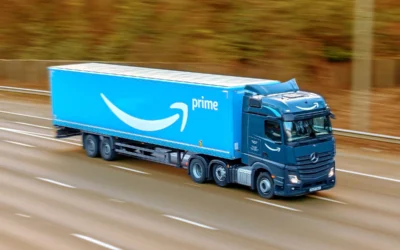
Popular Amazon Prime Program Ending Oct. 1
A Major Shift for Prime Members Amazon is ending its Prime Invitee program on October 1, 2025. The program first launched in 2009 as a way for members to share shipping perks with friends and family outside their household. That option will no longer exist. Instead, Amazon will push members toward Amazon Family. The change alters how millions use Prime. The Invitee program was a quiet perk. Some customers even used it for years without realizing it was technically closed to new signups back in 2015. But many invitees remained active. Now Amazon is closing the door on that era for good. (MORE NEWS: Back-to-School 2025: How Parents Are Spending) What Replaces the Invitee Program The replacement is Amazon Family. Under this setup, Prime benefits only extend to people living at the same address. A member can add one adult and up to four teens if they were already connected before April 7, 2025. Parents can also create up to four child profiles. This means no more sharing with roommates in other locations, siblings across the country, or friends who once relied on the Invitee system. All perks must remain in one household. The company says this aligns benefits with the way Prime was originally intended. *College parents and kids are safe, according to the response I received from Amazon. You can still place an order and have it mailed it to another address. There is a young adult program, but it is a six-month free trial and 50% off a prime membership after that. Benefits Still Included Amazon Family still gives access to the main perks members value. Free two-day shipping remains the cornerstone. Prime Video, Prime Music, Prime Reading, and select partner perks like Grubhub+ are included as well. Members who share within the household can still pool payment methods, order history, and delivery addresses. The service continues to encourage families to link accounts under one roof. But the loophole that allowed invitees outside the home to piggyback is gone. Discounted Prime for Former Invitees To soften the blow, the company is offering a special deal. Former invitees who lose access can sign up for their own membership at a reduced rate. The first year will cost $14.99. After that, the standard price applies—$14.99 per month or $139 per year. The promotion runs through the end of 2025. It gives users time to decide whether to commit to their own subscription or let the perks go. The company is betting that most will choose to sign up. Why Amazon Made the Change The timing is strategic. Amazon is investing heavily in delivery speed. It wants to expand one-day and same-day shipping to more than 1,000 smaller cities and rural areas by year’s end. To support that, the company needs stronger revenue from its Prime base. Reuters also reported Monday that Amazon’s Prime signups for Prime Day were less than last year, according to internal company documents. The Invitee program offered little direct return. Invitees enjoyed shipping without paying. By ending it, Amazon expects to add new paying members. It follows a trend across the tech industry. Netflix and Disney+ both cracked down on account sharing. Amazon is taking a page from that playbook. Impact on Long-Time Users Many Prime members have shared their frustration online. Some admit they’ve relied on Invitee access for over a decade. Others say they never realized the program was supposed to end years ago. For them, October 1 will bring an unwelcome change. Still, the company argues the update creates fairness. Paying households continue to get full value. Those outside the home now face a choice: subscribe or lose access. In Amazon’s eyes, that clarity is worth the backlash. Prime’s Role in Amazon’s Strategy Prime remains central to Amazon’s business model. The service builds customer loyalty. Members tend to shop more often and spend more money. Restricting benefits to households helps Amazon keep tighter control. It also drives growth at a time when retail competition is fierce. By bundling shipping with streaming, gaming, and other perks, Amazon makes Prime harder to cancel. Each change reinforces that ecosystem. Ending Invitee access is one more step toward keeping benefits contained and profitable. (MORE NEWS: “Rich Dad, Poor Dad” by Robert Kiyosaki: A Book Review) What Members Should Do Next If you currently share perks through an Invitee account, prepare for change. After October 1, free shipping and streaming may no longer be available. Check whether you qualify for Amazon Family with someone in your home. If not, consider the discounted Prime offer before it expires. Bottom Line Amazon claims this will “simplify” benefits and boost Prime’s future. Translation: they want more of your money. Let’s be honest—this isn’t about fairness or “household value.” It’s about squeezing every last dollar out of people who all already overpaying for goods. Amazon doesn’t care if you’ve shared Prime with your mom in assisted living for 10 years. Loyalty means nothing here. So mark your calendar. October 1 isn’t just a deadline. It’s Amazon’s way of saying: pay up, or get lost. The era of invitees is over—long live Jeff Bezos’ yacht fund. Cut through the noise. Drown out the spin. Deliver the truth. At The Modern Memo, we’re not here to soften the blow — we’re here to land it. The media plays defense for the powerful. We don’t. If you’re done with censorship, half-truths, and gaslighting headlines, pass this on. Expose the stories they bury. This isn’t just news — it’s a fight for reality. And it doesn’t work without you. *This article was updated with new information received from Amazon.

“Rich Dad, Poor Dad” by Robert Kiyosaki: A Book Review
Read It or Leave It Robert Kiyosaki’s Rich Dad, Poor Dad remains one of the most influential personal finance books ever written. It challenges the way we think about money, work, and financial freedom. Kiyosaki tells the story of growing up with two father figures—his biological “poor dad” and his best friend’s “rich dad.” Each taught him a completely different philosophy about money and success. Two Philosophies of Money The “poor dad,” Kiyosaki’s biological father, represents the traditional mindset of the poor and middle class. He believed in hard work, job security, and higher education as the only path to success. Though had a Ph.D. in education, yet he lived with fear of losing his job and focused on what he couldn’t afford. He avoided risk and trusted the idea that a good job with benefits was the ultimate safety net. The “rich dad,” however, thought differently. He only had an eighth-grade education, but became one of Hawaii’s wealthiest businessmen. He didn’t ask if something could be done—he asked how it could be done. Instead of seeing limits, he searched for financial solutions and opportunities. He believed in taking risks, building businesses, and acquiring income-generating assets. Key Lessons from Rich Dad, Poor Dad Kiyosaki and his friend learned firsthand from “rich dad.” He taught them the value of money by putting them to work, not by handing out cash. His focus was on financial literacy, passive income, and making money work for you instead of trading time for a paycheck. (RELATED NEWS: Back-to-School 2025: How Parents Are Spending) One quote that stood out to me as helpful insight was: “Keep your daytime job but start buying real assets. Not liabilities or personal effects that have no real value once you get them home. Keep expenses low, reduce liabilities, and diligently build a base of solid assets.” This lesson lays the foundation of the book: it’s not about how much you earn, but about how much you keep and grow. Kiyosaki drives this home with another insight: “There is a difference between being poor and being broke. Being broke is temporary. Poor is eternal.” That simple distinction shifts the mindset. Financial struggle is not inevitable; it’s tied to habits and decisions. The Power of Assets vs. Liabilities One of the most powerful takeaways from the book is understanding assets and liabilities. Kiyosaki explains: “An asset puts money in your pocket. A liability takes money out of your pocket.” This concept sounds simple, but it’s a game-changer. Many people think they own assets when they’re really buying liabilities—cars, gadgets, or even a house that drains cash without creating income. Another helpful quote is: “A person can be highly educated, professionally successful, but financially illiterate.” Financial literacy, Kiyosaki argues, matters more than academic degrees when it comes to building lasting wealth. (RELATED NEWS: Catherine Zeta-Jones and the U.S. Homeownership Divide) Quotes That Inspire Action Throughout the book, Kiyosaki drops memorable one-liners that shift the way you think about money. These are some of the quotes that stood out: “So many people say, ‘Oh, I’m not interested in money.’ Yet they’ll work at a job for eight hours a day.” “Once you understand the difference between assets and liabilities, concentrate your efforts on buying income-generating assets.” “Wealth is a person’s ability to survive so many days forward – or, if I stopped working today, how long could I survive?” “Financial struggle is often directly the result of people working all their lives for someone else.” “Often in the real world, it’s not the smart who get ahead, but the bold.” “Simple math and common sense are all you need to do well financially.” “Most people never win because they’re afraid of losing, or failing.” Each of these insights pushes readers to take control, think differently, and act boldly when it comes to money. Why This Book Still Matters 28 Years Later This is a book every young adult should read. Schools rarely teach financial literacy at the high school or college level. Rich Dad, Poor Dad fills that gap by teaching practical principles: Build multiple streams of income. Reduce liabilities and grow assets. Learn to invest in real estate, stocks, and businesses. Don’t just work for money—make money work for you. As Kiyosaki points out, acquiring more money won’t help if you don’t know how to manage it. Money management, not just income, creates financial security. Final Thoughts Rich Dad, Poor Dad is more than a personal finance book—it’s a mindset shift. It helps the reader to stop thinking like a “poor dad” and start thinking like someone who has a strong financial future. It’s a challenge to step out of a comfort zone, to take healthy risks, and to reframe how money is viewed. If you want to achieve financial freedom, change your mindset, and start building wealth, this book is a must-read. Keep it in your personal library and revisit it often. It’s an excellent guide for anyone ready to stop living paycheck-to-paycheck and start building a life of financial independence. Definitely READ IT! Beyond the Hype. Into the Truth. At The Modern Memo, we don’t chase trends—we cut through them. The glossy marketing won’t tell you if a book is worth your time, but we will. Tired of sugar-coated reviews and fake five-star ratings? We rip the cover off and get real about what’s inside. Honest reviews. No spin. No apologies. Because readers deserve more than hype. They deserve the truth.

Back-to-School 2025: How Parents Are Spending
School is in full swing for most of the country. According to the Pew Research Center, about 70% of U.S. schools start classes before Labor Day. The other 30% begin after the holiday, mostly in New England and the Mid-Atlantic states where tradition and state laws shape school calendars. This long-standing divide over school start dates often sparks debate, but no matter when the first bell rings, families are preparing in similar ways. The 2025 Deloitte Back-to-School Survey of 1,200 parents reveals how spending habits, technology, and children’s influence are shaping this year’s shopping season. Spending Stays Steady Parents are spending almost the same amount on school supplies and necessities as they did last year. Deloitte found that: $587 per child was the average spend in 2024. $570 per child is expected in 2025. Our 2025 Deloitte Back-to-School Survey: Parents plan to spend more, shop earlier 🎒 Parents expect to spend an average of $597 per student this year 🛍️ 31% of families plan to start shopping earlier than last year 📈 77% of parents are concerned about rising prices impacting… pic.twitter.com/dIwLVVQ6R1 — Paul do Forno 🛒 🇺🇸🇨🇦🇵🇹 (@dofornop) July 14, 2025 That’s a small dip, but still a significant investment for households with multiple children. Deloitte also estimates over $30 billion in sales tied to back-to-school shopping this year, proving how vital the season is for retailers. “Parents are laser-focused on preparing their children for the school year, but we expect back-to-school spending to remain flat amid economic headwinds and financial concerns across income groups,” said Natalie Martini, vice chair and U.S. Retail & Consumer Products sector leader at Deloitte. (RELATED NEWS: Catherine Zeta-Jones and the U.S. Homeownership Divide) Children Drive Many Purchases Kids are not just along for the ride. They’re influencing spending decisions in a big way: 9 in 10 parents said their child has “must haves” on their list. 62% of parents said their child influences them to buy more. 57% are willing to spend extra on first-day outfits. Extracurriculars, fashion, and technology are top priorities. Parents continue to value how these purchases support their children’s well-being and social development. Shoppers Hunt for Value Even with inflation easing—Bankrate notes it sits at 2.7%—families remain cautious. Ted Rossman, senior industry analyst at Bankrate, explained: “While inflation has come down considerably, back-to-school shoppers are still being thoughtful about their buying habits and looking to save money where possible.” The Deloitte survey backs this up: 49% spread shopping across months to chase sales. 46% took advantage of Amazon Prime Day. 75% of parents are more willing to switch brands if prices rise, compared to 67% in 2024. This mindset reflects a clear shift. Value, flexibility, and deals drive decisions more than brand loyalty. (MORE NEWS: Phone Scrolling: The Top 10 States and Hidden Costs) Technology Is Changing the Game The most striking trend is the role of technology in shopping habits. Younger parents, especially Gen Z, lean heavily on digital tools to save money and personalize their purchases. Deloitte reports: 31% of parents use AI tools to compare prices, read reviews, and build shopping lists. 67% of Gen Z parents use AI. 41% of all parents shop through social media. 75% of Gen Z parents shop through social media. “As younger generations navigate ways to value seek, they’re turning to technology to find the best deals and compare prices,” Deloitte researchers explained. “For retailers that can appeal to the tech-savvy, there could be real rewards, as respondents who plan to use social media in their shopping journey spend 1.8x compared to non-social-media shoppers.” Brian McCarthy, principal in Deloitte’s Retail Strategy group, noted: “This year, parents are strategically approaching back-to-school shopping by spreading out purchases, leveraging promotions, and shopping across multiple discount retailers to maximize their budgets. Meanwhile, younger generations are embracing technology and social media at a higher rate as they hone their value-seeking strategies.” Where Parents Are Spending Mass merchant retailers are this year’s winners. Deloitte found: 46% of parents plan to spend the most at big-box and discount retailers. That’s up from 40% in 2024. Specialty stores and online platforms still play a role, but the convenience and competitive pricing of mass merchants are attracting the bulk of spending. Parents Still Cautious, Even as Pressure Eases The share of parents who feel financially strained has dropped, but careful budgeting remains the norm. 20% feel financially pressured to overspend, according to Bankrate. That’s down from 31% in 2022 and 26% in 2024. Bankrate also reports that only 30% of shoppers are rethinking their spending habits this year, compared to 41% in 2022. These numbers suggest families may be adjusting to inflation. However, Deloitte emphasizes that parents are still strategically stretching budgets, switching brands, and shopping sales to make every dollar count. The Bigger Picture The 2025 back-to-school season highlights three major shifts: Technology is central. Gen Z parents are leading the way in using AI and social media for shopping. Children’s influence is strong. Must-have lists, first-day outfits, and extracurricular needs shape spending. Value drives choice. Families spread purchases, hunt sales, and move away from strict brand loyalty. As Brian McCarthy noted, “Value for the money is the top driver of retailer choice, and parents are increasingly willing to switch brands or retailers to find the best deals.” Education by the Numbers According to Census.gov, 54.1 million students and 5.7 million teachers will head back into classrooms this fall. Whether school begins in August or after Labor Day, every household faces the same question: how to prepare, how to save, and how to balance budgets while meeting children’s needs. Final Word The 2025 Deloitte survey—now in its 18th year—makes one thing clear: Back-to-school shopping remains a major annual event for American families. While retailers who adapt to current trends stand to gain, parents are also finding new ways to win. Families are stretching budgets more effectively, using technology to uncover deals, and teaching kids how to prioritize needs versus wants. The result is a shopping season that feels more manageable…

Catherine Zeta-Jones and the U.S. Homeownership Divide
Catherine Zeta-Jones, born in Swansea, Wales, to working-class parents, came from humble beginnings. She told The Sunday Times that she and her husband, Michael Douglas, enjoy a life of homeownership with four properties: one in Canada, one in Spain, and two in New York — a country house and an apartment. She said, “I know it sounds very jet set, and I love to surround myself with beauty but it’s not excessive, it’s very comfortable.” The couple spends much of their time in Spain. Michael, now 80 and retired from acting, says he likes to “watch my wife work.” The lifestyle of celebrities like Catherine Zeta-Jones and Michael Douglas, with multiple properties around the world, stands in sharp contrast to the reality for most people. Their story raises a bigger question: what does homeownership actually look like for ordinary Americans today? (RELATED: Kimmel’s Italian Citizenship: Turning Away From America) How Many Americans Are Homeowners? According to Realtor.com, 65.1% were homeowners in the first quarter of 2025. That figure is down 0.06 percentage points from the last quarter of 2024 and 0.05 from the same time last year. The rate has stayed above 62.9% since 1965, with the peak at 69.2% in 2004. Housegrail.com shows that home ownership varies by region: 62% in northeastern states like Maine and Pennsylvania 67% in the southeast and south-central U.S., from Virginia to Texas 71% in north-central states like North Dakota and Minnesota 60% in the west, from Washington to New Mexico Mortgages and Second Homes In 2023, only 39.8% of homes were mortgage-free. Mississippi and West Virginia had the highest share of mortgaged homes. California, Washington, Utah, Colorado, Virginia, and Massachusetts had the lowest. Housegrail states, “approximately 2.7% of the 78.7 million occupied homes are second homes — about 1.5 million properties. Vacant homes make up 11% of the national total.” While many Americans struggle to pay off a single mortgage, a growing number of wealthy buyers are looking beyond U.S. borders and investing in property overseas. Americans Buying Property Abroad A 2022 Coldwell Banker survey found that 67% of affluent Americans already owned investment property abroad. The largest share was held by those 55 and older. Overseas properties owned by U.S. citizens: 47,000 homes in 2019 29,800 homes in 2020 53,500 homes in 2021 61,000 homes in 2022 Top destinations to buy a home: Central America – 23% (Belize 16.2%, Costa Rica 15.2%, Honduras 15.2%, Panama 14.3%, El Salvador 13.7%, Guatemala 13.2%, Nicaragua 12.2%) North America (Canada & Mexico) – 20.5% Asia – 20.4% South America – 18.1% Europe – 14.1% Australia & New Zealand – 10.8% Caribbean – 9.4% Main reasons for buying a home abroad: rising cost of living (26.5%), surging home prices (26.5%), political climate (25.6%), and strong dollar (20.8%). While affluent buyers like Catherine Zeta-Jones and others expand their portfolios abroad, younger generations in the U.S. are finding it harder than ever to afford even a first home. The Homeownership Reality for Young Americans Younger generations are far less likely to own homes than their parents at the same age, according to Motley Fool Money: Millennials (age 27–42 in 2024): 51.5% own homes, much lower than Gen X and Boomers at the same age. Baby Boomers: At age 30, around 60% owned homes. By their early 40s, about 70%. Gen Z (under 27 years old): Only a small share own homes, in the single digits to low teens. These numbers show a sharp generational divide, but they also beg the question: why are young Americans falling so far behind? Why Young People Struggle Housing Costs: Home prices have outpaced wages. Student Debt: Younger buyers carry more education debt. Delayed Milestones: Many aren’t getting married or having kids. If they do, it’s delayed. Mortgage Barriers: High interest rates from 2022–2024 worsened affordability in recent years. Young Americans face steep barriers, making homeownership — once a standard milestone — harder to reach than ever. (RELATED: Post-COVID Homeowners Are In Dire Financial Situation And No One Is Talking About It) The Future of the American Dream From celebrities like Catherine Zeta-Jones with homes around the world to young Americans struggling to buy their first home, housing in 2025 shows a sharp divide. For many, homeownership is still the dream. But for younger generations, it feels further away than ever. For homeownership to become more attainable, interest rates must come down. Higher borrowing costs have crushed affordability and reduced purchasing power. Lower rates would ease monthly payments, open the market to first-time buyers, and make homeownership a reality for those just starting out. Without real relief, the next generation risks becoming a generation of renters, locked out of ownership and the wealth-building it brings. With the right economic conditions, however, young Americans could finally begin to turn the tide. Forget the Headlines. Challenge the Script. Deliver the Truth. At The Modern Memo, we don’t tiptoe through talking points — we swing a machete through the media’s favorite lies. They protect power. We confront it. If you’re sick of censorship, narrative control, and being told what to think — stand with us. Share the story. Wake the people. Because truth dies in silence — and you weren’t made to stay quiet.
Trump’s EPA Pushes Green New Deal Into Political Obscurity
Democrats Go Silent on the Green New Deal The Green New Deal was once the main climate push for Democrats. Now it’s barely mentioned in Washington. According to a Quorum chart posted by Axios, in the past three months, Democrats in Congress used the term only a handful of times on social media or in speeches. That is the lowest count since 2018, when it was first introduced. Meanwhile, Republicans are still talking about it — a lot. They brought it up more than 300 times in the same period, using it as proof that Democrats back costly and extreme policies. Axios: “Democrats aren’t explicitly disavowing the Green New Deal, but they’ve abruptly stopped talking about it” pic.twitter.com/mVM4F19SJD — Steve Everley (@saeverley) August 1, 2025 Big Names Drop the Plan Rep. Alexandria Ocasio‑Cortez and Sen. Ed Markey, the lawmakers who first pushed the Green New Deal, have not reintroduced it since April 2023. Many Democrats are moving away from strict climate mandates. Instead, they are talking about jobs, cost savings, and energy security. (MORE NEWS: Energy Department Admits Millions Of Americans Are At Risk Thanks To Grid Vulnerabilities) Some governors are supporting natural gas projects. Even a few lawmakers have traded in their electric cars for gas‑powered SUVs. The tone is different now, and the Green New Deal is no longer the centerpiece it once was. The 2009 EPA Climate Ruling That Started It All In 2009, the Obama‑era EPA issued the Endangerment Finding — a ruling that labeled carbon dioxide and several other greenhouse gases as a danger to public health and welfare. That single decision became the legal basis for almost every major climate regulation in the years that followed. It opened the door to: Federal electric vehicle production mandates Restrictions on gas‑powered appliances Strict tailpipe emission rules Airline emission standards Power plant shutdown orders By declaring CO₂ a threat, the EPA gave itself broad power to regulate entire industries. That authority survived multiple court challenges and was used heavily by both the Obama and Biden administrations. Zeldin Moves to Kill the Endangerment Finding On July 29, 2025, EPA Administrator Lee Zeldin announced a plan to repeal the Endangerment Finding entirely. He called it “the largest deregulatory action in the history of the United States.” Zeldin said: “Many stakeholders have told me that the Obama and Biden EPAs twisted the law, ignored precedent, and warped science to achieve their preferred ends and stick American families with hundreds of billions of dollars in hidden taxes every single year.” The EPA also stated: “We heard loud and clear the concern that EPA’s GHG emissions standards themselves, not carbon dioxide … was the real threat to Americans’ livelihoods. If finalized, rescinding the Endangerment Finding and resulting regulations would end $1 trillion or more in hidden taxes on American businesses and families.” An August 3rd X post further solidified Zeldin’s stance on the Endangerment Finding. The Trump EPA won’t play along with the MANY mental leaps the Obama & Biden Admins used with the 2009 Endangerment Finding to creatively hoard themselves max power to jam through trillions of dollars of regulation, EV Mandates, and economic strangulation.pic.twitter.com/Mk5cTCzAX0 — Lee Zeldin (@epaleezeldin) August 3, 2025 A Blow to Costly Climate Rules Zeldin’s proposal would wipe out more than $1 trillion in regulations tied to the Endangerment Finding. These rules have hit vehicle manufacturers, power plants, heavy industry, and working Americans with higher costs and fewer choices. If the repeal is finalized: Federal climate mandates would be removed Electric vehicle quotas would be ended Regulatory control would shift back to states and local communities ESG‑driven industry restrictions would take a major hit The EPA under Zeldin is moving aggressively, framing this as a return to energy freedom and economic growth. It will lift the crushing burden from businesses and households. Critics warn it would remove key protections against climate change. (MORE NEWS: Texas Dems Flee to Stop Redistricting Map) Green Groups Lose Power While the EPA moves to dismantle its own authority, public enthusiasm for sweeping climate plans is also fading. Wind and solar still have majority support, but not as much as before. Republicans now strongly favor fossil fuel expansion. Environmental groups are struggling. The Sunrise Movement — once one of the most aggressive Green New Deal backers — raised less than $30,000 in the first half of 2025. That’s a fraction of what they raised during Trump’s first term. The Bottom Line Trump’s second term is changing climate politics at every level. Democrats are talking less about the Green New Deal. The EPA’s main legal authority to regulate greenhouse gases is under direct challenge. If Lee Zeldin’s repeal succeeds, the Endangerment Finding — and the regulations built on it — will be gone. That would mark the end of an era for federal climate policy and a dramatic shift in how the U.S. approaches energy, industry, and the environment. The once‑loud Green New Deal is now just a faint echo in Washington. Cut Through the Noise. Slice Through the Lies. Share the Truth. At The Modern Memo, we don’t tiptoe around the narrative—we swing a machete through it. The mainstream won’t say it, so we will. If you’re tired of spin, censorship, and sugar-coated headlines, help us rip the cover off stories that matter. Share this article. Wake people up. Give a voice to the truth the powerful want buried. This fight isn’t just ours—it’s yours. Join us in exposing what they won’t tell you. America needs bold truth-tellers, and that means you.

The Trade Deal That Changed Everything: U.S.–EU Breakthrough
In a bold move that will reshape the future of global trade, President Donald J. Trump announced a historic trade agreement with the European Union (EU). The deal redefines the economic relationship between the world’s two largest economies. The deal, hailed as a “generational modernization of the transatlantic alliance,” according to the White House, delivers unprecedented market access for American producers, workers, and innovators, while advancing U.S. economic and national security interests. A Monumental Economic Shift The agreement marks a pivotal victory for the United States. It positions the country as the world’s foremost destination for investment, manufacturing, and energy exports. Through 2028, the EU is expected to purchase a staggering $750 billion in U.S. energy exports. It will also invest an additional $600 billion into the American economy. These moves will drive growth in key industries and fortify the domestic manufacturing base. Furthermore, President Trump’s leadership continues to prioritize the American worker and bring jobs back home. This trade deal reflects his unshakable commitment to economic fairness, reciprocal trade, and revitalizing American industry. Structural Trade Reform for Generations The agreement goes far beyond symbolic diplomacy—in fact, it achieves real, enforceable structural reform with long-lasting impact. Under the new U.S.-EU Cooperation Agreement on Reciprocal, Fair and Balanced Trade, American farmers, ranchers, manufacturers, and small businesses will see sweeping new opportunities to grow and export their goods. One of the most groundbreaking aspects of the deal is the elimination of all EU tariffs on U.S. industrial goods. This change unlocks European markets for American-made products and reduces the longstanding goods trade deficit. The removal of these barriers will allow American products to compete and win in Europe’s lucrative markets, supporting high-quality U.S. jobs and production across various sectors. Strategic Tariff Restructuring As part of the agreement, the EU will adopt a new tariff framework that includes a 15% tariff on key sectors, such as autos, auto parts, pharmaceuticals, and semiconductors. Additionally, tariffs on steel, aluminum, and copper will remain at 50%. Both sides will engage in future discussions to secure critical supply chains. Altogether, this new tariff structure is expected to generate tens of billions in revenue annually, helping to restore trade balance and incentivize reshoring of critical industries. Major Trade Provisions and Breakthroughs This landmark agreement includes a comprehensive set of commitments that benefit the United States across multiple fronts: $600 Billion EU Investment: The EU will invest this sum in U.S. infrastructure, innovation, and job creation. This is in addition to the $100 billion EU companies already contribute annually. $750 Billion in U.S. Exports: Through 2028, Europe will depend more heavily on clean, reliable U.S. energy, reducing its reliance on adversarial nations and boosting U.S. energy dominance. Tariff and Quota Reforms: The EU will eliminate or significantly reduce tariffs and open up meaningful quotas across various sectors, allowing American goods to flow freely and competitively. Reducing Red Tape: The deal addresses non-tariff barriers that burden U.S. exporters—particularly small and medium-sized businesses—by streamlining EU regulations and procedures. Agricultural Access: U.S. pork and dairy products will face fewer bureaucratic hurdles, as sanitary certifications and other requirements are streamlined. Digital Trade Protections: The EU commits to not imposing unjustified digital trade barriers or network usage fees, and both parties agree to maintain zero customs duties on electronic transmissions. Economic Security and Innovation Alignment: The U.S. and EU will align on supply chain security, coordinate efforts on investment reviews, and guard against unfair practices and duty evasion from non-market economies. Military and Commercial Cooperation: The EU will increase purchases of U.S. military equipment and finalize new commercial deals in key sectors such as semiconductors and clean energy. Restoring Economic Sovereignty This deal is a direct result of President Trump’s “America First” agenda. That agenda is rooted in restoring national sovereignty, protecting American workers, and confronting decades of trade imbalances caused by one-sided policies and foreign protectionism. On April 2, President Trump declared a national emergency in response to persistent U.S. trade deficits driven by foreign practices that depressed domestic wages and consumer demand. That declaration laid the groundwork for a bold and necessary reset of America’s global trade posture. This agreement reflects the culmination of that reset. It liberates American producers from the stranglehold of unfair trade practices and builds a level playing field for U.S. industry. For too long, the U.S. tolerated foreign policies that stifled innovation and drained manufacturing capacity. That era is now over. A Historic Victory Where Others Failed Despite repeated attempts by past administrations, no American president had successfully negotiated a trade agreement of this magnitude with the European Union—until now. This historic win reaffirms America’s status as the global standard-bearer of economic leadership and strategic strength. In just six months, President Trump has catapulted the United States into a new era of industrial revival, global investment attraction, and energy supremacy. His approach combines bold action, strong negotiation, and an unyielding focus on results. He delivers what previous leaders promised but failed to achieve. A Triumph for the American Trade Future This U.S.-EU trade agreement is more than just a diplomatic milestone. It’s a victory for every American worker, farmer, inventor, and business owner. More importantly, it proves that bold leadership can reverse decades of economic decline. It reignites American industry and reclaims prosperity for future generations. President Trump’s historic deal with the European Union is a triumph of principle, power, and patriotism—and it has only just begun to reshape the world.
Hawley Champions $600 Tariff Rebate as Trump Signals Surge in Revenue
Senator Josh Hawley (R-MO) introduced the American Worker Rebate Act. The bill would deliver rebate checks to U.S. families using tariff revenue generated under President Donald Trump’s trade policies. The White House is reporting that tariffs have brought in $150 billion in revenues so far. Projections are over $300 billion for 2025. Hawley says it’s time for working Americans—not Washington insiders or foreign governments—to benefit from this surge. “Like President Trump proposed, my legislation would allow hard-working Americans to benefit from the wealth that Trump’s tariffs are returning to this country,” Hawley said on Monday. How the Rebate Would Work The American Worker Rebate Act would establish a direct payment program funded by tariffs: $600 per adult and dependent child, meaning a family of four would receive at least $2,400. Larger checks if tariff revenues exceed projections for 2025. Phase-outs for high-income households: $150,000 for couples, $75,000 for single filers. Unlike past stimulus payments, this plan doesn’t rely on borrowing or new taxes. Funds come straight from tariffs foreign companies pay to access the U.S. market. Trump: “The Big Money Starts August 1” President Trump emphasized that tariff revenue is just getting started, saying: “The big money will start coming in on August 1. I think it was made clear today by the letters that were sent out yesterday and today.” To keep America in control, Trump signed an Executive Order extending key tariff rates to August 1, 2025. He also notified dozens of countries of their new reciprocal rates. These actions came after months of talks where some nations ignored warnings of higher tariffs, while others agreed to lower their own tariffs and cut trade barriers. Despite this progress, Trump says the U.S. trade deficit remains unacceptable. He seeks to continue to bring countries to the table to negotiate, protecting U.S. interests. Boost from the New U.S.–EU Trade Deal Tariff revenue is set to climb even higher thanks to a landmark trade deal with the European Union. This week, Trump finalized an agreement that will: Adopt a new tariff framework: 15% tariffs on autos, auto parts, pharmaceuticals, and semiconductors. Maintain 50% tariffs on steel, aluminum, and copper. This deal is expected to funnel billions more into U.S. Treasury accounts, adding to the funding source for Hawley’s proposed rebate checks. Historic Trade Victories Under Trump This rebate proposal builds on what many call one of the most successful trade negotiations in U.S. history. For decades, past presidents failed to secure fair trade agreements with Europe. These failures allowed trade imbalances to harm U.S. industry. Trump changed that. In just six months, he achieved a historic trade breakthrough with the EU, resetting the economic relationship between the world’s two largest economies. His leadership has revived U.S. manufacturing, attracted global investment, and made America an energy powerhouse. What others promised for decades, Trump delivered—restoring the nation’s role as the global standard-bearer for economic leadership and strength. The U.S.–EU deal is a win for American workers, farmers, inventors, and businesses of all sizes. This proves that bold, decisive leadership can reverse years of stagnant growth and reclaim prosperity for future generations. Supporters Say It’s Time to Pay Families Back Supporters argue the rebate is long-overdue payback for American families. They say in the past, Washington has: Had lopsided trade deals that worked against Americans. Wasted trillions on foreign aid, bloated agencies, and benefits for illegal immigrants. Failed to protect U.S. workers and middle-class families for decades. Tariffs now generate unprecedented revenue. Supporters believe this money should go back to citizens, not into the hands of bureaucrats or foreign governments. The Other Side of the Rebate Debate: Pay Down the Debt First Not every conservative agrees with Hawley’s proposal. Many fiscal hawks argue that with the national debt at $36.72 trillion, new payments are irresponsible. They insist every dollar of extra revenue should reduce the deficit, not create new spending. Interest costs are already consuming taxpayer funds. Handing out checks could push inflation higher, repeating mistakes made during pandemic-era stimulus programs. Debt-focused conservatives say fiscal discipline must come first. Only after the U.S. gets its finances under control, they argue, should extra funds be returned to taxpayers. Treasury Reports Stronger Finances Trump administration officials counter that tariff revenue is already strengthening the budget, making rebates possible without harming fiscal health. Treasury Secretary Scott Bessent told Maria Bartiromo on Fox Business on June 22nd: “We’ve brought in nearly $100B in tariff revenue so far and are on track for $300B this year. That’s almost 1% of GDP. June delivered a budget surplus with higher revenue and lower spending. This is how we clean up the fiscal mess we inherited.” Supporters say this surplus proves tariffs can fund rebates and reduce deficits at the same time, undermining claims that the plan is reckless. We’ve brought in nearly $100B in tariff revenue so far and are on track for $300B this year. That’s almost 1% of GDP. June delivered a budget surplus with higher revenue and lower spending. This is how we clean up the fiscal mess we inherited. pic.twitter.com/JVfaj1ZAwU — Treasury Secretary Scott Bessent (@SecScottBessent) July 22, 2025 Political Fight Ahead Over Rebate Hawley’s proposal faces a challenging path in Congress. Many lawmakers from both parties prefer to keep tariff funds for pet projects, foreign aid, or deficit spending. But the idea is popular with voters, many of whom have endured high prices, high interest rates, and stagnant wages over the last four years. Trump’s backing makes the proposal a likely centerpiece in upcoming trade and economic debates, forcing lawmakers to take a clear stand. Bottom Line: Washington’s Choice Trump’s tariffs are generating historic sums. Hawley wants that money to go straight to U.S. families, not disappear into Washington’s bureaucracy or be sent overseas. Supporters call it long-overdue payback for decades of failed policies that hurt American workers. Critics say the nation must tackle its $36.72 trillion debt first. As Hawley presses forward, Congress faces a simple choice: use Trump’s trade revenue wisely or keep funding…