Latest News

‘Sanctuary Calamity’: DHS Slams Virginia After Illegal Alien Accused of Heinous Crime Is Set Free
The federal government is pulling no punches in its assessment of Virginia’s law enforcement policies after a “sanctuary” jurisdiction released an illegal alien accused of a stomach-turning crime back into the community. In a scathing statement, Acting DHS Assistant Secretary Lauren Bis unloaded on local officials, labeling the situation a “sanctuary calamity” and calling the suspect a “sicko” who should never have been on American streets in the first place. At The Modern Memo, we analyze the breakdown of cooperation between Richmond and Washington, the “Russian roulette” being played with public safety, and why the administration is vowing to hold “sanctuary politicians” personally accountable for the fallout of their policies. The Release that Sparked the Fire The latest flashpoint in the war over border enforcement involves an illegal alien—whose identity is being withheld pending further investigation—who was arrested in Northern Virginia for a heinous assault. Despite a formal detainer request from U.S. Immigration and Customs Enforcement (ICE), local jailers followed “sanctuary” protocols and released the suspect on bond before federal agents could take custody. The “Sicko” Factor: DHS officials described the details of the underlying crime as particularly depraved, targeting a vulnerable member of the community. “This isn’t a paperwork dispute,” one federal source noted. “This is a sicko who was handed a ‘get out of jail free’ card by his own local government.” The Detainer Disregard: Virginia’s growing list of sanctuary-leaning jurisdictions has increasingly ignored federal detainers, claiming they lack the legal authority to hold individuals beyond their local release dates—a claim the DOJ has repeatedly debunked. Lauren Bis: ‘Playing Russian Roulette’ In a rare and blunt public rebuke, Acting Assistant Secretary Lauren Bis signaled that the Department of Homeland Security is finished with polite requests for cooperation. The Deadly Gamble: “Sanctuary politicians are playing Russian roulette with American lives,” Bis stated. “By refusing to cooperate with federal law enforcement, they are effectively choosing the ‘rights’ of criminal aliens over the safety of the citizens they were elected to protect.” The “Sanctuary Calamity”: Bis characterized the current state of Virginia’s enforcement landscape as a “calamity,” arguing that the refusal to honor detainers creates a “magnet for the worst of the worst” who know they can find safe harbor in the Commonwealth. The Administration Strikes Back The standoff in Virginia is being viewed as a litmus test for the administration’s new, aggressive approach to interior enforcement. Withholding Federal Grants: Sources within the administration suggest that Virginia jurisdictions refusing to honor ICE detainers will be the first in line to lose federal law enforcement grants. “If you won’t help us enforce the law, don’t expect us to fund your department,” a DHS official remarked. Civil Liability: There is a growing push within the DOJ to explore civil liability for local officials who release known dangerous individuals who go on to commit further crimes. The message is clear: the “sanctuary” shield will no longer protect politicians from the consequences of their choices. Final Word The “Sanctuary Calamity” in Virginia is the definitive proof that “tolerance” has become a threat to public safety. When you look past the noise of “inclusive” rhetoric and focus on the data—the ignored detainers and the release of accused predators—you gain a clearer picture of a political class that values virtue-signaling over the lives of their constituents. Quality information replaces the “civil rights” narrative with the reality of a state government that has prioritized a radical open-borders agenda over basic law and order. It allows you to see that when Lauren Bis calls this “Russian roulette,” she isn’t being hyperbolic; she’s describing the daily reality for every family living in a sanctuary zone. By choosing to unload on Virginia, the DHS is ensuring that the “sickos” aren’t the only ones in the spotlight—the politicians who let them go are, too. Where Facts, Context, and Perspective Matter At The Modern Memo, our goal is simple: to provide clear, well-researched reporting in a media landscape that often feels overwhelming. We focus on substance over sensationalism, and context over commentary. If you value thoughtful analysis, transparent sourcing, and stories that go beyond the headline, we invite you to share our work. Informed conversations start with reliable information, and sharing helps ensure important stories reach a wider audience. Journalism works best when readers engage, question, and participate. By reading and sharing, you’re supporting a more informed public and a healthier media ecosystem. The Modern Memo may be compensated and/or receive an affiliate commission if you click or buy through our links. Featured pricing is subject to change. 📩 Love what you’re reading? Don’t miss a headline! Subscribe to The Modern Memo here!
Steel in the Surf: US Helicopter Lands on USS Tripoli as Operation Epic Fury Tightens Grip on Persian Gulf
In a seamless execution of maritime power, a U.S. military heavy-lift helicopter touched down on the deck of the USS Tripoli (LHA-7), marking a critical logistical milestone in the ongoing success of Operation Epic Fury. The maneuver, executed in the volatile waters of the Persian Gulf, served as a vivid display of American naval superiority and tactical readiness. At The Modern Memo, we analyze the strategic significance of the Tripoli’s position, the “Peace Through Strength” doctrine in action, and why the current administration’s refusal to blink has the Iranian regime backed into a corner. The Landing: Precision in a War Zone The landing on the USS Tripoli wasn’t just a routine maneuver; it was a high-stakes delivery of advanced munitions and personnel to the front lines of the “Absolute Anchor” blockade. Mobile Sea Base: The Tripoli, an America-class amphibious assault ship, is acting as a “lightning carrier” in the Gulf. By hosting a fleet of F-35B stealth fighters and heavy-lift helicopters, it allows the U.S. to project power deep into Iranian territory without relying on vulnerable land bases. The “Epic Fury” Momentum: This successful landing follows a week of intense sorties that have neutralized several IRGC “swarm” boats attempting to harass commercial shipping lanes. Operational Readiness: Military observers noted the speed and frequency of the Tripoli’s deck operations, a clear indicator that the U.S. Navy is operating at a peak state of combat readiness not seen in decades. Strategic Dominance in the Persian Gulf While the globalist media frets over “escalation,” the reality on the water tells a different story: the blockade is working, and American naval assets like the Tripoli are the reason why. Suffocating the Regime: Operation Epic Fury has effectively turned the Persian Gulf into a one-way street. The U.S. Navy now controls the flow of energy in the region, ensuring that “dark fleet” tankers can no longer fund the Ayatollah’s regional terrorism. The Carrier Presence: With the Tripoli working in tandem with a full Carrier Strike Group, the U.S. has created an impenetrable wall of steel. The message to Tehran is unmistakable: any attempt to follow through on threats to sink American ships will result in the total annihilation of the Iranian Navy. The Return of American Might The effectiveness of Operation Epic Fury is being hailed by supporters of the President as the definitive return of “Peace Through Strength.” No More Apologies: Unlike the “leading from behind” strategies of previous administrations, the current posture is proactive. The Tripoli’s aggressive positioning in the Gulf shows that the U.S. is no longer asking for permission to protect its interests. High Morale: Reports from the fleet indicate that morale among sailors and Marines is at an all-time high. “They know they have a Commander-in-Chief who has their backs and is playing to win,” one retired Admiral noted. Final Word The landing of a military helicopter on the USS Tripoli is a small but vital data point in a much larger narrative of American victory. When you look past the noise of “diplomatic concerns” and focus on the data—the uncontested movement of U.S. assets and the paralysis of the IRGC—you gain a clearer picture of a superpower that has reclaimed its role as the guardian of the seas. Quality information replaces the narrative of “regional instability” with the reality of a disciplined, overwhelming force that is bringing order to a chaotic corner of the world. It allows you to see that the Tripoli isn’t just a ship; it’s a floating reminder that in the current global landscape, America First means America is everywhere it needs to be. Where Facts, Context, and Perspective Matter At The Modern Memo, our goal is simple: to provide clear, well-researched reporting in a media landscape that often feels overwhelming. We focus on substance over sensationalism, and context over commentary. If you value thoughtful analysis, transparent sourcing, and stories that go beyond the headline, we invite you to share our work. Informed conversations start with reliable information, and sharing helps ensure important stories reach a wider audience. Journalism works best when readers engage, question, and participate. By reading and sharing, you’re supporting a more informed public and a healthier media ecosystem. The Modern Memo may be compensated and/or receive an affiliate commission if you click or buy through our links. Featured pricing is subject to change. 📩 Love what you’re reading? Don’t miss a headline! Subscribe to The Modern Memo here!

New Video Shows Suspect Stalking Halls and Charging Security at White House Correspondents’ Dinner
New security footage released by federal investigators on May 1, 2026, has provided a chilling look into the moments leading up to the shooting at the White House Correspondents’ Association Dinner. The video shows 31-year-old suspect Cole Allen navigating the service corridors of the Washington Hilton with tactical precision before launching a direct charge at a Secret Service checkpoint. At The Modern Memo, we analyze the evidence of premeditation found in the footage, the heroic response from law enforcement, and what this means for the ongoing Department of Justice investigation into the targeting of administration officials. Evidence of Premeditation The footage, captured minutes before the first shots were fired, contradicts any narrative that this was a spontaneous act of violence. The Tactical Approach: Allen is seen moving through the hotel’s back hallways, bypassing public areas to position himself near a high-security entrance. The Final Charge: The video shows Allen drawing a weapon as he breaks into a sprint toward a Secret Service magnetometer station. The intent appears clear: breaching the perimeter to reach the main ballroom where the President’s Cabinet was gathered. The Secret Service Response The video highlights the split-second bravery of the agents on duty. As Allen charged the checkpoint, a Secret Service agent was seen immediately engaging the suspect, absorbing the initial fire and tackling him to the ground. Preventing a Massacre: Officials believe that if Allen had successfully breached that final door, the loss of life inside the crowded ballroom would have been catastrophic. Officer Down: One agent was wounded in the exchange, but is reportedly in stable condition thanks to the quick response of medical teams on site. JUST IN: 🇺🇸 US releases high quality footage of White House Correspondents Dinner shooting. This is not AI generated. pic.twitter.com/StMdIKrnNB — Remarks (@remarks) April 30, 2026 Building the DOJ Case This video serves as a cornerstone of the DOJ’s case against Allen, who reportedly traveled from California to D.C. with a “priority list” of government targets. Assassination Intent: Prosecutors argue the footage proves Allen wasn’t interested in a general protest, but was specifically hunting high-ranking administration officials. Radicalization Probe: The FBI is currently examining Allen’s ties to extremist groups, looking for any evidence that his actions were coordinated with others who share his anti-government views. Final Word The footage of the Hilton shooting is a sobering reminder of the threats facing our public officials. When you look past the noise and focus on the data—the calculated movement of the suspect and the immediate response of the Secret Service—you gain a clearer picture of a crisis that was managed by professionals in a moment of extreme danger. Quality information replaces speculation with the reality of a narrow escape for the nation’s leadership. It allows you to see that while the attack was planned with malice, it was met with superior resolve. Where Facts, Context, and Perspective Matter At The Modern Memo, our goal is simple: to provide clear, well-researched reporting in a media landscape that often feels overwhelming. We focus on substance over sensationalism, and context over commentary. If you value thoughtful analysis, transparent sourcing, and stories that go beyond the headline, we invite you to share our work. Informed conversations start with reliable information, and sharing helps ensure important stories reach a wider audience. Journalism works best when readers engage, question, and participate. By reading and sharing, you’re supporting a more informed public and a healthier media ecosystem. The Modern Memo may be compensated and/or receive an affiliate commission if you click or buy through our links. Featured pricing is subject to change. 📩 Love what you’re reading? Don’t miss a headline! Subscribe to The Modern Memo here!

‘At the Bottom of Its Waters’: Iran’s New Supreme Leader Issues Bloodthirsty Threat as Trump Blockade Tightens
In a chilling escalation of rhetoric that has become the hallmark of the current conflict, Iran’s new Supreme Leader, Ayatollah Mojtaba Khamenei, issued a defiant written statement today, April 30, 2026. While President Trump’s “Absolute Anchor” blockade continues to suffocate the regime’s economy, the younger Khamenei—who has not been seen in public since the February airstrike that neutralized his father—declared that the only place for Americans in the Persian Gulf is “at the bottom of its waters.” At The Modern Memo, we analyze the desperate posturing of a regime under siege, the “Axis of Evasion” reality, and why the President is calling this the “final gasp of a dying tyranny.” The Rhetoric of the Grave: Mojtaba’s First Major Decree The statement, read by a state television anchor in Tehran, marks the most aggressive posture taken by Mojtaba Khamenei since he assumed power in the wake of Operation Epic Fury. The Lethal Ultimatum: “Foreigners who come from thousands of kilometers away to act with greed and malice… have no place here except at the bottom of its waters,” the statement read. Nuclear Defiance: Khamenei further insisted that Iran’s “nuclear and missile capabilities” are national assets that will be protected at all costs, signaling a total rejection of the “Grand Deal” currently being sought by the Trump administration. A Ghostly Leadership: Despite the fiery words, the fact that the statement was delivered in writing continues to fuel rumors that Mojtaba was seriously wounded in the same February 28 strike that took out the elder Khamenei. The Blockade Bite: Why Tehran is Lashing Out Military analysts suggest that the Supreme Leader’s bloodthirsty rhetoric is a direct response to the effectiveness of the U.S. Navy’s maritime blockade. Energy Asphyxiation: With U.S. forces successfully intercepting “dark fleet” tankers like the Majestic X and the Touska, Iran’s oil exports—the lifeblood of the IRGC—have slowed to a virtual halt. The $126 Barrel: While Brent crude has spiked to $126 a barrel due to the regime’s chokehold on the Strait of Hormuz, the mullahs aren’t seeing a dime of that profit. They are sitting on a mountain of oil they cannot sell, while their people face a collapsing rial. “Epic Fury” Success: Secretary of War Pete Hegseth noted this morning that the blockade is growing “more powerful by the day.” The threat to sink American ships is seen by the Pentagon as a desperate attempt to break the psychological grip of the “Absolute Anchor.” Trump’s “Peace Through Strength” Response The White House has remained unmoved by the Ayatollah’s threats, with the President reportedly telling advisors that “scared regimes talk the loudest.” The Unified Proposal: The administration has maintained that the ceasefire will only be solidified if Tehran presents a “unified proposal” for total denuclearization—a prospect that Mojtaba’s statement today explicitly mocked. Midterm Resolve: With crucial midterm elections approaching, the President has leaned into the conflict, framing it as a necessary clearing of the “terrorist nest” that has destabilized the Middle East for 40 years. Allied Unity: Despite the King’s visit earlier this week focusing on “soft power,” the U.S. military remains in a state of high alert, with “shoot and kill” orders still active for any Iranian boat attempting to seed the Strait with mines. Final Word Mojtaba Khamenei’s “bottom of the waters” threat is the sound of a regime that knows its time is running out. When you look past the noise of the “holy war” rhetoric and focus on the data—the 155+ Iranian vessels already destroyed and the total paralysis of their oil industry—you gain a clearer picture of a superpower that has finally taken the gloves off. Quality information replaces the fear of “regional war” with the reality of a surgical, disciplined dismantling of a rogue state’s ability to threaten the world. It allows you to see that the only thing destined for the bottom of the Gulf isn’t the U.S. Navy—it’s the failed ideology of the Islamic Republic. By choosing to hold the line, the President is ensuring that the “new chapter” in the Gulf will be written in English, not Persian. Where Facts, Context, and Perspective Matter At The Modern Memo, our goal is simple: to provide clear, well-researched reporting in a media landscape that often feels overwhelming. We focus on substance over sensationalism, and context over commentary. If you value thoughtful analysis, transparent sourcing, and stories that go beyond the headline, we invite you to share our work. Informed conversations start with reliable information, and sharing helps ensure important stories reach a wider audience. Journalism works best when readers engage, question, and participate. By reading and sharing, you’re supporting a more informed public and a healthier media ecosystem. The Modern Memo may be compensated and/or receive an affiliate commission if you click or buy through our links. Featured pricing is subject to change. 📩 Love what you’re reading? Don’t miss a headline! Subscribe to The Modern Memo here!
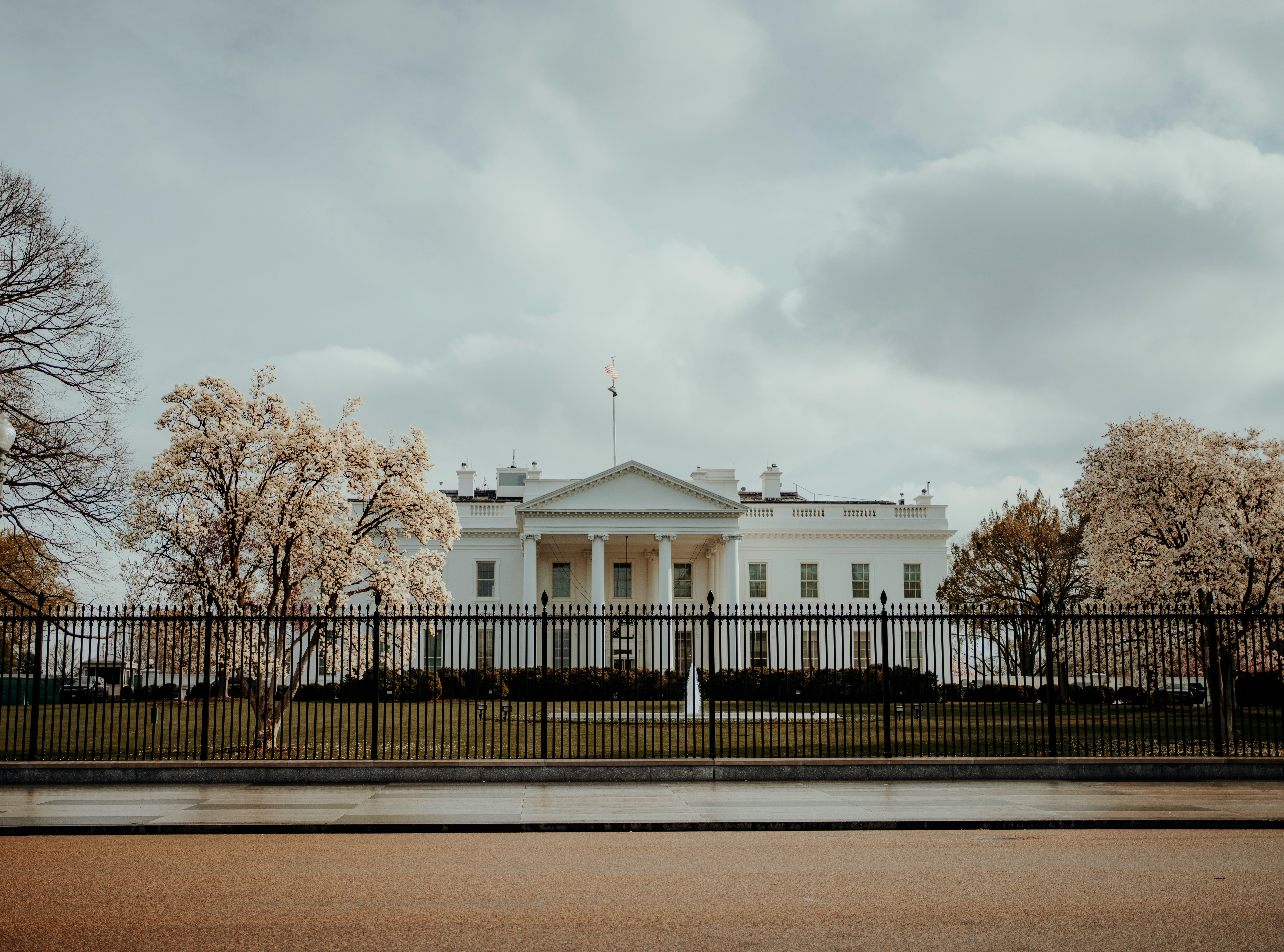
A Tale of Two Georges: King Charles III Urges Unity in Historic Address to Congress Following Oval Office Meeting
In a moment steeped in both royal pageantry and high-stakes diplomacy, King Charles III made history on Tuesday, April 28, 2026, becoming the first British monarch in 35 years to address a joint meeting of the U.S. Congress. The visit, marking the 250th anniversary of American independence, served as a powerful—if subtle—diplomatic charm offensive amid growing transatlantic tensions over the conflict in Iran and trade policy. At The Modern Memo, we analyze the King’s “unshakeable” message to a divided Washington, the freewheeling Oval Office meeting with President Trump, and why this state visit is being framed as a vital repair mission for the “Special Relationship.” The Oval Office: Handshakes and “Fantastic” Reviews The day began at the White House, where President Trump and First Lady Melania Trump welcomed the King and Queen Camilla with a military parade and jet flyover on the South Lawn. The Meeting: Following the ceremony, the King and the President held a private meeting in the Oval Office. Trump, who has frequently touted his admiration for the British monarchy, described the session as “really good,” calling the King a “fantastic person.” Bridging the Rift: Behind the scenes, the meeting was tasked with smoothing over public disagreements between Trump and British Prime Minister Keir Starmer. While Trump has criticized London’s refusal to join the U.S. blockade on Iran, the King’s presence acted as a stabilizing force, shifting the focus from policy disputes to historic kinship. The Historic Address: “A Tale of Two Georges” Standing before a packed House chamber, King Charles delivered a nearly 30-minute speech that balanced wit with solemnity. He notably referenced his ancestor, King George III, and America’s first president, George Washington. The Reconciliation: “King George never set foot in America and, please rest assured, I am not here as part of some cunning rearguard action!” the King joked, drawing laughter from both sides of the aisle. Standing Against Violence: In a poignant moment that earned a standing ovation, the King addressed the shooting at the White House Correspondents’ Dinner just days prior. “Such acts of violence will never succeed,” he declared. “Whatever our differences… we stand united in our commitment to uphold democracy.” Global Priorities: The King urged “unyielding resolve” in the defense of Ukraine and emphasized the “collapse of critical natural systems,” a subtle nod to his lifelong advocacy for environmental preservation as a matter of national security. The “indispensable” Alliance The King’s address was not just about the past; it was a firm call for a shared future in an increasingly volatile world. NATO and Security: Addressing the Republican-controlled Congress, Charles highlighted the “indispensable partnership” of NATO, describing the commitment of the U.S. Armed Forces as the “heart” of Western defense. Economic Foundations: At a time when the administration has threatened new tariffs, the King reminded lawmakers that the U.S.-U.K. commercial ties are the “strong foundations on which to continue to build for generations yet unborn.” Final Word The state visit of King Charles III is a masterclass in “soft power” during a “hard power” era. When you look past the noise of the “Iran rift” and focus on the data—the bipartisan standing ovations and the reaffirmation of the NATO alliance—you gain a clearer picture of a relationship that remains too big to fail. Quality information replaces the headlines of “transatlantic tension” with the reality of an alliance that has survived 250 years of revolution, world wars, and political shifts. It allows you to see that while presidents and prime ministers may disagree, the “Special Relationship” is anchored in something deeper than a single policy. By choosing to stand in the “citadel of democracy,” the King has ensured that even in a time of conflict, the bridge between London and Washington remains open. Where Facts, Context, and Perspective Matter At The Modern Memo, our goal is simple: to provide clear, well-researched reporting in a media landscape that often feels overwhelming. We focus on substance over sensationalism, and context over commentary. If you value thoughtful analysis, transparent sourcing, and stories that go beyond the headline, we invite you to share our work. Informed conversations start with reliable information, and sharing helps ensure important stories reach a wider audience. Journalism works best when readers engage, question, and participate. By reading and sharing, you’re supporting a more informed public and a healthier media ecosystem. The Modern Memo may be compensated and/or receive an affiliate commission if you click or buy through our links. Featured pricing is subject to change. 📩 Love what you’re reading? Don’t miss a headline! Subscribe to The Modern Memo here!

‘Feeding Our Future 2.0’: FBI Raids 20+ Minneapolis Daycares in Massive New Fraud Takedown
The federal hammer dropped on the Twin Cities once again this morning, April 28, 2026, as a coordinated strike force of FBI and Homeland Security (HSI) agents descended on more than 20 childcare facilities across Minneapolis and St. Paul. The raids mark a massive escalation in what is being described as “Feeding Our Future 2.0″—a multi-million dollar fraud investigation targeting businesses accused of looting federal Medicaid and childcare funds. At The Modern Memo, we analyze the 22 federal warrants executed today, the “YouTube evidence” that sparked a national outcry, and the staggering $9 billion oversight failure that has left Minnesota taxpayers footing the bill for alleged systemic grift. The Morning Strike: 22 Warrants and Zero Notice Beginning in the early hours of Tuesday, federal agents—supported by state and local law enforcement—raided business offices and daycare centers simultaneously to prevent the destruction of evidence. Targeting the “Quality Learning Center”: Among the locations hit was the “Quality Learning Center,” a facility that rose to infamy after viral videos appeared to show the center nearly empty despite receiving massive federal subsidies for full-time childcare. Medicaid and Childcare Fraud: While previous scandals focused on nutrition programs, today’s warrants specifically targeted recipients of Medicaid funding and state-administered childcare grants. No Arrests—Yet: Federal officials clarified that today’s operations were focused on the seizure of computers, financial ledgers, and attendance records. However, sources suggest a “wave of indictments” is expected to follow as forensic accountants untangle the money trail. The “Viral” Whistleblower: Nick Shirley’s Impact The momentum for today’s raids can be traced back to a series of videos by YouTuber Nick Shirley, who toured several Twin Cities centers in late 2025. His footage, which drew tens of millions of views, depicted centers that were purportedly “active” on paper but appeared abandoned or underutilized in reality. National Scrutiny: The videos were amplified by high-profile figures, including VP J.D. Vance and tech mogul Elon Musk, who questioned why federal funds were flowing into empty buildings. The “Defensive” Lawsuit: In a brazen countermove in February 2026, three of the centers featured in the videos actually sued the state of Minnesota, claiming they were being unfairly targeted due to a “minor misunderstanding” over attendance record-keeping. Today’s FBI raids suggest the federal government sees those “misunderstandings” as criminal fraud. The $9 Billion Hole: A Culture of Complacency? Today’s raids come in the wake of a scathing House Oversight Committee investigation into Minnesota’s handling of federal funds, which highlighted a potential $9 billion in fraud across various state-run programs over the last five years. The Walz Legacy: The scandal has already had major political consequences, contributing to Governor Tim Walz’s decision to suspend his reelection campaign earlier this spring as the “Feeding Our Future” fallout continued to expand. Systemic Failure: Critics argue that the Minnesota Department of Human Services (DHS) has fostered a culture of “blank checks” for non-profits and childcare providers, prioritizing “equity” and “inclusion” over basic fiduciary oversight. Final Word The raids in Minneapolis are the definitive proof that the “wild west” of pandemic-era funding is finally over. When you look past the noise of “administrative errors” and focus on the data—the 22 federal warrants and the years of ignoring red flags—you gain a clearer picture of a state government that lost control of its own bank account. Quality information replaces the excuse of “unintentional mistakes” with the reality of a massive, coordinated effort to siphon taxpayer dollars away from the children who actually need it. It allows you to see that while the centers claimed to be “Learning Centers,” the only thing they were teaching was how to exploit a broken system. By choosing to strike today, federal agents are ensuring that the “Feeding Our Future” model is no longer a viable business plan. Where Facts, Context, and Perspective Matter At The Modern Memo, our goal is simple: to provide clear, well-researched reporting in a media landscape that often feels overwhelming. We focus on substance over sensationalism, and context over commentary. If you value thoughtful analysis, transparent sourcing, and stories that go beyond the headline, we invite you to share our work. Informed conversations start with reliable information, and sharing helps ensure important stories reach a wider audience. Journalism works best when readers engage, question, and participate. By reading and sharing, you’re supporting a more informed public and a healthier media ecosystem. The Modern Memo may be compensated and/or receive an affiliate commission if you click or buy through our links. Featured pricing is subject to change. 📩 Love what you’re reading? Don’t miss a headline! Subscribe to The Modern Memo here!

‘Friendly Federal Assassin’: DOJ Builds Massive Case Against Left-Wing WHCA Shooter Targeting Trump Cabinet
The Department of Justice is rapidly assembling a formidable case against Cole Tomas Allen, the 31-year-old California man accused of attempting to carry out a political massacre at the White House Correspondents’ Association (WHCA) Dinner on Saturday night. Allen, a former Caltech engineering student and part-time teacher from Torrance, is set to be arraigned in federal court this afternoon as investigators peel back the layers of what is being described as a premeditated, anti-Trump assassination plot. At The Modern Memo, we analyze the “Friendly Federal Assassin” manifesto, the suspect’s history of radical left-wing donations, and why Acting Attorney General Todd Blanche believes the shooter’s primary goal was the systematic elimination of the Trump administration. The Manifesto: Targeting the Cabinet Minutes before he attempted to breach the security perimeter at the Washington Hilton, Allen reportedly sent a chilling “manifesto” to family members. In the document, he explicitly outlined a plan to hunt down members of the Trump administration. The Priority List: In his writings, Allen identified administration officials as targets, stating they were “prioritized from highest-ranking to lowest.” “Friendly Federal Assassin”: Allen signed the document using the alias “coldForce” and “Friendly Federal Assassin,” a moniker investigators believe reflects his radicalized view that he was performing a “service” by attacking elected officials. Anti-Christian Rhetoric: Authorities also uncovered writings in which Allen accused the President of failing to act with “Christian behavior,” a narrative Trump allies say is a thin veil for deep-seated religious and political hatred. A History of Radical Leanings While the corporate media has been slow to label the suspect’s affiliations, federal campaign records and social media archives paint a clear picture of a man steeped in far-left ideology. The Harris Connection: Records show that Allen was a registered Democrat who donated to Kamala Harris’s 2024 presidential campaign. “The Wide Awakes”: Family members told investigators that Allen was involved with a group called “The Wide Awakes” and had recently attended “No Kings” protests in California, movements often associated with militant anti-Trump sentiment. The Weaponry: When Allen was tackled by Secret Service agents—one of whom was shot but saved by a bulletproof vest—he was reportedly armed with a shotgun, a handgun, and multiple knives. The DOJ Response: Arraignment and Accountability Acting Attorney General Todd Blanche and U.S. Attorney for D.C. Jeanine Pirro have signaled that the initial charges are just the beginning of a long legal battle for Allen. Initial Charges: Allen currently faces counts of using a firearm during a crime of violence and assault on a federal officer. However, Blanche confirmed on Face the Nation that attempted assassination of the President is “absolutely” on the table. Premeditated Travel: Evidence suggests Allen traveled by train from California to Chicago and then to D.C., checking into the Hilton as a guest days before the event to scout the security perimeter. The “Lone Wolf” Theory: While the FBI is investigating his links to radical groups, both the President and Metropolitan Police have characterized Allen as a “lone wolf” actor who was radicalized online. Final Word The shooting at the WHCA Dinner is a grim confirmation of the “political violence” warning signs that have been ignored by the left for years. When you look past the noise of “motive uncertainty” and focus on the data—the explicit targeting of the Cabinet and the shooter’s history of radical donations—you gain a clearer picture of a man who didn’t just snap, but was methodically groomed by a culture of hatred. Quality information replaces the “senseless violence” narrative with the reality of a targeted political attack. It allows you to see that the “Friendly Federal Assassin” was anything but friendly—he was a calculated threat to the heart of the American government. By choosing to build an airtight case, the DOJ is ensuring that while the ballroom may have been shaken, the rule of law will remain unshakable. Where Facts, Context, and Perspective Matter At The Modern Memo, our goal is simple: to provide clear, well-researched reporting in a media landscape that often feels overwhelming. We focus on substance over sensationalism, and context over commentary. If you value thoughtful analysis, transparent sourcing, and stories that go beyond the headline, we invite you to share our work. Informed conversations start with reliable information, and sharing helps ensure important stories reach a wider audience. Journalism works best when readers engage, question, and participate. By reading and sharing, you’re supporting a more informed public and a healthier media ecosystem. The Modern Memo may be compensated and/or receive an affiliate commission if you click or buy through our links. Featured pricing is subject to change. 📩 Love what you’re reading? Don’t miss a headline! Subscribe to The Modern Memo here!
Operation Epic Fury: Trump Issues “Shoot and Kill” Order as Naval Conflict Reaches Boiling Point
The diplomatic gloves have officially come off. At 10:04 AM ET today, April 23, 2026, President Trump issued a definitive and chillingly clear directive to the U.S. Navy: “Shoot and kill” any small Iranian vessels caught attempting to deploy mines in the Strait of Hormuz. The order marks a massive escalation in Operation Epic Fury, signaling that the era of “procedural” warnings is over and the era of terminal consequences has begun. At The Modern Memo, we analyze the seizure of the Majestic X, the unprecedented supply shock hitting global markets, and why the “Islamabad Standoff” has turned the Persian Gulf into a graveyard for diplomacy. The “Shoot and Kill” Directive: No More Warnings The Presidential order represents a shift from “maximum pressure” to “lethal enforcement.” After weeks of Iranian “fast-attack” craft playing cat-and-mouse with U.S. destroyers, the rules of engagement have been simplified to their most brutal form. Targeting the Mine-Layers: The order specifically targets the small, maneuverable Iranian boats used by the IRGC to seed the Strait with “stealth” mines. By issuing a “shoot and kill” mandate, the administration is treating these vessels not as legitimate military actors, but as maritime terrorists. Force Protection: “We are not going to let our sailors be blown up by cowardly mine-layers,” a senior Pentagon official remarked. The Navy has already tripled its mine-sweeping operations in the Strait to clear the “choke point” for global commerce. The Seizure of the Majestic X The lethal order followed a major victory for the U.S. Navy’s interdiction teams. In a daring operation in the open waters of the Indian Ocean, U.S. forces successfully boarded and seized the Majestic X, a Guinea-flagged tanker. The Smoking Gun: Intelligence reports confirmed the Majestic X was acting as a “ghost ship,” smuggling Iranian crude oil in direct violation of the Absolute Anchor blockade. Cutting the Cash Flow: The seizure is a significant blow to Tehran’s dwindling treasury. By intercepting these vessels in the Indian Ocean—far from the Iranian coast—the U.S. is proving that there is no “safe harbor” for those attempting to fund the IRGC’s regional chaos. The “Largest Supply Shock” in History While the U.S. Navy works to clear the lanes, the economic toll of the conflict is reaching historic proportions. Energy experts are no longer using the word “crisis”—they are calling it a “supply shock.” Market Paralysis: With Iran continuing to disrupt commercial traffic despite the blockade, the global energy flow has slowed to a trickle. The Price of War: Unlike previous shocks, this is a “deliberate decoupling” of Iranian energy from the world stage. Experts warn that the sustained disruption in the Strait could lead to structural shifts in global manufacturing and transportation costs that will be felt for a decade. The Islamabad Standoff: Diplomacy in the Dark Despite the “technical” extension of the ceasefire on Tuesday, the reality on the ground—and on the water—is one of total war. Dueling Attacks: Both sides are currently engaged in what analysts call “dueling attacks” at sea. While the U.S. seizes tankers and clears mines, Iran continues to launch asymmetric strikes, making the prospect of face-to-face peace talks in Pakistan look like a pipe dream. The Failure of the Pause: Critics argue that the ceasefire extension was a mistake that allowed Iran to reposition its mine-laying assets. The “Shoot and Kill” order is seen as the President’s admission that diplomacy cannot happen while the enemy is still actively trying to sink the table. Final Word Operation Epic Fury has moved past the point of no return. When you look past the noise of “international concern” and focus on the data—the seizure of the Majestic X and the triple-down on mine-clearing—you gain a clearer picture of a superpower that has decided to end the threat once and for all. Quality information replaces the fear of “escalation” with the reality of “resolution.” It allows you to see that the 10:04 AM order isn’t an act of aggression; it’s an act of sanitation. By choosing to “shoot and kill” the mine-layers, the President is ensuring that the only thing “shocked” by this conflict is the regime that thought it could hold the world hostage. Where Facts, Context, and Perspective Matter At The Modern Memo, our goal is simple: to provide clear, well-researched reporting in a media landscape that often feels overwhelming. We focus on substance over sensationalism, and context over commentary. If you value thoughtful analysis, transparent sourcing, and stories that go beyond the headline, we invite you to share our work. Informed conversations start with reliable information, and sharing helps ensure important stories reach a wider audience. Journalism works best when readers engage, question, and participate. By reading and sharing, you’re supporting a more informed public and a healthier media ecosystem. The Modern Memo may be compensated and/or receive an affiliate commission if you click or buy through our links. Featured pricing is subject to change. 📩 Love what you’re reading? Don’t miss a headline! Subscribe to The Modern Memo here!
Ceasefire Met with Fire: Iran Attacks Two Ships in the Strait After Trump’s Diplomatic Extension
In a chilling display of bad faith, the Islamic Republic has responded to American restraint with renewed aggression. Today, April 22, 2026, just hours after President Trump extended the U.S. ceasefire to allow for a “unified proposal” from Tehran, Iranian forces opened fire on two commercial vessels transiting the Strait of Hormuz. The attack has effectively torpedoed the diplomatic track, leading to the immediate cancellation of high-stakes peace talks previously scheduled for this morning in Islamabad, Pakistan. At The Modern Memo, we analyze the failure of the Iranian regime to choose peace, the tactical details of the morning’s maritime assault, and why the President’s patience with the “Islamabad stalling tactic” has officially reached its limit. The Extension and the Betrayal Late Tuesday evening, the White House announced that the President would extend the current pause on offensive kinetic operations. The goal was simple: give the fractured Iranian leadership a final window to present a serious, unified proposal for the negotiations in Pakistan. The Trump Olive Branch: “I’m giving them one last chance to show they are a real country and not just a collection of terror cells,” the President stated. The Iranian Response: Instead of a proposal, Tehran delivered a provocation. At approximately 8:15 AM local time, Iranian fast-attack craft engaged two tankers—one flying a Liberian flag and the other a Panamanian flag—with heavy machine-gun fire and rocket-propelled grenades. The “Islamabad” Cancellation: As a direct result of the violence, the Pakistani government confirmed that the Wednesday morning sessions have been scrubbed. U.S. negotiators reportedly left the hotel for the airport shortly after the reports of the firing reached Islamabad. On the Water: “Absolute Anchor” Moves to Intercept The U.S. Navy’s 5th Fleet, which has maintained the “Absolute Anchor” blockade throughout the ceasefire, responded immediately to the distress calls. Engagement Details: U.S. destroyers moved to intercept the Iranian craft, which fled back toward the Iranian coastline as soon as American air cover appeared on the horizon. Neither commercial vessel was sunk, but both reported structural damage and minor injuries among the crew. The Ceasefire Paradox: Critics of the extension argue that the “pause” merely allowed the IRGC to reposition its small-boat swarms for this exact type of “hit-and-run” harassment. Force Protection: The Pentagon has issued a notice that the “Ceasefire Extension” does not apply to active defense. “If they fire, we finish it,” a CENTCOM spokesperson noted, signaling that the rules of engagement are shifting back to “Maximum Lethality.” The End of the “Unified Proposal” Myth For weeks, diplomatic circles have held out hope that “moderates” within the Iranian government could rein in the hardline IRGC. Today’s attack proves that theory is a dangerous fantasy. A Regime Divided: The fact that the military fired during a presidential extension suggests that either the Iranian government has no control over its forces, or the “peace talks” were a coordinated ruse from the start. No More Games: Washington insiders suggest the President is “livid” over the betrayal. The narrative of a “unified proposal” is dead; the administration is now pivoting back to the reality that only total maritime and economic asphyxiation will bring Tehran to its knees. Final Word The firing in the Strait of Hormuz is the final nail in the coffin of Iranian “diplomacy.” When you look past the noise of the “cancelled talks” and focus on the data—the unprovoked attack during a ceasefire extension and the cowardly retreat of the IRGC boats—you gain a clearer picture of a regime that is terrified of peace. Quality information replaces the hope of a “negotiated settlement” with the reality of a strategic necessity: the blockade must be tightened until the regime is incapable of even lifting a finger. It allows you to see that the President’s extension wasn’t a sign of weakness, but a final test that Iran failed in spectacular fashion. By choosing to fire today, the mullahs have ensured that the only “unified proposal” they’ll be receiving from Washington is a demand for total surrender. Where Facts, Context, and Perspective Matter At The Modern Memo, our goal is simple: to provide clear, well-researched reporting in a media landscape that often feels overwhelming. We focus on substance over sensationalism, and context over commentary. If you value thoughtful analysis, transparent sourcing, and stories that go beyond the headline, we invite you to share our work. Informed conversations start with reliable information, and sharing helps ensure important stories reach a wider audience. Journalism works best when readers engage, question, and participate. By reading and sharing, you’re supporting a more informed public and a healthier media ecosystem. The Modern Memo may be compensated and/or receive an affiliate commission if you click or buy through our links. Featured pricing is subject to change. 📩 Love what you’re reading? Don’t miss a headline! Subscribe to The Modern Memo here!
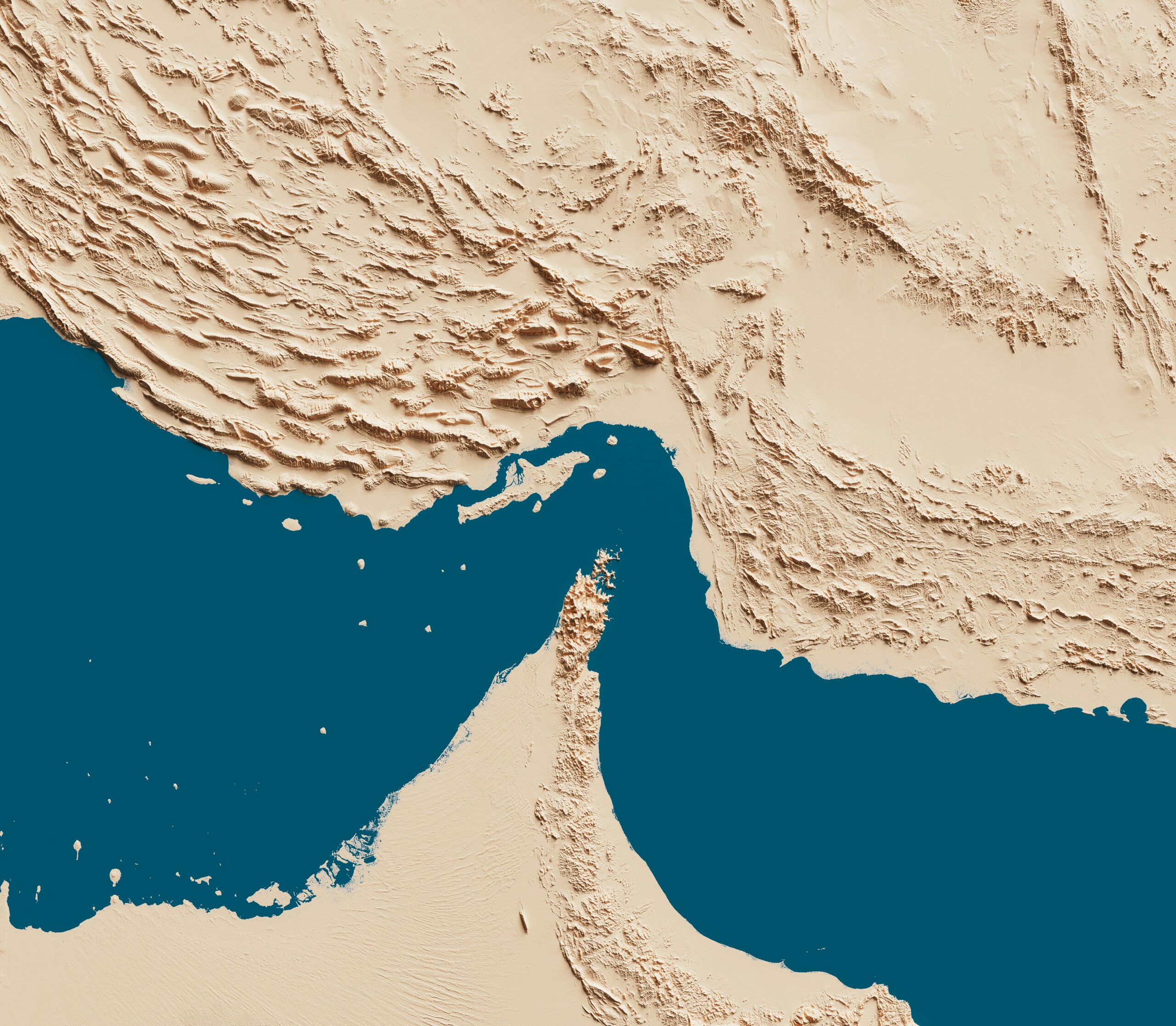
Shadow Alliance: U.S. Intel on “High Alert” as China and Russia Eye Resupply of Embattled Iranian Regime
The high-stakes chess match in the Persian Gulf has entered a dangerous new phase. As of April 21, 2026, U.S. intelligence agencies have moved to a state of “high alert” following credible reports that China and Russia are actively exploring ways to bypass the “Absolute Anchor” blockade to resupply the Islamic Republic with advanced military equipment. At The Modern Memo, we analyze the emerging “Axis of Evasion,” the specific hardware Tehran is desperate to acquire, and why the Trump administration is signaling that a secondary blockade of “third-party” suppliers is no longer off the table. The “High Alert” Trigger: Signal Intelligence and Satellite Data The shift in intelligence posture follows a series of “anomalous” maritime and aerial movements detected by U.S. Cyber Command and the National Reconnaissance Office (NRO) over the last 72 hours. The Russian Cargo Surge: U.S. intel has tracked an uptick in Russian heavy-lift transport aircraft moving toward regional hubs in Central Asia, potentially carrying S-400 missile components or electronic warfare suites designed to jam U.S. naval assets. The “Dual-Use” Chinese Pipeline: Despite President Xi’s recent “letter of assurance” to the White House, analysts warn that Chinese state-linked firms are preparing shipments of “civilian” drone components and high-end semiconductors that can be rapidly repurposed for Iranian “suicide” drone swarms. The Intelligence Consensus: “We are seeing the early stages of a coordinated resupply effort,” a senior intelligence official remarked. “Moscow and Beijing realize that if Iran collapses under this blockade, their primary ‘spoiler’ in the Middle East is gone.” Desperation in Tehran: The Hardware Shopping List After nearly a month of surgical U.S. strikes and a crushing naval blockade, the Iranian military’s “offensive teeth” are nearing a breaking point. To survive, the regime is reportedly begging its northern and eastern “partners” for specific gear. Anti-Ship Missiles: Tehran is desperate for Russian Yakhont or Chinese YJ-series supersonic missiles to counter the U.S. destroyers currently “policing” the Strait of Hormuz. Air Defense Reconstitution: With their domestic air defenses largely neutralized during the initial “kinetic” phase of the conflict, the mullahs are seeking immediate replacements to protect what remains of their nuclear infrastructure. The “Shadow” Resupply: Intelligence suggests the regime is attempting to use “third-party” shell companies in Southeast Asia to mask the origin of these shipments—a tactic the Trump administration has vowed to meet with immediate sanctions. The Washington Response: Secondary Blockades and 50% Tariffs The President has been clear: any nation that fuels the Iranian fire will get burned by American economic and military might. Expanding the Blockade: The Pentagon is reportedly drafting contingency plans to intercept any vessel—regardless of flag—suspected of carrying contraband military cargo to Iran. This would represent a significant expansion of the “Absolute Anchor” mission. The Tariff Hammer: The White House has reiterated that the 50% “Conflict Tariff” remains a “loaded gun” on the desk. If China is caught red-handed supplying the IRGC, the economic fallout for Beijing would dwarf anything seen in the 2018 trade wars. Final Word The “High Alert” status of our intelligence community is a necessary response to a world where our adversaries only respect strength. When you look past the noise of “diplomatic cooperation” and focus on the data—the satellite tracking of Russian transports and the desperate Iranian shopping list—you gain a clearer picture of a regime that is only still breathing because it hopes for a foreign lifeline. Quality information replaces the hope of a “peaceful resolution” with the reality of a strategic struggle that requires total American vigilance. It allows you to see that the blockade isn’t just about ships in the water; it’s about holding the line against a global alliance of radicals. By choosing to stay on “High Alert,” the U.S. is ensuring that if China or Russia try to break the anchor, they’ll be the ones who end up sinking. Where Facts, Context, and Perspective Matter At The Modern Memo, our goal is simple: to provide clear, well-researched reporting in a media landscape that often feels overwhelming. We focus on substance over sensationalism, and context over commentary. If you value thoughtful analysis, transparent sourcing, and stories that go beyond the headline, we invite you to share our work. Informed conversations start with reliable information, and sharing helps ensure important stories reach a wider audience. Journalism works best when readers engage, question, and participate. By reading and sharing, you’re supporting a more informed public and a healthier media ecosystem. The Modern Memo may be compensated and/or receive an affiliate commission if you click or buy through our links. Featured pricing is subject to change. 📩 Love what you’re reading? Don’t miss a headline! Subscribe to The Modern Memo here!