

Latest News
The Purge Hits Europe: General Chris Donahue Forced Out as Pentagon Plans Major Command Downgrade
The sweeping institutional transformation underway at the highest echelons of the Pentagon has claimed its most prominent, battlefield-proven victim yet. General Christopher Todd Donahue—the four-star commander of United States Army forces across the European and African theaters, and head of NATO’s Allied Land Command—will unexpectedly step down and relinquish his command on July 2, 2026. The announcement, officially confirmed by the Department of the Army, brings a sudden, jarring end to the 18-month tenure of one of the military’s most widely respected combat leaders. Donahue submitted his retirement papers following reports of direct friction with Defense Secretary Pete Hegseth, making him the latest high-profile casualry in an aggressive, unprecedented political campaign to thin the ranks of the military’s top brass under the mantra: “Less generals, more GIs.” At The Modern Memo, we analyze the operational career of the general who famously closed the chapter on the Afghanistan War, the mechanics of Hegseth’s ongoing Pentagon purge, and the structural downgrade facing America’s military footprint in Europe. The Forced Exit: Shaking the Transatlantic Sky The sudden removal of General Donahue represents a massive strategic shockwave, completely upending the leadership structure of the U.S. military’s most sensitive active theater. The Request to Step Down: According to defense officials and military sources, Donahue’s resignation was directly engineered by Defense Secretary Hegseth. While the four-star general had only met with the civilian defense chief once or twice since Hegseth took office, Donahue reportedly earned the ire of the new Pentagon leadership, leading to a swift demand for his retirement papers. The Interim Succession: The Army confirmed that Donahue’s current deputy, Major General Christopher Norrie, will temporarily assume the duties of commanding general following the July 2 handover. The Climate of Fear: Within the Pentagon, the abrupt ousting of an officer widely considered a prime future candidate for Army Chief of Staff or Chairman of the Joint Chiefs of Staff has sent chills through the uniformed ranks. Multiple former top military officers confirmed that the administration’s relentless campaign has created a palpable “climate of fear,” deeply disrupting institutional continuity. The Donahue Legacy: From Kabul’s Final Flight to Ukraine’s Shield To understand the gravity of Donahue’s forced retirement, one must look at the data defining his career as one of the most consequential combat commanders of his generation. The Final Soldier in Afghanistan: Donahue secured his place in American military history on August 30, 2021. As commander of the 82nd Airborne Division, he personally managed the chaotic, high-stakes security cordon at Hamid Karzai International Airport during the final phase of the U.S. withdrawal. An iconic, green-tinted night-vision photograph captured the exact moment Donahue boarded the final outbound C-17 cargo aircraft, marking the definitive end to America’s 20-year war. Sustaining the Ukrainian Line: Weeks after the Afghanistan withdrawal, as Russia launched its full-scale invasion of Ukraine, Donahue was deployed to Europe. He was among the first senior American officers on the ground, playing an absolutely pivotal role in advising Ukrainian armed forces and managing the massive Western logistics pipeline that enabled Kyiv to survive the opening year of the conflict. Bipartisan Respect: “There are few people more responsible for the defeat of ISIS than Chris Donahue,” stated Brett McGurk, former special presidential envoy to the anti-ISIS coalition. Retired General Tony Thomas, former commander of U.S. Special Operations Command, was equally blunt, labeling Donahue a “generational leader—one of the best ever.” The Hegseth Purge: More Than Two Dozen Dead Ends Donahue’s exit is not an isolated personnel dispute; it is the latest metric in a systematic, sweeping purge of senior military leadership designed to reshape the ideological and bureaucratic alignment of the armed forces. Ousted / Early Retired Military Leaders Under Hegseth Former Role / Command Structure Gen. Charles Q. Brown Chairman of the Joint Chiefs of Staff Gen. Randy George Army Chief of Staff Adm. Lisa Franchetti Chief of Naval Operations (First Female Navy Chief) Gen. Timothy Haugh Director of the NSA and Commander of U.S. Cyber Command Gen. Christopher Donahue Commanding General, U.S. Army Europe and Africa The defense secretary has consistently defended the aggressive thinning of the upper ranks, arguing that the upper echelons of the military became bloated, risk-averse, and overly focused on progressive social policies under the previous administration. In addition to forcing out high-ranking officers, Hegseth has actively blocked dozens of standard, down-ballot promotions for senior colonels and naval captains without offering public justifications. The Structural Downgrade: Reining in European Allocations Beyond the personal fate of General Donahue, his forced retirement coincides with a profound, structural reorganization of how the United States intends to project power across the European continent. Demoting the Command: Anonymous Army officials confirmed to the press that the Pentagon is actively discussing a plan to downgrade U.S. Army Europe and Africa from a prestigious four-star command back down to a three-star command. The Allies Ultimatum: The potential command downgrade directly mirrors the administration’s blunt public posture toward international partners. Last week, Hegseth delivered a stern warning to NATO allies, announcing a comprehensive six-month Pentagon review of all American force structures in Europe. Forcing Europe to Lead: Hegseth made it explicitly clear that the evaluation is engineered to ensure that European member states stop relying on the American taxpayer and start leading. “It is a review that some countries will fail and others will pass with flying colors,” Hegseth warned, demanding that Europe step up to take primary physical responsibility for its own regional defense. Final Word The forced retirement of General Chris Donahue is the definitive proof that the administration values complete institutional alignment far above raw combat credentials or bipartisan acclaim. When you look past the sterile Pentagon press releases thanking the general for his service and focus entirely on the hard data—a legendary four-star combat commander pushed out after just 18 months, more than two dozen top-tier military leaders cleared from the board in a year, and a planned downgrade of America’s European sky shield—you gain an unvarnished view of a historic institutional restructuring. Quality information…

The Bürgenstock Blueprint: U.S. and Iran Agree to 60-Day Peace Roadmap in Switzerland Despite Trump Threat Matrix
The high-stakes brinkmanship shadowing the Persian Gulf has yielded a remarkable, if highly fragile, diplomatic breakthrough. Following an intensive 18-hour negotiating marathon at the Bürgenstock luxury resort overlooking Lake Lucerne, Switzerland, U.S. and Iranian delegations officially concluded their first round of high-level peace talks by locking in a formal 60-day roadmap toward a comprehensive treaty to end the regional war. The summit—orchestrated under the joint mediation of Pakistan and Qatar—produced immediate, tangible structural guardrails designed to de-escalate the Middle Eastern theater. Chief among the breakthroughs is the creation of a direct military hotline to secure the volatile Strait of Hormuz and a “de-confliction cell” aimed at arresting the war in Lebanon. At The Modern Memo, we break down the operational mechanics of the Bürgenstock blueprint, the immediate sanctions waivers issued by the U.S. Treasury, and the profound policy contradictions between Vice President J.D. Vance’s diplomatic engagement and President Trump’s digital warnings. The Bürgenstock Deliverables: Hotlines and De-Confliction Cells The joint statement released by Pakistani and Qatari facilitators on Monday, June 22, 2026, details a structured framework designed to translate last week’s raw 14-point Versailles Memorandum of Understanding (MOU) into verifiable technical milestones. The 60-Day Runway: The high-level committee established a strict two-month timeline to resolve foundational disputes regarding Iran’s nuclear enrichment limits and long-term economic reintegration. While the principal political leaders have wrapped their initial sessions, lower-level technical working groups remain embedded in Switzerland to flesh out compliance tracking. The Hormuz Safety Valve: To mitigate immediate global energy shocks, the roadmap introduces a dedicated communication line between the U.S. Navy and the Islamic Revolutionary Guard Corps (IRGC). The channel serves as an emergency safety valve to prevent tactical miscalculations inside the world’s most critical oil chokepoint. Iran has pledged its “best efforts” to ensure the safe passage of commercial vessels, walking back a tense weekend threat to close the waterway. The Lebanon Buffer: Recognizing that proxy warfare could easily torpedo the talks, the framework introduces a localized de-confliction cell involving the Lebanese government. This mechanism aims to enforce a sustainable termination of military operations between Israel and Hezbollah, providing the essential geopolitical stability required for broader diplomacy to survive. The Economic Injections: Waiving the Oil Blockade To prove Washington’s immediate material commitment to the roadmap, the executive branch authorized swift, high-impact economic relief mechanisms right as the high-level talks concluded. The 60-Day Oil License: The U.S. Treasury officially issued a dynamic 60-day general license waiving structural sanctions targeting Iranian petroleum. The temporary mandate legally authorizes the production, delivery, and transparent commercial sale of Iranian crude through August 21, 2026—a move market analysts predict will instantly suppress global energy prices. The Assets and Reconstruction Framework: Iranian Foreign Minister Abbas Araghchi took to social media to celebrate what he termed a “major structural shift,” asserting that the U.S. had agreed to lift port blockades, release a portion of frozen sovereign financial assets, and support an expansive post-war reconstruction and development plan for the Iranian domestic market. The Double-Track Strategy: Vance’s Diplomacy vs. Trump’s Bombers The primary variable threatening the durability of the Bürgenstock roadmap is the starkly polarized messaging strategy simultaneously deployed by the White House and its negotiating team in the field. While Vice President J.D. Vance—who personally led the U.S. team alongside Jared Kushner—praised the Swiss talks as having established a “good foundation for a successful final house,” President Trump maintained a hyper-aggressive public posture on social media. Trump explicitly warned Tehran that if its regional proxies continued to instigate clashes in Lebanon, the U.S. military would resume targeted bombings. “If they don’t, we’ll hit Iran very hard again, just like we did last week, only harder!!!” Trump posted. The bellicose rhetoric briefly derailed direct talks, prompting Iranian Lead Negotiator Mohammad Bagher Ghalibaf to walk out of a session in protest before returning via international mediators. Ghalibaf issued a sharp warning of his own, advising the White House to be “careful with their statements” and noting that Iran’s armed forces are fully prepared to respond to any resumption of American hostility. Final Word The finalization of the 60-day Bürgenstock roadmap is the definitive proof that the administration is executing a classic double-track strategy: using Vice President Vance to methodically construct a complex diplomatic exit ramp while President Trump holds a cocked military revolver to the adversary’s head. When you look past the theatrical public warnings and examine the raw financial and structural metrics—a legally binding 60-day timeline backed by the immediate lifting of oil sanctions, the institutionalization of a direct naval hotline in the Strait, and an explicit de-confliction framework for Lebanon—you gain an unvarnished view of a superpower systematically locking in its leverage. Quality information replaces the fear of an inevitable regional war with the reality of highly calculated transactional diplomacy. Washington has successfully brought Tehran to a written schedule; the next two months will prove whether this roadmap is the foundation of a historic peace, or merely a temporary pause before the bombers are ordered back into the sky.

Cultural Culture Shock: Why European Soccer Fans Are Falling in Love With America During the 2026 World Cup
For months leading up to the 2026 FIFA World Cup, elite international critics and media cynics predicted a logistical and cultural disaster as millions of soccer fans descended upon North American shores. Yet, just weeks into the tournament, a massive, hilarious, and deeply heartwarming counter-narrative is taking over the internet. Instead of complaining about car-centric cities or stadium distances, European travelers are documenting their absolute awe of everyday American culture. From the sprawling highways of the American South to the historic sports hubs of the Northeast, international visitors are finding a level of hospitality, consumer paradise, and mind-boggling convenience that has left them completely obsessed. At The Modern Memo, we track the viral internet trends, the mega-gas station pilgrimages, and the simple daily comforts turning cynical European tourists into red-blooded fans of the U.S. of A. The Buc-ee’s Pilgrimage: “Disney World Wrapped in a Gift Shop” Perhaps the most unexpected viral sensation of the 2026 World Cup has been the international discovery of Buc-ee’s, the gargantuan convenience store chain dotting the American South. The Stunned Scots: When hotel rooms in Boston proved too expensive for traveling Scotland fans—known globally as the Tartan Army—many migrated down the coast or into neighboring regions, eventually colliding with the phenomenon of the southern hyper-gas station. Videos of Scottish fans standing wide-eyed in front of walls of beef jerky and automated brisket stations have garnered millions of views. The Magic Formula: One viral Scottish tourist perfectly encapsulated the culture shock, describing Buc-ee’s to his followers as “a gas station mixed with Disney World wrapped in a gift shop.” European travelers, accustomed to cramped petrol stations with limited selections, have expressed absolute amazement at the impeccably clean bathrooms, endless fountain drink options, and caramel-corn “Beaver Nuggets.” Tailgating Takeover: The legendary European football fan culture has seamlessly blended with the classic American tailgate. In parking lots from Atlanta to Houston, foreign fans are being welcomed with open arms by pickup-truck-owning locals, learning the fine arts of cornhole, competitive grilling, and slow-smoked barbecue. The Fountain of Abundance: Infinite Refills and Mountainous Ice Beyond the stadium lights, it is the standard, mundane features of American casual dining that are genuinely blowing the minds of European visitors. The Free Refill Apocalypse: In most European countries, every single soda, water, or juice ordered at a restaurant is billed individually. The concept of the American “free refill” has hit foreign tourists like a financial miracle. Viral videos feature Italian and British fans visibly losing their minds as waitresses cheerfully top off their drinks for free. The Ice Obsession: Europe is notoriously conservative with its ice usage, often serving beverages completely ambient or with a single, lonely cube. The American commitment to filling a 32-ounce cup to the brim with crushed ice—especially through the endless varieties of a Wendy’s Coca-Cola Freestyle machine—has been described by visiting German fans as an “out-of-earth experience.” The Scale of the Menu: From late-night runs to Waffle House after a thrilling match to discovering the culinary engineering of a Taco Bell Crunchwrap Supreme, the sheer volume and unapologetic flavor profiles of American fast-casual food have left European food critics surprisingly impressed. The Melting Pot and Genuine Hospitality While the food and massive portion sizes are a fun internet meme, the underlying warmth of the American populace is what has truly dismantled the negative stereotypes perpetuated abroad. Radical Friendliness: Across social media, European expats and traveling fans have noted that the sheer approachability of everyday Americans is unmatched. Whether it’s hotel staff helping stranded fans find alternative lodging in Providence, Rhode Island, or locals adopting the Algerian team base camp in Lawrence, Kansas, the hospitality has been overwhelmingly positive. A Sewer No More: For the first time in years, major social media platforms have seen a dramatic drop in toxic division as thousands of videos show international fans partying in the streets with American soccer converts. The global fan base is finding that whatever they saw on the news about a divided, dystopian America completely evaporates when meeting real people on the ground. The Ultimate Sports Atmosphere: Even traditional skeptics who used to mock the American term “soccer” are conceding that the U.S. knows how to put on a show. The massive high-definition jumbotrons, the comfort of modern stadiums like the Los Angeles Stadium in Inglewood, and the endless availability of bottomless chips and salsa have redefined what a matchday experience looks like for the global elite. Final Word The unbridled joy of European soccer fans traveling through America is the definitive proof that firsthand experience will always triumph over media-driven cynicism. When you look past the pessimistic pre-tournament headlines and focus entirely on the hard data—over a million international tourists blending seamlessly into American communities, unprecedented viral love letters to southern gas stations and diners, and spontaneous street celebrations replacing predicted hostility—you gain an unvarnished view of a deeply welcoming nation. Quality information replaces the progressive narrative of a culturally barren America with the reality of an optimistic, consumer-friendly powerhouse that still knows how to show the world a good time. It shouldn’t take a stadium full of bagpipe-playing Scots or amazed German tourists to remind us of what makes the United States special, but watching them fall in love with our country is a powerful reminder that the American spirit is as beautiful and vibrant as ever.

The Propaganda Battle: Trump Slams ‘Dishonorable’ Iranian Leaks as Fake News, Denying Major Concessions
The diplomatic tightrope between Washington and Tehran has degenerated into an aggressive, public war of words. Less than twenty-four hours after abruptly halting a massive U.S. airstrike package to allow space for a peace accord, President Donald Trump aggressively pushed back against a wave of media leaks originating from Iranian state television. Trump blasted the purported terms published in the Middle East as flat-out “Fake News,” accusing Tehran’s envoys of acting in profound bad faith to salvage public perception at home. At The Modern Memo, we contrast the contradictory terms leaked by Tehran against the White House’s strict performance blueprint, look at Vice President J.D. Vance’s rejection of a “cash-for-peace” giveaway, and examine the fresh drone skirmishes keeping the Strait of Hormuz on a knife’s edge. The Truth Social Broadside: “No Relation to the Truth” The diplomatic whiplash peaked on Friday morning when President Trump took to his Truth Social platform to utterly disavow the narrative being pushed by the official Islamic Republic News Agency (IRNA). The Written Boundaries: Trump explicitly stated that the public leaks completely distorted what had actually been negotiated behind closed doors. “The terms that Iran leaked out to the Fake News have NOTHING to do with the terms that were agreed to, in writing,” Trump wrote. The Character Rejection: Refusing to mince words, the president tore into the integrity of his Iranian counterparts. “What they said, including their weak and pathetic statement on having a deal, bears no relation to the truth,” Trump continued. “Very dishonorable people to deal with. With them, there is no such thing as dealing in good faith. AMAZING!” The Islamabad Framework: While the baseline text of the tentative “Islamabad Memorandum of Understanding” was hammered out by phone through international mediators, the public rollout has dissolved into a chaotic messaging war as both regimes attempt to sell the framework to their domestic audiences. Dueling Realities: What Iran Claimed vs. What the White House Demands The severe friction stems from two radically different portrayals of the draft agreement, highlighting major structural contradictions regarding nuclear concessions, funding, and maritime control. Leaked Iranian Narrative (IRNA / Mehr) The Actual White House Performance Blueprint $24 Billion Cash Release: Iran claimed the immediate unfreezing of $24 billion in blocked foreign assets. Zero Immediate Cash: No funds are released up front. Economic benefits only flow after strict verification metrics are met. Sovereign Strait Control: Tehran asserted it retains absolute authority and management over the Strait of Hormuz. Guaranteed Reopening: The Strait will be permanently opened to international shipping under a strict performance mandate. Preserving Enrichment Rights: State media insisted Iran will not give up its fundamental right to enrich uranium. Dismantling the Grid: The U.S. mandate requires all enriched nuclear material to be destroyed or removed, and the program dismantled. Proxy Funding Untouched: Leaks claimed the deal explicitly excludes Iran’s regional resistance networks and missile systems. Cutting Off Terror Capital: The blueprint legally binds Iran to completely halt all funding to regional proxy terror groups. The Vance Clarification: No Pre-Paid Blank Checks As political critics at home—including key Senate Republicans—sounded the alarm that the administration was preparing a weak, concession-heavy bailout, Vice President J.D. Vance stepped into the fray to anchor the administration’s red lines. Shattering the Fake Information: “I’m seeing a lot of fake information about a potential deal to reopen the Strait and end Iran’s nuclear weapons program,” Vance wrote on social media. The Performance Anchor: Vance categorically denied that Washington was handing Iran a financial windfall just for showing up. “First, the Iranians are not receiving any cash, and no funds are being released for simply signing a deal or attending a meeting,” Vance emphasized. Remaking the Region: The Vice President reinforced that the transaction is entirely “performance-based,” meaning that economic relief is downstream of absolute compliance. If implemented correctly, Vance argued the layout has “the potential to remake the region and lead to lasting peace,” but only on American and allied terms. Midnight Clashes: A Drone Attack on Commercial Shipping Proving that the situation on the water remains completely volatile despite the diplomatic breakthrough, a fresh military flashpoint erupted in the Gulf overnight. The Assault on Indian Vessels: In his Friday morning address, President Trump revealed that Iranian forces attempted a drone raid targeting commercial shipping. “Also, their totally rebuffed Drone attack last night against Indian Ships leaving the Hormuz Strait is TOTALLY UNACCEPTABLE,” Trump warned. The Defensive Shield: U.S. naval assets operating in the area successfully intercepted and downed a pair of one-way attack drones before they could strike the commercial targets. The Final Warning: The late-night escalation drew a sharp, final warning from the commander-in-chief, who signaled his patience has completely evaporated. “They better get their act together, and FAST!” Trump added, leaving the military option squarely on the table if Tehran continues to play double games. Final Word The explosive rollout of the Islamabad Memorandum of Understanding is the definitive proof that negotiating with a rogue regime is an exercise in structural deception. When you look past the noise of Iranian state media spin and focus entirely on the hard data—a president openly calling his negotiating partners ‘dishonorable’, a Vice President explicitly confirming that zero cash will be handed over, and U.S. warships actively shooting down Iranian drones overnight—you gain a clear picture of a deal built on extreme leverage, not mutual trust. Quality information replaces the illusion of an easy diplomatic victory with the reality of an aggressive, performance-enforced probation. It allows you to see that while Iranian negotiators are trying to mask a total structural retreat with empty public posturing, Trump has pinned them to a written, unyielding corner. By drawing a hard line against these desperate leaks, Washington has reminded Tehran of the ultimate geopolitical equation: if you lie about the terms on paper, the bombers will be back in the air before the ink can dry.

The Master Dealmaker’s Brake: Trump Abruptly Cancels Massive Iran Strike Package, Claiming Near-Certain Peace Agreement
The high-stakes game of geopolitical chicken between Washington and Tehran took its most dramatic, unexpected turn yet. Hours after vowing to unleash an devastating wave of military bombings that would hit the Islamic Republic “VERY HARD TONIGHT”, President Donald Trump abruptly pulled the plug on the scheduled operation. Taking to social media, Trump revealed that he issued a last-minute cancellation order after receiving direct confirmation that negotiations had successfully breached the highest echelons of the Iranian regime. The president boldly declared that the foundational components of a historic transaction have been approved by a massive multi-national coalition, signaling an imminent end to the localized war. At The Modern Memo, we break down the dramatic 24-hour timeline that brought the U.S. to the brink of a massive escalation, the structural terms of the purported draft agreement, and the permanent naval stranglehold Trump is maintaining until the ink dries. The Brink of Devastation: Threatening Kharg Island The sudden de-escalation followed an intense, multi-day military build-up characterized by direct hits on Iranian energy infrastructure and a dramatic escalation of public rhetoric. The Stalled Ultimatum: On Wednesday, Trump declared that regional ceasefires had become effectively “meaningless” over Tehran’s refusal to lock in a permanent peace deal. Following a series of retaliatory strikes executed by U.S. Central Command (CENTCOM) against Iranian radar and surveillance hubs, Trump warned that a massive, secondary air campaign was finalized for Thursday night. Targeting the Economic Core: In a series of provocative statements, Trump laid bare his ultimate preference: seizing control of Kharg Island, the vital heart of Iran’s domestic oil industry through which roughly 90% of its petroleum exports flow. “At some point in the not too distant future, we will be taking Kharg Island, and other oil infrastructure points, and assume total control of their Oil and Gas Markets,” Trump had warned. The “Appetite” Restraint: Despite the heavy posturing, Trump pulled back from a full land-invasion narrative during a Thursday phone interview with Fox News, acknowledging a desire to avoid an endless military occupation. “My preference has always been to take Kharg Island,” Trump told the network. “I don’t know that America has the stomach for it to be honest… I don’t want to have boots on the ground.” The Truth Social Pivot: Citing a Breakthrough at the Top Just as fighter jets were preparing for deployment, Trump completely shifted the regional dynamic with an emergency declaration posted to Truth Social, announcing that the planned bombings were officially stood down. “Based on the fact that discussions with the Islamic Republic of Iran have been brought to the highest level of Iranian leadership and approved, I have, as President of the United States of America, cancelled the scheduled strikes and bombings against Iran this evening,” Trump announced. The Multi-National Blueprint: The president insisted that the final points and structural concepts of a comprehensive peace package have been vetted “in both concept and great detail” by an expansive roster of regional powers. According to Trump, the parameters have already received explicit sign-offs from the United States, Israel, Saudi Arabia, the UAE, Qatar, Turkey, Pakistan, Bahrain, Kuwait, Jordan, and Egypt. The Proposed Pillars: While Iranian state media has remained conspicuously quiet regarding a final endorsement, diplomatic mediators close to the talks indicate the draft agreement rests on three strict pillars: a formalized extension of regional ceasefires, the immediate reopening of the Strait of Hormuz to international shipping, and the launch of an aggressive, 60-day negotiation window strictly focused on dismantling Iran’s nuclear enrichment capabilities. A Deal on Deck: Trump concluded his statement by teasing another signature foreign policy triumph, noting that the specific “time and place of the signing to be announced shortly”. Maximum Pressure Remains: The Stranglehold Extends While the bombs are staying on their racks for now, the administration made it explicitly clear that Washington is not letting its guard down or offering pre-signature concessions to Tehran. The Blockade Stands: Trump issued a stern warning to Iranian commanders that any attempt to stall or exploit the pause will result in an immediate resumption of hostilities. “The Naval Blockade will remain in full force and effect until this Transaction is finalized,” Trump emphasized, guaranteeing that Iranian oil vessels attempting to break the defensive line will continue to be aggressively intercepted by U.S. warships. Draining Frozen Accounts: To reinforce the economic pain of the maximum pressure campaign, U.S. Treasury Secretary Scott Bessent announced a new punitive financial directive. The U.S. will begin actively extracting funds directly from frozen Iranian bank accounts to offset the exact costs of military damage sustained by American regional allies—such as Jordan, Bahrain, and Kuwait—during previous proxy missile exchanges. Final Word The eleventh-hour cancellation of the Iranian strike package is the definitive proof of the Trump Doctrine in action: utilizing the credible threat of total economic and military annihilation to force an adversary to the negotiating table. When you look past the whiplash of the fast-moving news cycle and focus on the raw data—a target package that included the core of Iran’s oil economy stood down at the absolute zero hour, a 12-nation consensus claim approved by regional partners, and a heavy naval blockade remaining firmly locked in place—you gain an unvarnished view of high-stakes transactional diplomacy. Quality information replaces the fear of an endless Middle Eastern quagmire with the cold reality of a calculated leverage play. It allows you to see that while Trump prefers the theater of a signing ceremony, the threat of flattening Kharg Island remains fully loaded on the Resolute Desk. By choosing to pause the bombers, Washington has handed Tehran one final, ultimate choice: sign the deal, or watch your entire economic lifeline evaporate overnight.

The Verdict is In: Karmelo Anthony Convicted of Murder, Sentenced to 35 Years for Frisco Track Meet Stabbing
A high-profile, emotionally charged trial that gripped North Texas for over a year came to a swift and definitive end in a McKinney, Texas courtroom. A Collin County jury found 19-year-old Karmelo Anthony guilty of first-degree murder for the fatal April 2025 stabbing of 17-year-old Austin Metcalf during a high school track meet. Following just three hours of initial deliberation on the guilt phase, the jury completely rejected the defense’s claims of self-defense. Hours later, after listening to emotional impact statements from the victim’s family and a plea for mercy from the defendant’s mother, the jury returned to sentence Anthony to 35 years in state prison. At The Modern Memo, we break down the final courtroom metrics, the legal thresholds that shattered the self-defense argument, and the raw, unvarnished statements from a divided community. The Verdict: Rejecting Manslaughter and “Sudden Passion” The eight-day trial before District Judge John Roach Jr. concluded with heavy security details lining the inside and outside of the courthouse, reflecting the immense public pressure surrounding the case. The Primary Guilt Phase: While Judge Roach instructed the jury that they could consider a lesser offense of manslaughter or acquit Anthony entirely, the 12-person panel found that Anthony “knowingly and intentionally” caused Metcalf’s death. Anthony audibly sobbed as the guilty verdict was read aloud, and his parents immediately left the courtroom in tears. The Sudden Passion Rejection: During the rapid-fire sentencing phase, defense attorney Mike Howard tried to mitigate the damage, urging the jury to consider a finding of “sudden passion.” Under Texas law, proving a crime was committed out of immediate, terror-induced passion drops the maximum sentencing ceiling from life down to 20 years. The 35-Year Sentence: The jury thoroughly rejected the sudden passion mitigation. After two additional hours of deliberation on punishment, they settled on a 35-year sentence. Under Texas statutory guidelines for first-degree murder, Anthony must serve at least half of his sentence—17.5 years—before he becomes eligible for parole. The Legal Breakdown: Why the Self-Defense Shield Collapsed The outcome of the trial directly validated warnings from legal analysts who noted that the state’s evidence heavily targeted Anthony’s behavior leading up to the single, fatal plunge of the blade. The Provocation Anchor: The state’s prosecution team, led by Collin County First Assistant District Attorney Bill Wirskye, called 21 separate witnesses to establish that Anthony provoked the fatal encounter. Multiple student witnesses testified that when Metcalf and his teammates asked Anthony to leave the Frisco Memorial team tent during a heavy rain delay, Anthony cursed at them, called them insults, and explicitly warned: “Touch me and see what happens.” The Shove vs. The Stab: Prosecutor Wirskye successfully argued that a single physical push from an unarmed Metcalf did not legally justify a deadly escalation. “You can meet deadly force with deadly force in Texas, but you cannot meet force, a shove, with deadly force, a stab,” Wirskye told the jury during closing arguments. “Size differential does not work in this case; you do not get to kill someone just because they are bigger than you.” Forensic Reality: The state clinched its case through graphic autopsy data presented by Collin County Chief Medical Examiner Dr. Elizabeth Ventura, who testified that Anthony’s 21-centimeter knife cut entirely through Metcalf’s heart, causing an immediate, gaping wound that was anatomically impossible to survive. The Aftermath: Real-World Grief and Outside Clashes Because the case involved a Black defendant and a White victim, the trial was aggressively targeted by political provocateurs and online bad actors, creating a volatile atmosphere outside the McKinney courthouse that boiled over into physical arrests after the sentence was handed down. A Lifetime Sentence: Taking the stand to deliver a powerful victim impact statement, Megan Metcalf, the victim’s mother, addressed Anthony directly. “You may have been given a sentence of 35 years. You should feel lucky. I’ve been sentenced to a lifetime without my son,” she said, recounting how she unknowingly hugged her son for the last time the morning of the track meet. “Not About Race”: Jeff Metcalf, Austin’s father, blasted the external political exploitation of his son’s death. “I said from day one this was never about race. It’s about right and wrong,” he stated, condemning the viral misinformation that leaked out despite a strict judicial gag order. “We are all humans. We all bleed the same color. You will face those consequences starting today.” Courthouse Arrests: Outside the building, in 90-degree heat, confrontations immediately erupted between Anthony supporters who decried the all-white jury panel as a product of a biased judicial system, and local counter-protesters who insisted justice was served. The escalating shouting matches forced local police to intervene, resulting in at least two immediate arrests. Final Word The first-degree murder conviction of Karmelo Anthony is the definitive proof that inside an American courtroom, emotional slogans and identity politics stop at the jury box. When you look past the noise of the media circus and focus on the cold data—a swift three-hour murder conviction, the complete statutory rejection of ‘sudden passion’ leniency, and a 35-year prison sentence for a single knife strike—you gain an unvarnished view of a tragedy dictated by law, not narrative. Quality information replaces the social media fury with the harsh reality of the Texas Penal Code: you cannot bring a hidden weapon to a school sporting event, bait a fight, and then claim the shield of self-defense when your bluff is called. Austin Metcalf lost his life over a seat inside a rainy sports tent, and Karmelo Anthony will now spend his youth behind bars reflecting on the five words that sealed his fate.

The Hormuz Ambush: Trump Vows Retaliation After Iranian Drone Downs U.S. Apache Helicopter
A fragile regional ceasefire completely shattered over the Persian Gulf. In an escalation that threatens to plunge the Middle East back into all-out war, President Donald Trump announced that Iranian forces shot down a U.S. Army AH-64 Apache attack helicopter patrolling near the strategic Strait of Hormuz. While initial military reports were guarded, U.S. defense officials subsequently confirmed that Iran utilized an uncrewed aerial vehicle (UAV) to down the American aircraft off the coast of Oman. The high-stakes shootdown occurred just hours after Trump declared that long-sought peace negotiations with Tehran were in their “final throes.” At The Modern Memo, we break down the tactical data behind this unprecedented drone-on-helicopter engagement, the historic maritime robotic rescue that saved the American crew, and the retaliatory options sitting on the Resolute Desk. The Engagement: A Drone In The Dark The shootdown materialized around 3:30 a.m. local time on Tuesday during a routine maritime patrol mission conducted by the U.S. Army’s attack helicopter fleet. The Fateful Patrol: The AH-64 Apache—the heavy backbone of American low-altitude deterrence in the gulf—was flying a defensive perimeter to cover commercial shipping vessels navigating the narrow chokehold of the Strait of Hormuz. The Drone Strike: Two U.S. defense officials confirmed that an Iranian drone was the kinetic mechanism responsible for taking down the multi-million-dollar attack helicopter. Investigators are actively parsing telemetry data to determine whether the Iranian drone executed a deliberate ramming maneuver or deployed specialized air-to-air munitions to destroy the helicopter’s rotor systems. The War of Attrition: The loss adds to a growing list of American hardware consumed by the conflict. A Congressional Research Service report reveals that the U.S. military has lost or sustained damage to dozens of aircraft since major hostilites erupted on February 28, highlighting the extreme lethality of Iran’s layered asymmetric air defense network. The Rescue: First-Ever Sea Drone Recovery While the loss of the aircraft is a major strategic blow, the survival of the crew has been hailed as a triumph of cutting-edge robotic warfare, marking a definitive first in the history of the United States Armed Forces. The Search Window: Following the impact, both Army aviators managed to successfully emergency-land or eject into the dark waters off the coast of Oman. Stranded in hostile territory, a frantic countdown began to locate the airmen before Iranian fast boats could capture them. Task Force 59 Steps In: Operating out of the U.S. Fifth Fleet in Bahrain, the military deployed a Saronic Corsair unmanned surface vessel (USV)—a high-tech autonomous sea drone operated by the elite Task Force 59. The Operation: Within approximately two hours, the autonomous sea drone successfully localized the two pilots, pulled them from the water, and transported them to a secure maritime staging point where a crewed helicopter hoisted them to safety. U.S. Central Command (CENTCOM) confirmed both soldiers are currently in stable, uninjured condition. The Trump Ultimatum: “Of Necessity, Respond” The downing of the Apache has completely upended Washington’s diplomatic calculus, forcing President Trump to shift from projecting imminent peace to projecting overwhelming military deterrence. The Truth Social Threat: Taking to social media on Tuesday morning, Trump directly blamed Tehran for the assault. “I have just been informed by our Great Military that last night the Iranians shot down one of our highly sophisticated Apache Helicopters while patrolling over the Strait of Hormuz,” Trump wrote. “There were two pilots involved, both are safe and uninjured. Nevertheless, the United States must, of necessity, respond to this attack.” The Stalled Accord: The attack directly torpedoes a wave of diplomatic optimism. Just hours prior, while speaking to journalists at JFK International Airport after watching the NBA Finals, Trump insisted that a comprehensive peace deal with Iran was “largely negotiated” and could be signed within “two or three days.” The Bombing Option: Trump laid bare the stark choices now facing his administration, warning Tehran that the U.S. possesses the immediate capability to decisively flatten its remaining leadership structure. “If we go and bomb—which we could do very easily if we want, and we spend another two or three weeks bombing—they’ll have nothing left whatsoever,” Trump warned, though he noted a massive kinetic campaign would keep the vital oil transit strait locked down for months. Final Word The downing of an American Apache helicopter by an Iranian drone is the definitive proof that Tehran views diplomatic negotiations as a weakness to be exploited rather than a pathway to peace. When you look past the noise of the “final throes” peace rhetoric and focus entirely on the hard data—a U.S. attack helicopter dragged out of the sky, an unprecedented rescue executed entirely by autonomous sea drones, and an adversary willing to strike U.S. assets during a active ceasefire window—you gain an unvarnished view of a geopolitical conflict that cannot be solved by a handshake. Quality information replaces the illusion of a diplomatic breakthrough with the reality of an unyielding proxy war. It allows you to see that while Trump prefers a historic signing ceremony, the Islamic Revolutionary Guard Corps is only interested in testing American resolve. By promising an uncompromised, necessary response, the administration must now prove that the cost of striking an American pilot is a price the Iranian regime simply cannot afford to pay.

The Selective Burden: YouTubers Face Scorching National Backlash After Aborting Child with Down Syndrome
A fierce national uproar over the ethics of prenatal screening and the value of human life erupted across social media following a stunning announcement from high-profile YouTube creator Jesse Ridgway. Ridgway and his wife, Ashley, publicly revealed that they made the deliberate choice to terminate her pregnancy after genetic screenings indicated a near-certain diagnosis of Trisomy 21, commonly known as Down syndrome. The disclosure from the content creators—whose platform commands over 4.3 million subscribers—has ignited severe pushback from human rights advocates, political figures, and parents of special-needs children. Critics are openly accusing the couple of treating an unborn child with a disability as an expendable inconvenience. At The Modern Memo, we break down the controversial justifications posted by the digital influencers, the raw biological and quality-of-life data refuting their claims, and the unsparing condemnation delivered by pro-life leaders on the national stage. The Video and the Post: “Objectively S—ty” The controversy began when Jesse Ridgway posted an emotional video capturing his wife weeping as they read the confirmation of the Trisomy 21 diagnosis. This was quickly followed by a lengthy, explicit essay posted to his social media accounts announcing that the abortion had already been performed. The Justification: Ridgway insisted the decision was “extremely traumatic” but defended the termination by listing a catalog of potential health complications associated with Down syndrome, including heart defects, hearing loss, and visual impairments. “Down syndrome isn’t a ‘blessing,’ it is objectively s—ty from a health perspective,” Ridgway wrote on X, claiming the child would likely face a life of total dependency. The “Inconvenience” Backlash: Outrage intensified when Ridgway framed the child’s potential cognitive delays as an unmanageable burden, writing that he “just didn’t fully understand what Down syndrome entailed”. He concluded by stating the abortion was ultimately “beneficial for our family,” adding, “Thankfully, we had a choice”. The Sick Pet Contrast: Cultural commentators and podcast hosts quickly pointed out a glaring moral contradiction in the couple’s digital archive. Critics noted that while the Ridgways had recently broadcast exhaustive, emotionally tender, and expensive medical efforts to sustain the life of their six-year-old dog suffering from stage-four kidney disease, they refused to extend that same standard of unconditional love to their own unborn son. The Lila Rose Condemnation: “Total Self-Delusion” The public announcement drew immediate fire from top-tier national figures, culminating in a blistering segment on Fox & Friends Weekend featuring Lila Rose, the founder and president of the human rights organization Live Action. The Right to Life: Rose slammed the couple’s public framing of the termination as a compassionate act meant to prevent suffering. “Claiming you are killing your child with Down syndrome to spare him suffering is total self-delusion,” Rose stated. “You have no right to kill a child… Murdering a child with disabilities is never the answer”. The Lifespan Evolution: During her broadcast appearance, Rose emphasized that children born with Down syndrome are precious, valuable, and fully capable of living beautiful, deeply fulfilling lives. She pointed to massive modern medical advancements that have radically transformed outcomes for individuals with Trisomy 21, noting that their average life expectancy has dramatically surged to 60 years of age. The Speaker’s Rebuke: The condemnation crossed straight into the halls of government, drawing a formal rebuke from House Speaker Mike Johnson. “When a culture devolves to the point of depravity where ‘influencers’ can go online and so casually dismiss the deliberate murder of their own precious child, the survival of that culture itself is at risk,” Johnson wrote in an official statement, reinforcing that human dignity is inherent and completely independent of health conditions or talents. Medical Misinformation: The Reality of Joy vs. The Bleak Narrative Legal and sociological analysts note that the Ridgways’ decision highlights a wider, institutional bias within the reproductive healthcare market, where parents are frequently fed catastrophic, outdated statistics following prenatal screenings. The True Data: While Ridgway claimed to his followers that the vast majority of medical professionals paint a bleak picture of the condition, comprehensive peer-reviewed data tells an entirely opposite story. Statistically, 99% of families who have a child with Down syndrome report overwhelming love for them, 97% of parents express immense pride in their child, and 79% report that their overall outlook on life became significantly more positive after their child’s birth. The Threat Playbook: In the wake of the viral fallout, Ridgway claimed that he and his wife have been subjected to an intense wave of online vitriol and death threats, with users comparing them to historic eugenicists. Despite the severe backlash, Ridgway remained defiant, stating he was glad to “help further the conversation” and insisted that he and Ashley are already planning to try for another pregnancy in the future to seek a “better outcome”. Final Word The national outrage surrounding Jesse Ridgway’s abortion announcement is the definitive proof that society is growing deeply uncomfortable with the casual, algorithmic commodification of human life. When you look past the noise of “vulnerable community sharing” platitudes and focus on the hard data—an unborn child erased strictly due to a genetic diagnosis, a modern life expectancy of 60 years completely ignored, and 99% of real-world special-needs families reporting profound joy—you gain an unvarnished view of a toxic cultural trend. Quality information strips away the narrative of a “devastating health choice” and exposes it as a terrifying form of modern consumer eugenics played out for clicks. It allows you to see that while the Ridgways look forward to a “better outcome” in the future, they have permanently compromised the safest place on earth for their firstborn son. By standing up on national television to defend the inherently valuable, Lila Rose reminded a distracted culture of an unyielding truth: a child’s worth is given by their Creator, not by an influencer’s subscriber count.

The Burn Bag Secret: Justice Department Unearthed Cache of Jack Smith Records Inside Forgotten Room
The ongoing, bitter fallout from Special Counsel Jack Smith’s legal campaign against President Donald Trump took an extraordinary turn within the walls of the Department of Justice. Acting Attorney General Todd Blanche revealed that federal investigators have discovered a vast, sequestered cache of files from Smith’s former office hidden inside an overlooked room at the DOJ headquarters. At The Modern Memo, we break down the recovery of these discarded “burn bags,” the explosive theory that a rogue internal agent intentionally preserved the documents, and what this structural cover-up means for the crumbling narrative of independent federal law enforcement. The Discovery: Overlooked Rooms and “Burn Bags” The stunning disclosure came directly from the head of the Department of Justice. According to Blanche, the document recovery operation took place as part of a sweeping internal audit of files left behind by the Special Counsel’s Office following the dismissal of its federal cases against Trump. The Stash: Investigators unsealed a forgotten, secure room within the DOJ complex that had been largely bypassed during the transition of power. Inside, officials found a massive paper trail that had never been cataloged or turned over to the National Archives. Destruction Material: Crucially, the cache consisted of multiple government-issued “burn bags”—heavy-duty paper sacks explicitly used by federal personnel to hold highly sensitive or classified material designated for total destruction via shredding or incineration. The Intercepted Evidence: Instead of being processed through the standard destruction loops, these bags were quietly hoarded, remaining completely concealed from congressional oversight panels and defense attorneys for over a year. The Rogue Agent Theory: Preservation, Not Destruction What makes the discovery highly volatile is the precise arrangement of the hidden room, which Blanche notes completely dismantles the excuse of a simple bureaucratic oversight. Intentional Placement: The physical layout of the burn bags within the room suggests deliberate, strategic concealment. Rather than being left in a designated disposal area, the documents were systematically arranged in a manner indicating that someone inside the operation was actively running a private archive. The Insider Preserver: “The placement suggests an agent or a staffer may have intentionally saved them,” an institutional source close to the probe noted. Investigators believe a rogue actor inside Smith’s inner circle may have kept the papers as a form of professional insurance, or out of deep concern over the legality of the Special Counsel’s tactics. The Impeachment File Connection: The discovery fits perfectly into a pattern of non-disclosure. Late last year, Blanche confirmed to the Senate Judiciary Committee that Jack Smith’s team had systematically withheld vital, mandatory impeachment records from Trump’s defense lawyers in direct violation of the law. Lawmakers now suspect the contents of these saved burn bags could contain the exact exculpatory evidence Smith’s “merry band of partisans” tried to erase from history. The $1.8 Billion Legal Squeeze The discovery of Jack Smith’s ghost files lands at a moment of maximum structural warfare inside Washington. The Anti-Weaponization Engine: Acting Attorney General Blanche is currently spearheading the implementation of a historic $1.8 billion “Anti-Weaponization” Fund designed to legally and financially compensate individuals targeted by politically motivated DOJ prosecutions. The Evidentiary Goldmine: The newly recovered Jack Smith files are expected to be funneled straight into the fund’s review commission. If the unburned papers expose definitive prosecutorial misconduct, selective enforcement, or fabricated evidence, they will serve as the primary legal justification for massive taxpayer-funded payouts to individuals targeted by Smith’s operations. The Left’s Panic: The sudden unearthing of the paper trail has sent shockwaves through congressional Democrats, who are already screaming foul. Senate progressives have demanded immediate investigations into Blanche’s handling of the department, terrified that the contents of the forgotten room will forever destroy the institutional credibility of the previous administration’s legal warfare. Final Word The unearthing of Jack Smith’s hidden burn bags is the definitive proof that the deep state’s architectural campaign against its political rivals was riddled with internal fractures. When you look past the noise of progressive pearl-clutching and focus on the data—government destruction bags hidden in a secret room, an internal agent who chose to preserve what was ordered destroyed, and a $1.8 billion fund waiting to expose the truth—you gain a clearer picture of a weaponized justice system being exposed by its own records. Quality information replaces the corporate narrative of a “by-the-book investigation” with the reality of a panicked operation that tried to incinerate its own tracks. It allows you to see that while Jack Smith wanted his secrets turned to ash, a single agent’s defiance has ensured the truth will have its day in court. By choosing to expose this hidden room, Todd Blanche hasn’t just uncovered old files; he has detonated a bomb underneath the entire legacy of federal lawfare.
The Ceasefire Fiction: U.S. and Split Iranian Regime Trade Heavy Air Strikes as Diplomatic Track Stalls
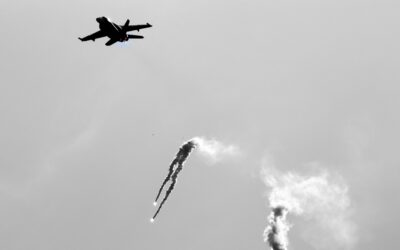
The fragile, highly scrutinized ceasefire in the Persian Gulf effectively collapsed into a nominal fiction over the weekend. Despite a supposed truce brokered back in April, the United States and Iran engaged in a series of intense, tit-for-tat airstrikes across regional waters. The kinetic escalation comes as high-stakes diplomatic talks in Islamabad hit a total standstill, exposing deep, functional fractures within Tehran’s ruling elite. At The Modern Memo, we analyze the raw operational data behind the weekend’s naval and air engagements, the shifting terms paralyzing negotiators, and how a divided Iranian regime is playing a dangerous double game on the world stage. The Weekend Exchanges: Drone Clashes and Air Base Retaliation The illusion of a quiet maritime truce dissolved rapidly following an aggressive aerial encounter over international waters, forcing U.S. Central Command (CENTCOM) to order immediate, targeted counter-strikes along Iran’s Gulf coast. The MQ-1 Shootdown: The escalation sequence began when Iranian air defense assets targeted and successfully shot down an uncrewed U.S. MQ-1 surveillance drone operating entirely within international airspace over regional waters. The CENTCOM Response: In swift retaliation, U.S. fighter aircraft launched precision strikes along Iran’s vulnerable coast. CENTCOM confirmed the systematic elimination of multiple Iranian air defense nodes, an IRGC ground control station, and two one-way attack drones that posed an immediate, physical threat to commercial shipping transiting international corridors. The Base Strike Counter: By Monday morning, Iran’s Islamic Revolutionary Guard Corps (IRGC) claimed it had retaliated by targeting a regional airbase utilized by American forces—believed by defense analysts to be located in Kuwait. The Kuwaiti Foreign Ministry confirmed it had actively repelled drone and missile attacks, reserving the right to take “all necessary measures” to safeguard its sovereign territory. The Diplomatic Bottleneck: The Nuclear Hardline The battlefield friction directly mirrors the total gridlock paralyzing Pakistani- and Qatari-mediated peace talks. Draft proposals aimed to implement a stable 60-day extension of the April truce, but the diplomatic track has completely stalled due to fundamental disagreements over long-term strategic concessions. The Trump Ultimatum: During a critical Situation Room briefing, the White House explicitly demanded a hardening of terms. The administration is refusing to sign off on an extension or authorize the unfreezing of assets without tougher, uncompromised language restricting Iran’s domestic uranium enrichment and nuclear program. The Transponder Shuffle: While the diplomats bicker, commercial reality forces compliance. U.S. naval forces have quietly helped coordinate the passage of roughly 70 commercial vessels through the tight chokehold of the Strait of Hormuz. To survive the transit and escape IRGC detection, the vast majority of these vessels are running dark, completely turning off their electronic transponders. A Regime Divided: The Frontline Contradiction The escalating violence exposes a severe structural fracture inside Tehran, where diplomatic officials are trying to spin a narrative of comprehensive peace while hardline military factions intentionally provoke conflict. The Total Truce Claim: On Monday, Iranian Foreign Minister Abbas Araghchi took to social media to aggressively assert that the U.S. ceasefire is unequivocal and covers “all fronts, including in Lebanon.” Araghchi warned that any Western or Israeli escalation on the northern front would be treated as a total breach of the agreement. The Proxy Realities: This diplomatic posture stands in direct contradiction to the actions of the IRGC and its regional proxies. Even as Araghchi claimed the truce covers Lebanon, Israeli Prime Minister Benjamin Netanyahu ordered a sweeping expansion of defensive airstrikes targeting Hezbollah infrastructure north of the Litani River and into the southern suburbs of Beirut, citing continuous violations by the Iran-backed militant group. The Strategic Trap: Defense analysts point out that the Iranian regime is attempting to use the U.S. ceasefire as a legal shield to protect its proxy network from being systematically dismantled. By threatening “consequences” for actions in Lebanon while simultaneously shooting down U.S. drones in the Gulf, Tehran’s fractured leadership is betting that Washington lacks the appetite for a wider, unconstrained war. Final Word The weekend’s violent exchange of airstrikes is the definitive proof that a ceasefire written on paper is completely useless when one side is run by a divided, duplicitous regime. When you look past the noise of diplomatic messaging and focus on the data—a downed American MQ-1 drone, neutralized Iranian air defenses, and 70 commercial ships forced to run dark through the Strait of Hormuz—you gain a clearer picture of a geopolitical conflict approaching a definitive tipping point. Quality information replaces the progressive fantasy of a stable, open-ended truce with the reality of an aggressive adversary testing boundaries. It allows you to see that while the Iranian foreign ministry talks about regional peace, the IRGC is actively launching missiles at American allies. By refusing to tolerate these gray-zone provocations, the administration has made it clear that the United States will protect its assets and allies—regardless of whether Tehran’s diplomats are ready to face reality.