Latest News
The Sanctuary Shield: Tim Walz Pardons Illegal Alien Convicted of Armed Robbery to Block ICE Deportation
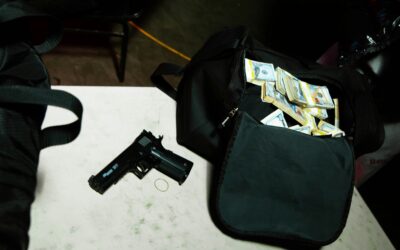
The long-simmering standoff between federal immigration authorities and Minnesota’s progressive leadership exploded into a fresh constitutional clash. In a hastily arranged special session, Governor Tim Walz and the Minnesota Board of Pardons issued a unanimous pardon to Jai Vang, a Laotian national and convicted felon who had been slated for imminent federal deportation. The move has drawn intense national scrutiny, not only for overriding a federal immigration mandate but because Walz incorrectly characterized the convicted illegal alien as a “citizen” during the official proceedings. At The Modern Memo, we look past the bureaucratic shields to analyze the mechanics of the emergency clemency board, the violent 1994 armed robbery conviction at the center of the case, and how the state’s executive branch is actively working to dismantle federal enforcement operations. The Emergency Intervention: Racing Against the ICE Clock The extraordinary intervention by the Governor’s office was launched to disrupt a final order of removal being executed by Immigration and Customs Enforcement (ICE). The Operation Metro Surge Catch: Jai Vang, a native of Laos who entered the country as a child but never secured legal citizenship, was swept up by federal agents earlier this month as part of Operation Metro Surge—a targeted federal crackdown aiming to remove convicted criminal aliens from Minnesota’s self-declared sanctuary jurisdictions. The Special Session: With Vang scheduled to be flown back to Laos, Walz called an immediate, extraordinary meeting of the Board of Pardons. Flanked by progressive state Attorney General Keith Ellison and Minnesota Supreme Court Chief Justice Natalie Hudson, Walz pushed through a unanimous pardon to erase the legal foundation of the federal deportation order. Asserting State Sovereignty: “To preserve and assert Minnesota’s sovereign state interest in enforcing our own criminal laws… I’ve called this meeting to consider the application,” Walz declared, framing the intervention as a defense of local autonomy over federal border enforcement. The Conviction: Aiding and Abetting an Armed Robbery While the clemency board focused on Vang’s subsequent decades of rehabilitation, critics are pointing directly to the violent nature of the crime that originally put him on the federal removal grid. The 1994 Heist: In October 1994, an 18-year-old Vang was arrested, tried, and subsequently convicted in Hennepin County for aiding and abetting a felony armed robbery. The Released Threat: After completing his court-mandated prison term, Vang was released back into the interior of the United States. Under federal immigration statutes, non-citizens who commit “aggravated felonies”—a category that explicitly includes violent thefts and armed robberies—forfeit their right to remain in the country and are subject to mandatory deportation. The ‘Citizen’ Misstatement and the Safety Rationalization The hearing took an explicitly controversial turn when Governor Walz defense of the non-citizen felon veered into factual inaccuracy. The Factual Error: Advocating for the pardon, Walz praised Vang’s career as a local carpenter and painter, stating: “I do not see how it would serve his family, nor the economic interest where we have a taxpaying citizen who is creating job growth.” Critics quickly noted that if Vang were a legitimate American citizen, he would never have been detained by ICE or faced deportation in the first place. The Security Claim: Dismissing the safety concerns raised by the Department of Homeland Security (DHS), Walz asserted that the state had zero interest in seeing Vang removed. “I can find no reason how Minnesota will be safer or better if Mr. Vang is deported to a country he has not been to since he was a child,” Walz added. Chief Justice Concurrence: Chief Justice Natalie Hudson echoed the sentiment, praising the felon’s business ventures and adding, “It’s clear that Mr. Vang has become an upstanding citizen, working consistently over the past 27 years.” Final Word The emergency pardon of Jai Vang is the definitive proof that sanctuary state executives are willing to use every tool at their disposal to shield criminal illegal aliens from federal accountability. When you look past the noise of “community integration” narratives and focus on the data—the unprecedented special session called to block ICE, a violent armed robbery conviction, and a Governor who cannot distinguish between an illegal alien and an American citizen—you gain a clearer picture of a state government prioritizing immigration activism over statutory law. Quality information replaces the narrative of “compassionate relief” with the reality of a deliberate breakdown in interstate and federal cooperation. It allows you to see that while Minnesota’s leadership argues the state is no safer with Vang’s removal, the message they are sending to the rest of the nation is that a felony conviction is no barrier to state protection. By choosing to erase Vang’s record at the final hour, Tim Walz has drawn a clear line on the border debate, ensuring that Minnesota remains an insulated haven from federal law.
The Cover-Up Continues: Trump Lashes Out After Biden Sues His Own Former DOJ to Hide Ghostwriter Audio
The long-running battle over political transparency reached a stunning and chaotic milestone in Washington, D.C. In an unprecedented legal maneuver, former President Joe Biden filed a federal lawsuit against the Department of Justice in a desperate bid to halt the imminent public release of approximately 70 hours of private cand transcripts. The hidden files capture Biden discussing sensitive, classified information with the ghostwriter of his 2017 memoir. At The Modern Memo, we analyze the raw data of Biden’s sudden legal offensive, the impending June deadline that sparked the panic, and why President Donald Trump is blasting the move as one of the most dangerous and corrupt scandals in American history. The Lawsuit: An ‘Invasion of Privacy’ in the Twin Cities Pipeline The legal complaint, filed by Biden’s personal attorneys in the U.S. District Court for the District of Columbia, takes aim at a massive, sudden policy reversal within the Department of Justice regarding transparency standards. The Stolen Content: At the heart of the litigation are extensive recordings and transcripts from 2016 and 2017 between Biden and Mark Zwonitzer, the biographer who drafted his book Promise Me, Dad. The files were seized by federal authorities during the 2023 investigation into Biden’s systemic mishandling of classified documents. The Privacy Defense: Biden’s legal team argued that releasing the raw audio to congressional oversight panels and public interest groups would constitute an unwarranted invasion of privacy. “Every American, including a sitting or former Vice President, has a right to privacy in the personal conversations he has within his own home,” his lawyers wrote. The Sudden Pivot: Under the current administration, the DOJ notified Biden in February 2026 that it was abandoning its previous, defensive posture. Dropping prior exemptions, the department informed Biden it intended to fully comply with outstanding public records law demands and congressional subpoenas by turning over the unredacted files on June 15. Trump Hits Back: ‘What Is He Trying to Hide?’ The response from the White House was immediate and unsparing. President Trump utilized his platform to lambaste his former rival’s legal maneuver, framing the lawsuit as definitive proof of a deeply entrenched culture of evasion and cognitive shielding. The Executive Blame: Trump characterized the lawsuit as one of the most dangerous scandals in modern U.S. history, arguing that Biden is using a team of high-priced lawyers to weaponize the federal court system against the American public’s right to know the truth. The Memory Loophole: Conservative lawmakers have long suspected that the 70 hours of audio contain direct evidence of the severe memory lapses and cognitive decline that ultimately derailed Biden’s 2024 re-election campaign. Trump noted that if Biden’s memory was as flawless as his defenders claimed, he would welcome the release rather than filing emergency cross-claims to bury it. The Classified Double Standard: The White House has consistently pointed out the glaring asymmetry in how classified document retention has been treated. While the previous administration pursued aggressive, multi-count indictments over secure storage at Mar-a-Lago, Biden’s team is actively fighting to ensure the public never hears him read classified foreign policy notebooks aloud to a private, un-cleared biographer. The Hur Report Legacy: ‘Elderly Man with a Poor Memory’ The ghostwriter tapes were a foundational pillar of the 345-page report compiled by former Special Counsel Robert Hur. While Hur ultimately opted against pursuing criminal charges, his characterization of the former president created a political earthquake. The Willful Retention: Hur’s final report explicitly concluded that Biden had willfully retained and disclosed classified materials as a private citizen, including sensitive military logs and foreign policy documents regarding Afghanistan. The Rationale for Acquittal: Hur famously justified his decision not to prosecute by predicting a jury would view Biden as a “sympathetic, well-meaning, elderly man with a poor memory.” The Fuzziness on Display: While the printed transcripts of Biden’s separate, five-hour interview with prosecutors showed him becoming repeatedly fuzzy about dates, document trails, and the timeline of his own vice presidency, the Heritage Foundation and the House Judiciary Committee have argued the actual audio files are vital to evaluating his true fitness and intent. Final Word Joe Biden’s lawsuit against the Justice Department is the definitive proof that the architectural defense of the old establishment relies entirely on closed doors and sealed records. When you look past the noise of “privacy right” justifications and focus on the data—the 70 hours of sequestered biographer tapes, the willful dissemination of classified foreign policy data to an author, and the abrupt June 15 release deadline—you gain a clearer picture of an institutional cover-up running out of runway. Quality information replaces the narrative of “harmless personal conversations” with the reality of an elite political figure desperate to prevent the American electorate from hearing his own unedited voice. It allows you to see that while Biden wants to fight the transparency mandate in a Washington federal court, the demand for accountability is a force that no late-minute motion can permanently restrain. By choosing to sue to hide the receipts, the former president has inadvertently ensured that the countdown to June 15 is the most scrutinized timeline in Washington.

The Camp David Crunch: Trump Convenes Rare Mountain Summit as Hormuz Strikes Push Ceasefire to the Brink
The illusion of a quiet diplomatic resolution in the Persian Gulf shattered over the weekend, prompting an extraordinary structural shift from the White House. President Donald Trump has ordered his entire Cabinet to bypass traditional Washington channels and assemble on Wednesday at the secluded Camp David presidential retreat in Maryland. The emergency mountain summit comes as intensive, high-stakes peace negotiations in Qatar hit a critical bottleneck, compounded by fresh American military strikes against Iranian forces inside the Strait of Hormuz. At The Modern Memo, we look past the generic press briefings to analyze the structural fracture within the GOP over the proposed “Hormuz-Only” memorandum, the precise data behind Sunday’s naval engagements, and why the administration’s focus is rapidly shifting from tactical restraint to an absolute deadline. The Emergency Summit: Why Camp David? The choice of the heavily guarded, forested retreat in the Catoctin Mountains—a location this President rarely utilizes—is the first major indicator of how volatile the geopolitical calculus has become. Isolating the Cabinet: According to White House and congressional sources, the unscheduled assembly is designed to lock down internal communication. By removing Cabinet secretaries, including Secretary of State Marco Rubio, Defense Secretary Pete Hegseth, and outgoing Director of National Intelligence Tulsi Gabbard, from the media echo chamber of Washington, the President is enforcing a unified front before delivering a final terms package to Tehran. The Looming Midterms: While foreign policy dominates the itinerary, internal memos show the administration is highly sensitive to the economic realities of the conflict. With the pivotal 2026 midterm elections fast approaching, voter anger over the domestic affordability crisis and skyrocketing energy costs has forced the White House to treat the reopening of the Strait of Hormuz as an immediate domestic necessity. A History of Escalation: This marks only the second time the Cabinet has relocated to Camp David during this term. The first mountain session occurred in June 2025, just 48 hours before the United States launched its historic, devastating airstrikes against Iran’s domestic nuclear infrastructure. The Sunday Engagement: Pounding the Mine-Layers The diplomatic leverage being discussed at Camp David is backed by cold, kinetic reality. On Sunday, U.S. Central Command (CENTCOM) ordered localized “self-defense strikes” in southern Iran after surveillance assets caught Iranian forces attempting to re-lock their grip on international shipping lanes. Targeting the Chokehold: U.S. Navy assets and warplanes struck direct targets around Bandar Abbas, a highly strategic port city on the rim of the Strait of Hormuz. The targets included mobile surface-to-air missile launchers that had locked onto American aircraft, alongside several Islamic Revolutionary Guard Corps (IRGC) small boats caught actively trying to emplace naval mines. The Attrition Data: CENTCOM confirmed that two IRGC mine-laying vessels were completely neutralized and a primary missile site was systematically dismantled. Iranian state media later acknowledged that at least four Guard troops were killed in the engagement. The Red Line: CENTCOM spokesperson Captain Tim Hawkins characterized the operation as entirely defensive, stating that the U.S. is exercising maximum operational restraint to protect the fragile, seven-week-old ceasefire, but will not tolerate active mining operations in international waters. The Qatar Friction: The Nuclear Loophole The military friction directly mirrors the diplomatic gridlock currently unfolding in Doha, Qatar, where a high-level Iranian delegation led by parliamentary speaker Mohammad Bagher Ghalibaf is attempting to hammer out a Memorandum of Understanding (MOU). The Proposed Compromise: Under the interim framework currently backed by the White House, Washington would agree to unfreeze select Iranian financial assets held in foreign banks (including Qatari institutions) and ease port blockades. In exchange, Iran would immediately restore unhindered commercial shipping through the Strait, where roughly 20% of the world’s liquefied natural gas and oil flows. The Nuclear Omission: The explosive point of contention—and the driving force behind the Camp David meeting—is that the proposed text completely excludes immediate nuclear concessions. Instead, negotiations regarding Iran’s highly enriched uranium stockpile would be delayed for a 30-to-60-day window after the maritime corridor reopens. The GOP Backlash: This structural delay has triggered fierce pushback from within the President’s own party. Senior Republican lawmakers have openly slammed the plan as a “disastrous compromise,” arguing that unfreezing assets without securing the total destruction or surrender of Tehran’s remaining nuclear material gives the regime an economic lifeline to rebuild its proxy network in Lebanon and Yemen. Final Word The rare Cabinet assembly at Camp David is the definitive proof that the Trump administration is preparing to either close the biggest deal of the decade or unleash an unprecedented level of military force. When you look past the noise of “ceasefire diplomacy” and focus on the hard data—the destroyed IRGC mine-laying boats in Bandar Abbas, the $12 billion economic stakes of the midterms, and the furious pushback from GOP realists—you gain a clearer picture of a superpower running out of patience. Quality information replaces the corporate narrative of an elusive, open-ended peace process with the reality of a President who has backed his opponent into a corner. By choosing to gather his leadership team in the mountains of Maryland, Donald Trump is sending an unmistakable signal: the time for tactical restraint is over, and the Strait of Hormuz will open—either by pen or by fire.
The Wall of Silence: Rep. Ilhan Omar Stonewalls State Investigators Over $250 Million Minnesota Fraud Connection
The massive, industrial-scale fraud scandal that has rocked Minnesota’s political establishment reached a fever pitch in St. Paul this month. U.S. Representative Ilhan Omar (D-MN) is facing intense national scrutiny after refusing to answer a barrage of questions regarding her personal and professional ties to the orchestrators of the infamous “Feeding Our Future” scheme—a taxpayer heist that systematically drained $250 million intended to feed hungry children. At The Modern Memo, we analyze the hidden records connecting Omar’s inner circle to the convicted ringleaders, the legislative gridlock over state subpoenas, and why federal investigators are being asked to step in where local Democrats blocked the trail. The Backdoor Pathway: How the Guardrails Were Removed State lawmakers tracking the web of corruption have focused heavily on the Maintaining Essential Access to Lunch for Students (MEALS) Act, federal legislation authored by Rep. Omar. Dismantling Oversight: While the bill was marketed as a compassionate measure to provide flexibility during school closures, state auditors argue it effectively “took the guardrails off” the federal school nutrition program. The Exploit: By removing verification requirements, the bill inadvertently created the precise, regulatory vacuum exploited by Aimee Bock, the recently convicted mastermind behind the Feeding Our Future non-profit. Targeted Promotion: Critics note that Omar aggressively promoted the program directly to her core constituents in Minneapolis, recorded promotional videos at locations later raided by the FBI, and utilized the services of businesses tied to the fraudsters for her own campaign events. The Connection: Sealed Exhibits and Campaign Payouts The push to interrogate Omar isn’t based on political speculation, but on physical evidence unsealed during the federal trials that sent multiple defendants to prison. The Communication Logs: Court records indicate that members of Omar’s congressional office, including her official “community representative,” were in active communication via email and text message with Aimee Bock in 2021—precisely when the non-profit was actively laundering federal funds. The Safari Restaurant Hub: Federal Election Commission (FEC) filings reveal that Omar’s congressional campaign repeatedly funneled money to Safari Restaurant, a prominent venue used for her primary victory parties. The co-owner of Safari Restaurant, Salim Said, was jointly convicted alongside Bock for utilizing the site as a front to falsely claim they served millions of imaginary meals. The Jailhouse Claims: Compounding the pressure, Bock recently gave a stunning jailhouse interview from the Sherburne County Jail, accusing Omar’s office of having direct knowledge of the scheme’s true nature before federal indictments were handed down. The Partisan Shield in St. Paul Despite the mounting evidence, Omar has treated invitations to testify or produce correspondence with utter indifference, skipping deadlines set by the Minnesota House Fraud Prevention and State Agency Oversight Committee. The Blocked Subpoena: Frustrated by her refusal to comply, Committee Chair Kristin Robbins (R) moved to issue an official state subpoena to force Omar to surrender her personal and office communications. The One-Vote Escape: Because of a power-sharing agreement in the tied Minnesota House, the subpoena required six votes to pass. The committee’s five Republicans voted unanimously to force transparency, but the three Democrats united to block the measure, sparing Omar from a localized legal mandate. Escalating to Congress: Denied by state-level partisan blocking, Representative Robbins has officially requested that U.S. House Oversight Committee Chairman James Comer (R-KY) intervene. Because federal Republicans hold a true majority, a congressional subpoena could soon be issued, leaving Omar facing potential contempt of Congress charges if she continues her silence. Final Word The wall of silence erected by Ilhan Omar’s office is the definitive proof that the accountability rules of the past no longer apply to the modern left. When you look past the noise of “partisan targeting” defenses and focus on the raw data—the $250 million stolen from children, the sealed court exhibits detailing staff texts, and the thousands of dollars funneled to a convicted fraudster’s restaurant—you gain a clearer picture of a Representative desperate to avoid the light of day. Quality information replaces the narrative of “constituent outreach” with the reality of a massive, systemic failure that occurred under Omar’s watch and with her legislative assistance. It allows you to see that while local politicians can build a shield to protect her in St. Paul, the trail of federal funding means she will eventually have to answer to the American taxpayers she swore to serve.
The Countdown to Consequence: Trump Convenes High-Level Situation Room Meeting as Nuclear Talks Hit ‘Dead End’
The space for diplomacy has officially run out. Following a weekend of deadlocked negotiations and fresh regional provocations, President Donald Trump has summoned his top national security advisers to the White House Situation Room. The high-stakes meeting comes directly on the heels of a stark, final warning from the President to Tehran, signaling that the United States is ready to transition from economic strangulation to direct military action. At The Modern Memo, we analyze the collapse of the Pakistan-mediated peace talks, the rigid five-point ultimatum delivered by Washington, and why the administration’s “the clock is ticking” warning means the era of strategic patience is over. The Situation Room Briefing: Preparing the Target List The meeting—convened by the President and attended by Vice President JD Vance, Secretary of State Marco Rubio, Defense Secretary Pete Hegseth, and Joint Chiefs Chairman Dan Caine—is focused on finalizing kinetic options should the Iranian regime reject America’s final terms. The Midnight Warning: The operational shift follows a blunt declaration by the President on social media: “For Iran, the Clock is Ticking, and they better get moving, FAST, or there won’t be anything left of them. TIME IS OF THE ESSENCE!” Netanyahu Coordination: Prior to the Situation Room meeting, the President held a lengthy secure call with Israeli Prime Minister Benjamin Netanyahu. Reports from Jerusalem indicate that the Israeli Security Cabinet is simultaneously convening, with U.S. and Israeli forces aligning coordinate grids for potential joint strikes on Iranian nuclear assets. The Proxies Escalate: The urgency of the military briefing was heightened by a drone strike in the United Arab Emirates that caused a fire near a nuclear power plant, an act of aggression the UAE labeled a “dangerous escalation” and blamed squarely on Iran’s proxy network. The Deadlock: Five Demands vs. Five Preconditions The temporary, Pakistan-mediated truce that halted large-scale bombing has effectively disintegrated. Internal reports reveal that both sides have rejected each other’s core frameworks, leaving no viable path to a traditional nuclear deal. The U.S. Ultimatum: Washington’s five-point list demands total capitulation from Tehran: Surrender 400 kilograms of highly enriched uranium to U.S. custody. Dismantle all but one single nuclear facility. Permanently drop all demands for war compensation. Accept that the vast majority of frozen Iranian assets will remain permanently blocked. End hostilities on all regional fronts prior to any final text being signed The Iranian Defiance: Iranian President Masoud Pezeshkian has countered with a list of “fantasies,” demanding a permanent ceasefire in Lebanon, the immediate lifting of all economic sanctions, and international recognition of Iranian sovereignty over the Strait of Hormuz. The Trump Posture: “No More Favors” The administration is making it clear that the temporary cessation of hostilities was a diplomatic courtesy, not a sign of American hesitation. The Favor to Pakistan: The President reminded reporters that the U.S. only agreed to the recent ceasefire as a “favor to Pakistan,” praising their leadership but noting that Iran chose to use the breathing room to play political games rather than comply. The “Phantom Shift” Defeated: U.S. intelligence reportedly tracked the movement of several Iranian military aircraft to an airbase near Rawalpindi during the truce—a move critics say proves Tehran was trying to shield its assets from imminent destruction. Overwhelming Deterrence: With U.S. warships maintaining a total lock on the Persian Gulf under Operation Epic Fury, the administration is operating from a position of absolute superiority. Final Word The Situation Room meeting is the definitive proof that the United States will no longer allow itself to be blackmailed by rogue states. When you look past the noise of “diplomatic channels” and focus on the data—the rigid five-point mandate and the unprecedented joint posture with Israel—you gain a clearer picture of an administration that has drawn a line in the sand. Quality information replaces the narrative of “endless negotiations” with the reality of a hard deadline. It allows you to see that while Iran wants to talk about compensation and sovereignty, the United States is talking about total disarmament. By choosing to declare that the clock is ticking, the President has ensured that if the Ayatollah does not blink, the response will be swift, surgical, and devastating. Where Facts, Context, and Perspective Matter At The Modern Memo, our goal is simple: to provide clear, well-researched reporting in a media landscape that often feels overwhelming. We focus on substance over sensationalism, and context over commentary. If you value thoughtful analysis, transparent sourcing, and stories that go beyond the headline, we invite you to share our work. Informed conversations start with reliable information, and sharing helps ensure important stories reach a wider audience. Journalism works best when readers engage, question, and participate. By reading and sharing, you’re supporting a more informed public and a healthier media ecosystem. The Modern Memo may be compensated and/or receive an affiliate commission if you click or buy through our links. Featured pricing is subject to change. 📩 Love what you’re reading? Don’t miss a headline! Subscribe to The Modern Memo here!
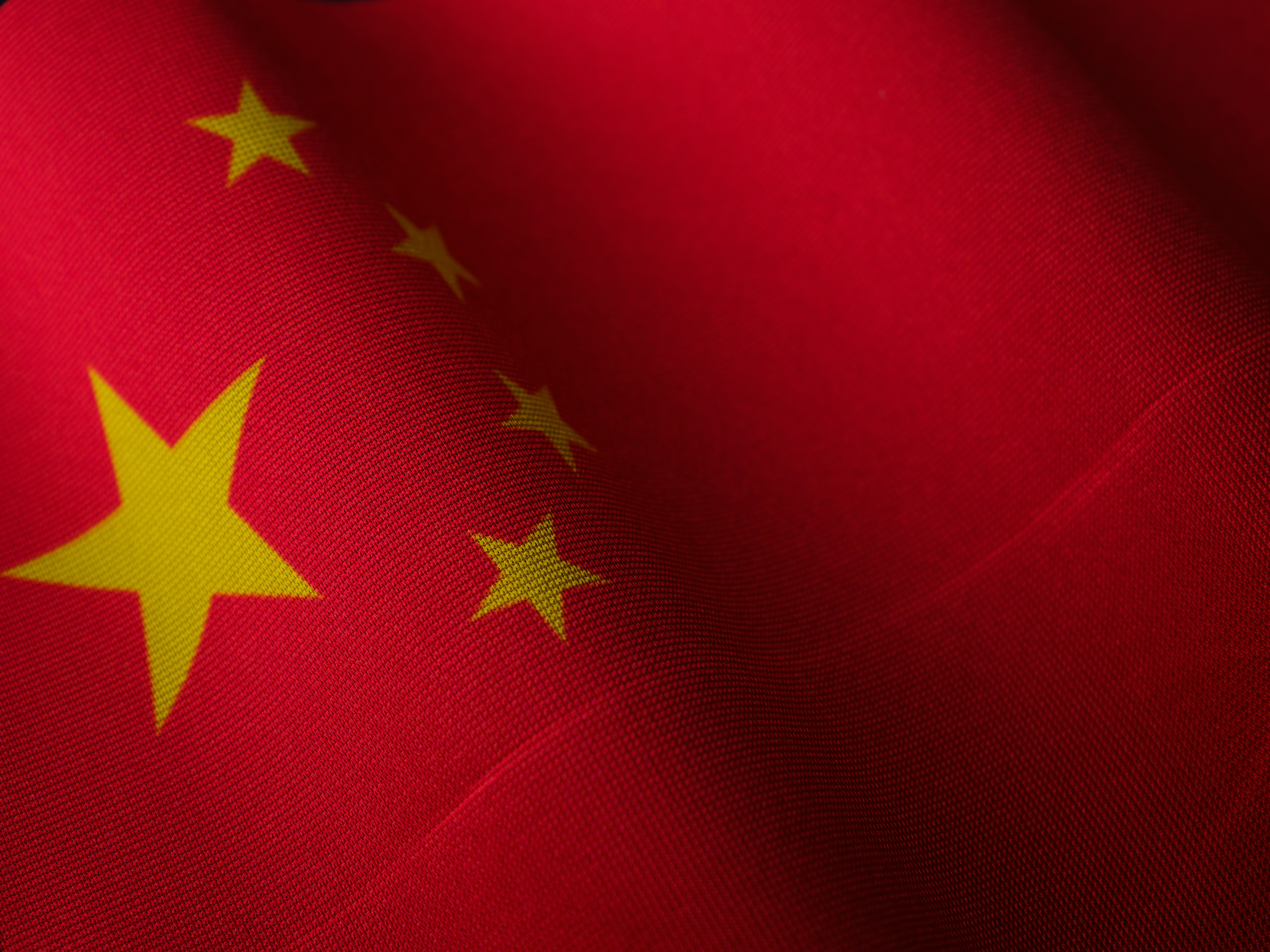
Beijing Breakthrough: Xi Jinping Pledges to Halt Military Aid to Iran and Reopen the Strait of Hormuz
In a major diplomatic pivot that has sent shockwaves through the Middle East, President Donald Trump announced that Chinese President Xi Jinping has personally pledged to help end the spiraling conflict with the Iranian regime. Speaking from Beijing at the conclusion of his historic state visit, the President revealed that China has committed to an immediate cessation of military equipment transfers to Tehran and is now actively seeking a resolution to the global energy crisis. At The Modern Memo, we analyze the “Art of the Deal” on the world stage, the strategic isolation of Iran, and why the reopening of the Strait of Hormuz is now within sight. 1. The Beijing Pledge: Cutting the Cord to Tehran The most explosive revelation from the bilateral meetings is China’s commitment to withdraw its logistical and military support for the Ayatollah’s war machine. No More Weapons: President Trump confirmed that Xi Jinping gave his “absolute word” that China would not provide any military equipment, technology, or dual-use hardware to Iran as long as hostilities persist. Ending the “Dark Fleet”: Sources indicate that the two leaders discussed a coordinated crackdown on “dark fleet” tankers—unmarked vessels that have allowed Iran to bypass American sanctions by selling oil to Chinese refineries. Strategic Reversal: For years, Beijing has acted as a financial and military lifeline for the IRGC. This sudden pivot marks a significant calculation by Xi that his relationship with a resurgent America is more valuable than his partnership with a crumbling regime in Tehran. 2. Reopening the Arteries of Global Trade The President also signaled that China is now aligned with the U.S. goal of restoring order to the world’s most critical maritime chokehold. The Hormuz Mandate: President Trump stated that Xi Jinping “would very much like to see the Strait of Hormuz reopened immediately.” The blockade, a result of the ongoing Operation Epic Fury, has sent global energy costs skyrocketing, impacting China’s manufacturing-heavy economy. Escalation vs. Stability: By advocating for the reopening of the Strait, Xi is effectively telling Iran that China will not tolerate the continued disruption of the global “energy belt.” This removes Tehran’s primary leverage against the West. Freedom of Navigation: The U.S. and China have reportedly agreed to establish a “hotline” to coordinate naval movements in the Gulf to prevent accidental escalations during the de-escalation phase. 3. The Trump Doctrine: Results Through Realism Critics of the administration’s aggressive posture in the Persian Gulf are being silenced as the “Maximum Pressure” campaign yields its biggest fruit yet: a cooperative China. Dealmaking Over Diplomacy: While previous administrations sought “consensus” through multilateral groups, this President leveraged direct trade negotiations and American naval dominance to force Beijing to the table. The “Peace Through Strength” Dividend: Analysts note that the U.S. carrier presence in the region made it clear to Xi that the Iranian conflict would only end on American terms, prompting China to pick the winning side. A Looming Ceasefire? With its largest patron turning its back, the Iranian regime is now more isolated than at any point since 1979. The President noted that “great things are going to happen” regarding a potential ceasefire, suggesting that the “Epic Fury” campaign may be entering its final chapters. Final Word The breakthrough in Beijing is the definitive proof that American leadership is once again the primary engine of global stability. When you look past the noise of “regional instability” and focus on the data—the halting of Chinese military aid and the joint push to reopen the Strait—you gain a clearer picture of a superpower that has successfully outmaneuvered its rivals. Quality information replaces the narrative of “endless war” with the reality of a strategic victory that was won through iron-fisted negotiation and unwavering strength. It allows you to see that while the conflict with Iran isn’t over, the path to peace now runs through a deal made in Beijing. By choosing to bring Xi Jinping into the fold, the President has ensured that the “Strait of Hormuz” remains an international waterway, not an Iranian playground. Where Facts, Context, and Perspective Matter At The Modern Memo, our goal is simple: to provide clear, well-researched reporting in a media landscape that often feels overwhelming. We focus on substance over sensationalism, and context over commentary. If you value thoughtful analysis, transparent sourcing, and stories that go beyond the headline, we invite you to share our work. Informed conversations start with reliable information, and sharing helps ensure important stories reach a wider audience. Journalism works best when readers engage, question, and participate. By reading and sharing, you’re supporting a more informed public and a healthier media ecosystem. The Modern Memo may be compensated and/or receive an affiliate commission if you click or buy through our links. Featured pricing is subject to change. 📩 Love what you’re reading? Don’t miss a headline! Subscribe to The Modern Memo here!
Silencing the Truth: Top 4 Explosive Moments from the CIA Whistleblower Testimony on the COVID-19 Cover-Up
The halls of Congress echoed with serious allegations today, as the House Select Subcommittee on the Coronavirus Pandemic convened for a hearing that many are calling a turning point in the search for the pandemic’s origins. A senior CIA whistleblower—appearing under significant personal risk—delivered testimony detailing a coordinated effort within the intelligence community to suppress evidence pointing toward a laboratory leak in Wuhan. At The Modern Memo, we analyze the shocking claims of “hush money” at the CIA, the partisan boycott that left the room half-empty, and why the “Natural Origin” narrative is collapsing under the weight of declassified truth. The ‘Bribe’ to Flip the Assessment The most damning moment of the testimony centered on an alleged financial incentive offered to a specialized six-member team within the CIA (the Discovery Analysis Section). The Testimony: The whistleblower claimed that six out of the seven members of the team originally concluded with “high confidence” that COVID-19 originated from a lab leak at the Wuhan Institute of Virology. The Payout: He testified that these senior analysts were offered a “significant financial incentive”—effectively hush money—to change their conclusion to “undetermined.” The “Hush” Order: The witness alleged that the flip was orchestrated by high-level officials to align the Agency with the “preferred” narrative of the previous administration’s health apparatus. Partisan Empty Chairs: Democrats Skip the Search for Truth In a move that drew blistering condemnation from GOP members, every Democratic lawmaker on the subcommittee skipped the hearing. The Criticism: Chairman Brad Wenstrup (R-OH) blasted the absence, stating, “Our colleagues across the aisle are more interested in protecting a narrative than protecting the American people from the next pandemic.” The “Science” Shield: GOP colleagues argued that by boycotting the hearing, Democrats are effectively signaling that they view the CIA’s internal politics as “settled science” that should not be questioned by the public. Dr. Fauci’s ‘Shadow Access’ to the CIA The whistleblower provided details on the alleged influence of Dr. Anthony Fauci within the walls of the CIA’s Langley headquarters. The Entry Logs: According to the testimony, Dr. Fauci was ushered into the CIA “without a record of entry” to meet with analysts during the heat of the 2020 investigation. The Influence: The whistleblower alleged that Fauci’s presence was designed to “steer” the intelligence analysts away from the lab leak theory, despite his lack of a security clearance for the specific intelligence being reviewed at the time. Systematic Destruction of Comms The fourth explosive moment involved the alleged systematic deletion of internal communications between the CIA and federal health officials. The “Secret” Emails: The witness testified that he saw directives instructing staff to avoid using official email channels when discussing “sensitive” origin theories, instead moving conversations to private accounts or encrypted apps to avoid future FOIA requests. The Disappearing Trail: This alleged scrub of the record has made it nearly impossible for congressional investigators to reconstruct the timeline of when the Agency’s “consensus” actually shifted. Final Word The CIA whistleblower’s testimony is the definitive proof that the “lab leak” was never a conspiracy theory—it was a suppressed reality. When you look past the noise of “partisan boycotts” and focus on the data—the alleged bribes to analysts and the unrecorded visits by Dr. Fauci—you gain a clearer picture of a bureaucracy that prioritized political optics over global safety. Quality information replaces the narrative of “natural spillover” with the reality of an institutional cover-up that may have cost millions of lives by delaying the truth. It allows you to see that while the chairs on the left side of the room were empty, the witness stand was full of the evidence Americans have been waiting for. By choosing to come forward, this whistleblower has ensured that the “Deep State” can no longer hide the origin of the world’s greatest catastrophe. Where Facts, Context, and Perspective Matter At The Modern Memo, our goal is simple: to provide clear, well-researched reporting in a media landscape that often feels overwhelming. We focus on substance over sensationalism, and context over commentary. If you value thoughtful analysis, transparent sourcing, and stories that go beyond the headline, we invite you to share our work. Informed conversations start with reliable information, and sharing helps ensure important stories reach a wider audience. Journalism works best when readers engage, question, and participate. By reading and sharing, you’re supporting a more informed public and a healthier media ecosystem. The Modern Memo may be compensated and/or receive an affiliate commission if you click or buy through our links. Featured pricing is subject to change. 📩 Love what you’re reading? Don’t miss a headline! Subscribe to The Modern Memo here!
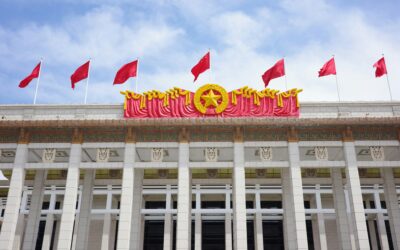
A Night of Grandeur and Grit: Trump and Xi Exchange Historic Toasts During High-Stakes Beijing State Banquet
Under the glittering chandeliers of the Great Hall of the People, the two most powerful men on earth set aside the rhetoric of trade wars and territorial disputes for an evening of meticulous diplomacy. On the second night of his critical visit to Beijing, President Donald Trump and Chinese President Xi Jinping shared a state banquet that was as much about personal chemistry as it was about global stability. At The Modern Memo, we analyze the strategic “Lauding” of the U.S.-China relationship, the underlying tensions of the “New Pacific Era,” and why this visit is being viewed as the ultimate test of the President’s “Dealmaker-in-Chief” doctrine. The Banquet: “Respect and Results” The evening was a masterclass in soft power, featuring traditional Chinese music, a multi-course feast, and a series of toasts that emphasized a mutual desire to avoid a “New Cold War.” President Trump’s Toast: Standing before a room of global dignitaries, the President praised the “unbelievable” hospitality of the Chinese people. He emphasized that while the two nations have “big, beautiful differences,” their cooperation is the “absolute key” to global security and economic prosperity. President Xi’s Response: Xi Jinping reciprocated with a call for “win-win cooperation,” noting that the Pacific Ocean is “vast enough to accommodate both China and the United States.” He characterized the current moment as a “pivotal crossroads” for the 21st century. The “Personal Touch”: Observers noted the lengthy private conversations between the two leaders during the meal—a stark contrast to the distant, formal exchanges seen in previous administrations. The High-Stakes Agenda: What Lies Beneath the Smiles Despite the cordiality of the banquet, the second day of the visit was defined by grueling negotiations behind closed doors. The “Peace Through Strength” posture was on full display earlier in the afternoon. Trade Equity: The President reportedly pressed Xi on the “Level Playing Field” initiative, demanding an end to currency manipulation and the forced transfer of American intellectual property. Sources indicate that a $350 billion trade agreement—primarily involving American energy and agriculture—is in the final stages of drafting. The Taiwan Standoff: While the banquet focused on unity, the earlier bilateral meetings were described as “candid.” The U.S. delegation reportedly reiterated that any change to the status quo in the Taiwan Strait would be met with “unparalleled economic and military consequences.” The Korean Peninsula: Both leaders reaffirmed their commitment to a “fully denuclearized” North Korea, though disagreements remain over the “Absolute Anchor” blockade currently impacting regional shipping lanes. A ‘New Pacific Era’? The 2026 visit is being framed by the administration as the beginning of a “New Pacific Era,” where American interests are no longer secondary to globalist platitudes. Direct Diplomacy: By engaging Xi directly in Beijing, the President is bypasses traditional multilateral institutions, preferring a “leader-to-leader” approach that he believes yields faster results. The “Magnificent” Optics: The state media in China has provided wall-to-wall coverage of the visit, a sign that Beijing is taking the “America First” resurgence with extreme seriousness. One Chinese analyst noted that the President is seen as a “formidable but predictable” partner who values strength over subtext. Final Word The state banquet in Beijing was the definitive proof that even in a world of high-tech warfare and trade tariffs, the “personal deal” still matters. When you look past the noise of “diplomatic theater” and focus on the data—the potential $350 billion trade deal and the mutual acknowledgment of Pacific dominance—you gain a clearer picture of a relationship that is being rebuilt on a foundation of realism. Quality information replaces the narrative of “inevitable conflict” with the reality of a strategic competition that is being managed by two leaders who understand the cost of failure. It allows you to see that while the smiles in the Great Hall were real for the cameras, the iron-fisted negotiations in the map rooms are what will truly define the next decade of human history. Where Facts, Context, and Perspective Matter At The Modern Memo, our goal is simple: to provide clear, well-researched reporting in a media landscape that often feels overwhelming. We focus on substance over sensationalism, and context over commentary. If you value thoughtful analysis, transparent sourcing, and stories that go beyond the headline, we invite you to share our work. Informed conversations start with reliable information, and sharing helps ensure important stories reach a wider audience. Journalism works best when readers engage, question, and participate. By reading and sharing, you’re supporting a more informed public and a healthier media ecosystem. The Modern Memo may be compensated and/or receive an affiliate commission if you click or buy through our links. Featured pricing is subject to change. 📩 Love what you’re reading? Don’t miss a headline! Subscribe to The Modern Memo here!

‘Phantom Employees’ and Empty Offices: ICE Unveils Uncontrolled Fraud Bombshell in Foreign Student Program
In a massive blow to the integrity of the U.S. immigration system, Immigration and Customs Enforcement (ICE) officials dropped a “bombshell” report on Tuesday, May 12, 2026, exposing a widespread web of fraud within the Optional Practical Training (OPT) program. Acting ICE Director Todd Lyons described the system as an “uncontrolled guestworker pipeline,” revealing that thousands of foreign students have been using “phantom employers” to illegally maintain their residency in the United States. At The Modern Memo, we analyze the shocking details of the “empty office” investigation, the states hit hardest by the crackdown, and why Homeland Security Secretary Kristi Noem is signaling a total re-evaluation of the student visa work stream. The Bombshell: 10,000 ‘Phantom’ Workers The investigation, spearheaded by Homeland Security Investigations (HSI), focused on the top 25 employers of F-1 students on OPT—a program intended to provide temporary work experience related to a student’s field of study. What they found, however, was a system riddled with blatant fabrication. The ‘Tip of the Iceberg’: ICE has already identified more than 10,000 foreign students linked to “highly suspect” employers. Director Lyons warned that this figure represents only a tiny fraction of the total fraud occurring nationwide. Phantom Employees: Investigators discovered thousands of students who were listed as active employees on government records but had never actually reported to work. The Houston Scheme: In one alarming example, a Texas-based employer claimed to have only three OPT students on staff, yet federal records showed more than 500 foreign students supposedly working at that single location. ‘Problematic’ Worksites: Empty Buildings and Locked Doors HSI agents conducted unannounced site visits across several key states, including Virginia, Texas, Georgia, Illinois, New York, New Jersey, North Carolina, and Florida. The findings were described as “alarming” and “deliberate.” Empty Offices: In many “coordinated employer clusters,” investigators arrived at listed business addresses only to find empty buildings, locked doors, or residential homes where residents had no knowledge of any company operating there. Shared Fronts: Multiple “companies” were often found to be operating nearly identical websites and sharing management personnel, functioning as shell-company schemes to evade tax laws and obscure the true nature of the employment. Overseas ‘Control’: When questioned by agents, some “business owners” were unable to answer basic questions about their operations, instead referring investigators to “HR managers” located in India. The Policy Pivot: Ending the ‘Cheap Labor Pipeline’ The crackdown is the first major move by DHS Secretary Kristi Noem to follow through on the administration’s promise to protect American graduates from being “boxed out” of the workforce. Re-evaluating OPT: Secretary Noem has confirmed that the DHS is launching a full re-evaluation of the OPT and STEM OPT programs. In an internal letter, she argued the program has drifted far from congressional intent, becoming a “backdoor into the U.S. job market.” National Security Risks: Beyond economic concerns, officials are highlighting the national security risks posed by thousands of untracked foreign nationals operating under the guise of “employment” at non-existent companies. Mid-Decade Reform: Because OPT was created by regulation rather than statute, the administration has the authority to significantly tighten or even eliminate parts of the program without waiting for a gridlocked Congress. Final Word The ICE “bombshell” is the definitive proof that the student visa system has been treated as a playground for fraudsters for too long. When you look past the noise of “international talent” and focus on the data—the 10,000 suspect cases and the phantom offices in Texas and Virginia—you gain a clearer picture of a guestworker program that has spiraled out of control. Quality information replaces the narrative of “legitimate training” with the reality of a pay-to-stay scheme that devalues American degrees. It allows you to see that while the OPT program was built on a promise of education, it is being sustained by a culture of deception. By choosing to expose these “phantom employees,” the administration is ensuring that the only “training” these fraudsters receive is a lesson in the consequences of breaking American law. Where Facts, Context, and Perspective Matter At The Modern Memo, our goal is simple: to provide clear, well-researched reporting in a media landscape that often feels overwhelming. We focus on substance over sensationalism, and context over commentary. If you value thoughtful analysis, transparent sourcing, and stories that go beyond the headline, we invite you to share our work. Informed conversations start with reliable information, and sharing helps ensure important stories reach a wider audience. Journalism works best when readers engage, question, and participate. By reading and sharing, you’re supporting a more informed public and a healthier media ecosystem. The Modern Memo may be compensated and/or receive an affiliate commission if you click or buy through our links. Featured pricing is subject to change. 📩 Love what you’re reading? Don’t miss a headline! Subscribe to The Modern Memo here!
‘Government Gangsters’: Kash Patel Exposes FBI Lies Used to Illegally Spy on Trump Campaign
The “Deep State” is facing a fresh day of reckoning as Kash Patel—the architect of the Nunes Memo and a leading voice for FBI reform—unloaded on the bureau for what he calls a “coordinated criminal effort” to illegally spy on the 2016 Trump campaign. Patel’s latest broadside comes as new details emerge regarding the FBI’s reliance on the discredited Steele Dossier to obtain FISA (Foreign Intelligence Surveillance Act) warrants. At The Modern Memo, we analyze the FBI Director’s rare admission that the FISA court ruled these warrants illegal, the “Carter Page” precedent, and why Patel is vowing that the days of “weaponized surveillance” are over. The FISA Fraud: Lying to the Court The core of Patel’s accusation rests on the fact that the FBI intentionally misled the Foreign Intelligence Surveillance Court (FISC) to obtain wiretaps on Carter Page, a Trump campaign advisor. The Steele Dossier Scams: Patel has long argued—and the DOJ Inspector General later corroborated—that the FBI relied on unverified “opposition research” funded by the Clinton campaign (the Steele Dossier) while hiding the political origins of that data from the court. The “Illegal” Ruling: In a series of public rebukes, the FISC judges themselves ruled that at least two of the four warrants issued against Page were invalid and illegal. The court found that the FBI omitted “material information” and made “misstatements” that were essential to establishing probable cause. FISA Abuse: The FBI Director has acknowledged that the bureau’s applications were “full of inaccuracies and omissions,” admitting that the surveillance of an American citizen should never have proceeded under such flawed pretenses. Kash Patel’s Crusade: Unmasking the ‘Gangsters’ For Kash Patel, the illegal spying wasn’t an “administrative error”—it was a deliberate act of political warfare. The Nunes Memo Legacy: As the primary author of the 2018 Nunes Memo, Patel was the first to sound the alarm on the “Seven Deadly Omissions” in the FBI’s warrant applications. While the corporate media initially dismissed his findings as a “conspiracy theory,” the DOJ’s own internal reviews have since validated his primary claims. “Government Gangsters”: In his recent statements and his book of the same name, Patel characterizes the senior leadership of the 2016-era FBI as “gangsters” who used the tools of national security to influence a domestic election. Systemic Reform: Patel is calling for a total overhaul of the FBI, including moving its headquarters out of Washington D.C. and stripping the bureau of its ability to conduct “unpredicated” domestic surveillance on political figures. The Consequences of the Spy Gate The fallout from the illegal warrants continues to ripple through Washington as the administration moves to “de-weaponize” the Department of Justice. Clinesmith’s Conviction: Patel frequently points to the criminal conviction of FBI lawyer Kevin Clinesmith, who doctored an email to hide the fact that Carter Page was actually working with the CIA, not against the U.S. This “fraud on the court” is seen by Patel as the definitive proof of bad faith. The 702 Debate: The 2016 spying scandal has become the primary ammunition for GOP lawmakers seeking to reform Section 702 of FISA. “If they did it to a presidential candidate, they’re doing it to you,” has become a rallying cry for constitutional conservatives. Final Word Kash Patel’s exposure of the FBI’s illegal spying is more than a history lesson; it is a warning for the future. When you look past the noise of “bureaucratic mistakes” and focus on the data—the illegal warrants, the doctored emails, and the FISA court’s own rebukes—you gain a clearer picture of a system that was turned against the very people it was sworn to protect. Quality information replaces the “Russia collusion” narrative with the reality of a domestic intelligence agency that overstepped its bounds. It allows you to see that while the warrants were ruled illegal, the damage to the public’s trust is still being repaired. By choosing to name the “gangsters,” Patel is ensuring that the “Deep State” can no longer hide behind a badge. Where Facts, Context, and Perspective Matter At The Modern Memo, our goal is simple: to provide clear, well-researched reporting in a media landscape that often feels overwhelming. We focus on substance over sensationalism, and context over commentary. If you value thoughtful analysis, transparent sourcing, and stories that go beyond the headline, we invite you to share our work. Informed conversations start with reliable information, and sharing helps ensure important stories reach a wider audience. Journalism works best when readers engage, question, and participate. By reading and sharing, you’re supporting a more informed public and a healthier media ecosystem. The Modern Memo may be compensated and/or receive an affiliate commission if you click or buy through our links. Featured pricing is subject to change. 📩 Love what you’re reading? Don’t miss a headline! Subscribe to The Modern Memo here!