

Latest News

Tragedy in Austin: Investigation Continues Following Deadly Downtown Shooting
A nightlife district in downtown Austin was shattered by gunfire early Sunday morning, March 1, 2026, in a mass shooting that left four people dead, including the gunman, and 13 others injured. The incident has sent shockwaves through the Texas capital, drawing intense focus from local, state, and federal investigators as they work to determine the motive behind the attack. The Incident At approximately 1:58 a.m. on Sunday, a gunman, later identified as 53-year-old Ndiaga Diagne, drove a Cadillac Escalade past Buford’s Backyard Beer Garden on West Sixth Street. According to Austin Police Chief Lisa Davis, Diagne circled the block multiple times before turning on his hazard lights, rolling down his window, and opening fire on patrons gathered at the patio and in front of the popular beer garden with a pistol. Diagne then parked the vehicle nearby, exited with a rifle, and continued firing at pedestrians in the area. Austin police officers, who were stationed nearby in the busy entertainment district, responded within about a minute and engaged the suspect. Diagne was fatally shot by police at the scene. The Victims The shooting resulted in the deaths of three innocent victims and the gunman. The victims have been identified as: Ryder Harrington, 19: A student at Texas Tech University. Savitha Shan, 21: A student at the University of Texas at Austin. Jorge Pederson, 30: A mixed martial arts fighter from Minnesota who passed away on Monday after being taken off life support. Thirteen other individuals were injured, with some sustaining critical wounds. A Victim Assistance Center has been established by the city to provide counseling, behavioral health support, and other resources to the victims, their families, and witnesses. Federal Investigation and Terrorism Concerns The Federal Bureau of Investigation (FBI) is currently investigating the shooting as a “potential act of terrorism.” Federal officials have pointed to “indicators” found on the suspect and in his vehicle that suggest a nexus to terrorism. Reports indicate that Diagne was wearing a sweatshirt with “Property of Allah” written across the front and a shirt with an Iranian flag design underneath. Investigations are ongoing into whether the shooter acted alone or had connections to any organized groups, though early assessments suggest he appeared to be a “lone actor.” The incident occurred hours after the U.S. and Israel launched military strikes in Iran, a coincidence that has intensified the focus on potential political or ideological motives. Community and Official Response Austin Mayor Kirk Watson expressed deep sorrow, noting that the shooting brought “significant trauma” to the city. Governor Greg Abbott condemned the attack, stating that Texas “will not be terrorized” and has directed the Department of Public Safety to ramp up patrols and surveillance in critical areas across the state. As the community begins the long process of healing, the Austin Police Department and the FBI continue to pore over evidence to uncover the full story behind this horrific act of violence. Final Word The senseless violence that unfolded on West Sixth Street serves as a chilling reminder of the fragility of public safety in an increasingly volatile global and domestic climate. When you look past the initial shock and focus on the data emerging from the ongoing FBI investigation—specifically regarding the suspect’s potential ideological motivations and the timing relative to international conflicts—you gain a clearer picture of the complex threats our law enforcement agencies are working to neutralize. Quality information replaces the noise of social media speculation with the clarity of official forensic evidence. It allows you to see this event as a somber alert rather than just another headline. By choosing to rely on verified updates from the Austin Police Department and federal authorities, you align your perspective with the reality of the situation and support a more informed, unified, and resilient community in the face of tragedy. Where Facts, Context, and Perspective Matter At The Modern Memo, our goal is simple: to provide clear, well-researched reporting in a media landscape that often feels overwhelming. We focus on substance over sensationalism, and context over commentary. If you value thoughtful analysis, transparent sourcing, and stories that go beyond the headline, we invite you to share our work. Informed conversations start with reliable information, and sharing helps ensure important stories reach a wider audience. Journalism works best when readers engage, question, and participate. By reading and sharing, you’re supporting a more informed public and a healthier media ecosystem. The Modern Memo may be compensated and/or receive an affiliate commission if you click or buy through our links. Featured pricing is subject to change. 📩 Love what you’re reading? Don’t miss a headline! Subscribe to The Modern Memo here!
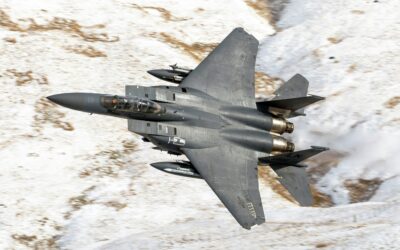
Friendly Fire Tragedy: 3 U.S. Fighter Jets Downed Over Kuwait
In a harrowing development amidst the rapidly widening regional conflict, U.S. Central Command (CENTCOM) confirmed that three American F-15E Strike Eagle fighter jets were mistakenly shot down by Kuwaiti air defenses late Sunday night. The incident, characterized by officials as a “friendly fire” catastrophe, occurred during a period of intense combat as the U.S. and Israel continue their coordinated military campaign against Iran, dubbed Operation Epic Fury. At The Modern Memo, we break down the chaotic conditions that led to this blunder, the miraculous survival of the flight crews, and what this signals for the stability of the U.S.-led coalition in the Gulf. The Incident: Combat Chaos Over Kuwait The loss of the three aircraft took place around 11:03 p.m. ET on Sunday, March 1, as U.S. forces were navigating a crowded and dangerous airspace. The Fog of War: During the incident, Kuwaiti air defenses were actively engaging incoming Iranian ballistic missiles, drones, and aircraft. In the high-stress environment of active combat, sensors and command systems struggled to distinguish between the friendly F-15s and hostile targets, leading to the catastrophic engagement. Miraculous Survival: Despite the jets being destroyed, all six aircrew members—two per F-15E—successfully ejected. They were recovered by Kuwaiti forces and are currently listed in “stable condition” at local medical facilities. Public Documentation: The incident was verified by raw, circulating footage showing the F-15s spiraling toward the ground in flames, with parachutes visible against the desert sky near Al Jahra, Kuwait. Regional Impact: The Widening Conflict This friendly fire event is the latest flashpoint in a war that has seen Iran strike targets across Bahrain, Qatar, the UAE, and Kuwait in retaliation for the initial U.S.-Israeli strikes that reportedly killed Iran’s Supreme Leader, Ali Khamenei. Casualties and Chaos: While the pilots survived, the broader conflict has taken a toll. U.S. officials have confirmed the deaths of four American service members in separate attacks on regional bases. Global Disruption: The intense military activity has led to the cancellation of thousands of flights across the Middle East, effectively grounding commercial aviation in the Gulf and stranding hundreds of thousands of travelers. Coalition Tension: Kuwait has formally acknowledged the “mistake” and is conducting a joint technical investigation with the U.S. to prevent a recurrence. However, the event highlights the extreme risks of operating in a theater where allied and adversary munitions are crossing paths at high velocities. The Strategy Under Scrutiny As Operation Epic Fury enters its third day, the U.S. administration is facing heightened scrutiny regarding its military strategy and the lack of clear, long-term objectives for this campaign. Operational Strain: Military analysts are pointing to the “ops tempo”—the sheer speed and density of combat operations—as a major contributor to the misidentification of the jets. The “Epic Fury” Outlook: While the White House maintains that the operation will continue until its security objectives are met, the incident has fueled debates in Washington over the necessity of the campaign and the lack of congressional authorization for what is fast becoming a full-scale regional war. Final Word The accidental downing of three American jets is a sobering reality check on the unpredictable nature of modern air combat. When you look past the headlines of “friendly fire” and focus on the data of the misidentified sensor profiles and the saturated combat environment, you gain a clearer picture of why this theater of war is so perilous for all parties involved. Quality information replaces the noise of military speculation with the clarity of official CENTCOM briefings and verified visual evidence. It allows you to see this event as a tragic consequence of an increasingly chaotic battlefield. By choosing to follow the verified facts of the crash investigation rather than the inflammatory claims circulating on social media, you align your perspective with the realities of modern warfare and support a more informed, resilient outlook on this rapidly escalating global situation. Where Facts, Context, and Perspective Matter At The Modern Memo, our goal is simple: to provide clear, well-researched reporting in a media landscape that often feels overwhelming. We focus on substance over sensationalism, and context over commentary. If you value thoughtful analysis, transparent sourcing, and stories that go beyond the headline, we invite you to share our work. Informed conversations start with reliable information, and sharing helps ensure important stories reach a wider audience. Journalism works best when readers engage, question, and participate. By reading and sharing, you’re supporting a more informed public and a healthier media ecosystem. The Modern Memo may be compensated and/or receive an affiliate commission if you click or buy through our links. Featured pricing is subject to change. 📩 Love what you’re reading? Don’t miss a headline! Subscribe to The Modern Memo here!
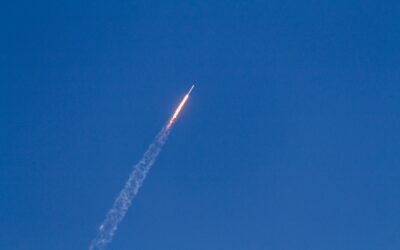
Decisive Strike: US and Israel Dismantle Iranian Regime Capabilities in Historic Weekend Operation
In a massive, coordinated military operation that began Saturday, February 28, the United States and Israel launched a series of high-intensity strikes against Iranian targets, effectively decapitating the clerical leadership that has long destabilized the Middle East. At The Modern Memo, we break down the tactical success of “Operation Epic Fury” and “Operation Roaring Lion,” the neutralization of Supreme Leader Ali Khamenei, and why this weekend marks a fundamental pivot toward regional peace. The Strategy: “Not a Regime Change War, but the Regime Did Change” For years, the American political establishment debated “containment.” Over the weekend, that strategy was replaced by decisive action. The goal, as framed by administration officials, was not a long-term nation-building project but the systematic dismantling of the regime’s capacity to threaten the region. The Takedown: A synchronized barrage of U.S. Tomahawk missiles, B-2 stealth bomber sorties, and Israeli fighter jets targeted over 2,000 sites, including intelligence headquarters, ballistic missile facilities, and the compounds of senior officials. Khamenei Neutralized: Iranian state media has confirmed the death of Supreme Leader Ali Khamenei. Defense Secretary Pete Hegseth summarized the sentiment of the operation: “This is not a so-called regime change war, but the regime sure did change.” Degrading Capabilities: Initial reports indicate the destruction of nine Iranian naval vessels and the systematic suppression of Iranian air defenses, granting the U.S.-Israeli coalition total air superiority. Regional Reaction: The Failed “Axis of Resistance” While the Iranian regime attempted to mobilize its proxy network to lash out in retaliation, the expected “regional wildfire” has met with significant resistance. The Retaliatory Flop: Tehran launched a series of drone and missile strikes targeting Israel and U.S. military assets in Gulf states. However, these attacks were largely uncoordinated and ineffective, with regional partners—many of whom are tired of Tehran’s decades of interference—condemning the strikes as violations of sovereignty. The “Axis” Faltering: With Iranian command-and-control disrupted, the “Axis of Resistance”—Hezbollah, Iraqi militias, and the Houthis—are finding themselves cut off from their primary benefactor. Reports indicate that the combined coalition force is systematically dismantling these networks as they scramble for new orders. The Path Forward: “Take Back Your Country” As the smoke clears, the administration is making a direct appeal to the Iranian people rather than the deposed clerical class. Support for the People: President Trump’s message has been clear: The U.S. military is targeting the regime’s ability to repress its own citizens and project terror abroad, not the Iranian people. The Diplomatic “Off-Ramp”: In a calculated move, the President indicated a willingness to speak to new leadership, provided they are willing to abandon nuclear ambitions and regional terror. Iran’s top security officials are currently scrambling to formulate a response to this new reality. Global Energy Stability: While critics raise alarms about oil prices, the reality is that the Strait of Hormuz remains contested but open. By knocking out Iran’s naval ability to close the strait, the U.S. has protected a vital global artery, signaling that “business as usual” for regime-sponsored chaos is over. Final Word The weekend’s events represent the collapse of the “appeasement” era and the return of a clear-eyed “Peace Through Strength” doctrine. When you look past the alarmist narratives of “escalation” from legacy outlets and focus on the data—the neutralization of the regime’s supreme leadership, the degradation of its ballistic capabilities, and the overwhelming superiority of the coalition force—you see a region that is finally being unshackled from the threats of the Islamic Republic. Quality information replaces the noise of uncertainty with the clarity of strategic results. It allows you to see this operation not as the start of a “forever war,” but as the decisive end of a decades-long struggle. By choosing to follow the facts of the coalition’s success, you align your perspective with the realities of modern security and support a more informed, resilient global future. Where Facts, Context, and Perspective Matter At The Modern Memo, our goal is simple: to provide clear, well-researched reporting in a media landscape that often feels overwhelming. We focus on substance over sensationalism, and context over commentary. If you value thoughtful analysis, transparent sourcing, and stories that go beyond the headline, we invite you to share our work. Informed conversations start with reliable information, and sharing helps ensure important stories reach a wider audience. Journalism works best when readers engage, question, and participate. By reading and sharing, you’re supporting a more informed public and a healthier media ecosystem. The Modern Memo may be compensated and/or receive an affiliate commission if you click or buy through our links. Featured pricing is subject to change. 📩 Love what you’re reading? Don’t miss a headline! Subscribe to The Modern Memo here!
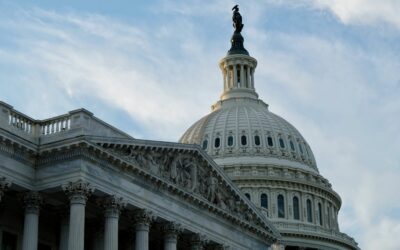
Epstein Investigation: Bill Clinton Faces Closed-Door Deposition Before Congressional Committee
The long-awaited standoff between the House Oversight Committee and the Clinton political dynasty reached its crescendo today, Friday, February 27, 2026. Following his wife’s testimony on Thursday, former President Bill Clinton appeared for a closed-door deposition to address his extensive, decades-long association with the late convicted sex trafficker Jeffrey Epstein. At The Modern Memo, we analyze the tension in Chappaqua, the “forgetfulness” of the former first couple, and why Republicans are refusing to let the Clintons’ Epstein connections fade into the “memory hole.” The Deposition: A House Divided The committee’s investigation—driven by Republican Chairman James Comer—is aimed at uncovering whether Epstein leveraged his proximity to the Clintons to influence policy, shield himself from legal scrutiny, or facilitate his trafficking operations through the Clinton Foundation. “Kangaroo Court” or Accountability?: The Clintons initially attempted to dodge the subpoenas, only agreeing to appear after the House moved toward a criminal contempt vote. Bill Clinton, who had demanded a public hearing, decried the closed-door proceedings as a “kangaroo court.” The “I Don’t Remember” Defense: Following Hillary Clinton’s testimony yesterday, in which she claimed she had “no idea” about Epstein’s crimes and couldn’t recall ever meeting him, the focus turned to Bill. While the former President has previously expressed “regret” for flying on Epstein’s jet, Republicans are pressing for specifics on the 17 recorded White House visits and the extent of their financial entanglements. Leaked Tensions: The deposition process hasn’t been smooth. On Thursday, proceedings were briefly halted after a photograph was leaked from inside the room, an incident Hillary Clinton described as “very upsetting.” The “Deflection” Strategy Throughout the week, the Clintons have leaned heavily on a pre-packaged counter-narrative: accusing the House investigation of being “partisan political theater” designed to shield the current administration. Pointing to Trump: Both Clintons have aggressively pivoted to demand that the committee subpoena President Trump, pointing to his own historical social interactions with Epstein. The “Conspiracy” Card: During her testimony, Hillary Clinton complained that Republicans veered off-topic, asking her about “vile, bogus conspiracy theories” such as “Pizzagate” and UFOs. Critics of the Clintons, however, argue that this is a classic diversionary tactic intended to frame legitimate inquiries as “fringe” to avoid answering uncomfortable questions about their own massive donor networks. Democratic Defense: Allies in the media and on the committee have echoed the Clintons’ framing, calling the inquiry a “fishing expedition” and asserting that no evidence links them to any wrongdoing. The Evidence Trail: Why the House Isn’t Backing Down Despite the denials, the House Oversight Committee remains focused on the “Epstein Files”—a tranche of millions of documents released by the Department of Justice that contain photographs of the former President with women whose identities remain redacted. The Foundation Link: Investigators are digging into whether Epstein’s influence extended into the Clinton Foundation’s global operations. The Visitor Logs: With logs showing Epstein visited the White House at least 17 times during the early 1990s, the committee is challenging the narrative that his relationship with the Clintons was casual or limited. The Standoff: Chairman Comer has maintained that while the Clintons are not currently accused of crimes, their testimony is essential to understanding how Epstein built his protection network among the political elite. Final Word The congressional testimony of Bill and Hillary Clinton is a defining moment for the post-2024 political landscape. When you look past the accusations of “theatre” and focus on the data of the Epstein Files and the documented donor history, you gain a clearer picture of an attempt to peel back the layers of influence that once kept the “elite club” shielded from the law. Quality information replaces the noise of partisan defensive posturing with the clarity of subpoena power and congressional oversight. It allows you to see these depositions not as a “witch hunt,” but as a necessary step toward transparency in the face of long-term political shielding. By choosing to follow the facts of the committee’s inquiries rather than the sanitized narratives of the Clinton spokesperson team, you align your perspective with the realities of accountability and support a more informed, resilient republic. Where Facts, Context, and Perspective Matter At The Modern Memo, our goal is simple: to provide clear, well-researched reporting in a media landscape that often feels overwhelming. We focus on substance over sensationalism, and context over commentary. If you value thoughtful analysis, transparent sourcing, and stories that go beyond the headline, we invite you to share our work. Informed conversations start with reliable information, and sharing helps ensure important stories reach a wider audience. Journalism works best when readers engage, question, and participate. By reading and sharing, you’re supporting a more informed public and a healthier media ecosystem. The Modern Memo may be compensated and/or receive an affiliate commission if you click or buy through our links. Featured pricing is subject to change. 📩 Love what you’re reading? Don’t miss a headline! Subscribe to The Modern Memo here!
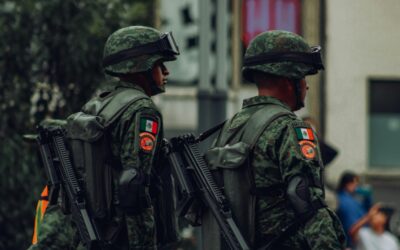
Cartel Siege: Tourists Barricade in Puerto Vallarta as “El Mencho” Killing Triggers National Chaos
The sun-drenched sanctuary of Puerto Vallarta was transformed into a “war zone” this week following the killing of Nemesio “El Mencho” Oseguera Cervantes, the ruthless leader of the Jalisco New Generation Cartel (CJNG). On Sunday, February 22, 2026, Mexican special forces—reportedly aided by critical U.S. intelligence—neutralized the kingpin in a high-stakes raid, sparking an immediate and coordinated wave of narco-terror that has left thousands of American tourists trapped behind hotel barricades. At The Modern Memo, we analyze the “twilight zone” conditions for travelers, the CJNG’s scorched-earth retaliation, and the intensifying pressure on the Mexican government to reclaim sovereignty from the cartels. The Breach: A Resort City Under Fire For decades, Puerto Vallarta was considered a “safe zone,” largely insulated from the brutal violence that plagues much of Mexico. That illusion shattered on Sunday morning when CJNG “strike teams” paralyzed the city. The Siege Tactics: Masked gunmen on motorcycles and in armored “monstruos” seized major avenues, using spike strips and hijacked buses to create flaming roadblocks. Tourists reported seeing taxis “blown up” to block access to the international airport. The Hotel Barricades: In harrowing accounts, visitors described pushing queen-sized beds against hotel room doors and arming themselves with kitchen knives as cartel members patrolled the streets below. “I could see them from my balcony—masked, wearing bulletproof vests, and carrying guns,” one Washington D.C. resident told news outlets. The Smoke Screen: Massive plumes of black smoke from torched businesses, including a mattress store and several vehicles, hovered over the bay for hours, choking the resort air with the smell of burnt rubber. The Targeted Takedown: End of the “Lord of the Roosters” The catalyst for the chaos was the death of El Mencho, who was killed during a military operation in Tapalpa, Jalisco. The Operation: Acting on surveillance of a romantic partner and intelligence from the U.S. Joint Interagency Task Force, special forces cornered the drug lord in the undergrowth. After a fierce firefight that killed eight gunmen, El Mencho died from his wounds while being airlifted to Mexico City. The Bounty: The U.S. had placed a $15 million bounty on El Mencho, identifying him as the primary architect behind the fentanyl crisis ravaging American heartlands. The Retaliation: Within hours of his death, CJNG orchestrated over 250 blockades across 22 Mexican states, demonstrating a level of paramilitary coordination that suggests the group was prepared for a “martyrdom” scenario. Travel Chaos: 5,000+ Stranded The aviation sector responded with a near-total shutdown of flights to the region. Major carriers including United, Delta, and American Airlines canceled all operations to Puerto Vallarta and Guadalajara as the airport came under the protection of the Mexican military. Trapped at the Gate: Cell phone footage from Sunday showed panicked travelers running for cover inside the Puerto Vallarta airport terminal as rumors of an imminent cartel assault spread. Shelter-in-Place: The U.S. State Department issued an emergency alert, directing all American nationals to remain in their hotels. While some flights began to resume on Monday, thousands remain displaced, with many not expected to find a seat home until late Thursday. Security Perspective: The Vacuum of Power While the elimination of El Mencho is a massive symbolic victory for the Trump administration’s “War on Cartels,” security experts warn that the most dangerous phase is just beginning. The Succession Crisis: Unlike the Sinaloa Cartel, the CJNG lacks a clear “heir apparent,” making a violent internal power struggle almost certain. National Sovereignty: Critics of the Mexican government argue that the speed and scale of the cartel’s retaliation prove that the state has lost control of its own infrastructure. Proponents of a harder line argue that only “overwhelming force” and continued U.S. military-grade intelligence can dismantle these organizations for good. Final Word The siege of Puerto Vallarta isn’t just a travel disruption—it plays a powerful role in your understanding of the lethal reach of the cartels and the high cost of restoring the rule of law. When you look past the “beach vacation” tragedy and focus on the data of a 22-state coordinated attack and the technicality of the U.S.-assisted raid, you gain a clearer picture of why “hugs, not bullets” has failed. Quality information replaces the noise of resort-town rumors with the clarity of tactical briefings and intelligence benchmarks. It allows you to see this event as a turning point in the struggle for North American security. By choosing to follow the hard facts of the CJNG’s capabilities rather than the sanitized versions from the tourism boards, you align your perspective with the realities of modern warfare and support a more informed, resilient national defense. Where Facts, Context, and Perspective Matter At The Modern Memo, our goal is simple: to provide clear, well-researched reporting in a media landscape that often feels overwhelming. We focus on substance over sensationalism, and context over commentary. If you value thoughtful analysis, transparent sourcing, and stories that go beyond the headline, we invite you to share our work. Informed conversations start with reliable information, and sharing helps ensure important stories reach a wider audience. Journalism works best when readers engage, question, and participate. By reading and sharing, you’re supporting a more informed public and a healthier media ecosystem. The Modern Memo may be compensated and/or receive an affiliate commission if you click or buy through our links. Featured pricing is subject to change. 📩 Love what you’re reading? Don’t miss a headline! Subscribe to The Modern Memo here!
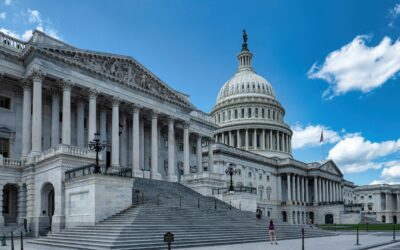
The Golden Age of America: President Trump Defiantly Declares the Union “Rich, Strong, and Winning”
In a marathon address that clocked in as the longest in modern history, President Donald J. Trump delivered the 2026 State of the Union last night, painting a picture of an American resurgence that he dubbed “a turnaround for the ages.” Speaking to a packed and often raucous House chamber on Tuesday, February 24, 2026, the President leveraged his signature “America First” rhetoric to tout a roaring economy and a locked-down border, even as he signaled a more aggressive stance toward foreign adversaries. At The Modern Memo, we break down the highlights of the nearly two-hour speech, from the “Made-for-TV” hero tributes to the bold new directives for 2026. “Winning Like Never Before”: The Economic Victory Lap The President spent the first hour of his address focused on what he called the “Trump Boom,” a direct rebuttal to critics of his trade and tariff policies. The 5% GDP Goal: Trump boasted that his administration’s mix of tax cuts—specifically the elimination of taxes on tips and overtime—and aggressive deregulation through the Department of Government Efficiency (DOGE) has pushed GDP growth toward 5%. Stock Market at 50,000: The President celebrated the Dow Jones Industrial Average hitting historic milestones, calling it “the greatest wealth-building machine in human history.” Energy Dominance: Trump reiterated that “beautiful, clean energy” and record-breaking domestic oil production have slashed input costs for manufacturers, promising that gas prices would continue to fall as the “war on energy” ends. Security and Sovereignty: The “War on Fraud” and the Border The mood in the chamber turned combative when the President pivoted to domestic security and immigration enforcement. The “War on Fraud”: Trump announced a new, sweeping initiative to root out “billions in waste and theft” within the federal system, sparking a shouting match with some Democratic lawmakers. Zero-Crossing Goal: Pointing to data showing border encounters at a 50-year low, Trump declared that the era of “catch and release” is buried. “The first duty of the American government is to protect American citizens, not illegal aliens,” he said to thunderous Republican applause. National Guard Recognition: In a somber moment, the President honored the memory of Sarah Beckstrom, a 20-year-old National Guard member killed in the line of duty, using the moment to call for a “final victory” over cartel-driven crime. Foreign Policy: The Board of Peace and the Iran Threat President Trump signaled that while he prefers diplomacy, his “Peace Through Strength” doctrine is entering a more kinetic phase. Gaza and the Board of Peace: Trump touted the “Deal of the Century” for Gaza, highlighting the work of the newly formed Board of Peace to reconstruct the region under a “New Gaza” vision of free-market prosperity. The Iran Ultimatum: In one of the night’s most striking sections, Trump claimed the U.S. had “obliterated” Iran’s nuclear program in previous strikes but warned that Tehran is “pursuing sinister ambitions” again. He kept all military options on the table, asserting he would never allow the world’s “number one sponsor of terror” to obtain a nuclear weapon. Ending the “Slaughter” in Ukraine: Trump noted he is “working hard” to end the Russia-Ukraine war, claiming it would never have happened under his watch and that “25,000 soldiers are dying every month” unnecessarily. Made-for-TV Moments: Medals and Miracles True to form, the President utilized the House gallery to highlight American excellence. Olympic Gold: The U.S. men’s hockey team, fresh off their gold medal win in Italy, received a bipartisan standing ovation. Trump surprised goaltender Connor Hellebuyck by announcing he would receive the Presidential Medal of Freedom. Reuniting Families: In a highly emotional moment, Trump introduced Alejandra Gonzales, a woman whose uncle had been a political prisoner of the Maduro regime in Venezuela. Trump then revealed her uncle was in the chamber, having been recently released following a U.S. military operation that the President credited with “restoring liberty” to the country. Final Word Yesterday’s State of the Union was a masterclass in the Trumpian “Merit and Might” philosophy. When you look past the partisan heckling and the “fact-checks” from the legacy press, you see a roadmap for an administration that is doubling down on its 2024 mandate. Quality information replaces the noise of political theatre with the clarity of economic data and strategic shifts. It allows you to see this address as a definitive break from the “stagnation” of the previous decade. By choosing to analyze the President’s actual benchmarks for the “Golden Age” rather than the slogans, you align your perspective with the realities of a nation reshaping its future and support a more informed, resilient republic. Where Facts, Context, and Perspective Matter At The Modern Memo, our goal is simple: to provide clear, well-researched reporting in a media landscape that often feels overwhelming. We focus on substance over sensationalism, and context over commentary. If you value thoughtful analysis, transparent sourcing, and stories that go beyond the headline, we invite you to share our work. Informed conversations start with reliable information, and sharing helps ensure important stories reach a wider audience. Journalism works best when readers engage, question, and participate. By reading and sharing, you’re supporting a more informed public and a healthier media ecosystem. The Modern Memo may be compensated and/or receive an affiliate commission if you click or buy through our links. Featured pricing is subject to change. 📩 Love what you’re reading? Don’t miss a headline! Subscribe to The Modern Memo here!

State of Emergency: Northeast Digs Out from Historic “Blizzard of 2026”
A historic nor’easter, unofficially dubbed Winter Storm Hernando, paralyzed the Northeastern United States on Monday, February 23, 2026. As residents begin the grueling process of digging out today, Tuesday, February 24, the region remains under a blanket of snow that shattered century-old records in just 24 hours. At The Modern Memo, we analyze the atmospheric “bomb cyclone” that triggered the chaos, the total shutdown of regional travel, and the staggering snowfall totals that reached an astounding 3 inches per hour at the storm’s peak. NYC Digs Out: 3 Inches Per Hour Legacy New York City Mayor Zohran Mamdani‘s citywide State of Emergency and absolute ban on non-essential travel remained in effect through yesterday as “thundersnow” rocked the five boroughs. Today, the focus shifts to recovery as the travel ban is slowly lifted for essential services. Snowfall Intensity: At the height of the storm, rates of 2 to 3 inches per hour created total whiteout conditions, making it impossible for plow crews to maintain primary corridors. Accumulation Totals: Central Park officially recorded 15 inches by Monday evening, while parts of Staten Island and Brooklyn saw totals nearing 20 inches. The Cleanup: Over 2,000 garbage-trucks-turned-snowplows worked through the night. While major arteries like the FDR Drive are reopening today, secondary residential streets remain largely impassable. 5,000+ Flights Grounded in Single-Day Chaos The aviation industry faced a near-total collapse across the Northeast corridor yesterday. According to FlightAware data from Monday, more than 5,000 flights to and from the United States were canceled, with the vast majority concentrated at regional hubs. Airport Paralyzation: New York’s JFK and LaGuardia airports reported a 98% cancellation rate yesterday. Boston Logan and Newark Liberty were effectively shuttered as crews struggled to clear runways against 50-mph wind gusts. Residual Delays: While “blue sky” weather has returned today, travelers are facing a logistical nightmare. Airlines warn that it may take until the weekend to clear the backlog of displaced passengers. Rail Updates: Amtrak has begun restoring its Northeast Corridor schedule today, though “thaw-and-freeze” cycles on the tracks are expected to cause significant speed restrictions. The Anatomy of a “Bomb Cyclone” Meteorologists characterize this storm as a classic bomb cyclone, a nor’easter that underwent “bombogenesis”—a rapid drop in atmospheric pressure of at least 24 millibars in 24 hours. Wind Gusts: Hurricane-force gusts were recorded along the coast on Monday, with Wellfleet, Massachusetts, hitting a peak gust of 98 mph. Power Outages: Approximately 650,000 customers lost power during the storm. Utility crews from as far as the Midwest have arrived today to assist in the massive restoration effort, particularly in hard-hit areas of New Jersey and Massachusetts. Coastal Damage: Monday’s significant storm surges led to major flooding in low-lying areas of Long Island and the Jersey Shore; assessment of the structural damage to boardwalks and homes began at sunrise today. “Old School” Snow Days and the Digital Break In a move that surprised many in the digital age, the New York City school district declared a traditional “snow day” yesterday, canceling all remote instruction. This morning, many schools remain closed as buildings are inspected for safety and staff struggle to commute, marking a rare two-day break from the 24/7 connectivity of modern education. Final Word The “Blizzard of 2026” serves as a powerful reminder of the sheer power of atmospheric volatility. When you look past the “whiteout” headlines and focus on the data of bombogenesis and the technicality of 3-inch-per-hour snowfall rates, you gain a clearer picture of why our infrastructure remains vulnerable to extreme weather despite our technological advances. Quality information replaces the noise of social media panic with the clarity of NWS benchmarks and official emergency directives. It allows you to see this storm as a historic meteorological event rather than a mere inconvenience. By choosing to follow the verified reports from the National Weather Service rather than the rumors of a “weeks-long” shutdown, you align your perspective with the realities of modern emergency management and support a more informed, resilient community. Where Facts, Context, and Perspective Matter At The Modern Memo, our goal is simple: to provide clear, well-researched reporting in a media landscape that often feels overwhelming. We focus on substance over sensationalism, and context over commentary. If you value thoughtful analysis, transparent sourcing, and stories that go beyond the headline, we invite you to share our work. Informed conversations start with reliable information, and sharing helps ensure important stories reach a wider audience. Journalism works best when readers engage, question, and participate. By reading and sharing, you’re supporting a more informed public and a healthier media ecosystem. The Modern Memo may be compensated and/or receive an affiliate commission if you click or buy through our links. Featured pricing is subject to change. 📩 Love what you’re reading? Don’t miss a headline! Subscribe to The Modern Memo here!

Security Breach Neutralized: Secret Service Stops Armed Intruder at Mar-a-Lago Perimeter
The thin line between safety and chaos was tested early Sunday morning as the U.S. Secret Service decisively ended a life-threatening security breach at Mar-a-Lago. At approximately 1:30 a.m. on February 22, 2026, an armed suspect was shot and killed after penetrating the secure north gate of President Trump’s Florida estate. At The Modern Memo, we analyze the tactical response that neutralized the threat, the suspect’s background, and the mounting concerns regarding the safety of the President in a climate of persistent political hostility. The Breach: A High-Stakes Confrontation The incident unfolded under the cover of darkness when the suspect—identified as 21-year-old Austin Tucker Martin of North Carolina—successfully drove past the secure perimeter by “tailgating” another vehicle as it was exiting the property. The Tactical Standoff: Two Secret Service agents and a Palm Beach County sheriff’s deputy quickly intercepted Martin near the north gate. He was found carrying a shotgun and a fuel container. The Escalation: According to Palm Beach County Sheriff Ric Bradshaw, Martin was ordered to drop the weapon. While he lowered the gas can, he reportedly raised the shotgun into a firing position, prompting the agents and the deputy to open fire to neutralize the threat. The Result: Martin was pronounced dead at the scene. No law enforcement personnel or bystanders were injured. Fortunately, President Trump and First Lady Melania Trump were at the White House at the time of the incursion. The Suspect: A “Missing” Person with a Shotgun The profile of the intruder remains a focal point of the joint investigation involving the FBI and the Secret Service. Missing Person Status: Family members in North Carolina had reported Martin missing just days before the incident. Investigators believe he traveled south specifically to target the estate, picking up the shotgun and its original box—later found in his vehicle—along the way. The Background Paradox: While White House Press Secretary Karoline Leavitt characterized the intruder as a threat to the President’s home, Martin’s own family expressed shock. His cousin described him as a “good kid” from a family of Trump supporters, adding further mystery to his motives for the breach. Motive Investigation: FBI Director Kash Patel confirmed that the bureau is dedicating all necessary resources to determine if Martin was acting alone or under external influence. The Patterns of Political Violence This latest breach serves as a chilling reminder of the heightened security environment surrounding the 47th President. This event follows a series of high-profile threats, including the 2024 assassination attempt in Butler, Pennsylvania, and the thwarted sniper plot at Trump’s West Palm Beach golf club. Decisive Action: Supporters of the administration have praised the Secret Service for their “quick and decisive” action, contrasting the successful neutralization with past lapses in protective detail. National Security Implications: The presence of both a long gun and a fuel canister suggests an intent for significant destruction. Security experts note that the suspect’s ability to bypass the gate using a trailing-vehicle maneuver highlights a persistent vulnerability in “layered” perimeter defense. Final Word The neutralization of an armed intruder at Mar-a-Lago isn’t just a local police report—it plays a powerful role in your understanding of the ongoing threats directed at the President’s home. When you look past the media’s attempts to humanize the suspect and focus on the data of a raised shotgun and a fuel can inside a restricted zone, you gain a clearer picture of the vigilance required to protect the Executive. Quality information replaces the noise of speculation with the clarity of police briefings and tactical results. It allows you to see this event as a successful exercise of protective authority. By choosing to follow the facts of the Secret Service’s response rather than the sympathetic narratives of the legacy press, you align your perspective with the realities of national security and support a more informed, resilient republic. Where Facts, Context, and Perspective Matter At The Modern Memo, our goal is simple: to provide clear, well-researched reporting in a media landscape that often feels overwhelming. We focus on substance over sensationalism, and context over commentary. If you value thoughtful analysis, transparent sourcing, and stories that go beyond the headline, we invite you to share our work. Informed conversations start with reliable information, and sharing helps ensure important stories reach a wider audience. Journalism works best when readers engage, question, and participate. By reading and sharing, you’re supporting a more informed public and a healthier media ecosystem. The Modern Memo may be compensated and/or receive an affiliate commission if you click or buy through our links. Featured pricing is subject to change. 📩 Love what you’re reading? Don’t miss a headline! Subscribe to The Modern Memo here!
The New Peace Paradigm: Trump Secures Historic Billions for Gaza Stabilization at Inaugural “Board of Peace” Meeting
In a move that bypasses the “bloated bureaucracies” of traditional international bodies, President Donald J. Trump convened the inaugural meeting of the Board of Peace today, February 19, 2026. Stepping into the newly renamed Donald J. Trump U.S. Institute of Peace, the President secured immediate, massive commitments from a coalition of over 20 nations aimed at the total reconstruction and demilitarization of the Gaza Strip. At The Modern Memo, we analyze the $17 billion fundraising surge, the “New Gaza” real estate vision, and how this body is effectively sidelining the United Nations. The $17 Billion “Stability Fund” While legacy institutions often spend years debating budgets, the Board of Peace moved with “Trump-speed,” announcing staggering financial commitments within the first hour of the summit. The Member Pledges: Nine nations—including Saudi Arabia, the UAE, Kuwait, and Qatar—pledged a combined $7 billion specifically for Gaza relief and infrastructure. The U.S. Anchor: President Trump doubled down on American leadership by pledging $10 billion in U.S. funds for the Board, though he signaled this money would be tied to “strict performance and demilitarization benchmarks.” Economic Logic: In his opening remarks, Trump described the funds as an “investment in stability,” arguing that a prosperous, “harmonious” Middle East is the only permanent solution to generations of conflict. Security: The International Stabilization Force (ISF) The most critical pillar of the “Trump Peace Plan” is the establishment of the International Stabilization Force (ISF), an armed body tasked with the permanent disarmament of Hamas. Troop Commitments: In a significant win for the administration, major Islamic nations—including Indonesia, Morocco, and Kazakhstan—officially pledged troops for the stabilization force. Police Training: Regional heavyweights Egypt and Jordan have committed to training a new, depoliticized Palestinian police force to manage day-to-day civil order. The Command: Under the leadership of Maj. Gen. Jasper Jeffers, the ISF will oversee the destruction of weapon manufacturing sites and incentivize the handover of light weapons through “funds, jobs, and amnesty.” Remaking the World: A Rival to the UN? The Board of Peace is increasingly being viewed as a pragmatic alternative to the United Nations, which the President has criticized for being “rife with ideological bias.” A “Nimble” Alternative: U.S. Ambassador to the UN Mike Waltz defended the Board’s unconventional structure, stating that “the old ways were not working.” Authoritarian Slant? While European allies like the UK, France, and Germany declined to join the inaugural meeting, the Board features strong participation from the “doers” of the Middle East and Central Asia, along with allies like Argentina’s Javier Milei and Hungary’s Viktor Orbán. Global Remit: Though the current focus is Gaza, the Board’s charter allows it to intervene in “any area affected or threatened by conflict,” suggesting it may soon take over roles previously held by the 66 international organizations the U.S. exited earlier this year. “New Gaza”: From Rubble to Real Estate The vision for the territory—frequently referred to as the “New Gaza” plan championed by Jared Kushner—reimagines the enclave through the lens of free-market principles. District Redevelopment: The plan treats Gaza as “prime beachfront real estate,” dividing the territory into designated districts designed to resemble high-end Gulf cities like Dubai. GDP Overhaul: Kushner noted that for too long, 85% of Gaza’s GDP was aid. The Board aims to flip this by creating “economic zones” that empower Palestinians to thrive through capitalism rather than dependence. Final Word The inaugural Board of Peace meeting marks a fundamental shift toward “transactional diplomacy,” where results are measured in dollars pledged and boots committed rather than speeches made. When you look past the skepticism of the “chattering class” and focus on the data of a $17 billion starting fund and the technicality of the ISF’s disarmament mandate, you gain a clearer picture of a new international order. Quality information replaces the noise of bureaucratic defensiveness with the clarity of action-oriented benchmarks. It allows you to see this Board not as a “distraction,” but as a necessary disruption of a failed status quo. By choosing to follow the results of the Washington summit rather than the handwringing of the legacy press, you align your perspective with the realities of modern peacemaking and support a more informed, resilient global future. Where Facts, Context, and Perspective Matter At The Modern Memo, our goal is simple: to provide clear, well-researched reporting in a media landscape that often feels overwhelming. We focus on substance over sensationalism, and context over commentary. If you value thoughtful analysis, transparent sourcing, and stories that go beyond the headline, we invite you to share our work. Informed conversations start with reliable information, and sharing helps ensure important stories reach a wider audience. Journalism works best when readers engage, question, and participate. By reading and sharing, you’re supporting a more informed public and a healthier media ecosystem. The Modern Memo may be compensated and/or receive an affiliate commission if you click or buy through our links. Featured pricing is subject to change. 📩 Love what you’re reading? Don’t miss a headline! Subscribe to The Modern Memo here!
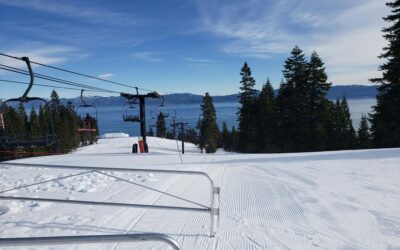
Sierra Tragedy: 8 Dead, 1 Missing Following Catastrophic Lake Tahoe Avalanche
The Sierra Nevada has been struck by its deadliest avalanche in nearly half a century. On Wednesday, February 18, 2026, Nevada County authorities confirmed that eight backcountry skiers were found dead and one remains missing after a massive slide near Castle Peak, approximately 10 miles north of Lake Tahoe. At The Modern Memo, we analyze the timeline of the disaster, the perilous rescue operations, and the “perfect storm” of conditions that triggered the deadliest U.S. avalanche since 1981. The Incident: A Three-Day Journey Ends in Disaster The tragedy involved a guided group from Blackbird Mountain Guides, consisting of 11 clients and four guides. The group was on the final leg of a three-day backcountry expedition, returning from the remote Frog Lake huts, when the mountain gave way. The Timeline: The avalanche was reported at approximately 11:30 a.m. on Tuesday, February 17. A distress call was made via satellite beacon, signaling a mass-casualty event at an elevation of roughly 8,200 feet. The Scale: Officials described the slide as massive, spanning the length of a football field. It occurred during a “monster” winter storm that dropped over 30 inches of snow in a single 24-hour period. The Survivors: Of the 15 people in the group, six were rescued alive Tuesday evening. These survivors—five women and one man, ranging in age from 30 to 55—were found in a makeshift shelter they had constructed from tarps while awaiting help. Two were hospitalized with significant injuries. The Recovery Mission: Treacherous Conditions The search for the remaining nine skiers transitioned from a rescue to a recovery mission on Wednesday morning as Nevada County Sheriff Shannan Moon delivered the grim update to grieving families. Eight Bodies Located: Search crews using avalanche probes and emergency beacons located eight of the nine missing individuals on Wednesday. One Still Unaccounted For: One skier remains missing. While the search continues, authorities have stated they are “presuming the individual has perished” due to the extreme conditions and depth of the snow. Extraction Delays: Due to gale-force winds and the high risk of secondary avalanches, the bodies of the deceased have not yet been removed from the site. Crews have marked the locations with poles to ensure they can be recovered once the weather stabilizes. The “Perfect Storm”: Why Now? The Sierra Avalanche Center had issued a “High” avalanche warning (Level 4 out of 5) on Tuesday morning, specifically warning against travel in the backcountry. Fragile Snowpack: The disaster was caused by a “slab avalanche,” where a heavy load of new, rapidly accumulating snow sat atop a fragile, weak layer of older snow. Gale-Force Winds: High winds created “wind slabs,” further overloading the unstable slopes. Backcountry Risk: Unlike commercial ski resorts—which were partially closed Tuesday and use controlled explosions to mitigate risk—the backcountry offers no such protections. Even with beacons, shovels, and expert guides, the sheer volume of this slide made survival nearly impossible. Final Word Staying informed on the Castle Peak tragedy isn’t just about reading a headline—it plays a powerful role in your understanding of the lethal realities of the “Great Outdoors.” When you look past the shock and focus on the data of the Level 4 avalanche warning and the technicality of “slab release,” you gain a clearer picture of why situational awareness is non-negotiable in the backcountry. Quality information replaces the noise of social media speculation with the clarity of official sheriff briefings and avalanche forecaster data. It allows you to see this event as a somber reminder of the power of the Sierra Nevada. By choosing to follow the facts of the investigation rather than the theories of internet sleuths, you align your perspective with the realities of mountain safety and support a more informed, resilient community of winter enthusiasts. Where Facts, Context, and Perspective Matter At The Modern Memo, our goal is simple: to provide clear, well-researched reporting in a media landscape that often feels overwhelming. We focus on substance over sensationalism, and context over commentary. If you value thoughtful analysis, transparent sourcing, and stories that go beyond the headline, we invite you to share our work. Informed conversations start with reliable information, and sharing helps ensure important stories reach a wider audience. Journalism works best when readers engage, question, and participate. By reading and sharing, you’re supporting a more informed public and a healthier media ecosystem. The Modern Memo may be compensated and/or receive an affiliate commission if you click or buy through our links. Featured pricing is subject to change. 📩 Love what you’re reading? Don’t miss a headline! Subscribe to The Modern Memo here!